Garden Soil vs Potting Soil vs Top Soil: Differences Explained
Garden soil belongs in in-ground beds, potting soil is made for containers, and topsoil is the upper layer of earth used to fill or level ground. They can look similar in a bag, but their texture, drainage, and intended use differ enough to affect how your plants grow.
Are you trying to fill a raised bed, repot a houseplant, or patch a low spot in the yard? The wrong bag can leave roots sitting in soggy soil or a container so dense it feels like a brick.
I once used a bag of garden soil in a large container because the label sounded like a safe all-purpose choice. After watering, the mix settled into a heavy, slow-draining mass, and I spent the afternoon replacing it instead of planting. That’s a common mistake, not a dumb one.
I wrote this to help you choose soil by where the plant will grow, not by the most appealing bag label. You’ll get a clear explanation of each type, what to check before buying, and how to fix common problems without guessing.
The right match can mean healthier roots, fewer watering headaches, and less money spent replacing plants or soil. Choose poorly, and you may be dealing with stalled growth, waterlogged pots, or a yard that still needs more filling material.
This takes about 10 minutes to read. By the end, you’ll know how to:
- Match soil to garden beds, containers, and lawn repairs.
- Read a soil bag label without getting lost in the wording.
- Spot poor drainage and improve soil with the right material.
- Avoid common mix-ups that make planting harder.
Garden Soil vs Potting Soil vs Top Soil: Which One Goes Where?
Use garden soil in in-ground beds, potting soil in containers, and topsoil to fill or level areas of ground. For a tomato in a patio pot, choose potting soil; for a garden bed, use existing soil improved with suitable amendments; for a shallow lawn dip, use topsoil.
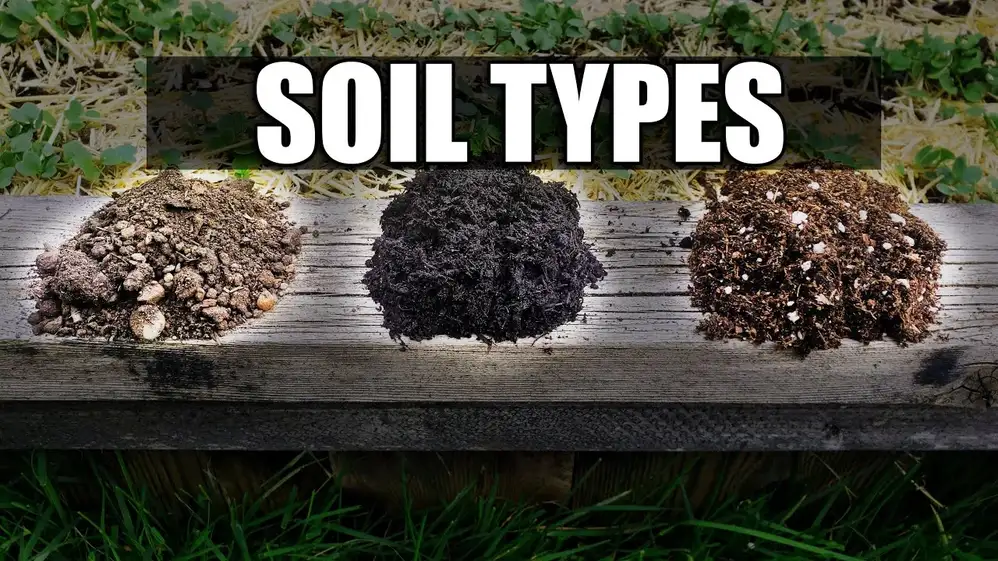
The main difference is how each material behaves around roots. Garden soil is soil or a soil-based product intended for planting in the ground, potting soil is a lightweight growing medium made for containers, and topsoil is the upper layer of earth, sold either screened or in bulk.
| Material | Best use | Common traits | Poor choice for |
|---|---|---|---|
| Garden soil | In-ground planting beds | Often heavier and more soil-like; quality varies by product | Most pots and indoor planters |
| Potting soil | Containers, window boxes, and many raised planters | Light, porous, and designed to leave air around roots | Filling large yard areas |
| Topsoil | Filling low spots, building grade, and adding ground cover | Variable texture and organic matter; may contain clods or debris | Direct use in most pots |
The wording on a bag can be slippery. Some products labeled “garden soil” contain added organic matter, while others are mostly mineral soil; read the ingredients and directions instead of assuming every bag is the same.
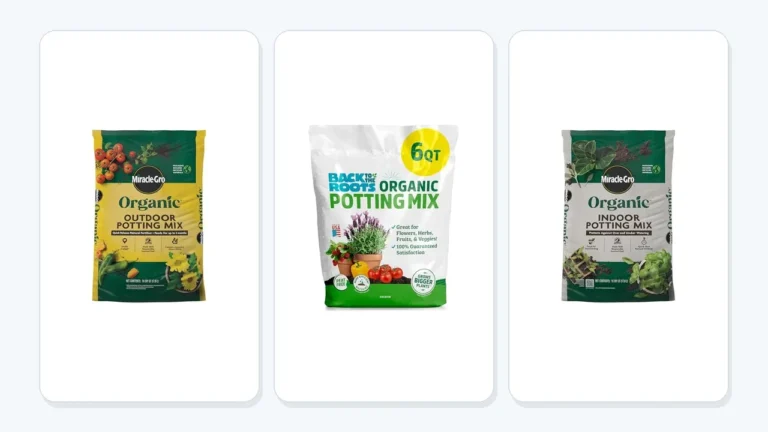
A bag of potting soil may contain peat moss, coir, bark, perlite, or other ingredients that help manage air and water. The exact recipe varies, so check the label for the plant type and use rather than expecting every product to perform identically.
You’ll also run into products called potting mix. The distinction between potting mix and potting soil depends on the product, since labels aren’t used in one perfectly consistent way; both are generally sold for container growing, so compare ingredients and directions.
Topsoil describes where the soil came from in the ground, not a guaranteed texture or quality grade. One load may be dark and crumbly, while another is pale, compacted, or full of stones, so inspect bulk soil before it’s spread across a whole bed.
Garden soil and potting soil also aren’t interchangeable just because both can support plants. For a deeper comparison of garden soil and potting soil, focus on where the roots will grow and whether the material can drain freely in that setting.
Pro Tip: If you’re buying loose topsoil, ask what screening it received and whether the load may contain rocks, roots, or other debris. A small sample is easier to assess than a full truckload spread across the yard.
Choose Soil for Beds, Containers, and Yard Repairs
Start with the planting location, then choose a product that fits its drainage and filling needs. A raised bed connected to open ground may behave differently from a planter sitting on a deck, even if both are called raised beds.
For in-ground beds, begin with the soil already there. Garden soil can add material to a bed, but piling on a different soil without checking texture may create a sharp change between layers that holds water or dries at a different pace.
For containers, choose a labeled potting product that suits the plant and pot. A five-gallon container of herbs needs a medium that stays airy after watering, while a heavy soil intended for garden beds can settle and squeeze air from the root zone.
For lawns and ground-level repairs, topsoil can fill shallow depressions or provide a surface for new planting. If you’re filling a deep hole, don’t assume topsoil alone is the right fill material; the job may call for suitable fill beneath a top layer, depending on the site and what will grow there.
Here’s a practical way to make the choice:
- Name the location. Is the plant going in the ground, a pot, or a spot that needs filling?
- Check the label. Look for the intended use, ingredients, and any directions about mixing or planting.
- Check the texture. A handful of moist material should feel suited to the job, not like a clod that stays packed or a powder that blows away.
- Consider drainage. A pot needs drainage holes and a growing medium that holds some water without staying soaked.
- Buy a small amount first. Test unfamiliar bulk soil or a new product before ordering enough for a large project.
What if the label says a product works for beds and containers? Read the fine print and consider the actual ingredients; broad claims don’t tell you how the material will behave in your particular pot or soil.
Soil texture matters because it affects how water and air move around roots. Soil structure means how particles group into clumps, or aggregates; a crumbly structure leaves more pathways for air and water than a dense, tightly packed mass.
If you’re working with a garden bed, a basic drainage check can help. Dig a small hole, fill it with water, and watch how quickly the water drains; results depend on soil and site conditions, but standing water is a sign to investigate before planting water-sensitive crops.
I once spread a load of topsoil before checking how much debris was mixed through it. The clods and small stones made raking a chore, and I had to screen more than I expected; now I check a sample before committing to a big delivery.
Important Tip: Wear gloves when handling soil and wash your hands before eating. Bagged products and bulk soil can contain dust or debris, so avoid breathing in dust while pouring or screening dry material.
A good shopping decision often starts with the plant, not the bag. A cactus in a pot, a leafy vegetable in a garden bed, and a low lawn spot call for different material, even if the garden center stacks all three products side by side.
Fix Soil Problems Before They Hurt Your Plants
Match the fix to the symptom instead of adding more soil at random. Poor growth can come from drainage, watering, compaction, or plant needs, so swapping the whole soil supply may not solve the real problem.
| What you notice | Possible cause | A sensible first step |
|---|---|---|
| Water sits on the surface | Compaction, poor drainage, or a low spot | Check drainage and loosen or rework the affected area |
| Pot stays wet for days | Dense medium, blocked drainage holes, or frequent watering | Clear the holes and review the potting medium and watering |
| Soil dries very fast | Small container, hot location, or low water retention | Check pot size and watering routine before changing the mix |
| Plants struggle in a bed | Soil conditions, water, light, or plant mismatch | Check the growing conditions and soil before adding material |
Don’t put gravel in the bottom of a pot to “improve drainage.” Gravel takes up root space and doesn’t fix a dense growing medium; use a pot with working drainage holes and a suitable potting mix instead.
If a container drains poorly, check for clogged holes and a saucer holding excess water. If the potting medium has collapsed or become dense, repotting into fresh container material may help more than adding a layer of topsoil.
For garden beds, adding organic matter can improve soil structure over time, but the right amount and type depend on the existing soil and plants. Mix amendments through the area as directed rather than laying a thin, different-textured layer where roots may encounter an abrupt boundary.
What should you do if a new bed has a mix of unknown soil? Start with a small planting area and monitor how water moves after irrigation or rain; a simple trial can reveal drainage trouble before you fill the entire bed with plants.
Avoid using soil from the yard in houseplant pots unless you know it’s suitable and can manage its drainage. In-ground soil may be too heavy for a small container and can introduce weed seeds or pests, while a potting product is designed for a more confined root space.
A few habits prevent a lot of frustration:
- Keep potting soil covered and dry between uses.
- Don’t store wet soil in a sealed bag, where it can become unpleasant or develop mold.
- Use a clean container and fresh potting medium when repotting plants with root problems.
- Don’t assume dark color means a soil product has the right texture or ingredients.
- Follow the bag’s directions when a product is sold as a blend or amendment.
A plant can wilt in wet soil because damaged or oxygen-starved roots can’t take up water well. Before watering again, check the soil a little below the surface; the top can feel dry while the root area remains wet.
FAQs About Garden Soil vs Potting Soil vs Top Soil
Can I use garden soil in pots?
Garden soil usually isn’t the best choice for pots because it can compact in a container and restrict air around roots. Use a potting product labeled for container growing, and choose one suited to the plant. A pot with drainage holes also helps excess water escape.
Is topsoil the same as garden soil?
Topsoil is the upper layer of ground, while garden soil is a product intended for in-ground planting. Garden soil may contain added organic matter or other ingredients, and both terms can describe materials with different textures. Check the label or inspect bulk soil before using a large amount.
Can I mix potting soil with garden soil?
You can mix materials for some planting projects, but the right blend depends on the crop, location, and product. Don’t add garden soil to a container by default, since it may make the medium dense. For an in-ground bed, follow the product directions and avoid creating abrupt layers.
Can topsoil be used in a raised bed?
Topsoil can be part of a raised-bed fill, but topsoil by itself may not provide the texture or organic matter your plants need. Check the product and the bed’s connection to the ground before filling. For a container-style planter, choose a growing medium intended for that setup.
Why does my potting soil stay wet?
Potting soil may stay wet because the pot lacks open drainage holes, the medium has become compacted, or watering is too frequent for the plant and conditions. Check below the surface before watering again. If the growing medium remains dense, repotting may help more than adding another material.
Make the Soil Choice That Fits the Job
Soil labels make more sense once you separate planting from filling: potting soil is for containers, garden soil is meant for in-ground beds, and topsoil is used to cover or shape ground. The best choice still depends on the product’s ingredients and the place where roots will grow.
I’d choose based on drainage and texture before color or a broad “all-purpose” claim. That small pause can save you from hauling dense soil back out of a pot or screening an unwanted load across the yard.
Your next step is simple: decide where the plant or soil will go, then check the bag or bulk sample for a match. If you’re unsure, test a small amount first. A little checking now beats a weekend spent undoing the wrong choice.