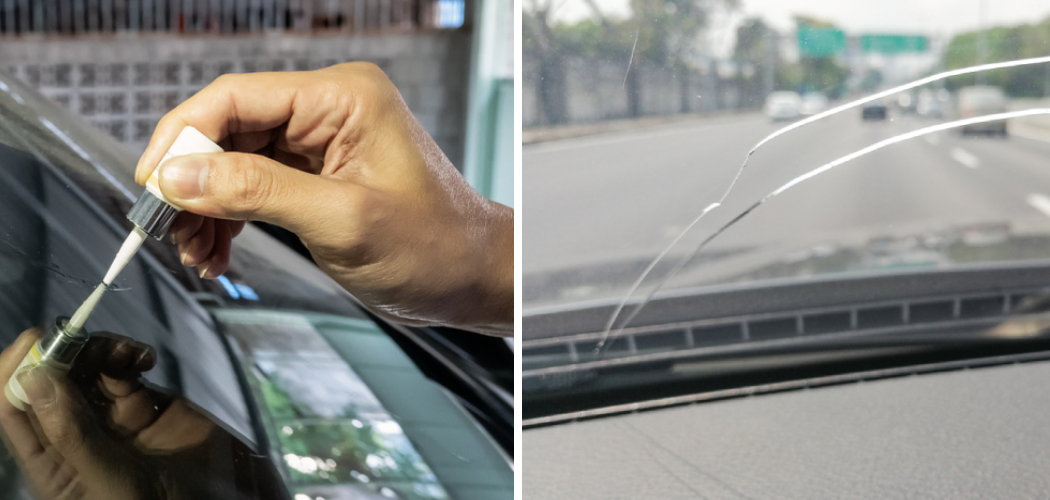
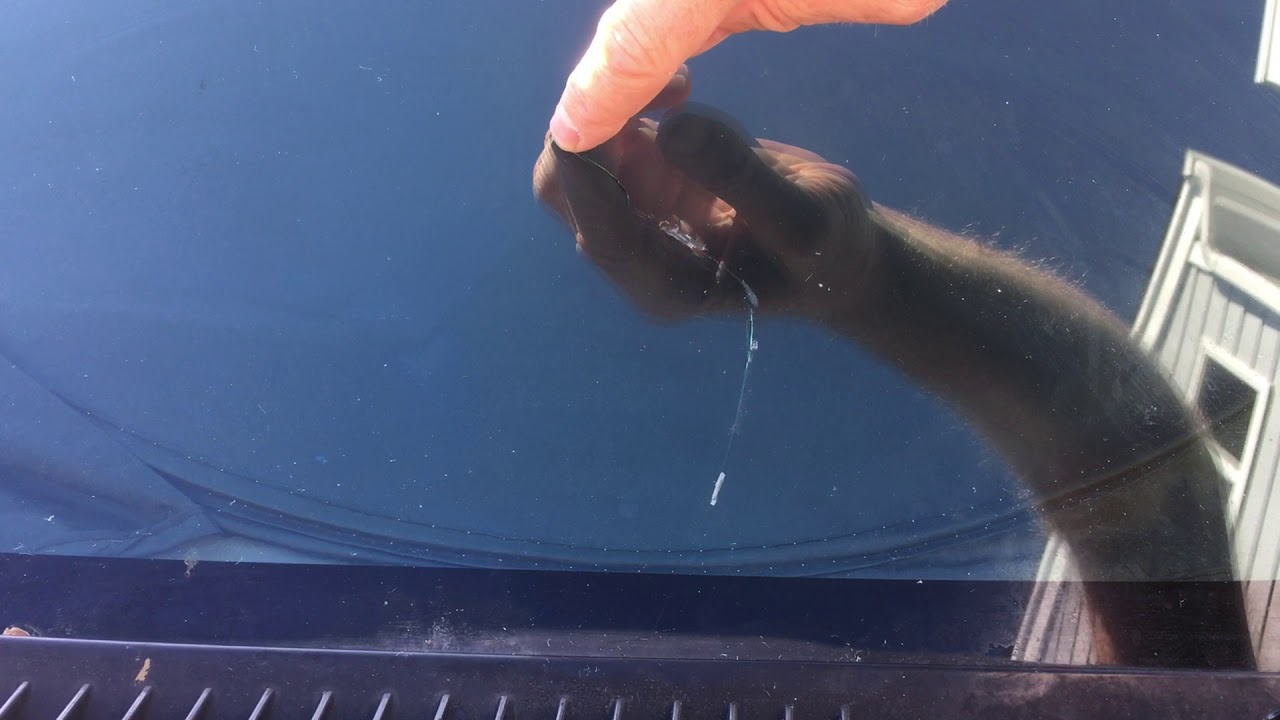
To stop a windshield crack from spreading, keep the damaged area clean and dry, cover it temporarily with clear tape, protect the windshield from rapid temperature changes, drive gently, and arrange proper repair as soon as possible. These steps can slow a crack, but they cannot permanently restore damaged glass.
For drivers in the United States, a small windshield crack can become a much bigger problem surprisingly quickly. A rock strike on an interstate, loose gravel on a rural road, summer heat in states such as Arizona or Texas, or a freezing winter night in the Midwest can all place additional stress on already damaged glass. Even something as ordinary as blasting the defroster onto an ice-cold windshield can encourage a crack to grow. Because windshield inspection and obstruction rules vary by state, delaying repair can also create legal or inspection problems in addition to reducing visibility.
The safest strategy is to protect the crack from contamination and additional stress while arranging a proper assessment. A windshield repair resin may stabilize certain small, repairable areas of damage, but not every crack is a good DIY candidate. Cracks near an edge, damage in the driver’s critical viewing area, deep damage involving multiple glass layers, and rapidly growing or branching cracks deserve professional attention. This guide explains how to stop a windshield crack from spreading temporarily, how to decide whether a repair kit makes sense, which popular DIY tricks can cause problems, and when replacement becomes the safer option.
How to Stop a Windshield Crack From Spreading Right Away
The first goal is not to make the crack disappear. It is to keep dirt and moisture out, reduce stress on the glass, and prevent your actions from making the damage worse. The sooner you protect a fresh crack or chip, the cleaner the damaged area remains for a possible resin repair.
Before touching the windshield, look at the damage from inside and outside the vehicle. If the crack significantly blocks your view, reaches an edge, has extensive branching, or appears to involve more than the outer glass layer, skip DIY work and arrange an auto-glass assessment. If visibility is seriously impaired, avoid driving the vehicle.
For minor damage that does not create an immediate visibility problem, the following sequence is a practical temporary approach.
Source: carspareatoz.com
1. Park somewhere protected
Move the vehicle into a garage, carport, or shaded location when practical. A more stable temperature reduces expansion and contraction of the glass.
2. Keep the damaged area dry
Avoid washing the vehicle or deliberately wetting the crack. Water and contamination inside the damage can complicate a later resin repair.
3. Gently clean around the crack
Remove loose surface dirt around the damaged area without pressing on the glass or forcing cleaner into the crack.
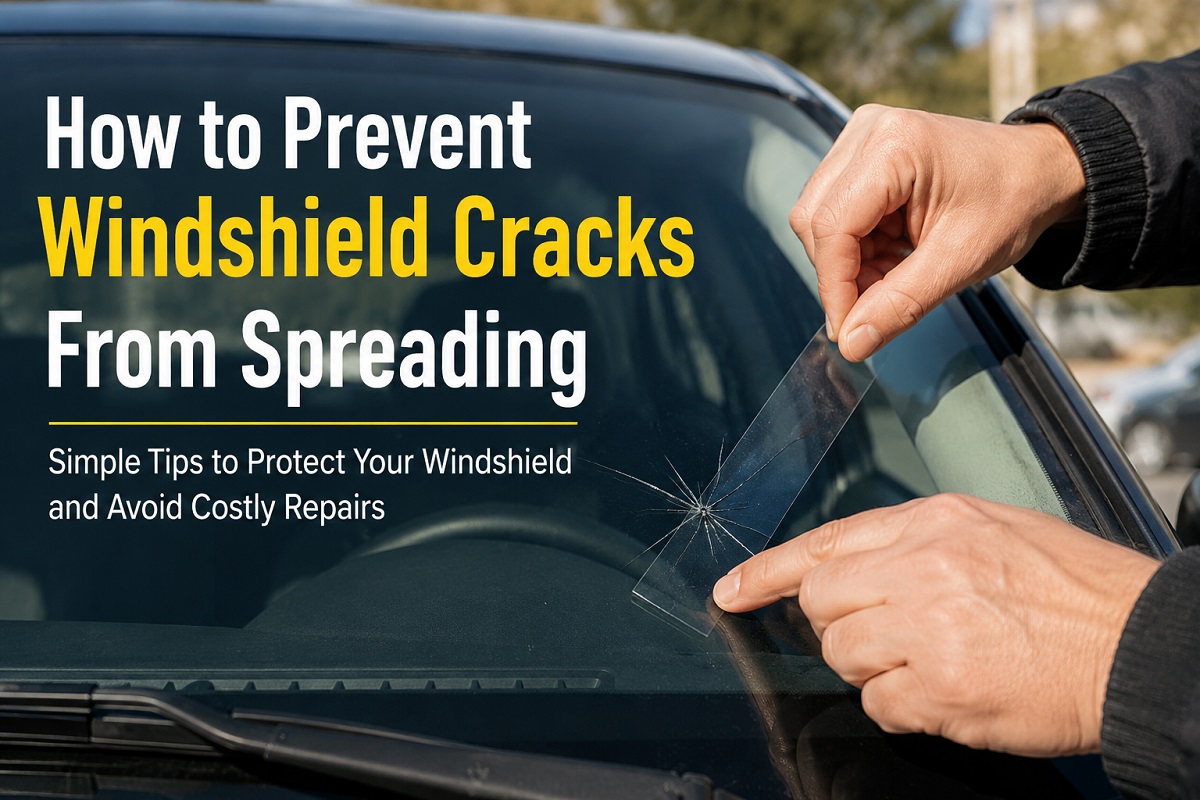
4. Cover it with clear tape
If professional repair is not immediately available, place clear packing tape over the exterior damage after the surface is dry. The tape is a contamination barrier, not a structural repair.
5. Reduce vibration
Drive gently, slow down for rough pavement, avoid potholes when safely possible, and close doors and the trunk normally rather than forcefully.
6. Avoid temperature shock
Change cabin temperature gradually instead of directing maximum heat or air conditioning at the damaged glass.
7. Schedule repair promptly
Temporary measures buy time. They should not become a reason to leave a windshield crack untreated for weeks or months.
What Clear Tape Actually Does
Clear tape does not glue a windshield back together and should not be described as a repair. Its useful job is much simpler: it helps keep dust, road grime, and water from entering an open chip or crack while you arrange service.
Use transparent tape so it does not create an unnecessary obstruction. Do not place opaque tape or another material where it interferes with your view of the road. Apply the tape without pushing hard on the damaged glass.
Good use
Temporarily protecting a clean, dry chip or short crack from contamination.
Poor use
Treating tape as a long-term repair or layering material across an area that obstructs the driver’s view.
Signs Your Temporary Measures Are Working
A successful temporary approach simply means the crack remains unchanged until it can be evaluated or repaired. Check the endpoints occasionally without pressing on the glass. If the crack becomes longer, develops additional branches, approaches an edge, or begins affecting visibility, move professional assessment higher on your priority list.
Why Windshield Cracks Spread
A crack spreads because damaged glass concentrates stress at the crack tip. Your windshield is laminated safety glass, normally consisting of glass layers bonded around a plastic interlayer. An impact can damage the outer glass while the laminated construction continues holding the windshield together.
Once a crack exists, forces that an undamaged windshield would normally tolerate can make the crack advance. Temperature changes cause glass to expand and contract. Road impacts and body movement can flex the windshield opening. Pressure changes from forcefully closing a door may add another short burst of stress. The exact behavior depends on the crack’s shape, location, depth, surrounding temperature, windshield installation, and forces acting on the vehicle.
This explains why there is no household trick that guarantees a crack will stay exactly the same size. The best temporary strategy is to remove as many controllable stresses as possible.
Source: processmaker.used.ca
Rapid temperature change
A very hot or cold section of glass can expand or contract differently from the surrounding area, increasing stress around existing damage.
Road vibration
Potholes, washboard roads, railroad crossings, and harsh impacts transfer vibration through the vehicle and windshield.
Edge proximity
Damage close to the windshield perimeter deserves prompt evaluation because the edge is an important part of how the windshield is supported by the vehicle body.
Contamination
Dirt and moisture do not simply make a crack look worse; contamination can also make a high-quality resin repair more difficult.
Existing branches
Multiple crack paths create a more complicated damaged area and can reduce the suitability of a simple DIY repair.
Why Hot and Cold Weather Matter
Temperature management is particularly relevant for U.S. drivers because vehicles may encounter very different conditions depending on region and season. A windshield baking in direct summer sun can become much hotter than the surrounding air, while winter windshields can be well below freezing.
Avoid extreme corrections. Do not pour hot or boiling water onto a frozen windshield. Likewise, if a vehicle has been sitting in intense summer heat, avoid immediately blasting maximum cold air directly against a damaged windshield. Gradually bringing the cabin and glass toward a comfortable temperature reduces abrupt thermal stress.
Why Rough Roads Can Make Damage Worse
The windshield is bonded into the vehicle body, so movement in the body can transmit forces into the glass. You do not need to stop driving over every small road imperfection, but a cracked windshield is a good reason to slow down before potholes, speed bumps, rough construction zones, and railroad crossings when traffic conditions allow.
Can You Use a Windshield Repair Kit to Stop the Crack?
A windshield repair kit can be useful for certain limited types of damage, but it is not appropriate for every crack. These kits generally use a purpose-designed resin that enters the damaged area and cures according to the manufacturer’s procedure. The goal is to stabilize the damaged region and improve its appearance, although a repaired area may remain visible.
Use the specific kit’s instructions as the controlling guide because products differ in the damage types, dimensions, application tools, curing process, and environmental conditions they support. Do not assume that a kit intended for a small bull’s-eye chip can properly repair a long linear crack.
Before starting a DIY repair, remember that unsuccessful resin application can make later professional work more difficult. If the crack is valuable to preserve as a repair candidate, uncertainty is a good reason to have an auto-glass technician inspect it before adding anything.
Source: slpautoglass.com
Reasonable DIY candidate
Small, uncomplicated damage that clearly falls within the repair kit manufacturer’s stated limits and is not creating a serious visibility concern.
Professional assessment preferred
A longer crack, branching damage, edge damage, uncertain depth, previous attempted repair, or damage in an important viewing area.
Replacement may be necessary
Extensive damage, structural concerns, serious visual obstruction, damage involving inappropriate layers, or a condition that cannot be repaired to an acceptable standard.
Basic DIY Repair Kit Process
If your damage clearly qualifies for the kit you purchased, begin with a clean, dry windshield and follow the manufacturer’s directions rather than improvising. Many systems position an applicator over the damaged point, introduce specialized repair resin, use pressure or vacuum to help the resin penetrate, and then cure the resin as directed.
The correct curing conditions matter. Some products rely on ultraviolet light or sunlight, while others specify different procedures. Follow the instructions for temperature, curing time, resin quantity, applicator positioning, and removal of excess material.
Prepare
Read the complete instructions and verify that the damage type and size are supported before opening or applying resin.
Clean
Keep contamination out of the damaged area and make sure the exterior surface is dry.
Apply
Position the repair equipment and resin exactly as the manufacturer specifies.
Cure
Use the required curing method and environmental conditions rather than shortening the process.
Inspect
After curing, check whether the damage appears stabilized. Continued growth means the repair has not achieved the intended result.
What to Do If a DIY Repair Fails
If the crack continues to grow, stop adding more resin or unrelated adhesives. Protect the area from contamination and arrange a professional evaluation. Tell the technician exactly which repair product you applied so the condition of the existing resin can be considered during the assessment.
Windshield Crack Fixes You Should Avoid
Some widely repeated windshield tricks can create more problems than they solve. A method that appears to seal the surface is not automatically suitable for laminated automotive glass. Household adhesives can contaminate the crack, while drilling introduces a permanent alteration that requires proper tools, technique, depth control, and professional judgment.
The safest temporary approach is intentionally boring: protect the damage, reduce stress, and use a purpose-designed windshield repair process or qualified auto-glass service. Avoid experiments that could turn repairable damage into something harder to treat.
Source: storage.googleapis.com
Do not drill the end of the crack yourself
Stop-drilling is a specialized technique sometimes associated with glass repair, but an inexperienced person can drill too deeply, enlarge the damage, create another fracture, or compromise the laminated windshield.
Do not fill it with ordinary super glue
Household cyanoacrylate is not a substitute for a windshield repair system and can contaminate the crack before professional resin is applied.
Do not use clear nail polish as the repair
Nail polish may create a surface coating, but it is not engineered as a structural auto-glass repair resin and may complicate later work.
Do not use toothpaste or similar household mixtures
These materials do not restore fractured laminated glass and can introduce residue into the damaged area.
Do not pour hot water on cold glass
A sudden temperature difference can substantially increase thermal stress around an existing crack.
Do not pressure-wash the damaged area
High-pressure water introduces force and moisture where neither is helpful before repair.
Do not repeatedly press on the crack
Testing whether the windshield feels solid accomplishes nothing useful and adds force to already damaged glass.
Is Super Glue Ever a Good Temporary Windshield Fix?
For someone hoping to preserve the possibility of a proper resin repair, clear tape over the exterior damage is generally a more conservative temporary barrier than filling the crack with household glue. Tape can later be removed without intentionally depositing an unrelated adhesive throughout the fracture.
If resin has already been applied from an unknown product, tell the auto-glass technician before service. That information can affect whether the damaged area can still be treated effectively.
When a Cracked Windshield Needs Professional Repair or Replacement
Size alone should not determine whether you repair or replace a windshield. A technician also considers the damage type, exact location, depth, contamination, number of impact points, proximity to the edge, visibility consequences, previous repairs, and available repair technology.
You may encounter simple online rules claiming that every crack under a certain number of inches is repairable and every longer crack requires replacement. Those rules are useful only as rough generalizations. Repair capabilities differ, and location or depth can disqualify damage that appears small. Conversely, some specialist systems can address damage that exceeds the limits of basic consumer repair kits.
The driver’s viewing area deserves particular care. Even when resin stabilizes damage, some visual evidence of the repair can remain. Distortion or a noticeable blemish directly in an important field of view can therefore affect the repair-versus-replacement decision.
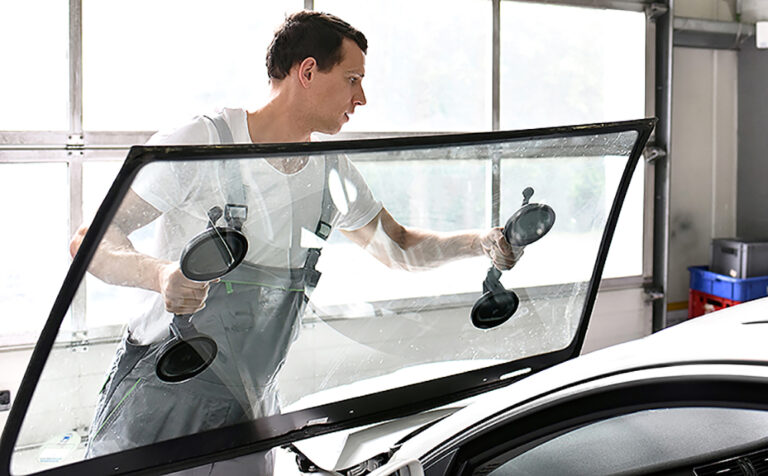
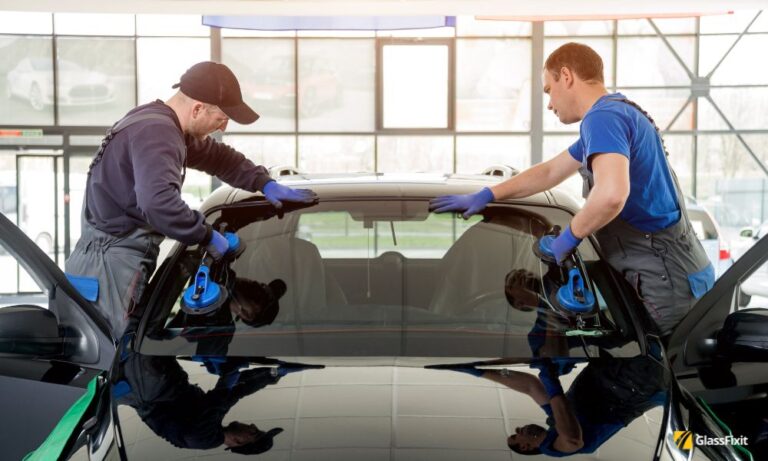
Modern vehicles add another consideration. Cameras and sensors used by advanced driver-assistance systems may be mounted near or viewed through the windshield. When windshield replacement disturbs an ADAS camera’s mounting relationship or viewing geometry, calibration procedures specified for the vehicle may be required. Ask the glass provider whether your particular vehicle requires static calibration, dynamic calibration, another manufacturer-specified procedure, or no recalibration.
Source: youtube.com
Seek prompt professional assessment
The crack is growing, branching, close to the windshield edge, difficult to see through, or of uncertain depth.
Avoid continued driving when visibility is unsafe
A crack, shattered area, or severe distortion that prevents a clear view of traffic, pedestrians, signs, or signals should not be treated as a routine cosmetic defect.
Ask about repair before assuming replacement
Some damage may be professionally repairable, so an assessment can prevent unnecessary replacement when conditions permit a proper repair.
Ask about ADAS calibration
If your vehicle uses a windshield-mounted forward camera or related driver-assistance equipment, determine whether replacement requires manufacturer-specified calibration.
Check insurance coverage
Comprehensive auto insurance may cover glass damage subject to your policy, deductible, state rules, and optional glass coverage. Verify the terms with your insurer rather than assuming the repair is free.
Windshield Repair Versus Replacement
Repair is generally attractive when the damage can be properly stabilized without creating an unacceptable visibility or safety issue. It preserves the existing windshield and usually requires less work than replacement. Replacement becomes appropriate when the windshield cannot be adequately repaired or the damage compromises an area where repair would be unsuitable.
The choice should be based on the actual windshield rather than an internet size rule. A qualified shop can inspect the glass, identify the type and extent of damage, and explain why the specific windshield is or is not a repair candidate.
Repair consideration
Localized, repairable damage with acceptable location, depth, cleanliness, and visibility after treatment.
Replacement consideration
Extensive, edge-related, complex, severely contaminated, vision-critical, or otherwise nonrepairable damage.
What About State Windshield Laws in the USA?
Windshield and vehicle inspection requirements are not identical across the United States. Rules can address visibility obstruction, the location of damage, inspection standards, equipment condition, and other factors. A crack that creates no immediate issue under one state’s rules should not be assumed legal everywhere.
If you need a legal determination, check the current motor-vehicle or inspection requirements for the state where the vehicle is operated or registered. Regardless of inspection rules, visibility and safe vehicle operation should guide the immediate decision.
Frequently Asked Questions
Q
Can a windshield crack stop spreading on its own?
A crack may appear unchanged for a period, but you should not assume it has permanently stopped. Changes in temperature, vibration, another road impact, or stress at the crack tip can restart its growth. Protect the damaged area and arrange an appropriate repair rather than relying on apparent stability.
Q
Will clear tape stop a windshield crack from spreading?
Clear tape can help protect the damage from water and dirt, which is useful while waiting for repair, but it does not restore the strength of fractured glass. Think of tape as a temporary contamination barrier rather than a crack repair.
Q
Can I drive with a small crack in my windshield?
Whether driving is reasonable depends on the crack’s location, severity, stability, and effect on visibility, as well as applicable state requirements. A small area of damage away from the driver’s important viewing area may not create the same immediate concern as a rapidly growing crack across the driver’s view. If visibility is impaired, the damage is spreading quickly, or the windshield appears seriously compromised, arrange professional help before continuing normal driving.
Q
Does cold weather make a windshield crack spread?
Cold conditions can contribute, particularly when the already cold windshield is heated rapidly. The main concern is thermal stress caused by different parts of the glass changing temperature at different rates. Warm a cold vehicle progressively and never pour hot water over an icy cracked windshield.
Q
Can summer heat make a windshield crack longer?
Yes, heating and uneven temperature changes can place additional stress around existing windshield damage. Park in a garage or shade when practical, and avoid immediately directing maximum cold air at a windshield that has been sitting in intense sun.
Q
Should I use super glue or nail polish on a windshield crack?
It is better not to fill a potentially repairable crack with household super glue or nail polish. These products are not substitutes for purpose-designed windshield repair resin and can contaminate the fracture. A removable clear tape barrier is a more conservative short-term measure while professional repair is arranged.
Q
Will a windshield repair make the crack completely invisible?
Not necessarily. A successful repair is intended primarily to stabilize suitable damage, and its appearance may improve substantially, but a blemish, line, or optical difference can remain. This is one reason damage in a critical viewing area requires careful evaluation.
Q
Does a replaced windshield need ADAS calibration?
Some vehicles do and some do not. If a camera or sensor associated with lane assistance, automatic emergency braking, adaptive cruise functions, or another driver-assistance system uses the windshield as part of its mounting or viewing arrangement, replacement may require a manufacturer-specified calibration procedure. Confirm the requirement for the exact year, make, model, equipment configuration, and windshield.
✦ Wrapping Up
How to Keep a Windshield Crack From Getting Worse
Knowing how to stop a windshield crack from spreading is mainly about controlling the conditions around the damage until it can be repaired properly. Keep the crack clean and dry, protect it temporarily with clear tape, avoid sudden temperature changes, reduce vibration, and do not introduce household adhesives or amateur drilling into the glass.
The most important step is not to mistake temporary crack control for a permanent fix. Windshield damage varies in size, depth, location, and complexity, so repair eligibility cannot be determined accurately from length alone. Have questionable damage inspected promptly, especially when the crack is spreading, reaches an edge, develops branches, or affects your view of the road.
💡 Key Takeaway
Today, park the vehicle somewhere protected, keep the damaged area dry, cover clean minor damage with clear tape if necessary, avoid temperature shock and rough driving, and arrange a windshield repair assessment before the crack has an opportunity to grow.
Learn how to fold a collapsible windshield sun shade using the simple figure-eight method, plus tips for storage, troubleshooting, and different shade designs.