A car windshield is typically made of laminated safety glass, which uses two layers of glass bonded around a strong transparent plastic interlayer.
If you drive a passenger vehicle in the United States, the front windshield in front of you is normally laminated safety glass rather than ordinary window glass or the tempered glass commonly found in other vehicle windows. Its layered construction is intentional. When the windshield is struck by road debris or damaged during a collision, the glass can crack while the plastic layer helps keep the broken pieces attached instead of allowing the entire panel to fall apart.
U.S. automotive glazing is subject to Federal Motor Vehicle Safety Standard No. 205, which establishes performance and location requirements for vehicle glazing. Windshield glazing must meet the applicable safety requirements, and compliant windshield glass commonly carries an AS1 marking along with other manufacturer and certification information. These requirements are one reason you cannot simply substitute household glass or an ordinary piece of automotive side-window glass for a proper windshield.
Knowing what type of glass is a windshield also helps explain several everyday situations. It is why a stone chip can sometimes be repaired without replacing the entire windshield, why a cracked windshield often remains in one piece, and why your door window may shatter very differently. This guide explains the layers inside windshield glass, how laminated glass behaves when damaged, how it compares with tempered glass, how to identify proper windshield glazing, and what to consider when repair or replacement becomes necessary.
The simple answer is laminated safety glass. Instead of being a single sheet, a laminated windshield is a bonded assembly designed to remain substantially together after cracking.
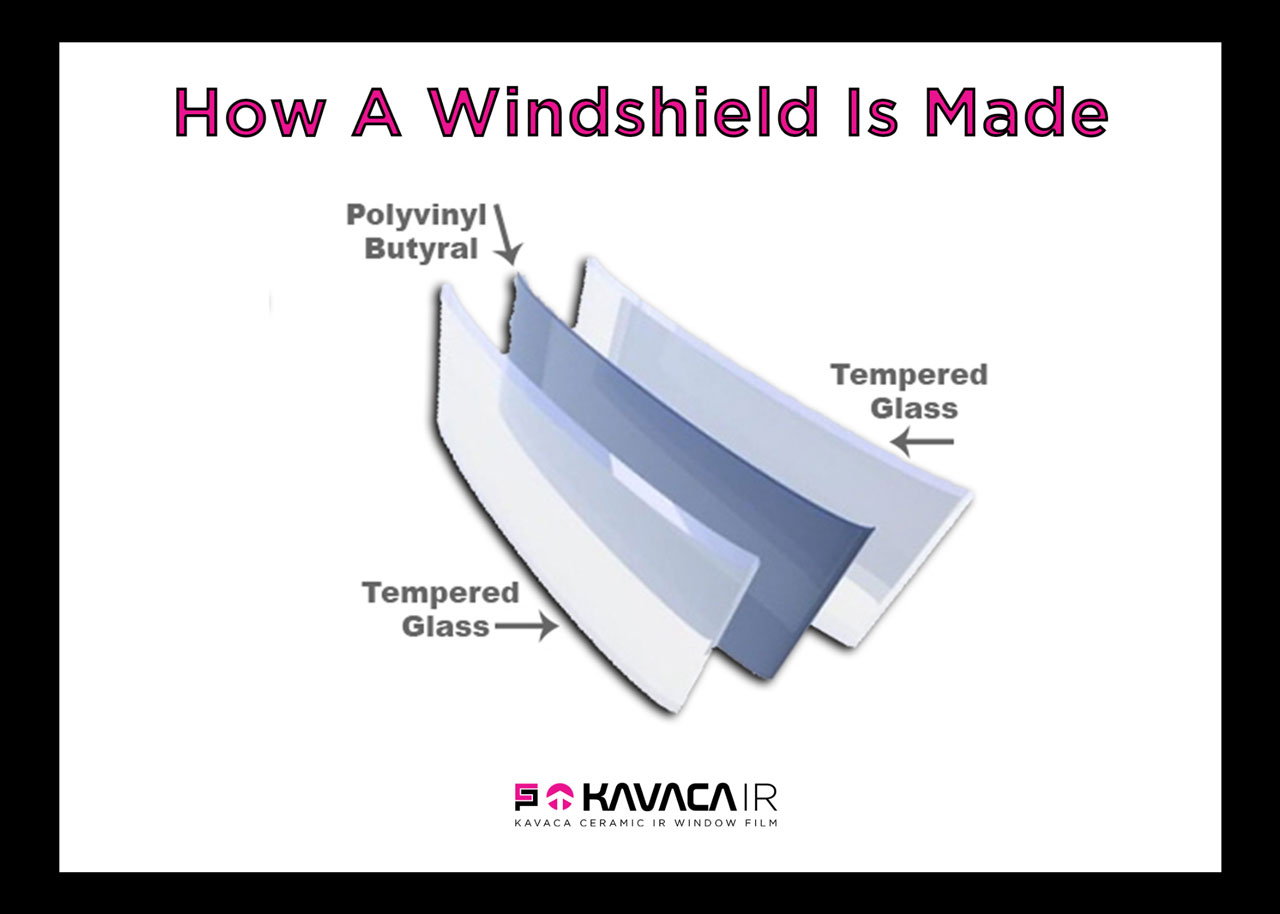
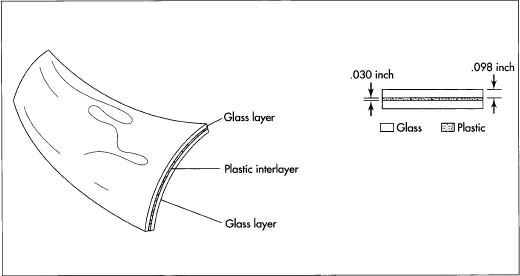
A conventional laminated windshield has an outer glass layer, a transparent plastic interlayer, and an inner glass layer. Polyvinyl butyral, usually called PVB, is commonly used for the interlayer. Manufacturing processes use controlled heat and pressure to bond the layers into one transparent panel.
This construction provides a very different failure pattern from ordinary glass. A stone can create a chip or star-shaped crack in the outer layer without causing the whole windshield to collapse. With more severe damage, both glass layers can fracture, but the bonded plastic layer can continue holding many of the fragments in place.
That retained structure matters because the windshield occupies a large opening directly in front of the occupants. It needs to provide visibility while also resisting penetration and controlling how broken glazing behaves.
Source: animalia-life.club
Outer glass layer
Provides a hard, transparent exterior surface that faces weather, insects, road debris, wiper blades, and stone impacts.
Plastic interlayer
Bonds the glass layers together and helps retain fractured pieces when the windshield is damaged.
Inner glass layer
Forms the cabin-facing surface and works with the other layers as part of the laminated assembly.
What Is the Plastic Layer Inside a Windshield?
The clear material between the glass layers is commonly PVB. It is flexible compared with glass and adheres strongly to the surrounding layers after lamination.
When the glass cracks, this layer helps prevent broken sections from immediately separating. The result is the familiar spiderweb or starburst pattern often seen on damaged windshields.
Fragment retention
The interlayer helps keep broken glass attached to the windshield assembly.
Impact behavior
The flexible layer contributes to the windshield’s ability to absorb and distribute some impact energy.
Transparency
The interlayer is engineered to remain optically clear enough for the driver’s forward field of view.
Why Are Windshields Made From Laminated Safety Glass?
Windshields use laminated safety glazing because the front of a vehicle requires a combination of visibility, impact resistance, fragment retention, and controlled breakage. A material that simply shattered out of the opening after an impact would create additional hazards.
The laminate allows the panel to crack without necessarily disappearing from the windshield opening. That can preserve some forward visibility after relatively localized damage and helps limit the amount of loose glass entering the passenger compartment.
Lamination also makes penetration more difficult than it would be through a single ordinary sheet of glass. A hard object may fracture one or both glass layers, but it must also stretch or tear the bonded plastic layer to pass completely through the panel.
The windshield should not be viewed as indestructible. A powerful collision, large object, severe edge damage, or extensive cracking can compromise it substantially. Laminated means the pieces are designed to be retained more effectively, not that the windshield cannot fail.
Source: storage.googleapis.com
Keeps many fragments attached
Broken glass tends to adhere to the plastic interlayer rather than scattering freely.
Resists penetration
The bonded construction creates an additional flexible barrier after the glass itself fractures.
Supports usable visibility
Localized damage may leave much of the windshield intact instead of instantly destroying the entire pane.
Works as a complete vehicle component
The windshield is engineered and installed as part of the vehicle rather than functioning as an ordinary household window.
Does Laminated Glass Mean a Windshield Cannot Shatter?
No. The glass portions of a laminated windshield can fracture extensively. The important difference is that the interlayer helps retain those fractured pieces.
A severely broken windshield may therefore look shattered while still remaining largely in its original position. This is fundamentally different from the breakup pattern of a conventional tempered side window.
Laminated Windshield Glass vs. Tempered Glass
Laminated and tempered glass are both forms of automotive safety glazing, but they solve different problems. Their most obvious difference is what happens after they break.
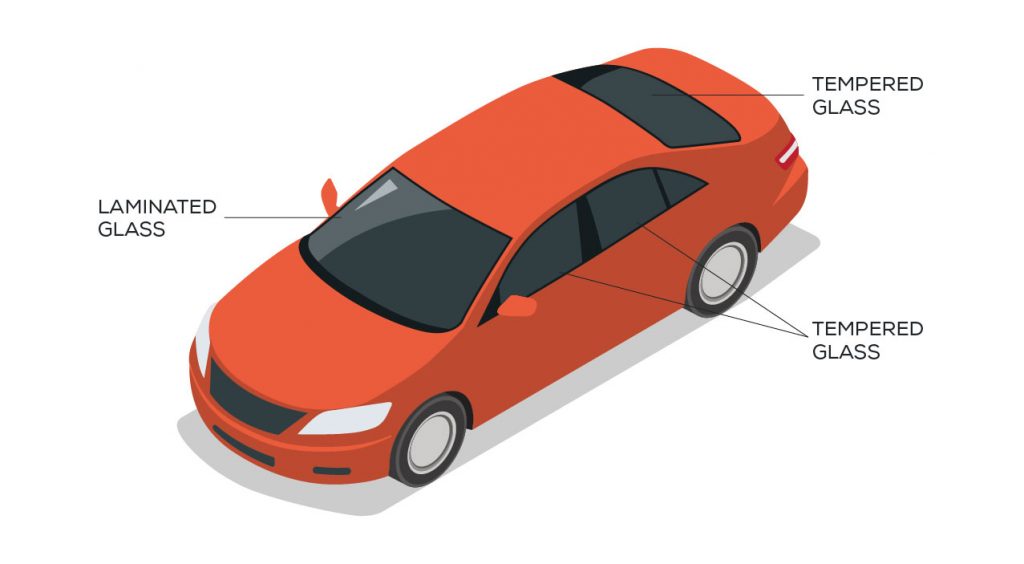
Laminated glass is constructed from multiple bonded layers. It normally cracks while the plastic interlayer keeps much of the broken panel attached. Tempered glass is usually a single heat-treated piece engineered to break into many relatively small pieces when it fails.
Many U.S. vehicles use tempered glass for door windows and rear glazing, although this is not universal. Some newer vehicles use laminated glass in certain side windows for reasons that can include security, acoustic performance, or manufacturer-specific design requirements.
The distinction is also important during repair. Certain chips and cracks in a laminated windshield can sometimes be repaired because the panel remains intact. A shattered tempered window cannot be restored with windshield resin and normally requires replacement.
Source: madehow.com
Laminated glass construction
Multiple layers are bonded together, typically with a transparent polymer between the glass layers.
Tempered glass construction
A glass pane is heat treated to create internal stresses that change its strength and breakage behavior.
Laminated breakage
The panel usually cracks while the interlayer helps retain broken fragments.
Tempered breakage
The pane typically breaks across much of its area into numerous relatively small pieces.
Can a Front Windshield Be Tempered Glass?
For ordinary modern passenger vehicles sold for U.S. road use, the front windshield should be appropriate safety glazing that satisfies the applicable federal windshield requirements. In everyday passenger-car applications, that means you should expect laminated AS1 safety glass rather than the conventional tempered glazing used in many door windows.
When replacing a windshield, the practical question is therefore not whether you prefer tempered or laminated glass. The replacement must be suitable and certified for that windshield position and compatible with the specific vehicle.
How to Tell What Kind of Glass Your Windshield Has
You can usually identify automotive glazing by examining the permanent markings printed or etched near a lower corner of the glass. These markings are often called the glass bug, monogram, or certification mark.
For a typical U.S. windshield, look for an AS1 designation along with manufacturer information and a DOT identification marking. The exact arrangement varies among glass manufacturers, so the mark may not look identical on every vehicle.
Do not rely only on how the glass looks. Laminated and tempered automotive glass can both appear clear and smooth when undamaged. The safety marking is much more useful than trying to identify the material visually.
Source: storage.googleapis.com
AS1
A common marking associated with glazing suitable for windshield applications under applicable U.S. automotive glazing requirements.
DOT marking
Identifies glazing certification information associated with the manufacturer.
Manufacturer mark
Identifies the company responsible for manufacturing or certifying the glazing.
Additional symbols
A windshield may contain other regional approvals, production codes, trademarks, or information related to special glass features.
Why the Windshield Marking Matters During Replacement
The markings can help confirm that a replacement is automotive safety glazing intended for the correct application. They can also help a glass professional identify the manufacturer or relevant specifications.
The printed mark does not tell you everything about vehicle compatibility. Two windshields that physically fit the same opening can differ in camera brackets, rain-sensor areas, acoustic layers, heating elements, antennas, tint bands, head-up-display compatibility, and other features.
Are All Laminated Windshields the Same?
No. Laminated describes the fundamental construction, but modern windshields can have very different features. Ordering a replacement based only on vehicle year and windshield dimensions can therefore be insufficient.
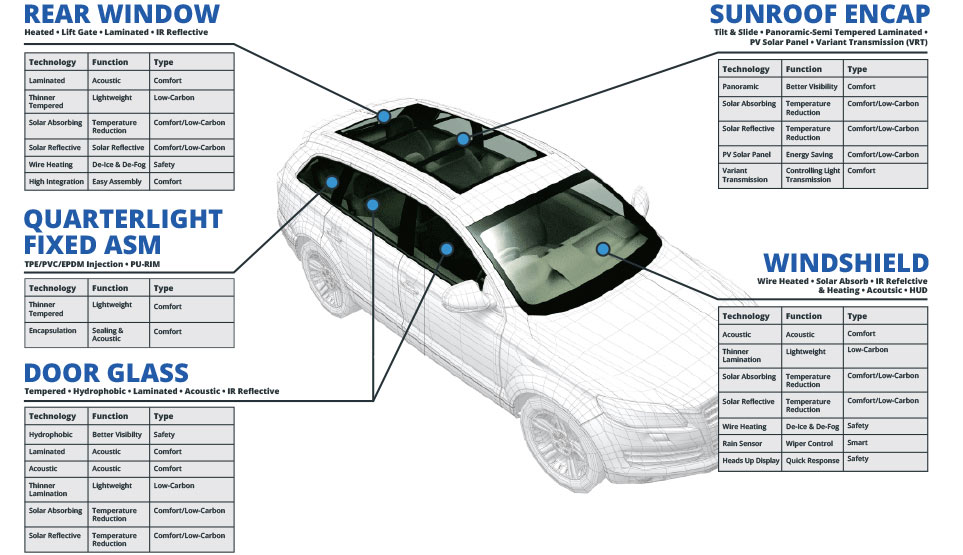
A basic windshield may contain little beyond the laminated safety-glass assembly and a shaded perimeter. Another windshield for a higher trim level of the same vehicle may include a camera viewing area, rain-sensor mount, heating system, acoustic interlayer, antenna, solar-control coating, or head-up-display compatibility.
These differences are especially important on newer U.S. vehicles equipped with advanced driver-assistance systems. Forward-facing cameras are frequently mounted near or viewed through the windshield. The correct glass, mounting geometry, installation procedure, and any required calibration can matter to system operation.
When arranging replacement, provide the vehicle identification number when possible and tell the installer about features such as lane-keeping assistance, automatic emergency braking, a head-up display, rain-sensing wipers, heated glass, or unusual windshield symbols.
Source: carglassfix.com
Acoustic windshield
Uses glass or an interlayer designed to reduce certain exterior and vehicle-generated sounds entering the cabin.
Solar-control windshield
May use specialized coatings or materials to manage solar energy entering through the glass.
Heated windshield
Can incorporate heating elements or conductive technology for defrosting or deicing.
Head-up-display windshield
May use specially designed glazing to provide a clear projected image and control unwanted double reflections.
ADAS-compatible windshield
Includes the correct areas, brackets, optical properties, or other features required by vehicle-mounted cameras and sensors.
OEM and Replacement Windshield Glass
A replacement windshield does not become appropriate merely because it is described as laminated. It needs to meet applicable safety requirements and match the specifications needed by the particular vehicle.
The useful comparison is therefore based on certification, fit, optical quality, installed features, compatibility with sensors and cameras, and proper installation rather than simply whether the glass carries an OEM or aftermarket label.
Why Can Windshield Chips Sometimes Be Repaired?
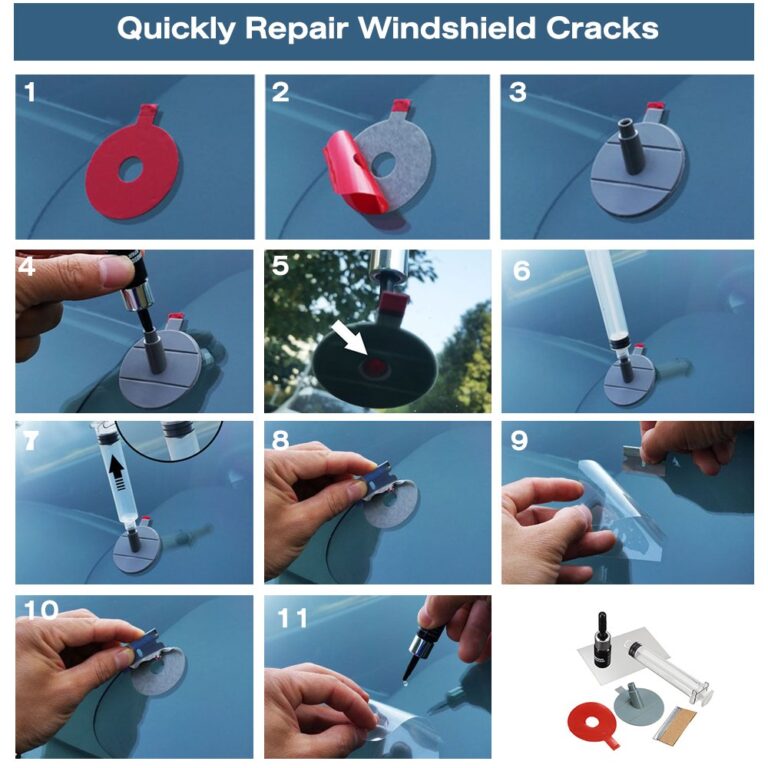
Some windshield damage can be repaired because laminated glass often remains structurally together after the outer glass layer is chipped or cracked. A professional repair process can inject specialized resin into appropriate damaged areas rather than replacing the entire panel.
Repairability depends on more than the fact that the windshield is laminated. The damage’s size, depth, position, contamination, age, and relationship to the glass edge can all affect whether repair is appropriate. Damage affecting multiple layers or extending extensively may require replacement.
Location also matters. Damage directly in the driver’s critical viewing area can remain visually distracting even after resin fills the break. Cracks near an edge can be more concerning because the edge is important to the integrity of the panel and is influenced by body movement and installation stresses.
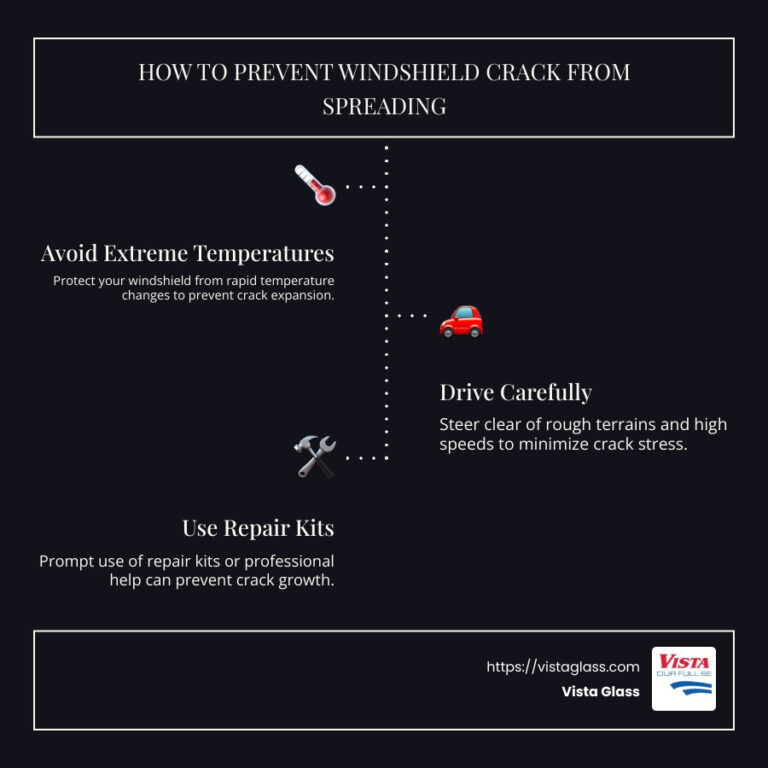
A chip should be evaluated relatively soon. Dirt, water, temperature changes, vibration, and repeated body flex can make damage more difficult to repair or allow a crack to spread.
Repair may be possible
Localized damage confined to an appropriate portion of a laminated windshield can sometimes be stabilized with professional resin repair.
Replacement may be necessary
Extensive cracks, severe impact damage, compromised edges, damaged inner glass, or unsuitable damage locations can make replacement the appropriate solution.
Inspection matters
The visible length of a crack is only one factor, so a qualified auto-glass technician should evaluate questionable damage.
Can You Keep Driving With a Cracked Laminated Windshield?
The fact that laminated glass stays together does not mean every cracked windshield is safe to ignore. A crack can spread, obstruct vision, interfere with sensors, or indicate more significant damage to the glazing.
If the crack is growing, reaches an edge, significantly blocks the driver’s view, involves both sides of the glass, or follows a major impact, arrange professional evaluation rather than assuming the plastic layer makes continued driving risk-free.
What to Check When Replacing a Windshield in the United States
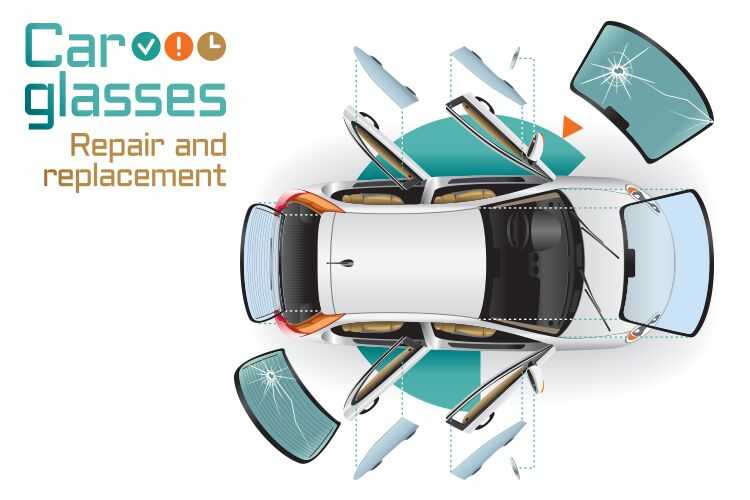
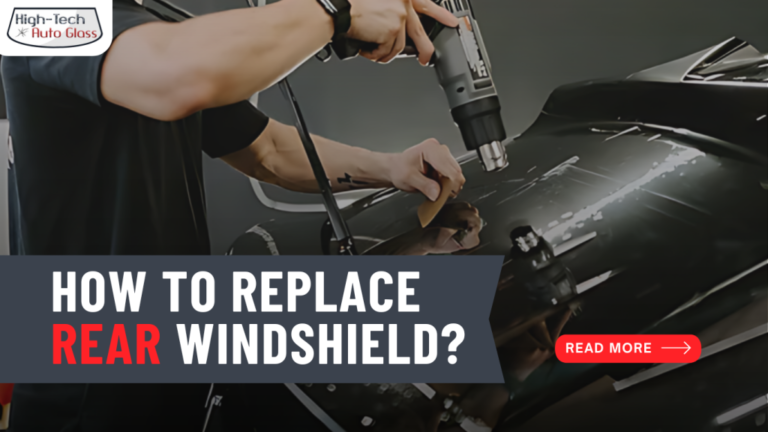
When a windshield needs replacement, matching the vehicle’s required glazing and technology is more important than simply finding a piece of glass with the right outline. Modern windshield replacement can involve the glass itself, bonding system, trim, cameras, sensors, and vehicle-specific procedures.
Start by confirming the exact vehicle configuration. Vehicles from the same model year may have different windshield part numbers because of optional equipment or trim-level differences.
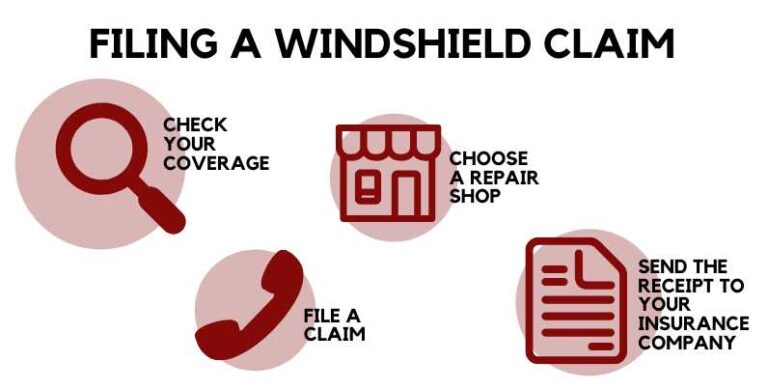
Ask whether the replacement glazing meets the applicable U.S. safety requirements and whether it includes the features present on the original windshield. If the vehicle uses a forward-facing camera or other windshield-related driver-assistance equipment, ask whether calibration is required after replacement.
The adhesive system is also part of the installation. Follow the installer’s instructions regarding safe drive-away time rather than immediately treating the vehicle as ready for unrestricted use. The required curing period can depend on the adhesive system and installation conditions.
Confirm the exact vehicle
Use the year, make, model, trim, and vehicle identification number when available.
Identify windshield features
Check for cameras, rain sensors, heating, antennas, acoustic glazing, solar-control technology, and a head-up display.
Verify proper glazing
The replacement should be suitable for the windshield position and carry the required automotive safety markings.
Ask about ADAS calibration
Vehicles using windshield-mounted cameras or related sensors may require a specified calibration procedure after glass replacement.
Follow curing instructions
Observe the technician’s safe drive-away guidance so the windshield bonding system has the required time to develop sufficient strength.
Do Not Replace a Windshield With Ordinary Glass
Household window glass, architectural glass, and unapproved custom-cut glass are not substitutes for certified automotive windshield glazing. A piece that physically fits an opening does not automatically meet the optical, impact, penetration, marking, and other requirements associated with motor-vehicle glazing.
For replacement work, use glazing intended and certified for the vehicle application and have it installed using procedures appropriate for the specific vehicle.
Common Misconceptions About Windshield Glass
Several misconceptions come from treating every piece of automotive glass as though it were manufactured the same way. Understanding the difference between laminated and tempered glazing clears up most of them.
One misconception is that laminated glass is simply stronger glass. Its major advantage is not that it can never break. The layered construction changes how it behaves after it breaks.
Another misconception is that every vehicle window is tempered except the windshield. Many vehicles do follow that general pattern, but laminated side glazing is available on some models. The markings on the individual pane provide better evidence than a general rule.
A third misconception is that any windshield that fits the frame is suitable. Modern windshields can be vehicle-specific optical and electronic components, so features and calibration requirements may be just as important as dimensions.
Source: speedyfastautoglass.com
Myth: Laminated glass will not break
It can break extensively; the interlayer is designed to help retain the fractured glass.
Myth: All automotive glass is identical
Windshields, side windows, rear glass, roof glazing, and specialty glazing can use different materials and constructions.
Myth: Every side window is tempered
Tempered side glass is common, but some vehicles use laminated side glazing.
Myth: Windshield replacement is only a glass swap
Modern vehicles can require attention to cameras, sensors, brackets, coatings, adhesives, electronics, and calibration.
Frequently Asked Questions
Q
Is a windshield laminated or tempered glass?
A typical U.S. passenger-vehicle front windshield is laminated safety glass. It normally contains two glass layers bonded around a clear plastic interlayer. Tempered glass is more commonly found in many side and rear windows.
Q
What is the plastic between windshield glass called?
The interlayer is commonly made from polyvinyl butyral, usually abbreviated PVB. It bonds the glass layers together and helps keep broken fragments attached after an impact.
Q
Why does a windshield crack instead of shattering into pieces?
The glass itself can fracture, but the bonded interlayer helps retain the pieces. This produces the cracks, starbursts, and spiderweb patterns associated with damaged laminated windshields instead of the widespread breakup commonly seen when tempered side glass fails.
Q
What does AS1 mean on windshield glass?
AS1 is a safety-glazing designation commonly found on windshield glass that satisfies requirements for glazing used in areas necessary for driving visibility. On a U.S. windshield, it is typically visible as part of the permanent marking near a corner of the glass.
Q
Are side windows made from the same glass as the windshield?
Not always. Many side windows use tempered safety glass, which is designed to break into many relatively small pieces. Some vehicles use laminated side windows, so checking the markings on the specific pane is the most reliable approach.
Q
Can laminated windshield glass still break in a crash?
Yes. Laminated glass is not unbreakable. Severe impact can fracture both glass layers and damage the interlayer. Its safety advantage is that the bonded construction helps retain many fractured pieces and can keep the glazing together longer than ordinary glass.
Q
Does a windshield with a camera require special replacement glass?
It may. Windshields used with forward-facing cameras and other driver-assistance equipment can require the correct optical area, brackets, dimensions, and other vehicle-specific features. Some vehicles also require camera or system calibration after windshield replacement.
✦ Wrapping Up
Conclusion
If you were wondering what type of glass is a windshield, the practical answer for a typical U.S. passenger vehicle is laminated safety glass. It normally combines two glass layers with a transparent plastic interlayer, commonly PVB. That layered construction allows the windshield to crack while helping hold broken pieces together instead of allowing the panel to immediately disintegrate.
The difference between laminated windshield glass and tempered side-window glass also explains why the two react so differently to damage. Laminated glass can sometimes support localized chip repair, while shattered tempered glass normally requires complete replacement. Modern laminated windshields can also include acoustic technology, solar-control features, heating, head-up-display compatibility, antennas, cameras, and sensor areas.
When replacing a windshield in the United States, focus on certified automotive safety glazing that matches your vehicle’s exact equipment rather than treating every laminated windshield as interchangeable. Correct glass, correct installation, and any required driver-assistance calibration all matter.
💡 Key Takeaway
Check the permanent marking near the corner of your windshield for its AS1 and manufacturer information, and if replacement is needed, confirm the exact vehicle features and any ADAS calibration requirements before installation.
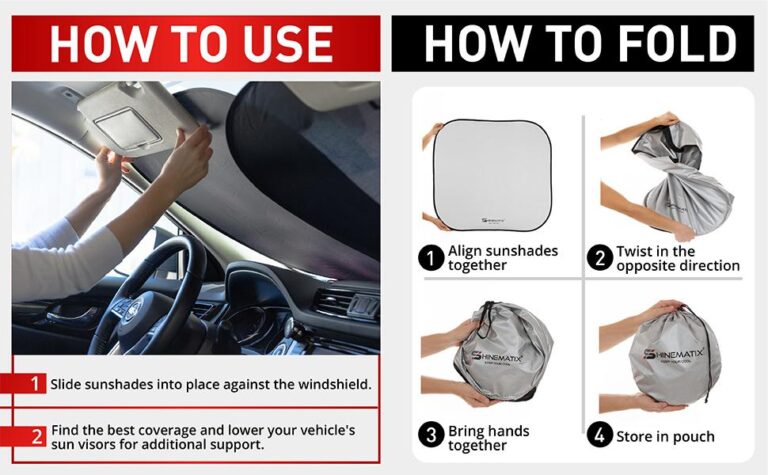
Learn how to install a windshield sun shade correctly in your car. Follow simple steps for folding, roll-up, and umbrella-style shades, plus fit, safety, storage, and troubleshooting tips.