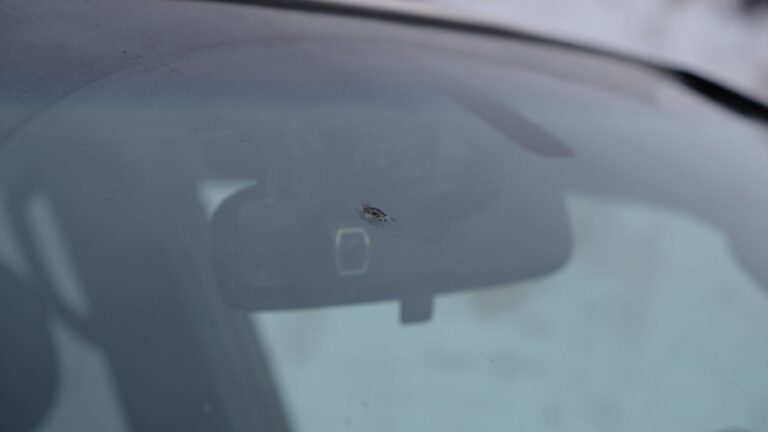
To get a windshield replaced by insurance in the United States, first confirm that your policy covers the damage, document the windshield, file a glass or auto claim with your insurer, verify your deductible and shop requirements, then schedule the replacement after the claim is approved or authorized.
For U.S. drivers, windshield insurance coverage depends mainly on what caused the damage, which physical-damage coverages are on the policy, the deductible selected, and state-specific insurance rules. A rock strike, falling branch, hail, vandalism, or similar non-collision event is commonly handled through comprehensive coverage. Damage caused during a crash may instead fall under collision coverage or, when another driver is legally responsible, potentially the other driver’s property-damage liability coverage.
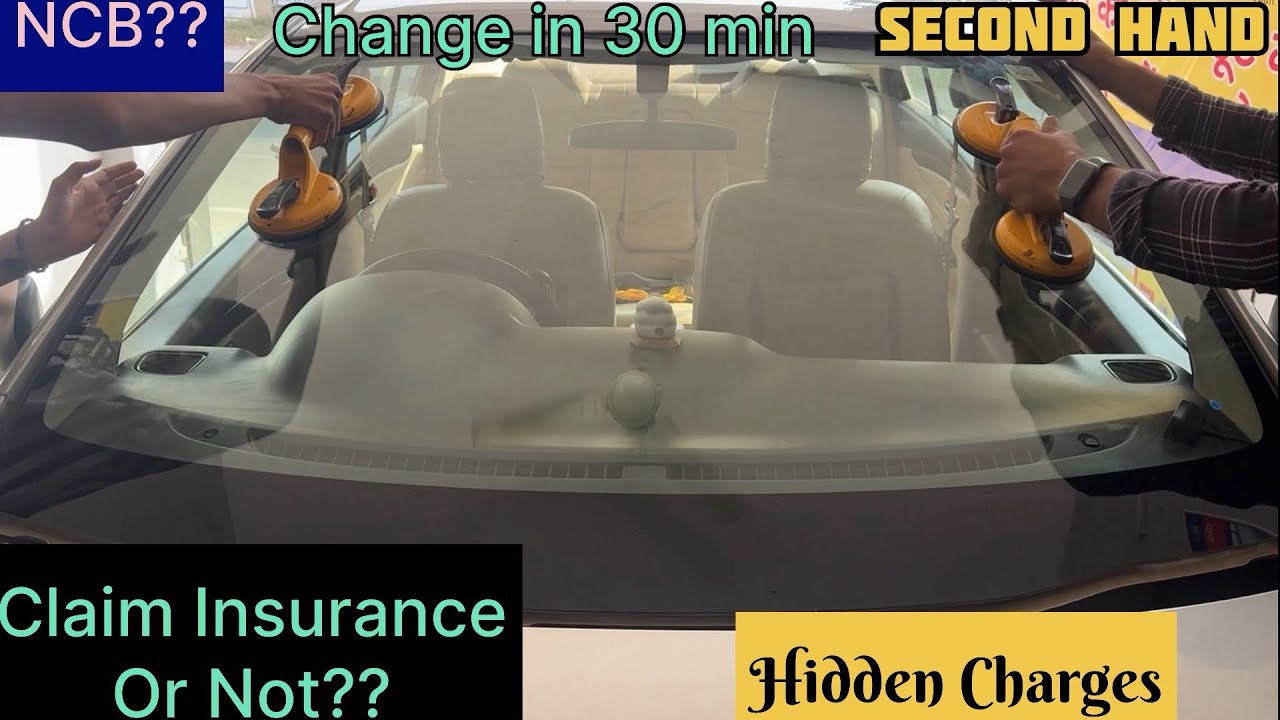
The most useful first step is not immediately booking a new windshield. Check your declarations page or insurer account for comprehensive coverage, glass coverage, and the applicable deductible. Then contact the insurer before authorizing replacement unless the situation requires emergency action. The insurer or glass administrator can confirm whether the windshield should be repaired or replaced, how much you will owe, whether you can choose your own shop, and whether modern driver-assistance equipment needs calibration after the new glass is installed.
Does Car Insurance Pay for Windshield Replacement?
Car insurance can pay for windshield replacement, but liability-only insurance normally does not pay for damage to your own windshield. Coverage usually depends on comprehensive coverage, collision coverage, optional glass coverage, or another driver’s liability insurance.
Comprehensive coverage is the coverage most frequently involved when a windshield is damaged without a conventional vehicle collision. Common examples include a stone thrown from the road, hail, a tree branch, vandalism, or an animal-related incident. The insurer generally pays an eligible amount above the applicable deductible, subject to the policy terms.
Collision coverage may apply when the windshield is damaged as part of a covered collision with another vehicle or object. If another driver caused the accident, you may also have the option of pursuing their insurer instead of using your own collision coverage, depending on responsibility, available coverage, and the circumstances of the accident.
Optional full-glass or glass-specific coverage can change the calculation significantly. Depending on the insurer and state, this coverage may have a lower deductible or no deductible for certain covered glass losses. Do not assume that the words full coverage automatically mean free windshield replacement. Full coverage is an informal term, and the actual policy documents determine what is insured.
Source: elmersautobody.com
Rock or road debris
Often handled under comprehensive coverage when the policy includes that coverage.
Hail or falling object
Usually considered a comprehensive-type loss rather than collision damage.
Vehicle collision
Collision coverage may apply when the windshield damage is part of crash damage.
Another driver caused the damage
Their liability insurer may be responsible when liability and coverage are established.
Liability-only policy
Usually does not pay to replace your own windshield after a rock strike or similar event.
Check Your Deductible Before Filing
The deductible is the amount you are responsible for before insurance contributes to a covered loss. Suppose a covered windshield replacement totals $900 and the applicable comprehensive deductible is $500. In a simplified example, you would pay $500 and the insurer would cover the remaining eligible $400. Actual payments remain subject to your policy, approved charges, and any applicable limits.
If the same replacement costs $450 while your applicable deductible is $500, the insurer generally would have no payment to make on that loss. That is why getting an estimated replacement cost and confirming the correct glass deductible before filing can be useful.
How to Get Windshield Replaced by Insurance Step by Step
The insurance process is usually straightforward when you verify coverage before the work begins. Keep your policy information, vehicle details, photos, and an explanation of how the damage occurred available when you report the loss.
Source: nuvisionautoglass.com
Step 1: Make the vehicle safe
If the windshield is badly shattered, obstructs your vision, has loose glass, or appears structurally unsafe, avoid driving unnecessarily. Move the vehicle safely when possible and arrange professional assistance.
Step 2: Photograph the damage
Take clear photos of the full windshield and close-ups of the chip, crack, impact point, or shattered area. Photograph related vehicle damage when the windshield was damaged during a larger incident.
Step 3: Review your policy
Look for comprehensive, collision, glass, or full-glass coverage and identify the deductible associated with the applicable coverage.
Step 4: Report the glass claim
Use your insurer’s website, mobile app, claims telephone number, agent, or designated glass-claims service. Describe what happened accurately and provide the date and location of the loss when requested.
Step 5: Confirm repair versus replacement
The insurer or glass technician may determine that a small chip can be repaired rather than replacing the entire windshield. Large, complex, spreading, or strategically located damage may require replacement.
Step 6: Confirm your out-of-pocket cost
Ask specifically which deductible applies and whether your policy has separate glass benefits. Do not assume that every windshield claim has a zero deductible.
Step 7: Choose or approve the glass shop
The insurer may offer a network glass provider or claims administrator. Ask whether you may select another qualified shop and whether doing so changes billing, authorization, warranty, or reimbursement procedures.
Step 8: Schedule replacement
After coverage and authorization are clear, schedule the windshield replacement. Some technicians offer mobile installation while other vehicles or calibration procedures may require shop service.
Step 9: Complete calibration when required
If the vehicle uses forward-facing cameras or other driver-assistance equipment associated with the windshield, confirm whether static, dynamic, or another manufacturer-specified calibration procedure is required after installation.
Step 10: Keep your documents
Save the claim number, estimate, invoice, deductible receipt, calibration documentation, warranty information, and correspondence in case a leak, warning light, camera issue, or billing question appears later.
Information the Insurance Company May Ask For
Having basic information ready can reduce delays. The exact requirements vary among insurers and claims, but glass claims are commonly handled with a relatively small set of vehicle and loss details.
Policy information
Your policy number or other identifying account information.
Vehicle information
Year, make, model, VIN, and sometimes information about windshield equipment or options.
Loss information
When, where, and how the windshield was damaged.
Damage description
Approximate crack or chip location, extent of damage, and whether visibility is affected.
Photos
Images may be requested to document the damage, although requirements vary by insurer.
Should You File an Insurance Claim or Pay Out of Pocket?
Using insurance is most financially useful when the covered replacement cost meaningfully exceeds the deductible. Before filing, compare the estimated replacement price with the deductible that would actually apply to the glass loss.
For example, imagine that a replacement and required calibration are estimated at $1,300. If your applicable deductible is $250, an eligible claim could leave a substantial amount for the insurer to cover. If your deductible is $1,000, the potential insurance payment would be much smaller.
Cost is not the only consideration. Ask whether the insurer has a separate glass deductible, whether a repair rather than replacement qualifies for different treatment, and how filing a claim is handled under your specific policy. Claim history can be considered differently among insurers and states, so no general rule can guarantee whether a particular glass claim will or will not affect future premiums.
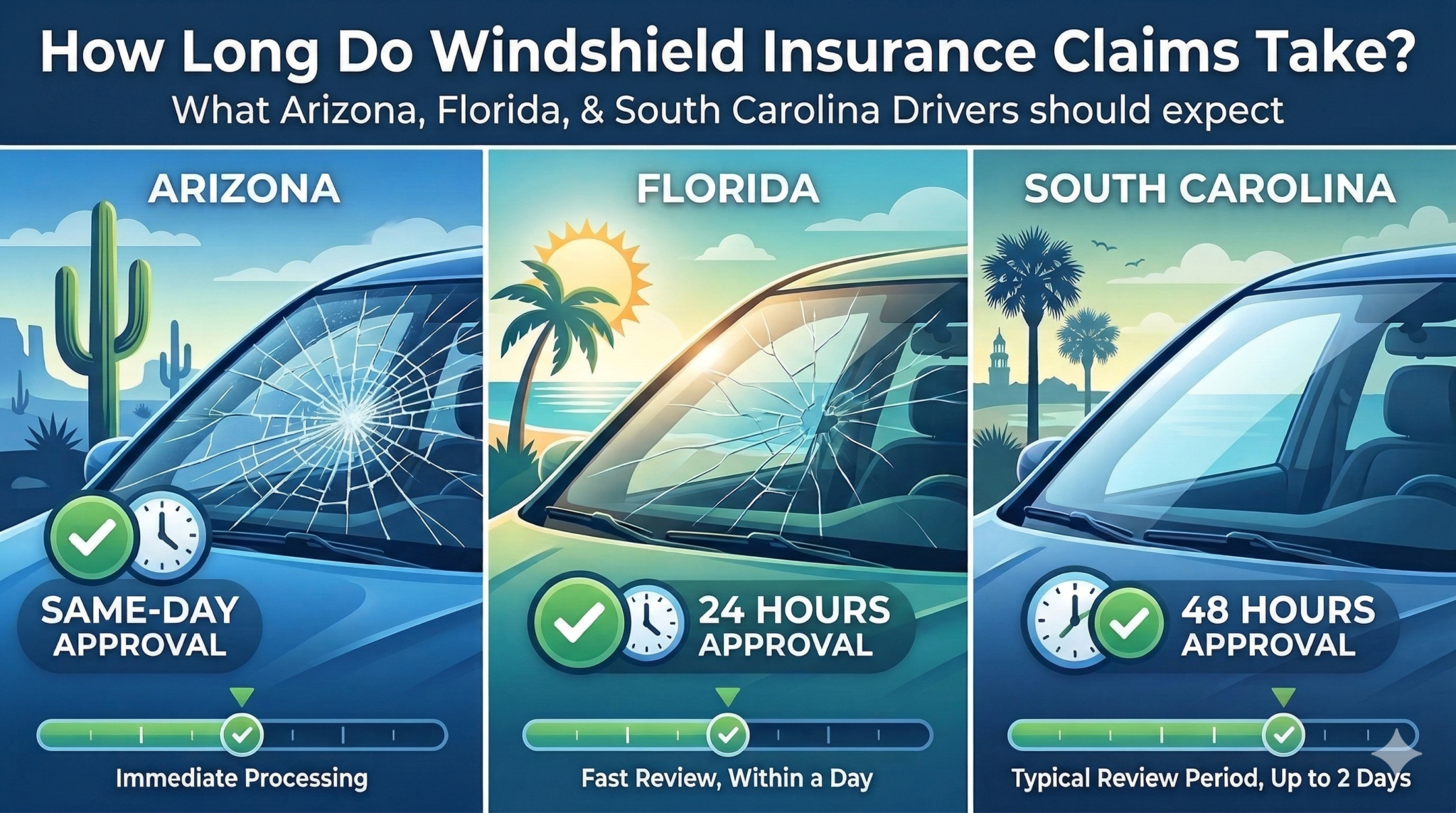
Source: storage.googleapis.com
Consider filing
The eligible replacement and calibration cost is substantially higher than the deductible.
Check for glass benefits
Your policy may have glass-specific terms that make a claim more useful than the standard comprehensive deductible suggests.
Consider paying directly
The total cost is below the deductible or only slightly above it.
Get the correct estimate
Modern windshields can involve cameras, sensors, moldings, rain sensors, heating elements, or calibration, so compare the complete job rather than glass alone.
Simple Deductible Examples
These hypothetical examples illustrate the basic deductible calculation and are not insurance quotes or guarantees.
$700 job with a $500 deductible
You would generally be responsible for the first $500 of an eligible covered loss, leaving about $200 for insurance before considering policy-specific adjustments.
$1,200 job with a $250 deductible
A covered claim could leave approximately $950 above the deductible, subject to approved charges and policy terms.
$400 job with a $500 deductible
The repair cost does not exceed the deductible, so there ordinarily would be no insurance payment under that deductible arrangement.
Repair or Replace: What Happens After You File the Claim?
Filing a windshield claim does not automatically mean the entire windshield will be replaced. The insurer and qualified glass technician may first determine whether a safe repair is appropriate.
Small chips and limited cracks can sometimes be repaired, depending on their size, depth, type, position, contamination, age, and the windshield construction. Damage near an edge, extensive cracking, multiple impact points, damage affecting critical viewing areas, or damage involving multiple glass layers can make replacement more likely.
Insurance terms may also differ between repair and replacement. Some policies or insurers provide more favorable deductible treatment for qualifying repairs because preserving the windshield can cost less than full replacement. Check your individual policy rather than assuming the same deductible applies to both.
Source: youtube.com
Signs the Windshield Replacement Was Completed Properly
After installation, inspect the work before considering the process complete. The windshield should sit evenly, exterior trim should be secure, and there should be no obvious gaps, loose pieces, unusual wind noise, or water intrusion. Driver-assistance warning messages should not remain active simply because calibration was skipped.
Follow the glass installer’s safe-drive-away instructions because the adhesive needs sufficient curing time. Do not substitute a generic waiting period for the installer’s instructions; curing depends on the adhesive, temperature, humidity, and installation process.
Check the seal
Look for visible gaps, loose moldings, or signs that the glass is not seated consistently.
Watch for leaks
Water around the windshield after normal exposure should be reported to the installer.
Listen while driving
New or unusually strong wind noise can justify a follow-up inspection.
Verify calibration
Keep documentation when cameras or driver-assistance systems required calibration.
Windshield Replacement and ADAS Calibration
ADAS calibration is one of the most important details to ask about before replacing a windshield on a newer vehicle. Many cars, SUVs, and trucks use a forward-facing camera mounted near the rearview mirror for functions such as lane-departure warning, lane-keeping assistance, automatic emergency braking, traffic-sign recognition, or adaptive driver-assistance features.
Replacing the windshield can change the camera’s position relative to the road even when the physical change appears small. Depending on the vehicle manufacturer’s procedures, calibration may therefore be required after the glass is installed.
Ask the glass shop whether your exact vehicle requires calibration and whether that service is included in the insurance authorization. Some calibrations can be completed by the glass provider, while other vehicles may require specialized equipment or a separate facility. The proper procedure should be based on the vehicle manufacturer’s requirements rather than guesswork.
Tell the shop about driver-assistance features
Provide the exact year, make, model, trim, and VIN so the correct windshield and procedures can be identified.
Confirm calibration cost
Ask whether the insurer has authorized necessary calibration as part of the covered replacement.
Keep calibration paperwork
Retain documentation showing what procedure was performed and whether the system passed the required checks.
Do not ignore warnings
If a driver-assistance warning appears or a feature behaves abnormally after replacement, return for professional diagnosis before relying on the affected feature.
Common Mistakes That Can Complicate a Windshield Insurance Claim
Most windshield claims are easier when the driver verifies coverage and billing before work begins. Problems often arise when someone assumes a deductible is waived, authorizes an expensive replacement without understanding insurer procedures, or overlooks calibration requirements.
Assuming comprehensive coverage is automatically included
Comprehensive is generally optional unless required by a financing or leasing arrangement. Verify that it appears on your policy.
Assuming every windshield replacement is free
Deductibles and glass-specific benefits vary by policy, insurer, and jurisdiction.
Waiting while a crack spreads
A small repairable chip can become larger due to vibration, temperature changes, moisture, or continued driving.
Authorizing work before checking claim procedures
Unless emergency circumstances require immediate action, report the loss and understand authorization and reimbursement requirements first.
Ignoring the complete replacement cost
The total job can include moldings, sensors, camera brackets, labor, disposal, and ADAS calibration in addition to the glass.
Providing an inaccurate loss description
Explain honestly how and when the damage occurred. Coverage depends partly on the actual cause of loss.
Driving with seriously impaired visibility
Do not continue driving when shattered or badly cracked glass prevents a clear view or presents an immediate safety hazard.
What to Do If the Insurance Company Will Not Pay for the Windshield
A denied or unpaid windshield claim does not always mean an error occurred. Common reasons include not carrying the necessary physical-damage coverage, having a loss that falls below the deductible, damage excluded by the contract, disagreement about when or how the loss occurred, or incomplete claim information.
Start by asking for the exact coverage reason and the policy provision being applied. Compare that explanation with your declarations page, endorsements, and policy contract. If the issue is missing information, provide the requested photos, invoices, inspection information, or other documentation.
If you believe the insurer applied the policy incorrectly, use the carrier’s review or appeal process and keep written records of communications. Insurance regulation is state-based in the United States, so consumers can also consult their state department of insurance for information about complaint procedures and applicable insurance rules when a dispute cannot be resolved directly.
Ask why
Request the specific reason the claim or expense was denied.
Submit requested documentation promptly if the claim is incomplete.
Request reconsideration
Use the insurer’s established review process if you believe relevant information was overlooked.
Contact the state regulator when appropriate
Your state’s insurance department can explain consumer complaint procedures but does not replace legal advice for an individual dispute.
Frequently Asked Questions
Q
Can I get my windshield replaced through insurance without paying a deductible?
Possibly. Whether a deductible applies depends on your state, insurer, policy, endorsements, and whether the glass is being repaired or completely replaced. Some policies offer separate glass coverage or different deductible treatment. Confirm your exact cost with the insurer before authorizing the work.
Q
Does liability insurance cover a cracked windshield?
Liability coverage generally pays for covered injury or property damage you cause to other people, not routine damage to your own vehicle. A rock-damaged windshield on your own car is more commonly associated with comprehensive coverage. If another party is legally responsible for the windshield damage, that party’s liability coverage may become relevant.
Q
Should I call the insurance company or the glass shop first?
For a non-emergency claim, checking with your insurer first is usually the clearest approach because you can confirm coverage, deductible, claim number, shop requirements, and authorization before work starts. Some insurers also allow approved glass providers to initiate or coordinate the claim. If the vehicle is unsafe, prioritize immediate safety and document the damage.
Q
Can I choose my own windshield replacement company?
Your ability to choose a repair facility and the insurer’s payment procedures can depend on state law and policy terms. Insurers commonly maintain preferred or network glass providers, but a network recommendation does not automatically mean it is your only possible choice. Ask the insurer how using a non-network shop affects authorization, billing, reimbursement, warranty handling, and any price differences.
Q
Will a windshield insurance claim increase my premium?
There is no universal answer. How a glass or comprehensive claim is recorded or considered can vary by insurer, state law, loss history, underwriting rules, and other rating factors. An insurer can explain how its current rules apply to your policy, but no one should guarantee that a claim will never affect future pricing.
Q
How long should I wait before driving after windshield replacement?
Follow the safe-drive-away time provided by the installer. Windshield adhesive curing varies with the specific adhesive, installation method, temperature, humidity, and vehicle. Driving before the adhesive has developed sufficient strength can compromise the installation.
Q
Does insurance cover windshield camera calibration?
Necessary calibration may be included as part of a covered windshield replacement when it is required to restore the vehicle properly, but payment depends on the policy, claim, insurer authorization, and documented vehicle requirements. Ask the insurer and installer to confirm calibration coverage before the work is completed.
✦ Wrapping Up
Conclusion
Learning how to get windshield replaced by insurance starts with one practical check: determine which coverage and deductible apply before committing to the replacement. For many U.S. drivers, non-collision windshield damage is handled through comprehensive or separate glass coverage, while crash-related damage may involve collision coverage or another driver’s insurer.
Document the damage, report the claim, compare the replacement cost with your deductible, confirm whether repair is possible, and verify the glass shop and calibration requirements. After installation, keep the invoice, claim paperwork, warranty, and any ADAS calibration record. If the insurer denies coverage, request the specific policy-based reason and use the carrier’s review process when appropriate.
💡 Key Takeaway
Before scheduling the windshield, open your insurance declarations page and identify comprehensive or glass coverage and its deductible, then report the damage to your insurer and ask for the exact approved replacement and calibration process.
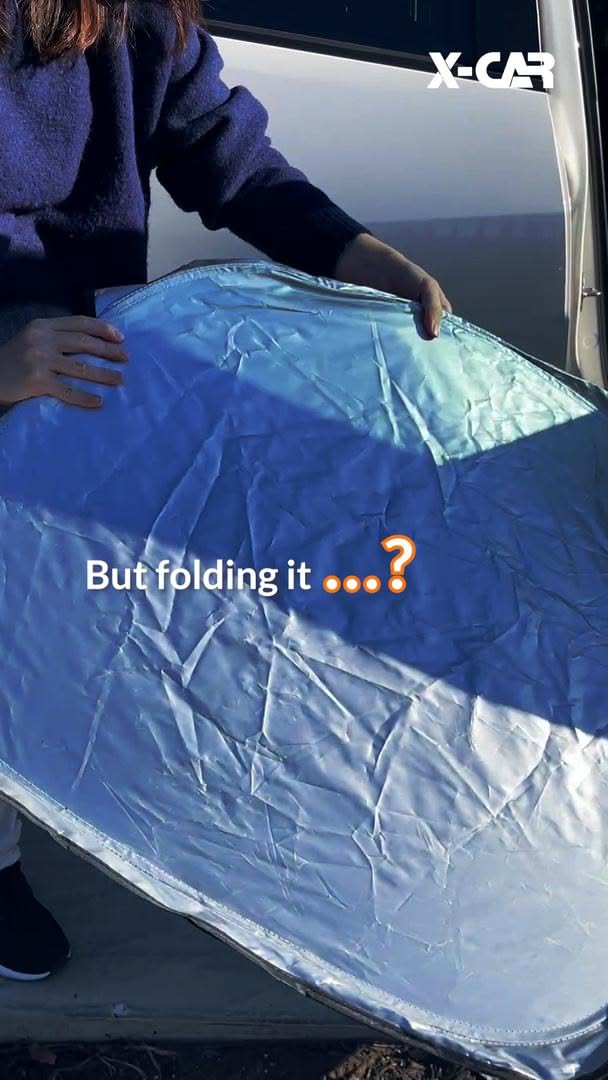
Learn how to fold a pop up windshield sun shade safely and quickly. Follow simple steps, avoid common mistakes, and store your car sun shade without damaging its frame.