Can You Add a Sunroof to a Car? Costs, Risks, and Best Options
Yes, you can add an aftermarket sunroof to some cars, but a qualified installer must confirm that your roof, airbags, and wiring can safely accommodate it. The job involves cutting the roof and managing water drainage, so it’s not a simple accessory install—and it may not be worthwhile on every vehicle.
If you’re weighing more light and fresh air against the risks of leaks, noise, or reduced resale value, the key question is whether your specific car is a good candidate. This guide is for owners considering a retrofit, comparing it with a factory-equipped car, or checking an existing aftermarket sunroof. I’ll explain feasibility, sunroof types, the installation process, costs, risks, and alternatives so you can make a practical decision before anyone cuts the roof.
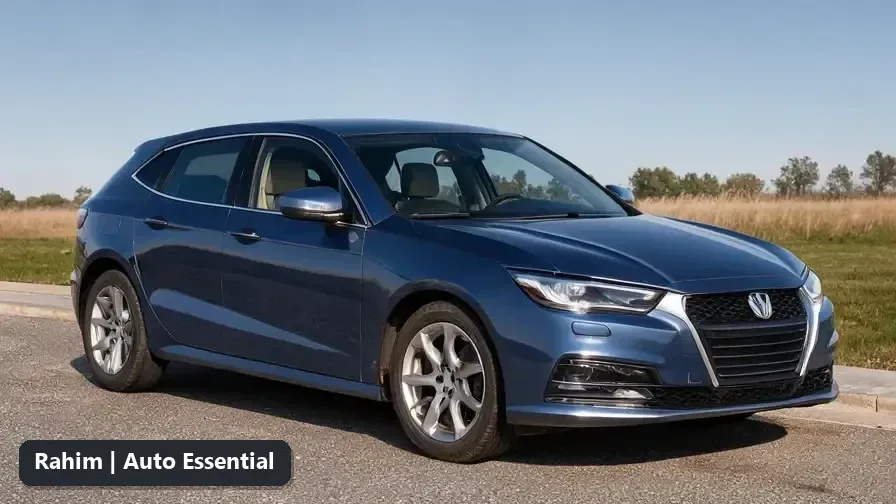
Can You Add a Sunroof to a Car? Yes, If the Vehicle and Installer Are Suitable
You can add a sunroof to many vehicles, but not every car has a roof that can be modified safely or cleanly. A reputable installer should inspect your exact make, model, year, roof layout, and airbag system before quoting the work.
An aftermarket sunroof is a roof opening and glass assembly installed after the car was built. Unlike a factory sunroof, it wasn’t designed and fitted as part of the vehicle’s original production. That difference matters: the installer has to work around the car’s structure and existing equipment rather than follow a factory-designed opening.
A suitable candidate generally has enough clearance for the glass and mechanism, a workable route for drainage tubes, and no structural or safety equipment in the planned cut area. The installer also needs to confirm that the headliner—the fabric-covered panel beneath the roof—and nearby trim can be removed and refitted properly.
What can make a car unsuitable?
The roof isn’t just a cover. The roof assembly, its supports, and its connections to the body help protect occupants in a crash. A careless cut can damage a roof crossmember, a structural support that runs across the roof, or interfere with equipment built into the roof area.
Side-curtain airbags are a major concern. These airbags deploy along the side windows and may be housed near the roof edges. A sunroof frame, wiring, or drainage tube must not block or disrupt them.
On some vehicles, sensors, antennas, wiring, or special roof panels also limit where an opening can go.
Be especially cautious if your vehicle has a panoramic glass roof, a convertible-style roof, unusual roof reinforcement, or an accessory rack system. A panoramic roof is a large glass panel or panels built into the roof; adding another opening may not be feasible or may not make sense. A shop’s general claim that it can install a roof on “almost any car” isn’t a substitute for a vehicle-specific inspection.
Which sunroof types are realistic for a retrofit?
Aftermarket options commonly include a pop-up unit, which tilts open for ventilation, or a spoiler-style unit, which tilts and may slide partly above the roof. An inbuilt sunroof slides into a space above the headliner, so it needs enough room between the roof skin and cabin trim for the glass and mechanism.
A large panoramic roof is usually more complex than a smaller retrofit and may not be offered for your vehicle. Don’t assume that a style available on a similar model will fit your car: roof contours, interior clearance, wiring, and supports can differ even between trim levels.
Ask the installer to identify the exact unit they propose, whether it opens or only tilts, how much cabin space it uses, and what parts of the headliner or trim need to change. Get the product and installation details in writing.
Important tip: Ask the shop to check your vehicle by its VIN, or vehicle identification number, and inspect the roof in person. A generic online fitment chart can help narrow options, but it can’t confirm that a specific installation is safe.
How Installation Works, What It Costs, and How to Choose a Shop
A professional retrofit usually involves removing interior trim, marking and cutting an opening, fitting the sunroof assembly, routing drainage tubes, and finishing the headliner. The exact work depends on the vehicle and sunroof design. Because the job permanently changes the roof, choose an experienced automotive glass or sunroof specialist—not a general installer who can’t explain the structural and water-management details.
What to expect during installation
The shop should first confirm fitment and check for roof supports, airbags, wiring, and other equipment. It should also explain the proposed opening and how the finished interior will look. If the work would require cutting a structural support or placing parts in an airbag deployment path, ask whether the installer has a safe, documented alternative.
If not, don’t proceed.
Once the interior trim is removed, the installer makes the roof opening and fits the frame and glass. The frame needs a secure, even fit. Drainage tubes are then routed toward appropriate outlets.
These tubes carry away water that gets past the outer seal; they must remain clear and must not release water into the cabin or onto electrical components.
The installer then reconnects any necessary wiring, refits or alters the headliner and trim, and checks the opening, closing, drainage, and interior finish. Ask how the shop tests for leaks and whether it checks for wind noise and binding before returning the car.
What determines the price?
There isn’t one reliable price for every car. The total depends on the sunroof type, vehicle design, parts availability, labor, trim work, wiring, and whether complications appear after the headliner comes down. A simple-looking unit can still require extensive interior work, while an unusual roof can make even a smaller opening difficult.
Get a written, itemized estimate that states:
- The sunroof brand, model, and functions included.
- Labor, trim or headliner work, wiring, and any paint or finish work.
- How drainage tubes will be routed and tested.
- What happens if the shop finds a structural, airbag, or wiring conflict.
- The warranty terms for the unit, installation, leaks, and related repairs.
- Whether the quoted amount can change and what requires your approval first.
Compare estimates based on scope and warranty, not just the bottom line. A low quote may leave out headliner repair, leak testing, or the cost of addressing a problem discovered during installation.
Questions to ask before booking
Ask how many installations the shop has completed on your vehicle or a similar roof design. Ask whether it has checked the airbag locations and roof supports, who supplies the unit, and who handles warranty claims if the glass or mechanism fails. It’s also reasonable to ask for proof of insurance and written installation terms.
Get confirmation that the shop will use automotive-grade glazing intended for vehicle use, not ordinary household glass. Ask what the warranty excludes, whether it covers water leaks, and whether it remains valid if you use an automatic car wash. Follow the installer’s guidance about washing after the job, since sealants or trim may need time to settle.
Pro tip: Keep the estimate, product details, warranty, and final invoice with your vehicle records. They’ll help if you need repairs, make an insurance inquiry, or sell the car later.
Risks, Maintenance, and Alternatives to a Retrofit
A professionally installed sunroof can work well, but cutting the roof adds risks that a factory option avoids. The most common concerns are leaks, wind noise, rattles, mechanical trouble, changes to the interior finish, and questions about structural integrity or resale. Careful installation and regular checks reduce some risks; they can’t make a retrofit identical to a factory-built system.
How to spot an installation problem
Look for damp headliner fabric, water stains, wet carpet near the doors, a musty smell, or unexplained moisture after rain. Water may travel along trim before it becomes visible, so the wettest spot isn’t always where it entered. Persistent wind noise, rattling, uneven glass movement, or a sunroof that binds can also signal a fit, seal, or mechanism problem.
If water appears, don’t assume that adding sealant around the visible edge will fix it. Many sunroofs use drainage tubes, and a blockage or poor tube connection can send water inside even when the outer seal looks sound. Have a qualified shop inspect the frame, seals, and drains.
To check a suspected leak, use a gentle flow of water and watch from inside; avoid a pressure washer, which can force water past seals that would normally shed rain. Don’t remove trim near airbags or electrical equipment just to trace the leak. If water reaches wiring or electronics, have the vehicle checked promptly.
Basic care and safety
Keep the glass and surrounding seals clean, and follow the sunroof maker’s maintenance instructions. If the manufacturer calls for drain checks or lubrication, use the specified method and product. Don’t push wire, a screwdriver, or high-pressure air into a drain tube; that can disconnect or damage it and make a leak worse.
Before using a car wash, check the unit’s instructions and warranty. A sunroof that opens properly should still be closed and latched before washing. If the glass won’t close, the mechanism makes a new noise, or the roof leaks, arrange service rather than forcing it shut.
Safety warning: Don’t cut a roof yourself or let a shop proceed without checking structural supports and side-curtain airbags. If the installer can’t explain how the work avoids those systems, choose another shop or keep the roof as it is.
Is a retrofit worth it?
A retrofit may suit you if your vehicle is otherwise in good condition, a qualified shop confirms a safe fit, and you’re comfortable with the cost and added maintenance. It’s less appealing if you plan to sell soon, the roof design is complex, or a factory-equipped replacement is a realistic option.
| Option | Best fit | Main trade-off |
|---|---|---|
| Aftermarket sunroof | You want an opening roof on your current car and a specialist confirms fitment | Permanent modification, with added leak and warranty concerns |
| Factory-equipped used car | You want a sunroof designed into the vehicle | Requires changing vehicles and checking the used car’s condition |
| Glass roof or shade accessory | You mainly want more light or shade | Doesn’t provide the same opening or ventilation |
| No modification | You want to avoid roof cutting and related risks | You keep the current roof setup |
A factory-equipped car is often the simpler way to get an integrated sunroof, though a used vehicle still needs a careful inspection. Test the roof, check for stains and musty odors, and ask for service records. If you only want airflow, compare the cost and convenience of opening windows or using the car’s ventilation system before committing to a permanent change.
FAQs About Can You Add a Sunroof to a Car
Does adding a sunroof weaken a car’s roof?
It can affect the roof structure if the opening or installation damages supports or other reinforced areas. A qualified installer must check the vehicle’s design and avoid structural components and airbag equipment. Don’t rely on a general assurance that the job is safe; ask what was inspected and how the proposed cut avoids those parts.
Will an aftermarket sunroof leak?
It may leak if the frame, seals, or drainage system is installed or maintained poorly. Many designs route water away through drain tubes rather than relying on the outer seal alone. If you find water inside, have the whole system checked instead of applying sealant as a quick fix.
Can any auto shop install a sunroof?
Not necessarily. Look for a shop with specific experience in automotive sunroof retrofits and the ability to assess roof structure, airbags, drainage, and interior trim. Ask about vehicle-specific fitment, leak testing, and written warranty coverage before booking.
Will adding a sunroof affect my warranty or insurance?
It may affect coverage for the modified area or related damage, and coverage depends on your vehicle warranty and insurance policy. Ask your vehicle manufacturer or dealer and your insurer before the work. Keep the shop’s estimate and installation documents, and tell your insurer about the modification if required by your policy.
Is an aftermarket sunroof the same as a factory sunroof?
No. A factory sunroof is built into the vehicle’s original design and assembly. An aftermarket unit is installed later, so fit, finish, controls, drainage, and warranty terms may differ.
A well-done retrofit can be useful, but it doesn’t turn the car into a factory sunroof model.
Before You Approve the Work
Treat a sunroof retrofit as a permanent body modification, not a quick accessory upgrade. First, ask a specialist to inspect your exact vehicle and provide an itemized written quote that covers fitment, airbag and structural checks, drainage, leak testing, and warranty terms. If the shop can’t explain those points clearly—or if the total cost makes a factory-equipped car or simpler alternative more appealing—pause before authorizing a roof cut.