Can You Put a Panoramic Sunroof in a Car: What You Need to Know
Yes, you can sometimes add a panoramic sunroof to a car, but it’s rarely a straightforward or sensible aftermarket job. Unless your vehicle was designed for that roof, cutting it can affect structural strength, airbags, wiring, drainage, and your warranty.
If you’re picturing a glass roof like the one offered on a newer trim of your car, the key question is whether that roof can be safely added to your specific vehicle—not simply whether a shop can cut an opening. A panoramic roof is a large glass panel or set of panels built into a roof designed to support it.
I’d treat this as a vehicle-engineering decision, not a routine accessory installation. Below, I’ll explain what makes a retrofit difficult, how to check your options, what the work involves, what can go wrong, and which alternatives are often more practical.
Can You Put a Panoramic Sunroof in a Car?

Sometimes, but a panoramic sunroof should generally be installed only when the vehicle’s roof and related systems were designed to accept one. A specialist may be able to modify some vehicles, but the work is complex, can be costly, and may leave important safety or fit questions.
A factory panoramic roof is more than glass. It may require a different roof panel, reinforcement, crossmembers, seals, drains, headliner, wiring, switches, and sometimes changes to nearby trim or electronics. The exact design depends on the make, model, year, body style, and equipment.
That’s why two cars that look nearly identical may not be equally suitable. A higher trim level might have a factory roof option, but the version without it may use different roof supports, wiring, airbags, or interior parts. A shared model name alone doesn’t prove that the conversion is safe or practical.
What makes a panoramic roof different from a regular sunroof?
A regular aftermarket sunroof is typically a smaller opening with a single glass panel. A panoramic roof spans a much larger portion of the roof and may have fixed glass, an opening front section, a separate rear section, or a powered shade.
The larger opening removes more of the roof skin—the outer metal panel—and may interfere with structural supports beneath it. Roof rails, crossmembers, and side structures help manage loads in a crash or rollover. A roof designed for panoramic glass accounts for that opening as part of the vehicle’s overall structure.
A retrofit also has to work with the interior. Curtain airbags—airbags that deploy along the side windows—may be stored near the roof edge. If a cut, bracket, wire, or trim piece blocks their deployment path, the system may not work as intended.
When is a retrofit more likely to be feasible?
Your best chance is usually a vehicle whose manufacturer offered a factory panoramic roof on the same generation and body style. Even then, the roof option may require different parts and structural provisions, so a shop must verify the exact vehicle rather than assume the parts will fit.
A specialist should check your vehicle identification number (VIN), factory build information, parts catalog, roof structure, airbag layout, wiring, and available replacement components. The VIN is the unique number used to identify a specific vehicle and its original configuration.
If the manufacturer never offered a panoramic roof for that body, the shop should explain how it would maintain the vehicle’s structure and safety systems. If the answer is only “we’ve done sunroofs before,” that isn’t enough for a large glass-roof conversion.
When should you rule it out?
Be especially cautious if the shop proposes cutting through a roof support, moving an airbag, or relying on sealant to make up for a poor fit. Also pause if the installer can’t identify the correct glass, frame, drains, or replacement parts for your vehicle.
Important: Don’t cut the roof yourself or approve cutting before a qualified shop has assessed the vehicle. A mistake can damage wiring or airbags, weaken the roof, cause leaks, and make later repairs more difficult.
How to Check Feasibility, Safety, and Cost
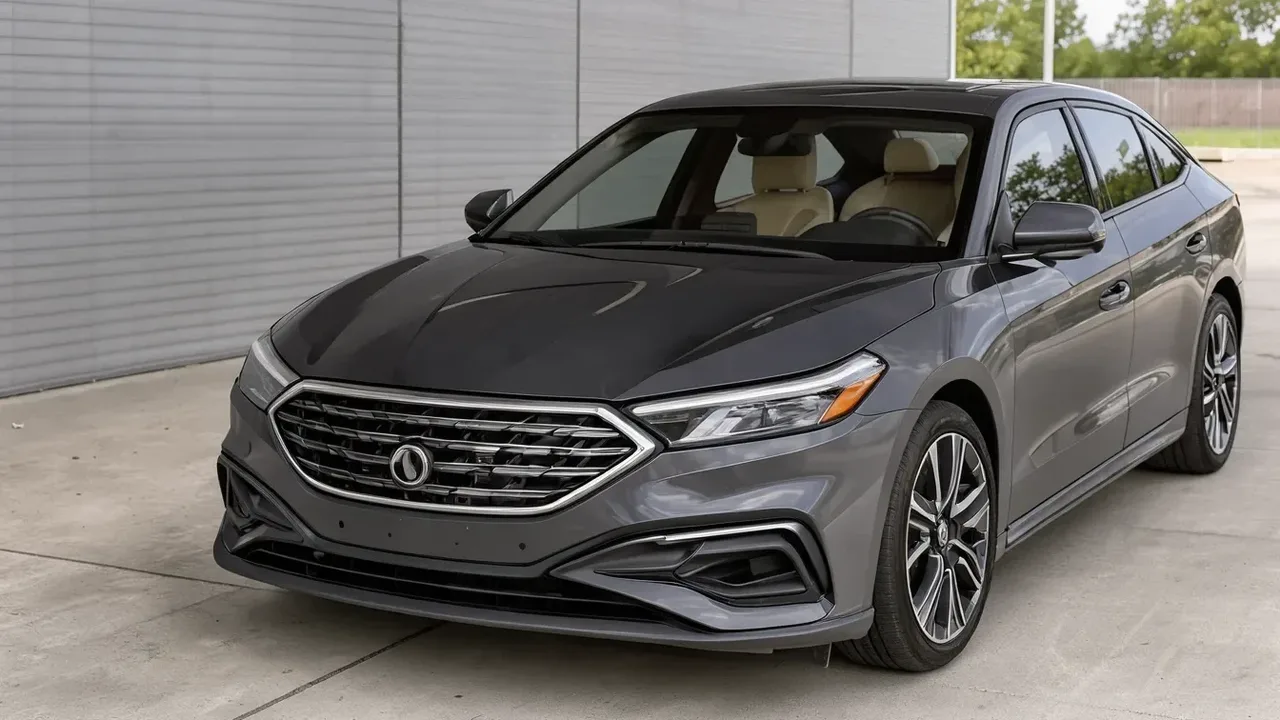
Start by confirming the vehicle’s factory configuration and getting a written assessment from an experienced automotive glass or body specialist. Don’t choose a shop based only on a low quote; ask how it will protect the vehicle’s structure, airbag systems, and interior from water.
A practical feasibility checklist
Before you compare quotes, gather your make, model, year, body style, trim, and VIN. Then ask a qualified installer to answer these questions in writing:
- Did the manufacturer offer a panoramic roof on this exact generation and body style?
- Does the non-roof version have the supports and mounting points required for the roof?
- Will the work affect roof rails, crossmembers, curtain airbags, or wiring?
- Are the complete glass, frame, seals, drains, shade, switches, and trim available?
- Does the quote include leak testing, electrical checks, and interior reassembly?
- What warranty covers leaks, rattles, electrical problems, and workmanship?
- Does the shop carry suitable insurance for structural or body modifications?
Ask for the installer’s experience with your exact vehicle, not just similar-looking cars. A shop that can explain what it checked—and what it could not confirm—is more useful than one that promises an easy conversion before seeing the vehicle.
What the installation involves
A proper conversion may require removing the headliner and other interior trim, protecting the cabin, checking for hidden wiring and airbags, and confirming where the opening can safely go. If the design requires structural changes, that’s a major reason to stop and get expert review rather than proceed with a generic sunroof kit.
The installer then has to fit the roof frame and glass, seal the opening, route drainage, reconnect any required electrical parts, and reinstall the interior. The roof drains are channels or tubes that carry water away from the glass assembly. If they’re kinked, disconnected, or routed poorly, water can enter the cabin even if the visible seals appear sound.
The work should end with functional checks, a water-leak test, and inspection for interior damage or warning lights. A shop should also explain any limits on operation or maintenance and provide documentation for the parts and work.
What affects the price?
There isn’t one reliable price for this job across all vehicles. The total depends on whether the vehicle has factory provisions, whether the parts are available, how much structural or electrical work is needed, and whether the interior must be replaced or altered.
A conversion using a complete, vehicle-specific factory assembly may still involve significant labor and hard-to-find parts. A universal aftermarket roof may cost less up front, but it may not provide a panoramic appearance or match the vehicle’s structure and equipment. Ask for an itemized quote that separates parts, labor, structural work, trim, electrical work, and leak testing.
Also consider possible costs after installation. A leak can damage the headliner, carpets, wiring, or electronic modules. Insurance coverage and resale value may be affected, too, so check with your insurer before authorizing a modification and keep all receipts and installation records.
Safety, warranty, and legal checks
A roof modification can affect factory warranties for parts related to the work, though it doesn’t automatically mean every vehicle warranty is void. Ask the dealer or manufacturer about the specific affected systems, and get the answer in writing when possible.
Rules and inspections vary by state and vehicle. Before the work, ask your state inspection authority or a qualified local shop whether the modification creates inspection or registration concerns. Tell your insurer what you plan to change; don’t assume a modified roof is automatically covered in a claim.
Safety Tip: If the shop cannot explain how it will preserve the roof’s strength and keep airbags clear, don’t proceed. Get another assessment from a body or structural specialist.
Alternatives to a full panoramic conversion
If your vehicle wasn’t designed for a panoramic roof, these options may be more practical:
| Option | What you get | Main trade-off |
|---|---|---|
| Factory-equipped vehicle | A roof designed as part of the vehicle | You may need to change vehicles or trim |
| Smaller aftermarket sunroof | A glass opening, often with less roof area removed | It won’t provide the full panoramic effect |
| Fixed aftermarket glass roof | More glass without an opening panel | Still requires careful fit, sealing, and safety review |
| Keep the solid roof | No roof-cutting risk or added leak points | No overhead glass or added daylight |
A factory-equipped vehicle is usually the clearest route if you want the complete panoramic-roof experience. A smaller sunroof may be a reasonable compromise if a specialist confirms it fits your vehicle safely.
What to Watch for After Installation
After any roof conversion, check for leaks, new noises, electrical faults, and signs that the interior was not reassembled correctly. Report problems to the installer promptly and avoid assuming that a small drip or warning light will resolve itself.
After rain or a car wash, look for damp headliner edges, wet carpets, water marks, or a musty smell. Check that the roof opens and closes smoothly if it has a moving panel, and listen for rattling or wind noise at road speed. Don’t force a panel that sticks or makes unusual sounds.
If you see an airbag warning light, treat it as a safety-system issue. Have a qualified repair shop scan and diagnose it; simply clearing the warning may hide a problem without fixing it.
Water can also travel along the headliner or behind trim before it appears on the floor. If you find moisture, photograph it, note when it happens, and contact the installer. Early inspection can help identify a blocked drain or failed seal before water reaches wiring or interior electronics.
Common mistakes include choosing a shop that can’t explain the vehicle-specific design, approving work without an itemized quote, and relying on a visual check instead of a proper water test. Another mistake is skipping insurer and warranty questions until after the roof has been altered.
FAQs About Can You Put a Panoramic Sunroof in a Car
Can any car have a panoramic sunroof installed?
No. Some vehicles may be modified, but roof structure, airbags, wiring, parts availability, and interior design all affect feasibility. A shop needs to inspect the exact make, model, year, body style, and factory configuration before making a recommendation.
Is an aftermarket panoramic sunroof as safe as a factory one?
You shouldn’t assume it is. A factory roof is designed as part of the vehicle, while an aftermarket conversion has to work with the existing structure and safety systems. Ask the installer to explain how it will address roof strength, airbag clearance, drainage, and any testing or documentation.
Will installing a panoramic sunroof cause leaks?
It can, especially if the frame, seals, or drain tubes are installed incorrectly or deteriorate. A careful installation and follow-up checks help reduce risk, but no retrofit should be treated as leak-proof without proper testing and maintenance.
Does adding a panoramic sunroof void a car’s warranty?
Not necessarily the entire warranty, but the modification may affect coverage for systems or parts connected to the work. Ask the manufacturer or dealer about your specific vehicle before installation, and keep written answers and shop records.
Should I install a factory panoramic roof from another vehicle?
Only if a qualified specialist confirms that the parts fit your specific vehicle and that the structure, airbags, wiring, drains, and interior can support the conversion. Matching model names or similar body shapes are not enough to establish compatibility.
The Best Next Step Before You Commit
Before paying a deposit, ask a qualified shop to inspect your VIN-specific factory configuration and provide a written feasibility assessment. Have it identify the parts, structural work, airbag considerations, leak-testing plan, warranty, and full itemized cost.
If the shop can’t verify those points—or says the roof will be fine without explaining why—get a second opinion. When your vehicle wasn’t designed for panoramic glass, choosing a factory-equipped car or a smaller, professionally assessed sunroof is often the more practical decision.