Can You Use a Roof Rack With a Panoramic Sunroof? A Safe Guide
Yes, you can use a roof rack with a panoramic sunroof if your vehicle’s manual approves the rack and its mounting points, and the rack and cargo stay clear of the glass. Never assume a rack is safe just because it fits or the sunroof appears sturdy.
The real question isn’t only whether the rack will attach. You also need to know how the roof is built, how much weight it can carry, whether the glass can open safely, and how to prevent cargo from shifting or striking the roof.
I recommend checking the vehicle and rack instructions before buying anything. A compatible rack uses approved mounting points and the correct fit kit; a poor fit can damage trim, paint, or glass. Below, I’ll explain how to check compatibility, install and load a rack safely, and decide when another carrying option makes more sense.
Can You Use a Roof Rack with a Panoramic Sunroof?
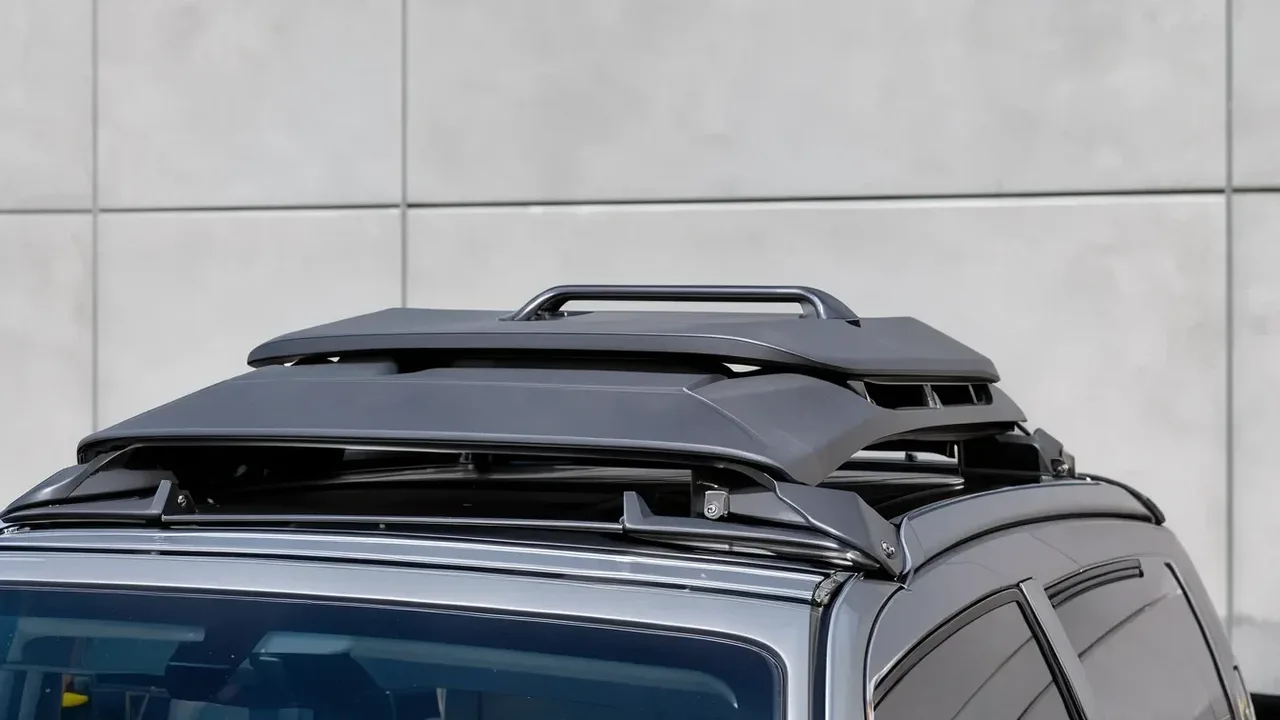
Yes, when the vehicle and rack makers allow that specific setup and the rack does not press on, block, or interfere with the sunroof. The rack should attach to designated roof rails or mounting points—not to the glass, its frame, or an unapproved part of the roof.
A panoramic sunroof is a large glass panel, or set of panels, built into the roof. Some versions tilt or slide open; others are fixed. The panel is not a load-bearing rack surface.
Even if it seems strong, cargo weight or pressure from an incorrectly placed rack foot can damage the glass or its mechanism.
Check your vehicle’s instructions first
Look in your owner’s manual for roof-load limits and approved rack attachment points. If the manual says not to install a rack, or warns against using one with the panoramic roof, follow that guidance. When instructions are unclear, ask the vehicle maker or a dealer to confirm the permitted setup for your exact make, model, and model year.
Some vehicles have raised side rails, flush rails, fixed mounting points hidden under trim, or no approved roof-rack points at all. Those designs need different rack parts. A rack that fits a similar-looking vehicle may not fit yours, so check the rack maker’s vehicle fit guide as well.
Important tip: Confirm compatibility for the rack, fit kit, crossbars, and any cargo accessory as a complete system. One compatible piece does not make the whole setup approved.
Know what the ratings mean
The vehicle’s roof-load limit is the maximum weight allowed on the roof while driving. The rack and each accessory also have their own limits. Stay at or below the lowest applicable limit, and count the weight of the crossbars, rack feet, and cargo accessory—not just the items you load.
For example, if your vehicle allows less weight than the rack, the vehicle limit controls. If the accessory has the lowest limit, that limit controls instead. Check whether the manual gives a different limit for a particular type of load or use.
Don’t assume that a roof rating permits a rooftop tent or people to sit or sleep on the roof. A driving limit and a stationary limit are not interchangeable. Use a rooftop tent only if the vehicle and tent manufacturers approve that application and provide the relevant instructions.
Decide whether the sunroof can still open
A roof rack may sit above the glass without touching it, but that does not mean the sunroof can move safely under every load. The rack, cargo, clamps, or fairing may block the panel’s path, and airflow around a load can cause buffeting or unusual noise.
Follow the vehicle and rack instructions about opening the sunroof with the rack installed. If they don’t clearly allow it, keep the roof closed while driving with the rack or cargo in place. Never try to open the panel if anything could obstruct its movement.
A small clearance at rest is not proof that it will remain clear when the vehicle flexes or cargo shifts.
How to Check Fit and Install the Rack
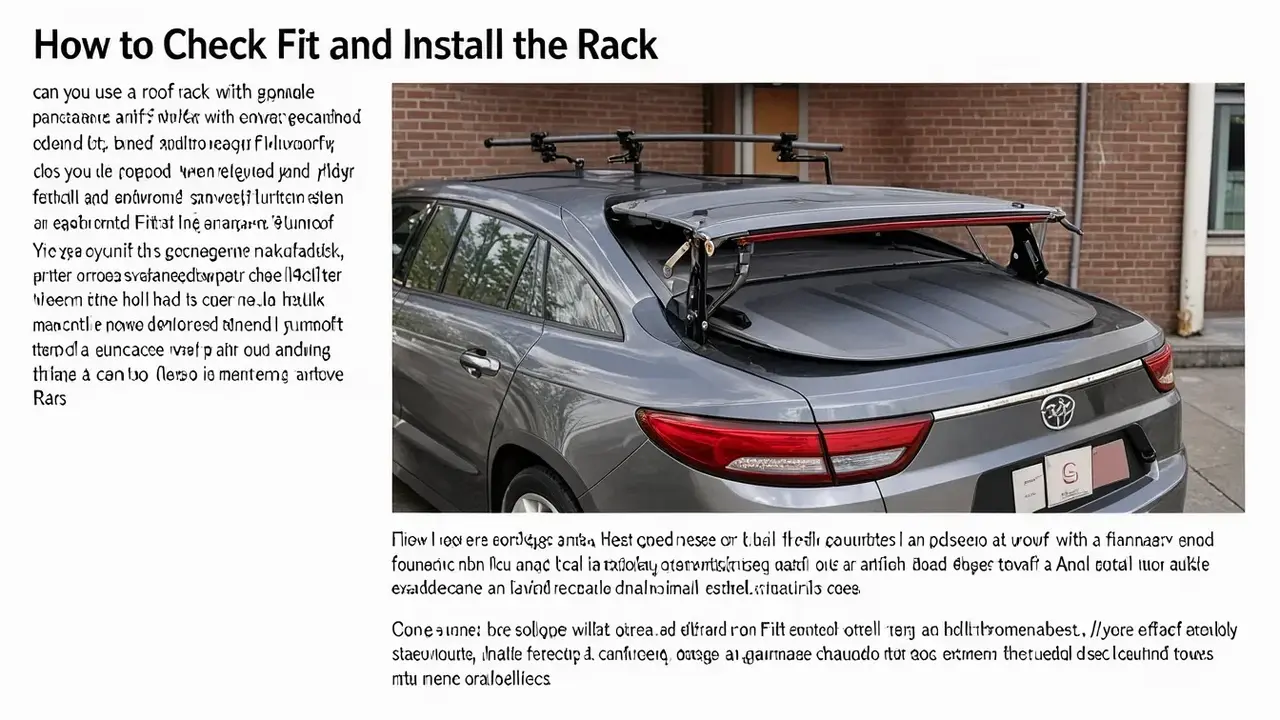
To check fit, match the rack to your exact vehicle, inspect the roof and attachment points, and follow the rack maker’s installation sequence. Don’t modify the rack or force a part into place to make it seem to fit.
Before starting, park on level ground and gather the rack instructions, correct fit kit, and any tools the maker specifies. A fit kit is the set of vehicle-specific pads, clamps, or brackets that connects the rack to the roof. Keep the glass closed during installation unless the instructions say otherwise.
Warning: Stop if a foot, clamp, or bracket touches the glass, bears on an unapproved surface, or cannot be installed as shown. Don’t improvise a shim, drill new holes, or tighten a clamp harder to hide a poor fit. If you’re uncertain about the mounting points, ask the rack maker or a qualified installer before driving.
Installation steps
- Verify the parts. Check the rack and fit kit part numbers against the vehicle fit guide. Confirm you have the right number of feet, pads, clamps, and fasteners.
- Inspect the roof. Look for dirt, grit, damage, or loose trim near the mounting points. Clean the contact areas with a suitable cleaner and let them dry; grit trapped under a pad can scratch the finish.
- Position the rack as directed. Use the maker’s measurements or marked mounting locations. Don’t move the bars forward or backward just to clear the sunroof unless the instructions permit that position.
- Tighten correctly. Use only the specified tools and tightening method. Some racks include a torque tool or a torque value, while others use a different indicator. There’s no universal torque setting for roof racks, so don’t guess or use an unrelated value.
- Check the fit. Confirm that feet sit flat, clamps are seated, and no hardware contacts the glass or interferes with the sunroof or nearby trim. Recheck every fastener the way the instructions require.
A rack that feels firm by hand still needs the maker’s checks. Avoid leaning or kneeling on the roof to test it; that puts pressure where it may not be designed to take it.
Check clearance before loading
With the rack installed and empty, inspect the gap between its parts and the panoramic roof. Open the sunroof only if both vehicle and rack instructions allow it with the rack installed. Watch for contact through the full movement, including any tilt or slide action.
Then consider your intended cargo. A bike’s pedals, a kayak’s hull, a box clamp, or a strap end can extend lower than the crossbar. Make sure every part stays clear of the glass, roof trim, antenna, hatch, and any moving panel.
If the instructions don’t explain whether a loaded rack and open sunroof are compatible, keep the sunroof closed.
How to Load and Drive Safely
Load cargo within the lowest applicable weight limit, secure it using the accessory maker’s instructions, and check it again after a short drive. Keep the load balanced across the bars and positioned as directed. Don’t place cargo where it can press down on the sunroof, slide into it, or block the driver’s view.
A roof-mounted load raises the vehicle’s center of gravity—the point around which its weight is balanced. That can affect handling, especially in turns, crosswinds, and sudden maneuvers. Tall cargo also catches wind and can increase noise and fuel use.
Drive more cautiously than usual and allow extra time and distance to respond.
Measure and secure the load
Before loading, weigh or otherwise confirm the weight of the rack system and cargo. Don’t estimate a heavy item by appearance. Include straps, mounts, carriers, and any other equipment that stays on the roof.
Position the load so it is balanced and fully supported by the intended rack or accessory. Use the specified tie-down points and straps, and secure loose ends so they can’t flap or come free. Avoid routing a strap through a door opening unless the vehicle or accessory instructions explicitly describe that method; a pinched strap can damage a door seal and may not hold the load safely.
Check that the load does not extend beyond the accessory’s allowed dimensions or interfere with the hatch, doors, lights, or driver’s view. Long items may need a separate support or permitted overhang marking. Follow local rules for anything that extends beyond the vehicle.
Drive, stop, and inspect
After loading, gently test the cargo by hand at its support points. It should not slide, rock, or shift. If it moves, reposition and secure it before driving.
Listen for new knocking, scraping, or strong wind noise, and stop somewhere safe if you suspect the rack or cargo has loosened.
Recheck the load after a short drive and at intervals during a longer trip, especially after rough roads or strong crosswinds. Follow the rack maker’s guidance for checking fasteners and straps. Remove the rack or cargo when it is not needed if the instructions recommend it; an unused rack can add noise and drag.
Safety tips:
- Observe posted speed limits and any lower speed limit specified by the rack or accessory maker.
- Leave more room for braking and avoid abrupt steering.
- Take extra care in garages, drive-throughs, parking structures, and under low branches.
- Don’t drive with a rack or load that blocks your view, lights, or license plate.
- Stop driving if you hear a new impact or see cargo move. Pull over safely and inspect the setup.
Common mistakes to avoid
The most serious mistake is using a rack that attaches to the wrong part of the roof or puts pressure on glass. Other common errors include exceeding the vehicle’s roof limit, forgetting to include the rack’s weight, using a fit kit for a different vehicle, and tightening hardware by guesswork.
It’s also easy to assume that “sunroof compatible” means the panel can open with cargo loaded. Compatibility usually depends on the exact vehicle, rack position, and accessory. Check the instructions for the entire setup rather than relying on a broad product label.
Alternatives If a Roof Rack Isn’T a Good Fit
If your vehicle has no approved roof-rack system, the rack interferes with the sunroof, or the load exceeds the roof limit, use another carrying method. A hitch-mounted carrier, trunk-mounted carrier, or cargo trailer may be a better choice, depending on your vehicle and what you need to carry.
A hitch-mounted rack keeps the load off the roof, but you must check the hitch and vehicle ratings, make sure the carrier doesn’t block lights or the license plate, and confirm that the hatch can still open if needed. A trunk-mounted carrier needs a compatible fit and careful placement so it doesn’t damage body panels, glass, or paint. A trailer adds its own towing limits and setup needs.
For large or heavy loads, delivery or a vehicle designed to carry that cargo may be safer and simpler than adapting an unsuitable rack. If you’re not sure which option fits your vehicle, ask the vehicle or carrier maker before buying.
FAQs About Can You Use a Roof Rack with a Panoramic Sunroof
Can a roof rack crack a panoramic sunroof?
It can if a rack foot or cargo presses on the glass, if the rack is installed at an unapproved location, or if cargo shifts and strikes the panel. A properly matched rack should attach only at approved points and leave the glass clear. Follow the vehicle and rack instructions.
Can I open my panoramic sunroof with a roof rack installed?
Only if the vehicle and rack instructions allow it. Even when an empty rack clears the panel, a loaded accessory or cargo may block its movement or create uncomfortable wind noise. If guidance is missing or unclear, keep the sunroof closed while driving with the rack installed.
Does a panoramic sunroof lower the roof’s weight limit?
Not necessarily, but the limit is specific to the vehicle and must come from its manual or manufacturer. Don’t infer the rating from the size or appearance of the glass. Also check the rack and accessory limits, and use the lowest applicable rating.
Can I put a rooftop tent on a vehicle with a panoramic sunroof?
Only if the vehicle, rack, and tent makers approve that exact use. A normal roof-load limit may not cover the stationary weight of a tent and occupants. Don’t assume the roof can support people just because it can carry cargo while driving.
Will a roof rack make a panoramic sunroof noisier?
It may. Bars and cargo can change airflow and create wind noise or buffeting, sometimes more noticeable with the roof panel open. Use any noise-control parts only as directed, and don’t let a fairing or accessory touch the glass.
Your Next Step: Verify the Complete Setup
Before purchasing or installing a rack, find your vehicle’s roof-load limit and approved mounting points, then use the rack maker’s fit guide to confirm the exact rack and fit kit. Compare the vehicle, rack, and accessory limits, and check whether the instructions address the panoramic sunroof.
If any part of the setup is unclear—or a rack foot, clamp, or load comes close to the glass—pause and ask the vehicle or rack maker to confirm it. A different carrying option is better than risking roof or sunroof damage.