Garmin Dash Cam 20 Review: Features, Pros, Cons, and Buyer Advice
If you searched for a garmin dash cam 20 review, check the model name before buying: the product in this listing is the Garmin Dash Cam Mini 3, not a camera identified as the Garmin Dash Cam 20. The Mini 3 may suit you if you want a discreet, front-facing camera for everyday incident recording; if you specifically need the older model, this isn’t a like-for-like review.
The Mini 3’s appeal is its small size, 1080p recording, 140-degree field of view, and built-in polarizing lens. Those features make sense for drivers who want a camera that takes up little windshield space and can capture a broad view of the road.
The trade-off is that some of its more convenient connected features depend on a paid Vault subscription, Wi-Fi, and, for certain functions, constant power. It also records at 1080p rather than a higher resolution, so it may not be the right choice if fine detail or a rear-camera view is your priority.
Below, you’ll find what the listed specifications mean in daily use, what to check before installation, and where this compact camera may not fit your needs. The product details supplied for this review don’t include independent test results, a customer rating, or a review count, so performance claims are kept to what the listing supports.
Features and Specifications
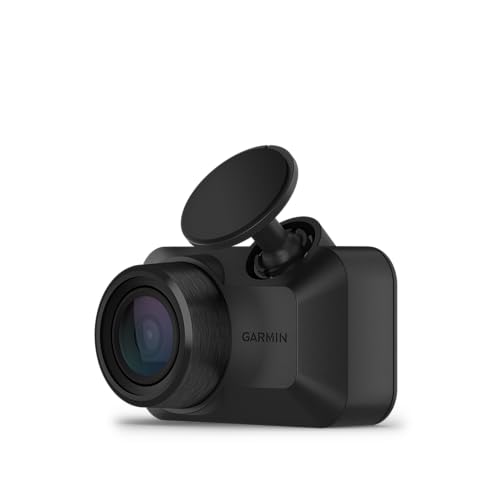
The product listing names the camera as the Garmin Dash Cam Mini 3. Its Amazon display name is “Ultracompact 1080p HD Dash Cam Records 1080P HD Video,” which describes the recording resolution but doesn’t make it a Garmin Dash Cam 20. Confirm the model on the listing and packaging if you’re shopping for a specific generation.

- 1080p HD recording: The camera records Full HD video. That gives you a straightforward record of an incident, but buyers seeking the extra image detail associated with higher-resolution cameras should compare other models.
- 140-degree field of view: This wide view is intended to cover more of the scene ahead than a narrow view. It can help capture surrounding traffic, though a broad frame doesn’t guarantee that small details will be legible in every clip.
- Built-in polarizer: The lens includes a Garmin Clarity polarizer designed to reduce windshield glare. That may help keep reflections from competing with the road scene, particularly when sunlight or dashboard reflections show up in the frame. It isn’t a guarantee of clear footage in every lighting condition.
- Automatic incident saving: The camera can save video when it detects an incident, with the date and time attached. This can spare you from having to remember to save a clip after a sudden event, but the listing doesn’t state the storage capacity or how long clips remain available.
- Voice control: Spoken commands can save video and start or stop audio recording. Voice control is listed for English, German, French, Spanish, Italian, and Swedish; check that your preferred language is supported before relying on it.
Video access has two paths, and the distinction matters. The online Vault can store saved clips for viewing and sharing through the Garmin Drive smartphone app, but access to Vault features requires a paid subscription and an active Wi-Fi connection. Without a paid subscription, the listing says you can view and download files only when you’re near the camera.
Some remote features have additional requirements. Live View while away from the car requires a paid Vault subscription, constant power, an active Wi-Fi network, and the Garmin Drive app on a compatible phone. Parking Guard notifications also require a paid subscription, Wi-Fi, constant power, and the app. That’s a more involved setup than simply plugging in a camera and expecting phone alerts.
The listing also says the Garmin Drive app can show synchronized clips from up to four Garmin dash cams, each sold separately. That may be useful for someone building a multi-camera setup, but the Mini 3 listing doesn’t establish that this package includes extra cameras, a memory card, or installation accessories. Check the package contents before ordering.
Everyday Use and Performance
For a driver who wants a basic forward-facing record of a commute, the Mini 3’s feature set is easy to understand: it records in 1080p, covers a 140-degree view, and can save detected incidents. The practical benefit is having a clip to review if something unexpected happens; it’s not a promise that every license plate or road sign will be readable from every distance.

In bright conditions, the polarizer is intended to reduce reflections from the windshield. That’s a useful detail for drivers who have noticed their dashboard or sky reflected in other camera footage. Still, lighting, windshield condition, camera placement, and the scene itself all affect what ends up in a recording.
Low-light recording is included in the product claims, but the supplied details don’t provide sample footage or a low-light test result. If you regularly drive rural roads at night or need dependable detail after dark, don’t assume the phrase “bright and low light” settles the question. Look for representative footage or consider a camera with published independent testing in the conditions you care about.
Plan around the footage workflow, not just the camera. If you need to retrieve a clip while standing beside your car, the nonpaid option may be workable because the listing allows local viewing and downloads nearby. If you expect to check on a parked car from across town, the paid subscription and connectivity requirements become part of the purchase decision.
Voice control may be handy when you want to save a clip without reaching for the camera. It does not replace checking that audio recording is set the way you want, especially if you prefer to keep cabin audio off. The product listing specifically describes voice commands for saving video and starting or stopping audio; it doesn’t give a complete list of other spoken controls.
There’s also no rear-camera footage described in the supplied listing. That’s not necessarily a problem for someone who only wants to document the view ahead, but it’s a real limitation if you want coverage of rear-end impacts or activity behind a parked vehicle.
Design, Fit, and Setup
The Mini 3 is described as key-sized and designed to go nearly unnoticed on the windshield. That small footprint can appeal to drivers who dislike a large screen or a bulky camera in their field of view. Before installing it, sit in your normal driving position and check that the camera and its cable won’t interfere with visibility or controls.
The listing doesn’t provide dimensions, mounting details, cable length, power-adapter information, or installation instructions. Those details affect whether the camera suits a particular vehicle, so check the package contents and the current listing before you buy. Don’t assume a car’s existing USB port or accessory outlet will meet the camera’s power needs without verifying the included power method.
For a tidy installation, decide where the cable will run before sticking the mount in place. Keep wiring clear of airbags, pedals, and moving parts, and follow the manufacturer’s directions for the vehicle and camera. If you’re unsure how to route a wire around an airbag area, use a qualified installer rather than tucking it wherever it fits.
Clean the section of windshield where the camera will sit, and avoid placing the lens behind a spot obscured by tint, stickers, or the rear-view mirror housing. Since the polarizer’s job is to reduce glare, a dirty or hazy windshield can still make footage harder to interpret. Recheck the view after installation from the driver’s seat.
Storage is another setup point to resolve before relying on the camera. The supplied product information doesn’t specify a memory card, supported card capacity, or recording retention time. Confirm whether a card is included and what storage is compatible, then learn how the camera handles full storage and saved incident clips.
Garmin notes that use of the device is regulated or prohibited in some jurisdictions. Check local rules before mounting or operating it, and be mindful of any laws about recording audio. Voice control can start or stop audio recording, so make sure the setting matches your needs and local requirements.
What Works Well (pros)
- Small windshield footprint: Its key-sized design is a sensible fit for drivers who want a camera without a prominent screen or bulky housing.
- Wide forward view: The 140-degree field of view covers a broad scene ahead, which can provide more context around a road incident.
- Glare-reducing lens feature: The built-in polarizer is designed to reduce windshield reflections that can obscure details in a clip.
- Automatic incident saving: Detected incidents can be saved with a date and time, reducing the chance you’ll have to act quickly to preserve a recording.
- Flexible clip access: You can use nearby file access without a paid Vault subscription, while the paid service adds online storage and certain remote features for buyers willing to meet the connection requirements.
Where It Falls Short (cons)
- Model-name mismatch: The listing identifies a Dash Cam Mini 3, not a Garmin Dash Cam 20. Anyone searching for the exact older model could accidentally buy the wrong camera.
- Subscription and connection limits: Vault access, remote Live View, and Parking Guard notifications depend on paid service and network conditions. If you don’t have reliable Wi-Fi or don’t want an ongoing subscription, those features may not fit your routine.
- 1080p is the stated resolution: Buyers who prioritize higher-resolution footage for fine detail should compare cameras with higher-resolution recording and review sample video before choosing.
- Important package details aren’t established here: The supplied listing data doesn’t confirm a memory card, cable length, or power accessories. You’ll need to verify those before purchase to avoid an inconvenient setup surprise.
Who Should Buy It?
The Mini 3 is a reasonable candidate for a driver who wants a small, front-facing dash cam for routine incident recording and is comfortable with 1080p video. Its broad field of view, incident-saving function, and glare-reducing lens give it a useful combination for someone who values a discreet setup over a large built-in display.
It may also suit drivers who are willing to use the Garmin Drive app and retrieve clips near the car when they don’t subscribe to Vault. If you want remote access or parking alerts, first confirm that you can provide the required paid subscription, active Wi-Fi, and constant power. A feature that depends on all three won’t be much help if your parking location has no network access.
Before buying, verify the model name, package contents, storage requirements, and power arrangement. Also check whether your local rules allow dash-camera and audio recording. Those practical details matter more than a compact profile if the camera can’t be installed or used as intended in your vehicle.
Who Should Skip It?
Skip this listing if you specifically need a Garmin Dash Cam 20, want rear-facing coverage, or require a higher-resolution recording system. The product described here is the Mini 3, and the supplied details cover a single forward-facing camera recording at 1080p. For broader coverage, look for a verified front-and-rear dash cam; for more image detail, compare models that specify a higher native recording resolution and examine sample footage.
It’s also a poor fit if you expect remote parking alerts without a subscription, Wi-Fi, and constant power. A simpler local-recording camera may suit you better if you don’t want connected services, while a parking-focused model with clearly stated power and monitoring requirements is worth comparing if you need alerts while away.
FAQs About Ultracompact 1080p HD Dash Cam Records 1080P HD Video
Is this actually the Garmin Dash Cam 20?
No. The supplied product listing identifies the camera as the Garmin Dash Cam Mini 3. If you need a Dash Cam 20 specifically, verify that model name before placing an order.
What resolution does the Mini 3 record?
The listing specifies 1080p HD recording. It doesn’t establish a higher-resolution recording mode.
Can I view clips without paying for Vault?
Yes, according to the listing, nonpaid users can view and download files when near the dash cam. Online Vault storage and certain remote features require a paid subscription.
Does Parking Guard work without Wi-Fi and constant power?
The listed phone notification feature requires a paid Vault subscription, active Wi-Fi, constant power, and the Garmin Drive app on a compatible phone. Confirm that your parking setup can meet those conditions.
Does the listing include a memory card or a rear camera?
The supplied product information doesn’t confirm a memory card or a rear camera. Check the current package contents if either is necessary for your setup.
Final Verdict: Is It Worth Buying?
The Garmin Dash Cam Mini 3 is worth considering if you want a discreet 1080p camera with a wide forward view, automatic incident saving, and a built-in polarizer. Its strongest case is a straightforward front-camera setup, not high-detail recording or comprehensive vehicle coverage.
The main cautions are the model-name mismatch, unconfirmed package and storage details, and the subscription and connectivity requirements for remote features. Confirm those points before buying, and make sure you’re choosing the Mini 3 rather than a Dash Cam 20. If you need rear coverage, higher resolution, or remote alerts without those requirements, skip this one and compare cameras built around those priorities.