Pioneer Vs Kenwood Backup Camera: Detailed Comparison and Verdict
If you’re comparing these because you searched “pioneer vs kenwood backup camera,” there’s an important catch: the Pioneer DJ DDJ-FLX4 is a two-channel DJ controller, not a backup camera or car stereo. The Kenwood CMOS-230LP is a vehicle backup camera, so they aren’t competing options for the same job.
The biggest verified differences are the products’ purposes and connections. The Pioneer connects to a computer or mobile device for DJing and audio streaming; the Kenwood sends rear-view video to a compatible display through an RCA video input.
For mixing music, the DDJ-FLX4 is the relevant choice. For adding a rear camera to a vehicle, the CMOS-230LP is the relevant choice, provided your display and installation setup are compatible.
Here’s what each model actually offers, what to check before buying, and why neither can replace the other. If you meant a Pioneer car stereo versus a Kenwood car stereo, these listings don’t provide that comparison.
| Pioneer DJ DDJ-FLX4 2-Channel DJ Controller, 16 Pads, Graphite | | CMOS-230LP Universal Backup Camera |
 |
 |
| Video resolutionNot listed | Video resolutionRecording resolution mentioned |
| Parking modeNot listed | Parking modeSupported (listed) |
| PowerNot listed | PowerMentioned (verify details) |
Pioneer Vs Kenwood Backup Camera Detailed Comparison
The short answer is that the Pioneer DJ DDJ-FLX4 and Kenwood CMOS-230LP serve entirely different purposes. One is a controller for operating DJ software and mixing music; the other is a camera intended to show the area behind a vehicle on a compatible display. Picking between them isn’t a matter of choosing the better camera or the better Pioneer-versus-Kenwood car stereo.
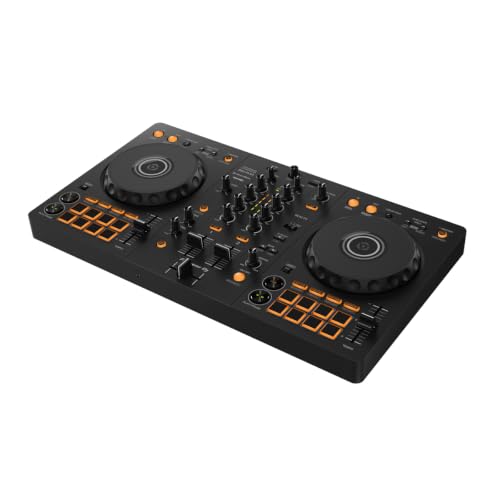
That distinction matters because the Pioneer name can appear on many kinds of electronics. The verified product here is specifically the Pioneer DJ DDJ-FLX4, a two-channel, two-deck controller. Its listed connections include USB and Bluetooth for connecting to supported computers and mobile devices, and it has a built-in sound card for connecting speakers.
The Kenwood CMOS-230LP, by contrast, is a compact backup camera. Its listing specifies a 128-degree horizontal and 103-degree vertical viewing angle, a 330,000-pixel image, a 24-foot cable harness, and a license plate mounting bracket. To use it, the vehicle needs a compatible display with an RCA video input.
Imagine you’re trying to make tight parking maneuvers easier. The Kenwood camera may suit that goal if your vehicle’s display accepts its video connection and the camera can be installed in a suitable position. The Pioneer controller won’t provide a vehicle rear view; its features are for DJing, not parking.
Reverse the situation: if you want to start mixing tracks, the DDJ-FLX4 is the product here designed for that task. Its pads and two-deck layout give you controls for performance functions, while Smart Fader is intended to help blend tracks by adjusting volume, bass, and BPM as you move a fader. The Kenwood camera has no listed DJ controls or audio-mixing function.
That also means some specifications simply don’t belong in a direct contest. A camera’s viewing angle and cable length don’t have a meaningful equivalent in the controller’s listing. Likewise, the Pioneer’s performance pads and streaming connections don’t measure the Kenwood’s usefulness as a reversing camera.
So the useful comparison is about fit, not a universal winner. Choose based on the job you need done, then verify the connections and installation details that apply to that product. If you expected two backup cameras, confirm the intended Pioneer model before ordering; this Pioneer listing is for a DJ controller.
Key Differences That Matter
1. Intended job: music control or rear visibility
The DDJ-FLX4 is built around controlling DJ software. Its two-channel, two-deck layout is for working with music, and its 16 performance pads can be assigned to functions such as Hot Cues, Pad FX, Beat Jump, and Sampler. Those controls can matter if you want a hands-on way to trigger musical actions instead of relying only on a computer screen.
The CMOS-230LP is meant to capture a view behind a vehicle. Its listing gives a 128-degree horizontal and 103-degree vertical viewing angle. In practical terms, those figures describe the span of the camera’s view, not a guarantee that every obstacle will be visible in every vehicle; mounting position and what the camera can see still matter.
Neither set of features substitutes for the other. If the purchase is for music mixing, a rear camera doesn’t solve the problem. If the purchase is for reversing, DJ pads and faders don’t help you see behind the car.
2. Connections and compatibility
Pioneer lists PC, Mac, iPhone, iPad, and Android compatibility for the DDJ-FLX4, with USB or Bluetooth connection options. It also lists a built-in sound card for speaker connection. The listing mentions mixing from Apple Music, Tidal, and Beatport, but a buyer should still confirm that the desired device, software, service, and connection method work together for their particular setup.
Kenwood’s compatibility condition is different: the camera is described as connecting to a radio system with an RCA video input, including compatible aftermarket models and select factory units. “Universal” in the product name doesn’t mean it will connect directly to every factory screen. Check the display’s inputs and the vehicle’s installation requirements before assuming the camera will work with it.
Neither listing provides a complete vehicle-specific wiring guide or confirms compatibility with every individual setup. For the Kenwood, check the screen or receiver model, camera power requirements, cable route, and mounting options. For the Pioneer, confirm your device and software support the way you plan to connect and mix.
3. Installation: car wiring versus a DJ setup
The Kenwood comes with a 24-foot cable harness and a license plate bracket, which gives an installer hardware for routing video and a mounting option near the plate. Whether that cable reaches cleanly depends on the vehicle and the route from the camera to the display. Before installation, consider the distance, trim panels, and how the cable can be routed without getting pinched or exposed.
The camera is listed as waterproof, but the listing doesn’t specify an installation procedure, power details, or how it should be integrated with every vehicle. Confirm those items for your vehicle and display rather than treating the included cable and bracket as proof that installation will be plug-and-play.
The Pioneer’s setup is centered on connecting a computer or mobile device and speakers, rather than routing a cable through a vehicle. Its built-in sound card supports speaker connection, and its listed USB and Bluetooth options give buyers different connection paths. Which path is appropriate depends on the device and mixing setup; the listing doesn’t settle every software or accessory question.
4. Size, view, and onboard controls
Kenwood lists the camera at 15/16 inch wide, 15/16 inch high, and 15/16 inch deep. That compact size may help keep the camera visually unobtrusive, though the available mounting spot and the bracket still determine how it fits your vehicle. Its 330,000-pixel image and listed viewing angles are the relevant camera specifications here.
The Pioneer’s key physical controls are different: two channels, two decks, and 16 performance pads. That count tells you what kind of hands-on control is provided; it doesn’t say anything about camera image quality. The listing doesn’t give a screen size, a camera-style viewing angle, or a video resolution for this product, so those aren’t useful comparison points.
In short, compare each product on its own terms. With the Kenwood, focus on camera placement, display compatibility, cable routing, and the view you need. With the Pioneer, focus on device and software compatibility, your desired mixing workflow, and how you’ll connect speakers.
Performance, Features, and Everyday Use
For a new DJ, the DDJ-FLX4’s two-deck arrangement and familiar physical controls may make it easier to learn a basic mixing workflow than operating entirely through software controls. The 16 pads support several listed performance functions, including Hot Cues, Pad FX, Beat Jump, and Sampler. That provides room to explore beyond simply starting and stopping tracks.
Smart Fader is another listed feature aimed at easing transitions. The product description says it adjusts volume, bass, and BPM as you move the fader. That could be useful if you’re learning to blend songs or want help moving between tracks with different tempos, but it shouldn’t be read as a promise that every transition will sound right without listening and making choices yourself.
The listing also describes streaming music from Apple Music, Tidal, and Beatport, plus live-streaming or MC use from a single device. Those capabilities may simplify a compact setup, especially if you want to mix and speak without assembling a larger rig. Check the specific service and device support you need; the listing doesn’t guarantee that every service, app, operating system, and connection combination will behave identically.
For everyday vehicle use, the CMOS-230LP’s purpose is straightforward: provide a rear camera image on a compatible display. The 128-degree horizontal and 103-degree vertical viewing angles describe how much of the scene the camera is intended to capture. The 330,000-pixel resolution is the listed image figure; don’t assume a sharper image specification that isn’t provided.
Camera placement has a real effect on usefulness. A view that includes the area you care about depends on where the camera is mounted and what is behind or around it. The license plate bracket offers a mounting option, but buyers should check that it suits their vehicle and local installation constraints. The listing doesn’t establish a universal fit for every plate area or bumper.
The 24-foot cable harness is a concrete planning detail. Measure the likely route to the display before starting work, and consider how the cable can be routed through the vehicle. A cable that is long enough in a straight-line measurement may still need extra path length around trim and interior panels.
Kenwood lists the camera as waterproof and includes a one-year warranty. Those are useful ownership details, but the listing doesn’t give a full environmental rating or spell out every warranty condition. Review the warranty terms and installation guidance if those points affect your decision.
For either product, the best pre-purchase check is the one tied to its job. For the Pioneer, verify device, software, and speaker compatibility. For the Kenwood, verify the RCA video input, power and wiring requirements, cable route, and mounting fit. That little bit of checking can prevent buying a product that is good at its intended task but wrong for your particular setup.
Pros and Cons
Pioneer DJ DDJ-FLX4 2-Channel DJ Controller, 16 Pads, Graphite |
Pros
- ✓Two-deck layout: Gives beginners room to learn and build a basic mixing workflow.
- ✓16 performance pads: Supports listed functions such as Hot Cues, Pad FX, and Sampler.
- ✓Flexible connections: Lists USB and Bluetooth connections for computers and mobile devices.
Cons
- –Wrong category for parking: Buyers seeking a backup camera need a vehicle camera instead.
- –Setup still matters: Confirm device, software, service, and speaker compatibility first.
- –Listing leaves details open: Exact support for every device-and-software combination isn’t verified here.
CMOS-230LP Universal Backup Camera
Pros
- ✓Wide listed view: 128-degree horizontal and 103-degree vertical angles describe a broad scene.
- ✓Compact camera body: Measures 15/16 inch on each listed dimension.
- ✓Installation hardware included: Comes with a license plate bracket and 24-foot cable harness.
- ✓Specified warranty: Kenwood lists one year of coverage.
Cons
- –Needs a compatible display: The radio system must have an RCA video input.
- –Vehicle fit needs checking: Mounting and cable routing depend on the individual vehicle.
- –Not a DJ controller: It won’t provide the Pioneer’s music-mixing controls.
Which One Should You Buy?
Buy the Pioneer DJ DDJ-FLX4 if your goal is to learn DJing, mix tracks, or build a compact setup around a computer or mobile device. Its two-channel, two-deck control and 16 pads give you hands-on access to listed mixing and performance functions. The Smart Fader and streaming-related features may also suit someone who wants help with transitions or plans to mix and stream from a single device.
Who Should Skip This: Skip the DDJ-FLX4 if you need a camera for reversing, a car stereo, or any kind of vehicle display. It is a DJ controller, and choosing it for a parking problem would leave that problem unsolved.
Buy the Kenwood CMOS-230LP if you want to add a rear-view camera and your screen accepts an RCA video input. Its viewing angles, compact dimensions, included bracket, and 24-foot cable are the details to weigh against your vehicle’s mounting position and wiring route. If your current screen lacks the required input, check what additional equipment or installation changes would be needed before buying.
Who Should Skip This: Skip the CMOS-230LP if you’re shopping for music-mixing controls or haven’t confirmed that your display can accept its video connection. A camera can’t substitute for a DJ controller, and an incompatible display may keep you from using the camera as intended.
If you actually meant to compare backup cameras from Pioneer and Kenwood, don’t use this Pioneer listing as the other half of that decision. Look for a Pioneer camera model or car stereo listing that explicitly supports a rear camera, then compare its connection, image specifications, mounting method, and vehicle fit with the Kenwood.
FAQS About Pioneer Vs Kenwood Backup Camera
Is the Pioneer DJ DDJ-FLX4 a backup camera?
No. The DDJ-FLX4 is a two-channel DJ controller with 16 performance pads. It’s for controlling DJ software and mixing music, not displaying a view behind a vehicle.
Can the Kenwood CMOS-230LP connect to any Pioneer product?
The listing says the CMOS-230LP connects to a radio system with an RCA video input. It doesn’t confirm compatibility with every Pioneer product, so check the exact receiver model and its inputs.
Which product is better for reversing and parking?
The Kenwood CMOS-230LP is the relevant product for that purpose, provided your display accepts its video connection and the camera can be installed appropriately. The Pioneer DDJ-FLX4 is a DJ controller, not a parking aid.
Are these two products alternatives to each other?
No. They do different jobs and have different connection requirements. Choose the Pioneer for DJing or the Kenwood for a compatible vehicle-camera setup.
Final Verdict: Which One Wins?
The Pioneer DJ DDJ-FLX4 wins if you want a two-deck DJ controller with 16 pads, mobile and computer connection options, and features aimed at mixing and streaming. The Kenwood CMOS-230LP wins if you need a compact backup camera with a listed 128-by-103-degree viewing angle and your vehicle display has an RCA video input.
There’s no honest overall winner between them: they’re not competing products. Match the model to the job, then check the relevant compatibility details before spending money. If the intended comparison is between two backup cameras, find the actual Pioneer camera model first.