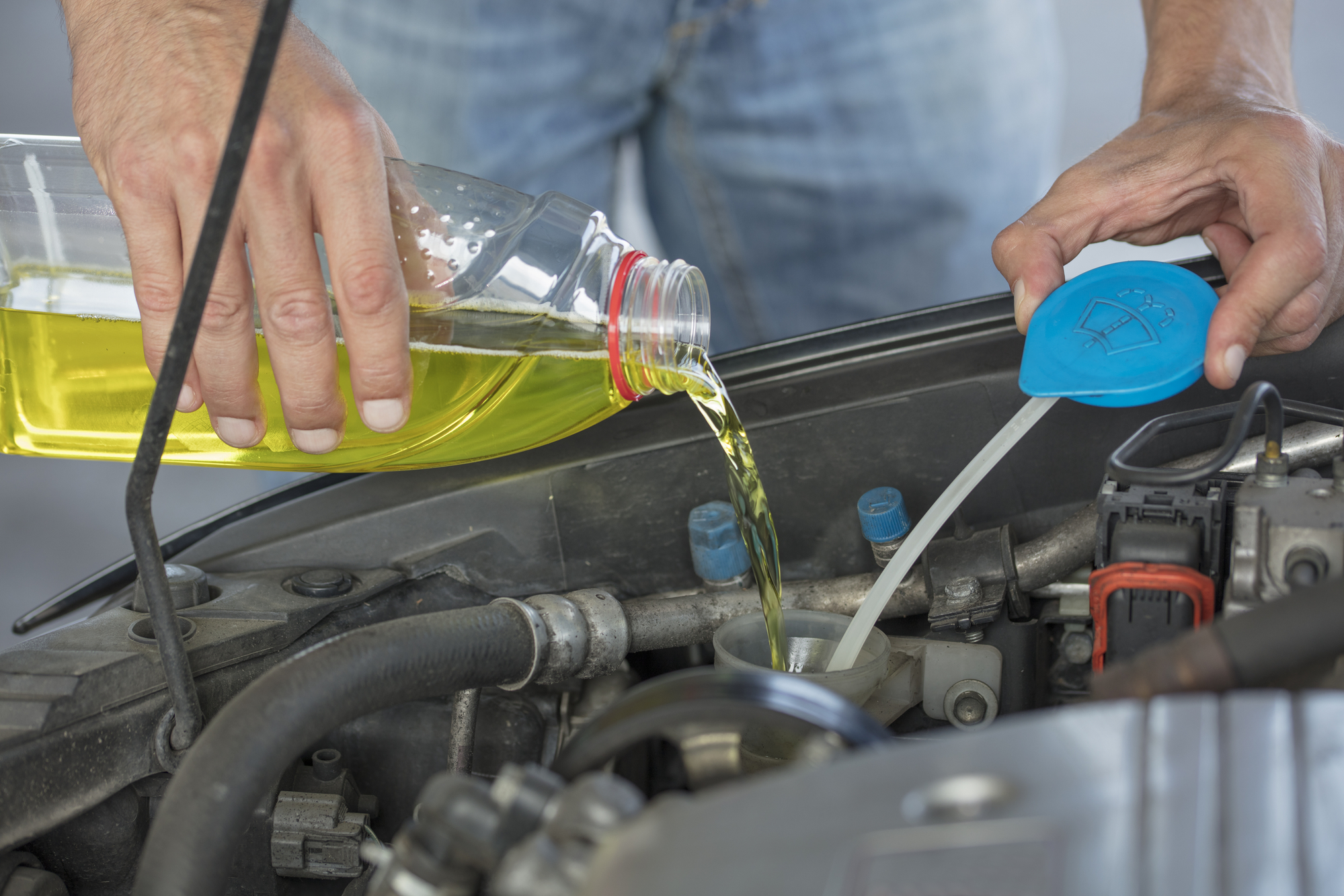
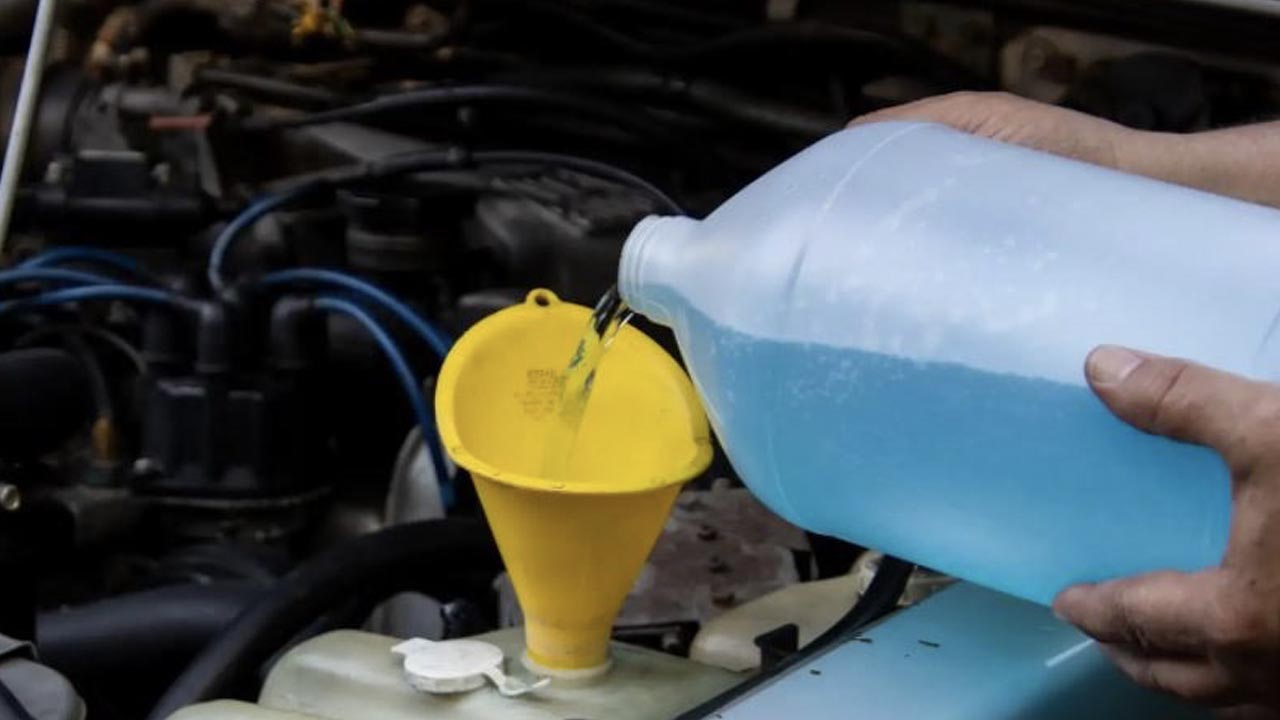
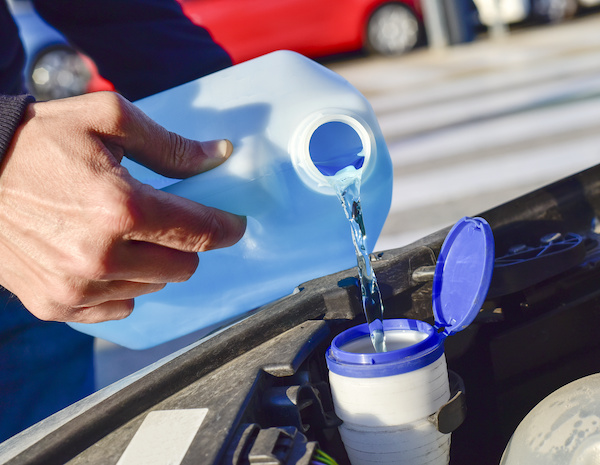
Yes, water can serve as a short-term substitute for windshield washer fluid in warm weather, but it is not the best choice for regular use. Water lacks the cleaning agents and freeze protection found in proper washer fluid. Use a suitable washer solution for reliable cleaning and year-round protection.
Across the United States, drivers face very different road conditions. A driver in Phoenix may deal with dust, dry soil, and summer heat, while someone in Minnesota may face snow, road salt, and freezing mornings. In both places, a clean windshield is vital for safe driving. The right washer fluid helps remove road grime before it blocks the driver’s view.
Plain water may seem like an easy way to save money when the washer reservoir runs low. It can rinse away some loose dirt, and some vehicle manuals allow its temporary use in warm weather. However, water does not clean oily film, dried bugs, and road residue as well as a suitable washer solution. It can also freeze in cold weather or leave mineral deposits behind.
The safest choice depends on the weather, your vehicle, and the type of water or washer product you use. Check the owner’s manual before adding anything to the reservoir. For routine use, choose a ready-to-use washer fluid or a concentrate that the manufacturer says to dilute with water.
Can You Use Water Instead of Windshield Washer Fluid?
Yes, you can use water in some circumstances, but it should not be your regular replacement for windshield washer fluid. Some vehicle manufacturers permit plain water when washer fluid is unavailable, provided the weather is warm enough to prevent freezing. Others give more restrictive instructions, so your owner’s manual should guide the decision.
Water can rinse away loose dust, light dirt, and some fresh debris. Yet it has little ability to break down oily road film or remove dried insect residue. These materials can smear across the glass rather than wash away, especially when the windshield is already dirty.
Washer fluid contains ingredients chosen to improve cleaning and, in many formulas, prevent freezing. Some products also help remove bugs or loosen light ice. Plain water does not provide these added benefits.
For example, a driver who needs to rinse a dusty windshield in warm, dry weather may find water useful for a short time. A driver traveling through rain, heavy traffic, or a region with freezing nights needs a more suitable solution. Water should be viewed as a limited backup, not a complete substitute.
Source: mycarmakesnoise.com
Short-term use
Water may help with light dirt when temperatures remain safely above freezing and the vehicle manual permits it.
Regular use
A suitable windshield washer fluid offers better cleaning and helps protect the system from seasonal conditions.
Freezing weather
Avoid plain water because frozen liquid can block the system and may damage its parts.
Does Water Clean a Windshield Properly?
Water can remove loose dust and some fresh dirt, but it is less reliable against grease, dried bugs, tree sap, and traffic film. These materials often need cleaning agents to loosen them before the wipers can clear them from the glass.
If the washer spray leaves streaks, do not assume that the wiper blades are always at fault. The fluid may not be suitable for the dirt on the windshield, or the blades may be worn. Clean the glass with an approved glass cleaner while parked, and inspect the blades if streaking continues.
Light dust
Water may rinse away loose particles in warm conditions.
Oily film and insects
A washer fluid formulated for these contaminants is generally more effective.
Why Plain Water Is Not Ideal for Your Washer System
Plain water lacks several features that make windshield washer fluid useful. The main concerns are weak cleaning performance, possible mineral buildup, and the risk of freezing. The level of risk depends on the water quality, local weather, how often you use it, and the design of your vehicle’s washer system.
These drawbacks do not mean that one brief use will automatically damage a car. The concern is relying on water as a regular solution or using it when the weather can turn cold. A sensible approach is to use the correct fluid and treat any temporary substitution with care.
Source: minit-tune.com
Limited cleaning power
Water alone may not break down oily film, dried bugs, or stubborn road grime.
Mineral deposits
Hard tap water can leave mineral residue that may build up around spray openings and other parts.
Freezing risk
Water can freeze in the reservoir, pump, hoses, or nozzles when temperatures fall below its freezing point.
No special seasonal protection
Plain water does not contain the ingredients used in winter washer fluids to help prevent freezing or loosen light ice.
Can Water Damage the Windshield Washer Pump?
Water does not automatically damage a washer pump simply because it is water. The bigger concerns are freezing, contamination, and deposits that may affect the system over time. If water freezes inside the system, the pump may struggle to move liquid, and frozen parts or expanding ice may cause damage.
Do not keep operating the washer control if no liquid sprays from the nozzles during cold weather. The fluid may be frozen, the reservoir may be empty, or the system may have another fault. Repeated operation when the system is blocked can place extra strain on the pump.
No spray
Check the fluid level and weather conditions before assuming the pump has failed.
Persistent blockage
If the system does not work after it has safely thawed, arrange an inspection by a qualified technician.
Can Tap Water Clog Washer Nozzles?
Tap water may contain calcium, magnesium, and other dissolved minerals. When water evaporates, some of these minerals can remain as deposits. Repeated use may contribute to buildup around small spray openings, although the extent depends on water hardness and the condition of the system.
Water quality varies across the United States, so the risk is not the same in every home. Distilled water contains far fewer dissolved minerals and is a better choice when a washer concentrate specifically calls for water. It still does not replace the cleaning agents or antifreeze components found in many washer fluids.
Hard water
May leave more mineral residue than distilled water.
Distilled water
Has fewer minerals but offers limited cleaning performance when used alone.
Is It Safe to Use Water in Your Windshield Washer Reservoir in Summer?
Water may be an acceptable temporary option during warm weather if your vehicle manual allows it and there is no realistic risk of freezing. This can apply to short trips in hot parts of the United States, including areas of Arizona, Texas, Nevada, and Southern California. Even in these places, local weather and overnight temperatures matter.
Summer driving can cover a windshield with insects, dust, pollen, and oily road residue. Water may handle some loose dirt, but it may spread stubborn grime. A suitable summer washer fluid can help remove these deposits and improve the results of each wiper pass.
Do not judge safety by the afternoon temperature alone. A sudden cold front, a trip to a higher elevation, or a move to another state may expose water in the reservoir and lines to freezing conditions. If your plans include travel through colder areas, use fluid with a suitable temperature rating before you leave.
Source: wipersized.com
Check the forecast
Consider overnight lows and temperatures along the full route, not just the weather at home.
Read the manual
Confirm whether your vehicle permits water when washer fluid is unavailable.
Keep visibility in mind
Do not continue driving if dirt, glare, or streaks prevent you from seeing the road clearly.
Can You Use Distilled Water Instead of Washer Fluid?
Distilled water is water that has had most minerals and other impurities removed. It is useful when a washer fluid concentrate calls for dilution because it reduces the amount of mineral residue introduced into the system. Always follow the exact mixing instructions on the product label.
However, distilled water by itself is not equivalent to windshield washer fluid. It does not provide the full cleaning action of a formulated solution or protect against freezing. It may be useful for a brief warm-weather emergency if your manual permits it, but it is not a complete year-round replacement.
Best use
Use distilled water to dilute a concentrate when its label permits or requires it.
Main limitation
Distilled water alone lacks dedicated cleaning agents and freeze protection.
Why You Should Never Rely on Water in Winter
Plain water is a poor choice for windshield washing in freezing weather. Water freezes at about 32 degrees Fahrenheit under normal atmospheric pressure. If temperatures fall low enough, liquid in the reservoir, hoses, or nozzles can freeze and stop the system from working when you need it most.
Freezing can also create mechanical problems. Ice expands as it forms, and that expansion may damage plastic parts or other components if the system freezes. The exact outcome depends on the vehicle, the amount of liquid, and the conditions, so it is not possible to predict damage from temperature alone.
Winter washer fluid is formulated to remain usable within a stated temperature range. Products differ, so check the label for the lowest temperature they are designed to handle. Choose a rating that provides a suitable margin below the coldest conditions expected on your route.
Drivers in northern states such as Michigan, Wisconsin, Minnesota, and Maine should pay close attention to seasonal fluid changes. Freezing conditions can also occur in mountain areas and during unusual cold snaps in states that usually have mild winters. A local climate that is warm most of the year does not guarantee that water will remain liquid on every trip.
Source: practicalmechanic.com
Use winter-rated fluid
Select a product with a freeze-protection rating suitable for the expected weather.
Avoid repeated washer use when frozen
If no spray comes out during freezing weather, stop and allow the system to thaw safely.
Clear ice safely
Use a proper ice scraper or suitable deicer. Never pour hot water onto a frozen windshield because rapid temperature changes can crack the glass.
What If Water Has Already Frozen in the Reservoir?
Do not force the washer system to work. Park the vehicle in a safe, warmer place if possible and allow the system to thaw naturally. Do not use an open flame or direct high heat to warm the reservoir, hoses, or other parts.
Once the system has thawed, check whether the washer operates normally. If it does, replace the water with a suitable washer fluid according to your vehicle manual. If the pump remains silent, the nozzles stay blocked, or liquid leaks from the system, have the vehicle inspected.
Thaw safely
Use a warmer parking area and allow time for the liquid and lines to thaw.
Check for damage
Look for leaks and test the spray only after the system has thawed.
Get help when needed
A mechanic can check the pump, hoses, reservoir, and nozzles if normal operation does not return.
Water vs. Windshield Washer Fluid: Which Is Better?
Proper windshield washer fluid is the better choice for routine vehicle care because it is designed to clean glass under a range of driving conditions. Water costs less and may be available at once, but it does not offer the same cleaning performance or freeze protection. The right decision depends on whether you need an emergency rinse or a dependable everyday solution.
The table below compares common options by their main uses and limits. These are general characteristics; individual vehicle manuals and product labels take priority.
Source: carblogindia.com
Plain tap water
May rinse loose dirt in warm weather, but can leave mineral deposits and can freeze.
Distilled water
Contains fewer minerals than tap water, but lacks dedicated cleaning ingredients and freeze protection.
Ready-to-use washer fluid
Provides a premixed cleaning solution; choose a seasonal formula with a suitable temperature rating.
Concentrated washer fluid
Can be economical and easy to store, but must be diluted exactly as directed by the label.
How to Choose the Right Washer Fluid
Start with the weather in the places where you drive. Summer formulas may focus on dirt and insect removal, while winter formulas add ingredients to resist freezing. All-season products are designed to serve a wider range of conditions, but their stated temperature rating still matters.
Next, check the vehicle manual for any limits on washer fluid ingredients. If the vehicle has special washer nozzles or a camera-based driver assistance system near the windshield, use products approved for that vehicle. Avoid assuming that every formula works equally well with every washer system.
Finally, read the label before opening the container. A ready-to-use product should generally be used as supplied, unless its instructions say otherwise. A concentrate should be mixed at the specified ratio. Adding extra water to a premixed winter fluid may reduce its freeze protection.
Warm climates
Choose a fluid that cleans the kinds of dirt common on your roads and matches the vehicle’s requirements.
Cold climates
Choose a winter-rated solution that remains usable below the lowest expected temperature.
Changing seasons
Replace a warm-weather formula before freezing conditions arrive, following the product instructions.
How to Replace Water With Windshield Washer Fluid
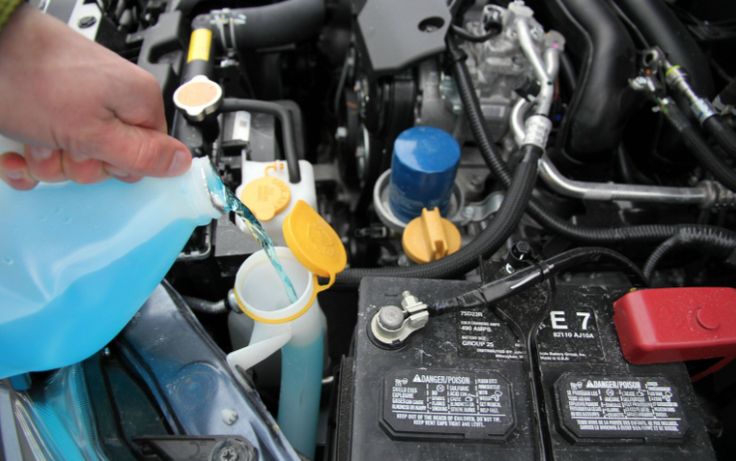
If you have added water to the reservoir, you can usually return to the proper fluid without a complicated repair, provided the system is functioning normally and has not frozen. The method depends on how much water is present, the vehicle’s design, and the instructions in the owner’s manual.
You do not always need to drain the entire reservoir. If the system is warm, the vehicle permits washer fluid mixing, and only a small amount of water remains, adding a compatible product may be enough. However, dilution can reduce the freeze protection of winter fluid, so do not guess at the final temperature rating.
Source: mintautoservice.ca
Step 1: Park safely
Turn the vehicle off, park on level ground, and let the engine bay cool if needed before opening the hood.
Step 2: Find the correct reservoir
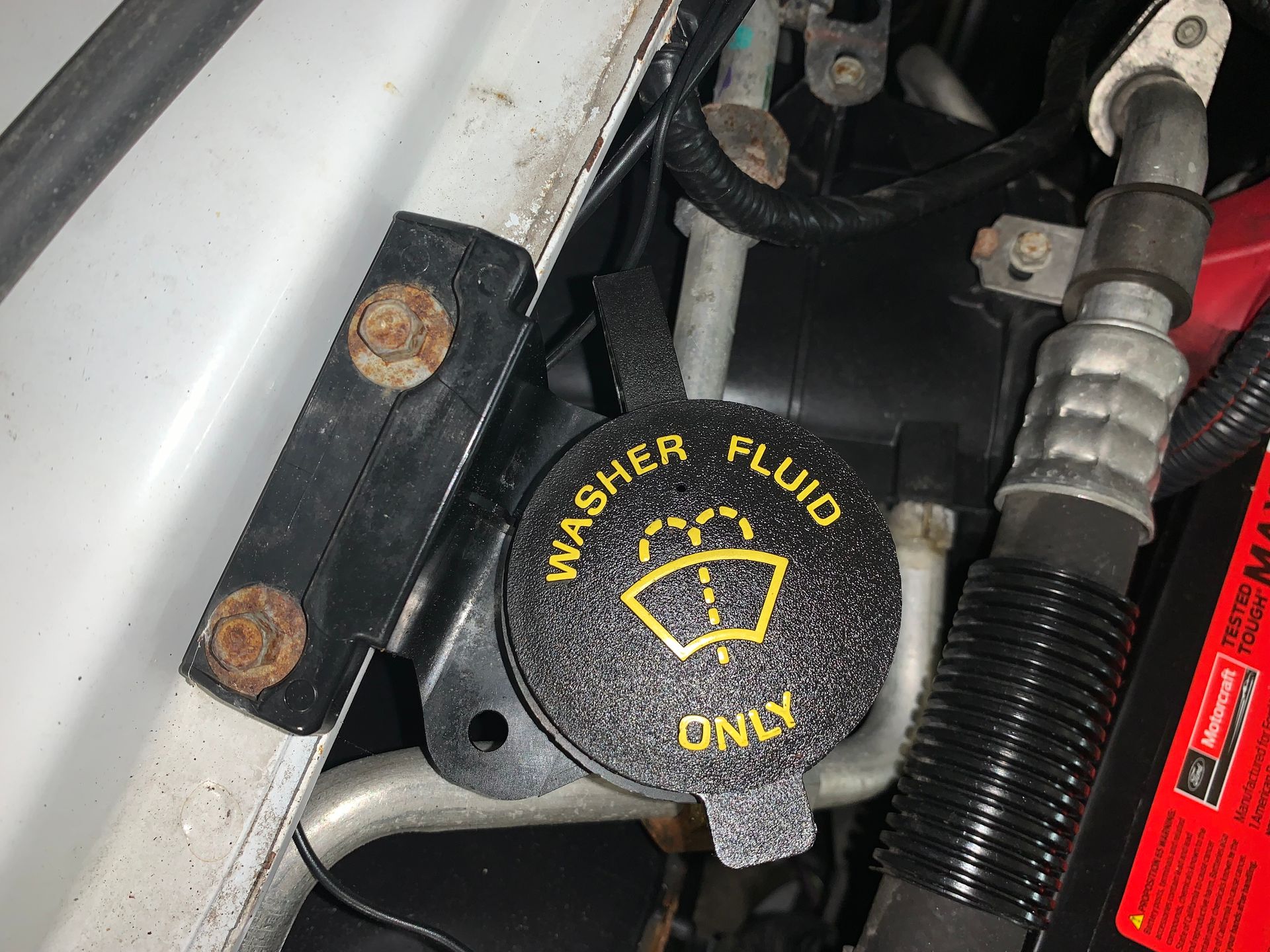
Look for the windshield washer symbol on the cap and confirm the location in the owner’s manual.
Step 3: Check the fluid
Estimate whether the reservoir contains mostly water or washer fluid, and check for signs of freezing or contamination.
Step 4: Select a compatible product
Choose a ready-to-use or concentrated washer fluid suitable for your weather and vehicle.
Step 5: Follow the label
Add the product as directed. Do not dilute ready-to-use fluid unless its instructions explicitly allow it.
Step 6: Test the system
Once the system is unfrozen, operate the washers briefly while parked to confirm that the spray reaches the windshield.
Do You Need to Drain the Reservoir First?
Draining may be appropriate if the reservoir contains a large amount of water and freezing weather is expected, or if the product instructions require a particular mixture. Some vehicles have reservoirs that are difficult to access, so do not remove parts or disconnect hoses without reliable vehicle-specific instructions.
If you cannot safely drain the system, ask a qualified mechanic to help. This is especially important when the fluid may already be frozen or when you suspect a leak. A mechanic can assess the system and restore the correct fluid level and mixture.
Small amount of water
A compatible fluid may be sufficient if the resulting mixture still meets the required temperature rating.
Large amount of water
Consider proper draining or servicing if the resulting mixture would not provide enough freeze protection.
Frozen or damaged system
Do not try to force liquid through the system; arrange safe thawing and inspection.
How to Know the Washer System Is Working Again
A working system should deliver fluid to the windshield when the washer control is used. The spray should reach the intended area, and the wipers should clear the glass without persistent smears caused by dirty glass or worn blades.
If the motor runs but the nozzles do not spray, a blockage, frozen line, or disconnected hose may be the cause. If the motor makes no sound, there may be an electrical issue, a failed pump, or another fault. Check only what is safe and accessible, and seek professional help if the problem persists.
Normal spray
Fluid reaches the windshield and the system responds to the washer control.
Weak or uneven spray
The nozzles may be obstructed, or the fluid level may be low.
No spray after thawing
The pump, hose, wiring, or nozzles may need inspection.
What Not to Put in the Windshield Washer Reservoir
Do not treat the washer reservoir as a container for any liquid that happens to clean glass. Household products and engine fluids can cause poor visibility, leave residue, damage vehicle materials, or create other hazards. Use only a fluid approved for the washer system and follow the vehicle manual.
The most important mistake to avoid is confusing engine coolant with windshield washer fluid. Coolant belongs in the engine cooling system, not the washer reservoir. If sprayed onto the windshield, coolant can badly obscure the driver’s view and may damage paint or trim.
Source: irp.cdn-website.com
Engine coolant or radiator antifreeze
Never add it to the washer reservoir. It can obscure visibility and may damage the vehicle’s paint or washer components.
Dish soap
Household soap can leave residue, create excessive foam, or produce streaks that interfere with clear vision.
Household glass cleaner
Do not pour it into the reservoir unless the vehicle manufacturer specifically approves that product for this use.
Vinegar mixtures
These are not a reliable substitute for approved washer fluid and may create compatibility or residue concerns.
Unapproved homemade mixtures
Avoid recipes that use chemicals or ingredients not approved for automotive washer systems.
What If You Accidentally Add the Wrong Liquid?
Do not operate the washer system if you have added engine coolant or an unknown chemical mixture. Avoid contact with the liquid, keep children and pets away, and consult the owner’s manual or a qualified mechanic about safe removal. Do not mix other products into the reservoir in an attempt to neutralize the liquid.
If you added a small amount of plain water by mistake, the situation is usually less serious in warm conditions, but you should still correct the fluid choice before temperatures fall. If you are unsure what entered the reservoir, professional advice is safer than experimenting.
Known wrong fluid
Stop using the washers and seek vehicle-specific guidance on removal and cleaning.
Unknown mixture
Do not add more chemicals or attempt to dilute it without professional guidance.
Common Problems When Using Water Instead of Washer Fluid
Water-related washer problems often show up as poor cleaning, weak spray, residue, or failure in cold weather. These symptoms can also have other causes, so check the simplest and safest possibilities first rather than assuming the water itself caused the problem.
Good visibility must come before saving a small amount on washer fluid. If the windshield is dirty enough to affect your view, pull over somewhere safe and clean it before continuing. Do not use the washer system while driving if the spray or smearing makes visibility worse.
Source: carblogindia.com
The windshield stays dirty
Use a suitable washer fluid and clean the glass when parked. Check for oily film, dried insects, or worn wiper blades.
The nozzles do not spray
Check the fluid level and whether freezing conditions could have blocked the system. Do not repeatedly run a pump against a suspected blockage.
White residue appears
Mineral deposits from hard water may be present. Follow the vehicle manual or seek service if deposits obstruct the nozzles.
The windshield smears
Dirty glass, worn blades, or a fluid that does not remove the residue may be responsible.
The system leaks
Stop using it and arrange an inspection, especially if the leak began after freezing weather.
Can You Mix Water With Existing Washer Fluid?
Mixing water with washer fluid is not always safe or effective. Some concentrated products are designed to be mixed with a stated amount of water, while ready-to-use formulas may lose their intended performance when diluted. Follow the label rather than using a general mixing rule.
Adding water to winter washer fluid can raise the mixture’s freezing point and reduce its protection. The final result depends on the specific formula and the amount of water added. If cold weather is expected, use a product whose stated temperature protection suits the conditions rather than relying on an estimate.
Concentrate
Mix only as directed by the manufacturer.
Ready-to-use fluid
Use it as supplied unless the label explicitly states otherwise.
Winter fluid diluted by mistake
Do not assume the original freeze rating still applies. Correct the mixture using the product instructions or ask a mechanic for help.
How Much Does It Cost to Use Washer Fluid Instead of Water?
Water may cost less than washer fluid, but the lowest purchase price does not always provide the best value. A washer solution can remove grime more effectively, reduce the need for repeated cleaning, and help keep the system usable in cold weather. The practical benefit depends on the product, the dirt you encounter, and how often you use the washers.
Ready-to-use fluid is simple because it needs no mixing. Concentrate may cost less per finished gallon, but only if you follow the stated dilution ratio. Do not make a concentrate go further by adding extra water beyond the instructions, especially when freeze protection matters.
There is no single reliable cost comparison for every U.S. driver because prices, container sizes, product formulas, and local conditions vary. Compare the cost per finished gallon and the stated temperature rating, then choose a formula suited to your needs rather than buying only by price.
Source: practicalmechanic.com
Ready-to-use fluid
Convenient for drivers who want a premixed solution and clear product instructions.
Concentrated fluid
May offer better value per finished gallon when diluted correctly.
Plain water
Costs little, but has limits in cleaning performance and seasonal protection.
How to Compare Products Fairly
Compare products that serve the same purpose and have suitable temperature ratings. A summer formula and a winter formula are not direct substitutes when the weather differs. Also check whether the product is ready to use or must be diluted.
For a concentrate, calculate the amount of finished fluid produced from one container using the exact label ratio. Divide the purchase price by that finished volume to estimate the cost per gallon. This gives a clearer comparison than looking at bottle prices alone.
Check the finished volume
Use the volume stated by the manufacturer after correct dilution.
Check the temperature rating
Compare only products that offer the protection your climate requires.
Check vehicle compatibility
Confirm that the formula is suitable for your washer system and any special windshield features.
Frequently Asked Questions
Q
Can I use tap water instead of windshield washer fluid?
You may be able to use tap water temporarily in warm weather if your owner’s manual permits it. However, tap water may contain minerals that leave deposits, and it does not clean oily grime as well as a suitable washer fluid. Avoid using it when freezing temperatures are possible.
Q
Is distilled water better than tap water for windshield cleaning?
Distilled water contains fewer dissolved minerals, so it is less likely to leave mineral deposits than hard tap water. Yet distilled water alone still lacks the cleaning ingredients and freeze protection found in many washer fluids. Use it to dilute a concentrate only when the label calls for it.
Q
Will water freeze inside my windshield washer reservoir?
Yes. Under normal atmospheric pressure, water freezes at about 32 degrees Fahrenheit. Ice can block the reservoir, hoses, or nozzles and may damage parts of the system. Use a washer fluid rated for the coldest conditions you expect.
Q
Can I mix plain water with winter windshield washer fluid?
Adding water may reduce the winter fluid’s freeze protection. Whether a mixture remains suitable depends on the product and the amount of water added. Follow the label and do not assume the original temperature rating still applies after dilution.
Q
Can I use bottled drinking water in the washer reservoir?
Bottled drinking water is not a substitute for formulated washer fluid. Its mineral content varies, and it does not provide dedicated cleaning agents or freeze protection. If your manual allows a temporary water substitute in warm conditions, it may work for light dirt, but suitable washer fluid is the better choice.
Q
What happens if I use water in winter by mistake?
If the water has not frozen, replace it with an appropriate washer fluid before temperatures drop. If the system appears frozen, do not repeatedly operate the pump or apply direct heat. Allow the vehicle to thaw safely and seek professional inspection if the system leaks or fails to work afterward.
Q
Can I make homemade windshield washer fluid with water and dish soap?
It is better to avoid unapproved homemade mixtures. Dish soap can leave residue, create foam, and produce streaks that reduce visibility. Use an automotive washer product intended for your vehicle and follow its mixing directions.
Q
Can I use engine antifreeze instead of windshield washer fluid?
No. Engine coolant and windshield washer fluid serve different purposes. Coolant can severely obscure the windshield if sprayed onto it and may harm paint or trim. Use only a suitable washer fluid in the washer reservoir.
✦ Wrapping Up
Conclusion
So, can you use water instead of windshield washer fluid? Yes, in limited warm-weather situations, water may serve as a temporary backup if your vehicle manual allows it. It can rinse loose dirt, but it does not offer the same cleaning power or seasonal protection as a suitable washer solution.
For everyday driving, proper washer fluid is the more dependable choice. It helps remove road film and other grime, while winter-rated formulas help keep the washer system working in freezing conditions. Distilled water is useful for diluting a concentrate when the label directs you to do so, but it is not a complete substitute on its own.
Choose your washer fluid based on your vehicle, the kind of dirt you face, and the coldest temperatures expected on your route. If you have already added water, correct the mixture before freezing weather arrives. If the system has frozen, leaks, or will not spray after thawing, seek qualified help instead of forcing it to work.
💡 Key Takeaway
Check your owner’s manual, inspect the washer reservoir, and fill it with a compatible fluid that suits your local weather. Use water only as a permitted short-term substitute in warm conditions, and never rely on plain water when freezing temperatures are possible.
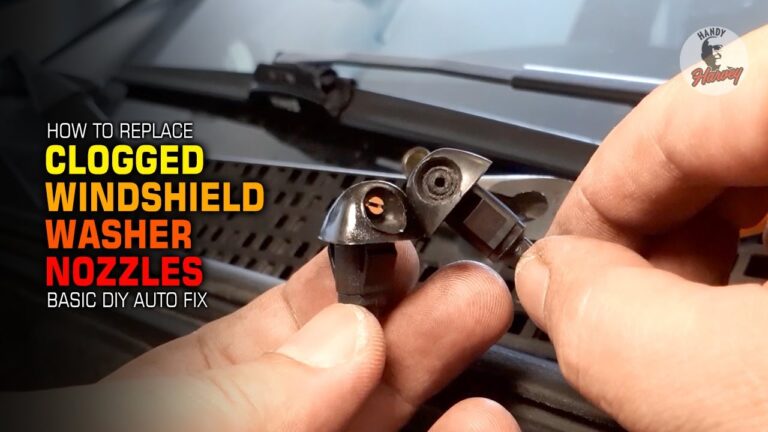
Learn how to unclog a windshield washer nozzle using safe cleaning methods, diagnose weak spray, clear debris, and troubleshoot persistent washer problems.