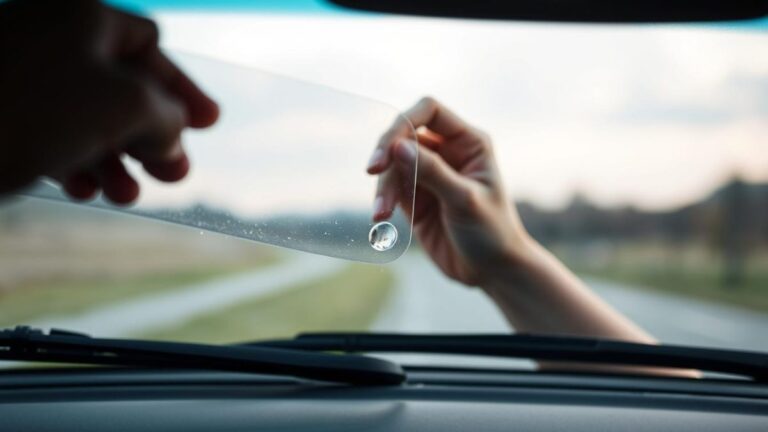
The most effective way to protect a windshield from rocks is to leave more space behind other vehicles, avoid following trucks carrying loose material, reduce speed on gravel or construction roads, and repair small chips before they spread.
For drivers in the United States, windshield rock damage is difficult to eliminate completely. Interstate highways, resurfacing projects, winter road debris, gravel shoulders, construction zones, and vehicles carrying loose material can all put small stones in the path of your car. At highway speed, even a small piece of gravel can strike the windshield hard enough to leave a pit, chip, or crack. The good news is that several practical driving and maintenance habits can reduce how often this happens and limit the damage when an impact does occur.
Learning how to protect windshield from rocks is mostly about controlling exposure rather than trying to make the glass indestructible. Increasing your following distance gives airborne debris more room to fall back to the roadway. Slowing down on loose surfaces reduces impact energy. Windshield protection films may add another defensive layer for drivers who spend substantial time on highways or gravel roads, although no film can guarantee that the glass will survive every impact. Just as important, catching a fresh chip early can sometimes prevent a minor blemish from developing into a long crack that requires windshield replacement.
This guide explains the most useful prevention methods, when protective film makes sense, what habits provide little real protection, and what to do immediately after a rock hits your windshield.
How to Protect Windshield From Rocks While Driving
Your driving position is the first and usually most practical line of defense. Many windshield impacts occur when a tire on another vehicle picks up a stone and throws it backward. The closer your vehicle is to that tire, the less opportunity the stone has to lose speed or return to the pavement.
Create a larger following gap whenever the road contains gravel, broken pavement, construction debris, or loose aggregate. A three-second following interval is a common starting point in good conditions, but additional space is appropriate when conditions become hazardous. The goal here is not to follow an arbitrary number. It is to give yourself enough room to react safely while reducing exposure to debris thrown from vehicles ahead.
Pay particular attention to dump trucks, landscaping trailers, construction vehicles, gravel haulers, and vehicles with dirty or debris-covered tires. A truck does not have to visibly spill cargo to create a rock-chip risk. Its tires can eject stones already lying on the roadway.
If a debris-producing vehicle is ahead, increasing your distance is usually safer than rushing to pass it. When you eventually pass, do so legally and safely, and avoid remaining beside the vehicle longer than necessary.
Source: roadmomentum.com
Leave more space
Increase the gap between your vehicle and traffic ahead when loose stones or construction debris are present.
Avoid vehicle tire spray zones
Do not stay directly behind or beside large tires that can throw gravel outward.
Watch the road surface
Fresh roadwork, broken pavement, gravel shoulders, and unpaved entrances often indicate a higher debris risk.
Pass cautiously
If passing is appropriate, maintain a safe lane position and complete the maneuver without lingering beside debris-producing vehicles.
Do Trucks Cause Most Windshield Rock Chips?
Large trucks are commonly associated with rock chips because their large tires can throw roadway debris, but they are not the only source. Passenger cars, pickups, construction equipment, and even your own tires can move loose aggregate. A stone can also be thrown across lanes after another vehicle hits it.
For that reason, do not focus only on trucks with open beds. Your best prevention strategy is to recognize the condition of the roadway and maintain extra space around any vehicle that is disturbing loose debris.
Can Mud Flaps Stop Rocks From Hitting Your Windshield?
Mud flaps can reduce some debris thrown directly backward by a vehicle’s tires, but they cannot capture every rock or prevent stones from bouncing across the roadway. Never assume you are protected simply because the truck ahead has mud flaps.
Slow Down on Gravel Roads and Construction Surfaces
Speed matters because a rock striking your windshield at a higher relative velocity generally transfers more energy to the glass. You cannot control the speed of every flying stone, but you can control your own speed when driving through areas where loose aggregate is common.
Slow down when you encounter gravel roads, resurfacing work, temporary stone surfaces, pothole repairs, loose shoulders, or signs warning about road construction. Reduced speed also makes it easier to maintain a larger gap and react when another vehicle begins throwing debris.
On an unpaved road, be especially cautious when another vehicle approaches from the opposite direction. Tires can send stones sideways or upward, so slowing before the vehicles meet can reduce the severity of an impact.
Drivers sometimes accelerate to leave a gravel section quickly. That may save a few seconds but can increase the energy of impacts and reduce your control on the loose surface.
Source: outdoordriving.com
Lower your speed before loose gravel
Reduce speed before entering the debris area rather than braking abruptly once you are already on it.
Give oncoming traffic room
Where lane width and traffic rules permit, avoid positioning your windshield directly in the path of stones thrown by an approaching vehicle.
Avoid aggressive acceleration
Hard acceleration can cause your own tires to throw gravel toward vehicles behind you while also reducing traction.
What Should You Do on Fresh Chip-Seal Roads?
Fresh chip-seal or similar surface-treatment areas may have loose aggregate before the roadway has fully settled and excess material has been removed. Follow posted temporary speed limits and roadwork instructions. Increase spacing between vehicles and avoid abrupt acceleration or lane changes that can disturb loose stones.
Consider a Windshield Protection Film
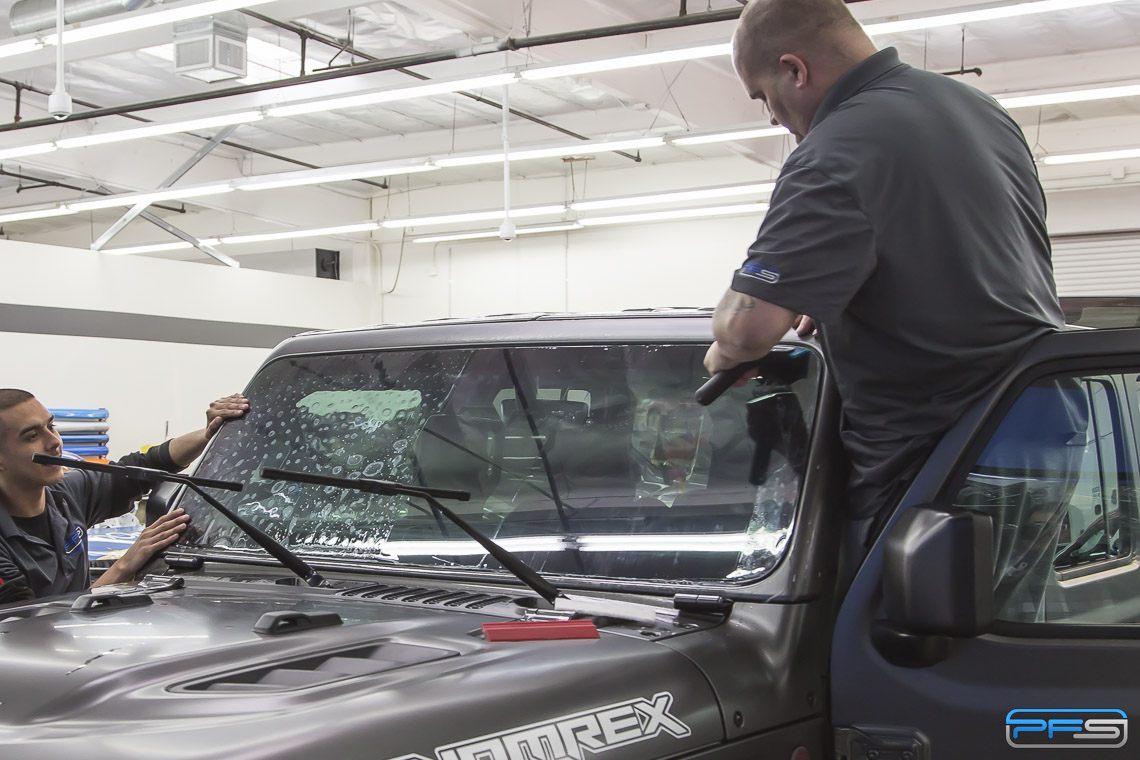
A windshield protection film is a transparent layer applied to the exterior surface of the windshield. Its purpose is to create a sacrificial barrier between road debris and the glass. Depending on the product and impact, the film may absorb or distribute some of the force from small debris and can also take surface wear that otherwise reaches the windshield.
Protection film is most attractive for drivers who regularly travel on interstate highways, gravel roads, construction routes, mountainous roads, or areas where windshield damage occurs frequently. It can also be considered for vehicles with expensive windshields containing cameras, sensors, heating elements, antennas, or head-up-display technology.
However, windshield film has limits. A sufficiently large stone or high-energy impact can still chip or crack the laminated glass beneath it. Film should therefore be viewed as an additional protective layer rather than a guarantee against windshield damage.
The film itself is a wear item. Wiper movement, road grit, weather, cleaning, and ultraviolet exposure can gradually affect its surface. Installation quality, product specifications, care requirements, optical clarity, replacement interval, and compatibility with the vehicle should all be considered before choosing a film.
Source: thetintguy.com
Useful for high-exposure driving
Protection film may be worth considering when your normal routes regularly contain loose aggregate or construction debris.
Not rock-proof
Film can reduce certain types of surface damage but cannot stop every impact from reaching or breaking the glass.
Professional installation can matter
Poorly fitted film can create bubbles, edge problems, visual distortion, or premature wear.
Confirm local requirements
Rules affecting windshield materials and driver visibility can vary, so verify applicable state requirements before installation.
Is Windshield Protection Film the Same as Window Tint?
No. Protection film is designed primarily to provide a physical sacrificial layer, while automotive window tint is generally installed for functions such as solar-energy reduction, glare reduction, privacy, or appearance. Products differ substantially in construction and intended installation location, so ordinary tint should not be treated as a substitute for a purpose-designed exterior windshield protection film.
Is Windshield Protection Film Worth It?
It depends on exposure and replacement cost. A driver who mainly travels on clean urban streets may receive less value than someone who commutes daily through construction corridors or drives extensively on gravel. The calculation can also change when a windshield is expensive to replace because it incorporates advanced driver-assistance cameras or other technology.
Keep the Windshield and Wipers in Good Condition
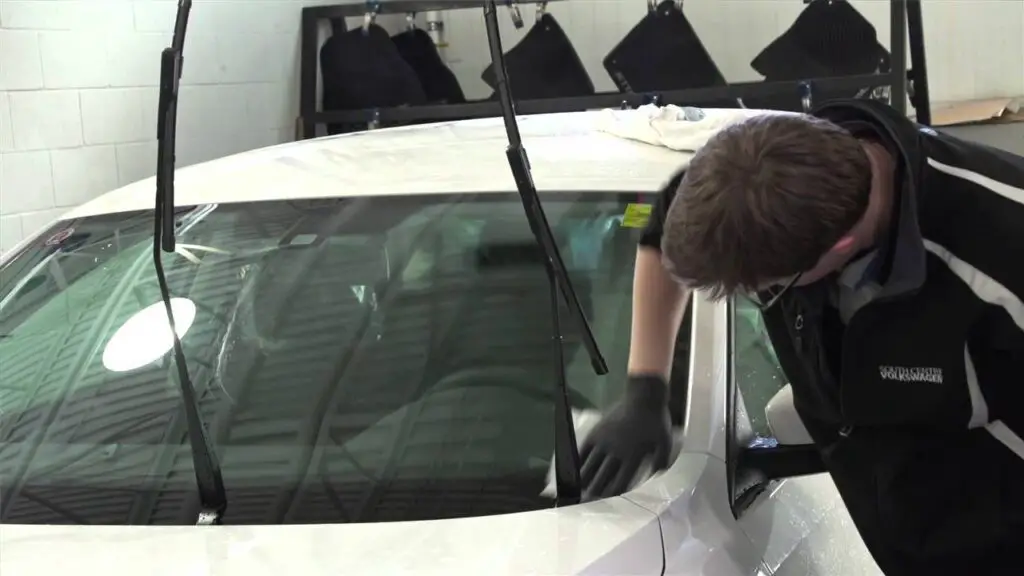
Cleaning the windshield will not stop a flying rock, but good windshield maintenance makes small damage easier to detect and helps prevent unnecessary scratching after debris lands on the glass.
Replace worn wiper blades when they streak, chatter, skip, or have damaged rubber. A trapped grain of sand or small piece of grit under a deteriorated blade can drag across the windshield repeatedly. That is a different type of damage from a rock chip, but maintaining a clear surface helps preserve visibility and makes new chips easier to notice.
When the windshield is dusty or gritty, avoid running dry wipers simply to clear it. Use washer fluid when appropriate or clean the glass properly. Also inspect wiper blades for embedded particles after driving on dusty or gravel roads.
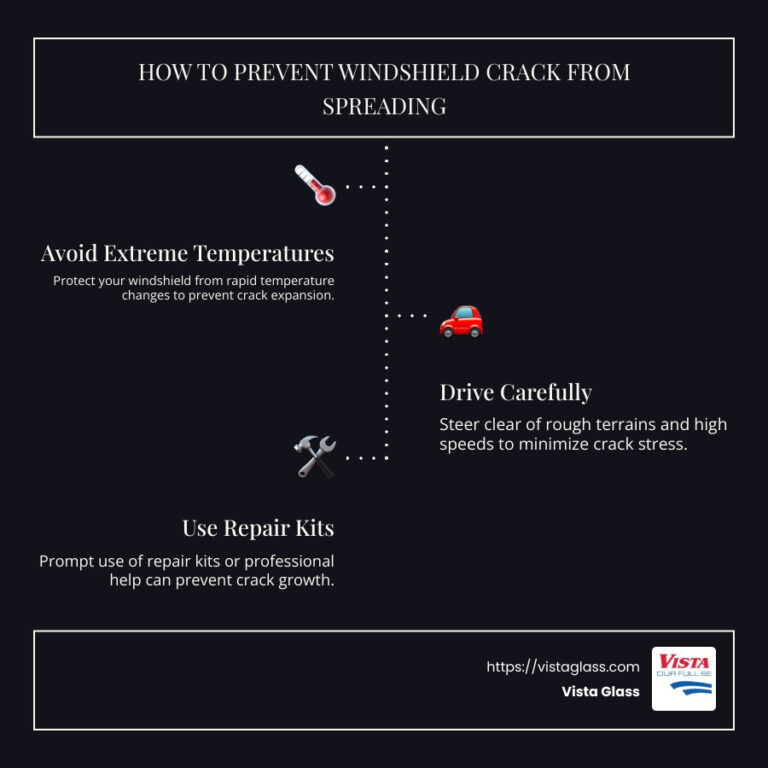
Existing chips deserve extra attention. Laminated windshields are designed to remain together when damaged, but a small chip can sometimes spread because of vibration, additional impacts, body flex, or temperature changes.
Source: hightech-autoglass.com
Inspect the glass regularly
Look for tiny pits and chips, particularly after highway trips, construction-zone driving, or a noticeable debris impact.
Maintain the wipers
Replace damaged blades and remove trapped grit that could scratch the windshield.
Keep washer fluid available
Lubricating the windshield during cleaning can help move dirt without repeatedly dragging dry debris across the glass.
Should You Wax a Windshield to Protect It From Rocks?
A water-repellent glass treatment may improve water behavior and make some contamination easier to remove, but it should not be considered meaningful rock-impact protection. A thin surface coating does not provide the same physical barrier as a dedicated windshield protection film.
What to Do Immediately After a Rock Hits Your Windshield
If a rock hits your windshield, inspect the glass as soon as you can do so safely. Do not attempt to examine the damage while driving. Park in a safe location and look for a small pit, star-shaped break, bull’s-eye chip, combination chip, or developing crack.
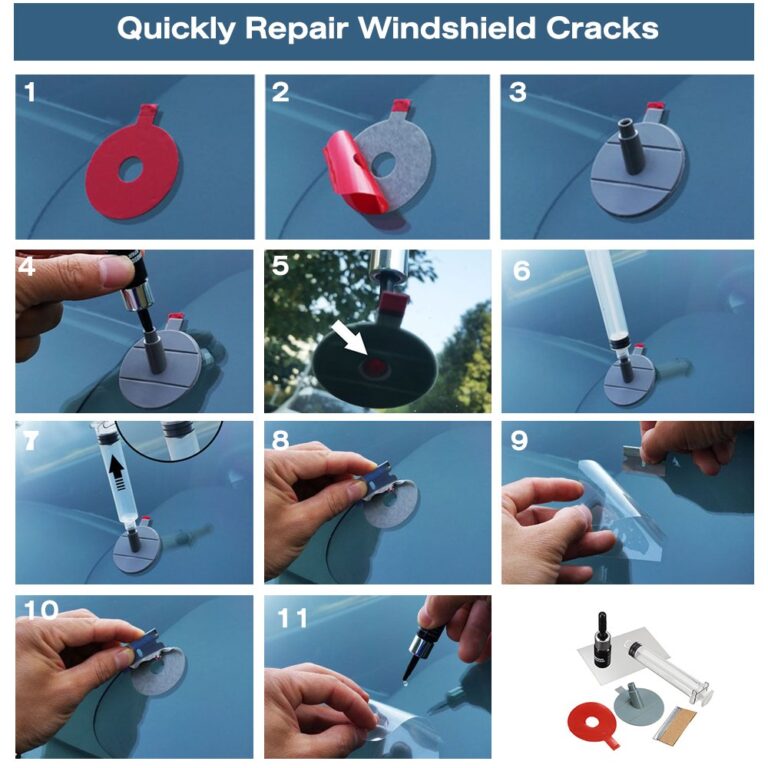
If there is a chip, keeping dirt and water out of the damaged area can help preserve repair options. Some temporary windshield-chip covers are designed for this purpose. Clear tape may sometimes be used as a very short-term barrier when it does not interfere with visibility, but it is not a repair.
Arrange an assessment promptly. Whether a chip can be repaired depends on factors such as its type, size, depth, location, contamination, and whether cracking has already spread. Damage near an edge, complex cracks, or damage affecting critical visibility areas may require different treatment than a simple isolated chip.
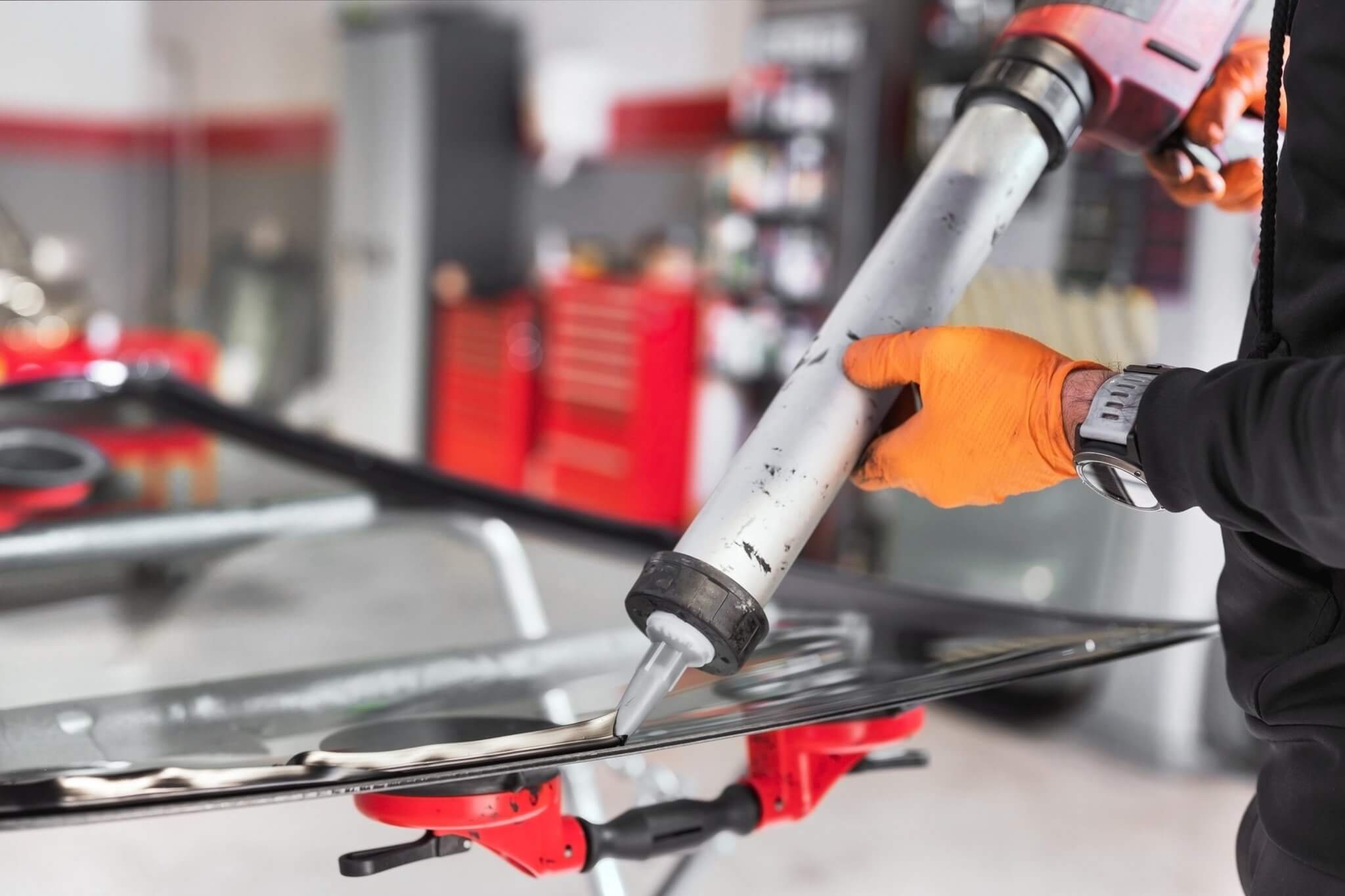
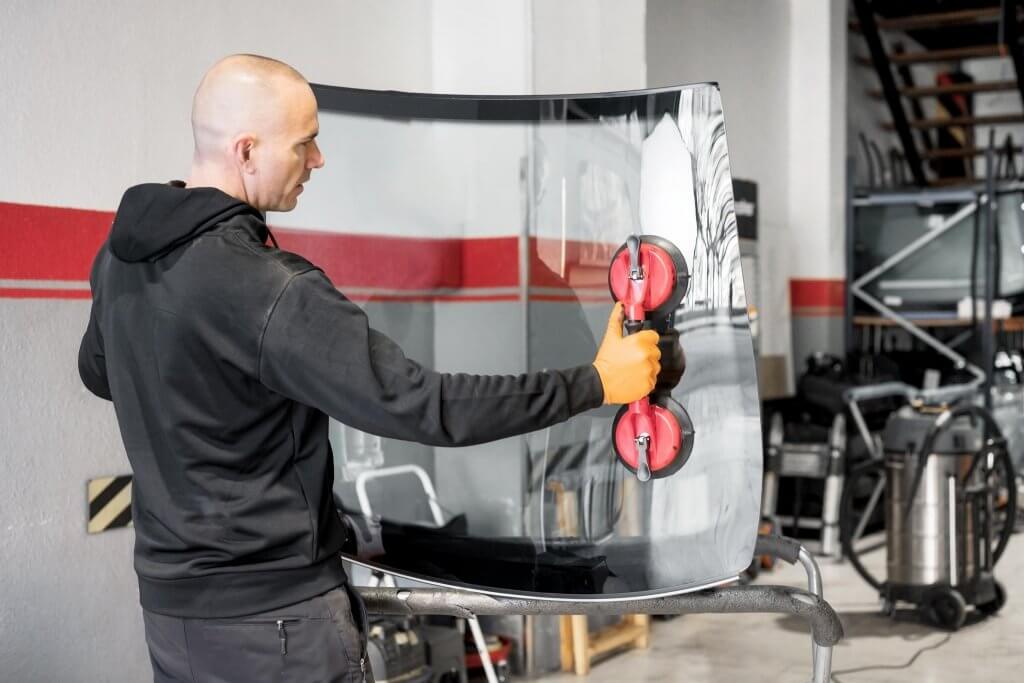
Modern vehicles may also have forward-facing cameras or sensors mounted near the windshield. If windshield replacement is required, the vehicle manufacturer’s procedures may call for camera or advanced driver-assistance system calibration. Ask the glass provider whether calibration applies to your particular vehicle.
Source: outdoordriving.com
Stop safely before inspecting
Never lean forward or concentrate on windshield damage while the vehicle is moving.
Protect a repairable chip from contamination
Keep unnecessary water, cleaners, and dirt out of a fresh chip until it can be assessed.
Avoid temperature shock
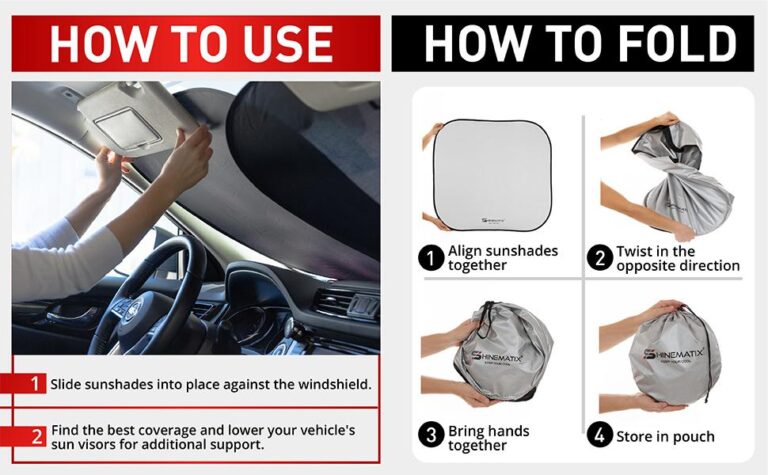
Do not pour very hot water on a cold damaged windshield or expose a damaged area to unnecessary abrupt temperature extremes.
Get spreading damage evaluated
A growing crack can affect visibility and may move beyond the point where a simple chip repair is possible.
Can You Keep Driving With a Rock Chip?
A small chip does not automatically mean the vehicle is immediately undrivable, but its location and severity matter. Damage that interferes with the driver’s view, spreads rapidly, reaches an edge, or significantly compromises visibility deserves prompt professional evaluation. Vehicle inspection requirements and windshield-damage rules also vary by state.
Can a Small Windshield Chip Turn Into a Crack?
Yes. A chip creates a weakened area in the glass, and cracks may develop or extend after further vibration, another impact, vehicle-body movement, or significant temperature changes. Early assessment gives you the best chance of determining whether repair is still practical.
Driving Situations With the Highest Rock-Chip Risk
Rock-chip risk changes dramatically with road conditions. Recognizing high-risk situations lets you adjust before debris reaches the windshield.
Highway construction zones deserve particular attention because traffic may travel over temporary surfaces containing loose aggregate. Gravel roads create an obvious risk, while paved highways can also become hazardous when debris accumulates near shoulders, medians, ramps, or recently repaired pavement.
Winter and early spring can create additional debris in parts of the United States where road surfaces deteriorate through freeze-thaw cycles and snow-control materials are used. Road maintenance practices differ across states and localities, so actual conditions vary.
Mountain roads, quarry routes, work zones, and rural roads used by construction or agricultural vehicles can also expose drivers to more loose material than a well-maintained urban street.
Source: hightech-autoglass.com
Construction zones
Expect loose aggregate, temporary surfaces, and debris disturbed by heavy vehicles.
Gravel roads
Reduce speed and increase spacing because nearly every passing vehicle can disturb stones.
Highway shoulders
Avoid unnecessary travel on debris-covered shoulders and give merging vehicles from unpaved areas additional space.
Recently repaired pavement
Loose material may remain temporarily after certain road-maintenance operations.
Should You Change Lanes When Following a Gravel Truck?
Changing lanes can reduce exposure when it can be done legally and safely, but a lane change should not be abrupt or used as a substitute for following distance. Rocks can bounce sideways, and neighboring vehicles can throw debris too. First create space, check surrounding traffic, and change lanes only when normal safe-driving conditions allow it.
Windshield Protection Methods Compared
No single method provides complete protection, so the best approach combines low-cost driving habits with additional protection when your exposure justifies it. The comparison below summarizes the practical role of each method.
Increasing following distance is useful almost everywhere and costs nothing, while speed reduction is particularly valuable on loose surfaces. Protective film involves additional cost and maintenance but may make sense for drivers with repeated rock-chip exposure. Prompt chip repair does not prevent the first impact, but it can reduce the chance that one small damaged area becomes a larger windshield problem.
Greater following distance
Best for everyday prevention. It reduces exposure to debris coming from vehicles directly ahead but cannot stop rocks arriving from other lanes.
Lower speed on loose surfaces
Best for gravel, roadwork, and construction areas. It reduces your contribution to impact speed and improves reaction time.
Windshield protection film
Best considered for frequent high-risk driving. It adds a sacrificial layer but does not guarantee protection against large or severe impacts.
Prompt chip repair
Best after damage occurs. It may preserve the windshield when the damage is suitable for repair.
Good wiper and glass maintenance
Best for visibility and preventing secondary surface scratching rather than stopping direct rock impacts.
Common Windshield Protection Mistakes
Some prevention attempts provide less protection than drivers expect. The biggest mistake is assuming that any accessory or coating can make a windshield immune to rocks. Laminated automotive glass is strong, but impact outcome depends on the rock’s size, shape, speed, angle, and exact point of contact.
Another mistake is following a truck closely because its load appears covered. A secure load is important, but stones thrown from the tires or roadway can still reach your windshield.
Do not sacrifice safe driving simply to protect the glass. Swerving suddenly to avoid small debris, following another vehicle too closely while preparing to pass, or driving unusually slowly in a high-speed lane can create a more serious hazard than a potential chip.
Relying entirely on film
Protection film can help, but sufficiently severe impacts can still damage the underlying windshield.
Tailgating before passing
Moving closer to a gravel-producing vehicle increases exposure precisely when you want less of it.
Ignoring tiny chips
A small chip may be easier to address before contamination or crack propagation occurs.
Using household materials as permanent repairs
Temporary covers do not restore the structural or optical properties of damaged laminated glass.
Making sudden evasive maneuvers
Maintaining vehicle control and avoiding collisions is always more important than attempting to avoid a small stone.
A Practical Windshield Rock-Protection Routine
A useful prevention routine does not require complicated equipment. Before a highway or gravel-road trip, make sure the windshield is clean enough to spot existing damage and that the wiper blades are functioning properly. Once on the road, scan farther ahead for construction trucks, gravel haulers, resurfacing areas, and visible loose debris.
When you identify a higher-risk situation, create more following distance and reduce speed as conditions require. Avoid lingering directly behind or beside vehicles throwing stones. After a noticeable impact, inspect the windshield when safely parked.
If you repeatedly experience chips despite careful driving, compare the cost and maintenance requirements of a purpose-designed windshield protection film with the cost and inconvenience of windshield repair or replacement for your vehicle. This is particularly relevant when the windshield incorporates expensive sensors or cameras.
Success does not mean that your windshield will never receive another chip. A successful strategy reduces unnecessary exposure, identifies damage quickly, and prevents small problems from being ignored.
Before driving
Clean the glass, check the wipers, and note existing chips or cracks.
During normal driving
Maintain safe spacing and continuously scan for vehicles or road surfaces likely to throw debris.
Inspect the glass safely and arrange an assessment if a chip or crack is present.
Frequently Asked Questions
Q
How do I stop rocks from hitting my windshield on the highway?
You cannot prevent every flying rock, but you can reduce your exposure. Leave more room behind other vehicles, avoid following trucks or trailers that are disturbing loose material, and do not remain beside vehicles whose tires are throwing debris. Be particularly cautious around construction zones, resurfacing projects, gravel-covered ramps, and road shoulders.
Q
Does windshield protection film really prevent rock chips?
A purpose-designed exterior protection film can add a sacrificial layer that may reduce damage from some small debris impacts. Results depend on the product, installation, film condition, and severity of the impact. It cannot make a windshield completely resistant to rocks.
Q
How far should I stay behind a gravel truck?
Use a safe following interval appropriate for the road, speed, weather, and traffic, then increase that distance when loose debris is present. A three-second interval is commonly used as a basic reference in favorable driving conditions, but more space may be appropriate behind vehicles throwing gravel. Posted warnings on a truck do not replace your responsibility to maintain a safe following distance.
Q
Why does my windshield keep getting rock chips?
Frequent chips can be associated with the roads and traffic you encounter rather than a defect in the glass. Regular highway driving, construction corridors, gravel roads, quarry routes, winter-damaged pavement, and driving close to vehicles ahead can increase exposure. Reviewing your usual route and following distance may reveal opportunities to reduce that risk.
Q
Should I repair a tiny windshield chip immediately?
Prompt evaluation is advisable because a small chip can become contaminated or develop into a larger crack. Whether it can be repaired depends on its dimensions, depth, type, location, and the condition of the surrounding glass. A qualified auto-glass technician can determine whether repair or replacement is appropriate.
Q
Can a windshield crack because of temperature after a rock chip?
Temperature changes can contribute to stress around an existing damaged area. A chip that has already weakened the glass may spread when exposed to significant temperature differences, vehicle vibration, body flex, or another impact. Avoid unnecessary abrupt temperature extremes until the damage has been assessed.
✦ Wrapping Up
How to Protect Windshield From Rocks: Final Steps
The practical answer to how to protect windshield from rocks is to reduce exposure rather than search for one product that promises complete protection. Leave additional space behind vehicles, slow down on gravel and construction surfaces, avoid staying in the debris path of large tires, maintain the windshield and wipers, and inspect the glass after a noticeable impact.
For U.S. drivers who regularly travel through construction zones, rural gravel roads, or high-mileage interstate routes, a purpose-designed windshield protection film may provide an additional layer worth considering. Its benefits should be weighed against installation cost, maintenance, optical requirements, and the fact that no film can stop every severe impact.
Finally, do not overlook a small chip. Early professional assessment may give you more options before contamination, vibration, another rock strike, or temperature stress turns minor damage into a spreading crack.
💡 Key Takeaway
Starting with your next drive, increase your following distance around debris-producing vehicles, reduce speed on loose surfaces, and inspect any new rock chip promptly instead of waiting for it to spread.