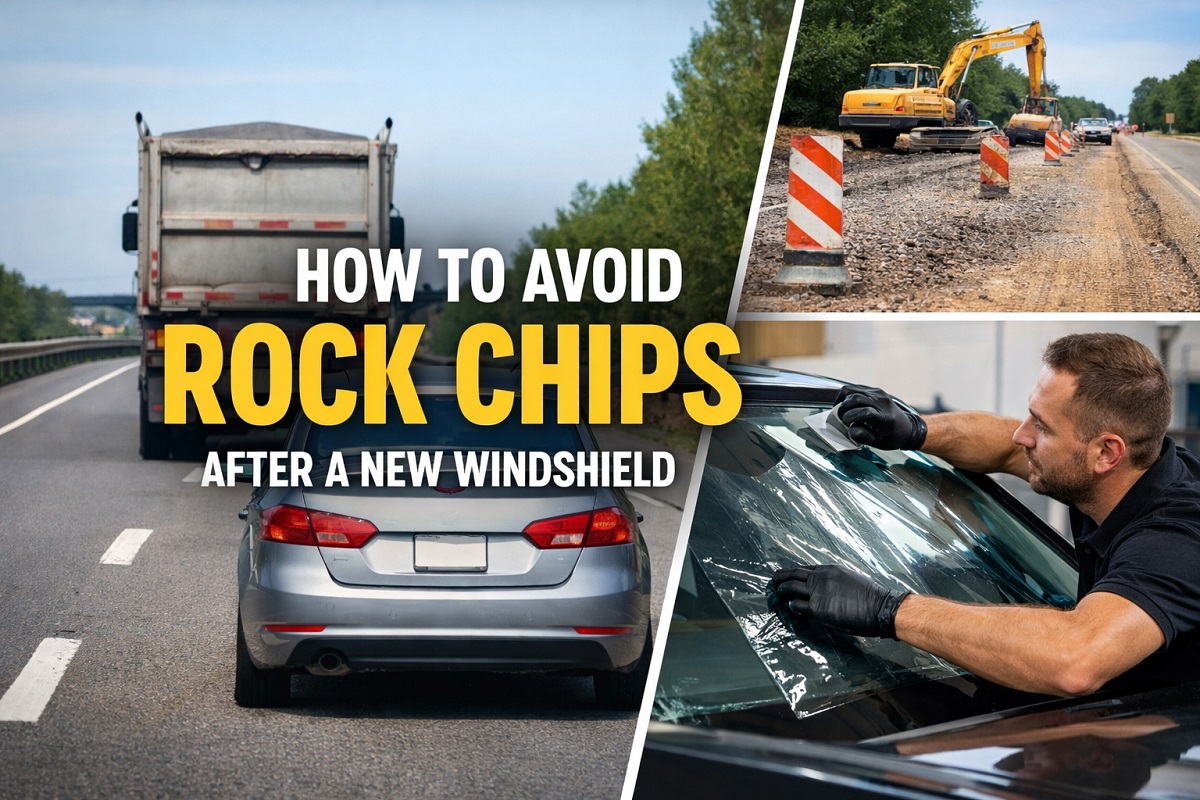
The best way to prevent windshield chips is to leave extra space behind other vehicles, avoid loose-gravel areas when practical, slow down around road construction, protect the glass from sudden temperature changes, maintain your wipers, and repair small chips before they spread.
For drivers in the United States, windshield chips are difficult to eliminate completely because highway debris, construction zones, gravel shoulders, winter road treatment, potholes, and material kicked up by trucks are part of everyday driving. Conditions also vary dramatically by region. Drivers in northern states may deal with freezing temperatures and road grit, while drivers in Arizona, Nevada, Texas, and other hot areas routinely expose their windshields to intense sun followed by cold air conditioning. Both impact damage and temperature stress can contribute to windshield problems.
Fortunately, prevention is mostly about reducing exposure and avoiding unnecessary stress on the glass. You cannot control every stone thrown by another vehicle, but you can control following distance, speed around debris, parking habits, cleaning methods, wiper condition, and how quickly you respond when damage appears. This guide explains how windshield chips happen, the most useful prevention steps, common mistakes to avoid, whether protective films help, and what to do immediately if a chip appears despite your precautions.
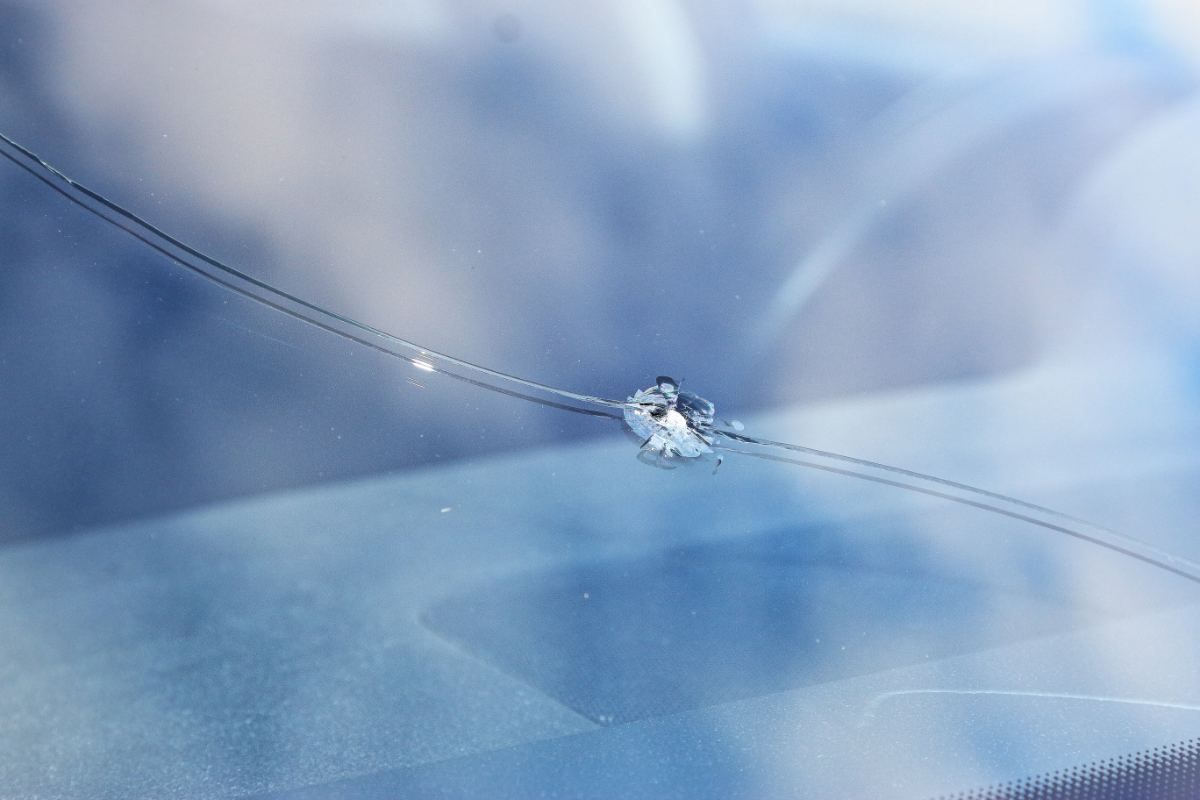
Most windshield chips begin with a small object striking the outer layer of laminated windshield glass. Gravel, small stones, pieces of pavement, construction debris, and material released from tire treads are common sources. The risk increases when a vehicle ahead drives over loose material because its tires can launch debris backward at highway speed.
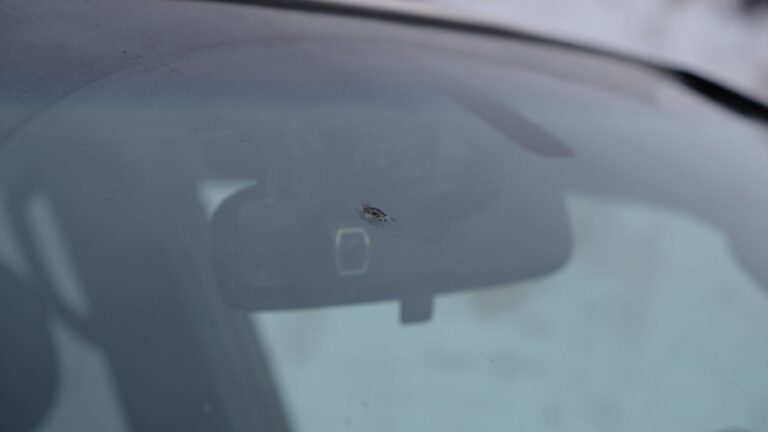
A windshield is made from laminated safety glass, typically consisting of two layers of glass bonded around a plastic interlayer. This construction helps keep the windshield together after breakage, but the outer glass surface can still chip when struck by a hard object. Once a chip forms, the damaged area becomes a stress concentration point where cracking can begin.
Not every windshield crack starts with an obvious rock strike. Existing chips can worsen because of vibration, potholes, door slamming, temperature changes, moisture, or continued driving. That is why preventing the initial impact and dealing quickly with existing damage are both important parts of windshield protection.
Source: 1stcallwindscreensltd.co.uk
Road debris
Loose stones and pavement fragments thrown by vehicle tires are among the most common causes of impact chips.
Construction zones
Milled pavement, uncovered gravel, resurfacing work, and heavy equipment can increase the amount of loose material on the road.
Temperature stress
Rapid heating or cooling can place additional stress on damaged or weakened glass.
Road vibration
Potholes, rough pavement, railroad crossings, and similar impacts can encourage an existing chip to develop into a longer crack.
Why Chips Are Common Behind Other Vehicles
The vehicle directly in front of you does not need to be carrying gravel for it to create a risk. Its tires can pick up small stones already lying on the roadway and eject them backward. Large trucks and vehicles with aggressive tire tread can be particularly noticeable sources of debris, but any vehicle can throw a stone.
Your exposure becomes greater when you follow closely because there is less distance for the debris to fall toward the road before reaching your car. Creating more space cannot guarantee protection, but it reduces your exposure and gives you more time to react to changing road conditions.
Loose shoulders
Vehicles entering the lane from gravel shoulders can carry stones in their tire tread.
Resurfaced roads
Freshly worked pavement may contain loose aggregate until road work is completed and the surface is cleaned.
How to Prevent Windshield Chips While Driving
Your driving habits provide the most practical day-to-day protection against windshield chips. The goal is not to drive unusually slowly everywhere. Instead, recognize situations where loose debris is more likely and create additional distance from the vehicles most likely to throw it.
Start by leaving a generous following gap. Normal safe-following recommendations already require space for braking and reaction time, and additional distance is sensible when loose stones, construction debris, or gravel are present. If a truck or trailer is dropping material, move away from it when you can do so safely rather than remaining directly behind it.
Speed matters as well. A stone hitting your windshield at a higher relative speed can deliver greater impact energy. Slowing appropriately on gravel roads, freshly resurfaced pavement, and construction zones therefore helps for two reasons: your own tires throw less material, and impacts from other debris may be less severe.
Source: slpautoglass.com
Increase following distance
Leave additional space behind vehicles when the road contains loose stones, gravel, or construction debris.
Avoid tailgating trucks
Do not stay unnecessarily close behind dump trucks, construction vehicles, trailers, or vehicles whose tires are throwing visible debris.
Reduce speed on loose surfaces
Drive at a safe, moderate speed on gravel roads, chip-sealed surfaces, road work areas, and damaged pavement.
Change lanes when appropriate
If another vehicle is repeatedly throwing stones, create separation by safely changing lanes or allowing it to move farther ahead.
Watch the road surface
Look beyond the vehicle immediately ahead so you can identify gravel patches, potholes, construction activity, or debris early.
Be Extra Careful Around Road Construction
U.S. road construction often involves pavement milling, resurfacing, gravel shoulders, temporary lane changes, and heavy trucks entering the roadway. These conditions can leave loose aggregate where passing tires can pick it up.
Follow posted construction-zone speed limits, increase your spacing, and avoid unnecessary passing where loose material is visible. If a route is being actively resurfaced and a practical paved alternative exists, using the alternative can reduce exposure.
Respect temporary speed limits
Construction-zone limits reflect changing road conditions and also reduce the force with which loose debris may be thrown.
Stay away from gravel shoulders
Avoid driving onto loose shoulders unless necessary because your own tires can throw material at nearby vehicles.
Give Dump Trucks and Trailers More Space
A common misconception is that staying behind a truck is safe as long as its load is covered. Even with a properly secured load, stones can be released from tire tread, mud flaps, chassis areas, or material already lying on the roadway.
Do not make an unsafe maneuver simply to get away from a truck. Instead, gradually create additional distance, move to another lane when conditions allow, or let the vehicle pull farther ahead.
Protect the Windshield From Temperature Stress
Temperature changes are especially important when the windshield already has a small chip or hidden edge damage. Glass expands as it warms and contracts as it cools. When one part of the windshield changes temperature much faster than another, stress can concentrate around an existing flaw.
This matters in several parts of the United States. During winter, a frozen windshield may be exposed to hot defroster air or hot water. During summer, a vehicle parked in strong sun can develop very hot glass before the driver turns the air conditioner to its coldest setting.
Temperature control will not prevent a flying rock from striking the windshield, but it can reduce unnecessary thermal stress and decrease the chance that a tiny defect grows into a larger crack.
Source: cftproducts.com
Never use hot water on frozen glass
Use the vehicle defroster gradually and an appropriate ice scraper rather than creating a sudden temperature change.
Cool a hot windshield gradually
After a car has been sitting in intense summer sun, begin cooling the cabin progressively rather than directing maximum cold airflow immediately at the hottest glass.
Use shade when practical
Parking in a garage, carport, or shaded location can reduce extreme heat buildup and repeated thermal cycling.
Repair existing chips quickly
Damaged glass is more vulnerable to the stresses created by freezing temperatures, strong sunlight, and rapid climate-control changes.
Winter Windshield Care
In cold-weather states, allow the defroster to warm the windshield progressively. Remove snow before it freezes into a thick layer, use winter-rated washer fluid where appropriate, and use a proper scraper rather than striking the glass with a hard object.
Check your windshield more frequently during winter because grit, road treatment material, freeze-thaw cycles, and pothole season can combine to increase damage risk.
Use a suitable scraper
A purpose-made plastic ice scraper is safer for windshield glass than improvised metal tools.
Do not hit frozen wipers
Free stuck wiper blades gently rather than striking them against the glass.
Hot-Weather Windshield Care
In very hot climates, parking shade can moderate glass temperature. When entering a sun-heated vehicle, opening the doors or windows briefly can release some trapped heat before maximum air conditioning is directed toward the windshield.
The concern is primarily rapid temperature difference, not ordinary use of air conditioning. Modern windshields are designed for normal climate-control operation, so the practical goal is simply to avoid unnecessary thermal shock, particularly when a chip is already present.
Maintain the Glass, Wipers, and Surrounding Windshield Area
Good windshield maintenance cannot stop a stone thrown at highway speed, but it prevents avoidable scratches and helps you notice damage while it is still small. Clean glass also improves visibility, making it easier to identify road debris, construction areas, and changing traffic conditions before you reach them.
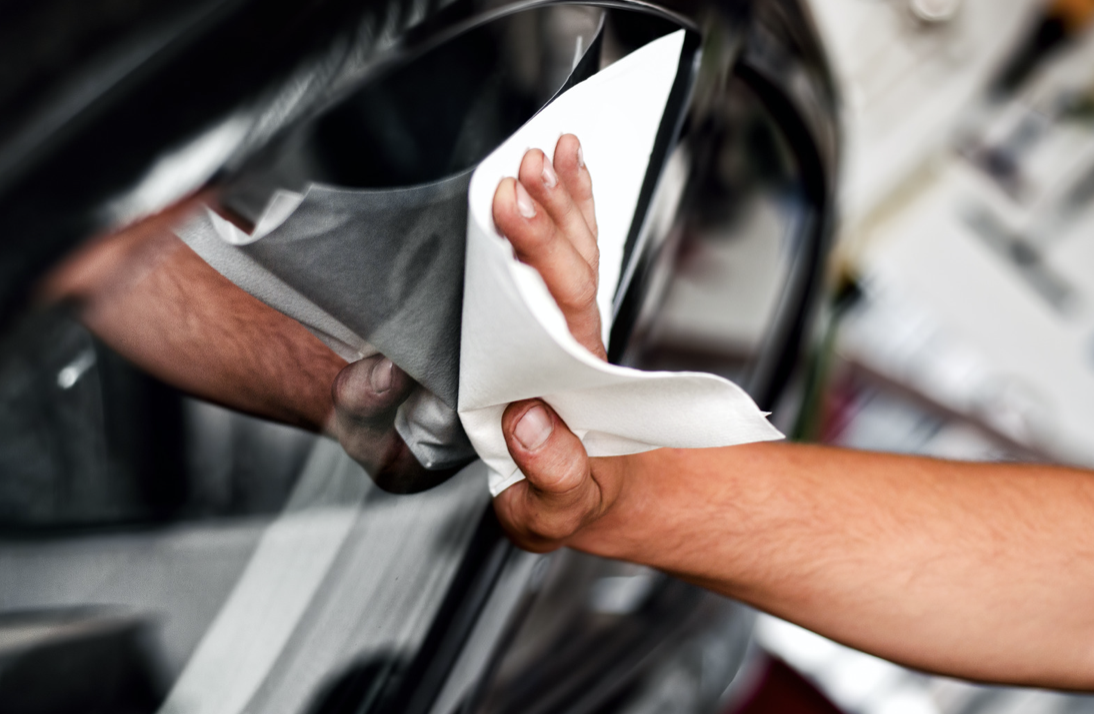
Use an automotive glass cleaner that is compatible with your vehicle’s tinting and interior materials, together with clean microfiber towels. Dirt trapped under the wiper blades can drag across the windshield, and badly worn blades may eventually allow harder components of the wiper assembly to contact the glass.
Inspect the blades periodically for cracks, splitting, missing sections, stiffness, or poor wiping performance. Replace them when they no longer clear water effectively. If you lift a wiper arm away from the windshield during cleaning or maintenance, lower it carefully because a spring-loaded arm snapping against the glass can cause damage.
Source: appleglasscompany.com
Keep the glass clean
Remove road film, insect residue, dirt, and other contamination using a glass-safe cleaner and clean microfiber cloth.
Inspect the wiper blades
Replace blades that chatter, streak badly, split, become brittle, or fail to clear water consistently.
Clean under the wiper blades
Remove sand and grit that can become trapped between the rubber blade and glass.
Handle wiper arms carefully
Do not allow a raised metal wiper arm to snap back onto the windshield.
Inspect the windshield regularly
Look for tiny chips, star-shaped impact points, cracks, edge damage, and excessive pitting when washing the vehicle.
Avoid Common Cleaning Mistakes
Do not scrape stubborn residue from the windshield with random metal objects. If a scraper or blade is needed for a specialized cleaning job, it should be appropriate for automotive glass and used carefully according to its instructions.
Avoid abrasive household products that can scratch glass or damage nearby trim. Also check your vehicle owner’s information before using chemicals around camera housings, sensors, coatings, aftermarket tint, or other windshield-mounted technology.
Do not clean dry dusty glass aggressively
Rinse or loosen heavy grit first instead of grinding particles against the surface.
Avoid improvised tools
Knives, screwdrivers, and other hard metal tools can turn a cleaning job into permanent glass damage.
Can Windshield Protection Film Prevent Rock Chips?
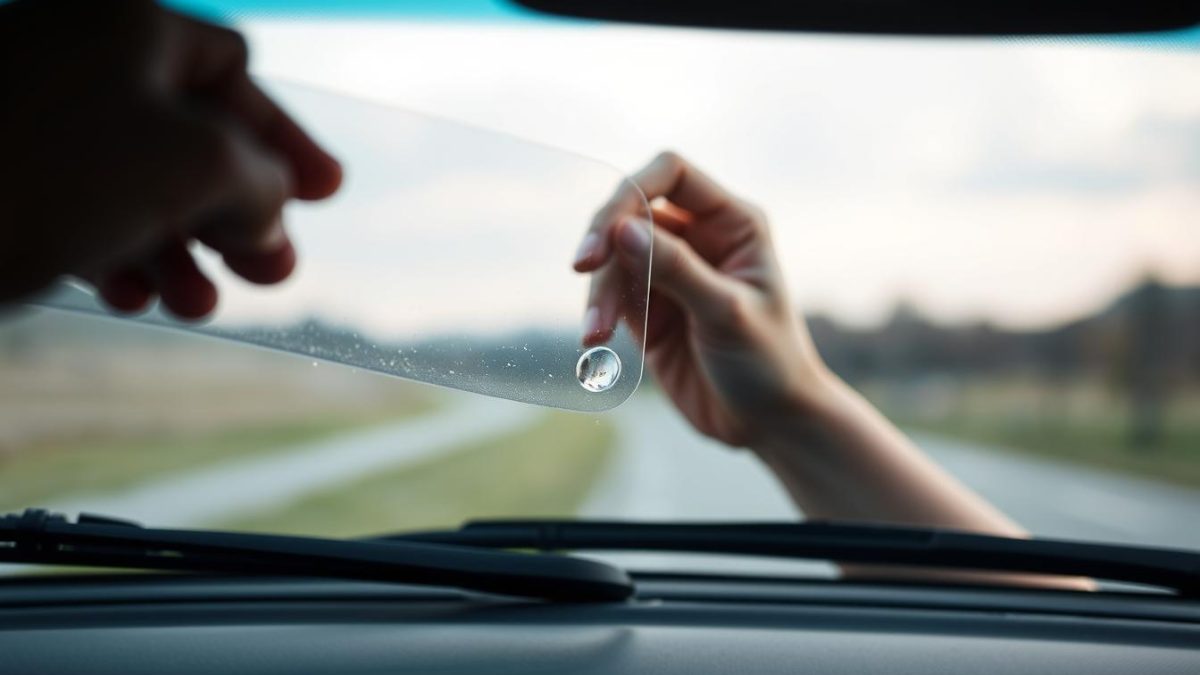
Windshield-specific protective films and surface protection systems are available, and some are designed to reduce damage from small debris. Their effectiveness, optical quality, durability, installation requirements, and compatibility vary, so they should be treated as an additional protective measure rather than a guarantee against chips.
Do not assume that ordinary paint protection film is suitable for a windshield. A film used on automotive glass must maintain clear vision and should not interfere with windshield-mounted cameras, rain sensors, head-up displays, antennas, or other equipment. State rules may also affect what can legally be applied to windshield glass.
Drivers who regularly travel on gravel roads, construction routes, or debris-heavy highways may find windshield-specific protection worth investigating. Before installation, confirm that the material is intended for automotive windshields, ask how it affects optical clarity, and verify compatibility with your exact vehicle.
Source: carglassfix.com
Use only windshield-specific material
A product intended for painted body panels should not automatically be assumed suitable for glass.
Check optical clarity
Any material placed in front of the driver must preserve clear, undistorted visibility.
Check vehicle technology
Verify compatibility with cameras, sensors, head-up displays, antennas, and other systems that operate through or around the windshield.
Check local requirements
Windshield covering and transparency rules vary by jurisdiction, so confirm applicable state requirements before installation.
Keep expectations realistic
Protective material may reduce certain impacts but cannot make a windshield immune to stones or larger debris.
Who May Benefit Most From Added Windshield Protection
Additional protection may be more relevant for drivers whose daily routes regularly include gravel roads, road construction, mining areas, desert highways, rural routes with loose aggregate, or frequent travel behind commercial traffic.
For many ordinary drivers, however, safer following distance, appropriate speed, routine inspection, careful temperature management, and prompt chip repair provide the most practical starting point.
What to Do If Your Windshield Gets Chipped Anyway
Even careful drivers cannot prevent every windshield chip. If you hear a stone strike the glass, continue driving safely and inspect the windshield once you can stop in a safe location. Look at the size, shape, depth, and location of the damage without pressing on it.
Arrange evaluation or repair promptly. Small chips are often candidates for resin repair, but repairability depends on factors such as size, type, depth, position, contamination, and whether cracks have already begun spreading. Damage near an edge or within the driver’s main viewing area may require special consideration.
While waiting for service, avoid unnecessary stress on the windshield. Drive gently, avoid severe potholes when possible, do not slam the doors, minimize abrupt temperature changes, and keep contamination out of the damaged area. Do not assume that a chip is harmless simply because it has remained unchanged for a day or two.
Source: miracleagc.com
Inspect safely
Wait until the vehicle is parked safely before examining a chip or crack.
Arrange repair promptly
Early evaluation gives a technician the best opportunity to determine whether localized repair is still practical.
Avoid thermal shock
Do not suddenly heat or cool damaged glass while you are waiting for repair.
Drive gently
Reduce exposure to severe potholes, rough roads, and other unnecessary vibration where practical.
Get professional advice for questionable damage
A qualified auto-glass technician can determine whether the chip can be repaired or whether replacement is appropriate.
Signs the Damage Needs Prompt Professional Attention
Seek prompt assessment when a crack is growing, the damage is near the windshield edge, visibility is affected, multiple impact points are present, or the glass appears damaged through more than the outer surface. A rapidly spreading crack should not be treated as a cosmetic problem.
Modern vehicles may also have forward-facing cameras or other advanced driver-assistance equipment mounted at the windshield. If windshield replacement becomes necessary, the vehicle may require calibration procedures specified by its manufacturer.
Damage blocks your view
Anything that materially interferes with safe visibility should be addressed without delay.
A crack is spreading
Increasing length or branching indicates that the damaged area is continuing to fail.
Damage reaches the edge
Edge involvement can make repair more difficult and deserves professional evaluation.
How You Know Your Prevention Routine Is Working
There is no way to prove that a particular driving habit prevented a specific chip because road impacts are unpredictable. A successful routine instead means you consistently maintain adequate spacing, reduce speed around loose material, keep the glass and wipers in good condition, avoid unnecessary temperature shock, and discover small damage early during regular inspections.
If chips continue to occur frequently despite these precautions, examine your normal route. Repeated exposure to gravel roads, active construction corridors, quarry traffic, or debris-heavy highways may be the dominant factor. Changing route or driving time when practical may reduce exposure more effectively than adding another cleaning product.
Frequently Asked Questions
Q
Can you completely prevent windshield chips?
No. A windshield can be struck by road debris even when you drive carefully. Prevention reduces exposure and risk rather than eliminating it. Maintaining extra following distance, slowing on loose surfaces, avoiding debris-heavy routes when practical, and keeping the glass in good condition are among the most useful precautions.
Q
How far should I stay behind a truck to avoid windshield chips?
There is no single distance that guarantees protection because traffic speed, road conditions, weather, and debris size all vary. Maintain at least a safe normal following interval and increase it substantially when a truck, trailer, or other vehicle is throwing visible stones or traveling over loose gravel. If conditions permit, changing lanes or allowing the vehicle to move farther ahead can reduce your exposure.
Q
Does driving slower help prevent rock chips?
Slowing appropriately can help on loose gravel, construction areas, and damaged pavement. Lower speeds reduce the tendency of your own tires to throw stones and may reduce the severity of some debris impacts. Speed reduction should always be done smoothly and with surrounding traffic conditions in mind.
Q
Will a windshield coating stop rock chips?
Do not expect an ordinary water-repellent glass coating to make a windshield rock-proof. Some specialized windshield protection films are designed to add impact resistance, but performance varies and they cannot prevent every chip. Any film should be suitable for automotive windshield use and compatible with your vehicle’s cameras, sensors, displays, and local visibility requirements.
Q
Should I repair a tiny windshield chip immediately?
Prompt evaluation is usually the safest approach. A tiny chip can remain stable for some time, but it can also spread after temperature changes, road vibration, moisture intrusion, or another impact. Repairability depends on the chip’s size, type, depth, location, and condition, so early professional assessment preserves more options.
✦ Wrapping Up
Conclusion
Learning how to prevent windshield chips is mainly about reducing exposure to flying debris and avoiding stresses that make small glass damage worse. On U.S. roads, that means leaving extra space behind other vehicles, driving cautiously through construction and gravel areas, maintaining the windshield and wipers, and protecting the glass from abrupt temperature changes.
No prevention method can stop every rock strike. The most effective routine combines sensible driving with regular inspection. If a chip does occur, treating it as an early maintenance issue rather than waiting for a long crack gives you the best chance of keeping the damage manageable.
💡 Key Takeaway
Starting today, increase your following distance around debris-producing vehicles, slow down on loose surfaces, inspect your windshield whenever you wash the car, and arrange prompt professional evaluation of any new chip.
Learn how to fold a windshield sun shade correctly with simple steps for pop-up, accordion, and umbrella styles, plus storage and troubleshooting tips.
Learn how to fold a pop up windshield sun shade safely and quickly. Follow simple steps, avoid common mistakes, and store your car sun shade without damaging its frame.