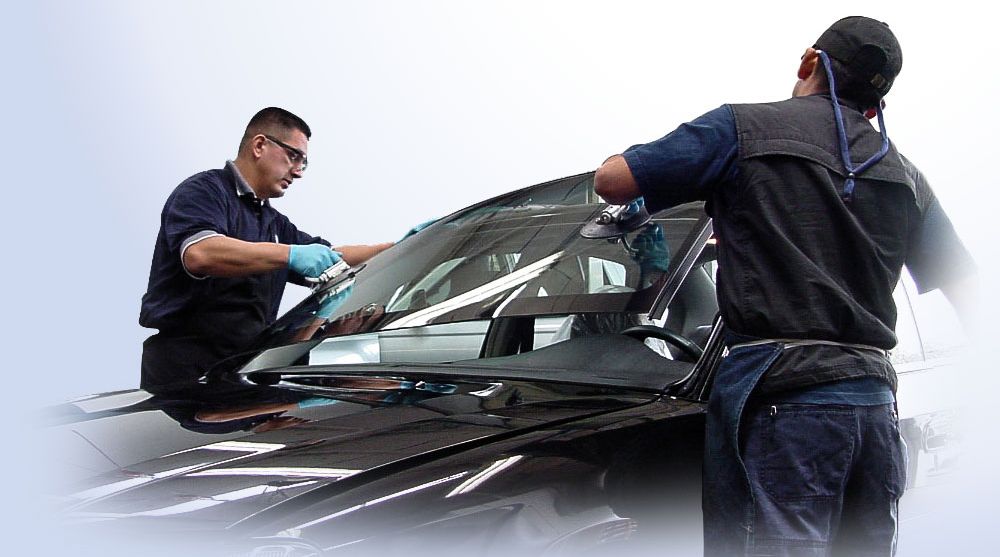
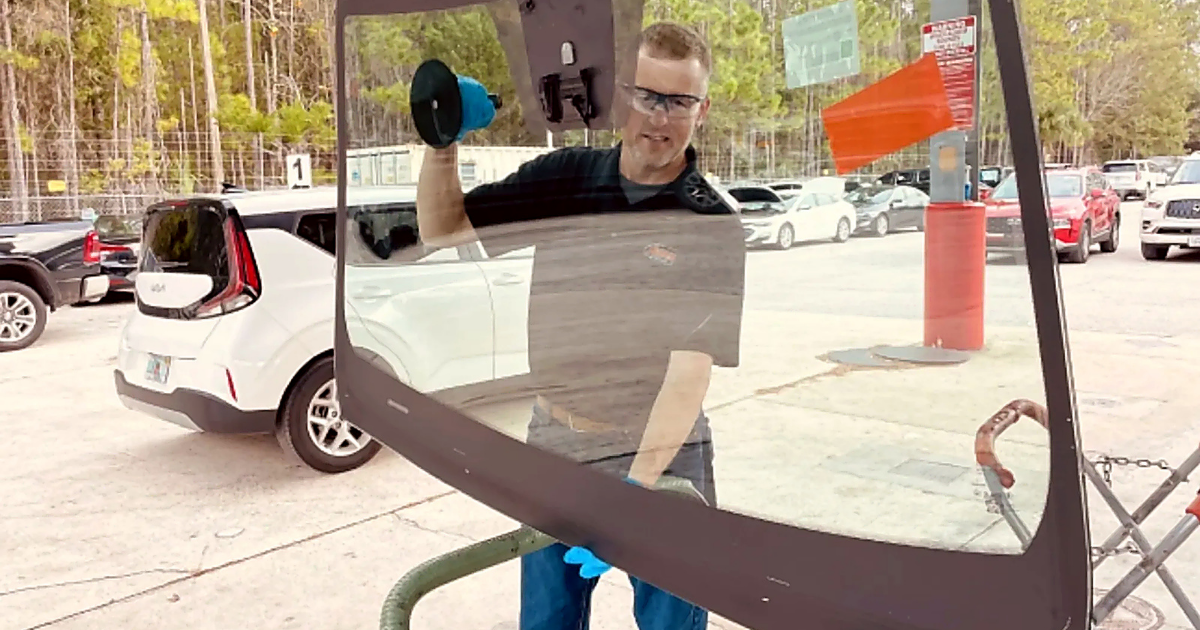
In the United States, front windshield replacement typically costs about $250 to $1,500 or more, depending on the vehicle, glass type, built-in technology, labor rates, and whether ADAS camera recalibration is required.
For U.S. drivers trying to determine how much does front windshield replacement cost, there is no single national price that applies to every vehicle. A relatively basic windshield on an older sedan may fall near the lower end of the range, while a newer SUV, pickup, EV, or luxury vehicle with a forward-facing camera, rain sensor, acoustic glass, heating elements, or head-up display can cost considerably more.
A useful way to budget is to separate the job into four possible expenses: the windshield itself, installation labor and materials, transfer of attached equipment, and calibration of driver-assistance systems. For many older or less complex vehicles, a replacement may cost roughly $250 to $600. Newer mainstream vehicles frequently move into the $500 to $1,000 range, while vehicles requiring expensive OEM glass, advanced electronics, or calibration can reach $1,000 to $1,500 or more.
Insurance can also change what a U.S. driver actually pays. Comprehensive coverage commonly applies when a windshield is damaged by road debris, hail, falling objects, vandalism, or similar non-collision events, but a deductible may apply. Some policies offer separate glass coverage or a lower glass deductible. Because coverage and state rules vary, compare the full cash quote with your applicable deductible before filing a claim.
How Much Does Front Windshield Replacement Cost in the USA?
For most U.S. drivers, a reasonable starting budget for front windshield replacement is about $250 to $1,500+. The unusually wide range exists because a windshield is no longer necessarily a simple sheet of laminated safety glass. On many modern vehicles it is also a mounting and viewing surface for cameras, sensors, antennas, heating systems, humidity sensors, and head-up display technology.
At the inexpensive end are older vehicles with widely available glass, few integrated features, and no camera calibration requirement. At the expensive end are newer luxury vehicles, EVs, specialty vehicles, and models that require OEM glass or extensive ADAS calibration.
The ranges below are useful for preliminary budgeting rather than a guaranteed quote. The exact VIN, vehicle options, ZIP code, glass availability, and calibration requirements should be checked before approving the work.
Source: captainautoglass.com
Basic older vehicle
Approximately $250 to $600 for many straightforward installations without windshield-mounted ADAS equipment.
Newer mainstream vehicle
Approximately $500 to $1,000 is a practical planning range when the windshield includes additional technology or more expensive glass.
ADAS, luxury, or specialty vehicle
Approximately $800 to $1,500+ may be possible when expensive glass, cameras, sensors, head-up display compatibility, or calibration is involved.
Complex premium installations
Some vehicles can exceed $1,500 when OEM glass is costly or multiple technical procedures are required.
Example Windshield Cost Scenarios
Consider three hypothetical U.S. vehicles. An older compact sedan needing a conventional aftermarket windshield might receive a $350 installed quote. A newer crossover with a forward-facing safety camera could start around $550 for glass and installation and then require several hundred dollars of calibration. A premium SUV using specialized OEM acoustic glass with a head-up display could exceed $1,000 before all required calibration or diagnostic work is completed.
These examples show why comparing windshield prices by vehicle type alone can be misleading. Two versions of the same model may use different windshields because one has a camera, heated wiper area, rain sensor, or other factory option.
What Factors Change Front Windshield Replacement Cost?
The exact vehicle configuration is usually more important than the physical size of the windshield. Auto glass providers commonly use the VIN and vehicle-option information to identify the correct piece of glass because multiple windshield versions may exist for one year, make, and model.
Technology is one of the biggest reasons prices have increased on newer vehicles. Cameras used for automatic emergency braking, lane departure warning, lane keeping assistance, adaptive cruise control, or automatic high beams may look through the windshield. Replacing the glass changes the camera’s optical path and physical relationship to the road, so manufacturer procedures may require calibration.
Source: autoglassestimator.com
Vehicle year, make, model, and trim
Common vehicles with widely stocked glass are often cheaper to service than uncommon, premium, newly released, or specialty models.
ADAS camera equipment
A windshield-mounted camera can require static calibration, dynamic calibration, or both after replacement.
OEM versus aftermarket glass
Original equipment glass normally carries a higher parts price. Compatible aftermarket glass can reduce cost when it satisfies the vehicle’s required specifications.
Head-up display
HUD-compatible windshields may use special construction to display information clearly without distracting double images.
Acoustic glass
Special laminated construction designed to reduce cabin noise can increase the replacement glass price.
Rain and light sensors
Sensors or mounting components may need to be transferred, replaced, initialized, or checked after installation.
Heating features
Embedded heating elements, heated wiper areas, or electrically heated windshields generally increase parts complexity.
Local labor and glass availability
Pricing can differ across U.S. cities because of labor costs, inventory, shipping, local demand, and service-provider overhead.
Why the VIN Matters When Getting a Quote
Providing the VIN helps the glass shop identify equipment that may not be obvious from the vehicle’s exterior. A model could have one windshield for vehicles without a camera, another with a camera bracket, and additional versions for a head-up display, heating elements, or acoustic treatment.
A quote based only on the vehicle name can therefore change after the shop confirms the exact glass specification. When comparing estimates, make sure every provider is quoting the same windshield configuration and the same required calibration work.
How Much Does ADAS Calibration Add to Windshield Replacement?
ADAS calibration can add several hundred dollars to a windshield replacement. AAA research involving 2023 vehicles found a typical windshield-camera calibration cost of about $360 in the vehicles it studied. That figure should be treated as an example rather than a universal fee because calibration prices vary by vehicle, location, required equipment, procedure, and labor rate.
Calibration matters because even a relatively small change in camera position or viewing angle can affect how a driver-assistance system interprets lane markings, vehicles, pedestrians, or other objects. Manufacturers specify calibration procedures so the system operates within its intended parameters after the windshield or camera position has been disturbed.
Some cars need static calibration using precisely positioned targets in a controlled work area. Others use dynamic calibration performed while driving under specified road and environmental conditions. Certain vehicles require both procedures.
Source: hollywoodcarglass.com
Static calibration
The vehicle remains stationary while specialized targets and diagnostic equipment are positioned according to manufacturer specifications.
Dynamic calibration
Diagnostic equipment is connected while the vehicle is driven under required conditions so the camera can learn reference information.
Combined calibration
Some manufacturers require both stationary target procedures and a road-based calibration.
How to Know Whether Your Car Needs Calibration
A camera housing near the rearview mirror is a strong clue that the vehicle has windshield-mounted ADAS equipment, but appearance alone is not enough to determine the proper procedure. Check the owner’s information or have the shop identify the required procedure from the exact model and equipment.
Features such as lane departure warning, lane keeping assistance, forward collision warning, automatic emergency braking, road-sign recognition, or adaptive cruise control may depend partly on a windshield-mounted camera. Ask whether calibration is included in the quote and whether you will receive documentation showing that the required procedure was completed.
Will Car Insurance Pay for Front Windshield Replacement?
In the United States, comprehensive auto insurance commonly covers windshield damage caused by events such as road debris, hail, falling objects, vandalism, or animal-related incidents, subject to the policy’s terms. Collision coverage may apply when the windshield is damaged in a covered crash. Liability-only coverage generally does not pay for damage to your own windshield.
Having coverage does not necessarily mean the replacement is free. In many cases you pay the applicable deductible and the insurer pays the covered amount above it. Separate full-glass coverage may provide a lower deductible or no deductible, depending on the insurer and state.
Before filing a claim, compare your cash replacement quote with the deductible. If the windshield costs $450 and your applicable deductible is $500, a normal claim would generally provide no payment toward that $450 bill. If the replacement and calibration total $1,200 with a $250 deductible, insurance could make a much larger difference, assuming the loss is covered.
Source: carfromjapan.com
Comprehensive coverage
Usually relevant to damage from rocks, road debris, storms, vandalism, falling objects, and similar non-collision causes.
Collision coverage
May apply when windshield damage is part of a covered vehicle collision.
Full glass coverage
An optional form of coverage offered by some insurers that may reduce or eliminate the glass deductible.
Liability-only insurance
Normally does not pay to replace your own windshield after ordinary road-debris or weather damage.
When Paying Cash May Make More Sense
A cash payment is worth considering when the total bill is at or below the applicable deductible. It can also be useful to request the cash price before opening a claim because you need the actual cost to make a meaningful comparison.
Do not assume that state glass rules are identical across the country. Deductible requirements, available glass endorsements, insurer practices, and legal rules differ by state and can change. Check your current declarations page or speak with your insurer before relying on a general rule.
Windshield Repair vs Replacement: Which One Do You Need?
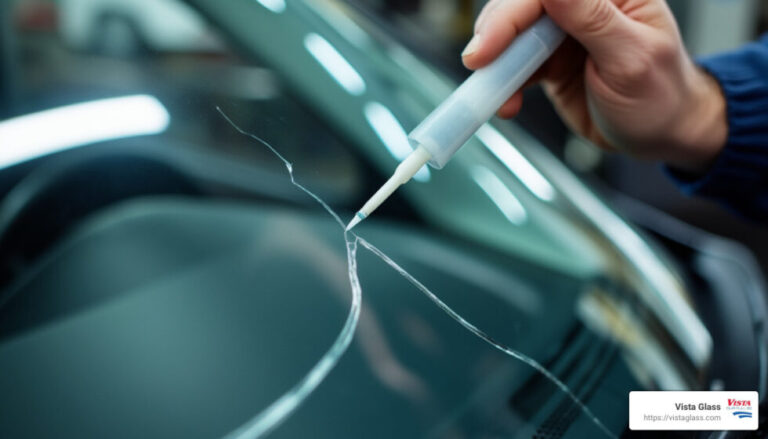
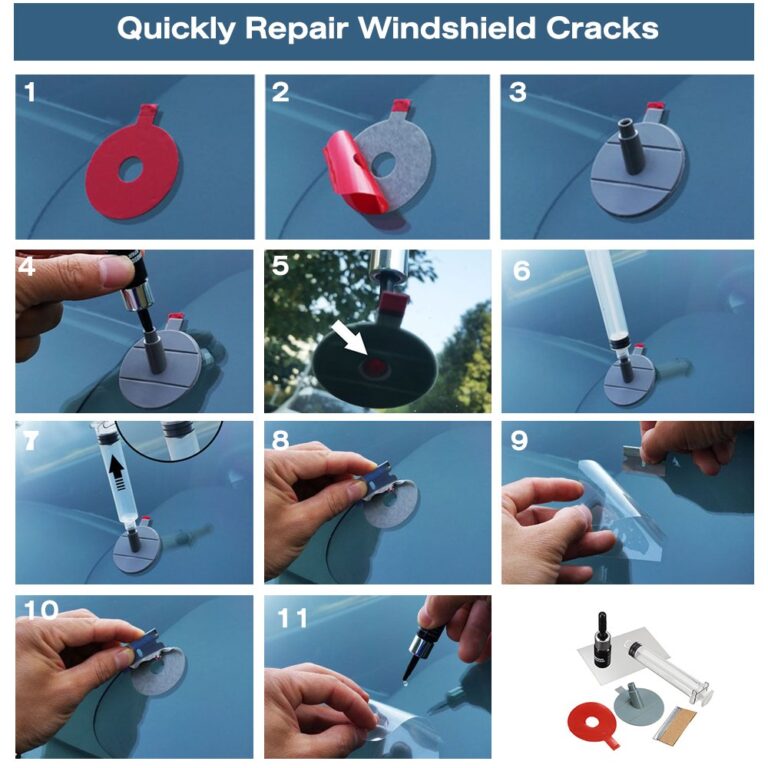
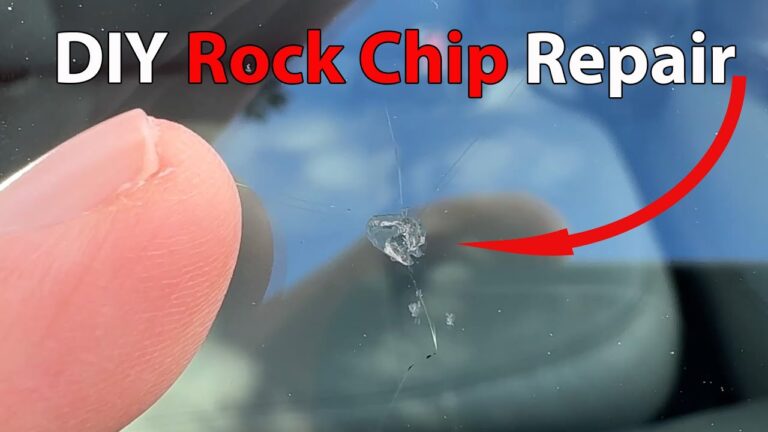
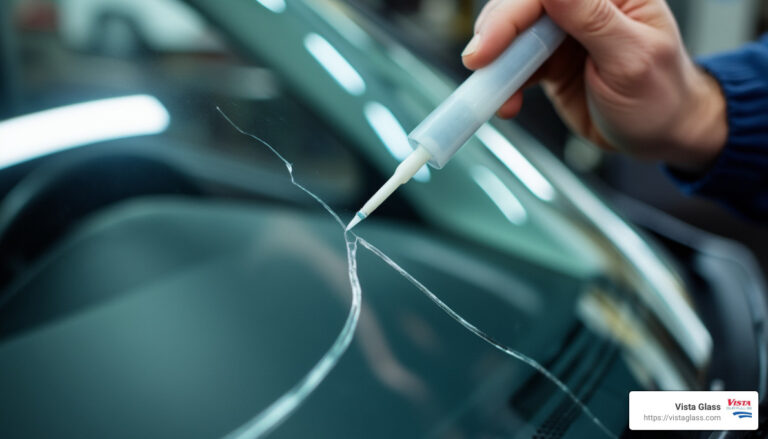
Repair is usually much cheaper than replacement when the damage is small, stable, and located where a professional repair is considered appropriate. Typical chip or small-crack repairs may cost roughly $50 to $150, while replacement begins in the hundreds of dollars and can climb substantially on technology-heavy vehicles.
However, cost should not override safety. Damage that is large, rapidly spreading, near an edge, severe enough to penetrate multiple layers, or positioned where it significantly affects the driver’s view may require replacement. The condition of the glass and the repair standards used by the technician matter more than a simple size rule.
If a small chip appears, arranging an inspection promptly can improve the chance that repair remains possible. Temperature changes, road vibration, vehicle-body movement, moisture, and additional impacts can cause existing damage to spread.
Source: arrowautoglass.com
Consider repair
For limited damage that an auto-glass professional determines can be safely stabilized without replacing the windshield.
Consider replacement
For extensive cracks, severe impact damage, compromised laminated glass, significant edge damage, or damage unsuitable for a durable repair.
Get damage inspected early
Waiting can allow a small chip or crack to spread and convert a relatively inexpensive repair into a full replacement.
Do Not Base the Decision Only on Crack Length
Rules of thumb based on inches can be useful for initial screening, but crack length is not the only consideration. Location, depth, contamination, number of impacts, distance from the windshield edge, and whether the damage interferes with cameras or the driver’s critical viewing area can change the recommendation.
A qualified auto-glass technician should inspect uncertain damage rather than promising repair solely from a general internet measurement.
What to Ask Before Approving a Windshield Replacement Quote
A useful quote should tell you more than the final dollar amount. Ask whether the glass is OEM or aftermarket, whether it matches every factory feature on your vehicle, whether molding and installation materials are included, whether ADAS calibration is required, whether calibration is included in the quoted price, and what workmanship or water-leak warranty applies.
Also ask how long the vehicle must remain stationary before driving. Windshield urethane needs sufficient curing time to achieve the adhesive performance specified for the product and installation conditions. Follow the installer’s safe-drive-away instructions rather than assuming the car can immediately return to normal use.
Glass specification
Confirm that the quote is for the correct windshield configuration and includes required brackets, sensors, heating, acoustic properties, or HUD compatibility.
Calibration
Ask whether the vehicle requires ADAS calibration and whether that service is included in the total.
Total installed price
Confirm whether labor, urethane, moldings, disposal, mobile-service charges, diagnostics, and taxes are included.
Warranty
Ask what the installer covers if the windshield develops a water leak, excessive wind noise, or an installation-related problem.
Safe drive-away time
Follow the specific curing-time instructions provided after installation.
Frequently Asked Questions
Q
How much does it cost to replace a front windshield without insurance?
Without insurance, a U.S. driver generally pays the complete installed price. A basic replacement may be around $250 to $600, while newer vehicles with specialized glass and ADAS equipment can cost $500 to $1,500 or more. The VIN and vehicle options are needed for a reliable quote.
Q
Why does my windshield replacement quote cost more than $1,000?
A four-figure quote can be reasonable when the vehicle needs expensive OEM or specialty glass, a head-up-display-compatible windshield, acoustic glass, heating elements, camera brackets, sensor work, or ADAS calibration. Ask for an itemized explanation so you can see what is contributing to the total.
Q
Is OEM windshield glass worth the extra cost?
The answer depends on the vehicle and manufacturer requirements. Quality aftermarket glass can be suitable for many vehicles, but some ADAS-equipped cars have stricter optical, mounting, or calibration requirements. If the manufacturer specifies OEM glass for a particular system or the replacement must satisfy precise camera requirements, that specification should guide the decision.
Q
Does a new windshield always need ADAS calibration?
No. A vehicle without windshield-mounted ADAS technology normally does not need camera calibration simply because its windshield was replaced. Vehicles with forward-facing cameras often do require calibration after replacement, but the manufacturer’s procedure for the exact model determines what is necessary.
Q
How long does a front windshield replacement take?
The physical installation is often completed within a few hours, but the total appointment can be longer when calibration, diagnostics, curing time, or additional procedures are required. ADAS recalibration alone can take an hour or more on some vehicles. Follow the installer’s stated safe-drive-away time before using the vehicle normally.
Q
Can I drive immediately after a windshield replacement?
Not necessarily. The adhesive used to secure the windshield needs sufficient curing time. The required safe-drive-away period depends on the urethane system, temperature, humidity, vehicle, and installation procedure. Use the specific time provided by the installer.
✦ Wrapping Up
Conclusion
So, how much does front windshield replacement cost in the United States? A practical overall range is about $250 to $1,500 or more. Basic older vehicles are usually nearer the lower end, while newer vehicles with cameras, specialized glass, head-up displays, heating, or other integrated technology can move quickly toward or beyond $1,000.
The most useful estimate is not a generic national average but a complete quote based on your VIN. Make sure it identifies the correct glass, states whether OEM or aftermarket glass is being used, includes installation materials and labor, and clearly shows any required ADAS calibration. Then compare the complete cash price with your comprehensive or glass-insurance deductible before deciding whether to file a claim.
💡 Key Takeaway
Get two or three itemized quotes using your VIN and ask each provider to confirm the glass specification, total installed price, ADAS calibration requirement, warranty, and safe-drive-away time before choosing a replacement.