In the U.S., rear windshield replacement commonly costs about $250 to $700 installed for many passenger vehicles. A basic replacement may cost less, while luxury vehicles, specialty glass, embedded antennas, defroster grids, unusual body designs, and OEM glass can push the bill to $800 to $1,200 or more.
For drivers in the United States, there is no single national price for replacing a rear windshield. Auto glass shops calculate a quote using the vehicle year, make, model, glass availability, installed features, local labor costs, and whether the job requires OEM or aftermarket glass. This explains why two vehicles parked in the same U.S. city can receive substantially different estimates.
The large fixed piece of glass at the back of a car is commonly called the rear windshield, rear window, back windshield, or back glass. Unlike a front windshield, rear glass is often tempered rather than laminated. When tempered rear glass breaks, it normally shatters into many small pieces, so replacement rather than chip repair is usually required. The most useful approach is to compare complete installed quotes rather than comparing the price of the glass panel alone.
How Much Does Rear Windshield Replacement Cost in the U.S.?
A practical U.S. budget for rear windshield replacement is about $250 to $700 for many cars, crossovers, SUVs, and light trucks. The lower end generally applies to readily available glass on straightforward vehicles. Prices move upward when the glass is large, uncommon, heavily equipped, difficult to install, or available from only a limited number of suppliers.
Some basic replacements can fall below $250, particularly when inexpensive aftermarket glass is readily available and the installation is uncomplicated. At the opposite end, $800 to $1,200 or more is possible for luxury vehicles, rare models, specialty laminated rear glass, difficult-to-source panels, or glass containing multiple integrated features.
These figures should be treated as budgeting ranges rather than guaranteed prices. U.S. auto glass pricing varies by ZIP code, vehicle configuration, supplier inventory, taxes, shop rates, and the exact options installed on the car. The vehicle identification number can help a glass shop identify the correct panel when several versions were offered for the same model year.
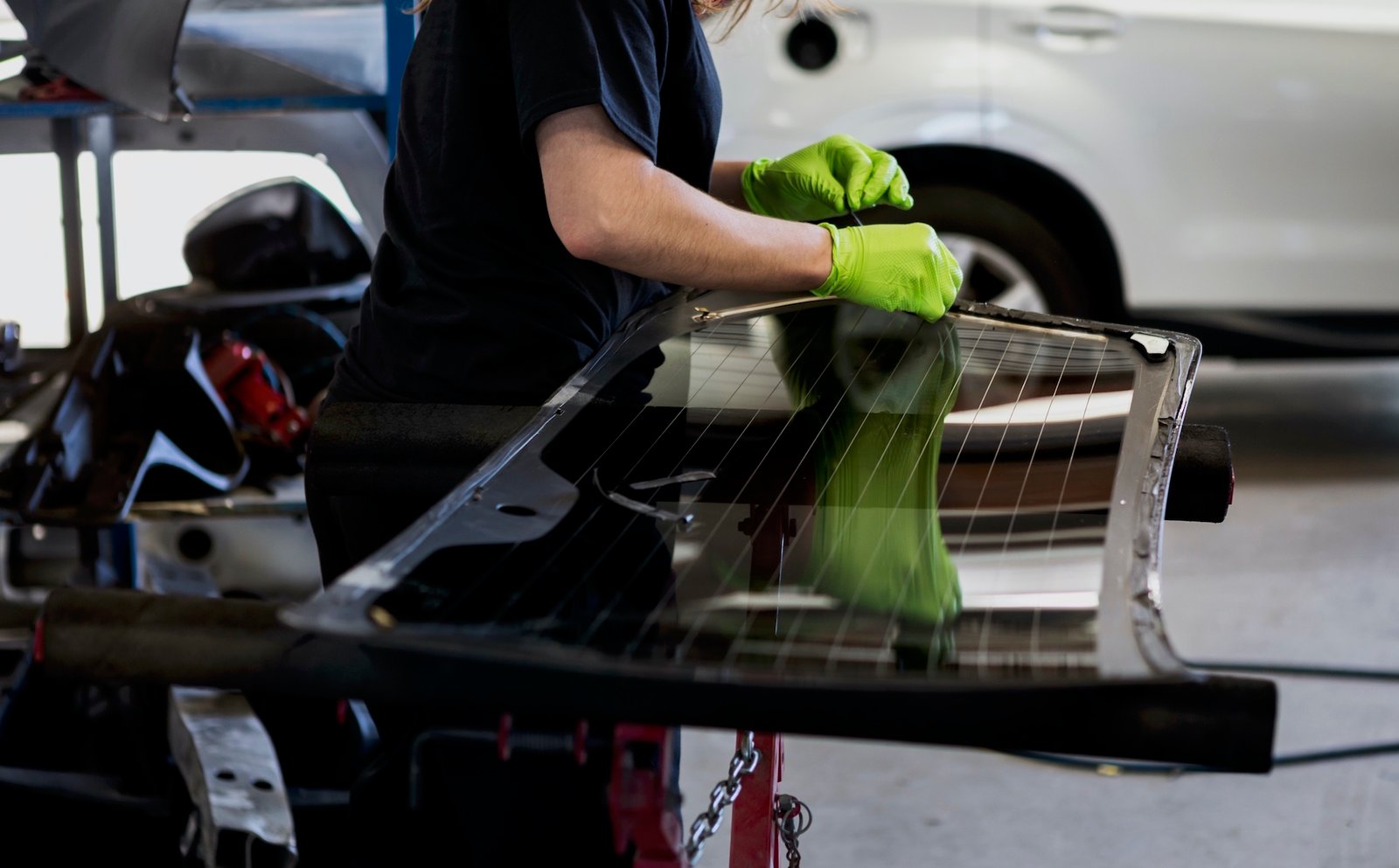
Source: davesmetroautoglassaz.com
Basic replacement
A relatively simple rear glass installation with readily available aftermarket glass may fall around $200 to $400.
Typical replacement
Many U.S. drivers can reasonably budget approximately $250 to $700 for a complete installed rear windshield.
Feature-equipped glass
Rear glass with defrost elements, antennas, special tinting, wiring, trim, or other integrated equipment can cost roughly $400 to $800 or more.
Premium or specialty vehicles
Luxury, rare, large, or technologically complex applications may reach $800 to $1,200 or more.
Example Rear Windshield Replacement Budgets
Consider these as hypothetical budgeting examples rather than model-specific quotes. A compact sedan with widely available aftermarket heated rear glass might receive a quote near $350. A larger SUV with embedded antenna elements and more complicated trim could be closer to $600. A luxury vehicle requiring expensive model-specific glass could approach or exceed $1,000.
The most reliable number is therefore a vehicle-specific installed quote based on the VIN or exact vehicle configuration.
Compact car example
Approximately $250 to $450 for a straightforward replacement with commonly stocked glass.
SUV or truck example
Approximately $350 to $750 depending on glass size, features, access, and availability.
Luxury or specialty example
Approximately $600 to $1,200 or more when specialized glass, trim, electronics, or limited supply increases the cost.
What Affects the Cost of Rear Windshield Replacement?
The vehicle itself is usually the biggest pricing variable. A shop does not price rear glass only by its dimensions. The technician also has to account for the correct glass specification, electrical connections, surrounding molding, body access, adhesive requirements, and any parts that must be removed or replaced during installation.
Glass availability also matters. A mass-market sedan with millions of vehicles on U.S. roads may have multiple aftermarket glass choices. A low-volume luxury model or discontinued vehicle may have fewer suppliers, increasing both part cost and lead time.
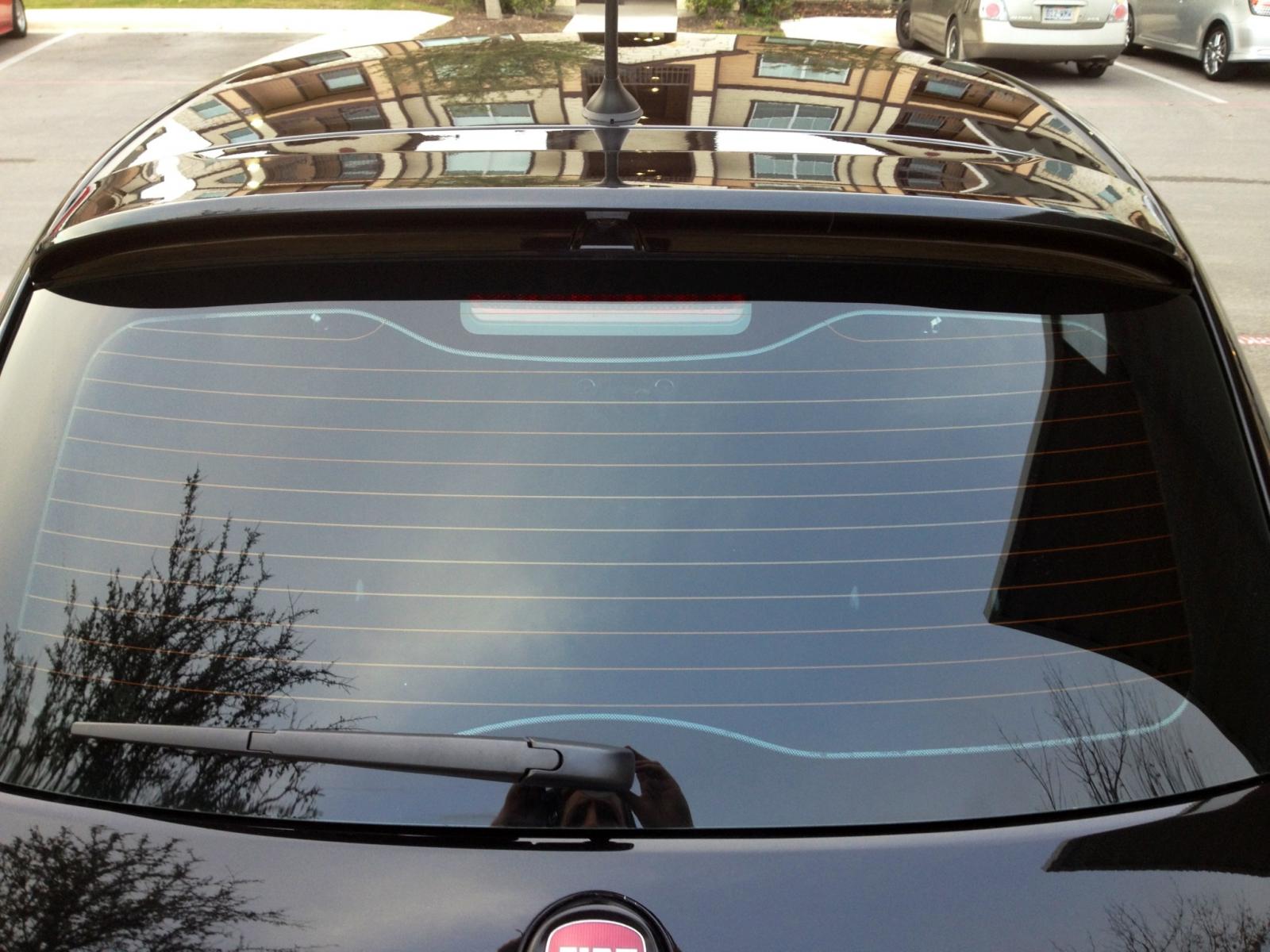
Source: ab-autoglass.com
Year, make, and model
Different vehicles use different glass shapes, attachment methods, moldings, electrical connectors, and installation procedures.
Rear defroster
Heating elements are commonly integrated into rear glass. The replacement must have the correct electrical connections and the technician must verify that the system functions.
Embedded antenna
Some vehicles integrate radio or other antenna elements into the back glass, which can increase the cost of the replacement panel.
Glass availability
Commonly stocked aftermarket glass is generally easier to obtain than rare, discontinued, or dealer-sourced glass.
Vehicle size and design
Large glass panels, unusual hatch designs, spoilers, interior trim, liftgate components, or difficult access can increase parts or labor costs.
Local labor rates
Auto glass labor and operating costs differ across U.S. cities and regions, so the same vehicle can receive different quotes in different ZIP codes.
Does a Rear Defroster Make Replacement More Expensive?
It can. The rear defroster grid is usually part of the glass assembly rather than a separate accessory that is simply transferred from the old window. A replacement panel must match the original electrical configuration, and the installer should reconnect and test the defroster terminals.
Do not assume that every replacement panel supports every factory feature. When requesting a quote, mention the defroster, integrated antenna, privacy glass, tint, wiper opening, brake-light arrangement, and any other feature visible around the rear glass.
Does a Rear Wiper Increase the Cost?
A rear wiper does not automatically make the glass extremely expensive, but hatchbacks and SUVs may require glass with the correct wiper opening and related hardware arrangement. Additional trim or components may also have to be removed for access.
OEM vs. Aftermarket Rear Windshield Cost
OEM and aftermarket glass can produce different quotes. OEM generally refers to glass supplied through the vehicle manufacturer’s parts network or manufactured to its branded specification. Aftermarket replacement glass is produced for the replacement market by glass manufacturers and may cost less.
Price alone does not determine whether a piece of glass is appropriate. The replacement must have the correct dimensions, curvature, tint, ceramic border, defroster pattern, antenna configuration, mounting points, holes, electrical terminals, and other vehicle-specific features.
If maintaining an exact factory-branded specification matters to you, ask specifically whether the estimate includes OEM glass. If price is the main concern, ask whether a properly specified aftermarket alternative is available and how the shop’s warranty applies to it.
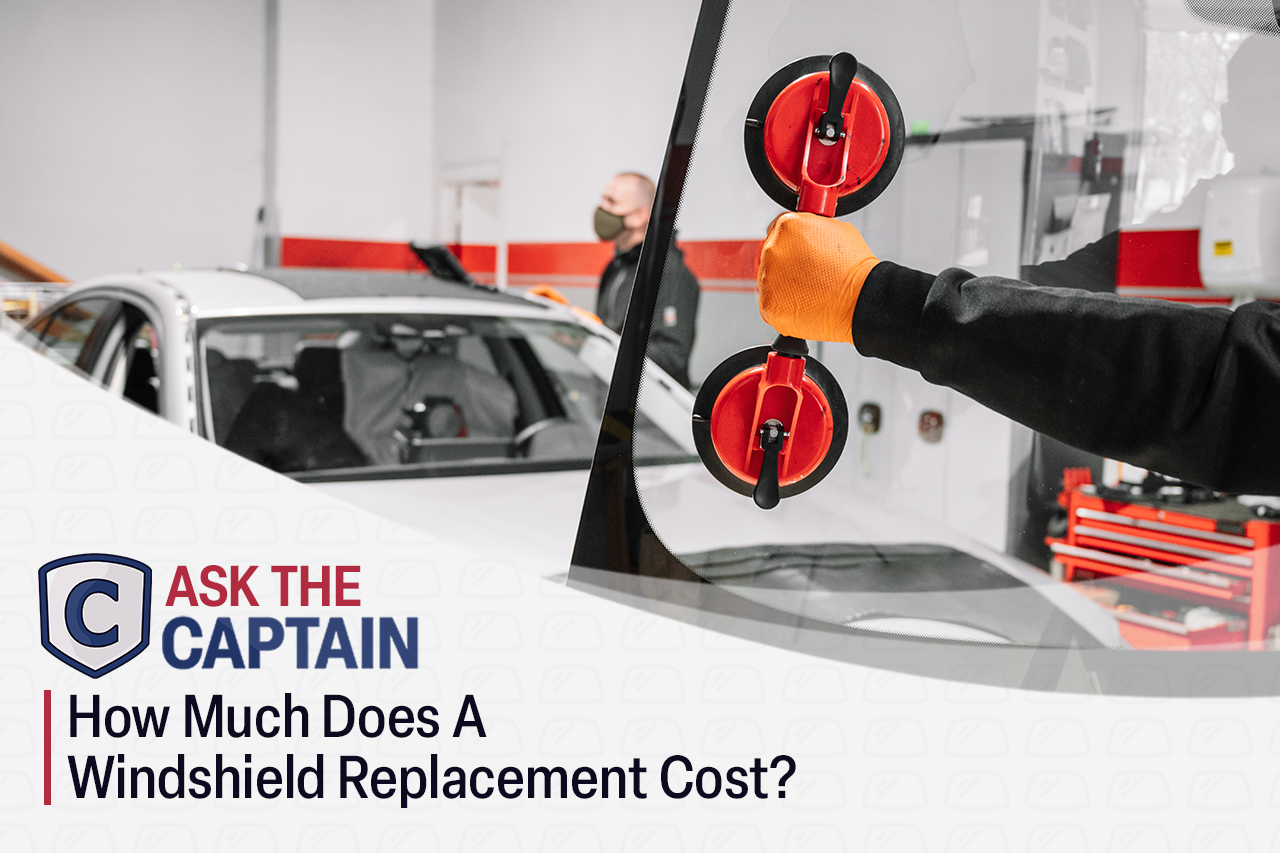
Source: captainautoglass.com
OEM glass
Often carries a higher parts price and may be preferred when exact factory branding or a specific manufacturer-supplied configuration is desired.
Aftermarket glass
Can offer a lower-cost replacement when a properly matched panel is available for the vehicle.
Important comparison
Ask each shop to identify the glass type in its quote. Comparing an aftermarket quote against an OEM quote without recognizing the difference can make one estimate appear misleadingly cheap or expensive.
Should You Automatically Choose the Cheapest Glass?
No. Compare the complete installation rather than choosing solely by the lowest number. Confirm that the glass matches the vehicle’s original functions and ask what warranty applies to leaks, installation workmanship, defects, moldings, and electrical connections.
A quote that is $50 cheaper can become more expensive if required molding, disposal, mobile service, taxes, or another necessary part is added later.
Does Insurance Cover Rear Windshield Replacement?
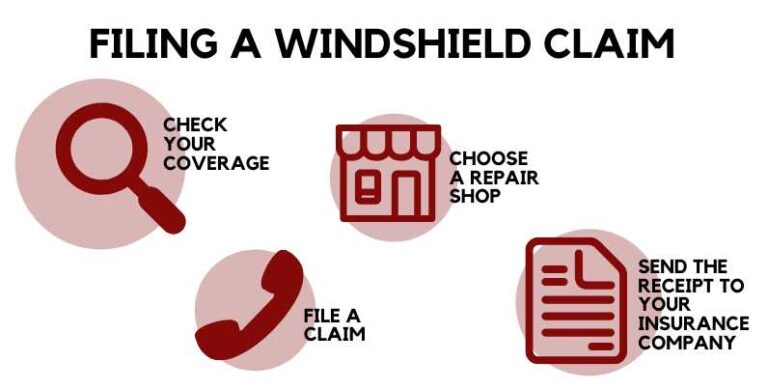
Comprehensive auto coverage can often help pay for broken vehicle glass when the damage results from a covered non-collision event such as vandalism, theft-related damage, hail, a falling object, or another covered peril. Whether you pay nothing, a glass deductible, or your regular comprehensive deductible depends on your insurer, policy, state, cause of loss, and selected coverage.
A common mistake is assuming that a state’s special windshield rule automatically applies to the rear windshield. Laws and policy provisions that waive a deductible specifically for a front windshield may not necessarily extend to back glass. Full-glass options can also differ among insurers and states. Check the definitions and deductible shown in your own policy before authorizing the job.
If the rear windshield was broken during a collision, collision coverage or another driver’s liability coverage may be involved instead, depending on what happened and who is legally responsible.
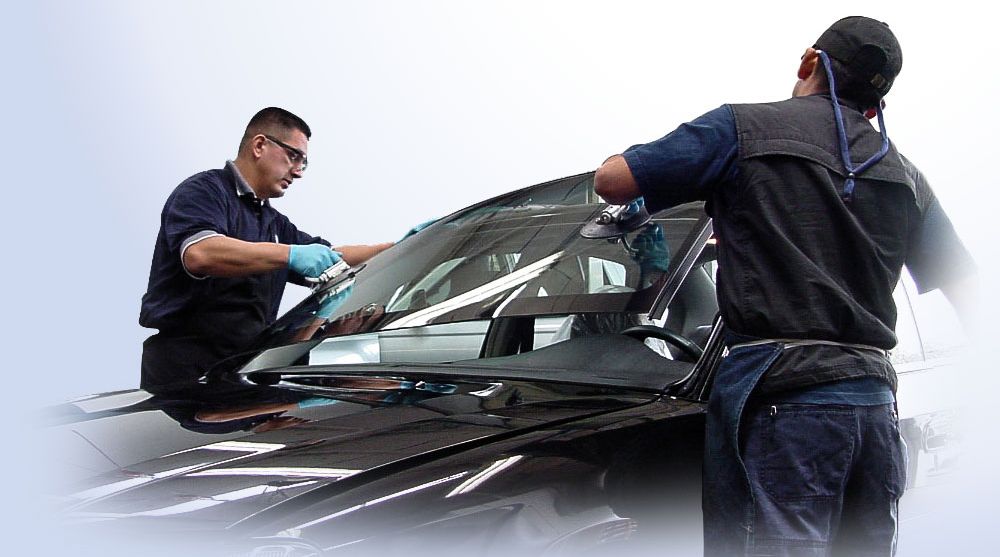
Source: nuvisionautoglass.com
Comprehensive claim
May apply when rear glass is broken by a covered non-collision event.
Deductible
Replacement glass often remains subject to the applicable deductible unless the policy or state-specific coverage provides otherwise.
Full-glass coverage
Some policies or optional glass coverages may reduce or eliminate a deductible for qualifying glass claims, subject to policy and state rules.
Collision-related damage
Glass broken in a crash may fall under collision coverage or a responsible party’s property-damage coverage rather than comprehensive coverage.
Should You File an Insurance Claim?
Compare the installed replacement estimate with your applicable deductible and confirm coverage with the insurer. If the job costs $450 and the applicable deductible is $500, the policy may provide no payment for that particular loss. If the covered replacement costs $900 and your applicable deductible is $250, using insurance may materially reduce the immediate repair bill.
Those numbers are hypothetical examples. Claim handling, deductibles, glass endorsements, limits, and coverage eligibility depend on the individual policy.
What Is Included in Rear Windshield Replacement?
A complete rear windshield replacement involves more than ordering a pane of glass. The technician must make the damaged opening safe, remove remaining material, prepare the mounting surface, install the correct replacement, reconnect applicable features, and check the finished work.
The exact procedure varies because some rear windows are bonded directly to the vehicle body while others are part of hatch, liftgate, convertible, or truck assemblies. Follow the installer’s instructions regarding adhesive curing time, car washes, tape, door slamming, and other post-installation restrictions.
Source: carfromjapan.com
Damage inspection
The shop confirms the broken glass, vehicle configuration, surrounding trim condition, and required replacement part.
Broken glass removal
Loose and damaged glass is removed from the window opening, interior, cargo area, seats, trim, and other accessible locations.
Opening preparation
The technician prepares the bonding or mounting surfaces according to the vehicle and glass installation system.
New glass installation
The properly matched rear glass is positioned and secured using the applicable adhesive, seals, molding, or mounting components.
Electrical reconnection
Defroster terminals, antennas, and other applicable electrical connections are reconnected.
Final inspection
The installer checks fit, visible sealing, electrical functions when applicable, and general installation quality.
How Long Does Rear Windshield Replacement Take?
The physical installation may take around an hour on some straightforward vehicles, but the total service time can be longer. Vehicle complexity, cleanup from shattered glass, trim removal, part preparation, adhesive requirements, and shop workload all influence completion time.
If adhesive is used, ask the technician when the vehicle can be driven or exposed to normal conditions. Do not assume that completion of the installation means every adhesive system has immediately reached its required strength.
Can a Rear Windshield Be Repaired Instead of Replaced?
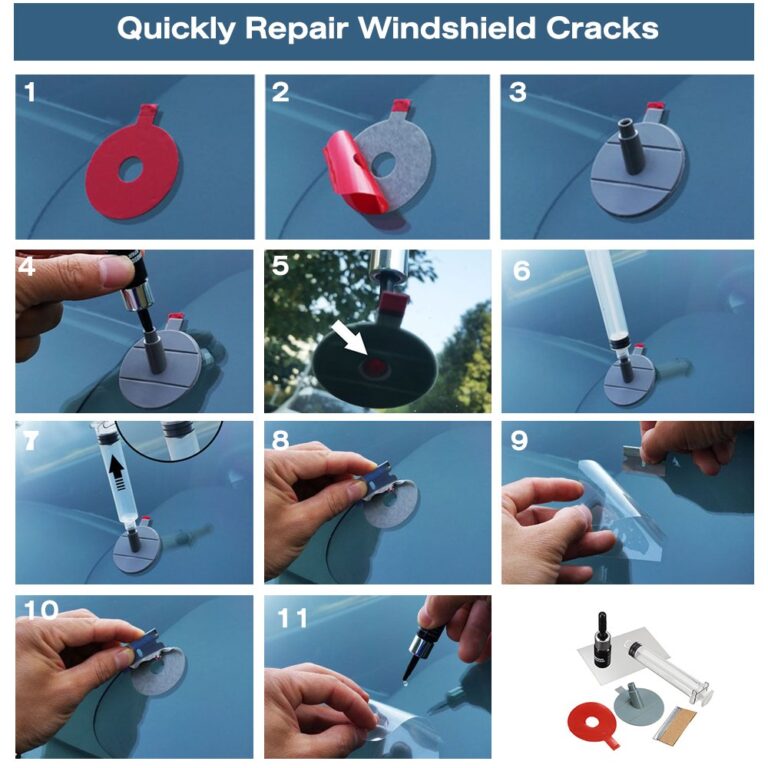
Often, no. Many rear windshields use tempered safety glass. When tempered glass fails, it typically breaks across the panel rather than leaving a repairable isolated chip like one sometimes found in laminated front windshields.
Some vehicles use laminated glass in locations other than the front windshield, so the correct decision depends on the actual glass type, damage, and manufacturer-approved repairability. An auto glass professional can identify the glass and determine whether replacement is required.
How to Get an Accurate Rear Windshield Replacement Quote
The most effective way to avoid surprises is to request complete installed prices from two or three reputable U.S. auto glass businesses using the same vehicle information. Provide the year, make, model, body style, ZIP code, and VIN when requested. Mention any visible features such as heating lines, antenna elements, tint, wiper hardware, spoilers, cameras, or unusual trim.
Ask whether the quoted price is the final installed amount or whether taxes, molding, clips, adhesive, mobile service, disposal, or other fees will be added. Also ask whether the quoted glass is OEM or aftermarket and what warranty covers the installation.
Source: fastglassinc.com
Identify the exact vehicle
Provide the year, make, model, body style, and VIN when needed to prevent ordering the wrong glass.
Describe factory features
Mention the defroster, antenna, tint, rear wiper, spoiler, brake-light arrangement, and other features associated with the glass.
Ask for the installed total
Confirm whether glass, labor, adhesive, molding, cleanup, mobile service, fees, and taxes are included.
Confirm glass type
Find out whether the estimate is based on OEM or aftermarket replacement glass.
Check the warranty
Ask what happens if the installation develops a leak, wind noise, molding problem, glass defect, or electrical issue.
When Is the Lowest Quote Not the Best Value?
Be cautious when one quote is dramatically below every other estimate without an obvious reason. The difference may be legitimate, but ask whether that price includes the same glass specification, molding, mobile service, cleanup, and warranty.
A useful comparison keeps the scope equal. An OEM installed quote should not be compared directly with a bare aftermarket glass price that excludes labor and required materials.
Frequently Asked Questions
Q
How much does it cost to replace a rear windshield without insurance?
Paying out of pocket commonly means budgeting about $250 to $700 for many U.S. vehicles. Basic jobs can cost less, while luxury vehicles, rare glass, OEM parts, large panels, integrated electronics, and complex installations can raise the total to $800 to $1,200 or more.
Get a vehicle-specific quote because the price of replacement glass can vary substantially even between different trim levels of the same model.
Q
Why is rear windshield replacement so expensive?
The bill includes more than a sheet of glass. The replacement may contain heating elements, antenna components, tint, ceramic borders, electrical terminals, mounting provisions, or vehicle-specific shaping. Labor is also required to remove broken glass, prepare the opening, install the panel, reconnect features, and clean the vehicle.
Limited availability can be particularly important. Rare or recently introduced vehicle glass may cost more simply because fewer replacement options are available.
Q
Is a broken rear windshield safe to drive with?
Driving with shattered or missing rear glass can expose occupants to loose glass, rain, debris, exhaust intrusion in some conditions, theft risk, and reduced rear visibility. Loose fragments can continue falling from the opening or interior trim.
If the glass suddenly breaks while driving, stop in a safe location and assess the situation. Do not handle broken glass with bare hands. If visibility, loose glass, weather exposure, or vehicle condition makes driving unsafe, arrange professional assistance rather than continuing the trip.
Q
Does replacing the rear windshield include the defroster?
When the original rear glass contains an integrated defroster grid, the correct replacement glass normally needs the appropriate heating elements and electrical terminals. The installer reconnects the system as part of a properly matched installation.
Confirm this before approving a quote, especially when comparing low-cost glass options. The replacement panel needs to match the vehicle’s original configuration.
Q
Can I replace a rear windshield myself to save money?
Rear glass replacement is usually better suited to a trained auto glass installer. Broken tempered glass can create thousands of sharp fragments, and bonded glass requires correct surface preparation, adhesive selection, positioning, sealing, and curing. Electrical connections and trim can add further complexity.
An installation error can lead to water leaks, wind noise, damaged trim, corrosion around the opening, electrical problems, or poorly secured glass. For most owners, professional installation is the safer practical option.
Q
Will replacing a rear windshield affect the rear defroster?
It should not when the correct replacement glass is installed and the electrical connections are restored properly. After replacement, verify that the defroster operates normally once conditions allow it to be tested.
If only part of the grid works or the system does not turn on after installation, contact the installer so the connections, glass, and related circuitry can be checked.
✦ Wrapping Up
Conclusion
So, how much does rear windshield replacement cost in the United States? For many vehicles, approximately $250 to $700 installed is a realistic starting range. Straightforward replacements can cost less, while luxury models, large or uncommon glass, OEM parts, integrated defrosters, antennas, specialized trim, and limited parts availability can raise the price to $800 to $1,200 or more.
The fastest way to narrow that range is to obtain complete quotes using your exact year, make, model, body style, VIN, ZIP code, and rear-glass features. Compare the same type of glass, confirm everything included in the installed price, and check the workmanship warranty. If the damage may qualify for an insurance claim, review your comprehensive or glass coverage and applicable deductible before authorizing the replacement.
💡 Key Takeaway
Get two or three itemized installed quotes for your exact vehicle and compare glass type, included features, labor, fees, warranty, and your insurance deductible before choosing a rear windshield replacement provider.
Learn how to fold a collapsible windshield sun shade using the simple figure-eight method, plus tips for storage, troubleshooting, and different shade designs.
Learn how to fold a round windshield sun shade correctly without bending the frame. Follow these simple steps, avoid common mistakes, and store it neatly.