In the U.S., windshield replacement with insurance often costs you only your applicable deductible, which may be $0, $100, $250, $500, or another amount specified by your policy.
For U.S. drivers asking how much does windshield replacement cost with insurance, the most important number is usually not the shop’s full replacement price. It is your deductible. If a covered windshield replacement costs $900 and your comprehensive deductible is $250, you would normally pay $250 and the insurer would handle the remaining covered amount. If you have zero-deductible glass coverage or qualify under a state rule that removes the deductible, your out-of-pocket replacement cost may be $0.
The answer changes according to what caused the damage, whether you carry comprehensive or collision coverage, your state, your deductible, and the technology built into the windshield. AAA currently places full windshield replacement broadly in the $250 to $1,500 or higher range. Newer U.S. vehicles with forward-facing cameras, lane-keeping systems, automatic emergency braking, head-up displays, rain sensors, heating elements, or other equipment can cost substantially more because the correct glass and advanced driver assistance system calibration may be required.
This guide explains how insurance pays for windshield replacement in the United States, how to calculate your likely cost before filing a claim, when a deductible may be waived, why modern windshields can exceed $1,000, and how to decide whether using insurance makes financial sense.
How Much Does Windshield Replacement Cost With Insurance?
For most covered U.S. windshield replacement claims, your personal cost is determined by the deductible that applies to the claim. A deductible is the portion of a covered loss that you are responsible for paying before the insurer pays the remaining eligible amount.
Suppose a replacement, installation, and required calibration total $1,100. With a $500 comprehensive deductible, you would generally pay $500 and the insurer would pay the remaining $600, assuming the entire repair is covered and approved. With a $100 glass deductible, you would generally pay $100. With qualifying zero-deductible glass coverage, your direct replacement cost could be $0.
The relationship between the replacement estimate and your deductible is therefore more useful than looking at the windshield price alone. Insurance does not automatically make every windshield replacement free.
Source: captainautoglass.com
Example with a $250 deductible
If a covered windshield replacement is $750, you would generally pay $250 and insurance would pay the remaining $500.
Example with a $500 deductible
If the replacement is $450, insurance may pay nothing because the repair cost does not exceed the deductible.
Example with zero-deductible glass coverage
If an eligible $1,000 windshield replacement is covered under a zero-deductible glass provision, your out-of-pocket replacement charge may be $0.
Typical Windshield Replacement Price Before Insurance
AAA reports that a full windshield replacement can commonly range from about $250 to $1,500 or more. The lower end generally applies to relatively simple windshields without extensive integrated technology. The upper end is more common with luxury vehicles, newer vehicles, specialty glass, and windshields that require ADAS calibration.
A price quote should identify whether it includes the glass, molding or related hardware, labor, disposal, taxes where applicable, and calibration. A low glass-only price can be misleading if calibration is added later.
Basic replacement
A relatively simple windshield may fall in the lower several-hundred-dollar range.
Technology-equipped replacement
Vehicles with cameras and advanced safety systems can reach $800, $1,000, $1,500, or more depending on the vehicle and required procedures.
Luxury or specialty glass
Acoustic glass, heated glass, head-up-display windshields, and model-specific OEM glass can increase the bill.
Simple Formula for Estimating Your Insurance Cost
For a covered claim, a practical estimate is: your out-of-pocket cost equals the lesser of the covered replacement cost or the applicable deductible, unless your policy or state rules waive the deductible.
For example, if your replacement is $1,300 and your deductible is $250, your estimated out-of-pocket amount is $250. If replacement is $400 and your deductible is $500, you may be responsible for the entire $400 because the loss does not reach the deductible.
What Type of Insurance Covers Windshield Replacement?
Comprehensive coverage is the insurance most commonly used for windshield damage that is not caused by a traffic collision. Examples include a rock striking the glass, hail, a falling tree branch, vandalism, theft-related damage, or an animal impact. Comprehensive coverage is optional under state minimum-insurance laws, although a lender or leasing company may require it on a financed or leased vehicle.
Collision coverage can apply when the windshield is damaged in a crash with another vehicle or an object. If another driver is legally responsible for the crash, that driver’s liability insurer may ultimately be responsible for your covered property damage, including windshield damage.
Liability-only insurance on your own vehicle generally does not pay to replace your windshield when there is no responsible third party. Liability coverage primarily protects against damage or injury you cause to others.
Source: autoglassservice.com
Rock or road debris
Usually handled under comprehensive coverage when the loss qualifies.
Hail or falling object
Usually a comprehensive claim.
Vandalism
Typically falls under comprehensive coverage.
Collision you caused
Collision coverage may apply to windshield damage resulting from the crash.
Collision caused by another driver
The at-fault driver’s property-damage liability coverage may pay, depending on fault determination and state rules.
What Is Full Glass Coverage?
Full glass coverage is a policy option available from some insurers and in some states that can reduce or eliminate the deductible for covered glass damage. The exact name, deductible, covered windows, and availability differ by insurer.
Do not assume that comprehensive coverage automatically includes zero-deductible replacement. Check the declarations page, endorsements, or glass-coverage section of your policy for wording such as full glass, safety glass, glass deductible, or zero-deductible glass.
What If You Only Have Liability Insurance?
If you carry only liability insurance and a rock cracks your windshield, your own policy will normally not pay for replacement. You would generally pay the shop directly unless another party is legally responsible and coverage can be established.
This is one reason drivers should verify coverage before authorizing a replacement rather than assuming the word insurance means the claim will be paid.
When Can Windshield Replacement Have a $0 Deductible?
A $0 windshield replacement is possible when your policy includes qualifying zero-deductible glass coverage or when applicable state law removes the deductible for the covered glass claim. The exact protection depends on where the policy is issued, the type of glass involved, the coverage you purchased, and the cause of loss.
As of October 2026, Florida law states that the deductible under qualifying comprehensive or combined additional coverage does not apply to windshield damage. Kentucky law provides complete coverage without regard to a deductible or minimum amount for qualifying motor-vehicle-glass-only claims under policies providing comprehensive or other-than-collision coverage. South Carolina’s current insurance code states that an automobile physical-damage deductible does not apply to automobile safety glass.
These rules should not be interpreted as meaning every resident receives unrestricted free auto glass. The vehicle and loss still need to meet the requirements of the applicable policy and law. Coverage details can also change through legislation, policy renewal, or amendments, so drivers should confirm current terms with their insurer before scheduling work.
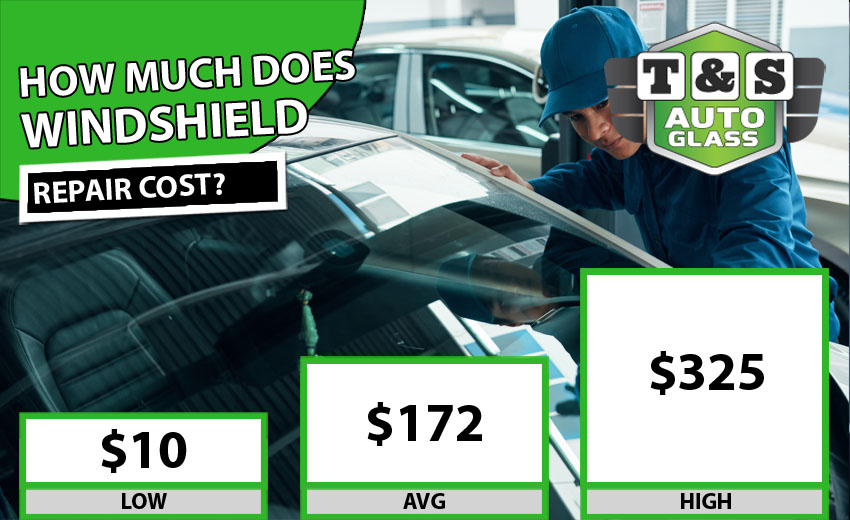
Source: tsautoglass.com
Florida
Qualifying comprehensive policies have special deductible treatment for windshield damage.
Kentucky
Qualifying glass-only claims under applicable comprehensive or other-than-collision coverage receive deductible-free treatment for covered motor vehicle glass.
South Carolina
Current state insurance law provides deductible protection for automobile safety glass under qualifying automobile physical-damage coverage.
Other states
Some insurers offer optional glass endorsements with a separate low or $0 deductible even where state law does not automatically waive the standard comprehensive deductible.
Why Repair May Cost Nothing Even When Replacement Has a Deductible
Many U.S. insurers treat a repairable chip differently from a complete windshield replacement. For example, major insurers state that they may waive the comprehensive deductible for eligible windshield repairs even when a deductible would apply to replacement.
That makes early inspection worthwhile. A small repairable chip can sometimes be fixed before it grows into a crack that requires a new windshield. Repairability depends on the size, depth, number, and location of the damaged areas, as well as whether cameras or the driver’s critical viewing area are affected.
Why Modern Windshield Replacement Can Cost More Than $1,000
The glass itself is only one part of the bill on many modern vehicles. Cameras and sensors mounted at or near the windshield support systems such as automatic emergency braking, adaptive cruise control, lane-departure warning, lane-keeping assistance, traffic-sign recognition, and other driver-assistance functions.
Replacing the windshield can disturb the position or viewing geometry of a forward-facing camera. When the automaker’s repair procedure requires calibration, the camera must be checked and aligned after the new glass is installed. AAA research on selected 2023 vehicles found an average additional windshield-related ADAS calibration cost of about $360 in its study conditions.
That does not mean every calibration costs exactly $360. Actual pricing varies by vehicle, equipment, calibration method, shop labor rate, local market, and whether more than one calibration procedure is necessary.
Source: autoglassestimator.com
Forward-facing cameras
A windshield-mounted camera may require recalibration after replacement.
Head-up displays
Special glass construction may be required to display information clearly without distortion.
Rain and light sensors
Sensor mounts and compatible glass specifications can affect replacement cost.
Acoustic or heated glass
Additional layers, coatings, antennas, or heating elements can make the windshield more expensive.
OEM requirements
Some vehicle procedures specify particular glass characteristics or components that can raise the parts price.
Does Insurance Cover ADAS Calibration?
When calibration is required as part of restoring a covered windshield loss and the procedure is accepted under the claim, it can generally be included in the covered repair amount, subject to policy terms, deductibles, limits, and the insurer’s claims process.
Before installation, ask whether your vehicle requires static calibration, dynamic calibration, or both, and whether the quoted replacement price includes that work. A quote that excludes required calibration is not an accurate estimate of the complete repair.
OEM Glass Versus Aftermarket Glass
OEM glass is supplied to the specifications associated with the vehicle manufacturer, while aftermarket windshields are produced by other glass manufacturers for compatible applications. High-quality aftermarket glass can be appropriate for many vehicles, but the correct choice depends on the automaker’s requirements, camera system, optical specifications, policy terms, and available parts.
If you specifically request OEM glass when the insurer only authorizes a lower-cost equivalent under your policy, you may be responsible for some or all of the price difference. Ask the insurer and glass shop about this before authorizing the work.
Should You File an Insurance Claim for Windshield Replacement?
Start by comparing the complete replacement estimate with your applicable deductible. If the windshield costs $420 and your deductible is $500, filing a first-party claim would generally provide no payment. If the job costs $1,400 because your vehicle needs expensive glass and ADAS calibration, a $250 or $500 deductible can make coverage much more valuable.
Do not make the decision based only on the visible price of the glass. Request an estimate that includes required calibration and related installation charges. Then confirm with the insurer which deductible applies and whether the claim qualifies for separate glass benefits.
You can also ask whether filing a comprehensive glass claim can affect your premium, discounts, claim-free status, or renewal. There is no universal answer. Rating rules, state law, insurer practices, claim history, and policy terms can all matter.
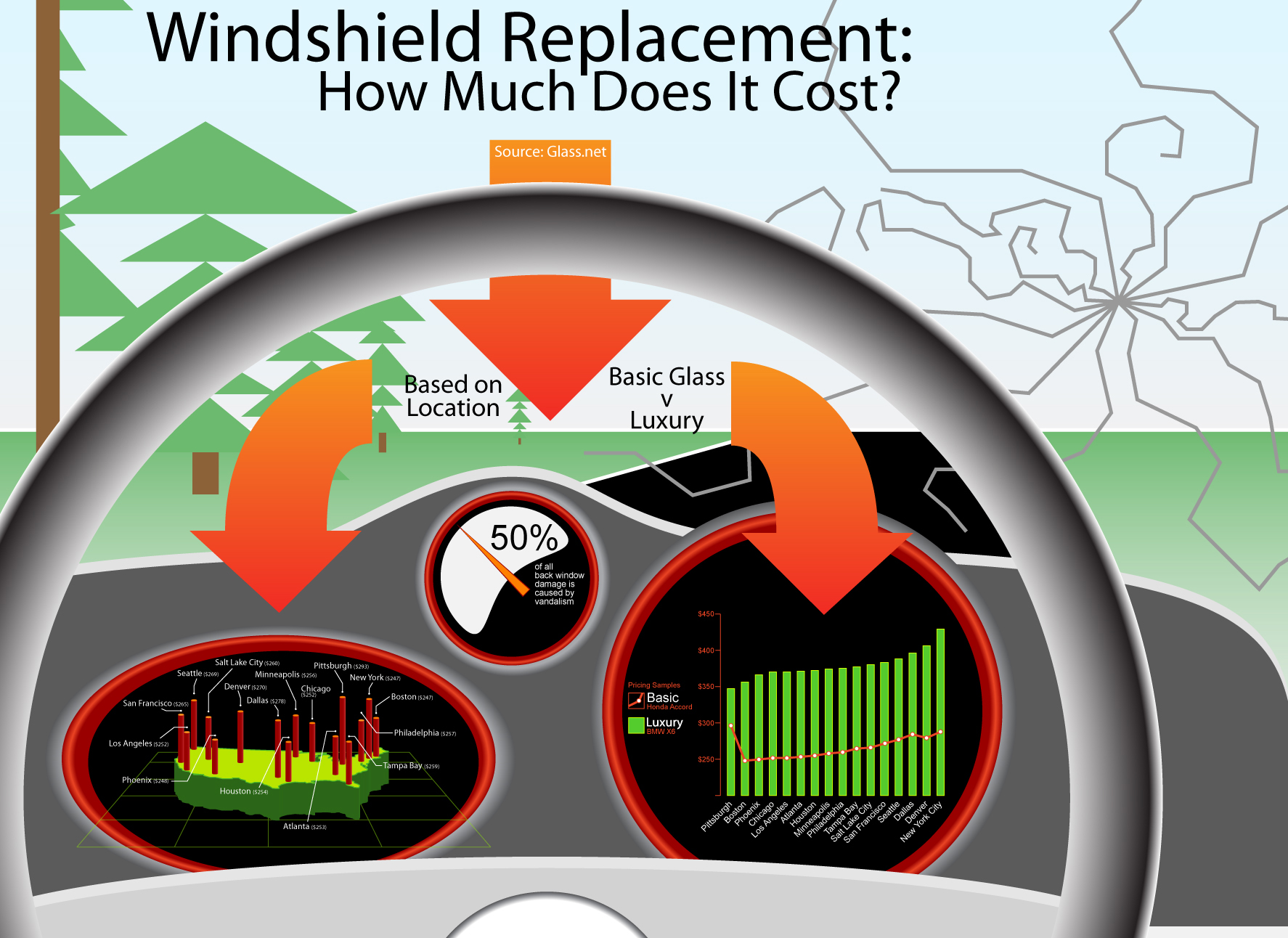
Source: glass.net
Get the full replacement estimate
Include glass, labor, molding, sensors, calibration, taxes, and other required procedures.
Check your deductible
Look at the comprehensive, collision, and any separate glass deductible listed in your policy.
Confirm the cause of damage
The cause determines whether comprehensive, collision, or another driver’s liability coverage is relevant.
Ask about glass-specific benefits
Your policy may waive or reduce the deductible for repair or replacement.
Verify calibration coverage
For an ADAS-equipped vehicle, confirm that required recalibration is included in the approved claim.
File before authorizing work when required
Insurers may require claim reporting, inspection, authorization, or documentation before replacement begins.
When Paying Cash May Make More Sense
Paying cash can be practical when the complete replacement price is below your deductible or only slightly above it. For example, if the replacement is $525 and your deductible is $500, the maximum first-party insurance contribution may be only about $25 if no special glass coverage applies.
Before choosing cash, ask whether the shop’s direct-pay price differs from its insurance-billed price and make sure the quoted amount includes all required work. Do not omit necessary calibration simply to keep the invoice below your deductible.
How to File a Windshield Insurance Claim
Document the damage and contact your insurer or begin a glass claim through its approved claims channel. Provide your policy information, vehicle identification details, date and cause of damage, and photographs if requested. The insurer can then confirm coverage, deductible, and any authorization requirements.
You may be offered an insurer-affiliated glass network, but applicable state law and policy terms can affect your right to choose a repair facility. Ask how payment works if you select a shop outside the network and whether you could owe charges above the insurer’s approved amount.
After replacement, keep the invoice and any ADAS calibration documentation. If your vehicle displays warning lights or driver-assistance features do not operate normally after the work, contact the installer promptly and avoid relying on an affected safety feature until the system has been checked.
Common Mistakes That Increase Windshield Costs
Waiting too long after a chip appears can allow the damage to spread and turn a repairable defect into a full replacement. Another common mistake is comparing glass-only quotes without checking whether calibration is required. Drivers can also create unexpected costs by requesting premium or OEM glass without first learning what the policy authorizes.
A windshield contributes to visibility and vehicle structure and may support cameras used by safety systems. Replacement should therefore be treated as a safety repair rather than simply a cosmetic glass job.
Delaying chip repair
Temperature changes, road vibration, and additional impacts can allow a small chip to spread.
Ignoring calibration
Skipping required ADAS procedures can leave safety systems improperly aligned.
Assuming every glass claim is free
A deductible commonly applies unless your policy or state rules provide otherwise.
Authorizing work before checking coverage
You could lose the opportunity to follow the insurer’s required claim or approval process.
Frequently Asked Questions
Q
How much will I pay for a windshield replacement with a $500 deductible?
If the claim is covered and your applicable deductible is $500, you generally pay up to $500. If the complete covered replacement costs $1,100, the insurer may pay about $600 after your deductible. If the replacement costs only $400, you may pay the full $400 because the loss is below the deductible.
A separate glass deductible or a zero-deductible provision can change that result.
Q
Will comprehensive insurance pay for a cracked windshield?
Comprehensive coverage generally applies when the windshield is damaged by a non-collision event such as flying road debris, hail, vandalism, falling objects, or an animal. Payment remains subject to the policy’s deductible and other terms unless a glass-specific benefit or applicable state rule changes the deductible.
Q
Is it better to repair a windshield chip instead of replacing the glass?
Repair is usually preferable when a qualified technician determines the damage is safely repairable. It costs less, preserves the original windshield installation, and some insurance policies waive the deductible for eligible repairs.
Replacement may be necessary when the crack is too large, penetrates deeply, reaches a critical edge, interferes with the driver’s view, affects a camera area, or cannot be restored safely.
Q
Does a windshield insurance claim increase car insurance rates?
A glass or comprehensive claim does not have one universal effect on premiums. Whether it affects future pricing or discounts can depend on state insurance rules, the insurer’s rating plan, your overall claim history, the type and number of claims, and other permitted rating factors.
Ask your insurer how a glass claim is treated under your specific policy before filing when the financial benefit of the claim would be very small.
Q
Does insurance pay for windshield camera calibration?
When ADAS calibration is required as part of a covered windshield replacement and is accepted under the claim, insurers can include it in the covered repair cost subject to the policy’s terms. Confirm approval before the work begins because vehicle requirements and insurer procedures vary.
Q
Can I choose my own windshield replacement shop?
Drivers may generally have choices, although claim procedures and state rules vary. An insurer may recommend or administer claims through a preferred glass network. Ask whether an independent shop can bill the insurer directly and whether choosing an out-of-network provider could leave you responsible for charges above the approved amount.
Q
How much does windshield replacement cost without insurance?
A full U.S. windshield replacement can commonly run from roughly $250 to $1,500 or more. Basic vehicles tend to cost less, while newer vehicles with cameras, sensors, head-up displays, specialty glass, or required calibration can exceed $1,000.
Get a vehicle-specific quote using the VIN when possible because two trim levels of the same model can use different windshields.
✦ Wrapping Up
Conclusion
So, how much does windshield replacement cost with insurance in the United States? For a covered claim, you will commonly pay the deductible listed for the applicable coverage rather than the full replacement bill. Depending on your policy and state, that could mean $0, $100, $250, $500, or another deductible amount. If the total repair costs less than your deductible, insurance may provide no payment.
The most accurate approach is to get a complete windshield estimate, including any required ADAS calibration, and compare it with your comprehensive, collision, or glass deductible. Also verify whether your policy includes full-glass coverage or whether your state provides special deductible treatment. Modern windshields can be expensive, so checking these details before authorizing replacement can prevent a significant surprise.
💡 Key Takeaway
Check your policy’s comprehensive and glass deductible, obtain a complete replacement quote including calibration, and compare the two amounts before deciding whether to file an insurance claim.