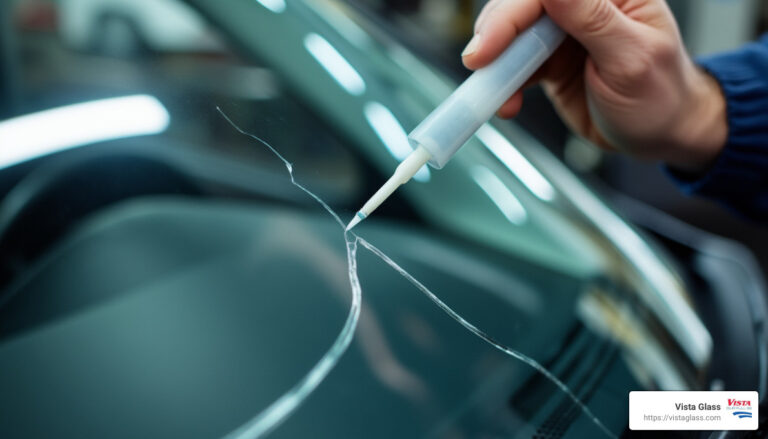
Your windshield may have cracked without warning because of sudden temperature changes, hidden rock damage, pressure on the glass, poor installation, or stress near the edges. A crack that seems random often has an underlying cause that was hard to see.
Across the United States, drivers face many conditions that can put stress on a windshield. A car parked in the Arizona sun may face extreme surface heat, while a vehicle in Minnesota may experience freezing mornings and rapid changes in temperature. Even a routine drive across a pothole-filled road can put extra strain on already damaged glass.
If you are asking, why did my windshield randomly crack, you may have returned to your parked car and found a long line across the glass. There may be no obvious rock mark, no sign of a collision, and no clear moment when the damage began. This can happen when a small flaw grows under pressure or when a temperature change pushes weakened glass past its limit.
The first step is to look at where the crack starts, whether there is a visible impact point, and how far it extends. These clues can help explain what happened, but they cannot always confirm the cause. A qualified auto glass technician can inspect the damage and determine whether repair or replacement is appropriate.
What Does It Mean When a Windshield Cracks Randomly?
A windshield that cracks randomly has developed a fracture without an obvious event that explains it. The damage may have started earlier and remained too small to notice. Later, heat, cold, vibration, or pressure can make the fracture visible.
Most modern passenger vehicles in the United States use laminated windshield glass. It consists of two layers of glass bonded to a plastic inner layer. This construction helps hold the glass together when it cracks, but it does not make the windshield immune to damage.
A stress crack is a fracture caused by forces within the glass or its mounting, rather than a clear, direct impact at the point where the crack begins. An impact crack, by contrast, often has a small pit, chip, or central point from which lines spread outward. The two can look similar, so appearance alone is not proof of the cause.
The key distinction is that a crack can become visible long after the original weakness formed. Finding no fresh damage does not necessarily mean the glass failed without a physical reason.
Source: nuvisionautoglass.com
Stress-related damage
A crack may start near an edge or another weak point when temperature changes or mounting pressure create uneven stress.
Impact-related damage
A small stone or other road debris may leave a tiny mark that later develops into a longer crack.
Delayed crack growth
An old chip or fine fracture may stay small for a time, then spread after the glass experiences another change in temperature or pressure.
Why Is There No Visible Impact Mark?
Small impacts can be hard to spot, especially in bright sunlight, poor lighting, or a windshield covered with dust. A stone may also strike near the edge, where the trim makes the damage difficult to see. Once a fracture spreads, the original point may no longer be easy to identify.
A smooth-looking crack that begins near the edge may suggest stress-related damage, but it does not prove that no object struck the glass. A technician should inspect the entire fracture and look for a possible impact point before drawing a conclusion.
Check the starting point
Look for a small chip, pit, or star-shaped mark without pressing on the glass.
Check the crack direction
Note whether the line starts at the edge or spreads from a central point.
7 Common Reasons Your Windshield Cracked Without Warning
Several conditions can explain a windshield that appears to crack on its own. Temperature changes, hidden impacts, edge flaws, and mounting problems are among the main possibilities. More than one factor may be involved, so the timing of the crack is only one clue.
Source: carfromjapan.com
1. Sudden temperature changes
Glass expands when heated and contracts when cooled. If different parts of the windshield change temperature at different rates, stress can build up and trigger a crack at a weak point.
2. A hidden rock chip
A small stone can hit the windshield during highway driving and leave damage that is hard to see. Normal driving stress or later temperature changes may cause the flaw to spread.
3. Extreme heat or direct sunlight
A parked vehicle can heat unevenly in strong sun. If part of the glass is shaded or the cabin is cooled quickly, the resulting temperature difference can place extra stress on a damaged area.
4. Freezing weather and defroster heat
On a cold morning, hot air directed at a cold windshield can create a sharp temperature difference. Existing chips and edge flaws may be more likely to grow under this stress.
5. Damage near the windshield edge
A small nick, an old chip, or damage hidden under the trim can weaken the glass near its perimeter. Stress may then cause a crack to run inward.
6. Poor installation or uneven mounting pressure
A windshield that was not fitted or bonded correctly may experience uneven pressure. If a crack appears soon after replacement, the installation deserves inspection, although timing alone does not prove a workmanship problem.
7. Vehicle vibration, body flex, or rough roads
Potholes, uneven pavement, and normal body movement can add stress to the glass and its frame. These forces may extend an existing crack or expose a weak area.
Can a Windshield Crack From Heat Alone?
Heat can contribute to windshield cracking, but the conditions matter. A rapid temperature difference across the glass is often more relevant than the outside temperature alone. Existing damage, edge flaws, and mounting stress can make the glass more vulnerable.
For example, a car parked in direct summer sun may have a very hot windshield. Turning the air conditioner to its coldest setting and directing the vents at the glass may create a sudden temperature difference. If the windshield already has a weak spot, a crack may start or spread.
Heat does not mean every healthy windshield will crack. Glass quality, the size and location of any flaw, mounting conditions, and the speed of temperature change all affect the outcome.
Reduce sudden cooling
After parking in strong sun, cool the cabin gradually instead of directing the coldest air straight at the windshield.
Avoid thermal shock
Do not pour cold water on hot glass or use extreme heat to thaw a frozen windshield.
Can Cold Weather Make a Windshield Crack Overnight?
Yes, a crack can appear to develop overnight during cold weather. A small flaw may have been present before the temperature dropped, then expanded as the glass cooled. If the vehicle’s heater warms the inner surface quickly while the outside remains cold, the difference can add further stress.
This does not mean every overnight crack is caused by the weather. A hidden impact, damage at the edge, or a mounting issue may also explain the fracture. A technician can assess these possibilities by examining the crack pattern and surrounding glass.
Use the defroster gradually
Begin with a moderate temperature and airflow, then increase them as the glass warms.
Clear ice gently
Use a suitable ice scraper and avoid boiling water or forceful impacts on the glass.
How to Identify the Likely Cause of a Random Windshield Crack
The crack’s location, shape, and timing can help narrow down the likely cause. These clues are useful for describing the damage to an auto glass technician, but they cannot confirm the cause in every case. Do not push on the glass or try to widen the crack to inspect it.
Source: unfinishedman.com
A crack that begins at the edge
This pattern can point to stress, edge damage, or mounting pressure, especially when no impact mark is visible. A hidden impact remains possible.
A star-shaped crack
Several short lines spreading from a central point often indicate an impact. A small stone may have caused the damage.
A circular or bull’s-eye mark
A round impact area may indicate a stone strike. The mark can look small even when the surrounding glass has internal damage.
A long, smooth line
A long line with no clear central impact may be consistent with a stress crack. Its length and position affect whether repair is possible.
A crack that grows after using the heater or air conditioner
This timing suggests that a temperature change may have helped the fracture spread. It does not prove that temperature was the original cause.
A crack soon after windshield replacement
The installer may need to check the glass fit, bonding, edge condition, and surrounding frame. A new impact or temperature change may also be responsible.
What Should You Check First?
Park in a safe place and look at the windshield from outside without pressing on it. If you can do so safely, note the crack’s starting point, approximate length, and whether there is a visible chip. Take a photo for the technician and record any recent event, such as a temperature change, road impact, or glass replacement.
Next, consider whether the crack crosses the driver’s normal field of view, reaches the windshield edge, or has spread quickly. These details help the technician assess the damage and decide whether the vehicle can be driven safely to an inspection.
Record the conditions
Note recent weather, direct sunlight, use of the defroster, and any rough-road impact.
Look for earlier damage
Check for small chips or pits that may have existed before the long crack appeared.
Arrange a professional inspection
Ask the technician to assess the fracture pattern, glass edge, mounting, and visibility impact.
Is It Safe to Drive With a Windshield That Cracked Randomly?
A cracked windshield can affect visibility and the vehicle’s safety systems. Whether it is safe to drive depends on the crack’s location, length, depth, growth, and effect on the driver’s view. A small crack does not automatically make every trip unsafe, but it should not be ignored.
The windshield does more than block wind and rain. Its laminated construction helps keep occupants inside the vehicle during a crash, and the windshield can contribute to the performance of the passenger-side airbag and the vehicle’s roof structure. The degree of support depends on the vehicle design and the condition of the glass and its bonding.
If the crack blocks your view, spreads rapidly, reaches the edge, or is accompanied by loose glass or visible separation, do not assume the vehicle is safe to drive. Arrange professional help and consider towing if driving would be unsafe.
Source: hitchesguide.com
The crack crosses the driver’s view
Light, glare, and oncoming headlights can make the damage more distracting. Do not drive if you cannot see the road clearly.
The crack reaches the edge
Edge cracks can be harder to repair and may indicate a problem that needs replacement.
The crack is growing
Rapid growth suggests the glass is under ongoing stress. Avoid unnecessary driving and arrange prompt inspection.
The glass has loose or separated sections
This can indicate a serious condition. Do not continue driving; seek professional assistance.
The vehicle has cameras or sensors near the glass
A replacement may require camera calibration or other procedures specified by the vehicle manufacturer.
Can a Small Crack Turn Into a Large One?
Yes. A small fracture can grow as the glass expands and contracts, the vehicle moves, or the windshield experiences vibration. A chip that looks stable while the car is parked may spread during a later drive or temperature change.
There is no reliable timetable for crack growth. Some fractures remain similar in size for a while, while others extend quickly. Avoiding sudden temperature changes and rough roads may reduce additional stress, but these steps cannot guarantee that the crack will stop.
If a crack begins to grow, arrange an inspection as soon as practical. Waiting can reduce repair options and may turn a minor glass issue into a replacement job.
Avoid slamming doors
Close doors normally and avoid creating unnecessary pressure changes while the glass is damaged.
Avoid rough roads when possible
Choose a smoother route only if the vehicle remains safe to drive and the route does not create another safety risk.
Do not press or tap the crack
Physical pressure may worsen the fracture and will not help identify its cause.
Can a Random Windshield Crack Be Repaired or Must It Be Replaced?
Whether a windshield can be repaired depends on the type of damage, its size, its depth, its location, and the repair standards used by the technician. A small chip or limited impact fracture may be repairable, while a long stress crack often calls for windshield replacement.
A proper repair uses a special resin to fill suitable damage and restore some of the glass’s integrity. It may improve the appearance, but it usually does not make the mark disappear completely. Repair is not the right answer for every crack, especially when the damage affects visibility or reaches a vulnerable edge.
Replacement involves removing the damaged windshield and fitting new glass with the correct bonding materials and procedures. The installation matters because the windshield is part of the vehicle’s safety system. If the car has driver-assistance cameras mounted near the windshield, the replacement process may also require calibration.
Source: texasreliableautoglass.com
Repair may be suitable
A small impact chip or limited fracture may qualify if it is within the repair limits of the technician’s standards and does not compromise the driver’s view or the glass structure.
Replacement may be needed
A long crack, edge crack, damage affecting the driver’s field of vision, or a fracture that compromises the glass may require a new windshield.
Inspection is essential
There is no single size limit that applies to every vehicle, damage pattern, or repair method. A trained technician should make the final assessment.
What if the Crack Appeared After a Recent Installation?
If your windshield cracked shortly after replacement, contact the installer and ask for an inspection. The technician can check the glass for edge damage, review the fit and bonding, and look for pressure points around the frame. Keep photos and the installation receipt if you have them.
Do not assume that the installer caused the crack solely because it appeared soon after the work. A new stone impact, rapid temperature change, or another source of stress may have occurred. A careful inspection is more useful than guessing.
Ask whether the glass and installation are covered by any applicable workmanship or parts warranty. Coverage varies by provider and policy, so review the written terms rather than assuming that all cracks qualify.
Contact the original installer
Explain when the crack appeared and whether you noticed an impact, temperature change, or other event.
Request a documented assessment
Ask the technician to record the crack’s location, possible impact marks, and any installation concerns.
Will Auto Insurance Cover a Random Windshield Crack?
Coverage depends on your policy, the cause of the damage, your deductible, and the rules in your state. Comprehensive coverage often applies to certain non-collision glass damage, but a deductible or policy exclusion may affect the amount paid. Some policies provide separate glass coverage or different deductibles.
Before authorizing work, contact your insurer and ask whether the damage is covered, whether an inspection is required, and whether you can choose your repair provider. Do not assume that a random crack will automatically qualify for free repair or replacement.
Review your coverage
Check comprehensive coverage, glass-specific terms, deductibles, and any relevant exclusions.
Keep your records
Save photos, inspection notes, repair estimates, and installation documents if the cause is disputed.
How to Prevent Your Windshield From Cracking Again
You cannot prevent every windshield crack, but a few simple habits can reduce avoidable stress and help you catch damage early. The goal is to limit sudden temperature changes, protect the glass from impacts where possible, and repair small chips before they spread.
Start by checking the windshield from time to time, especially after a long highway drive, a hailstorm, or a sharp temperature change. Look for small pits and chips, including damage near the edges. Early inspection can help preserve repair options.
Source: ar.inspiredpencil.com
Warm or cool the cabin gradually
Use moderate heating or cooling at first. Avoid sending extreme hot or cold airflow directly at glass that has been exposed to very different temperatures.
Never pour hot or cold water on extreme-temperature glass
Sudden temperature changes can create uneven stress. Use a proper defrosting method instead.
Repair chips promptly
A small chip can grow with vibration and temperature changes. A technician can determine whether early repair is suitable.
Keep a safe following distance
More distance from trucks and other vehicles can reduce exposure to some road debris, though it cannot eliminate impact risk.
Avoid unnecessary impact and pressure
Do not hit the glass to remove ice or press on a damaged area. Use suitable cleaning and ice-removal tools.
Choose qualified installation service
If the windshield needs replacement, use a qualified provider that follows the vehicle manufacturer’s installation requirements.
What Should You Do Immediately After Finding a Crack?
First, assess whether the damage affects your view or appears unstable. If the windshield presents an immediate visibility or safety concern, do not drive the vehicle. Contact an auto glass professional or roadside assistance for guidance.
If it is safe to inspect the parked vehicle, photograph the crack and note its approximate size and starting point. Avoid washing the glass with extreme-temperature water, using force on the crack, or attempting a repair that is not suitable for the damage.
Arrange an assessment as soon as practical. Describe any recent temperature changes, road impacts, or windshield installation. This information may help the technician narrow down the cause and recommend the correct next step.
Protect visibility
Do not continue driving if the crack blocks your view or creates an unsafe driving condition.
Avoid worsening the damage
Keep sudden heat, cold, pressure, and rough handling to a minimum.
Get a professional decision
Ask whether the windshield qualifies for repair or needs replacement, and whether any cameras require calibration.
Common Mistakes to Avoid When a Windshield Cracks
A sudden crack can be frustrating, especially when you cannot see what caused it. However, a few common reactions can make the damage harder to manage or delay the right repair. Focus on protecting visibility and getting a reliable assessment instead of trying to prove the cause yourself.
Source: nuvisionautoglass.com
Assuming the weather is the only cause
Temperature changes can trigger or extend a crack, but hidden impacts, edge damage, mounting pressure, and other factors may also contribute.
Waiting because the crack looks stable
A crack can spread later as temperature and road conditions change. Arrange an inspection even if the line has not grown yet.
Trying to stop a crack by pressing on it
Pressure cannot reliably stop a fracture and may make the damage worse.
Using a repair kit on every crack
Consumer kits are not suitable for all damage types. A long crack, an edge fracture, or damage in the driver’s view may require professional replacement.
Assuming every random crack proves poor workmanship
A recent installation is worth checking, but timing alone does not establish fault. An inspection can help distinguish a possible installation problem from impact or environmental damage.
Ignoring vehicle-specific safety systems
A replacement windshield may need to meet specific glass, bonding, and camera-calibration requirements. Confirm these needs with a qualified provider.
Frequently Asked Questions
Q
Why did my windshield randomly crack while parked?
A parked car can experience temperature changes that place stress on the windshield. Direct sunlight, a sudden cool-down, a hidden chip, or damage near the edge may explain why a crack appeared while the vehicle was not moving. The crack may also have begun earlier and become visible later.
Look for an impact mark without touching the damaged area, take a photo, and arrange an inspection. The timing alone cannot confirm the cause.
Q
Can a windshield crack without being hit by a rock?
Yes. A windshield can develop a stress crack when uneven heating, cooling, mounting pressure, or an existing flaw places too much stress on a weak area. A visible rock strike is not required for this type of fracture.
However, small impacts can be hard to see. A technician should examine the crack before concluding that it formed without an impact.
Q
Can turning on the air conditioner cause a windshield to crack?
Rapid cooling can contribute to cracking when the windshield is very hot, especially if one area cools much faster than another. The risk is more concerning when the glass already has a chip, edge flaw, or existing fracture.
Use the air conditioner gradually and avoid directing the coldest airflow at very hot glass. This may reduce thermal stress, but it cannot guarantee that damaged glass will remain intact.
Q
How can I tell if my windshield has a stress crack?
A stress crack may begin at or near the windshield edge and extend inward without a clear impact pit. An impact crack often spreads from a small central chip or damaged spot. These patterns can offer clues, but they are not definitive proof.
Have a qualified auto glass technician inspect the crack, its starting point, and the surrounding glass. Avoid using tools or pressure to test the fracture yourself.
Q
Should I replace a windshield that cracked on its own?
Not every random crack requires replacement, but long cracks, edge cracks, damage in the driver’s field of view, and fractures that compromise the glass often need a new windshield. Small, suitable impact damage may qualify for repair.
The correct choice depends on the crack’s location, size, depth, and effect on safety. A qualified technician can assess the damage and explain the available options.
Q
Can a windshield crack overnight because of cold weather?
Yes. Cooling can cause glass to contract, while a heater can warm the inner surface faster than the outside. If a chip or weak point already exists, the difference in temperature may cause the fracture to grow or become noticeable.
Cold weather is only one possible explanation. Hidden impact damage and installation or edge problems should also be considered.
Q
Will insurance pay for a windshield that cracked randomly?
Your policy determines whether the damage is covered. Comprehensive insurance may cover certain non-collision damage, while a deductible, state rules, or policy exclusions may affect the final cost. Some policies offer separate glass coverage.
Contact your insurer before authorizing work and ask what documentation is needed, which providers you can use, and whether repair or replacement is covered.
✦ Wrapping Up
Conclusion
If you are wondering why your windshield randomly cracked, the answer often involves a hidden weakness and a force that made it grow. Sudden temperature changes, small road impacts, edge damage, uneven mounting pressure, and vehicle vibration are all possible explanations. A crack that appears without warning does not necessarily mean the glass failed for no reason.
Start by checking where the crack begins and whether it affects your view. Avoid sudden heating or cooling, do not press on the damaged glass, and arrange a professional inspection. If the crack blocks your vision, spreads quickly, or appears to compromise the windshield, do not drive until the safety concern has been addressed.
The right repair depends on the damage, not just how or when it appeared. A qualified auto glass technician can assess whether repair is suitable, whether replacement is needed, and whether the vehicle requires additional safety-system calibration.
💡 Key Takeaway
Take a clear photo of the crack, note any recent weather changes or possible impacts, and contact a qualified auto glass technician. If the damage affects visibility or the windshield’s integrity, avoid driving and arrange safe assistance.
Learn how to unclog a windshield washer hose, check for blockages, restore washer fluid flow, and identify when a damaged hose or pump needs replacement.