How to Read Color Code on Car: Complete Paint Code Guide
How to read color code on car paint is important when you need to match your vehicle’s original factory finish for touch-ups, repairs, or repainting. The color code is a unique identifier assigned by the manufacturer that tells you the exact paint formula used on your vehicle.
The complete details are explained below. You will learn where to find your car’s paint code, how different manufacturers label color codes, how to identify the correct paint match, and why the color name alone is not enough for accurate repairs.
How to Read Color Code on Car Paint
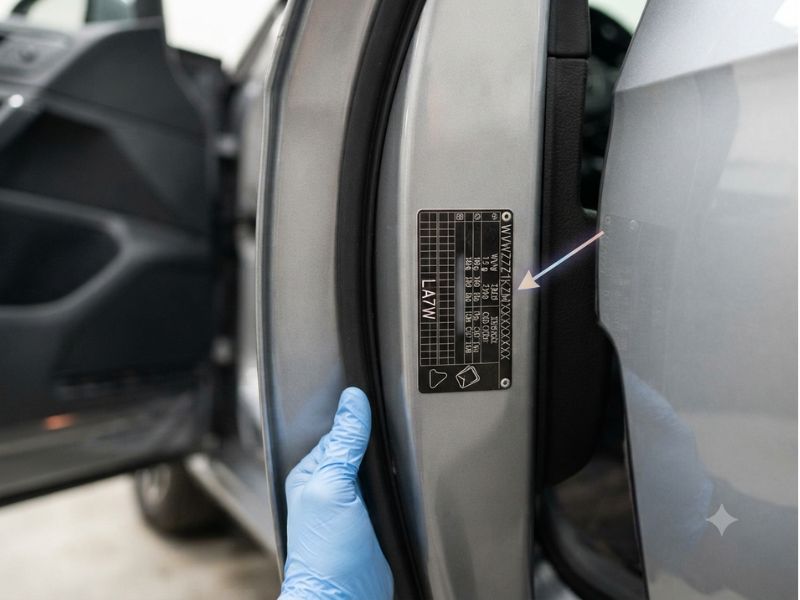
A car color code is a combination of letters, numbers, or both that identifies the exact factory paint color of your vehicle.
Unlike a simple color name such as “black,” “white,” or “silver,” a paint code represents a specific formula created by the manufacturer.
For example:
- A vehicle may be called Crystal White
- Another vehicle may be called Arctic White
- Both may look similar but use completely different paint formulas
The color code allows paint suppliers, body shops, and owners to create a closer match to the original factory finish.
A typical paint code may look like:
- NH-797M
- WA8555
- K1X
- 040
- LB9A
- U8624
The format depends on the manufacturer.
Where Can You Find the Color Code on a Car?
The location of the paint code depends on the vehicle brand and model.
Common locations include:
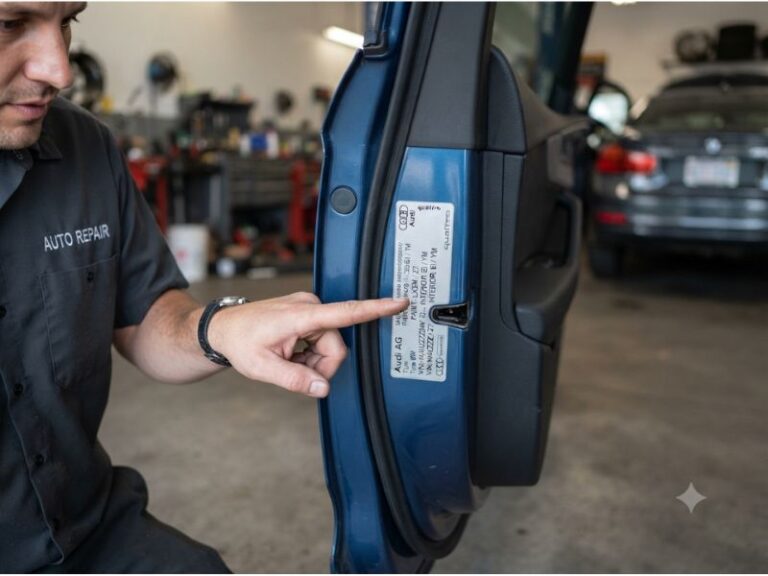
Driver Side Door Jamb
The most common location is the sticker or label inside the driver-side door opening.
Look for terms such as:
- Paint
- Color Code
- C/TR
- Exterior Paint
- Body Color
- Paint No.
Vehicle Information Sticker
Many vehicles have a manufacturer label containing:
- VIN
- Tire information
- Manufacturing details
- Paint code
This sticker may be located:
- Inside the driver door
- Door pillar
- Door frame
- Glove box area
- Trunk area
Under the Hood
Some manufacturers place paint information:
- On the firewall
- Under the hood support area
- Near the radiator support
- On the strut tower
Spare Tire Area or Trunk
Some vehicles have a build sticker inside:
- Trunk lid
- Spare tire compartment
- Cargo area
Owner’s Manual or Dealer Records
Some vehicles include paint information in original paperwork.
If the sticker is missing, a dealer may be able to identify the paint code using the vehicle identification number (VIN).
How to Identify the Paint Code on the Label
Once you find the vehicle information sticker, look for specific labels.
Common abbreviations include:
- C/TR – Color and trim
- PNT – Paint
- COLOR – Exterior color
- EXT PNT – Exterior paint
- BC/CC – Base coat/clear coat information
The paint code may appear next to these labels.
For example:
C/TR: 040A
The “040” may represent the exterior paint color.
Another example:
WA8555
This is a common General Motors paint code format.
Do not confuse other numbers on the sticker with the paint code. The VIN, manufacturing number, option codes, and trim codes may appear nearby.
Why You Need the Exact Color Code
Using the correct paint code is essential because factory colors often have small differences.
A vehicle manufacturer may produce multiple shades of the same basic color.
For example, a “silver” vehicle could have:
- Light silver metallic
- Dark silver metallic
- Platinum silver
- Ice silver
- Titanium silver
The differences may seem small, but they become obvious when repairing a damaged area.
The correct paint code helps ensure:
- Better color matching
- Proper metallic appearance
- Correct pearl effect
- Factory-like finish
- Less visible repair areas
How Car Manufacturers Format Paint Codes
Different manufacturers use different paint-code systems.
Toyota Paint Codes
Toyota paint codes are often short combinations of numbers and letters.
Examples:
- 040
- 1G3
- 202
- 070
Toyota labels may show the code near:
- C/TR
- Color
- Trim information
Honda Paint Codes
Honda often uses codes containing letters and numbers.
Examples:
- NH-731P
- B-92P
- R-81
Honda codes may include:
- NH = neutral hue
- PB = pearl blue
- R = red
General Motors Paint Codes
GM commonly uses codes beginning with:
- WA
- U
- L
Examples:
- WA8555
- U8624
GM paint information is often found on a Service Parts Identification label.
Ford Paint Codes
Ford paint codes are commonly short letters and numbers.
Examples:
- YZ
- UX
- G1
- M7
Ford usually places paint information on the driver-side door label.
BMW Paint Codes
BMW paint codes often include names and numbers.
Examples:
- 300 Alpine White
- A52 Space Gray
- B39 Mineral Gray
The code may be located on a vehicle identification label.
Does the VIN Tell You the Car Color?
The VIN itself usually does not directly contain the paint color.
The VIN identifies information such as:
- Manufacturer
- Model
- Engine type
- Production information
- Vehicle options
However, manufacturers and dealers can use the VIN to access build records that may include the original paint code.
If your paint label is missing, a dealership may be able to retrieve the factory color information using the VIN.
How to Match Car Paint Using the Color Code
After finding the paint code, you can purchase matching paint from:
- Automotive paint suppliers
- Dealership parts departments
- Online automotive paint stores
- Touch-up paint manufacturers
Provide:
- Vehicle year
- Manufacturer
- Model
- Paint code
The supplier uses the code to create the correct paint formula.
For the best results, confirm whether your vehicle uses:
- Solid paint
- Metallic paint
- Pearl paint
- Tri-coat paint
- Matte finish
Some colors require multiple layers to achieve the factory appearance.
Why Paint Code Alone May Not Create a Perfect Match
Even with the correct paint code, the repaired area may not perfectly match the surrounding paint.
This happens because vehicle paint changes over time.
Factors include:
- Sun exposure
- Weather conditions
- Washing chemicals
- Previous repairs
- Paint fading
- Clear coat aging
A 10-year-old vehicle with the same factory paint code may not have the exact same shade as a new replacement panel.
Professional body shops often perform color blending to make repairs less noticeable.
How to Read a Paint Code From a Used Car
When buying a used vehicle, checking the paint code can help confirm the original color.
Compare:
- Paint code on the label
- Exterior body color
- Repaired panels
- Color differences between panels
If one panel looks noticeably different, it may indicate:
- Previous accident repair
- Repainted body panel
- Replacement part
- Poor paint matching
The paint code itself does not reveal accident history, but it can help identify inconsistencies.
How to Find Car Paint Code Without the Sticker
If the paint label is missing, you still have several options.
Check Vehicle Documents
Look through:
- Original paperwork
- Window sticker
- Service records
- Warranty documents
Contact a Dealer
A dealer may retrieve factory information using:
- VIN
- Vehicle build records
Use Automotive Paint Databases
Professional paint suppliers often have databases containing manufacturer paint information.
Provide:
- Year
- Make
- Model
- VIN if available
Check Hidden Labels
Some vehicles have multiple labels. Look in:
- Trunk area
- Under carpet
- Spare tire compartment
- Under hood
Can You Use a Universal Car Color Code?
No.
There is no universal color code system for all vehicles.
A code like “white” or “black” is not enough because manufacturers create many different shades.
Even the same color name can represent different formulas between:
- Manufacturers
- Model years
- Countries
- Production plants
Always use the manufacturer-specific paint code.
Difference Between Paint Name and Paint Code
Many vehicles have a marketing color name and a technical paint code.
Example:
Color Name:
Midnight Black
Paint Code:
202
The color name is designed for customers.
The paint code is designed for:
- Paint manufacturers
- Body shops
- Parts suppliers
- Repair technicians
For accurate matching, always use the paint code rather than the color name.
Can a Car Scanner Read the Paint Code?
Most OBD2 scanners cannot read the vehicle’s paint code.
The paint code is usually stored in manufacturer build information, labels, or databases rather than standard diagnostic modules.
Some professional dealership systems may access factory build information using the VIN, but a normal OBD2 reader will not display exterior color information.
An OBD scanner is designed for diagnosing electronic systems, not identifying vehicle appearance specifications.
Tips for Buying Touch-Up Paint
Before buying touch-up paint:
- Find the exact paint code.
- Confirm the vehicle year and model.
- Check whether the paint is metallic or pearl.
- Buy from a reputable supplier.
- Test the color on a hidden area first.
Touch-up paint works best for:
- Small chips
- Minor scratches
- Small exposed areas
Large repairs usually require professional preparation, blending, and clear coat application.
Final Thoughts
So, how to read color code on car paint starts with finding the manufacturer’s paint label and identifying the correct combination of letters and numbers.
The paint code tells you the exact factory color formula, while the color name only gives a general description. Always use the paint code when ordering touch-up paint or repairing damaged areas.
Remember that the code provides the correct starting formula, but factors like fading, previous repairs, and paint condition can affect the final match. For large repairs or perfect results, professional color matching and blending may still be necessary.