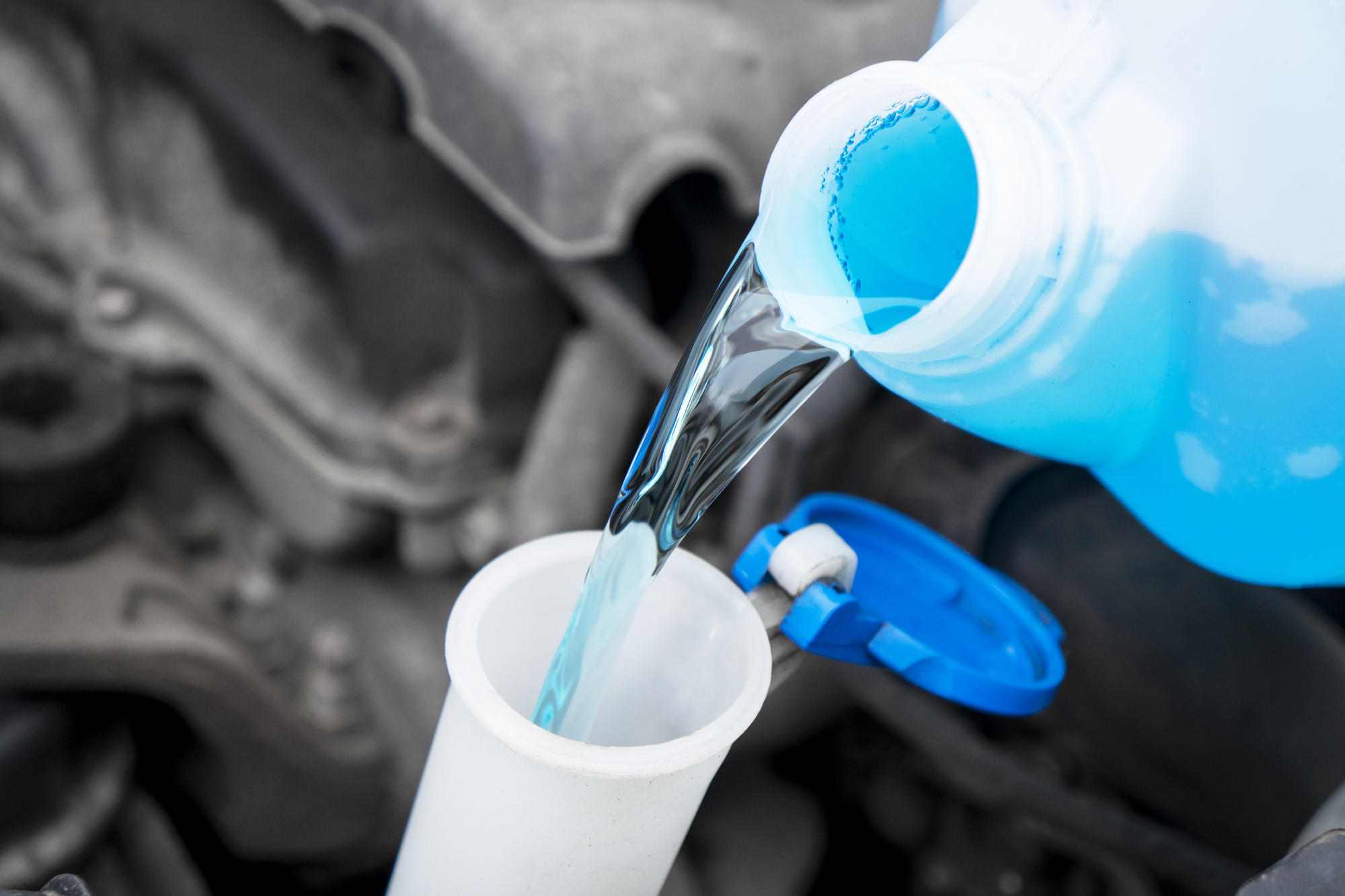
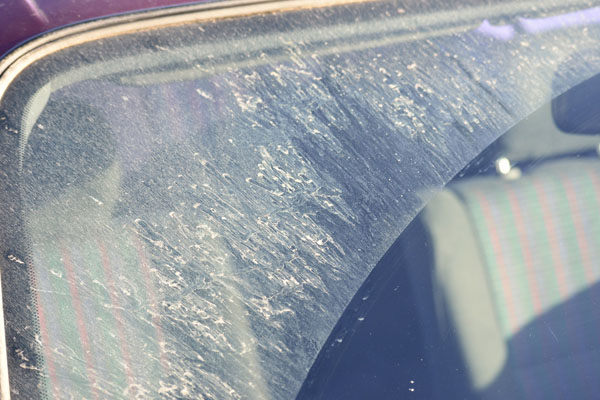
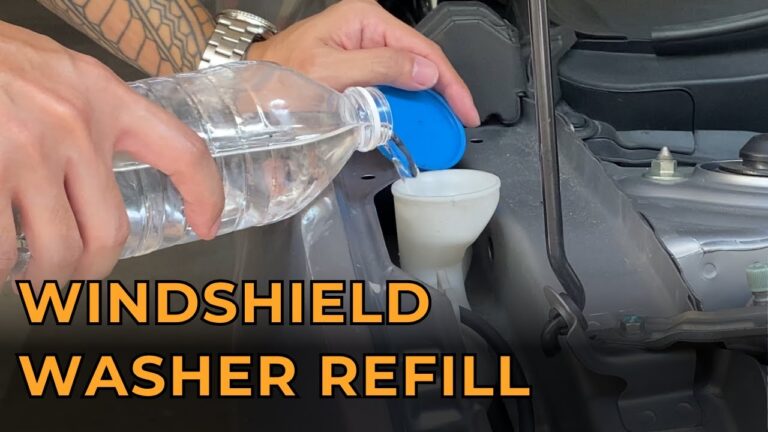
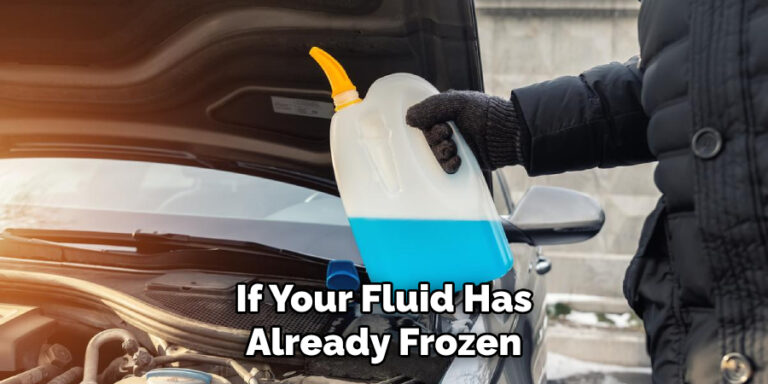
No, windshield washer fluid is not completely universal. Many standard formulas work in most cars, trucks, and SUVs, but the right choice depends on the weather, cleaning needs, vehicle instructions, and any special washer system requirements.
Across the United States, drivers face very different weather conditions. A car in Florida may need fluid that removes bugs and road grime, while a vehicle in Minnesota needs a formula that can resist freezing during winter. This means that one bottle of windshield washer fluid may not be the best choice for every driver or every season.
Most conventional vehicles use standard washer fluid sold at auto parts stores, gas stations, and big-box retailers. However, washer fluids differ in their freeze protection, cleaning agents, additives, and intended uses. Some vehicles also have special washer systems or manufacturer recommendations that deserve attention before you refill the tank.
The safest approach is simple: check your owner’s manual, choose a fluid suited to your local climate, and follow the product label. Standard washer fluid is often interchangeable between ordinary vehicles, but that does not make every formula suitable for every condition. Choosing the right product helps keep your windshield clear without exposing the washer system to avoidable problems.
Universal windshield washer fluid usually means a product intended for use in many makes and models of vehicles. It does not mean that one formula works equally well in every climate or washer system. The word universal often describes broad vehicle compatibility rather than unlimited performance.
Most conventional washer systems have a reservoir, an electric pump, hoses, spray nozzles, and windshield wipers. The fluid sits in the reservoir until the driver activates the washer control. The pump then sends it through the hoses and onto the windshield, where the wipers spread it across the glass.
Because these systems perform similar tasks, many standard washer fluids can be used across different vehicle brands. A typical passenger car does not usually need a fluid made for one specific automaker. Still, the product must meet the system’s needs and the weather conditions in which the vehicle operates.
A universal label should never replace a compatibility check. Some products have limits involving temperature, intended use, or special vehicle equipment. The label and owner’s manual provide better guidance than the word universal alone.
Source: carblogindia.com
Broad vehicle compatibility
A standard automotive washer fluid is generally suitable for many conventional vehicles when the product label and owner’s manual do not state otherwise.
Climate-specific performance
A fluid that works well in warm weather may freeze in winter. Check its stated temperature protection before use.
System-specific requirements
Vehicles with special washer equipment may have requirements that are not covered by a general-purpose product.
Is Universal Fluid Safe for Every Car Brand?
Many standard fluids can be used in vehicles from brands such as Ford, Chevrolet, Toyota, Honda, and Hyundai. The automaker’s name alone does not usually determine which conventional washer fluid is acceptable. The important factors are the vehicle’s washer system, the product’s intended use, and the conditions in which the car is driven.
Check the owner’s manual if you are unsure. If it identifies a particular fluid specification or warns against certain additives, follow that guidance. Do not assume that a product is approved by a manufacturer simply because its label says it is universal.
Ordinary washer systems
A general-purpose automotive fluid will often be suitable when it meets the vehicle’s requirements.
Special washer systems
Follow the manual for systems with special cleaning features or other specific fluid requirements.
What Are the Main Types of Windshield Washer Fluid?
Windshield washer fluid comes in several types because drivers face different cleaning problems and temperatures. Some products are made for everyday use, while others focus on summer insects, winter freeze protection, or stubborn road film. Knowing the main differences helps you choose a formula that suits your needs.
The most useful distinction is not the fluid’s color or brand. It is the product’s stated purpose and temperature rating. Read the bottle to find out what the formula is designed to do and whether it needs to be diluted before use.
Source: evpulse.com
All-season washer fluid
This type is designed for routine cleaning under a stated range of weather conditions. Check its temperature limit before relying on it during a cold spell.
Winter washer fluid
This formula is designed to resist freezing at a stated temperature. The actual protection depends on the product and the conditions of use.
Summer washer fluid
Summer formulas often focus on bugs, dust, pollen, and road film. They may not provide enough protection during freezing weather.
Bug-removal fluid
These products target insect residue and other organic grime. Their cold-weather performance must still be checked separately.
Concentrated washer fluid
Concentrates require the dilution stated on the label. Adding too much water can reduce cleaning strength and freeze protection.
Water-repellent washer fluid
Some formulas leave a water-repellent treatment on the glass. Confirm compatibility with your vehicle and avoid products that leave haze or interfere with wiper performance.
Which Type Works Best in Summer?
In warm states such as Texas, Arizona, and Florida, summer or all-season washer fluid may be a practical choice. A bug-removal formula can help loosen insect residue, dust, and road grime that build up during highway driving. However, warm weather does not remove the need to check the product label.
If temperatures can fall below freezing where you live, choose a product with suitable cold-weather protection rather than relying on a summer formula all year. Regional weather can change quickly, especially during travel.
For bugs and road film
Choose a labeled formula designed to remove insect residue and stubborn grime.
For year-round driving
Use an all-season formula only if its temperature range covers the weather you expect.
Which Type Works Best in Winter?
Winter washer fluid is designed to help prevent the fluid from freezing in cold conditions. In states such as Minnesota, Wisconsin, and Michigan, a product with an appropriate low-temperature rating may be essential. Drivers in other areas should also consider overnight lows, mountain travel, and sudden cold snaps.
Do not choose a winter formula based only on the word winter. Read the stated temperature limit and follow the instructions for the product. The rating describes the manufacturer’s stated performance under specified conditions; it does not guarantee that every part of a vehicle’s washer system will remain free of ice in every situation.
Check expected low temperatures
Choose a product whose stated protection covers the conditions you are likely to encounter.
Allow for travel conditions
A trip through colder regions may call for a different formula than your usual local driving.
Can You Mix Different Windshield Washer Fluids?
Different windshield washer fluids may be chemically compatible, but mixing them is not always a good idea. Combining products can change their cleaning performance or reduce the freeze protection you expect. The outcome depends on the ingredients, concentrations, and amounts of each fluid.
For example, adding a summer formula to a winter formula can weaken the winter blend’s ability to resist freezing. The final mixture may no longer provide the temperature protection stated on either bottle. This matters most when overnight temperatures are low or when the vehicle will travel through a cold region.
Mixing two ordinary fluids for a short time may not cause a problem, but there is no universal rule that every combination is safe or effective. If you know the reservoir contains a different formula, check both product labels before topping it up. When the mixture’s contents are unknown and freeze protection matters, avoid guessing.
Source: thegww.com
What If You Already Mixed Two Fluids?
If you accidentally mixed two conventional washer fluids, do not panic. The next step depends on the products and the weather. In mild conditions, the mixture may continue to work, but you should not assume it retains the strongest claims from either bottle.
If freezing temperatures are expected, consult the labels and the vehicle manual. A qualified mechanic can help if the system’s contents are unknown or if the washer system has stopped working. Do not add random chemicals to try to correct the mixture.
Check both labels
Look for temperature ratings, dilution instructions, and any warnings about mixing.
Do not rely on the best rating
The final mixture may offer less freeze protection than the stronger product’s label suggests.
Get help when needed
Seek professional advice if the system freezes, leaks, or stops spraying after a mixture change.
Is Windshield Washer Fluid the Same as Water?
No. Windshield washer fluid is a formulated cleaning liquid, while plain water lacks many of the ingredients used to remove road film, grease, and insect residue. Water may rinse away loose dust in some situations, but it is not a full substitute for an appropriate automotive washer fluid.
Water also freezes at a temperature that can be reached during ordinary winter weather in many parts of the United States. Ice in the reservoir, hoses, or nozzles can prevent the system from working. Repeatedly activating a pump when the system is frozen may place extra strain on it.
Some concentrated washer products require water to be added before use. In that case, follow the exact mixing directions on the label. Do not assume that every concentrate can be mixed at the same ratio or that extra water will preserve its cleaning strength and cold-weather performance.
Source: i5.walmartimages.com
Can You Use Tap Water in an Emergency?
In warm weather, a small amount of clean water may help rinse light dirt when no suitable washer fluid is available. However, it may not remove greasy film or insect residue well, and mineral content can contribute to deposits in some circumstances. It also provides no dependable freeze protection.
Treat water as a limited temporary option, not a year-round replacement. Refill with an appropriate automotive washer fluid when practical, and avoid using plain water if freezing conditions are expected.
Warm conditions
Clean water may provide limited rinsing, but cleaning results can be poor.
Freezing conditions
Avoid relying on water because it can freeze in the washer system.
How to Choose the Right Washer Fluid for Your Vehicle
Choosing the right washer fluid starts with the conditions in which you drive. You do not need to buy the most specialized product available if a standard formula meets your needs. The goal is to keep the windshield clean while ensuring the fluid suits the vehicle and local weather.
Before opening a bottle, check the owner’s manual and read the label. Look for the intended use, temperature rating, dilution directions, and any warnings. If the product is a concentrate, measure the required amount rather than estimating the mixture.
Source: i.ytimg.com
Step 1: Check Your Owner’s Manual
Find the section about windshield washers or maintenance fluids. It may describe fluid requirements, special system features, or precautions. If the manual specifies a type or warns against certain additives, follow those instructions instead of assuming all products are interchangeable.
Confirm the system requirements
Check for manufacturer guidance about compatible washer fluids or special equipment.
Step 2: Match the Fluid to Your Climate
Consider both current weather and the lowest temperatures you may encounter. A driver in a warm coastal area may have different needs from someone who parks outside in a northern state. Drivers who travel between regions should choose a formula suitable for the colder conditions along the route.
Warm climates
Consider standard, all-season, or bug-removal fluid when the product’s temperature range suits local conditions.
Cold climates
Select winter fluid with a suitable stated freeze-protection rating.
Step 3: Check Whether the Fluid Is Ready to Use
Ready-to-use products can be poured into the reservoir as directed. Concentrates need the correct dilution, which may depend on the desired freeze protection. Follow the exact ratio on the container because adding too much water can weaken performance.
Ready-to-use formula
Use it as supplied unless the label gives different instructions.
Concentrate
Measure and mix according to the label. Do not guess the ratio.
Step 4: Refill the Correct Reservoir
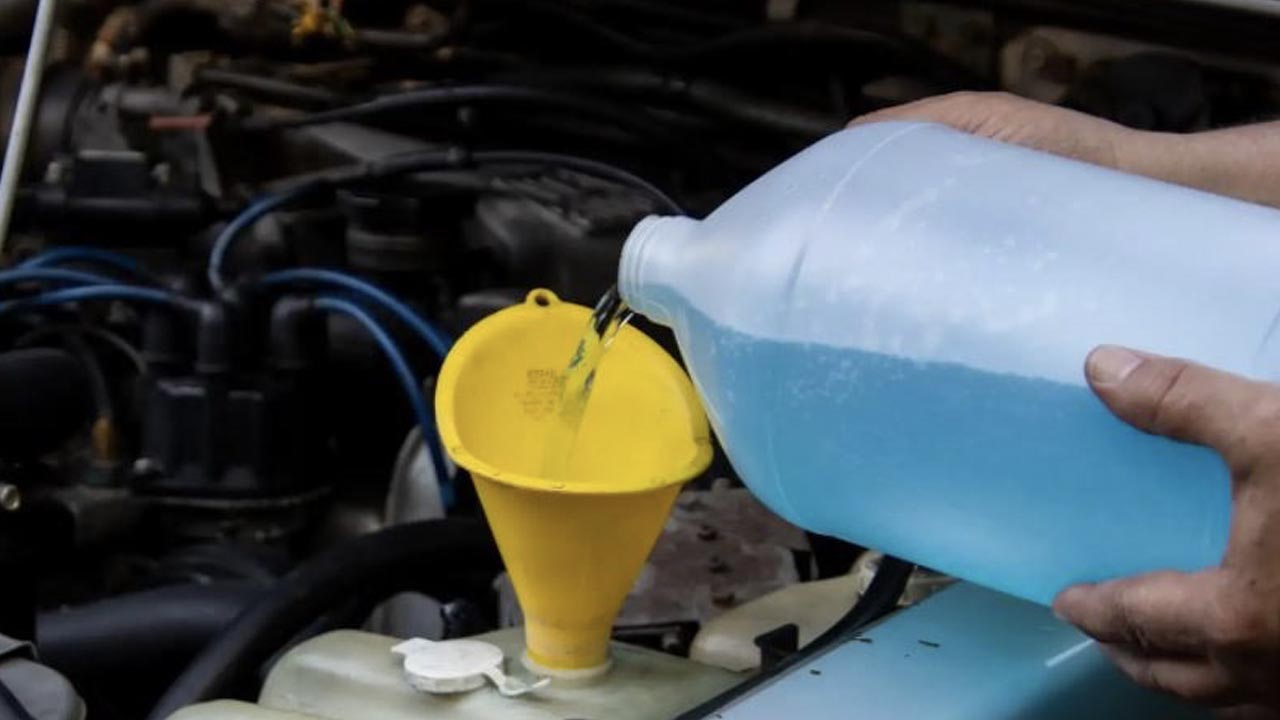
Park on a level surface, switch off the engine, and let hot components cool before opening the hood. Locate the washer-fluid reservoir by checking the owner’s manual and looking for the windshield-spray symbol on the cap. Do not pour fluid into a coolant, brake-fluid, engine-oil, or other reservoir.
Open the correct cap and add the appropriate fluid without overfilling. Secure the cap when finished and clean up any spills according to the product label. Keep the bottle closed and stored safely after use.
Verify before pouring
Never rely on a reservoir’s location alone if you are unsure which fluid it holds.
Test the washers
After refilling, use the washer control briefly in safe conditions to confirm that fluid reaches the glass.
Common Mistakes to Avoid
Many washer-fluid problems come from choosing the wrong formula or putting the wrong liquid into the reservoir. A few simple checks can prevent poor cleaning, frozen components, and unnecessary repair costs. When a problem appears after a refill, stop and identify the cause rather than adding more chemicals.
Source: thegww.com
Choosing fluid by color alone
Color is a dye, not a reliable measure of freeze protection, cleaning strength, or compatibility. Read the label instead.
Using summer fluid in freezing weather
A summer formula may freeze when temperatures fall below its operating range. Switch to a suitable winter formula before cold weather arrives.
Adding household cleaners
Dish soap, glass cleaner, and other household products are not automatic substitutes for automotive washer fluid. They may create foam, leave residue, or affect components.
Using engine coolant
Coolant is made for the engine cooling system, not for cleaning a windshield. Never pour it into the washer reservoir.
Ignoring concentrate instructions
Incorrect dilution can reduce cleaning performance and freeze protection. Follow the stated mixing directions.
Running a frozen washer pump
If no fluid sprays during freezing weather, stop repeatedly activating the washer control. Let the system thaw safely and inspect it before trying again.
What If the Fluid Does Not Spray?
A washer system that fails to spray may have an empty reservoir, blocked nozzles, a frozen hose, a loose connection, a failed pump, or an electrical fault. Start with simple checks. Confirm the reservoir has fluid and consider whether freezing temperatures could have affected the system.
If the fluid level is correct and the weather is mild, inspect the visible nozzles for dirt or blockage without forcing tools into them. Listen for the pump when you briefly operate the control. If the pump is silent, the issue may involve the electrical supply or pump itself. If it runs but no fluid appears, a blockage, leak, or other flow problem may be present.
Do not keep running the pump if the system appears frozen or the pump makes an unusual sound. A mechanic can diagnose persistent problems and check for damaged hoses, leaks, or electrical faults.
No fluid and no pump sound
Check the fluid level and vehicle instructions. A fuse, electrical fault, or failed pump may need attention.
Pump runs but no fluid appears
A blockage, leak, frozen line, or disconnected hose may be stopping the flow.
Fluid sprays weakly
Check the fluid level and visible nozzles. Persistent weak spray may point to a blockage or pump problem.
Is Windshield Washer Fluid Safe for Your Car’s Paint and Parts?
Automotive windshield washer fluid is formulated for use in vehicle washer systems, but that does not mean every product is harmless to every surface under every condition. Follow the product label and avoid leaving spills or concentrated fluid on the vehicle’s finish. If a spill occurs, clean it up promptly according to the label directions.
Normal use of a suitable automotive washer fluid is generally expected to involve contact with the windshield and surrounding exterior surfaces. Still, formulas differ, and special coatings or aftermarket treatments may have their own care instructions. If you use a water-repellent windshield treatment or have a specialized glass coating, check the coating maker’s guidance as well.
Washer fluid should never be confused with coolant, brake fluid, or engine oil. Each serves a different purpose, and using the wrong liquid can cause damage or create a safety problem. If you accidentally pour another automotive fluid into the washer reservoir, do not run the system until you have obtained suitable advice about correcting the mistake.
Source: minit-tune.com
Safe Handling and Storage
Keep washer fluid in its original labeled container and follow the storage warnings. Some formulas contain alcohols or other ingredients that can be harmful if swallowed or mishandled. Keep the product away from children and pets, and avoid contact with eyes and skin.
Never transfer washer fluid into a drink bottle or another container that could be mistaken for food or a beverage. If exposure occurs, follow the product label and seek poison-control or medical guidance as appropriate. Do not induce vomiting unless a qualified medical professional or poison-control specialist directs you to do so.
Read the safety label
Follow the handling, first-aid, and storage directions for the exact product.
Keep it away from children and pets
Store the container securely, upright, and in the location recommended by the label.
Clean up spills promptly
Use the cleanup method stated on the product label and avoid allowing spills to reach drains or soil.
Quick Comparison: Which Washer Fluid Should You Choose?
The table below compares common washer-fluid types by their main purpose and the key limit to check. It is a practical starting point, not a guarantee that every product in a category has the same ingredients or performance. Always confirm the individual product label and vehicle instructions.
Source: i5.walmartimages.com
Standard or all-season fluid
Best for routine cleaning when the stated temperature range covers your driving conditions. Check its cold-weather limit.
Summer fluid
Useful for warm-weather grime and insects. It may not be suitable for freezing temperatures.
Winter fluid
Designed for cold conditions. Choose a stated temperature rating suitable for expected lows.
Bug-removal fluid
Targets insect residue and road grime. Confirm its freeze protection separately.
Concentrated fluid
Can reduce storage space, but requires correct dilution. Follow the product’s exact instructions.
Water-repellent fluid
May leave a water-repellent treatment on the glass. Check compatibility with existing coatings and wipers.
A Simple Decision Rule
If you drive in warm weather and need routine cleaning, a standard automotive formula may be enough. If you expect freezing temperatures, prioritize a suitable winter rating. If bugs or road film are the main issue, consider a product designed for that residue while checking its weather limits.
If the owner’s manual lists special requirements, follow those first. When two products seem suitable, choose the one whose label clearly covers both your cleaning needs and your expected temperatures. There is no need to pay for extra features that do not solve a problem you actually face.
Start with compatibility
Make sure the product is intended for your vehicle’s washer system.
Match the climate
Check the stated temperature protection against likely weather and travel conditions.
Choose useful features
Select bug removal, water repellency, or concentrate only when the feature suits your needs.
Frequently Asked Questions
Q
Can I use any brand of windshield washer fluid in my car?
In many conventional vehicles, yes. Most standard automotive washer fluids are made for broad vehicle compatibility. However, check the owner’s manual, the product label, and the local temperature range before using a particular formula. Do not assume that every brand or specialty product is suitable for every washer system.
Q
Does windshield washer fluid have to match my car’s brand?
Usually not. A vehicle from one automaker does not generally need washer fluid carrying that same brand name. A suitable standard product will often work, provided it meets the vehicle’s requirements and the weather conditions. Follow any specific guidance in the owner’s manual.
Q
Can I mix blue, green, and orange windshield washer fluids?
Do not use color as a guide to compatibility. Different colors may contain different formulas, and the same color does not prove that two products have matching ingredients or temperature ratings. Check the labels before mixing, especially when freeze protection matters. If the products are unknown, avoid guessing.
Q
Can I use windshield washer fluid in freezing weather?
Yes, if the product is rated for the temperatures you expect. Choose a winter or suitable all-season formula with a stated low-temperature rating that covers your conditions. A summer formula or water may freeze and stop the system from working.
Q
Can I use windshield washer fluid instead of coolant?
No. Windshield washer fluid cleans glass, while engine coolant helps manage engine temperature and protect the cooling system. They are not interchangeable. Never put washer fluid into the coolant reservoir. If you have already done so, do not start or drive the vehicle until you obtain advice from a qualified mechanic about the proper correction.
Q
Is water-repellent washer fluid compatible with every windshield?
Not necessarily. Many products are intended for ordinary automotive glass, but compatibility can depend on the formula, existing glass treatments, and wiper materials. Read the product label and follow any instructions for aftermarket coatings. Stop using the product if it leaves persistent haze or causes poor wiper performance.
Q
How often should I refill windshield washer fluid?
Refill it when the reservoir is low or the vehicle displays a low-fluid warning. How often you need to refill depends on reservoir size, driving conditions, and how frequently you use the washers. Check the level during routine vehicle maintenance, and keep a suitable product available before long trips or severe weather.
✦ Wrapping Up
Conclusion
Windshield washer fluid is broadly compatible with many conventional cars, trucks, and SUVs, but it is not truly universal. Different formulas serve different needs, from removing summer bugs to resisting winter freezes. Vehicle instructions, product labels, and local weather should guide your choice.
You do not usually need a fluid made by your car’s manufacturer. A suitable standard automotive product will often work well, provided it meets any vehicle-specific requirements and has the right temperature rating. Avoid choosing by color alone, mixing unknown products, or treating household cleaners and plain water as full substitutes.
A clear windshield is part of safe driving because dirt, road spray, and insect residue can reduce visibility. Check your washer reservoir regularly and deal with spray problems before they become a concern on the road. If the system freezes, leaks, or fails after a refill, stop using it until you can identify the cause safely.
💡 Key Takeaway
Before your next refill, check your owner’s manual, choose an automotive washer fluid suited to your climate, and read the label for temperature limits and mixing instructions. If you expect freezing weather, use a formula rated for those conditions rather than relying on summer fluid or water.
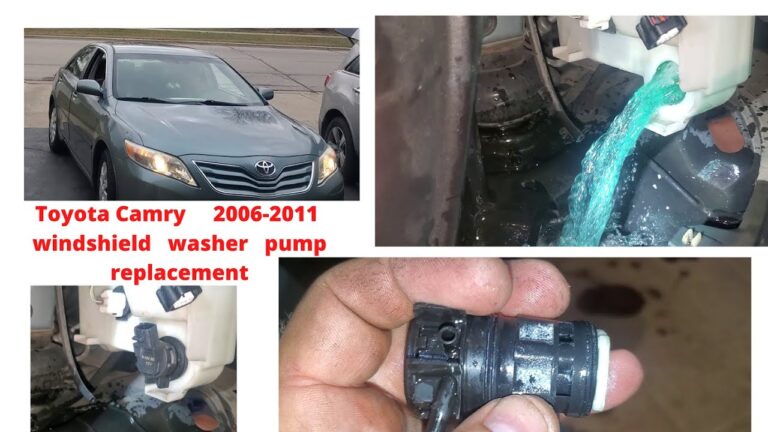
Learn how to replace a Toyota Camry windshield washer pump, diagnose pump failure, access the reservoir, install a new pump, and test the washer system.
Learn how to refill rear windshield washer fluid in a Toyota Highlander, locate the correct reservoir, choose washer fluid, and troubleshoot spray problems.