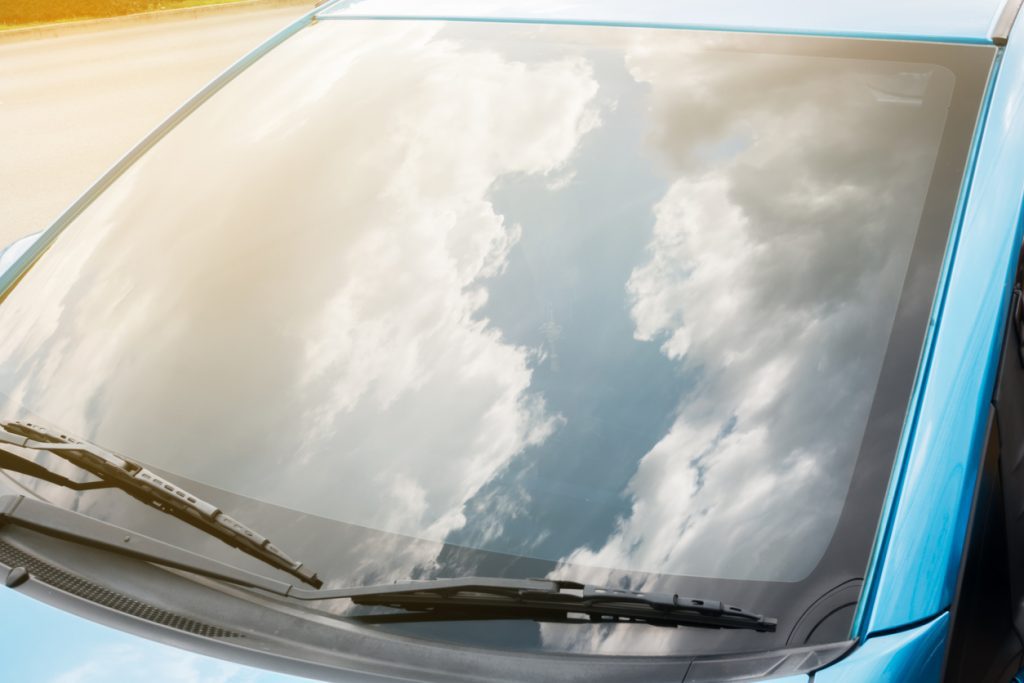
A windshield is the large front glass panel of a vehicle that gives the driver a clear view of the road while protecting occupants from wind, rain, road debris, insects, and other outside hazards.
For drivers in the United States, the windshield is much more than a piece of glass separating the cabin from the road. It is part of the vehicle’s safety glazing system and is designed to provide visibility while remaining more resistant to dangerous shattering than ordinary household glass. From interstate driving in heavy rain to winter travel through snow and road salt, the windshield works with the wipers, defroster, washers, roof structure, airbags, mirrors, cameras, and other vehicle systems to help the driver see and remain protected.
Most modern passenger-vehicle windshields use laminated safety glass. Instead of a single sheet of ordinary glass, the windshield typically contains two layers of glass bonded to a transparent plastic interlayer. If a rock or other object causes the glass to crack, the interlayer helps hold broken pieces together rather than allowing the entire windshield to fall apart into loose shards.
This guide explains what a windshield is, what it does, how windshield glass is constructed, where it is installed, how it differs from other vehicle windows, what modern windshield features do, and how to recognize damage that deserves professional attention.
A windshield is the large, usually curved glass panel installed across the front opening of a car, pickup truck, SUV, van, or other road vehicle. In American English, windshield is the standard term. In some other English-speaking countries, the same component is commonly called a windscreen.
Its most obvious purpose is to create a transparent barrier between the occupants and the outside environment without blocking the driver’s forward view. The windshield must therefore balance several requirements at once: optical clarity, impact resistance, weather protection, durability, and secure attachment to the vehicle body.
Unlike a door window, the windshield normally does not open or move. It is bonded or otherwise securely fitted into the body opening surrounding the dashboard and roof pillars. The windshield wipers sweep across its exterior surface, while the vehicle’s defroster and climate-control system help remove fog, frost, or ice from the inside or outside surface.
Source: acko.com
Location
The windshield is mounted at the front of the passenger compartment between the roof, dashboard area, and front body pillars.
Visibility
It provides the driver with the primary view of traffic, road markings, pedestrians, signs, signals, and hazards ahead.
Protection
It separates occupants from wind, rain, snow, insects, dust, and many types of road debris.
Safety integration
The windshield can work as part of the vehicle’s body structure and may support cameras, sensors, and other driver-assistance equipment.
Is the Front Glass Always Called a Windshield?
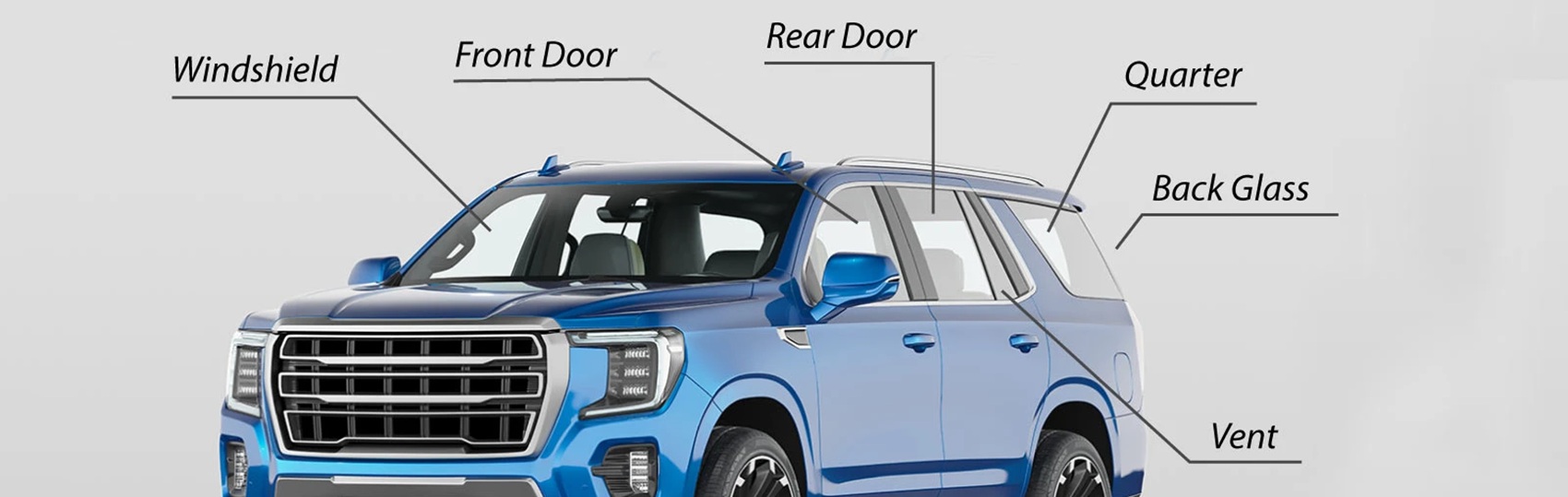
In normal U.S. automotive terminology, yes. The large transparent panel directly in front of the driver and front passenger is the windshield. Side-door glass, quarter glass, vent glass, and the rear window are separate types of automotive glazing even though people sometimes use the term window for all of them.
What Does a Windshield Do?
A windshield allows the driver to see forward while shielding the cabin from the environment. That basic description is accurate, but a modern windshield performs several functions at the same time.
During normal driving, it prevents the full force of moving air from entering the cabin. It blocks rain, snow, insects, dust, grit, and small debris that would otherwise strike occupants. Its smooth exterior surface also gives the windshield wipers a controlled area on which to clear water and contamination.
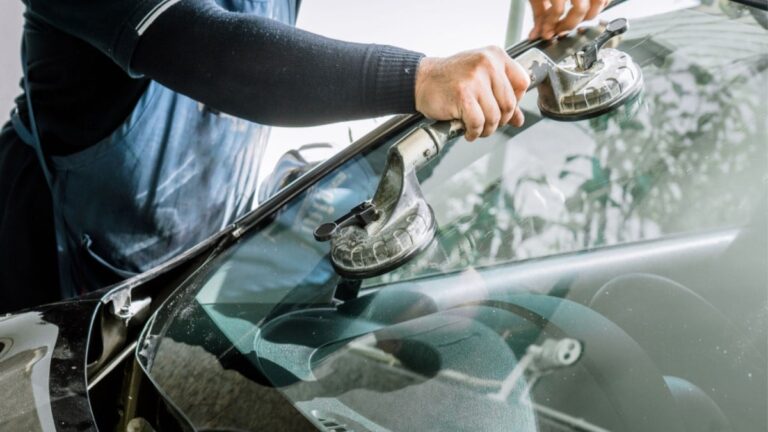
The windshield is also installed as part of the vehicle body rather than being treated as a loose window. Its adhesive bond and surrounding structure are designed for the vehicle as a system. This is one reason correct installation matters when a windshield is replaced.
Source: thewindscreenco.co.uk
Provides forward vision
A clean and undamaged windshield allows the driver to identify traffic conditions and react to hazards.
Protects against weather
The glass keeps rain, snow, cold air, and wind outside the passenger compartment.
Blocks road debris
The windshield provides a physical barrier against insects, gravel, dirt, and many small objects thrown toward the vehicle.
Supports other systems
Wipers, washers, defrosting equipment, mirrors, cameras, rain sensors, and other features may depend on the windshield or components attached to it.
Why Windshield Visibility Matters
The driver has to see clearly through the windshield in daylight, darkness, rain, glare, and changing weather. Dirt, heavy haze, scratches, ice, stickers, poorly positioned accessories, or severe cracks can reduce that visibility. A windshield problem therefore becomes more important when it crosses the driver’s viewing area or produces glare and optical distortion.
How the Windshield Contributes to Vehicle Safety
The windshield is designed and installed as part of the vehicle’s overall safety structure. Its exact role varies by vehicle design, but a properly installed windshield can contribute to body integrity and the intended operation of nearby restraint and safety components. This is why windshield replacement involves more than placing a similarly shaped piece of glass into the opening.
What Is a Windshield Made Of?
A typical modern passenger-vehicle windshield is made from laminated safety glass. Laminated construction usually combines an outer glass layer, a transparent plastic interlayer, and an inner glass layer into one bonded panel.
The plastic interlayer is commonly made from a material such as polyvinyl butyral, often abbreviated PVB. During manufacturing, heat and pressure bond the layers together. The finished panel is then shaped to match the vehicle’s body opening and optical requirements.
This laminated construction changes what happens when the glass is struck. The glass layers can still crack, but the plastic interlayer helps keep many broken fragments attached. That is why an impacted windshield often develops a star, bull’s-eye, or spiderweb pattern while remaining largely in place.
Source: jingger.en.made-in-china.com
Outer glass layer
This surface faces weather, wiper blades, insects, sand, stones, and other outside exposure.
Plastic interlayer
The transparent bonding layer helps hold damaged glass together and contributes to laminated-glass behavior.
Inner glass layer
This layer faces the vehicle cabin and completes the laminated assembly.
Why Is Laminated Glass Used for Windshields?
Laminated glass is useful at the front of a vehicle because it can remain substantially intact after many types of impact. Ordinary glass can produce dangerous loose fragments when it breaks. Laminated construction is designed to retain fractured pieces more effectively while preserving a barrier between the passenger compartment and the outside environment.
Lamination does not make a windshield unbreakable. A sufficiently hard strike can crack, puncture, or heavily damage it. The practical advantage is the way the layers manage breakage compared with a simple unsupported sheet of glass.
Is a Windshield the Same as Tempered Side Glass?
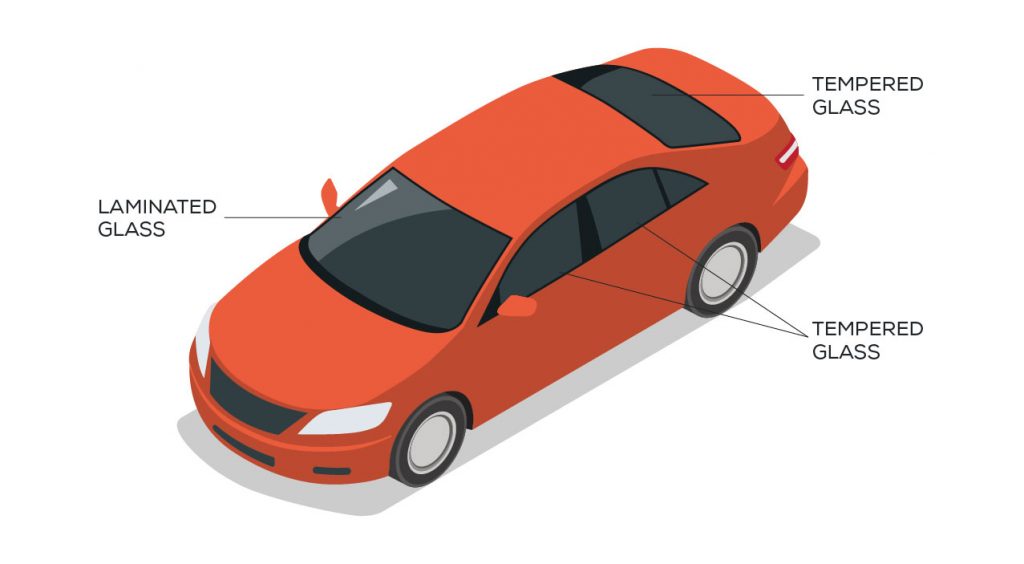
Not usually. Traditional side and rear vehicle windows often use tempered safety glass, although laminated side glazing is increasingly found on some vehicles. Tempered glass is manufactured to break into many relatively small pieces when shattered. Laminated windshield glass instead uses bonded layers so the fractured glass tends to remain attached to its interlayer.
Main Parts and Areas of a Windshield
A windshield may look like one simple sheet of glass, but several visible and hidden components help it work correctly. The exact arrangement depends on the vehicle.
Around the perimeter is a dark ceramic band commonly called a frit. It can help protect the bonding area from ultraviolet exposure, improve the appearance of the glass edge, and create an appropriate surface around the installation area. Many windshields also have a dotted transition pattern near this border.
A strong automotive urethane adhesive is commonly used to bond modern windshields to the vehicle body. Trim or molding may cover part of the glass edge, although decorative trim should not be confused with the structural adhesive bond.
Source: mobilewindshieldreplacement.ca
Glass laminate
The transparent main panel through which the driver views the road.
Frit band
The dark ceramic area commonly visible around the windshield perimeter.
Adhesive bond
The urethane or specified bonding material that secures the windshield to the vehicle.
Molding or trim
Exterior or interior finishing pieces used around the windshield edge on certain vehicles.
Sensor and camera area
A designated portion of some windshields used for forward-facing cameras, rain sensors, light sensors, or related equipment.
What Are the Black Dots Around a Windshield?
The black border and dotted pattern are generally part of a ceramic frit applied to the glass during manufacturing. The dots provide a gradual visual transition between the solid dark border and transparent glass. The perimeter treatment also serves practical purposes associated with the bonded installation area.
What Are the Markings in the Corner of Windshield Glass?
Automotive glass normally carries permanent identification markings that can include the glass manufacturer, glazing classification, compliance information, or production codes. The exact symbols differ among manufacturers and markets. These markings can be useful when identifying the correct replacement windshield.
Modern Windshield Features and Technology
On many newer vehicles, the windshield is also a mounting surface or optical path for electronic systems. Two replacement windshields that fit the same basic vehicle body can therefore differ because of installed equipment and glass specifications.
A vehicle may have a forward-facing camera mounted behind the windshield for systems such as lane-departure warning, lane-keeping assistance, automatic emergency braking, traffic-sign recognition, or automatic high beams. Some vehicles also use rain sensors, humidity sensors, light sensors, antennas, heating elements, acoustic glass, infrared-reflective layers, or a special area for a head-up display.
When a windshield associated with an advanced driver-assistance camera is replaced, the vehicle manufacturer may specify calibration or recalibration procedures. Correct glass selection, installation, and system setup therefore matter on vehicles equipped with these technologies.
Source: windshieldedmonton.com
ADAS camera
A forward-facing camera may look through a specific windshield area and support driver-assistance functions.
Rain sensor
Some vehicles detect moisture on the glass and automatically control windshield-wiper operation.
Head-up display
Compatible windshields can provide the optical characteristics needed to display information in the driver’s field of view.
Acoustic glazing
Some laminated windshields incorporate materials designed to reduce certain exterior noise entering the cabin.
Heated areas
Selected windshields may use embedded heating elements or heated zones to assist with ice, frost, or wiper performance.
Why Windshield Replacement Is More Complex on Newer Cars
A technician may need to identify more than the model year and vehicle name. Trim level, camera package, rain sensor, head-up display, heating equipment, acoustic construction, antenna arrangement, and other options can change the required glass.
Installing glass that physically fits but does not match the original equipment requirements can create problems with optical quality or connected systems. Vehicle-specific parts information and service procedures should be used when selecting and installing replacement glass.
How Is a Windshield Different From Other Car Windows?
The windshield differs from other automotive glass mainly because of its location, construction, visibility requirements, installation, and relationship with vehicle safety systems. The windshield provides the driver’s primary forward view, so its optical quality and condition are especially important.
Door windows are designed to move up and down on most vehicles, while the windshield remains fixed. Side windows also commonly use tempered glass, although some newer vehicles use laminated side glass for reasons such as sound reduction, security, or occupant protection.
The rear window is also fixed on most passenger vehicles and frequently contains electrical defroster lines. Its glass construction can differ from the front windshield.
Windshield
Fixed front glazing, usually laminated, providing the primary forward view and often supporting cameras or sensors.
Front and rear door windows
Usually movable side glazing and commonly made from tempered or, on some vehicles, laminated safety glass.
Quarter glass
A smaller fixed side window positioned near a front or rear body pillar depending on vehicle design.
Rear window
Fixed rear-facing glazing that commonly incorporates electrical defroster elements.
Can the Rear Window Be Called a Rear Windshield?
People sometimes use the phrase rear windshield, and the meaning is usually understood. In automotive service terminology, however, rear window, back glass, or rear glass is often more precise. Windshield most commonly refers to the front glazing.
Common Types of Windshield Damage
Windshield damage commonly begins with an impact from road debris. A small stone thrown by another vehicle can create a chip, pit, star break, or short crack. Temperature changes, vibration, body movement, or another impact may cause existing damage to spread.
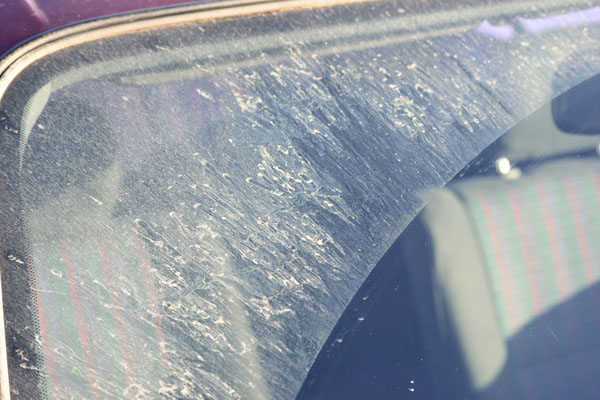
Not every windshield problem is an obvious crack. Scratches, wiper marks, edge separation, haze, optical distortion, water leaks, and damaged sensor areas can also affect windshield performance.
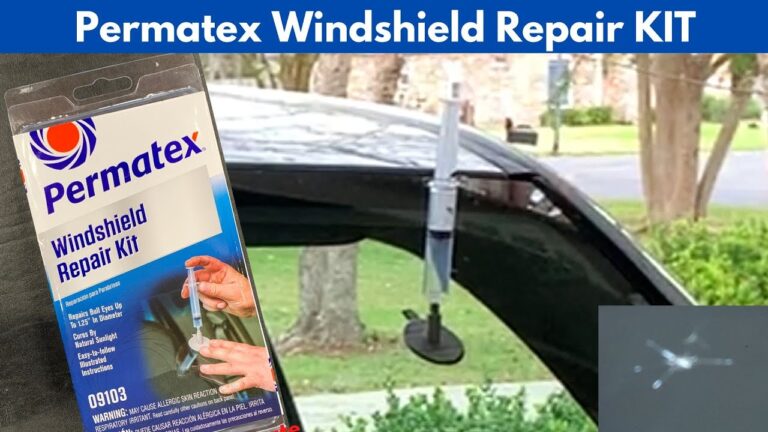
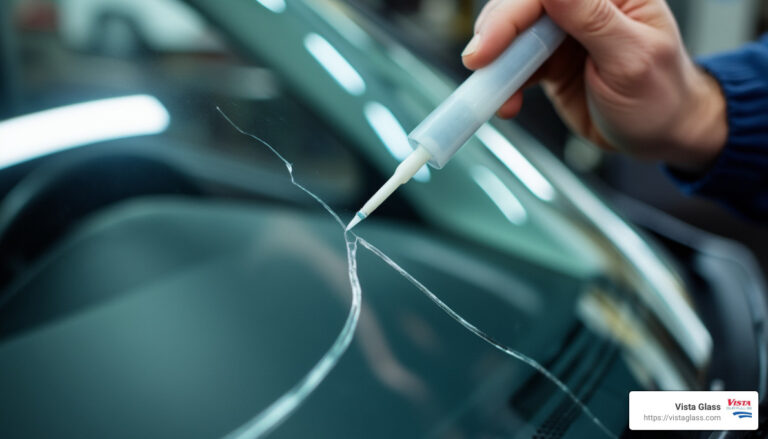
A small chip may sometimes be repairable before it becomes larger, but repair suitability depends on factors such as its size, depth, type, location, contamination, age, and the specific repair standard or procedure being used. Damage extending through multiple layers, reaching sensitive areas, or becoming extensive may require replacement.
Chip
A localized impact mark usually caused by a small stone or other hard object.
Star break
Impact damage with short cracks radiating outward from a central point.
Bull’s-eye
A generally circular impact break surrounding a central impact point.
Crack
A line fracture that may begin at an impact point or windshield edge and can lengthen over time.
Scratch or abrasion
Surface damage that can scatter light and reduce visibility, especially at night.
What Causes Windshield Cracks to Spread?
A cracked windshield experiences stress as the vehicle moves and as the glass heats and cools. A sharp temperature change, a pothole, body flex, another stone strike, or pressure near the damaged area can contribute to crack growth. There is no reliable way for a driver to predict exactly when a particular crack will spread.
Because repair options may become more limited once a crack grows, having new damage assessed early is generally more useful than ignoring it until visibility becomes poor.
When Should a Windshield Be Repaired or Replaced?
A windshield should be professionally evaluated when it develops significant impact damage, a spreading crack, poor optical clarity, a leak, or damage in an area used by a camera or sensor. Whether repair or replacement is appropriate depends on the specific damage and vehicle.
Repair is generally intended to stabilize suitable localized damage while improving its appearance. It does not make the repaired spot completely invisible in every case. Replacement removes the damaged windshield and installs another windshield that matches the vehicle’s requirements.
Damage directly affecting the driver’s vision deserves particular attention because even a repaired area can leave some visible distortion. Edge cracks and extensive fractures can also require different treatment from a small isolated chip.
Get an inspection promptly
Seek evaluation if a chip begins spreading, a crack reaches an edge, visibility is affected, or glass damage interferes with a sensor or camera area.
Avoid do-it-yourself assumptions
A damage pattern that looks small from inside the vehicle may extend farther through the laminated glass than expected.
Use vehicle-specific replacement glass
The replacement should match required equipment such as cameras, sensors, display areas, heating functions, and acoustic construction.
Follow calibration requirements
When a windshield-mounted driver-assistance camera is disturbed or replaced, follow the vehicle manufacturer’s calibration procedure.
Can You Drive With a Cracked Windshield?
The answer depends on the location and severity of the damage, the vehicle, and applicable state requirements. A tiny chip away from the driver’s view is different from a long crack crossing the viewing area or damage that is actively spreading.
Do not assume that every crack is harmless simply because the windshield remains in place. If the driver’s vision is impaired, the glass appears unstable, or the damage affects cameras or other safety equipment, have the vehicle inspected before continuing normal driving.
Do Windshield Laws Vary by State?
Yes. U.S. states can have their own rules regarding vehicle inspection, windshield obstruction, tint, stickers, cracks, and other visibility issues. Federal requirements govern important aspects of motor-vehicle glazing, but drivers should also check the current rules that apply where their vehicle is registered and operated.
How to Take Care of a Windshield
Good windshield care is mostly about maintaining visibility and preventing avoidable damage. Keep both surfaces clean, use working wiper blades, maintain washer fluid, and address chips before they have more opportunities to spread.
Replace worn wiper blades when they streak, chatter, skip, or leave areas uncleared. A damaged blade or exposed metal wiper component can scratch the glass. Use an automotive glass cleaner and clean microfiber cloth rather than abrasive pads or harsh materials that can mark the surface.
During freezing U.S. winters, avoid using boiling or extremely hot water to clear an iced windshield. A sudden temperature difference can place additional stress on cold glass. Use the vehicle’s defroster, an appropriate ice scraper, and suitable de-icing methods instead.
Clean the inside too
Interior film can create glare when driving toward sunlight or oncoming headlights.
Maintain the wipers
Replace deteriorated blades before they scratch the glass or leave large portions of the windshield uncleared.
Keep washer fluid available
Washer fluid helps clear road salt, dirt, insects, and other contamination that can reduce visibility.
Inspect small chips
Check new impact damage early rather than waiting for a crack to travel across the glass.
Avoid obstructing the view
Position accessories, stickers, cameras, and other items so they do not unnecessarily interfere with the driver’s view or vehicle equipment.
How Often Should You Inspect the Windshield?
There is no single inspection interval that fits every vehicle, but a quick visual check is sensible whenever you wash the car, clean the glass, replace wiper blades, or notice a new impact. Look across the windshield from different angles because small chips can be difficult to see from the driver’s seat.
What to Know Before Replacing a Modern Windshield
A modern windshield should be matched to the exact vehicle configuration, not selected by dimensions alone. The correct part may depend on the model year, trim, production date, camera system, rain sensor, head-up display, heated components, acoustic package, antenna arrangement, and other factory equipment.
Installation quality also matters. The bonding area should be prepared using the procedures and materials specified for the system, and the vehicle should remain stationary for the required adhesive curing or safe-drive-away period. The applicable time can vary with adhesive, temperature, humidity, and installation procedure.
After replacement, inspect the installation for obvious problems such as unusual wind noise, water intrusion, distorted vision, loose trim, warning messages, or driver-assistance functions that do not operate normally. Report concerns to the installer promptly.
Source: cautop.com
Confirm vehicle options
Identify cameras, sensors, heating, displays, and other windshield-related equipment before ordering replacement glass.
Use the correct installation process
Windshield bonding materials and preparation procedures should match the glass, vehicle, and adhesive system.
Respect curing instructions
Do not drive the vehicle before the installer says the adhesive system has reached its required safe-drive-away condition.
Confirm calibration
Ask whether any camera or sensor calibration specified for the vehicle has been completed.
Does Every Windshield Replacement Require ADAS Calibration?
No. Vehicles without windshield-related advanced driver-assistance equipment generally do not require camera calibration for that reason. On vehicles that do use a forward-facing camera or related sensor through or near the windshield, the required procedure depends on the vehicle manufacturer’s service information and system design.
Frequently Asked Questions
Q
What is the difference between a windshield and a windscreen?
They generally describe the same front glass panel. Windshield is the normal term in American English, while windscreen is common in British English and several other markets.
Q
Is a windshield made from regular glass?
No. Passenger-vehicle windshields are generally made from automotive laminated safety glass rather than ordinary household window glass. The laminate typically combines two glass layers with a transparent plastic interlayer that helps hold fractured pieces together.
Q
Why does a windshield crack instead of shattering into pieces?
The laminated construction is the main reason. The glass itself can fracture, but the plastic interlayer between the glass layers helps retain many of the broken pieces. This often creates a visible crack or spiderweb pattern while the panel remains largely together.
Q
Can a small windshield chip be repaired?
Some small chips and short cracks can be repaired, but not every one is suitable. Repairability depends on the type, size, depth, location, contamination, and extent of the damage as well as applicable repair procedures. Having a new chip inspected early can preserve more options.
Q
Why are cameras mounted near the top of some windshields?
Forward-facing cameras need a clear view of the road, lane markings, vehicles, signs, or other objects used by certain driver-assistance systems. Mounting a camera high behind the windshield gives it a protected viewing location. If the windshield is replaced, the camera may require a manufacturer-specified calibration procedure.
Q
What is the black border around a windshield?
The dark perimeter is generally a ceramic frit applied to the glass. It forms part of the windshield’s edge treatment, helps protect the bonding area from sunlight, improves the appearance of the transition around the adhesive area, and is often accompanied by a dotted pattern.
Q
Does windshield tint have the same rules everywhere in the United States?
No. Federal glazing requirements and individual state rules can both matter, and states may differ regarding tint, shade bands, stickers, obstructions, and inspection requirements. Check the current rules for the state where the vehicle is registered and driven before adding aftermarket film.
✦ Wrapping Up
Conclusion
A windshield is the vehicle’s fixed front glass panel, but its job extends far beyond blocking wind. It gives the driver a clear view of the road, protects the passenger compartment from weather and debris, and forms part of a coordinated vehicle system that can include the body structure, wipers, defroster, cameras, sensors, displays, and other safety equipment.
Most passenger-vehicle windshields use laminated safety glass so that when the glass is damaged, a transparent interlayer helps hold fractured pieces together. Newer vehicles can make windshield selection and replacement more complicated because the glass may be designed around specific cameras, sensors, acoustic layers, heating systems, or head-up displays.
For U.S. drivers, the practical priority is simple: keep the windshield clean, maintain the wipers and washers, avoid unnecessary visual obstructions, and have significant chips, spreading cracks, leaks, or sensor-area damage evaluated promptly. When replacement is necessary, use glass and installation procedures appropriate for the exact vehicle.
💡 Key Takeaway
Inspect your windshield for chips, cracks, scratches, leaks, and visibility problems whenever you clean the vehicle, and arrange professional evaluation promptly if damage is spreading, obstructing your view, or affecting a camera or sensor area.
Learn how to fold a round windshield sun shade correctly without bending the frame. Follow these simple steps, avoid common mistakes, and store it neatly.