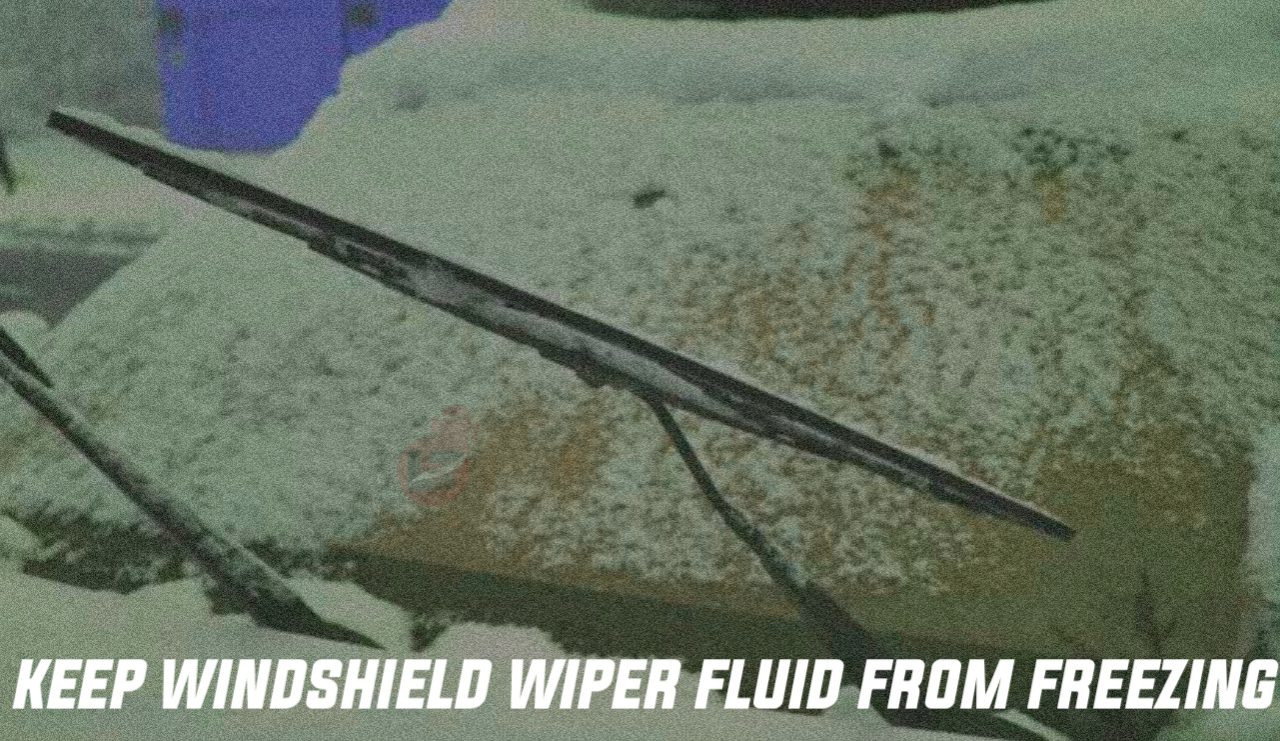
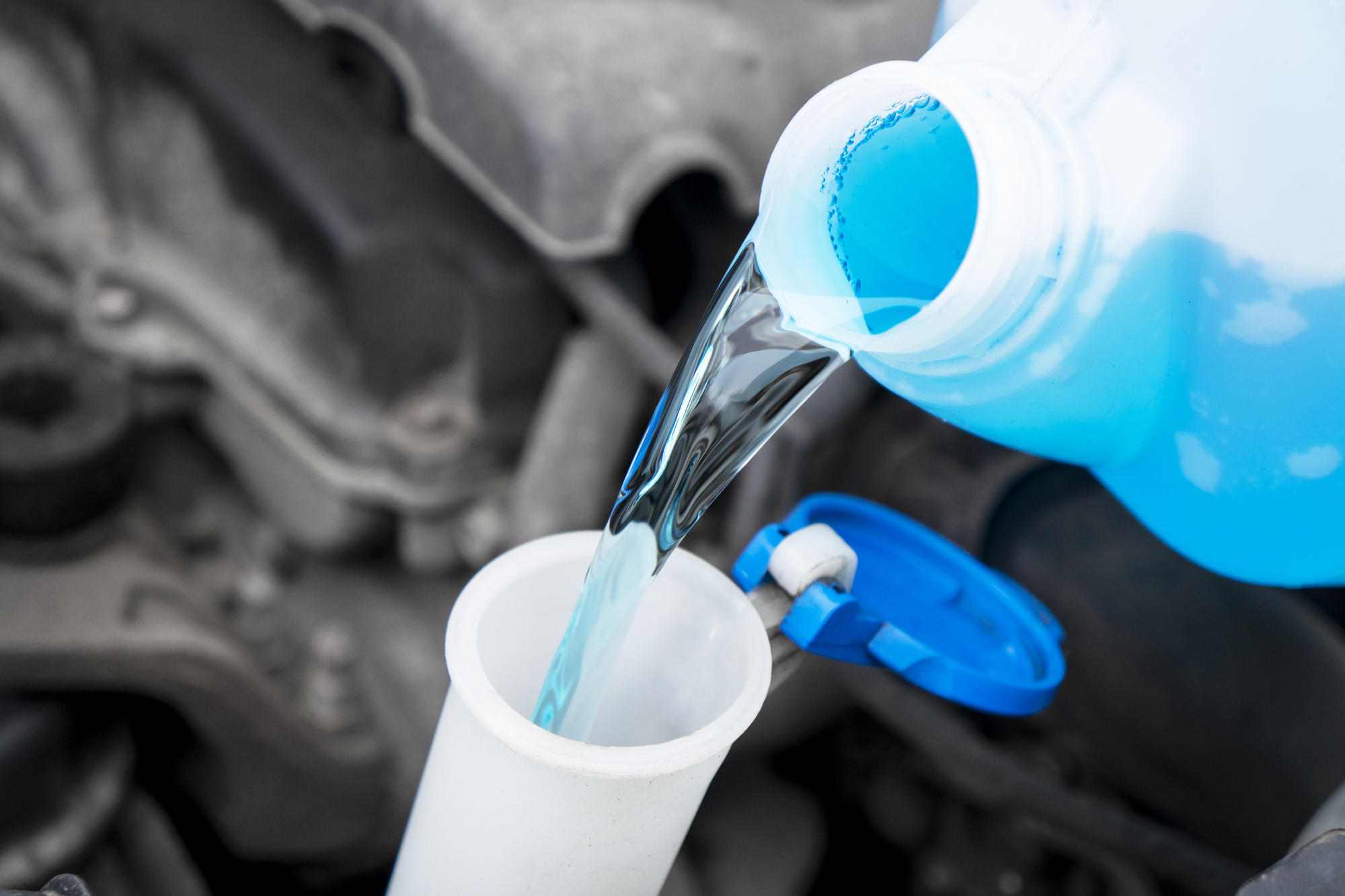
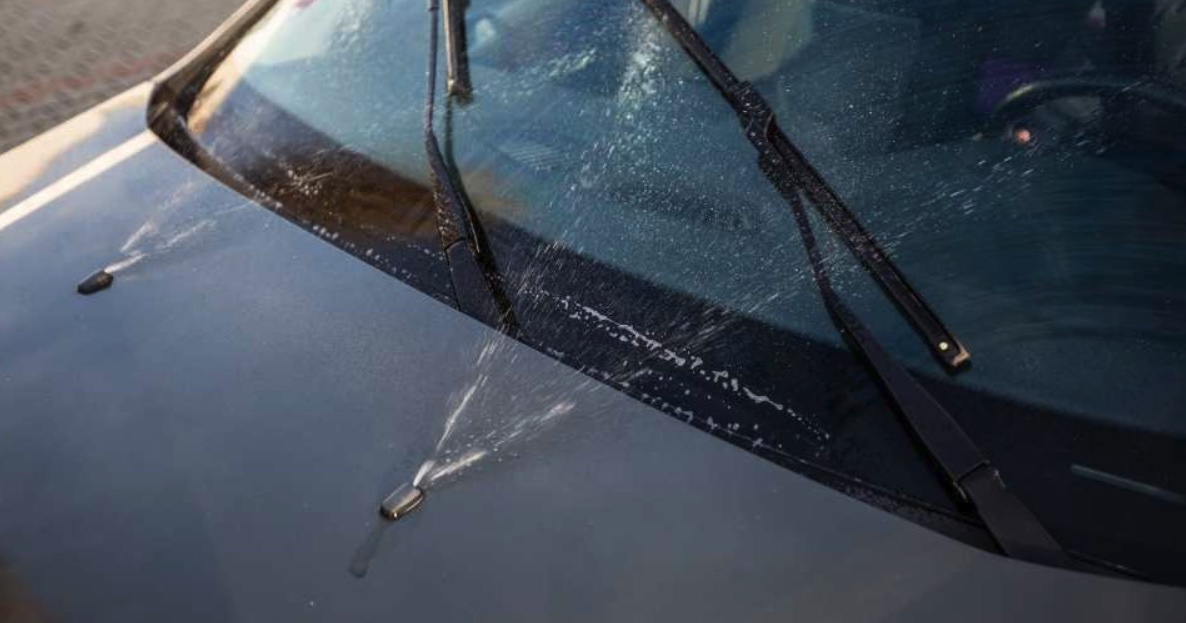
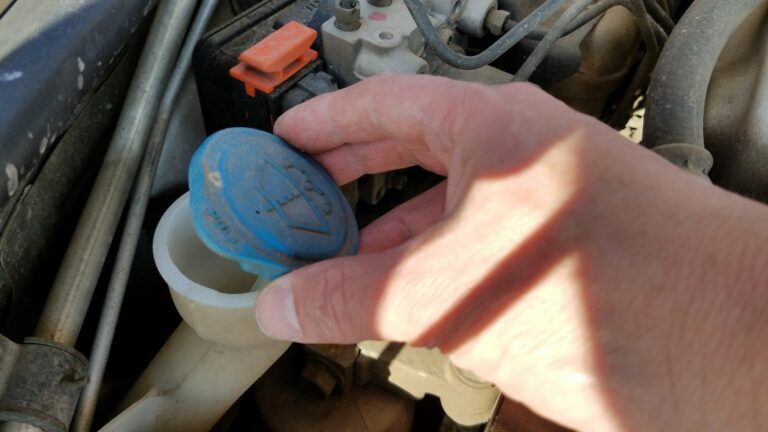
Yes, summer windshield washer fluid can freeze in cold weather. Many summer formulas are designed for warm conditions and may offer little protection against freezing temperatures. The exact freezing point depends on the formula, its ingredients, and whether it has been diluted.
Drivers across the United States need windshield washer fluid that matches their local weather. Summer heat in states such as Texas and Arizona calls for a different approach than winter conditions in Minnesota, Michigan, or New York. When temperatures drop below freezing, summer washer fluid may turn to slush or ice in the reservoir, hoses, pump, or spray nozzles. This can leave the windshield dirty when clear vision matters most.
The term summer windshield washer fluid usually refers to a formula designed for warm-weather cleaning rather than strong freeze protection. These products may remove bugs, road film, dust, and other summer grime, but their labels do not all promise the same temperature range. Some formulas contain alcohol or other ingredients that lower the freezing point, while others offer limited cold-weather protection.
The safest approach is to check the product label before cold weather arrives. If freezing temperatures are expected, use a washer fluid rated for the lowest temperatures you are likely to encounter. If summer fluid has already frozen, let the vehicle warm in a suitable sheltered place and allow the system to thaw naturally. Do not force the pump to run against ice or pour boiling water into the reservoir.
Does Summer Windshield Washer Fluid Freeze in Winter?
Yes, summer windshield washer fluid can freeze during winter. The main reason is that summer formulas may not contain enough freeze-point-lowering ingredients to remain liquid in severe cold. If the temperature falls below the product’s freezing limit, some or all of the fluid can turn into ice or a thick slush.
The risk depends on the fluid’s formula and the conditions around the vehicle. A car parked outside overnight may face a different temperature from one kept in a heated garage. Wind chill affects how cold people feel, but it does not make a parked vehicle cool below the surrounding air temperature. The actual air temperature and the vehicle’s exposure are the key factors.
Freezing does not always happen at one exact temperature throughout the system. The reservoir, exposed hoses, and spray nozzles may cool at different rates. A nozzle can become blocked even when some fluid in the reservoir remains liquid.
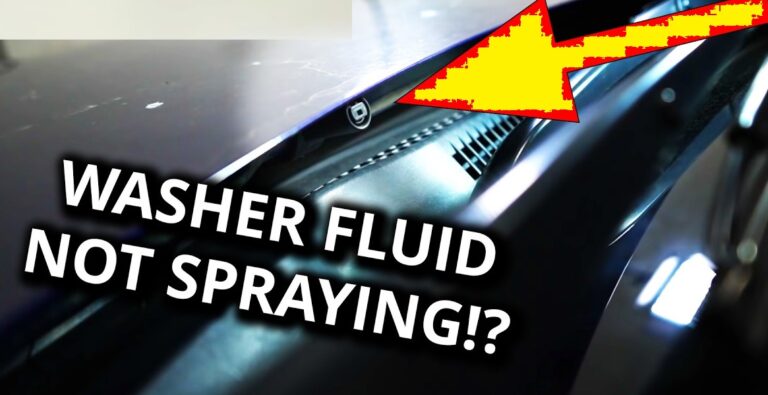
If your washer system stops spraying during a cold morning, frozen fluid is one possible cause. However, an empty reservoir, a clogged nozzle, a damaged hose, a blown fuse, or a failed pump can produce similar symptoms. Check the weather, the fluid level, and the system’s behavior before deciding that freezing is the only problem.
Source: rxmechanic.com
Summer formulas
These focus on warm-weather cleaning and may provide limited protection against freezing.
Winter formulas
These are designed to remain usable at a stated low temperature when used according to the label.
Diluted fluid
Adding water or mixing in a weaker formula can reduce the cold-weather protection of the mixture.
What Happens When Summer Washer Fluid Freezes?
As the liquid cools, ice crystals may begin to form. Depending on the mixture, the fluid may become slushy before it turns mostly solid. This can restrict the flow through narrow hoses and spray openings.
Ice can also prevent the washer pump from moving liquid. If the pump runs while the system is frozen, it may experience extra strain. A frozen component may also be damaged if the fluid expands in a confined space, although the risk varies with the system design and the extent of freezing.
Blocked spray
The pump may run, but little or no fluid reaches the windshield.
Unusual pump noise
A pump that hums without producing spray may be dealing with frozen fluid or another blockage.
Leaks after thawing
Cracked hoses, a damaged reservoir, or failed connections may become apparent once ice melts.
At What Temperature Does Summer Windshield Washer Fluid Freeze?
Summer windshield washer fluid does not have one universal freezing point. The temperature depends on the concentration and type of ingredients in the product. Some warm-weather formulas may freeze near the freezing point of water, while other formulas may tolerate lower temperatures.
Pure water freezes at 32 degrees Fahrenheit, or 0 degrees Celsius, under normal atmospheric conditions. Washer fluid is a mixture, however, so its freezing point can be lower than that of water. The presence of alcohols and other dissolved ingredients can change how the mixture behaves as temperatures fall.
Do not assume that every blue, green, or orange fluid has the same freezing limit. Color is not a reliable measure of cold-weather performance. Two products with similar colors may have different formulas and different temperature ratings.
The container label is the best starting point. Look for a stated minimum operating temperature or freeze-protection rating. If the product does not clearly state that it is suitable for freezing conditions, do not rely on it during a cold spell.
Source: hitchesguide.com
32 degrees Fahrenheit (0 degrees Celsius)
Water freezes at this temperature under normal conditions, but a washer fluid mixture may freeze at a lower temperature.
Below-freezing weather
The risk increases when the air temperature drops below the fluid’s actual freezing limit.
Severe cold
Even a winter-rated product can freeze if the temperature falls below its labeled protection range.
How to Read a Washer Fluid Temperature Rating
A product marked for protection to a stated subzero temperature is intended for use within the conditions specified by its manufacturer. The rating is more useful than the product’s color, scent, or marketing name.
For example, suppose a bottle states that the formula provides freeze protection to minus 20 degrees Fahrenheit. That does not mean the fluid is suitable for every colder condition, nor does it guarantee that a diluted mixture will perform the same way. The example is illustrative; always follow the rating printed on the actual product.
Check the unit
Confirm whether the label uses Fahrenheit or Celsius before comparing products.
Check dilution instructions
Some concentrates require mixing, and the final temperature rating depends on the specified ratio.
Allow for local weather
Choose a rating that covers the lowest temperatures expected along your route, not just the average daytime temperature.
Why Summer Windshield Washer Fluid Freezes
The most common reason is that the fluid was not designed for the temperature the vehicle encountered. A summer formula may clean bugs and road film well without offering enough protection against ice. When the weather changes, the same product can become unsuitable for the vehicle’s operating conditions.
Another common cause is dilution. Adding water may seem like a simple way to stretch a bottle of washer fluid, but it changes the mixture. A formula that originally offered some freeze protection may become more vulnerable when diluted beyond the manufacturer’s instructions.
Mixing products can also create uncertainty. If summer and winter formulas are combined, the resulting freeze point may not match the rating printed on either bottle. The ingredients and proportions determine the final result, so it is unsafe to assume that the stronger product will always control the mixture’s performance.
The vehicle’s storage conditions matter as well. A car left outside during a long cold night can lose heat and reach the surrounding air temperature. A vehicle parked in a heated garage may avoid freezing under the same outdoor conditions, although its exposed components can still become cold during a drive.
Source: hitchesguide.com
Does Adding Water Make Washer Fluid Freeze Faster?
Adding water can raise the freezing point of washer fluid when it reduces the concentration of ingredients that protect against freezing. The effect depends on the original formula and the amount of water added.
Never use plain water as a winter substitute for a properly rated washer fluid in freezing conditions. Water may freeze in the reservoir, hoses, or nozzles and can leave the windshield without a reliable cleaning spray. Use only the mixture and dilution ratio approved by the product manufacturer.
Avoid guesswork
Do not estimate a safe winter mixture by counting bottle caps or adding an arbitrary amount of water.
Follow the label
Use the specified concentrate-to-water ratio if the product requires dilution.
Can Summer Fluid Freeze in the Reservoir but Not the Nozzles?
Yes. Different parts of the washer system can cool at different rates, and narrow openings may become blocked before the entire reservoir freezes. A small amount of ice near a nozzle can stop the spray even while the reservoir still contains liquid.
The reverse situation is also possible. The nozzles may remain clear while the reservoir or a section of hose contains slush. This is why a failed spray pattern alone cannot reveal exactly where the freezing occurred.
Inspect the spray pattern
If the weather is below freezing, check for ice blockage before assuming that the pump has failed.
Check for leaks after thawing
Look for fluid beneath the vehicle or around accessible hoses and the reservoir.
Summer vs. Winter Windshield Washer Fluid
Summer and winter windshield washer fluids serve the same basic purpose: they help remove dirt from the windshield so the driver can see clearly. Their formulas may differ in cleaning ingredients, solvent content, and resistance to freezing.
Summer products often focus on bugs, pollen, dust, and road film that build up during warm-weather driving. Winter products place greater emphasis on remaining usable at low temperatures and helping remove road grime that accumulates in cold weather.
Neither category is identical across all brands. Some products are marketed for use throughout the year, while others are intended for a narrower temperature range. Compare the label, the intended conditions, and the vehicle manufacturer’s instructions rather than relying only on the seasonal name.
Source: ricksfreeautorepairadvice.com
Warm-weather cleaning
Summer formulas may be suited to insects, dust, pollen, and common summer road grime.
Cold-weather performance
Winter formulas are designed with a stated level of freeze protection for cold conditions.
Year-round products
Some formulas may suit changing conditions, but the printed temperature rating still determines whether they are appropriate for severe cold.
Which Washer Fluid Should You Use in the United States?
Choose washer fluid according to the coldest weather you expect to encounter. A driver in a mild coastal area may have different needs from someone who regularly drives through northern states during winter storms. Local climate, overnight parking, and travel plans all affect the decision.
In regions that experience hard freezes, switch to an appropriately rated winter formula before temperatures fall. If you travel between states with different climates, plan for the conditions along the entire route. A fluid suitable for a warm city may not be adequate for a mountain pass or a northern highway.
Always follow the product instructions and your vehicle manual. Some vehicles have special requirements for cleaning systems, sensors, or washer fluid types. If the manual warns against certain ingredients or additives, follow that guidance.
Mild climates
A suitable all-season product may be enough if its temperature rating covers local conditions.
Cold northern climates
Choose a winter formula rated for the low temperatures expected in your area.
Long winter trips
Check the forecast and use fluid rated for the coldest conditions on the planned route.
How to Tell Whether Your Washer Fluid Has Frozen
A washer system that stops spraying during freezing weather may have frozen fluid, but several other faults can cause the same symptom. Start with simple checks and avoid running the pump repeatedly when ice is a likely cause.
Check the outside temperature and the temperature rating of the fluid in the reservoir. If the vehicle has been parked in subfreezing weather and contains summer fluid, freezing is a reasonable possibility. Do not remove a reservoir cap or disconnect a hose if doing so would expose you to hot parts, electrical hazards, or moving components.
Listen for the washer pump only if the vehicle manual permits the usual control to be operated and there is no obvious sign of freezing or damage. If the pump makes an unusual noise or does not produce spray, stop repeated attempts. A blocked system should be thawed before further diagnosis.
Once the system has warmed, check whether the spray returns and whether fluid leaks from accessible areas. If the pump remains silent, a fuse, wiring issue, failed pump, or control fault may be responsible. If the pump runs but the nozzles remain blocked, the problem may involve a clog, damaged hose, or remaining ice.
Source: detroitchinatown.org
No spray in freezing weather
Frozen fluid is possible, especially when the reservoir contains summer fluid or a diluted mixture.
Pump runs but no liquid appears
A blockage, empty reservoir, frozen hose, or pump problem may be responsible.
Fluid leaks after warming
Inspect for damage caused by ice expansion or a failed connection.
Problem continues in warm weather
A mechanical, electrical, or nozzle problem may need further diagnosis.
A Simple Troubleshooting Decision Table
Use the following table to narrow down likely causes without forcing a frozen system to operate. These are diagnostic clues, not proof of a particular fault.
Cold weather and no spray
Allow the vehicle and washer system to thaw in a suitable warm location, then test the system once.
Normal pump sound and no spray after thawing
Check the fluid level and visible hose connections; clogged nozzles or a damaged hose may be responsible.
No pump sound after thawing
A fuse, wiring fault, switch issue, or failed pump may need inspection.
Leaks or a cracked reservoir
Stop using the system until the damaged part is repaired or replaced.
How to Safely Thaw Frozen Summer Windshield Washer Fluid
The safest way to thaw frozen washer fluid is to let the system warm gradually in a suitable sheltered place. A heated garage or professional service facility can help raise the temperature of the reservoir, hoses, and nozzles without exposing the components to sudden heat.
Do not keep activating the washer switch to force fluid through a frozen system. Ice can block the pump’s flow path, and repeated operation may place extra strain on the pump. Do not drive until you have a safe way to keep the windshield clear.
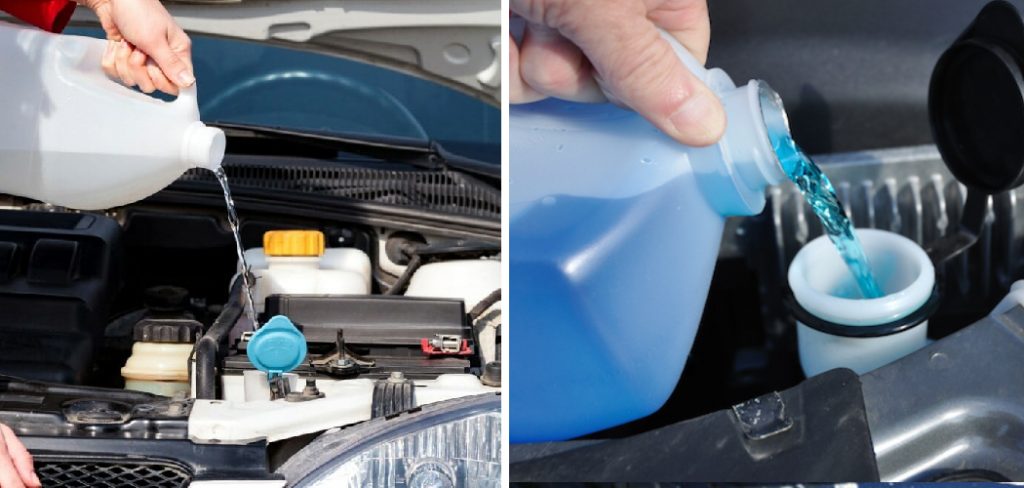
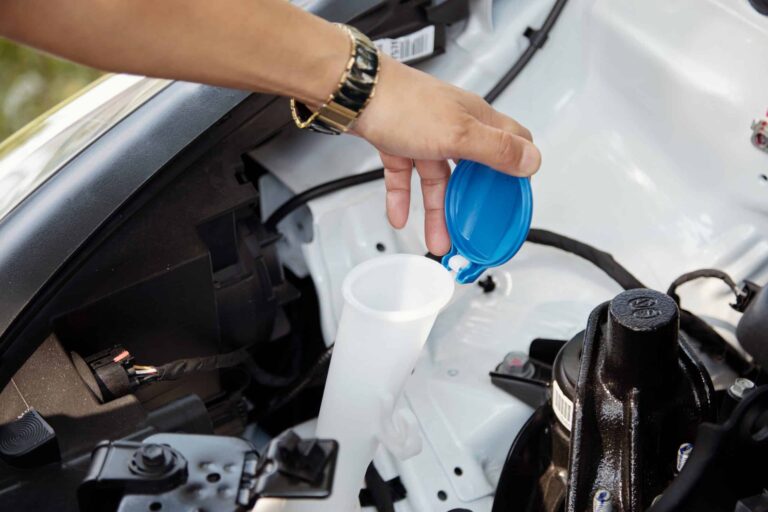
Once the fluid has thawed, check the reservoir for cracks and inspect accessible hoses for leaks. If the system appears intact, remove or replace the unsuitable summer fluid according to the vehicle manual and product instructions. Refill with an appropriate winter-rated product, using the correct dilution ratio if required.
If the reservoir is difficult to access, the system remains frozen, or you suspect damage, ask a qualified mechanic for help. Some vehicles have reservoirs or hoses in areas that are hard to reach, and careless disassembly can damage plastic parts or electrical connectors.
Source: servicecomplex10.pythonanywhere.com
Step-by-Step Thawing Procedure
Follow this sequence when freezing is likely and the vehicle can be moved safely to a warmer location. If you cannot move the vehicle without driving in unsafe conditions, arrange suitable assistance instead.
Step 1: Stop operating the washer
Do not repeatedly activate the pump while ice may be blocking the system.
Step 2: Move to a warmer sheltered location
Use a suitable garage or service facility where the system can warm gradually.
Step 3: Allow the entire system to thaw
The reservoir, hoses, pump area, and nozzles may need different amounts of time to warm.
Step 4: Inspect for damage
Look for leaks, cracked plastic, loose hoses, or other visible problems once it is safe to inspect them.
Step 5: Replace unsuitable fluid
Follow the vehicle manual and the fluid label when removing or replacing summer fluid.
Step 6: Test the system
When the system is fully thawed and appears undamaged, use the washer briefly to confirm that the spray works normally.
What Not to Do When Washer Fluid Freezes
Quick heating methods can damage the washer system or create other hazards. Plastic reservoirs and hoses are not designed to withstand every sudden temperature change, and open flames can ignite flammable materials.
Do not pour boiling water into the reservoir
Sudden heat can damage plastic parts, and the water may freeze again when temperatures fall.
Do not use an open flame
Flames can damage vehicle components and create a fire risk.
Do not add random chemicals
Household alcohol, antifreeze for engine cooling systems, and other improvised mixtures may damage components or create exposure hazards.
Do not force the pump
Repeated operation against an ice blockage may strain the pump without restoring the spray.
How to Prevent Summer Washer Fluid From Freezing
The most reliable prevention method is to use a washer fluid rated for the lowest temperatures you expect. Make the switch before a freeze, rather than waiting until the system stops spraying. This gives you time to replace unsuitable fluid and check the system while conditions are manageable.
Check the reservoir before the cold season and review the product label. If summer fluid remains in the system, follow the vehicle and product instructions for replacing it. Simply topping up with a winter formula may leave an unknown mixture, so do not assume that the new product’s full temperature rating will apply to the combined fluid.
Avoid adding plain water in freezing weather unless the specific product instructions and expected conditions permit it. Keep a suitable supply of correctly rated washer fluid available during winter travel, and check the level before long trips.
Prevention also includes basic system maintenance. Damaged hoses, leaking connections, clogged nozzles, or a faulty pump can leave you without spray even when the correct fluid is present. Fix existing problems before winter conditions make them harder to diagnose.
Source: hitchesguide.com
Choose the right rating
Select a product rated for the lowest temperatures likely in your area or along your route.
Change fluids before the first hard freeze
Replace unsuitable summer fluid according to the vehicle manual and product instructions.
Avoid unapproved dilution
Use the specified ratio for concentrates and do not add water to a ready-to-use product unless its label allows it.
Inspect the system
Check accessible hoses, reservoir condition, nozzle operation, and signs of leakage.
Keep windshield visibility a priority
Do not rely on a washer system that has stopped working when road spray, salt, or grime can block your view.
Can You Mix Summer and Winter Windshield Washer Fluid?
Summer and winter washer fluids may be physically mixable, but mixing them does not guarantee the final product will retain the winter formula’s stated freeze protection. The result depends on the ingredients and the proportions of each product.
If a hard freeze is approaching, replacing the summer fluid with a suitable winter formula is more predictable than relying on an unknown mixture. Follow the vehicle manual and product labels for draining, flushing, or refilling the reservoir. If the existing fluid is frozen, thaw the system first rather than trying to force a new product through it.
Do not assume equal performance
The temperature rating printed on a winter product may not apply to a mixture containing summer fluid.
Check product compatibility
Follow the manufacturers’ instructions and avoid combining products when compatibility is unclear.
Frequently Asked Questions
Q
Can summer windshield washer fluid freeze at 32 degrees Fahrenheit?
Yes, some summer washer fluids can begin freezing at or near 32 degrees Fahrenheit, while others remain liquid at lower temperatures. The exact point depends on the product’s formula and concentration. Check the label instead of assuming every summer product freezes at the same temperature.
Q
Will summer washer fluid freeze overnight?
It can freeze overnight if the temperature drops below the fluid’s freezing limit for long enough. The risk depends on the formula, the amount of dilution, and the vehicle’s exposure to cold. A car parked outdoors during a prolonged freeze may be more vulnerable than one stored in a heated garage.
Q
Can frozen windshield washer fluid damage my car?
Yes, freezing can block hoses and nozzles, prevent the pump from moving fluid, and potentially damage components if ice expands in confined spaces. The extent of the risk depends on the system design and how much freezing occurs. After thawing, check for leaks and have suspected damage inspected before relying on the washer system.
Q
Can I add winter washer fluid to frozen summer fluid?
Do not try to force winter fluid through a frozen system. Allow the system to thaw in a suitable warm location first. Then follow the vehicle manual and product instructions to replace the unsuitable fluid with a winter formula rated for the expected temperatures.
Q
Is all-season windshield washer fluid safe in freezing weather?
Not necessarily. All-season is a product description, not a guarantee that the fluid will remain liquid at every winter temperature. Check the stated freeze-protection rating and compare it with the lowest temperatures you expect to encounter.
Q
Can I use engine antifreeze to stop windshield washer fluid from freezing?
No. Engine coolant is not a substitute for windshield washer fluid. It is formulated for a different vehicle system and may leave residue, impair visibility, or damage parts of the washer system. Use a washer product intended for windshield cleaning and follow its label.
✦ Wrapping Up
Conclusion
Summer windshield washer fluid can freeze when winter temperatures fall below the limits of its formula. Some products tolerate modest cold, but others provide little protection against ice. The exact freezing point depends on the ingredients, concentration, dilution, and conditions around the vehicle.
The best way to avoid a frozen washer system is to check the label and switch to a winter-rated product before freezing weather arrives. If the system has already frozen, stop operating the pump and allow the reservoir, hoses, and nozzles to thaw gradually in a suitable sheltered location. Inspect for leaks or damage before using the system again.
Clear visibility is a basic part of safe driving. If your windshield washer system cannot remove road grime, salt, or spray, do not continue driving in conditions where that loss of visibility could put you at risk. Repair the system or arrange suitable assistance before returning to the road.
💡 Key Takeaway
Check the washer fluid label today. If its freeze-protection rating does not cover the coldest temperatures expected where you drive, replace it with a suitable winter-rated windshield washer fluid before the next freeze.
Learn how to refill windshield washer fluid in a Honda Accord, locate the reservoir, choose the right fluid, avoid common mistakes, and troubleshoot spray problems.