No, you do not always need to dilute windshield washer fluid. Ready-to-use fluid goes straight into the reservoir, while concentrated fluid must be mixed with water according to the label. Never guess the ratio, especially when freezing weather is possible.
Across the United States, drivers use windshield washer fluid to clear dust, bugs, road grime, and other dirt from the glass. The right fluid helps keep the road ahead clear, whether you drive through a hot Texas summer, a rainy Florida afternoon, or a snowy winter in Minnesota.
The main thing to check is the product label. Some bottles contain a finished mixture that is ready for use. Others hold a concentrate that needs water before it enters your car’s washer system. Adding water to a ready-to-use product can weaken its cleaning power and its ability to resist freezing.
This guide explains how to tell the difference, how to follow a mixing ratio, and how to avoid common mistakes. It also covers what to do if you have already added water or used the wrong mixture.
How to Tell Whether Windshield Washer Fluid Needs Dilution
The label is the best way to tell whether you need to dilute your washer fluid. Look for words such as ready to use, premixed, concentrate, or must be diluted. These terms describe how the product should be prepared before you pour it into the vehicle.
Ready-to-use fluid is already mixed at the intended strength. Open the reservoir, add the fluid, and close the cap. Do not add water unless the manufacturer clearly permits it.
Concentrated fluid contains cleaning ingredients in a stronger form. It is designed to be mixed with a set amount of water. Using it without the required dilution may not deliver the intended result and can be unsuitable for the washer system.
Do not judge a product by its color alone. Blue, green, pink, and other colors do not provide a reliable guide to its strength, ingredients, or freeze protection. Two fluids with the same color can have different mixing rules.
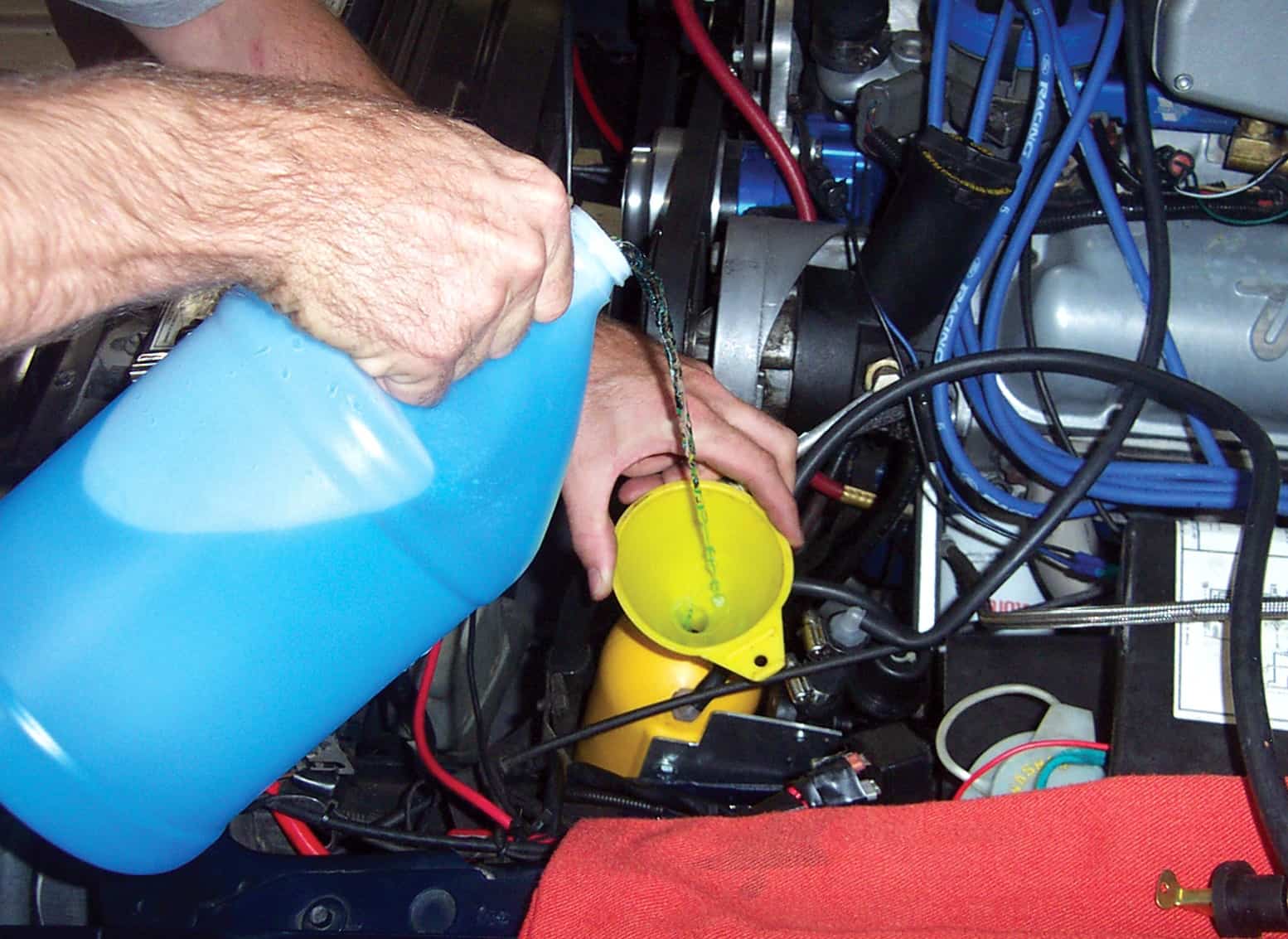
Source: practicalmechanic.com
Ready-to-use fluid
Pour it into the washer reservoir as supplied. Extra water is usually unnecessary and may weaken the formula.
Concentrated fluid
Mix it with the stated amount of water before use, unless the label gives a specific alternative method.
Unclear label
Find the product instructions or contact its manufacturer. Do not assume that every bottle follows the same ratio.
What Does Concentrated Washer Fluid Mean?
Concentrate is a product made to be diluted before use. The bottle may contain enough cleaning ingredients for several gallons of finished fluid, depending on the formula and the directions.
A small bottle is not proof that the product is concentrated. Read the label rather than relying on bottle size, price, or appearance. Some small bottles contain ready-to-use products, while some large containers hold concentrate.
Check the directions first
Find the stated water amount, mixing ratio, and any temperature guidance before preparing the fluid.
What Does Ready-to-Use Mean?
Ready-to-use means the manufacturer has already prepared the mixture. The product is intended to go directly into the reservoir without extra water.
If the bottle says ready to use but also gives special instructions for certain climates, follow those directions. Never dilute it simply because another brand requires water.
Why the Correct Dilution Ratio Matters
The correct ratio helps the washer fluid clean the windshield and perform as intended. Adding too much water can reduce the amount of cleaning agents and other ingredients in each spray. In cold weather, it can also reduce protection against freezing.
A mixture that is too weak may struggle with oily road film, dried bugs, and stubborn dirt. It may also freeze in the reservoir, hoses, or spray nozzles when temperatures fall below its protection range.
Using too much concentrate is not a good shortcut either. Some products need a set amount of water to work as designed. Follow the label rather than assuming that a stronger mixture will always clean better or offer better protection.
The right balance depends on the exact formula. For this reason, there is no single dilution ratio that applies to every windshield washer concentrate sold in the United States.
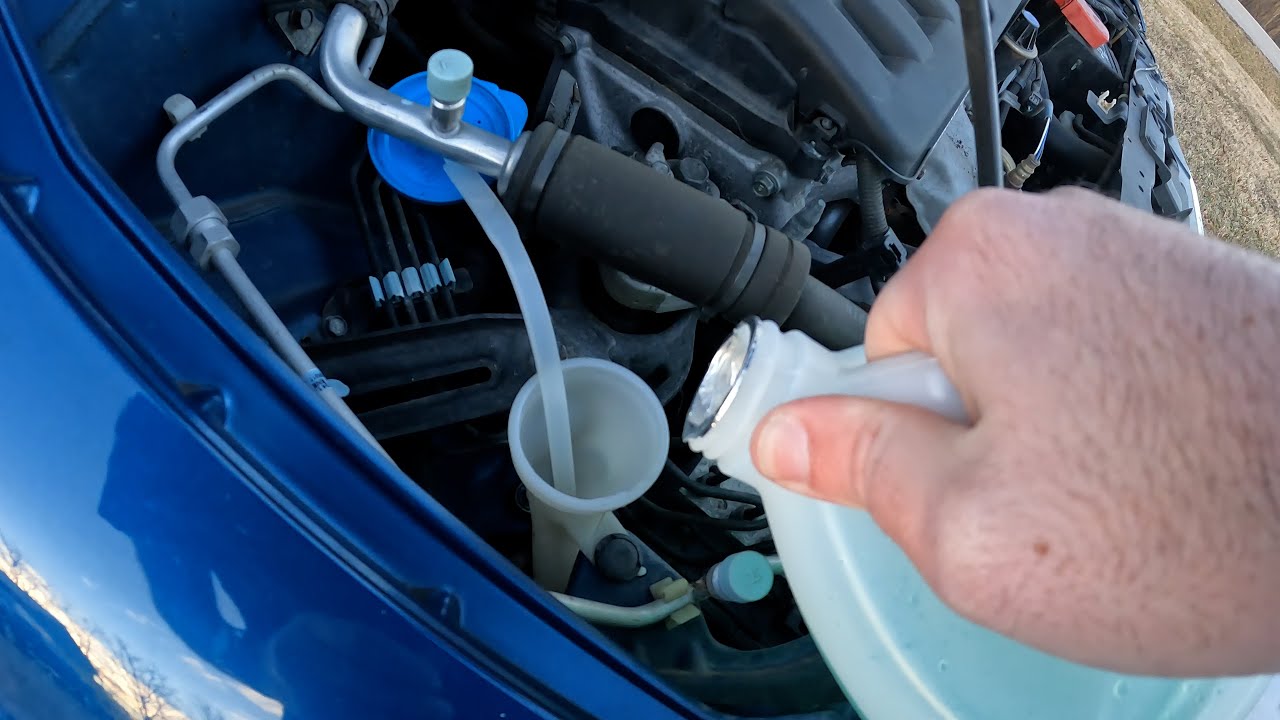
Source: autopartsguideline.com
Cleaning performance
The mixture needs the intended concentration of cleaning ingredients to help remove dirt, bugs, and road film.
Freeze protection
The water-to-concentrate ratio affects the temperature at which the mixture may freeze. Use the label’s stated protection level.
System operation
A suitable mixture helps the washer system deliver fluid when you need it. Never assume an unknown mixture is safe for freezing conditions.
Does More Concentrate Mean Better Cleaning?
Not always. Concentrates are designed to be used within their stated mixing range. Adding extra concentrate without checking the directions may waste product and can change the way the mixture behaves.
If the windshield remains dirty after spraying, check the fluid instructions, the spray nozzles, and the condition of the wiper blades. A poor result does not automatically mean that you need a stronger mixture.
How to Dilute Windshield Washer Fluid Correctly
To dilute washer concentrate correctly, read the label, measure the concentrate and water, and mix them as directed. Before starting, make sure you have a clean container, clean water if required, and enough space to prepare the amount you need.
Do not pour water into the car’s reservoir first and then estimate how much concentrate to add. That approach makes the final ratio hard to control, especially if the tank already contains fluid.
The directions may state a ratio such as one part concentrate to three parts water. In that example, one cup of concentrate needs three cups of water. The result is four cups of finished mixture, assuming the stated ratio means concentrate to water.
Some labels instead describe the amount of water to add to a given quantity of concentrate. Read the wording carefully so you do not confuse the amount of water with the total amount of finished fluid.
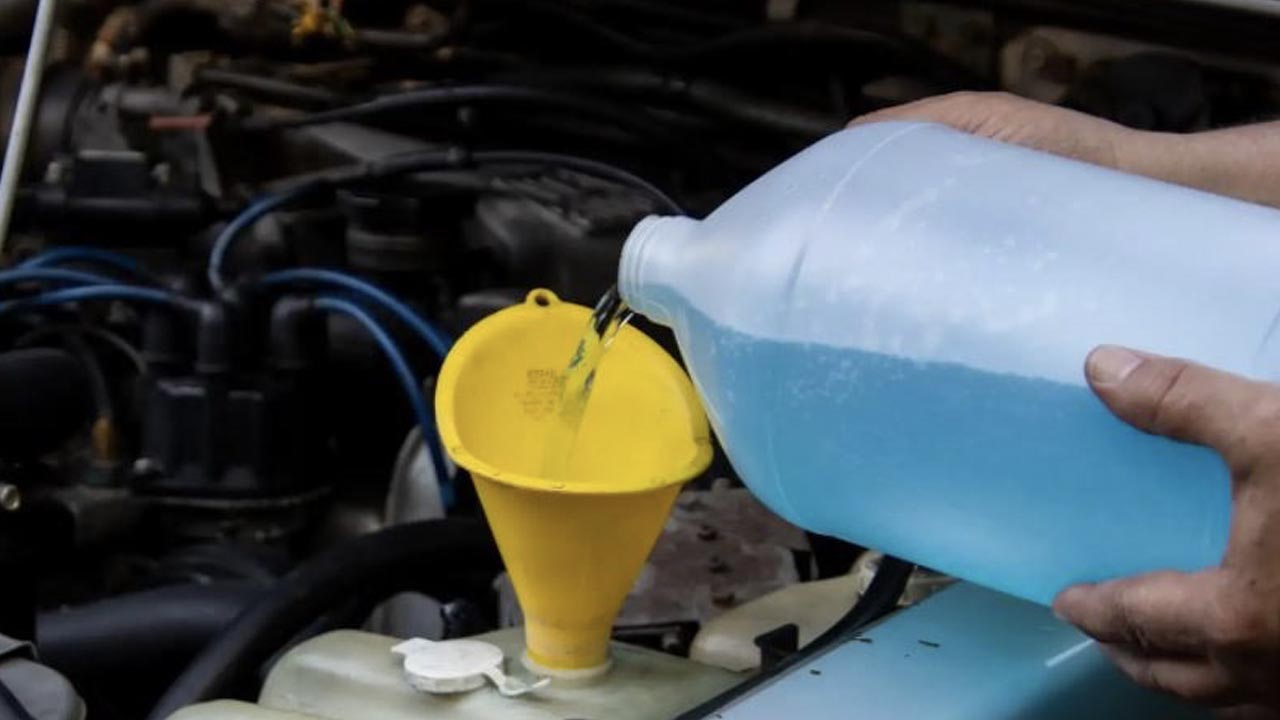
Source: storage.googleapis.com
Step 1: Read the bottle
Confirm that the product is a concentrate and find the exact dilution ratio and any temperature limits.
Step 2: Choose the right water
Use clean water as directed by the manufacturer. If the label specifies distilled or demineralized water, follow that requirement.
Step 3: Measure the ingredients
Use a suitable measuring container. Do not estimate the ratio by eye.
Step 4: Mix the fluid
Combine the ingredients in a clean container according to the label. Keep the product away from children, pets, sparks, and flames.
Step 5: Fill the reservoir
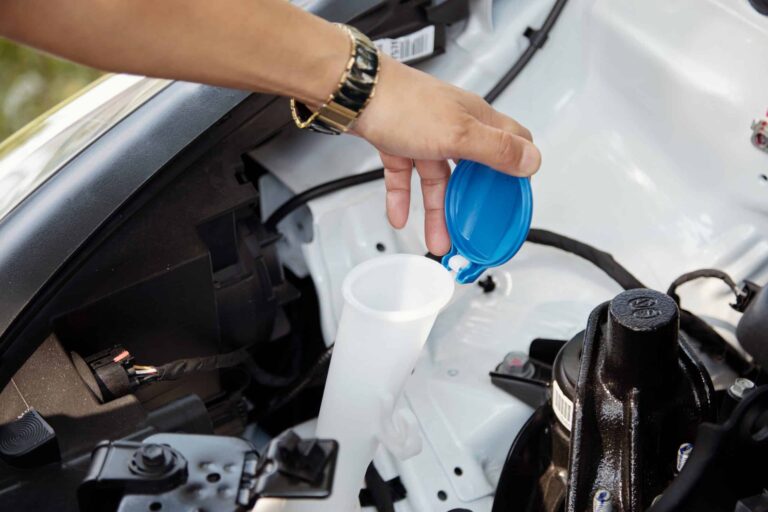
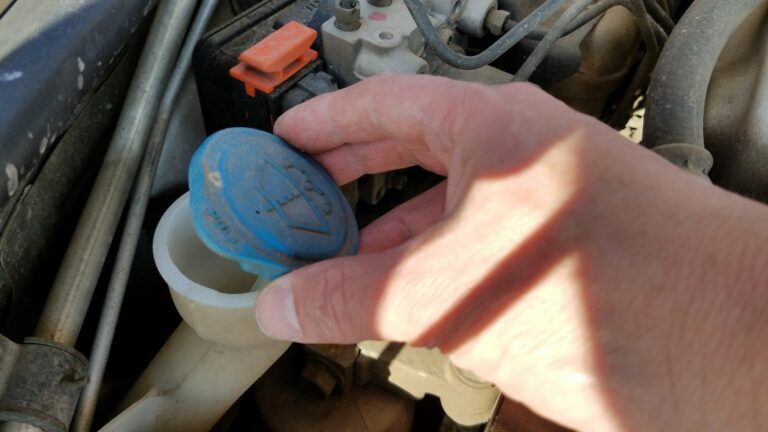
With the vehicle parked and the engine switched off, locate the washer fluid cap and add the prepared mixture without overfilling.
Step 6: Test the washer
Close the cap and test the spray when it is safe to do so. Check that the fluid reaches the glass and helps clear it.
A Simple Dilution Calculation
Suppose a label calls for one part concentrate and three parts water. If you measure 8 fluid ounces of concentrate, you need 24 fluid ounces of water. The total finished mixture is 32 fluid ounces.
This is a hypothetical example, not a universal recommendation. Always use the ratio printed on your own product. A winter formula may require a different mix from a summer formula, and some concentrates have very different instructions.
Concentrate
8 fluid ounces.
Water
24 fluid ounces.
Total mixture
32 fluid ounces, or 1 quart.
What If the Product Gives a Mixing Chart?
Some manufacturers provide a chart with different ratios for different levels of freeze protection. Use the row that fits the expected weather and the product’s stated limits.
Do not transfer a ratio from one brand to another. Concentrations and formulas differ, so a ratio that works for one product may not provide the same result with another.
Should You Dilute Washer Fluid in Summer or Winter?
The season matters because temperature changes the protection your washer fluid may need. A mixture intended for warm weather may not be suitable when temperatures fall below freezing.
In hot regions of the United States, drivers may use a summer formula designed to remove bugs, dust, and road film. A concentrate may call for more water in warm conditions, but the label determines the correct ratio.
In colder states, the main concern is freeze protection. A mixture that is too weak may freeze inside the washer system or on the windshield. Frozen fluid can stop the system from clearing the glass when road spray or snow reduces visibility.
Do not rely on the word winter alone. Check the temperature printed on the container and compare it with the conditions you may encounter. The stated protection level applies to the specified mixture, not to every mixture made from that product.
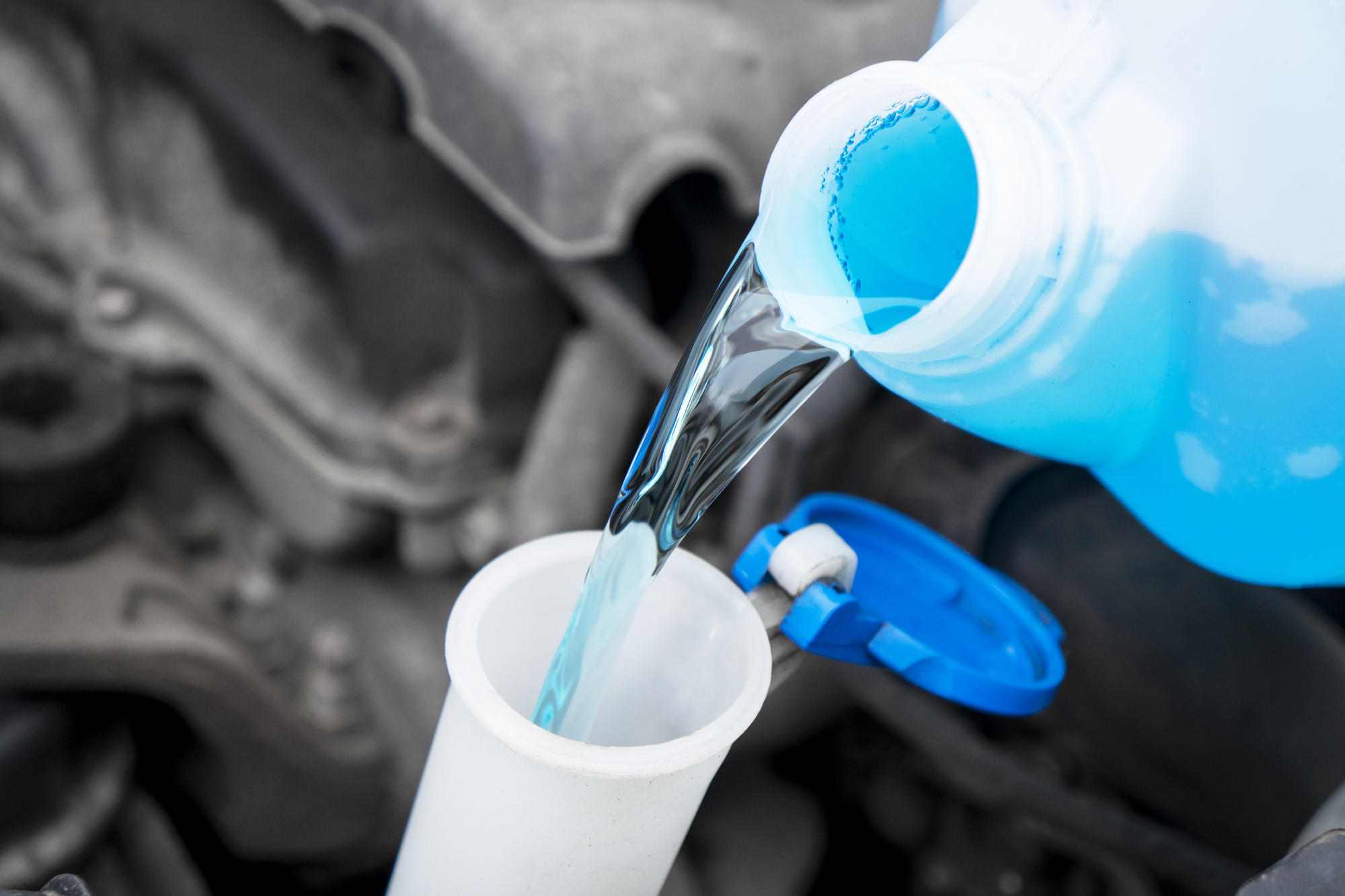
Source: storage.googleapis.com
Warm weather
Use a suitable summer product or the concentrate ratio listed for warm conditions.
Cold weather
Choose a formula with enough freeze protection for the expected temperatures and follow its mixing chart.
Changing seasons
Check the fluid before the first freeze. Replace or correct a weak mixture before cold weather arrives.
Can You Add Water to Winter Washer Fluid?
Adding water to winter washer fluid can reduce its freeze protection. Even if the mixture still looks and sprays normally, its protection may no longer match the temperature printed on the bottle.
If you have a ready-to-use winter formula, do not add water unless its instructions allow it. If you use a winter concentrate, add only the amount of water stated for your desired protection level.
Can You Use Plain Water Instead?
Some vehicle owner manuals permit plain water as a temporary option when washer fluid is unavailable, but they warn that a fluid with antifreeze properties is needed in cold climates. Water alone also lacks the full cleaning ingredients found in washer fluid.
For regular use, a suitable washer fluid is generally the more dependable option. Never use plain water in freezing conditions if it could freeze in the reservoir, hoses, or nozzles.
Common Mistakes to Avoid When Mixing Washer Fluid
Most mixing problems happen when drivers skip the label or assume every washer fluid works the same way. A few simple checks can help prevent weak cleaning, poor freeze protection, and unnecessary waste.
The biggest mistake is adding water to ready-to-use fluid without checking whether dilution is allowed. The next is using a concentrate at a guessed ratio. Both can change how the mixture performs.
Another common mistake is choosing a fluid by color. Color is not a reliable way to identify the product’s formula or mixing requirements. Keep the original container or take a clear photo of the label so you can check the directions later.
Source: hitchesguide.com
Guessing the ratio
Use the stated amounts rather than relying on memory or a ratio from another bottle.
Adding too much water
Excess water can weaken the cleaner and reduce freeze protection.
Mixing products without checking
Different formulas may have different instructions. When the ingredients or compatibility are unclear, check with the manufacturers before mixing.
Ignoring the forecast
A mixture suitable for mild weather may be unsuitable when freezing temperatures arrive.
Using household cleaners
Do not add dish soap, laundry detergent, or other household cleaners unless the vehicle and fluid manufacturers specifically approve them.
Using engine coolant
Never put engine coolant or radiator antifreeze in the washer reservoir. It can seriously reduce visibility when sprayed onto the windshield.
What If You Already Added Too Much Water?
First, consider the weather and the amount of water added. If freezing temperatures are possible, do not assume the mixture is protected just because it sprays normally.
Check the product’s instructions to see whether the final mixture still meets the required ratio. If the amount of water is unknown or the fluid may freeze, avoid relying on it in cold weather. A qualified service professional can help remove and replace the mixture if needed.
Do not try to correct an unknown mixture by pouring in extra concentrate without calculating the final ratio. The reservoir may contain a large amount of fluid, and guessing can create another incorrect mixture.
For a mild-weather mistake
Check the label and correct the mixture before regular use if the instructions allow it.
For a possible freeze risk
Arrange to replace the weak mixture with suitable fluid before driving in freezing conditions.
How to Troubleshoot Poor Washer Fluid Performance
If the windshield does not get clean, do not immediately add more concentrate. Start with the easiest checks and look for the cause. The issue may involve the fluid, the spray nozzles, or the wiper blades rather than the dilution ratio.
Check that the reservoir contains enough fluid and that you used the correct product. If the fluid is suitable but the spray is weak or absent, the system may have a blocked nozzle, a leak, a damaged hose, or a pump problem.
If the spray works but leaves streaks, inspect the glass and wiper blades. Dirt, worn rubber, or oily residue can affect visibility even when the washer fluid is correctly mixed.
If the fluid may have frozen, do not force the system to run repeatedly. Let the vehicle thaw in a safe, warm place and check the fluid and washer system before trying again. Seek professional help if the system remains blocked or appears damaged.
Source: carfixboss.com
No spray comes out
Check the fluid level and weather conditions. If the system is not frozen and the reservoir is full, have the nozzles, hoses, and pump checked.
Spray is weak
Check for low fluid, blocked nozzles, or a leak. Do not assume a stronger mixture will fix a mechanical fault.
The glass remains dirty
Check the product directions, glass condition, and wiper blades. Use a suitable fluid rather than an unapproved household mixture.
The mixture may freeze
Stop relying on the system until the fluid and washer components can be checked and the correct mixture restored.
How Can You Tell Whether the Mixture Is Working?
In suitable weather, a working washer system should spray fluid onto the windshield and help the wipers clear ordinary road dirt. The spray should reach the glass without obvious leaks or repeated blockages.
Good spray performance does not prove that the mixture has enough freeze protection. Check the label and mixing ratio for that information. You cannot reliably judge the freezing point by looking at the liquid.
Frequently Asked Questions
Q
Can I put windshield washer fluid straight into my car?
Yes, if the bottle says ready to use or premixed. Pour it into the correct washer reservoir without adding water. If the bottle says concentrate, follow the stated dilution instructions first.
Q
Can I dilute windshield washer fluid with tap water?
Use the type of water specified by the manufacturer. Some products permit clean tap water, while others call for distilled or demineralized water. Do not assume that every concentrate has the same water requirements.
Q
What happens if I do not dilute concentrated washer fluid?
The product may not perform as intended if it is used without the required water. The correct mixture depends on the formula, so read the label before use. Do not assume that a stronger concentrate will always clean better or protect the system more effectively.
Q
Can I mix two different brands of windshield washer fluid?
Do not assume that different brands or formulas are compatible. If you cannot confirm that the products can be mixed, use one suitable product at a time and follow its directions. This is especially important when one product is concentrated and the other is ready to use.
Q
Does diluted windshield washer fluid expire?
Shelf life varies by product and storage conditions. Check the container for storage guidance and an expiration date, if provided. Keep the fluid in a closed, labeled container and avoid storing it where children or pets can reach it.
Q
Can windshield washer fluid freeze after dilution?
Yes. The mixture may freeze if its protection level is too low for the temperature. Adding excess water can weaken freeze protection, so use the label’s mixing chart and choose a formula suited to the expected weather.
Q
Is windshield washer concentrate the same as engine antifreeze?
No. Windshield washer fluid and engine coolant are different products with different purposes. Never pour engine coolant or radiator antifreeze into the washer reservoir because it can badly impair visibility when sprayed onto the windshield.
✦ Wrapping Up
Conclusion
Whether you need to dilute windshield washer fluid depends on the product you buy. Ready-to-use fluid normally goes straight into the reservoir, while concentrate needs the amount of water stated on its label.
Weather also matters. A mixture that works during a warm summer may not offer enough freeze protection during a cold winter. Check the product’s temperature guidance before mixing or filling the reservoir.
If you have already added water or used the wrong ratio, do not guess at a correction. Check the instructions, work out the mixture if possible, and replace it with suitable fluid when its strength or freeze protection is uncertain.
💡 Key Takeaway
Before filling your car, check three things: whether the product is ready to use or concentrated, the exact water-to-concentrate ratio, and the temperature protection required for your local weather. Following those directions is the simplest way to maintain a clear windshield and a working washer system.
Learn how to refill windshield washer fluid in a Honda Accord, locate the reservoir, choose the right fluid, avoid common mistakes, and troubleshoot spray problems.
Learn how to fold a pop up windshield sun shade safely and quickly. Follow simple steps, avoid common mistakes, and store your car sun shade without damaging its frame.