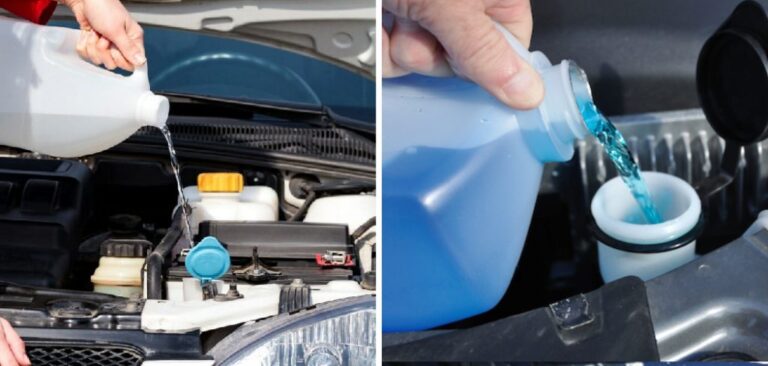
Yes, you can mix windshield washer fluid with water when the product is a concentrate designed for dilution. However, adding water to ready-to-use washer fluid can weaken its cleaning power and freeze protection. Always check the product label and your vehicle owner’s manual before mixing.
For drivers across the United States, the answer depends on the type of washer fluid, the weather, and the vehicle. A driver in warm Florida may face different concerns from someone driving through a cold winter in Minnesota. The right mixture must clean the glass and stay usable in the temperatures you expect.
Windshield washer fluid is made to remove road grime, dust, bugs, and oily film from your windshield. Many formulas also contain ingredients that help stop the liquid from freezing. Adding water changes the balance of these ingredients, so a mixture that works well in summer may fail during a cold snap.
The safest approach is simple: dilute a concentrate only as directed, keep ready-to-use fluid at its intended strength, and use a winter formula when temperatures may fall below freezing. Plain water may serve as a short-term option in warm weather if your owner’s manual allows it, but it is not a reliable replacement for proper washer fluid.
Yes, but only when the type of washer fluid and the mixing instructions make it suitable. Concentrated washer fluid is made to be mixed with water. Ready-to-use washer fluid is already blended for use and normally should not need extra water.
The key difference is the amount of cleaning agents and freeze-protection ingredients in the mixture. Adding water to a concentrate brings it to the intended strength. Adding the same amount to a ready-to-use product can make it weaker than the manufacturer planned.
Your local climate matters, too. In a warm part of the country, freezing may be unlikely for much of the year. In places with harsh winters, even a small change in the mixture can reduce protection when temperatures drop. Choose the fluid based on the lowest temperatures you expect, not just the weather on the day you refill the tank.
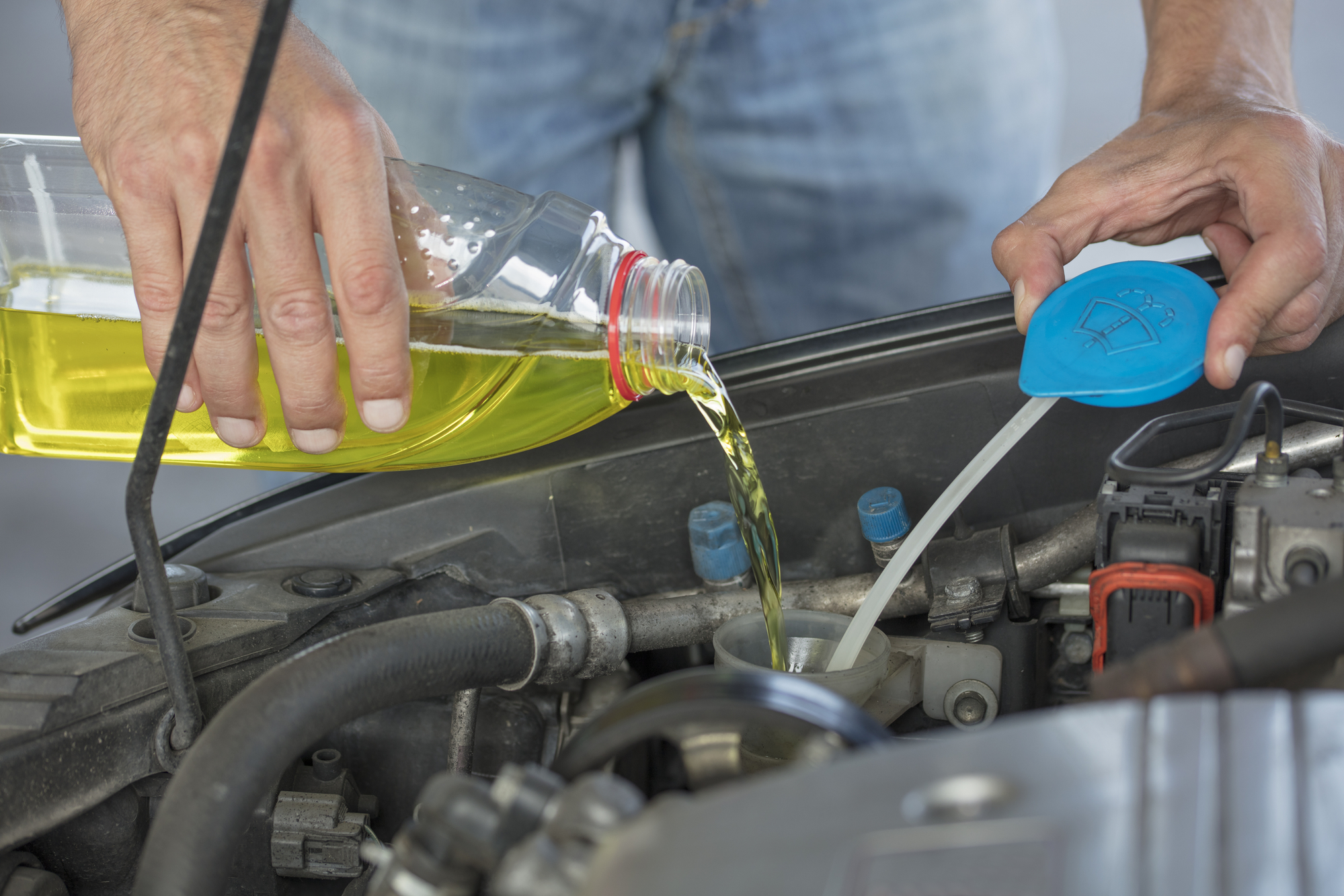
Source: www.budget101.com
Concentrated washer fluid
Mix it with the specified amount of water. Follow the product label because different formulas require different ratios.
Ready-to-use washer fluid
Use it as sold unless the manufacturer clearly permits dilution. Adding water can reduce its cleaning ability and cold-weather protection.
Plain water
Some vehicle manuals permit water in warm weather when washer fluid is unavailable. Water alone is not a dependable all-season choice.
Why does the type of fluid matter?
A concentrate contains ingredients in a stronger form so you can add water before use. The label tells you how much water to add for the intended performance. A ready-to-use product already contains water and other ingredients in a planned balance.
If you are unsure which type you have, read the front and back labels before opening the container. Look for terms such as concentrate, dilution ratio, ready to use, and freeze protection. Do not guess based on the bottle size or color.
Look for mixing instructions
A stated water ratio is a clear sign that the product is meant to be diluted.
Check the temperature rating
Make sure the finished mixture is rated for the coldest weather you may encounter.
What Happens When You Add Water to Windshield Washer Fluid?
Adding water lowers the concentration of the ingredients already in the washer fluid. This can affect how well the mixture removes dirt, how it behaves in cold weather, and how much residue it leaves on the glass.
The result depends on the original formula and the amount of water added. A small amount may have little effect in mild weather, while heavy dilution can make the mixture unsuitable for the conditions. There is no single dilution ratio that works for every brand or vehicle.
Water does not always cause an immediate problem. The mixture may still spray and clean the glass. The risk is that it may no longer provide the performance promised on the original label, especially when temperatures fall or the windshield is covered with stubborn road film.
Source: detroitchinatown.org
Weaker freeze protection
Water raises the mixture’s freezing point compared with a properly prepared winter formula. The liquid may freeze in the reservoir, pump, hoses, or spray nozzles.
Reduced cleaning power
Dilution lowers the concentration of detergents and solvents. Bug marks, oily film, and road grime may take more effort to remove.
Possible streaking
A weaker or unsuitable mixture may leave smears or fail to clear the glass well. Water quality and the original formula can also affect residue.
Uncertain performance
Once you change the original mixture, you cannot assume it still meets the product’s stated temperature rating.
Why freeze protection is a safety issue
Water freezes at 32 degrees Fahrenheit under normal conditions. Washer fluid often contains alcohols or other ingredients that lower its freezing point. Adding water reduces the concentration of these ingredients and can leave the system less protected than expected.
Ice in the washer system can block the spray nozzles or stop the pump from delivering fluid. If road salt, mud, or slush covers your windshield, losing the washer system can quickly affect visibility. Ice may also damage parts of the system if it forms and expands inside them.
The liquid can also freeze on the windshield rather than in the tank. This is especially risky when cold air hits a wet windshield while you are driving. Use a suitable winter fluid and the vehicle’s defroster when temperatures are low.
Before winter travel
Check the washer fluid’s temperature rating and use a product suited to expected overnight lows and road conditions.
If freezing is possible
Do not add plain water to a winter mixture. Use the appropriate winter-rated product instead.
How to Mix Concentrated Windshield Washer Fluid With Water
You can prepare concentrated washer fluid at home by following the directions printed on the container. The right ratio depends on the product and the level of cleaning and freeze protection it is designed to provide. Do not use a ratio from another brand unless your product gives the same instructions.
Before starting, check the vehicle owner’s manual to confirm the correct washer reservoir and any special fluid requirements. Gather the concentrate, the recommended type of water, and a clean mixing container if the label calls for mixing outside the vehicle.
Read the whole label first. Some products provide different ratios for summer and winter use, while others specify one ratio for a stated temperature range. If the instructions are unclear, use a ready-to-use product suited to your climate rather than guessing.
Source: storage.googleapis.com
Step 1: Read the label
Confirm that the product is a concentrate and find its water ratio and freeze-protection information.
Step 2: Select the right water
Use clean water as directed. Distilled water may help limit mineral deposits, but check your vehicle manual because some systems have specific requirements.
Step 3: Measure both liquids
Use the stated ratio. Do not estimate by eye or add extra water to stretch the product.
Step 4: Mix only as directed
Follow the label on whether to mix the solution in a separate container or directly in the reservoir.
Step 5: Fill the correct reservoir
Park safely, turn off the vehicle, and identify the washer fluid cap using the owner’s manual. Never pour the mixture into the coolant reservoir.
Step 6: Store the product safely
Keep the original container tightly closed and out of reach of children and pets. Clean up spills according to the label.
How much water should you add?
Use the ratio on the bottle rather than a general rule. For example, if a label calls for one part concentrate and three parts water, a hypothetical batch made with 8 fluid ounces of concentrate would need 24 fluid ounces of water. The finished batch would contain 32 fluid ounces before allowing for any measuring differences.
That example explains the math only; it is not a universal washer fluid recipe. A different concentrate may need a stronger mixture to provide the required freeze protection. Always use the actual ratio and temperature chart printed on your product.
Check the final temperature rating
Choose a permitted ratio that provides protection below the lowest temperatures you expect to face.
Avoid adding extra water
More water than directed can reduce freeze protection and cleaning performance.
What if the concentrate has no clear instructions?
Do not assume that every concentrated product uses the same formula. Check the manufacturer’s official product information or contact its support team for the correct ratio. Until you confirm the instructions, a ready-to-use fluid with a clear temperature rating is the more straightforward option.
Do not rely on color
Blue, green, pink, and other colors do not tell you the product’s concentration or freeze rating.
Can You Add Water to Ready-to-Use Washer Fluid?
In most cases, you should not add water to ready-to-use windshield washer fluid. The product is already blended for direct use, so additional water changes its formula and may reduce its stated performance.
Some vehicle manufacturers explicitly warn against mixing water with ready-to-use washer fluid. Ford, for example, warns that dilution can cause freezing and damage to the reservoir, lines, and pump. Your own vehicle manual is the best guide for the system fitted to your car.
If the reservoir is low, topping it up with the same type of ready-to-use fluid is generally the simplest way to keep the mixture close to its intended strength. If you do not know what is already in the tank, avoid adding a large amount of water or an unknown chemical mixture.
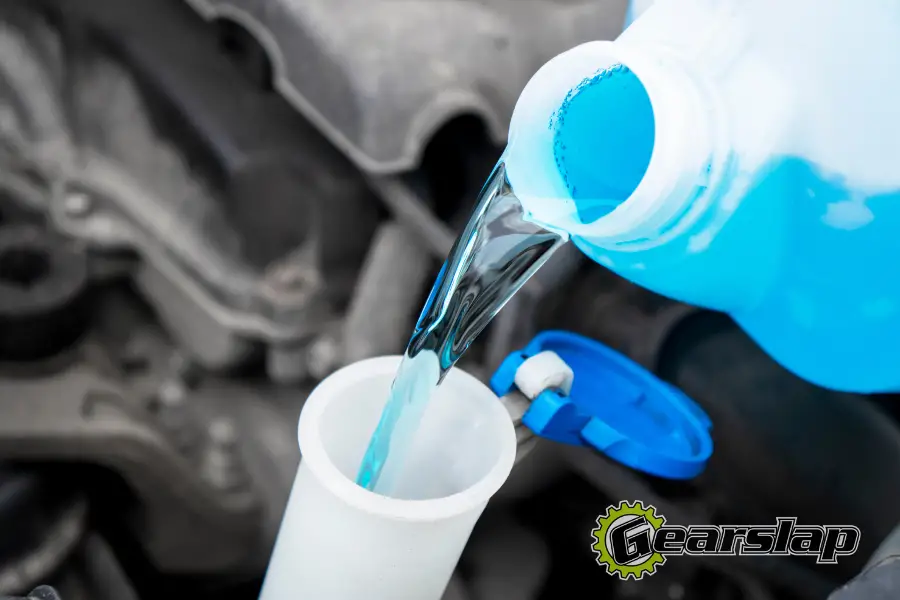
Source: gearslap.com
When the tank is nearly empty
Add a suitable ready-to-use product rather than diluting the remaining fluid with plain water.
When a small amount of water has been added
Do not assume the system is damaged. Consider the amount added, the fluid’s rating, and the weather, then restore a suitable mixture before cold-weather use.
When the mixture is unknown
If reliable freeze protection matters, have the mixture checked or replaced with a suitable product according to the vehicle and product instructions.
Is a little water always harmful?
Not necessarily. A small amount of water may not cause an immediate problem in warm weather, but the effect depends on the fluid and the amount added. There is no universal amount that can be called safe for every ready-to-use product.
The practical concern is that dilution can make the mixture’s performance uncertain. If cold weather is possible, do not rely on an unknown mixture to protect the washer system. Use a product with a suitable temperature rating and follow the manufacturer’s directions.
Warm conditions
The immediate risk of freezing may be lower, but cleaning performance can still decline.
Cold conditions
Avoid dilution unless the product instructions specifically support it and the resulting mixture provides adequate protection.
Can You Use Plain Water Instead of Windshield Washer Fluid?
Plain water may be acceptable as a temporary measure in warm weather if your vehicle’s owner’s manual permits it. Some vehicle manuals allow water during summer when washer fluid is unavailable. However, water alone does not provide the same cleaning formula or dependable freeze protection as suitable automotive washer fluid.
Water can remove loose dust and some fresh dirt, but it may struggle with dried bugs, oily road film, and grime. It also lacks the added ingredients found in many commercial products. Tap water can contain minerals that may leave deposits over time, depending on its composition and the washer system.
The main issue is temperature. If water freezes in the tank or lines, the washer system may stop working. For drivers in areas where nighttime temperatures can approach freezing, a proper washer fluid is a better choice even if daytime weather feels mild.
Source: storage.googleapis.com
When water may be acceptable
A vehicle manual permits it, the weather is reliably warm, and the use is temporary.
When water is a poor choice
You expect freezing weather, drive on salty or muddy roads, or need to remove stubborn road film and bug residue.
When mineral buildup is a concern
Follow the vehicle and fluid manufacturer’s advice about water quality. Distilled water may reduce mineral deposits, but it does not provide freeze protection by itself.
Does distilled water work better than tap water?
Distilled water contains fewer dissolved minerals than ordinary tap water. That can help limit mineral deposits in some applications, but it does not turn plain water into a full washer fluid formula. It still lacks the detergents and freeze-protection ingredients needed for many driving conditions.
Some vehicles may have special requirements for the washer system or fluid level sensor. Check the owner’s manual before choosing distilled or deionized water. If the manual calls for a particular automotive fluid, follow that guidance.
Best general practice
Use the type of water specified for the concentrate and the finished mixture recommended for your vehicle.
How to Choose the Right Mixture for Your Climate
Choose washer fluid according to the lowest temperatures you expect, the type of driving you do, and the product’s stated performance. A summer formula may be suited to bug removal, while a winter formula is designed to provide freeze protection in cold conditions. All-season products may combine cleaning with a stated level of cold-weather protection.
Across the United States, winter conditions vary widely. A driver in a warm coastal area may rarely need a deep-winter formula, while a driver in a northern state may need strong freeze protection for much of the season. Mountain travel can bring sudden temperature changes even when the trip starts in mild weather.
The label’s temperature rating matters more than the fluid’s color or a broad claim such as all-season. If you prepare a concentrate, use the ratio that matches your conditions. Do not dilute it beyond the stated ratio to save money, because the finished mixture may no longer provide the protection you need.
Source: garagesee.com
Warm-weather driving
Use a suitable summer or all-season fluid. Water may be allowed temporarily by the vehicle manual, but proper washer fluid usually cleans more effectively.
Cold-weather driving
Choose a winter-rated fluid with a freeze rating below the lowest temperature you expect.
Long road trips
Check the forecast along the whole route, not just at your starting point. Carry an appropriate replacement product when practical.
Unpredictable weather
Choose a formula suited to possible cold snaps and follow its stated mixing directions.
A simple decision table
Use this table as a starting point, then check your owner’s manual and the fluid label. It is not a substitute for the product’s actual temperature rating.
Concentrate with a clear mixing chart
Mix with the specified amount of water for your expected temperatures.
Ready-to-use fluid
Use as sold. Avoid adding water unless the manufacturer permits it.
Warm weather with no washer fluid available
Water may be a temporary option if the owner’s manual allows it and freezing is not expected.
Freezing weather expected
Use a winter-rated automotive washer fluid. Do not rely on plain water or an unverified diluted mixture.
Unknown mixture already in the tank
Avoid guessing at the freeze rating. Have the mixture assessed or replaced as appropriate before driving in freezing conditions.
Common Mistakes to Avoid When Mixing Washer Fluid
Most washer fluid problems start with the wrong product, an incorrect ratio, or a mistaken assumption about what is already in the reservoir. Taking a moment to check the label can prevent poor cleaning and avoidable trouble during cold weather.
Do not use color as a guide to compatibility or strength. Different products can have similar colors but different ingredients, and a clear-looking mixture does not prove that it has enough freeze protection. The only dependable guide is the product information and the vehicle manufacturer’s instructions.
Never substitute engine coolant or household cleaning products for washer fluid. Coolant can leave a film that obscures the windshield, while unsuitable cleaners may cause residue, damage components, or interfere with the washer system.
Source: garagesee.com
Adding too much water
Excess water can weaken the formula and raise the mixture’s freezing point. Follow the dilution chart instead.
Mixing products without checking labels
Different formulas may have different intended uses and ingredients. Use a compatible product and follow any restrictions in the manual.
Using household soap
Dish soap and other household cleaners are not designed for every washer system and may cause excess foam, streaking, or residue.
Adding engine coolant
Never use engine coolant or antifreeze in the washer reservoir. It can obscure the glass and create a serious driving hazard.
Ignoring the weather forecast
A mixture that works on a warm afternoon may fail when temperatures fall overnight. Plan for the coldest conditions on your route.
Filling the wrong reservoir
Identify the washer fluid cap using the owner’s manual. Putting the wrong liquid in another vehicle system can cause damage.
What should you do if you added too much water?
First, consider how much water was added, what type of fluid was in the tank, and whether freezing weather is expected. Do not assume that a diluted mixture still has its original temperature rating. If cold conditions are possible, avoid relying on it until the mixture is corrected.
If the system may contain a heavily diluted or unknown mixture, consult the vehicle manual or a qualified mechanic about the appropriate way to restore it. Simply pouring in more concentrate may not produce a predictable result because the remaining volume and original formula are unknown.
If the washer system stops spraying or you suspect that fluid has frozen, do not keep activating the pump. Let the vehicle thaw in a suitable warm place and check whether the system works again. Seek professional help if it remains blocked, leaks, or makes unusual noises.
Before driving
Make sure you can keep the windshield clear. Do not begin a trip if poor visibility could make the drive unsafe.
If damage is suspected
Ask a mechanic to inspect the reservoir, pump, hoses, and nozzles rather than forcing the system to operate.
Safety Tips for Handling Windshield Washer Fluid
Handle washer fluid with care and follow the product label. Some formulas contain methanol or other alcohols that can be harmful if swallowed, and some products are flammable. Keep the container closed when you are not using it and store it away from children and pets.
Add fluid only when the vehicle is parked safely and turned off. Avoid spills near hot engine parts, and do not transfer washer fluid into drinking bottles or food containers. Keep it in its original labeled container so its contents and hazards remain clear.
If fluid gets on your skin or in your eyes, follow the first-aid instructions on the product label. If anyone swallows washer fluid, seek urgent professional poison guidance or emergency medical help. Do not wait for symptoms to appear.
Source: gearslap.com
Use the right product
Choose automotive windshield washer fluid and follow the label and vehicle manual.
Avoid flames and hot surfaces
Some washer fluid formulas are flammable. Prevent spills near hot engine components and ignition sources.
Store it securely
Keep the original container tightly closed and out of reach of children and pets.
Follow the product label and local waste rules for unused fluid. Do not pour it into a storm drain or onto the ground.
Can washer fluid damage your car?
A suitable washer fluid used as directed is intended for the vehicle’s washer system. Problems can arise when you use the wrong liquid, dilute the formula too much, or ignore a vehicle-specific restriction. Freezing can also damage the reservoir, pump, or hoses.
If the wrong liquid enters the reservoir, avoid running the washer system until you have checked the vehicle manufacturer’s guidance. A mechanic can advise whether the tank needs to be emptied and cleaned. The right response depends on what was added and how much entered the system.
Use automotive products
Do not treat the washer reservoir as a general-purpose container for water, coolant, soap, or other cleaners.
Act if the system behaves oddly
Leaks, blocked nozzles, persistent poor spray, or a pump that will not work warrant further inspection.
Frequently Asked Questions
Q
Can I mix windshield washer fluid with tap water?
You can mix tap water with a concentrate if the product label permits it. However, tap water may contain minerals that can leave deposits over time. Use the type of water specified by the manufacturer, and do not add tap water to ready-to-use fluid unless the instructions allow it.
Q
Can I mix windshield washer fluid with distilled water?
Yes, if the concentrate’s instructions and your vehicle manual allow distilled water. Distilled water has fewer dissolved minerals than tap water, but it does not provide freeze protection on its own. You must still use the correct amount of concentrate for the conditions.
Q
Can I add water to winter windshield washer fluid?
Avoid adding water to ready-to-use winter washer fluid unless the manufacturer specifically permits it. Water can weaken the freeze protection and leave the mixture unable to handle the temperatures listed on the original label. Use the correct winter formula at its intended strength.
Q
Can I use windshield washer fluid concentrate without water?
Only use concentrate without dilution if the label explicitly says it is safe for direct use. Many concentrates are designed to be diluted first. Using them at the wrong strength may waste product, affect cleaning performance, or fail to provide the intended protection.
Q
Will adding water make windshield washer fluid freeze?
Adding water can raise the mixture’s freezing point, but the exact result depends on the original formula and how much water you add. A mixture that was rated for very cold weather may no longer provide that protection after dilution. Follow the product’s mixing chart rather than estimating the new rating.
Q
Can I use plain water in my washer reservoir during summer?
Some vehicle manuals permit plain water during warm summer weather when washer fluid is unavailable. It may remove loose dust, but it is less effective against oily film and dried bugs. Use proper washer fluid when possible, and do not rely on water if freezing temperatures may occur.
Q
What happens if I accidentally mix too much water into washer fluid?
The mixture may clean less effectively and provide less freeze protection. Check the expected weather and the original product instructions. If freezing is possible or the mixture is heavily diluted, consult the manufacturer or a qualified mechanic about restoring a suitable mixture before relying on the system.
Q
Can I mix different windshield washer fluid brands with water?
Do not assume that different brands or formulas are interchangeable. Check both labels and your vehicle manual for restrictions. If you are preparing a concentrate, use the dilution ratio for that specific product. When the contents of the reservoir are unknown, a suitable replacement mixture is safer than guessing.
✦ Wrapping Up
Conclusion
You can mix windshield washer fluid with water when the product is a concentrate designed for dilution. The correct ratio depends on the formula, the intended cleaning performance, and the temperatures you expect. Ready-to-use washer fluid should normally be used as sold because extra water can weaken its performance.
For U.S. drivers, the main concern is keeping the windshield clear in changing weather. A mixture that works in warm conditions may not provide enough protection during a cold snap. Check the product label, follow the vehicle owner’s manual, and choose a fluid with a suitable temperature rating.
Plain water may be allowed as a temporary summer option in some vehicles, but it is not a dependable replacement for automotive washer fluid. Avoid household cleaners and engine coolant, and handle washer fluid carefully because some formulas contain harmful or flammable ingredients.
💡 Key Takeaway
Before filling the reservoir, identify whether your product is a concentrate or ready-to-use fluid. Follow the stated dilution ratio, verify the freeze rating for your local weather, and use a suitable winter formula whenever freezing conditions are possible.
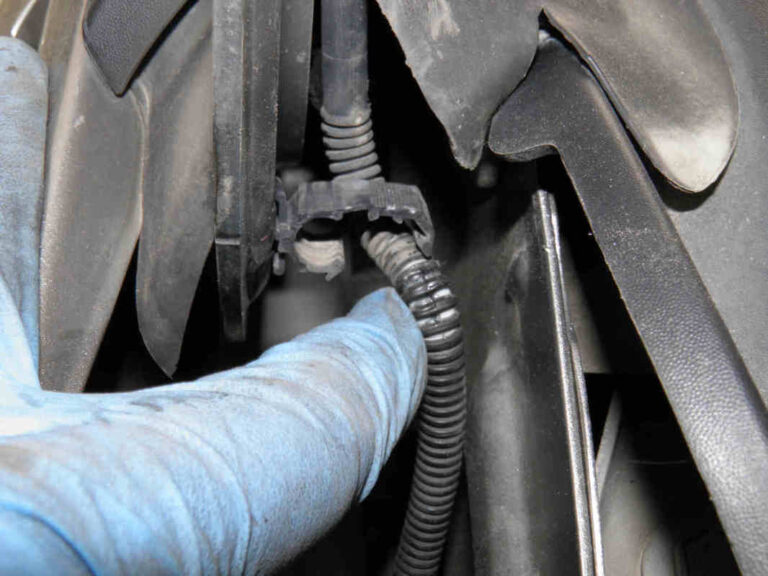
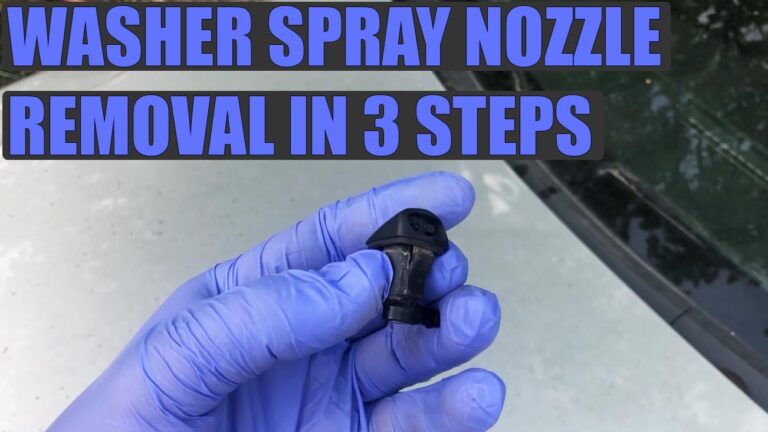
Learn how to remove a windshield washer nozzle safely, identify clip and screw-mounted designs, disconnect the hose, replace the nozzle, and test the spray pattern.
Learn how to replace a windshield washer pump on a Ford F-150, including diagnostic checks, tools, removal steps, installation tips, and troubleshooting.