A long windshield crack is not always safe to repair at home. Have an auto glass professional assess it first. Many long cracks need windshield replacement, especially when they affect the driver’s view, reach an edge, or involve several connected cracks.
Across the United States, a cracked windshield can affect more than a car’s appearance. It can limit a driver’s view, weaken the windshield’s ability to support the vehicle’s safety systems, and create problems during a state vehicle inspection. Heat, cold, road vibration, and sudden temperature changes can also cause a small crack to spread.
The right fix depends on the crack’s length, depth, location, and pattern. A short chip may be a good candidate for a resin repair kit, but a long crack needs more care. The safest first step is to check whether the damage affects visibility or reaches the edge of the glass, then seek a qualified auto glass assessment.
This guide explains how long windshield cracks form, what repair methods can and cannot do, how to protect damaged glass, and when replacement is the better option. It also covers insurance, repair costs, common mistakes, and practical ways to reduce the chance of further damage.
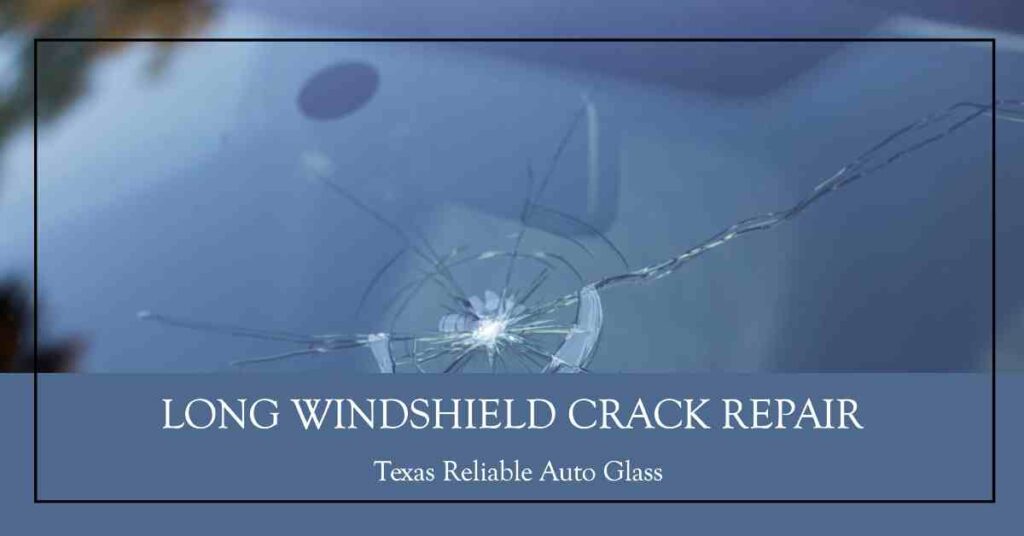
A long windshield crack is a fracture that extends well beyond a small chip or isolated surface mark. It may run in a straight line, curve across the glass, branch into smaller lines, or spread from a point of impact. Some cracks grow slowly, while others expand after a bump or a sharp change in temperature.
Most modern windshields use laminated safety glass. This construction has two glass layers bonded to a plastic interlayer. The layers help keep broken glass together, but they do not make the windshield immune to cracking. Damage can still reduce visibility and compromise the glass’s ability to perform its intended safety role.
There is no single length that makes every crack repairable or unrepairable. Repair limits vary by the type of damage, the vehicle, the glass manufacturer’s guidance, and the repair method. A crack several inches long in one location may present a different problem from a similar crack that reaches the outer edge or crosses the driver’s main viewing area.
Source: i.ytimg.com
Stress crack
A crack that may form without a clear impact mark, often due to stress, temperature changes, installation problems, or existing damage.
Impact crack
A crack that starts at a stone strike or another impact point and may spread outward through the glass.
Edge crack
A crack that begins near or reaches the windshield’s outer edge. This damage deserves prompt professional assessment because it may affect the glass’s structural support.
Combination damage
A chip, star-shaped break, and one or more cracks that connect. Complex damage can be harder to repair than a simple isolated crack.
Why Crack Location Matters
The driver’s viewing area is a key factor in deciding whether repair is suitable. Even after resin is applied, a repaired crack may leave a visible mark, distortion, or glare. A repair that looks acceptable from outside may still interfere with the driver’s view from the seat.
Damage near the windshield’s edge can also raise structural concerns. The windshield is part of the vehicle’s safety design and can help support proper airbag deployment and roof strength in certain crashes. A crack near the edge should not be treated as a routine cosmetic defect.
Central viewing area
Seek prompt assessment if a crack crosses the area through which you watch traffic, road signs, pedestrians, or signals.
Outer edge
Have an edge crack assessed before driving because its position may make repair unsuitable.
Near sensors or cameras
Tell the technician if the windshield contains a forward-facing camera, rain sensor, or driver-assistance equipment.
Can You Repair a Long Windshield Crack at Home?
Sometimes a technician can stabilize selected long cracks with a suitable resin process, but a home repair kit is not a reliable fix for every long fracture. Many consumer kits are designed for small chips or limited cracks. Their instructions may set strict limits on crack length, impact type, and location. Read those limits before considering a DIY repair.
Resin repair works by filling accessible damage with a special material that helps reduce the crack’s visibility and limit further spreading. The result depends on the crack’s shape, cleanliness, depth, and the resin’s ability to reach the damaged areas. Resin cannot make all broken glass behave like new glass, and a repair may remain visible.
A long crack that reaches the edge, branches widely, crosses the driver’s primary viewing area, or appears to affect several layers is generally a poor candidate for an unassessed home repair. In these cases, professional replacement may be the appropriate solution. Do not use a kit simply because the crack appears thin.
The practical rule is simple: use DIY products only when the damage clearly falls within the product’s stated limits and the repair does not create a safety concern. If the crack is long enough that you are unsure, arrange an inspection rather than experimenting on the windshield.
Source: m.media-amazon.com
A possible repair candidate
A technician may consider repair when the damage is limited, the crack type is suitable, the driver’s view will remain acceptable, and the applicable repair guidance allows it.
A likely replacement candidate
Replacement is often preferred when the crack is extensive, reaches an edge, creates visual distortion, involves complex branching, or falls outside approved repair limits.
A poor DIY candidate
Do not attempt a home repair when the crack’s depth or extent is unclear, the glass is unstable, or the kit instructions exclude that damage.
Why a Long Crack Is Different From a Small Chip
A small chip may have a compact impact point that a repair tool can reach. A long crack can extend through a much larger area, making it harder to fill evenly and control. The crack may also continue to grow while pressure is applied during a repair attempt.
A successful-looking repair does not prove that the windshield has regained its original strength. Cosmetic improvement, crack stabilization, and restoration of the windshield’s full safety performance are different outcomes. The technician should explain which result can reasonably be expected for the damage in question.
Repair limits
Follow the exact limits set by the kit maker or glass repair procedure rather than relying on a general length rule found online.
Safety outcome
Choose the method based on the condition and function of the glass, not only on whether the crack can be made less visible.
What to Do Before Repairing a Long Windshield Crack
Protecting the windshield before assessment can help prevent extra damage. Do not press on the crack, flex the glass, or repeatedly test whether it has spread. Avoid slamming doors, driving over rough roads, or exposing the windshield to sudden heat or cold while the glass is damaged.
Keep the area clean without pushing dirt or liquid into the crack. If rain is expected, park in a sheltered place when possible. Do not put strong adhesive, household glue, nail polish, or other improvised substances into the fracture because they can interfere with a later professional repair.
Assess visibility from the driver’s seat while the vehicle is parked. If the crack blocks a clear view, causes major glare, reaches the edge, or appears to make the windshield unstable, do not drive the vehicle. Contact an auto glass service to ask about mobile inspection, replacement, or towing as appropriate.
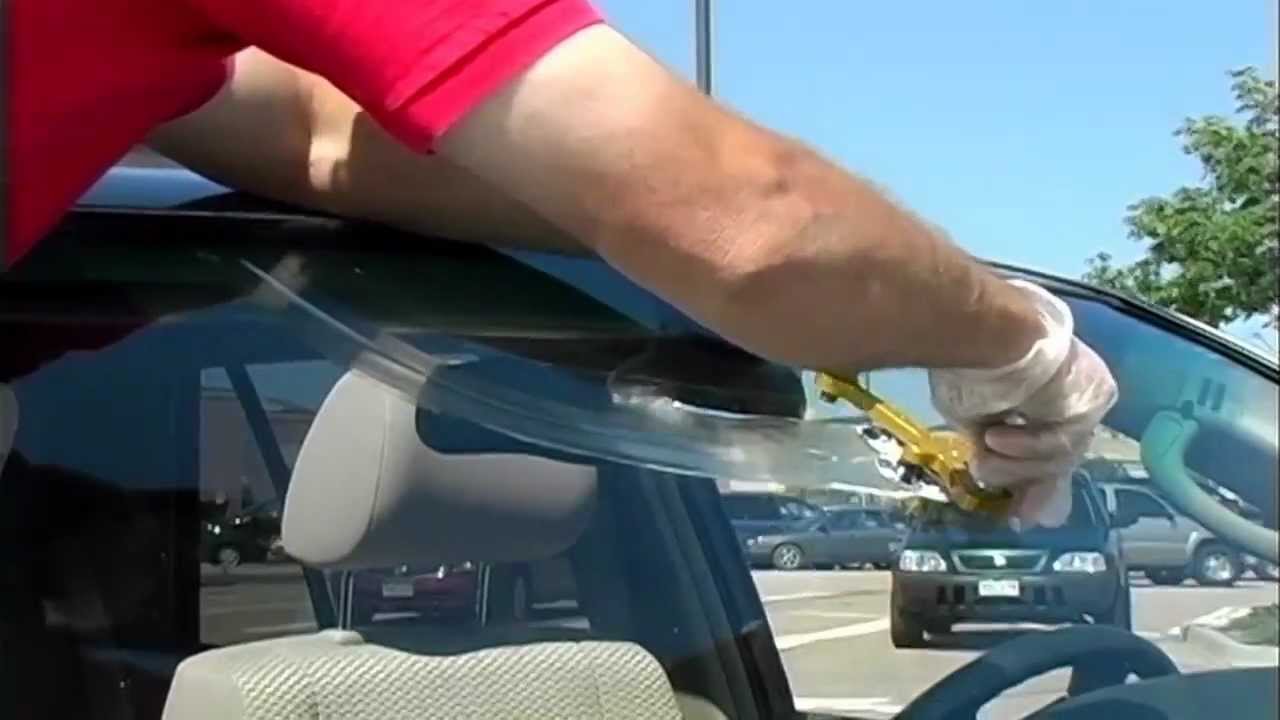
Source: drivinglife.net
Park in a sheltered area
Use a garage or covered parking space when available to reduce exposure to rapid temperature changes and weather.
Avoid sudden temperature changes
Do not direct a hot defroster at cold, damaged glass or pour hot or cold water on the windshield.
Limit unnecessary driving
Road vibration and body movement can increase stress on damaged glass. Arrange assessment as soon as practical.
Record the damage
Take clear photographs from inside and outside while parked. These may help when discussing repair options or an insurance claim.
Should You Put Tape Over a Windshield Crack?
Tape is not a structural repair and will not stop a long crack from spreading reliably. Avoid pressing tape firmly over the fracture or using adhesive that leaves residue. If a technician recommends a temporary protective measure for a specific situation, follow that advice and do not treat it as permission to keep driving an unsafe vehicle.
Do not seal the crack with household products
Glue and other improvised fillers can contaminate the glass and complicate later repair work.
Ask before using a temporary cover
Use only a method that will not obstruct the driver’s view or interfere with the repair procedure.
How Professionals Repair or Replace a Long Windshield Crack
A qualified auto glass technician starts by examining the full damage pattern, not just the most visible section. The technician checks the crack’s length, depth, location, impact point, and relationship to the windshield edge. The glass type, vehicle design, and any cameras or sensors also affect the recommended method.
If the damage meets the applicable repair criteria, the technician may use a controlled resin injection process. The procedure is designed to move suitable resin into the fracture, cure it as directed, and finish the surface. Not every crack can be filled fully, and a visible line may remain after treatment.
If repair is unsuitable, the technician removes the old windshield and installs a replacement that matches the vehicle’s requirements. Correct adhesive selection, surface preparation, glass positioning, and curing time all matter. The vehicle must not be driven until the installer confirms that the adhesive has reached the required safe drive-away time.
Vehicles with advanced driver-assistance systems may need camera calibration after windshield replacement. The exact process depends on the vehicle maker and equipment. Ask whether static or road-based calibration is required and whether it is included in the quote.
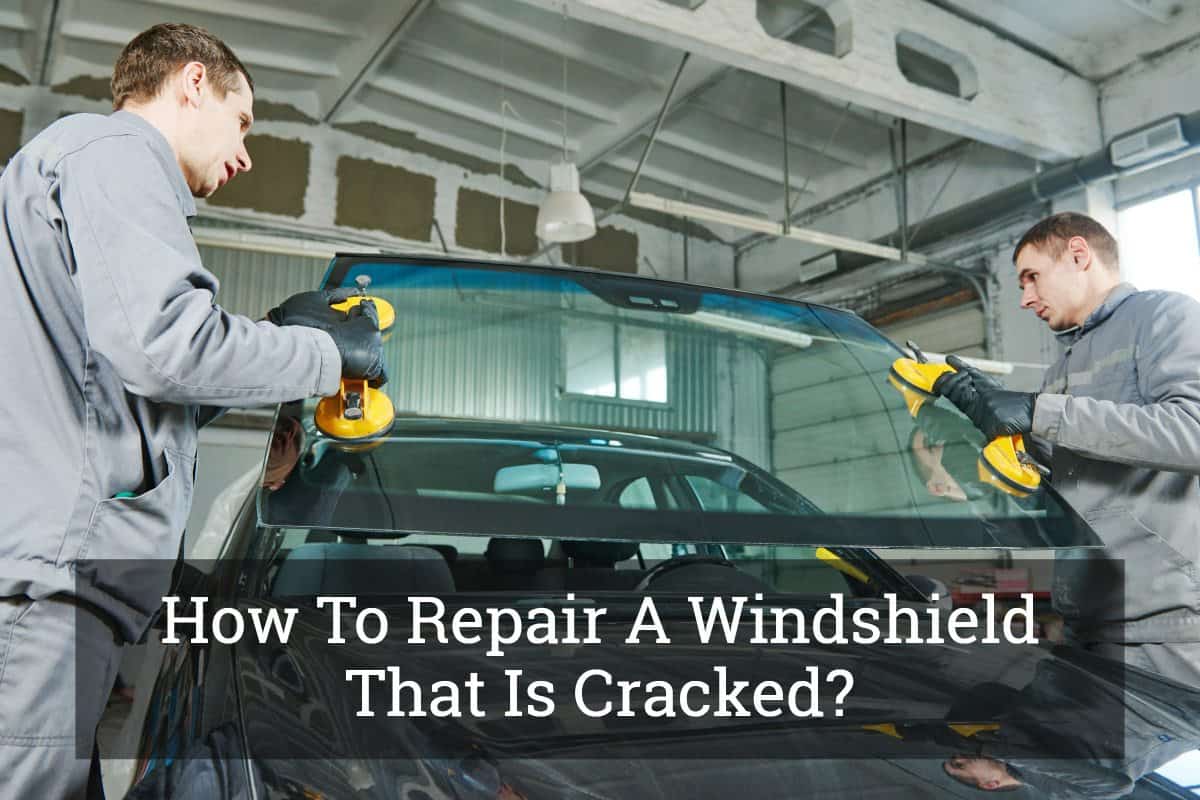
Source: i.ytimg.com
Step 1: Inspect the Crack and Vehicle
The technician identifies where the crack begins and ends and checks for branching, contamination, edge involvement, and visual distortion. The inspection also confirms whether the windshield contains special acoustic, heated, infrared-reflective, or sensor-compatible features that must match the replacement part.
Damage mapping
The technician checks the full fracture and any smaller chips connected to it.
Vehicle requirements
The technician verifies the glass specification and any camera, sensor, or trim requirements.
Step 2: Decide Whether Resin Repair Is Suitable
A repair may be considered only when the crack and its location fall within the relevant procedure’s limits. The technician should explain the expected visual result, any remaining limitations, and why repair is or is not appropriate. If the crack falls outside those limits, replacement is usually the safer course.
Repair decision
The decision should reflect the damage pattern, visibility, and applicable repair guidance, not a promise that every crack can be fixed.
Step 3: Prepare and Treat Suitable Damage
For an approved repair, the technician cleans and prepares the area using the selected system’s procedure. Special tools may create a controlled path for resin to enter the damaged glass. The resin is then cured and the surface finished according to the product instructions.
The technician checks the result for remaining air spaces, visual effects, and any sign that the crack continues to spread. If the outcome does not meet the procedure’s requirements, the technician should explain the next step rather than presenting an incomplete repair as a full restoration.
Controlled resin application
The resin and tools must be suitable for the type of crack being treated.
Final assessment
The technician checks the repaired area and explains any remaining visibility or limitations.
Step 4: Replace the Windshield When Needed
During replacement, the installer removes the damaged glass and prepares the vehicle’s bonding surface. The new windshield is fitted with the specified adhesive and aligned to the vehicle body. Incorrect installation can cause leaks, wind noise, poor bonding, or safety problems, so the procedure should follow the vehicle and adhesive manufacturers’ instructions.
After installation, the technician confirms the required curing time and checks the work. If driver-assistance equipment is present, required calibration must be completed before the vehicle is returned to normal use. Follow all instructions about driving, washing the vehicle, and removing temporary retention tape.
Correct replacement glass
The glass should meet the vehicle’s fit, safety, and equipment requirements.
Adhesive curing
Observe the specified safe drive-away time; it varies with the adhesive and installation conditions.
Sensor calibration
Confirm whether calibration is required and obtain confirmation that it has been completed.
Can You Use a Windshield Repair Kit for a Long Crack?
A windshield repair kit may help with damage that falls within its stated limits, but the word kit does not mean it is suitable for every crack. Some kits use resin, an applicator, a bridge, or a curing strip to treat small impact damage. Others advertise broader uses, but the exact instructions and limitations still matter.
Before buying or opening a kit, compare its permitted crack types and maximum dimensions with the actual damage. Check whether the maker excludes edge cracks, cracks in the driver’s viewing area, contamination, or damage that has spread through multiple branches. If the instructions do not clearly cover the crack, seek professional advice.
Do not drill the windshield or force a crack open to make resin flow. Such actions can cause the fracture to grow and may create a more costly problem. Follow the exact product instructions only when the glass damage is eligible and the work can be completed without compromising visibility or safety.
Source: i.ytimg.com
Check the instructions first
Confirm the allowed damage type, size, location, temperature range, and curing procedure before use.
Check the expected result
A kit may reduce the appearance of eligible damage but may not erase the crack or restore the original glass strength.
Stop if the crack grows
If the fracture spreads during preparation, stop and contact a professional rather than continuing to apply pressure.
Why DIY Repairs Sometimes Fail
A repair can fail when dirt or moisture is trapped in the crack, the damage is too extensive, the resin is unsuitable, or the application does not follow the required process. Cold or hot conditions can also affect product performance when they fall outside the stated range.
Another common problem is treating a long crack as if it were a simple chip. A resin kit may improve the appearance of one section while leaving the rest untreated. A repair that does not address the full eligible damage pattern may not provide the intended result.
Contamination
Dirt, water, and household chemicals can interfere with resin bonding and flow.
Wrong repair method
A kit designed for small chips may not be approved for a long or edge-reaching crack.
Excess pressure
Forcing an applicator or manipulating the crack can extend the damage.
Repair or Replace: How to Make the Right Decision
The best choice is the one that restores safe visibility and meets the vehicle’s glass requirements. Repair can preserve the original windshield when the damage is eligible, but replacement may be necessary when a long crack is too extensive or poorly located. Neither option should be chosen based only on the lowest initial price.
Use the table below as a preliminary guide, not as a substitute for a professional inspection. Repair limits vary, and a technician may recommend replacement even when the crack looks small from outside. If the damage is in the driver’s view or reaches the edge, arrange assessment promptly.
Source: texasreliableautoglass.com
Consider repair when
The damage is limited, its type is eligible for the selected procedure, the location does not create unacceptable visual distortion, and the technician confirms repair is suitable.
Consider replacement when
The crack is extensive, reaches the edge, affects the driver’s main view, has complex branching, or fails the applicable repair criteria.
Stop driving when
The crack prevents a clear view, the glass appears unstable, or the damage creates a significant safety concern. Arrange professional help instead.
A Practical Decision Table
This table summarizes common situations and the next sensible action. It does not set a universal maximum repair length because no single measurement applies to all vehicles, crack types, and repair systems.
Small, isolated chip
A repair may be possible if the damage meets the kit or technician’s criteria.
Long crack away from the edge
Arrange professional assessment. Repair suitability depends on the exact length, depth, location, and procedure.
Crack reaching the windshield edge
Replacement is often recommended because the edge location can affect structural performance.
Crack across the driver’s view
Prompt assessment is needed. Replacement may be necessary if the repair would leave distracting marks or distortion.
Several connected cracks
Professional inspection is preferred because complex damage can be unsuitable for ordinary resin kits.
How Much Does Long Windshield Crack Repair Cost?
The cost depends on whether the windshield can be repaired or must be replaced. A suitable small-damage repair usually costs less than a full replacement, but a long crack may fall outside the repair service’s limits. Prices also vary by vehicle, glass specification, location, labor, and service provider.
Replacement can cost more when the vehicle uses specialized glass, a head-up display, acoustic layers, heating elements, rain sensors, or advanced driver-assistance cameras. Calibration may add another charge. Ask for a written estimate that lists the glass, installation labor, adhesive, moldings, calibration, taxes, and any mobile service fee.
There is no reliable single national price that fits every long crack. A quote should be based on the vehicle identification number or exact make, model, year, trim, and installed equipment. Be cautious about choosing a provider solely because its advertised price is the lowest; ask what type of glass is being installed and what warranty applies.
Source: i.ytimg.com
Repair charge
Ask whether the provider can repair the specific crack and whether the quoted fee includes inspection and finishing.
Replacement charge
Check the cost of the correct glass, adhesive, installation, trim, and any required calibration.
Warranty
Ask what the warranty covers, including leaks, workmanship, and any limitations on repaired cracks.
Does Auto Insurance Cover a Long Windshield Crack?
Coverage depends on your policy, insurer, state, and whether the work is classified as repair or replacement. Some policies cover glass damage under comprehensive coverage, while deductibles and exclusions can change the amount you pay. Certain states have specific rules or insurance options for windshield damage, so do not assume the same terms apply nationwide.
Call your insurer or review your policy before authorizing work. Ask whether a claim affects your deductible, whether the insurer requires an approved network provider, and whether calibration is covered. Confirm the payment arrangement directly with the insurer and the glass shop.
Check your deductible
Compare the out-of-pocket cost with the estimate before deciding whether to file a claim.
Confirm provider rules
Ask whether you can choose your own technician and whether preapproval is needed.
Verify calibration coverage
If replacement affects a camera or sensor system, confirm that required calibration is included in the claim.
Common Mistakes to Avoid When a Windshield Has a Long Crack
The biggest mistake is assuming that a crack is harmless because the glass has not fallen apart. Laminated glass can hold together while still being damaged. A long fracture can grow, affect visibility, and reduce the windshield’s ability to perform its intended role in a crash.
Another mistake is delaying assessment while repeatedly heating, cooling, or driving the vehicle. Temperature changes and vibration can increase stress around the fracture. A crack that was stable while parked may spread during ordinary use.
Avoid improvised repairs and unsupported promises. Household glue, nail polish, aggressive scraping, drilling, and excessive pressure can worsen the damage or make later treatment harder. A repair service should explain the limits of its method and recommend replacement when the glass is not a suitable repair candidate.
Source: i.ytimg.com
Do not rely on a length rule alone
Location, crack type, depth, branching, and visibility all affect the decision.
Do not ignore a crack in the driver’s view
Glare, distortion, and blocked sight lines can make driving unsafe even when the crack seems narrow.
Do not drive before adhesive curing is complete
After replacement, follow the installer’s stated safe drive-away time and other care instructions.
Do not skip required calibration
A windshield-mounted camera may need calibration before driver-assistance features can operate as intended.
Do not assume every repair is invisible
Resin may leave a visible mark, and the technician should explain the expected appearance before work begins.
How to Tell Whether the Damage Is Getting Worse
Compare photographs taken from the same position and lighting conditions. Look for a longer line, new branches, a growing impact point, or a crack that has reached the edge. Do not press on the glass to test its stability.
If the crack grows, crosses more of the driver’s viewing area, or develops new branches, stop treating it as a minor cosmetic issue. Contact the glass service again and ask whether the vehicle should remain parked until repair or replacement.
New branching
New lines extending from the original crack can signal that the damage is spreading.
Change in visibility
Increasing glare or distortion can make the windshield unsuitable for continued driving.
Movement toward the edge
A crack that reaches the edge warrants prompt reassessment.
How to Prevent Windshield Cracks From Spreading
No temporary measure can guarantee that a long crack will stop spreading. The best prevention is to arrange an assessment promptly and avoid adding stress to the damaged glass while you wait. Keep the vehicle in a sheltered place and follow any advice provided by the glass technician.
Once the windshield has been repaired or replaced, reduce the risk of new damage through sensible driving and vehicle care. Leave more space behind trucks and other vehicles that may throw up road debris, and avoid following closely on gravel roads. Repair new chips early when they meet the relevant criteria, before they grow into larger fractures.
If a replacement windshield is installed, follow the shop’s instructions on door use, car washing, retention tape, and driving time. These directions depend on the adhesive and vehicle. Proper installation and any required sensor calibration matter just as much as the glass itself.
Source: i.ytimg.com
Maintain a safe following distance
More space can reduce exposure to some debris thrown from vehicles ahead.
Avoid sudden temperature changes
Use the climate controls gradually when the glass is very cold or hot.
Address small chips early
Prompt professional assessment can help determine whether a small defect is suitable for repair.
Choose qualified installation
Use a provider that follows the vehicle’s glass and adhesive requirements and can arrange required calibration.
What to Check After Windshield Replacement
Before leaving the shop, confirm that the glass is seated evenly and that the technician has explained the safe drive-away time. Ask how to report leaks, wind noise, loose trim, or other signs of an installation problem. Do not attempt to adjust the bonded glass yourself.
If the vehicle has a forward-facing camera or other windshield-mounted sensor, confirm whether calibration was required and obtain documentation of the completed procedure. Follow the vehicle maker’s instructions if a warning light or driver-assistance fault appears after the work.
Inspect the installation
Check for obvious gaps, damaged trim, and visible problems without pressing on the glass.
Keep the paperwork
Save the invoice, glass specification, warranty terms, and calibration record when applicable.
Frequently Asked Questions
Q
Can a 12-inch windshield crack be repaired?
Possibly, but length alone cannot determine whether repair is suitable. The crack’s depth, location, shape, edge involvement, and the repair system’s limits all matter. A qualified auto glass technician should assess the damage before you choose a repair kit or continue driving.
Q
Can super glue or clear nail polish stop a long windshield crack?
No. Household glue and clear nail polish are not approved substitutes for a proper windshield repair procedure. They do not restore the windshield’s intended safety performance and may contaminate the damaged area. Avoid applying them and ask an auto glass professional to assess the crack.
Q
Will windshield resin make a long crack disappear?
Not necessarily. Suitable resin may reduce the appearance of eligible damage and help stabilize it, but a repaired crack can remain visible. The result depends on the damage pattern, contamination, resin system, and procedure. A long crack may need replacement rather than resin treatment.
Q
Is it safe to drive with a long windshield crack?
It depends on the crack’s location and condition, but a long crack should be assessed promptly. Do not drive if it blocks or distorts the driver’s view, reaches the edge with signs of significant damage, or makes the glass appear unstable. Arrange professional help when visibility or structural safety is in doubt.
Q
Does insurance pay for long windshield crack repair or replacement?
Coverage depends on the policy, state, deductible, and insurer’s claim rules. Comprehensive coverage may help pay for eligible glass damage, but some policies have exclusions or special glass provisions. Ask the insurer about repair, replacement, calibration, and approved provider requirements before authorizing the work.
Q
How long does professional windshield crack repair take?
The time varies with the damage, the repair system, shop workload, and vehicle requirements. A suitable resin repair may take less time than a full replacement, while replacement also requires the adhesive to reach its specified safe drive-away time. Ask the technician for the expected work time and when the vehicle can safely be driven.
✦ Wrapping Up
Conclusion
Learning how to repair a long windshield crack starts with knowing when not to attempt a DIY fix. A consumer resin kit may suit certain small defects, but a long crack can exceed the limits of the product and the glass itself. Damage near the edge, in the driver’s view, or across several connected areas deserves careful professional assessment.
Protect the damaged windshield from sudden temperature changes and unnecessary stress while you arrange help. Ask for a clear explanation of whether repair or replacement is suitable, what the work will cost, and whether your vehicle needs sensor calibration. After replacement, follow the installer’s curing and care instructions before driving.
💡 Key Takeaway
Photograph the crack, avoid pressing or heating the damaged glass, and contact a qualified auto glass service. If the crack obstructs your view or raises a safety concern, keep the vehicle parked and arrange professional assistance.
Learn how to put windshield washer fluid in a Smart car, locate the reservoir, choose the right fluid, refill it safely, and troubleshoot common problems.