To stop a windshield chip from spreading, keep the damaged area clean and dry, avoid sudden temperature changes and rough driving, cover the chip temporarily if necessary, and have it repaired with windshield repair resin as soon as practical.
For drivers in the United States, a windshield chip can happen without warning on an interstate, city street, construction-zone detour, or gravel-covered rural road. A small stone kicked up by another vehicle may leave nothing more than a tiny pit at first, but vibration, moisture, road impacts, and temperature swings can turn that minor chip into a longer crack. Hot summer pavement, freezing winter nights, strong windshield defrosters, and sudden weather changes can all place additional stress on already damaged laminated glass.
The most useful response is not to panic or experiment with household chemicals. Protect the chip from contamination, reduce stress on the glass, and arrange a proper resin repair while the damage is still repairable. Some small chips can also be treated with a quality DIY windshield repair kit when the damage is suitable and the instructions are followed carefully. This guide explains what to do immediately, how windshield repair resin works, which temporary measures actually help, what can make a chip spread faster, and when replacement or professional inspection is the more appropriate option.
What to Do Immediately After You Notice a Windshield Chip
The first goal is to prevent contamination and reduce additional stress on the damaged area. You do not need to perform a complete repair on the side of the road, but a few careful actions can improve the chances that the chip remains suitable for repair.
If you are driving when the impact occurs, continue only if visibility is normal and the windshield appears stable. Pull over somewhere safe before examining the damage. Avoid pressing on the chip from either side of the glass because direct pressure can encourage small fractures to extend.
If the chip is dry and you cannot repair it immediately, covering the exterior surface with a small piece of clear packing tape can help keep dust and moisture out. Do not use excessive pressure while applying it. The tape is only contamination protection; it does not restore strength or permanently stop crack growth.
Arrange repair as soon as reasonably practical. A fresh, uncontaminated chip is generally easier to fill than damage that has collected water, road grime, glass cleaner residue, or wax.
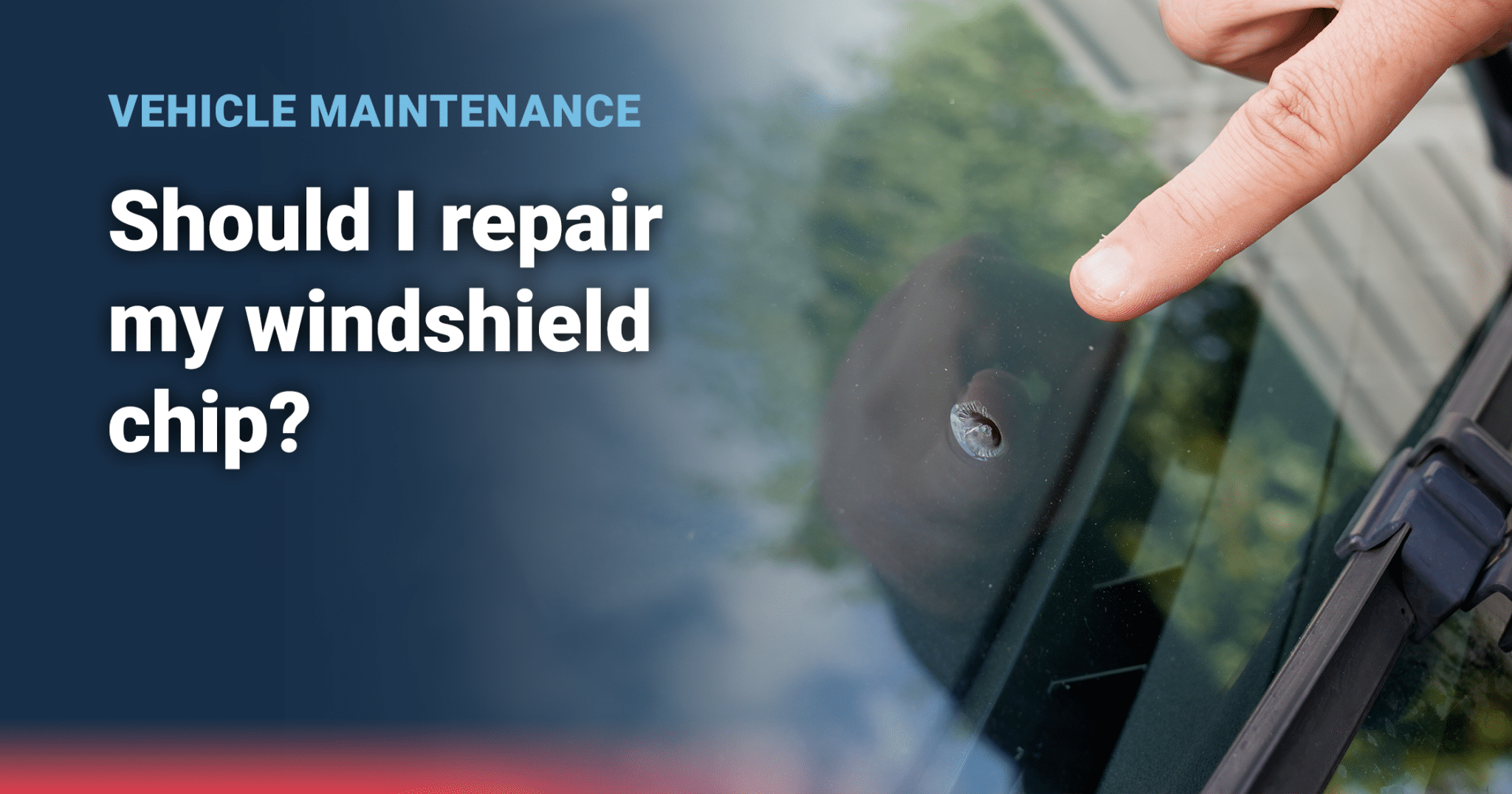
Source: 1stcallwindscreensltd.co.uk
Inspect it safely
Park before closely examining the windshield and check whether the chip has visible cracks extending from it.
Keep it dry
Avoid washing the damaged area or allowing water to remain inside the chip before repair.
Protect it from dirt
Use clear tape over a dry chip when necessary until the windshield can be repaired.
Limit glass stress
Drive gently and avoid slamming doors, hard pothole impacts, and abrupt windshield temperature changes.
Signs the Chip May Already Be Turning Into a Crack
Look for thin lines extending outward from the impact point. Even a short line means the damage is no longer simply a surface pit. Monitor the ends of those lines rather than repeatedly touching the glass.
If a line noticeably lengthens after driving, after using the defroster, or after a temperature change, the windshield should be evaluated promptly. Once a crack becomes long or reaches an edge, repair may be less practical and replacement may be recommended.
Radiating lines
Small fractures extending from the center indicate stress has traveled beyond the original impact point.
Edge contact
Damage close to or reaching the windshield edge deserves prompt inspection because that area can be highly stressed.
Visible growth
Any noticeable increase in crack length is a reason to minimize unnecessary driving and arrange professional evaluation.
How to Stop a Windshield Chip From Spreading Step by Step
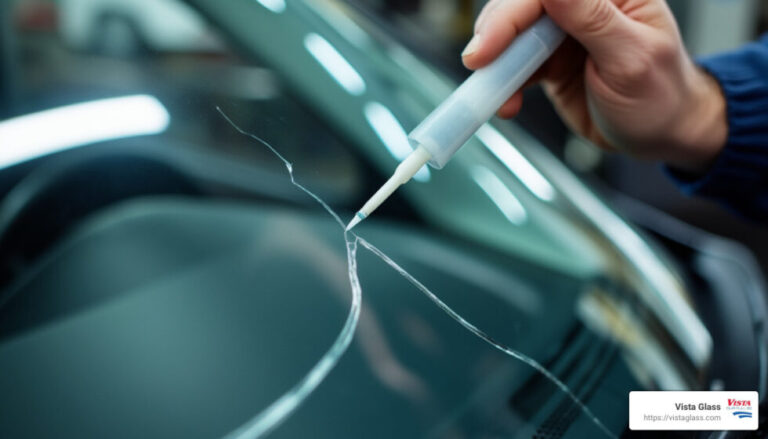
The most dependable way to stabilize a repairable windshield chip is to fill the damaged area with resin designed for laminated automotive glass. A professional auto-glass technician can do this, or some simple chips can be treated with a consumer windshield repair kit.
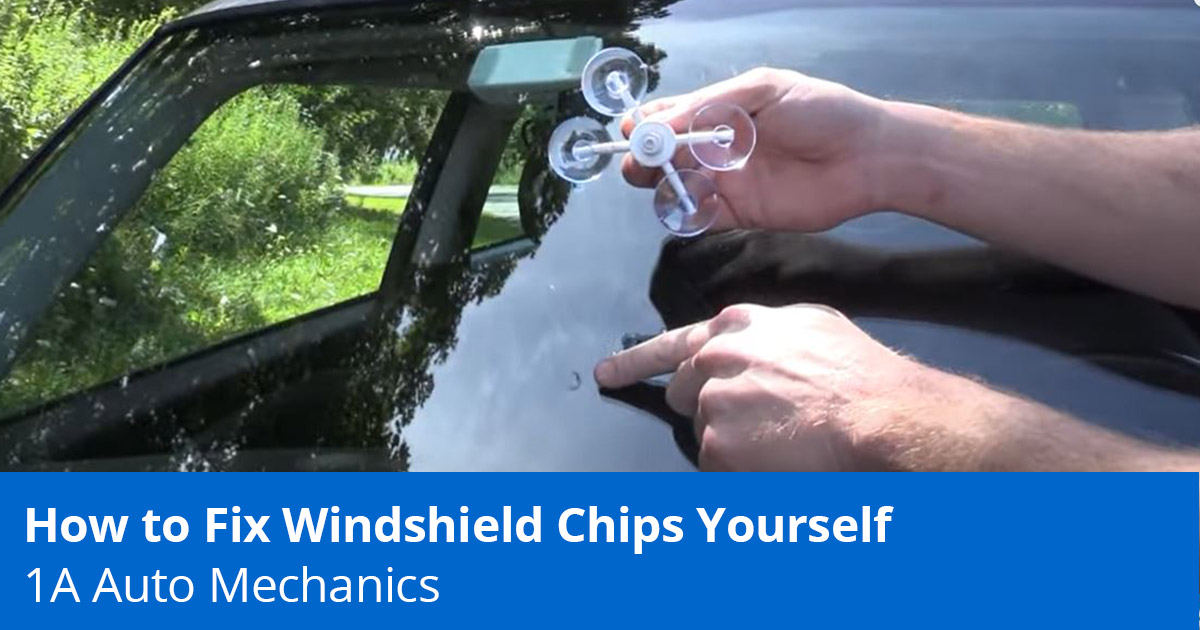
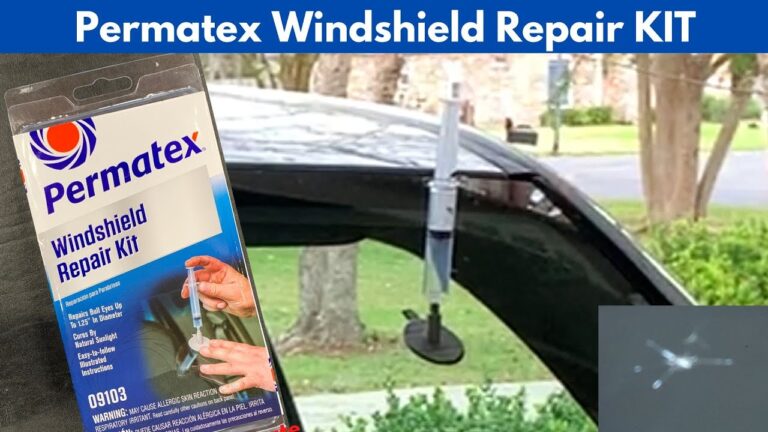
Before attempting a DIY repair, read the kit instructions completely. Repair systems differ in applicator design, curing requirements, resin quantity, and recommended chip types. Work in suitable weather and never substitute unrelated adhesives for the specified repair resin.
Source: blog.1aauto.com
Step 1: Examine the damage
Confirm that you are dealing with a localized chip rather than extensive cracking, severe glass damage, or damage that affects safe visibility.
Step 2: Let the windshield become dry
Moisture inside the break can interfere with resin penetration. Follow the repair product’s instructions for acceptable temperature and surface conditions.
Step 3: Clean around the chip carefully
Remove loose dirt from the surrounding glass without flooding the damaged cavity with cleaner.
Step 4: Position the repair applicator
Center the bridge, pedestal, syringe, or other supplied applicator over the impact point as directed by the kit manufacturer.
Step 5: Inject the repair resin
Use the kit’s pressure or vacuum procedure to encourage resin into the damaged areas rather than simply coating the surface.
Step 6: Cure the resin
Allow the resin to cure according to the product directions. Some products rely on ultraviolet light and may require direct sunlight or another specified UV source.
Step 7: Finish the surface
Remove excess cured resin as instructed and inspect the repair from several angles.
How Do You Know the Repair Worked?
A successful repair should leave the damaged area stabilized, with resin filling the fracture paths as completely as the repair process allows. The chip may become much less noticeable, but it does not necessarily disappear.
Cosmetic improvement and structural stabilization are different goals. A faint mark, outline, or blemish can remain after a technically successful repair. What matters most is that the damage has been properly filled and is no longer readily propagating.
Damage looks filled
Dark or reflective voids within the chip should usually become less prominent after resin penetrates them.
Surface is smooth
The finished exterior should not have a large raised mass of uncured resin.
Cracks remain stable
The repaired damage should not continue lengthening during normal use.
What If the DIY Repair Does Not Fill the Chip?
Stop repeatedly applying pressure or experimenting with additional chemicals. Incomplete resin penetration can occur when the chip contains moisture, debris, unusual internal fractures, or a shape that the repair system cannot effectively fill.
Contact an auto-glass repair professional and explain what product was already used. A previous DIY attempt can affect what options remain, so being specific helps the technician evaluate the damage.
How to Protect the Chip Until You Can Repair It
If immediate repair is not possible, your priority is to avoid the conditions most likely to worsen the damage. Temporary protection can buy time, but it should not become a substitute for repair.
Keep the damaged glass as dry as practical. If rain is expected and the chip is already dry, clear tape placed over the exterior can reduce contamination. Replace it carefully if it becomes loose or dirty rather than rubbing aggressively over the impact point.
Park in a garage or shaded location when practical, particularly during very hot or very cold weather. The goal is not to maintain one exact temperature but to avoid abrupt changes across the windshield.
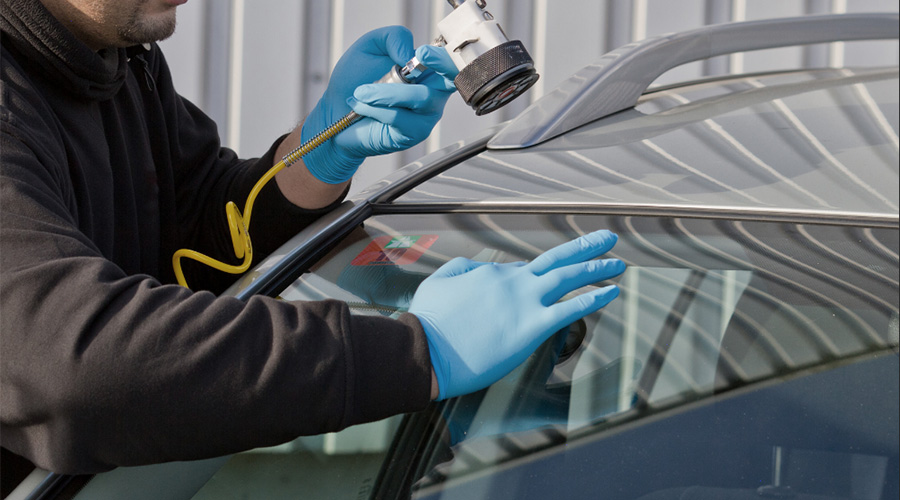
Source: morisoninsurance.ca
Avoid car washes temporarily
High-pressure water, temperature changes, and cleaning processes are unnecessary stressors before the chip has been repaired.
Drive smoothly
Slow for potholes, rough railroad crossings, speed bumps, and broken pavement.
Close doors normally
Do not repeatedly slam vehicle doors while the windshield has unrepaired damage.
Do not scrape the chip
Avoid picking at loose glass or probing the cavity with metal tools.
Can Clear Tape Really Stop a Windshield Chip From Spreading?
Clear tape can help protect the opening from water and contamination, which may preserve repairability. It does not reinforce the damaged glass enough to be considered a repair.
Use it only on the exterior of dry glass and only as a temporary measure. If a crack is actively growing, tape is not an adequate response.
Avoid Sudden Temperature Changes
Rapid heating or cooling can create uneven expansion and contraction across automotive glass. A windshield that already contains a chip or small fracture has a stress concentration where additional cracking can begin.
In a cold U.S. winter, do not pour hot water onto an icy windshield. Start the vehicle’s climate control conservatively and allow the windshield to warm progressively instead of immediately directing maximum heat onto very cold glass.
During summer, be cautious about blasting very cold air against a windshield that has been baking in direct sun. Using moderate climate-control settings while the cabin temperature begins to fall reduces the abrupt temperature difference.
The same principle applies when parking. Shade or covered parking can reduce temperature extremes, although parking location alone cannot guarantee that a damaged windshield will not crack.
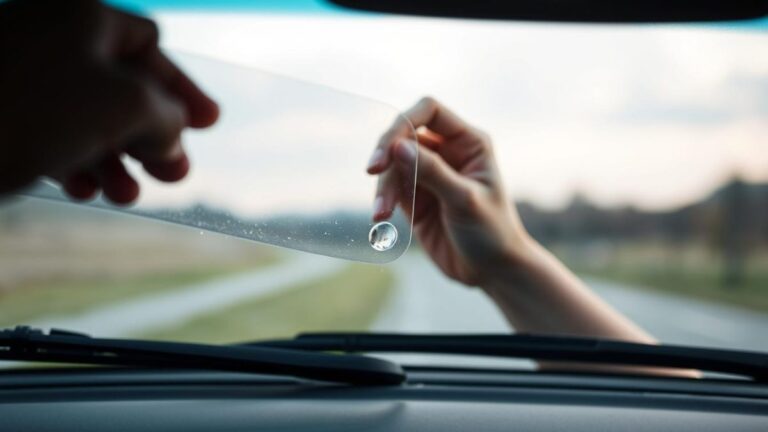
Source: vistaglass.com
Cold windshield
Warm the glass gradually rather than applying very hot water or immediately using extreme heat.
Hot windshield
Cool the cabin progressively instead of directing maximum cold airflow at intensely heated glass.
Frozen glass
Use appropriate vehicle defrosting and ice-removal methods without striking the windshield or pouring boiling water on it.
Why Temperature Makes a Small Chip More Serious
A chip interrupts the otherwise continuous glass surface. When different parts of the windshield change temperature at different rates, stresses can concentrate around the edges of that damage.
Temperature is only one variable. Road vibration, existing fracture geometry, installation stresses, and impacts can also influence whether a chip spreads, which is why no temporary technique can guarantee that a crack will not form.
Should You Use a Windshield Repair Kit?
A windshield repair kit can be appropriate for certain small, straightforward chips when the windshield remains otherwise intact and the driver can follow the manufacturer’s procedure carefully. Kits typically use a clear resin intended to enter the damaged area and cure inside it.
DIY repair is less attractive when the damage has complex branching, contamination, multiple impact points, significant cracking, poor access, or a location where visibility is especially important. A professional technician can inspect the fracture pattern and determine whether repair is appropriate.
Repair standards and insurer practices can also vary. Avoid assuming that a chip is automatically repairable because it falls below one popular size comparison. Size matters, but location, depth, type, contamination, and surrounding cracking also affect the decision.
Source: autoguru.com.au
Consider DIY for simple damage
A small isolated chip with no extensive crack may be suitable for a quality repair kit when the product instructions permit it.
Choose professional evaluation for uncertainty
Complex damage, edge damage, spreading fractures, or visibility concerns deserve professional inspection.
Follow the kit exactly
Applicator setup, pressure cycles, resin amount, temperature, and curing method can vary among repair systems.
Repair Kit Versus Professional Windshield Repair
DIY kits can reduce cost for suitable minor damage, but they place responsibility for preparation, resin injection, curing, and final inspection on the vehicle owner. Professional repair adds technician judgment and purpose-built equipment.
If preserving visibility, evaluating unusual damage, or determining whether replacement is needed is difficult, professional inspection is the safer choice.
DIY advantage
Convenient for certain small chips when the owner is comfortable following a precise repair procedure.
Professional advantage
Provides experienced assessment of the damage pattern and whether repair remains appropriate.
What Not to Put on a Windshield Chip
Avoid treating household products as permanent windshield repairs. Internet tips sometimes suggest superglue, clear nail polish, household epoxy, or similar materials, but these products are not substitutes for automotive windshield repair resin.
An unsuitable material can contaminate the chip, cure in the wrong place, discolor the damage, obstruct later resin penetration, or make professional repair more difficult. If you need temporary protection, keeping the chip clean and covering a dry opening with clear tape is usually more sensible than filling it with an unrelated adhesive.
Do not drill the windshield, intentionally strike the end of a crack, or attempt advanced crack-stopping techniques unless you are trained and equipped to perform automotive glass repair. A mistake can convert repairable damage into a replacement job.
Source: replacemywindshield.com
Do not use nail polish as the repair
It is not formulated or applied as a proper windshield resin repair system.
Do not fill it with household superglue
An uncontrolled adhesive can contaminate the break and interfere with later repair.
Do not press on the damaged area
Pressure against already fractured glass can worsen the break.
Do not repeatedly clean inside the chip
Introducing liquids and contaminants into the fracture can make resin repair more difficult.
Does Nail Polish Stop a Windshield Chip From Spreading?
Clear nail polish is sometimes promoted as an emergency trick, but it should not be confused with windshield repair resin. Even if it forms a surface coating, that does not mean it has properly penetrated and stabilized the internal fracture.
If proper repair is available, protect the chip and use a dedicated windshield repair system instead of introducing nail polish into the damaged area.
When a Windshield Chip Needs Professional Attention
Not every chip should be handled as a simple DIY project. Windshield damage can affect visibility and, depending on its severity and location, the performance of an important structural component of the vehicle.
Arrange professional inspection when damage is spreading, close to an edge, unusually deep or complex, directly within an important viewing area, associated with multiple cracks, or difficult to classify. Replacement may be recommended when safe, durable repair cannot be achieved.
Modern vehicles add another consideration. Cameras and sensors used by driver-assistance systems are often mounted near or viewed through the windshield. When a windshield must be replaced, some vehicles require camera or sensor calibration according to the vehicle manufacturer’s procedures. This is a reason to use a qualified service provider familiar with the specific vehicle.
Source: 1aauto.com
The crack is growing
Visible progression means the damage is not remaining stable.
Damage reaches an edge
Edge-related damage can be more difficult to repair reliably and should be evaluated promptly.
Visibility is affected
Distortion or damage in a critical viewing area deserves professional assessment.
The windshield has multiple damaged areas
Several chips or intersecting cracks require a broader evaluation than a single isolated impact.
ADAS equipment is involved
Windshield replacement on vehicles with forward-facing cameras or related systems may require manufacturer-specified calibration.
Can You Keep Driving With a Windshield Chip?
A small stable chip does not automatically make every vehicle unsafe to move, but there is no universal safe-driving answer based only on chip diameter. Damage location, crack growth, visibility, glass condition, and applicable state requirements matter.
If the windshield has extensive cracking, the driver’s view is obstructed, or the glass appears unstable, avoid unnecessary driving and arrange professional assistance. State inspection and windshield-obstruction rules can differ across the United States, so local requirements should also be considered.
Frequently Asked Questions
Q
How quickly should I repair a windshield chip?
Repair it as soon as reasonably practical. Waiting gives water, dirt, road vibration, and temperature changes more opportunities to affect the damaged area. Prompt repair can also help keep the cavity cleaner for resin penetration.
Q
Will a windshield chip always turn into a crack?
No. Some chips remain stable for long periods, while others begin cracking soon after the impact. The fracture pattern, location, temperature changes, vibration, additional impacts, and stresses in the windshield can all influence what happens. Because there is no reliable way to know which untreated chip will spread, early repair is the practical approach.
Q
Can I wash my car with a chipped windshield?
It is better to postpone unnecessary washing until the chip has been repaired, especially high-pressure or temperature-variable washing. Water and cleaning products can enter the damaged area, and automated washing can add vibration or pressure. If cleaning is necessary, avoid aggressively spraying or scrubbing directly over the chip.
Q
Does clear tape permanently stop a windshield chip?
No. Clear tape is a temporary contamination barrier. It can help keep dirt and water out of a dry chip while you arrange repair, but it does not fill internal fractures or restore the glass.
Q
Can cold weather make a windshield chip spread?
Cold weather can contribute, particularly when a cold windshield is heated rapidly. Uneven temperature changes create stress in the glass, and an existing chip provides a location where cracking can progress. Warm a cold windshield gradually rather than pouring hot water on it or immediately exposing it to extreme heat.
Q
Can hot weather make a windshield chip worse?
It can. A windshield heated by strong sunlight can experience additional stress when the cabin or glass is cooled rapidly. Parking in shade when practical and avoiding abrupt temperature changes may reduce unnecessary stress until repair.
Q
Can a repaired windshield chip become visible again?
A repaired chip may remain visible from the beginning because resin repair does not necessarily make the original impact disappear. A faint blemish is not by itself proof that the repair failed. However, new lines extending from the repair or obvious growth should be inspected.
✦ Wrapping Up
How to Keep a Windshield Chip From Becoming a Bigger Problem
Knowing how to stop a windshield chip from spreading starts with protecting the damaged glass rather than trying household shortcuts. Keep the chip dry and clean, cover it temporarily with clear tape when appropriate, avoid sudden temperature changes and unnecessary impacts, and have the damage repaired with automotive windshield resin as soon as practical.
A DIY repair kit can work for certain straightforward chips, but damage that is spreading, close to the windshield edge, obstructing the driver’s view, unusually complex, or associated with a longer crack deserves professional evaluation. If replacement becomes necessary on a vehicle equipped with windshield-mounted driver-assistance cameras, make sure any required calibration is handled according to the vehicle manufacturer’s procedures.
💡 Key Takeaway
If the chip is small and stable, protect it from dirt and moisture today and arrange proper resin repair promptly. If it is already spreading, affects visibility, reaches an edge, or appears complex, have an auto-glass professional inspect it rather than relying on temporary fixes.
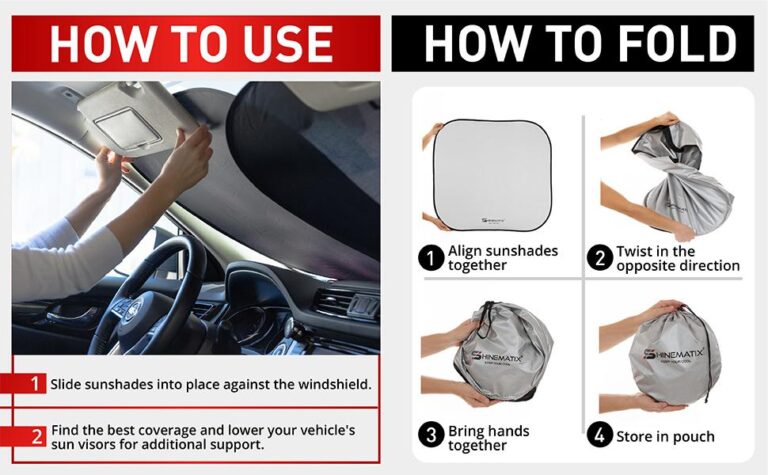
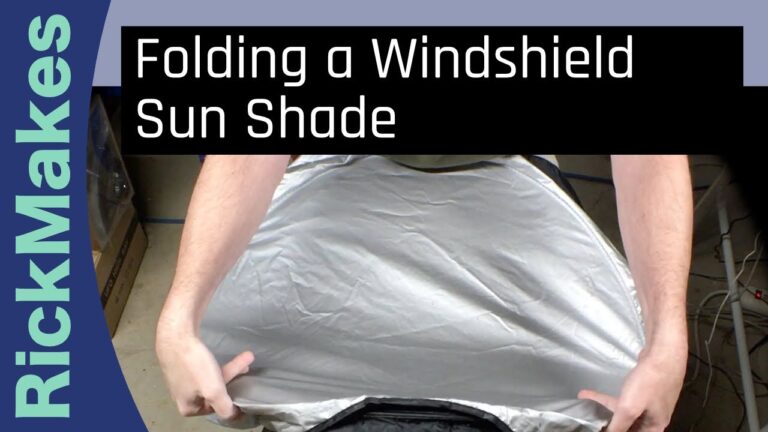
Learn how to fold a collapsible windshield sun shade using the simple figure-eight method, plus tips for storage, troubleshooting, and different shade designs.