To put windshield washer fluid in a Smart car, park on level ground, switch off the engine, open the front service area, locate the washer fluid reservoir, and add compatible windshield washer fluid through its filler opening. The exact access procedure depends on your Smart model and model year.
In the United States, windshield washer fluid helps drivers maintain visibility when road spray, dust, pollen, bugs, and winter grime collect on the windshield. Smart cars have compact body designs, so accessing the washer fluid reservoir may differ from the procedure used on a conventional sedan or SUV. Before opening any panel, identify your exact model, such as a Smart Fortwo or Smart Forfour, and consult the owner’s manual for the correct service access instructions.
The main task is straightforward once you find the reservoir. Use windshield washer fluid intended for the temperatures you expect to encounter, pour it carefully into the designated opening, and stop before the fluid overflows. Never confuse the washer reservoir with the coolant expansion tank or another fluid container. If the reservoir is difficult to reach or the vehicle has a different electric or gasoline-powered configuration, follow the model-specific instructions rather than forcing a panel or fitting.
Gather the correct washer fluid and check the owner’s manual before starting. Smart models differ in their body design and service access, so knowing the model year and powertrain helps you avoid opening the wrong compartment. You generally do not need specialized tools to top up an accessible washer reservoir.
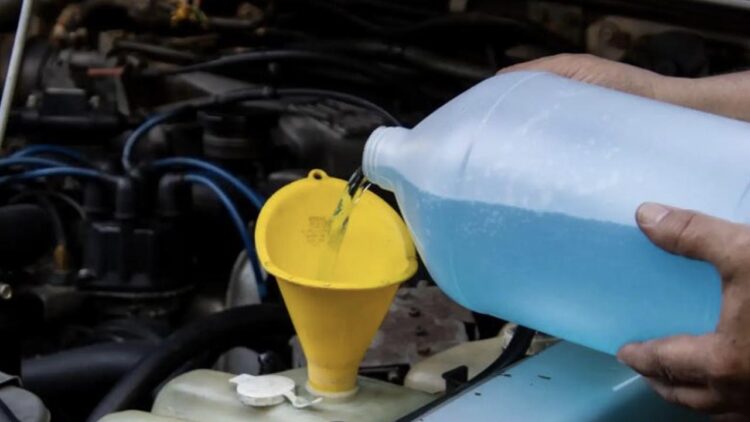
Park the car on level ground, engage the parking brake, switch off the ignition, and allow hot components to cool before reaching into a service area. Keep the washer fluid container upright and have a clean funnel available if the filler opening is narrow. A funnel is optional, but it can reduce spills.
Source: thedailyautomotive.com
Compatible windshield washer fluid
Choose a fluid labeled for automotive windshield washer systems. In regions with freezing weather, select a product with a suitable freeze-protection rating.
Owner’s manual
Use the manual to identify the washer reservoir, the method for opening the service area, and any model-specific filling instructions.
Clean funnel and cloth
Use a clean funnel if needed and wipe up spills promptly to keep fluid away from painted surfaces and electrical connectors.
Which Washer Fluid Should You Use?
Use a commercially prepared windshield washer fluid that is compatible with your vehicle and the weather conditions where you drive. Summer formulas commonly target bugs and road film, while winter formulas provide protection against freezing. Follow the product label for temperature limits and dilution instructions.
Do not add engine coolant, brake fluid, engine oil, or household glass cleaner to the washer reservoir. These products are not substitutes for automotive washer fluid and may damage components, leave residue, or create visibility problems. Do not mix products unless their labels explicitly permit it.
For freezing weather
Use a winter-rated washer fluid suitable for the lowest expected temperatures. A summer formula may freeze in the reservoir, hoses, or nozzles.
For warm weather
A suitable all-season or summer washer fluid can remove ordinary road grime and bug residue. Check the label for any restrictions.
How to Find the Windshield Washer Fluid Reservoir in a Smart Car
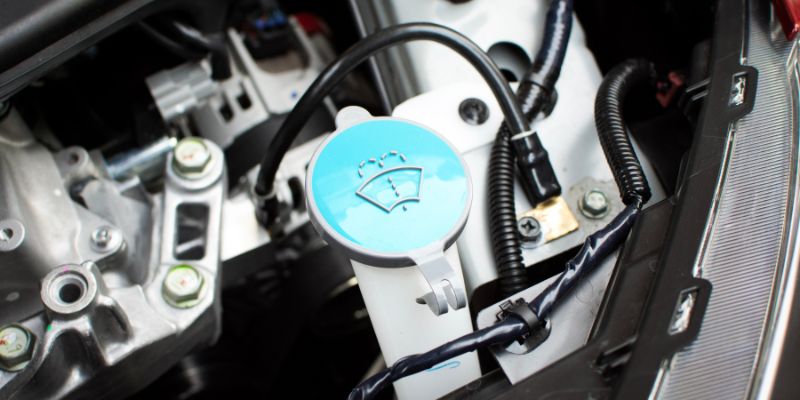
The washer fluid reservoir is a container connected to the windshield washer pump and fluid hoses. Its filler opening is usually identified by a cap with a windshield and spray symbol, although the precise symbol and location can vary. In some Smart models, the reservoir is accessed through the front service area rather than through a conventional engine bay.
Do not assume every Smart car uses the same access method. The Smart Fortwo has been produced in different generations, and Smart Forfour models can have different layouts. Electric and gasoline-powered versions may also differ. Consult the manual for the exact model year before removing a cover or attempting to reach the filler neck.
Source: jeepcorner.com
Check the vehicle documentation
Look for the windshield washer fluid or washer system section in the owner’s manual. Follow its instructions for opening the front service area and identifying the correct cap.
Identify the washer symbol
Look for a cap marked with a windshield and water spray symbol. Confirm the identification before pouring anything into the opening.
Avoid forcing panels
If a panel does not release using the documented procedure, stop and check the instructions. Plastic trim and retaining clips can break when forced.
What If You Cannot Find the Filler Cap?
Check the manual’s diagrams and verify the model designation and year. A general Smart maintenance video may show a different generation or market version, so do not rely on appearance alone. If the reservoir remains inaccessible, a Smart service center or qualified automotive technician can identify the correct access point.
Confirm the model
Check the registration documents or vehicle identification information to establish the exact model and model year.
Use the specified access method
Open only the service cover or release the fasteners described in the manual. Avoid removing unrelated body panels.
Step-by-Step: How to Put Windshield Washer Fluid in a Smart Car
Once you have identified the correct reservoir and its filler opening, topping up the fluid is usually a simple maintenance task. Follow the steps in order and use the model-specific service instructions whenever they differ from this general procedure.
Never pour fluid into a container simply because it looks accessible. Confirm that it is the washer reservoir before opening the cap. If the vehicle’s service area requires a special release procedure, follow the manual rather than applying force.
Source: carblogindia.com
Step 1: Park and switch off the vehicle
Choose level ground, engage the parking brake, switch off the ignition, and remove the key or ensure the vehicle is fully switched off according to its operating instructions.
Step 2: Open the designated service area
Use the release method described in the owner’s manual. Keep your hands clear of sharp edges, and do not remove parts that are not required for access.
Step 3: Locate and identify the washer reservoir
Find the cap marked with the windshield washer symbol. Check the manual or reservoir markings if you are uncertain.
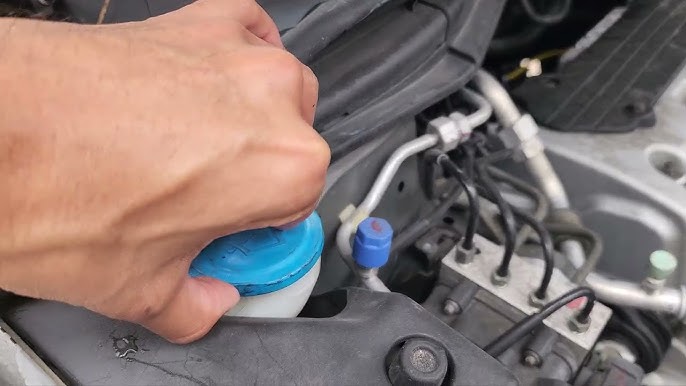
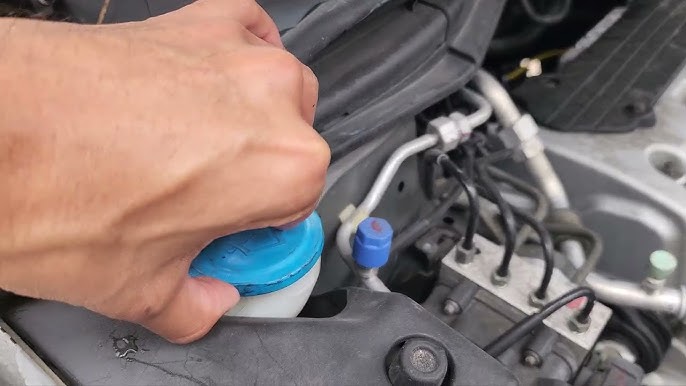
Step 4: Open the filler cap
Remove the washer reservoir cap carefully and set it somewhere clean. Do not let dirt or debris enter the opening.
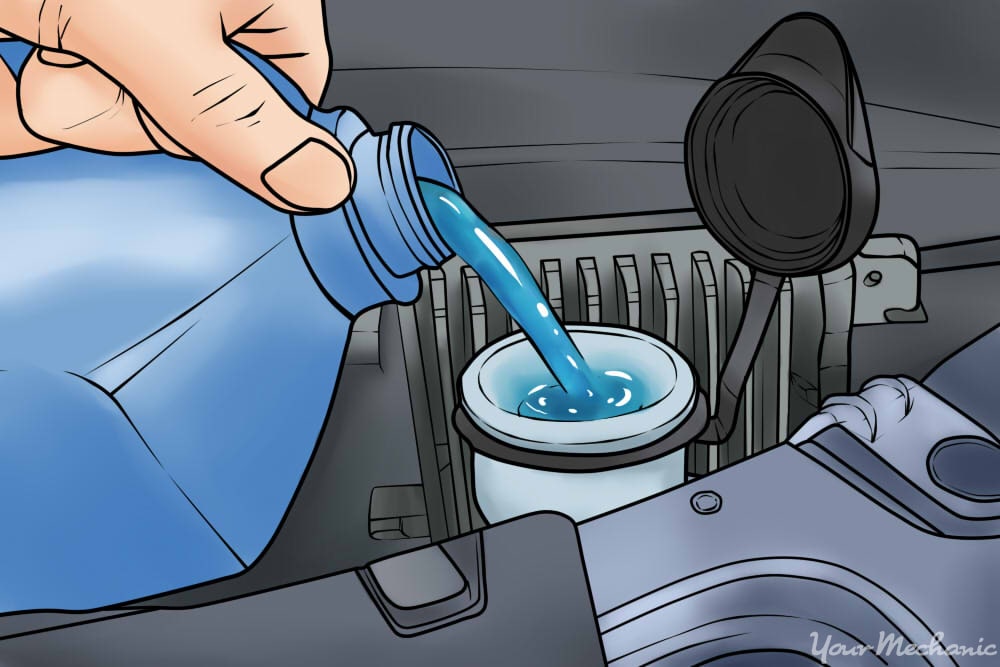
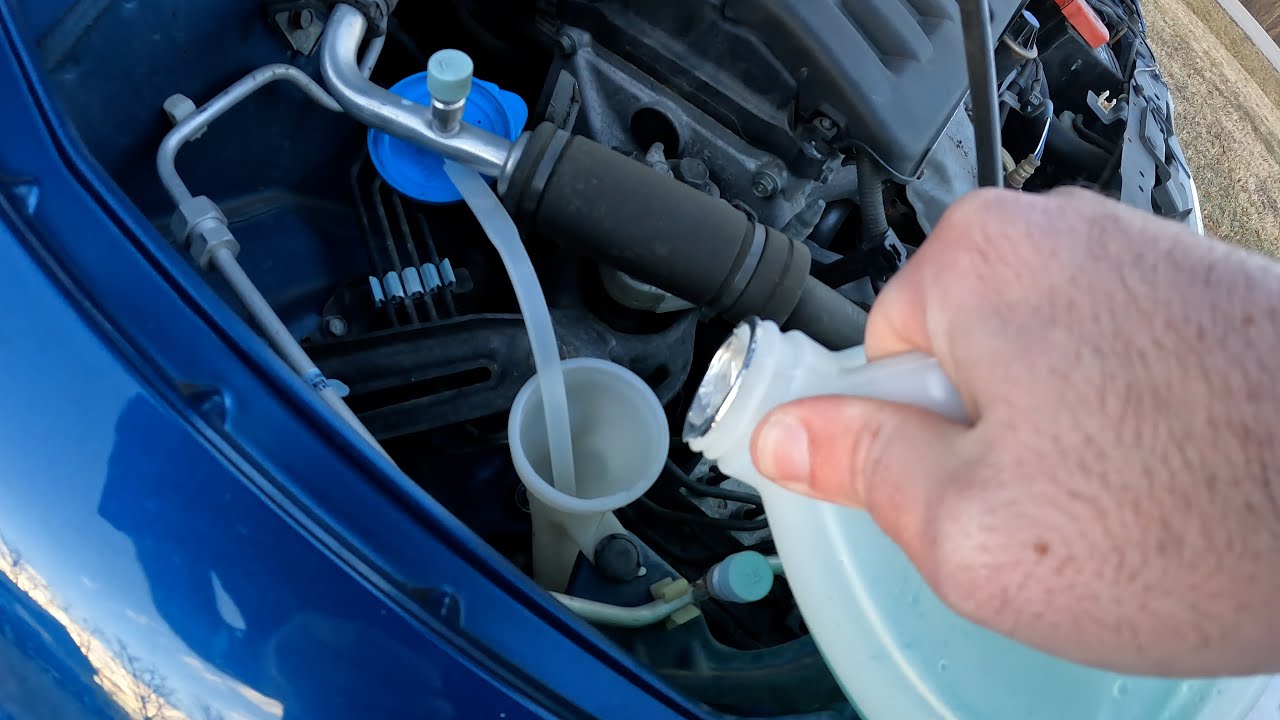
Step 5: Add windshield washer fluid
Pour compatible fluid slowly into the filler opening. Use a clean funnel if necessary, and watch the fluid level so you do not overfill the reservoir.
Step 6: Close the reservoir and service panel
Secure the filler cap and reinstall or close the service panel according to the manual. Make sure all latches and retainers are properly seated.
Step 7: Test the washer system
Switch the vehicle on as directed by its manual and briefly operate the windshield washer control. Confirm that fluid reaches the windshield and the wipers operate normally.
How Much Washer Fluid Should You Add?
Add enough fluid to bring the reservoir to its normal full level, if a level indicator or fill marking is provided. Reservoir capacity varies by Smart model and year, so there is no single reliable amount for every vehicle. If the filler opening does not provide a visible level, pour slowly and stop when the fluid approaches the specified fill level or begins to back up in the filler neck.
If you do not know how much fluid remains, start with a small amount and check again. Do not force additional fluid into a full reservoir. A spill may be difficult to clean from a compact service compartment and can make it harder to identify leaks later.
Follow marked fill limits
Use the level marks or capacity information specified by the manufacturer when available.
Avoid overfilling
Stop when the reservoir reaches its recommended level. Do not seal the cap against a visibly overfilled filler neck.
How to Confirm the Refill Worked
A successful refill should leave the cap secure, the service panel properly closed, and the washer system able to deliver fluid to the windshield. Operate the washer briefly in a safe, stationary setting and check whether the spray pattern reaches the glass. If the reservoir was nearly empty, it may take a short activation for fluid to travel through the lines.
Do not keep running the washer pump continuously if nothing sprays. Stop and investigate the cause instead. Prolonged operation with an empty reservoir or a blocked system can place unnecessary strain on the pump.
Normal spray
Fluid reaches the windshield and the wipers clear it without unusual noise or visible leakage.
No spray or weak spray
Check the fluid level and temperature first, then inspect for visible leaks or blocked nozzles.
Common Mistakes to Avoid When Refilling a Smart Car
Most washer fluid refill problems result from using the wrong fluid opening, choosing a product unsuitable for the weather, spilling fluid, or leaving the cap unsecured. A few basic precautions help prevent avoidable damage and keep the washer system working properly.
Because Smart cars have compact service areas, take extra care when handling fluid around electrical components, painted surfaces, and other reservoirs. If you spill fluid, clean it up promptly and follow the product label for handling and cleanup.
Source: storage.googleapis.com
Do not confuse fluid reservoirs
Confirm the washer symbol before pouring. Coolant, brake fluid, and other automotive fluids have different purposes and must never be substituted.
Do not rely on plain water in winter
Water can freeze in the washer system and prevent cleaning. Use a suitable winter-rated product in freezing conditions.
Do not mix unknown fluids
If the existing fluid is unknown or contaminated, consult the vehicle and product instructions before adding another formula.
Do not force access covers
Use the specified release points and fasteners. Forcing a cover may damage clips, trim, or surrounding components.
Do not ignore a leaking reservoir
If the fluid level drops quickly after filling, inspect for visible leaks and arrange a repair if the source is not readily identifiable.
Is It Safe to Use Water Instead of Washer Fluid?
Plain water may provide temporary cleaning in warm conditions, but it does not offer the same cleaning additives or freeze protection as a suitable automotive washer fluid. In freezing weather, water can freeze in the reservoir, lines, or nozzles and interrupt the system. Water quality can also contribute to deposits over time.
For routine maintenance, use an automotive washer fluid suited to your climate and vehicle. If water has already been added and freezing temperatures are expected, consult the owner’s manual and a qualified technician about safely correcting the mixture before operating the system.
Warm conditions
Water may temporarily rinse loose dirt, but a suitable washer fluid is generally better for routine cleaning.
Cold conditions
Use washer fluid rated for the expected temperatures to reduce the risk of freezing in the system.
Troubleshooting: What If the Washer Fluid Does Not Spray?
If the windshield washer stops spraying after a refill, first verify that the reservoir contains fluid and that the cap is secure. Then consider temperature, blocked nozzles, leaks, pump operation, and electrical faults. Adding fluid will not resolve a mechanical or electrical problem by itself.
Carry out only simple visual checks unless you have the appropriate service information and skills. If the system requires electrical diagnosis, pump replacement, or access behind body panels, a qualified technician can identify the fault without unnecessary parts replacement.
Source: storage.googleapis.com
Empty or incorrectly filled reservoir
Recheck the level and confirm that fluid was added to the correct reservoir. Follow the manual if the filler opening does not reveal the level.
Frozen fluid or nozzles
In cold weather, fluid or water in the lines may be frozen. Move the vehicle to a suitably warm location and use a compatible winter-rated fluid. Do not use open flames or boiling water to thaw components.
Blocked spray nozzles
Dirt or deposits may obstruct the nozzles. Inspect them for visible debris and follow the manufacturer’s cleaning guidance rather than pushing hard objects into the openings.
Leaking hose or reservoir
A rapidly falling fluid level or fluid on the ground may indicate a leak. Stop refilling repeatedly and have the system inspected if the source is not obvious.
Pump or electrical problem
If the reservoir is full and the system remains silent, the pump, fuse, wiring, or washer switch may be faulty. Consult the correct wiring information or seek professional diagnosis.
What If You Hear the Pump but No Fluid Comes Out?
A pump that runs without producing spray may be drawing air, pushing fluid through a leaking hose, or struggling against a blockage. Check the reservoir level and look for visible leaks around accessible hoses. If the fluid level is correct and the problem continues, stop operating the pump and arrange an inspection.
Check the visible fluid level
Confirm that the reservoir contains enough fluid and that the filler cap is correctly fitted.
Inspect accessible areas
Look for damp hoses, loose connections, or fluid leaking beneath the vehicle without reaching into moving or hot components.
When Should You Get Professional Help?
Seek professional service if the reservoir is inaccessible, the service cover will not release, fluid leaks rapidly, the pump does not operate, or electrical diagnosis is required. If the windshield cannot be cleaned adequately, do not drive until visibility can be maintained safely.
Persistent electrical faults
Have a technician check the relevant fuse, wiring, control, and pump using model-specific service information.
Damaged components
Replace or repair leaking hoses, a cracked reservoir, or a failed pump instead of relying on repeated refills.
How Often Should You Check Washer Fluid in a Smart Car?
Check the washer fluid level regularly and whenever the low-fluid warning appears, if your Smart model provides one. Check more frequently during periods of heavy rain, road construction, dusty travel, insect buildup, or winter driving because these conditions can increase washer fluid use.
There is no universal refill interval for every Smart car. Consumption depends on driving conditions, washer use, reservoir capacity, and the condition of the system. A quick level check during routine vehicle maintenance is more useful than following an arbitrary mileage interval.
Source: roadworthylabs.com
Before a long trip
Confirm that the reservoir contains enough compatible fluid for expected road and weather conditions.
During winter
Check the level more often and maintain suitable freeze protection when temperatures approach freezing.
When the level drops unusually fast
Look for leaks or a washer system fault instead of treating repeated fluid loss as normal.
Does Washer Fluid Affect Vehicle Engine Performance?
Windshield washer fluid is a separate cleaning fluid and is not intended to lubricate or cool the engine. A low washer fluid level generally affects windshield cleaning rather than engine performance. However, poor visibility can make driving unsafe, so restore the fluid level and address any washer system fault promptly.
Separate maintenance systems
Use the designated washer reservoir and do not add washer fluid to engine oil, coolant, or other vehicle systems.
Frequently Asked Questions
Q
Where do you put windshield washer fluid in a Smart car?
You put windshield washer fluid into the designated washer reservoir, identified by a cap with a windshield and spray symbol. The access point depends on the Smart model and model year, so consult the owner’s manual before opening the front service area.
Q
Do you need to remove a panel to refill washer fluid in a Smart Fortwo?
Some Smart Fortwo versions require you to open a front service panel to access the washer fluid filler. The exact procedure varies by generation and year. Follow the manual’s release instructions and never force the panel or remove unrelated components.
Q
Can I use any windshield washer fluid in a Smart car?
Use automotive windshield washer fluid compatible with your vehicle and suitable for the local climate. Select a winter-rated formula if freezing temperatures are expected, and follow the label instructions. Do not substitute engine coolant, brake fluid, or household cleaning products.
Q
How much windshield washer fluid does a Smart car hold?
The reservoir capacity varies by model and model year. Check the owner’s manual for the specified capacity and filling instructions rather than relying on a general figure. When topping up, add fluid slowly and stop at the recommended level.
Q
Why does my Smart car washer fluid not spray after refilling?
Possible causes include frozen fluid, blocked nozzles, a leaking hose, a failed washer pump, or an electrical fault. Confirm the reservoir level first and inspect for visible leaks. If the system still does not spray, avoid repeatedly running the pump and arrange further diagnosis.
Q
Can I put water in my Smart car’s washer reservoir?
Water may provide temporary rinsing in warm weather, but it lacks the cleaning additives and freeze protection of suitable washer fluid. Water can freeze in the system during cold weather. For routine use, choose automotive washer fluid rated for the temperatures you expect.
Q
Can I refill washer fluid while the Smart car is running?
It is best to switch the vehicle off, secure it on level ground, and follow the owner’s manual before opening the service area. This reduces avoidable risks while you handle fluid and access the reservoir.
✦ Wrapping Up
Conclusion
Putting windshield washer fluid in a Smart car usually involves opening the correct service area, identifying the washer reservoir, adding compatible fluid, and securing the cap. Because Smart Fortwo and Forfour layouts can vary by year and powertrain, the owner’s manual is the most reliable guide to the exact access procedure and reservoir capacity.
After refilling, test the washer system briefly and check for normal spray. If the fluid does not reach the windshield, investigate the level, freezing conditions, visible leaks, and possible nozzle or pump problems. Do not drive when poor windshield visibility prevents safe operation.
💡 Key Takeaway
Before refilling your Smart car, confirm the exact model year and find the washer reservoir in the owner’s manual. Add climate-appropriate windshield washer fluid slowly, close the service panel securely, and test the spray before driving.
Learn how to fold a windshield sun shade correctly with simple steps for pop-up, accordion, and umbrella styles, plus storage and troubleshooting tips.