You can clean a pitted windshield and improve minor surface haze, but deep pits usually cannot be repaired at home. If pitting causes glare or blocks your view, have an auto glass professional assess the windshield and recommend repair or replacement.
Across the United States, windshield pitting is a common concern for drivers who travel on interstate highways, rural roads, and busy city streets. Small stones, road grit, dust, and other debris can strike the glass and leave tiny marks over time. Summer heat, winter road treatments, and frequent highway travel can add to the wear. The damage may seem minor at first, yet many small pits can scatter light and make driving harder, especially at night or in direct sunlight.
Learning how to repair a pitted windshield starts with knowing what the damage is. A dirty windshield may look rough even when the glass is intact. True pitting leaves small depressions in the outer glass surface. Cleaning can remove dirt and mineral deposits, but it cannot replace missing glass. Light surface haze may respond to suitable glass polishing, while deep or widespread pitting often calls for professional assessment and, in some cases, a new windshield.
The safest approach is to inspect the damage, clean the glass with suitable products, and avoid aggressive sanding or polishing. Windshields do more than keep rain and wind out of the cabin. They help support vehicle safety systems and can play a role in airbag performance. This guide explains which steps you can take at home, what a repair kit can and cannot do, and how to decide when professional service is the better option.
Windshield pitting occurs when small impacts or abrasive particles damage the outer surface of automotive glass. Each impact can leave a tiny depression. One pit may be hard to notice, but many pits can create a dull or hazy area across the windshield.
The outer layer of a modern windshield is laminated glass. It usually consists of two glass sheets bonded to a plastic interlayer. This construction helps hold broken pieces together if the glass breaks. Surface pitting commonly affects the outer glass sheet, but the extent and depth of the damage determine what can be done safely.
Unlike a single stone chip, pitting often covers a broad area. That difference matters because a chip repair may fill a localized impact point, while widespread pits cannot usually be filled one by one in a practical or reliable way.
The main concern is not appearance alone. Pits can scatter incoming light and create glare, halos, or a hazy view. These effects may become more noticeable when facing the sun, approaching headlights, or driving on wet roads at night.
Source: 6hoursofwarriorcreek.com
Fine surface pits
Tiny marks that may be visible only in certain light. They may cause little trouble when sparse, but a large number can affect clarity.
Widespread pitting
Many small depressions across the glass. Cleaning will not remove them, and polishing may not restore acceptable clarity.
Impact chips
Localized damage caused by a stone or other object. Some chips can be repaired with resin if their size, location, and condition meet the repair criteria.
Cracks with pitting
Combined damage that needs careful assessment. A crack may spread, and its presence can change whether repair remains appropriate.
What Causes a Pitted Windshield?
Road debris is a leading cause of windshield pitting. Small stones, sand, and grit can hit the glass as vehicles travel at highway speeds. Following trucks or driving on roads with loose gravel can increase exposure to flying debris.
Normal wear also matters. Repeated small impacts may build up over years of driving. Abrasive dust, dirty wiping tools, and poor cleaning methods can add scratches that make the windshield look more worn.
Weather and road conditions can contribute to the problem. In areas that use sand or road treatments during winter, airborne particles may strike the glass. Temperature changes can make existing damage more noticeable, although heat or cold does not by itself explain every pit.
Highway driving
Frequent travel behind other vehicles increases exposure to stones and road grit.
Loose gravel
Construction zones, rural roads, and unpaved surfaces can send small particles toward the windshield.
Poor cleaning habits
Dirty cloths or abrasive materials can add scratches and worsen the appearance of already damaged glass.
How to Tell Pitting From Dirt or Water Spots
Before trying to repair the windshield, determine whether the marks are on the surface or within the glass. Clean a small area with automotive glass cleaner and a fresh microfiber cloth. Inspect the area from different angles in good light.
Dirt and many water spots improve after proper cleaning. Wiper residue may appear as streaks or a greasy film. Pits usually remain visible as tiny depressions even after the glass is clean.
Do not run a sharp tool across the windshield to test its condition. This can scratch the surface and does not provide a reliable measure of pit depth. If the marks are difficult to identify or the view is distorted, ask an auto glass professional to inspect them.
If the marks disappear
The problem was likely dirt, residue, or a removable deposit rather than permanent pitting.
If the marks remain
The glass may have pits or scratches that cleaning alone cannot fix.
If the view looks wavy
Stop experimenting with abrasive products and seek professional assessment because optical distortion can affect safe driving.
Can You Repair a Pitted Windshield at Home?
You can improve a windshield’s appearance at home when the problem is removable residue or very light surface contamination. True pitting is different because glass has already been removed by impact. No cleaner can put that missing glass back.
Some professional glass polishing methods may reduce certain fine surface marks. However, removing enough glass to level pits can change the windshield’s shape and optical properties. Excessive polishing can produce distortion, particularly in the driver’s direct field of view.
The right choice depends on the damage. Cleaning is a reasonable first step. Polishing should be considered only when the marks are suitable for that process and the person doing the work understands the limits of automotive glass. Severe pitting generally needs a professional evaluation and may require replacement.
A useful rule is to judge the windshield by how clearly you can see through it, not only by how it looks from outside the vehicle. If headlights spread into distracting halos or sunlight makes the road difficult to see, do not assume a home treatment will restore safe visibility.
Source: vehiclesaide.com
Home cleaning
Suitable for dirt, grease, and many removable deposits. It will not repair missing glass.
Careful surface polishing
May improve some minor surface defects when the glass and defect are suitable. It cannot reliably restore severely pitted glass.
Professional glass repair
Useful when damage needs technical assessment, localized chip repair, or evaluation for safe polishing.
Windshield replacement
May be necessary when widespread pitting, optical distortion, cracks, or other damage prevents a clear and safe view.
When a Windshield Repair Kit Will Not Help
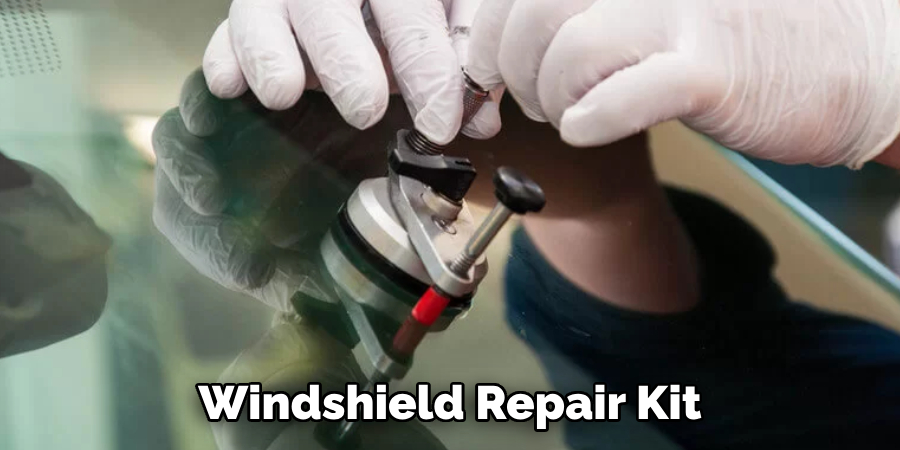
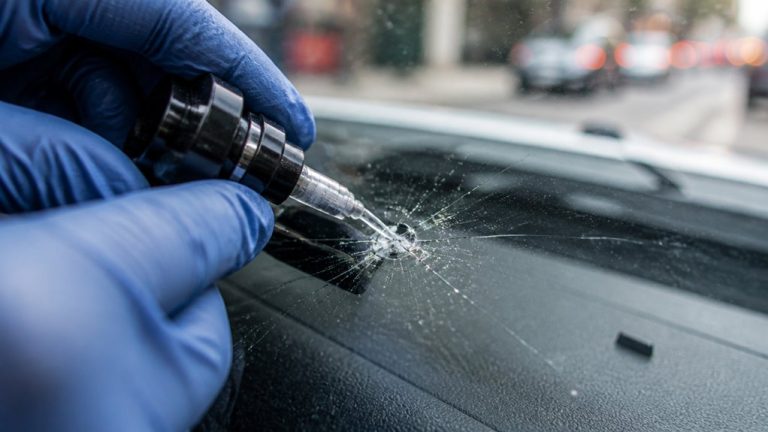
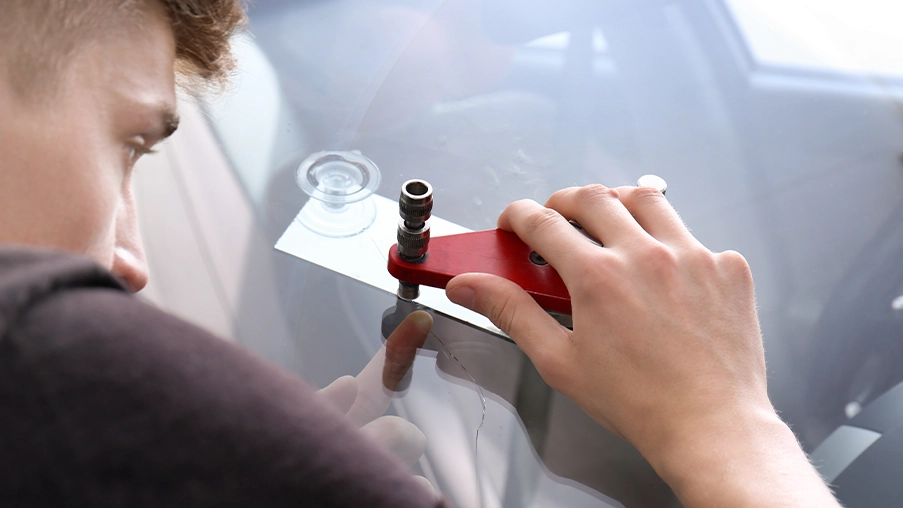
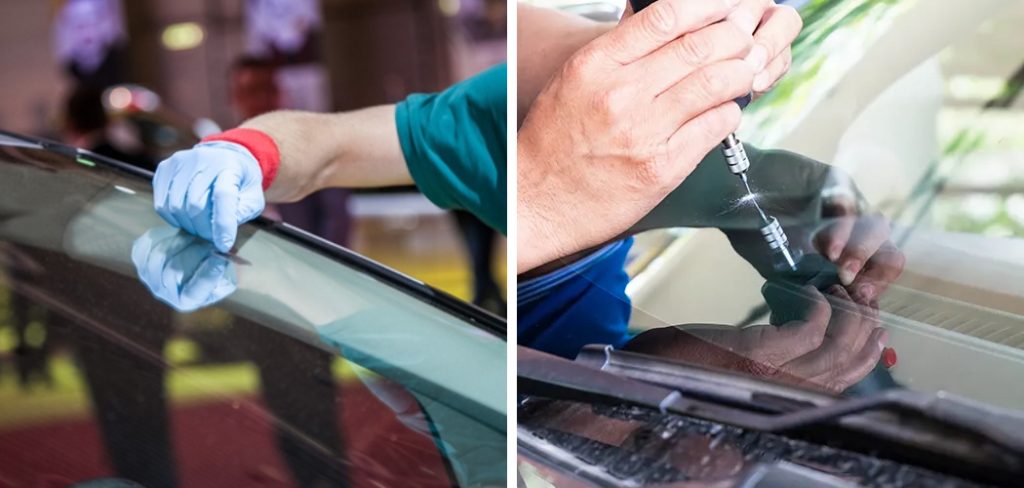
Most consumer windshield repair kits are intended for specific impact chips and some small cracks. They use resin to fill suitable damage and reduce its visibility or the chance of further spreading. They are not designed to rebuild an entire surface covered with tiny pits.
Applying resin to widespread pitting is unlikely to produce a uniform optical result. The resin may not bond as intended, and an uneven surface can remain. Read the kit instructions and check the manufacturer’s stated repair limits before using any product.
If the windshield has a crack, damage near an edge, or a chip in the driver’s main viewing area, professional advice is preferable to experimenting with a kit. The location and type of damage can matter as much as its size.
Use a kit only for suitable impact damage
Follow the product’s limits for chip type, size, location, temperature, and curing.
Do not treat pitting as a collection of ordinary chips
Widespread surface depressions require a different assessment than isolated impact points.
Tools and Supplies for Cleaning a Pitted Windshield
Gather basic cleaning supplies before you assess the damage. The goal is to remove dirt and film without adding scratches or changing the shape of the glass.
Use products intended for automotive glass. Avoid household scouring powders, abrasive kitchen pads, metal blades, and harsh DIY mixtures. A product that works on a sink or countertop may damage a windshield coating or leave residue that interferes with visibility.
Work in a shaded, well-ventilated area with the vehicle parked on a stable surface. Allow hot glass to cool before applying cleaning products. Follow the label instructions for any cleaner or polish, and keep chemicals away from your eyes and skin.
Source: carglassfix.com
Automotive glass cleaner
Choose a cleaner suitable for your windshield and any applied coatings. Follow its label directions.
Clean microfiber cloths
Use soft, lint-free cloths that are free of grit and old polishing compounds.
Clean water
Use it to rinse away loose dirt before wiping, which helps reduce the risk of scratches.
Soft cleaning applicator
A clean, nonabrasive applicator can help spread cleaner evenly without harsh scrubbing.
Suitable glass polish, if advised
Use only a product specifically intended for the type of glass defect being treated, and follow its technical directions.
Products and Methods to Avoid
Do not use toothpaste, baking soda, scouring powder, steel wool, or coarse sandpaper as a homemade windshield repair method. These materials can scratch the glass or create an uneven surface. They also offer no reliable way to restore glass that has lost material from repeated impacts.
Avoid using a rotary tool or powered polisher without the proper equipment, training, and process controls. Excessive heat or uneven material removal can cause optical distortion and may weaken the windshield’s suitability for safe use.
Do not pour boiling water onto a cold windshield or use a heat gun to soften marks. Sudden temperature changes can place stress on damaged glass and make an existing defect worse.
No aggressive abrasives
They may leave scratches or visible haze that is harder to correct than the original contamination.
No uncontrolled grinding
Uneven glass removal can distort the driver’s view.
No improvised chemical treatments
Unverified mixtures may damage coatings, leave a film, or create additional visibility problems.
How to Repair a Pitted Windshield Step by Step
The safest home process begins with cleaning, not grinding or filling. These steps help you identify the problem and determine whether further treatment is appropriate. They do not guarantee that true pitting can be removed.
If you already know that the windshield has deep pits, widespread damage, or severe glare, skip experimental polishing and arrange a professional inspection. Protecting clear vision matters more than improving the glass’s appearance.
Source: glassinc.net
Step 1: Park and inspect
Park the vehicle in a safe place with the engine off. Inspect the windshield in daylight from inside and outside the vehicle. Look for pits, chips, cracks, and areas where the view seems distorted.
Step 2: Rinse away loose dirt
Use clean water to remove loose grit before wiping the glass. This reduces the chance that dirt will scratch the surface during cleaning.
Step 3: Clean the glass
Apply automotive glass cleaner according to its label. Wipe with a clean microfiber cloth and use a separate dry cloth to remove remaining streaks.
Step 4: Inspect the cleaned surface
View the windshield from several angles. Check whether the marks have disappeared or remain as small depressions. Note any distortion, glare, cracks, or chips.
Step 5: Decide whether polishing is appropriate
If only minor surface marks remain, ask whether a glass polish is suitable for that defect. Do not assume that a general-purpose polish can repair pitting.
Step 6: Follow the product instructions
If a suitable product is used, follow its exact application, pressure, temperature, and removal instructions. Stop if the glass develops haze, unusual heat, or any change in optical clarity.
Step 7: Clean and inspect again
Remove all product residue and inspect the glass from the driver’s normal seating position. Check visibility in daylight and under different lighting conditions before deciding whether further service is needed.
How to Tell Whether the Result Is Good Enough
A successful cleaning should leave the glass free of cleaner residue, greasy streaks, and loose dirt. Wipers should move across the glass without dragging dirt into new lines, although worn blades may still need replacement.
A cosmetic improvement does not prove that the windshield is safe. Pits may remain, and glare may persist even when the glass looks cleaner from outside. Check the driver’s view rather than relying on a photograph or a quick look from the sidewalk.
If the windshield still produces halos around headlights, scattered reflections, or a hazy view of traffic signs, stop DIY treatment. A professional can assess whether the remaining defects are repairable or whether replacement is warranted.
Good cleaning result
The glass is clear of removable residue and does not show new scratches or haze.
Incomplete result
Permanent pits remain, but visibility may still be acceptable after professional assessment.
Unsafe or uncertain result
Glare, optical distortion, or impaired visibility remains. Arrange an inspection and avoid driving when the view is not safe.
Professional Windshield Polishing and Repair
Professional assessment helps separate defects that can be treated from damage that needs replacement. A technician can examine the size, depth, location, and spread of the pits, as well as any cracks or chips. They can also consider how the damage affects the driver’s view.
Professional polishing is not the same as filling a chip. Polishing removes a controlled amount of surface material to reduce certain marks. Because automotive glass must preserve optical clarity, the process has limits. Removing too much material or doing so unevenly can create a lens-like effect that bends light.
A qualified technician should explain what improvement is realistic before starting work. Some fine surface defects may become less visible, but widespread pitting may remain noticeable even after treatment. A reputable provider should not promise that every pit can be removed.
When the damage cannot be corrected without compromising visibility or glass integrity, replacement is the more suitable option. The recommendation should account for the actual windshield condition rather than appearance alone.
Source: nuvisionautoglass.com
Assessment of damage
A technician checks pit depth, distribution, chips, cracks, and visibility from the driver’s seat.
Controlled polishing
Suitable only for certain surface defects when the process can preserve the windshield’s optical quality.
Localized chip repair
May be possible for qualifying impact damage, but it is not a general fix for widespread pitting.
Replacement recommendation
Appropriate when the damage is too extensive, the view is distorted, or safe repair cannot be assured.
Questions to Ask an Auto Glass Technician
Before authorizing work, ask what type of damage the technician sees and what result the proposed treatment can reasonably achieve. A clear explanation should distinguish cleaning, polishing, resin-based chip repair, and complete replacement.
Ask whether the damage affects the driver’s main viewing area, whether polishing could cause distortion, and whether the windshield has any existing cracks. Request an explanation of the limits of the proposed repair and any relevant warranty terms.
If replacement is recommended, ask whether the glass meets the vehicle manufacturer’s specifications and whether camera calibration is required. These questions help you compare service options without relying only on price.
What exactly will be repaired?
Confirm whether the service addresses pitting, scratches, an impact chip, or a different issue.
What result should I expect?
Ask whether the pits will remain visible and whether the technician expects a meaningful improvement in visibility.
Could the treatment distort the view?
Understand the limits of polishing and the reason for any recommendation against it.
Will replacement require calibration?
Check whether the vehicle’s cameras or driver assistance systems need service after new glass is installed.
When Should You Replace a Pitted Windshield?
Replacement should be considered when pitting is widespread, causes significant glare, creates optical distortion, or prevents a clear view of the road. A windshield that looks acceptable from outside may still scatter light directly in the driver’s field of vision.
There is no single pit count or universal depth that determines when every windshield must be replaced. Vehicle design, damage location, glass condition, and visibility all matter. A qualified technician should evaluate these factors before recommending a final course of action.
Cracks and chips can change the decision. Damage near the edge, a growing crack, or an impact point that affects structural performance may require a different response from isolated surface pits. Do not assume that a chip repair will resolve all of the windshield’s problems.
In the United States, state inspection rules and vehicle requirements may also affect whether damaged glass can remain in service. Requirements vary by state, so check the applicable rules rather than relying on a single nationwide threshold for all pitting.
Source: woodlandglass.com
Severe glare
Headlights or sunlight scatter across the windshield and make it difficult to see traffic, pedestrians, or road markings.
Optical distortion
Straight lines appear bent or objects seem shifted when viewed through a damaged area.
Extensive surface damage
Pits cover a large area and cleaning or suitable professional treatment cannot restore acceptable clarity.
Additional cracks or chips
Other damage may affect the suitability of repair and the overall condition of the windshield.
Failed applicable inspection
If the windshield does not meet the relevant state requirements, arrange the necessary service before using the vehicle as permitted by local law.
Why Windshield Condition Matters for Vehicle Safety
The windshield provides a clear view of the road and helps keep wind and debris out of the passenger compartment. Its laminated construction also helps retain broken glass in many impact events.
The windshield can contribute to proper passenger airbag deployment and roof support in certain crash conditions. These functions depend on the vehicle’s design and the correct installation of suitable glass. A damaged or poorly installed windshield should not be treated as a cosmetic issue alone.
Many newer vehicles also use cameras mounted near the windshield for lane keeping, automatic emergency braking, or other driver assistance functions. Replacement may require calibration according to the vehicle manufacturer’s service procedure.
If the driver’s view is seriously impaired, avoid driving until the problem has been assessed. When the vehicle cannot be operated safely, arrange mobile glass service or suitable transport instead.
Clear road visibility
The driver must be able to see hazards, signs, lane markings, and other road users.
Correct installation
Replacement glass must be installed using the appropriate materials and vehicle-specific procedures.
Driver assistance systems
Cameras or sensors may need calibration after windshield replacement.
Windshield Pitting Repair Cost and Insurance in the United States
The cost of dealing with windshield pitting depends on the service required. Cleaning is usually the least expensive option because it uses basic supplies. Professional polishing, where suitable, costs more because it requires labor and controlled equipment. Replacement generally costs more still, especially when the vehicle uses specialized glass or requires camera calibration.
There is no reliable single price for every vehicle. Make, model, glass type, availability, labor rates, local market, and required calibration can all affect the quote. Ask for an itemized estimate rather than assuming that a low advertised price covers every part of the job.
Insurance coverage also varies. In the United States, comprehensive coverage may apply to certain glass damage, subject to the policy’s terms, deductible, and exclusions. Some policies include separate glass coverage or a reduced deductible for qualifying repairs. Pitting caused by gradual wear may be handled differently from a sudden impact, so ask the insurer how your specific situation is covered.
Before approving replacement, compare the total out-of-pocket cost with the deductible and ask whether the insurer has any glass service requirements. Do not assume that insurance will pay for all pitting or that every repair will be free.
Source: glassfixitauto.com
Cleaning
Often the lowest-cost step when the problem is removable dirt, film, or water deposits.
Professional polishing
Price depends on the defect, technician, labor, and whether the work is suitable for the glass.
Windshield replacement
The quote may include glass, installation materials, labor, moldings, disposal, and calibration where required.
Insurance claim
Coverage depends on the policy, damage circumstances, deductible, and insurer’s procedures.
How to Compare Quotes Fairly
Ask each provider to quote the same scope of work. One estimate may include calibration or new moldings while another may list them separately. Comparing only the headline price can hide important differences.
Confirm the type of glass being installed, the warranty terms, any mobile service fee, and whether calibration is included. Ask the provider to identify any work that may require a separate appointment.
If the provider recommends polishing, ask what happens if the pits remain visible or the optical result is not acceptable. Clear limits and written terms are more useful than a promise of a flawless finish.
Compare the full cost
Include glass, labor, materials, calibration, and any additional fees.
Confirm vehicle compatibility
Check that the proposed glass matches the vehicle’s features and requirements.
Check warranty terms
Understand what is covered and which conditions are excluded.
How to Prevent Future Windshield Pitting
You cannot prevent every stone impact, but a few driving and maintenance habits can reduce exposure and help keep the windshield clear. Prevention works best when it combines sensible following distance, careful cleaning, and prompt attention to new damage.
Leave extra room behind trucks, vehicles carrying loose materials, and traffic on gravel roads. The greater distance gives some debris more time to fall before it reaches your windshield, although it cannot eliminate the risk.
Use clean wiper blades and replace them when they smear, chatter, or leave persistent streaks. Worn blades can drag grit across the glass and worsen scratches. Rinse off loose dirt before wiping whenever practical.
Park away from active construction work when possible, and avoid driving through loose debris when there is a safe alternative. Inspect the windshield regularly so you can distinguish new impact damage from older surface wear.
Source: jeepfixes.com
Keep a safe following distance
Allow extra space behind trucks and vehicles that may throw stones or road debris.
Clean before wiping
Rinse away grit to reduce the chance of scratching the glass.
Maintain wiper blades
Replace worn or damaged blades when they stop clearing water evenly.
Inspect new damage
Check fresh chips and cracks promptly because some localized impact damage may be repairable before it spreads.
Choose suitable cleaners
Use automotive glass products and soft cloths instead of harsh household abrasives.
Does Wax or a Water-Repellent Coating Fix Pitting?
A glass water-repellent product may help rain move off a clean windshield, depending on the product and driving conditions. It does not replace missing glass or repair permanent pits.
Before applying a coating, make sure it is suitable for your windshield and follow the manufacturer’s directions. Some products can cause wiper chatter or smearing if applied incorrectly or allowed to build up.
If the windshield already causes glare or optical distortion, do not use a coating to hide the problem. Have the glass assessed first, because a water-repellent treatment cannot restore damaged optical surfaces.
Coatings may help with water behavior
They can change how water spreads or beads on the surface, but results depend on the product and conditions.
Coatings do not rebuild glass
Permanent pits and missing surface material remain unless a suitable professional process addresses the defect.
Common Mistakes When Repairing a Pitted Windshield
The most common mistake is treating every windshield mark as a defect that can be polished away. Dirt, water spots, scratches, pits, chips, and cracks are different problems. Identifying the type of damage first prevents wasted effort and reduces the risk of making the glass worse.
Another mistake is using a chip repair kit on a surface covered with tiny pits. Resin kits are made for certain impact defects, not for restoring broad areas of worn glass. Following a kit’s directions does not make it suitable for damage outside its stated limits.
Aggressive polishing can also create problems. A windshield is an optical surface, and uneven material removal may distort the driver’s view. Even if the glass appears smoother, a change in how it bends light can make it less suitable for driving.
Finally, do not judge success by shine alone. A windshield may look clean while still producing glare in direct sunlight or at night. The correct goal is clear, undistorted visibility and a windshield that remains suitable for its safety role.
Source: storage.googleapis.com
Mistake: Scrubbing hard
Use a clean, soft cloth and suitable cleaner rather than abrasive pads or rough materials.
Match the product to the type and location of the damage.
Mistake: Removing too much glass
Avoid improvised grinding and polishing methods that may create optical distortion.
Mistake: Ignoring glare
Assess the driver’s view in realistic lighting and seek professional advice if visibility remains poor.
Mistake: Delaying an inspection
Arrange an assessment when pitting is extensive or other damage appears.
What to Do if DIY Treatment Makes the Glass Worse
Stop using the product or tool if the windshield develops new scratches, haze, streaking, unusual heat, or visible distortion. Do not try to correct the result by using a stronger abrasive or repeating the process with greater pressure.
Clean away any residue using a compatible automotive glass cleaner and inspect the windshield without touching damaged areas with sharp tools. If the haze or distortion remains, have an auto glass professional assess the glass.
If the driver’s view is no longer clear, avoid driving until the issue has been addressed. Ask the technician whether the condition can be corrected safely or whether replacement is necessary.
Stop the treatment
Do not continue a process that creates new defects or makes the view worse.
Avoid another DIY fix
Additional abrasives may increase damage rather than reverse it.
Get an assessment
A technician can determine whether the remaining defect can be treated or requires replacement.
Quick Decision Guide: Clean, Polish, Repair, or Replace?
Use the type of defect and its effect on visibility to choose the next step. This table is a practical guide, not a substitute for an inspection when damage is severe or its location creates a safety concern.
Source: jeepfixes.com
Dirt, grease, or water residue
Start with suitable automotive glass cleaner and clean microfiber cloths. If the marks remain, investigate whether they are permanent deposits, scratches, or pits.
Very fine surface marks
Ask whether a suitable glass polish can improve them without causing distortion. Avoid aggressive home polishing.
One localized stone chip
A resin repair may be possible if the chip meets the product or technician’s criteria for size, type, depth, and location.
Many pits across the windshield
Arrange a professional assessment. Cleaning may improve appearance, but extensive pitting cannot usually be restored through a standard chip repair kit.
Distorted view or severe glare
Do not rely on DIY treatment. Have the windshield inspected promptly and avoid driving if visibility is unsafe.
Deep damage, spreading cracks, or damage near an edge
Seek professional evaluation to determine whether repair is appropriate or replacement is needed.
A Practical Example
Imagine a driver in Texas notices hundreds of tiny marks after years of interstate travel. Cleaning removes the oily film, but the marks remain and oncoming headlights scatter across the glass at night. In this case, another round of cleaning is unlikely to solve the main problem because the remaining defects are consistent with permanent pitting.
The sensible next step is a professional assessment of the windshield’s optical clarity. If suitable polishing cannot restore an acceptable view without changing the glass’s optical properties, replacement may be the safer choice.
Now consider a different driver whose windshield looks cloudy after a dusty trip. A careful rinse and glass cleaning remove the haze, and the view becomes clear again. That driver may not have pitting at all, so replacement would not be justified based on the temporary residue alone.
Persistent glare after cleaning
Consider permanent surface damage and arrange a professional inspection.
Cloudiness that disappears
The problem may have been removable residue rather than physical damage.
Frequently Asked Questions
Q
Can a pitted windshield be repaired without replacing it?
Sometimes, but the result depends on the depth, spread, and location of the damage. Cleaning can remove surface residue, and suitable professional polishing may improve some minor surface defects. Widespread or deep pitting usually cannot be restored fully, particularly when it causes glare or optical distortion. A professional inspection can help determine whether repair is practical.
Q
Does toothpaste remove windshield pits?
Toothpaste is not a reliable windshield pitting repair product. It cannot replace missing glass, and its abrasive ingredients may create additional marks or leave residue. Use automotive glass cleaner for cleaning and ask a qualified technician about any permanent surface defects.
Q
Can a windshield polishing compound remove pitting?
A suitable glass polishing compound may reduce certain fine surface marks, but it cannot reliably eliminate widespread or deep pits. Polishing works by removing a controlled amount of material, so an unsuitable process may cause optical distortion. Use only products intended for automotive glass and follow their instructions. Seek professional help when pitting affects the driver’s view.
Q
How long does windshield pitting repair take?
The time depends on the type of service and the condition of the glass. Cleaning may take only a short time, while a professional assessment or polishing service can take longer. Replacement requires time for removal, installation, and any required adhesive curing or camera calibration. Ask the service provider for a vehicle-specific estimate before arranging the work.
Q
Will insurance cover a pitted windshield?
Coverage depends on your policy, deductible, the cause of the damage, and the insurer’s rules. Some comprehensive policies include glass coverage, but gradual wear or widespread pitting may be treated differently from sudden impact damage. Contact your insurer before authorizing work and confirm the total cost you would need to pay.
Q
Is it safe to drive with a pitted windshield?
Minor pitting that does not affect the driver’s view may not require immediate replacement, but the condition should be monitored. Extensive pitting, strong glare, or optical distortion can make it harder to see hazards and road markings. If visibility is seriously impaired, avoid driving until the windshield has been assessed and the problem addressed.
Q
Can glass water-repellent products fix a pitted windshield?
No. Water-repellent products can change how rain behaves on the glass, but they do not restore missing glass or remove permanent pits. They should be used only as directed and cannot substitute for an inspection when visibility is impaired.
Q
When should I choose replacement instead of polishing?
Replacement should be considered when pitting is widespread, the driver’s view remains hazy, glare is severe, or polishing would risk optical distortion. Cracks, chips, glass condition, and vehicle-specific requirements also affect the decision. Ask an auto glass professional to explain why replacement is recommended and whether any camera calibration will be needed.
✦ Wrapping Up
Conclusion
Learning how to repair a pitted windshield begins with identifying the damage correctly. Cleaning is the right first step when dirt, grease, or water residue makes the glass look cloudy. If tiny depressions remain after cleaning, the windshield has likely suffered permanent surface damage rather than a problem that a normal cleaner can fix.
Some minor surface marks may respond to suitable professional polishing, but deep or widespread pitting cannot usually be repaired with a standard windshield chip kit. Aggressive abrasives and improvised power tools can create scratches, heat damage, and optical distortion. The goal is not simply to make the glass shine; it is to maintain a clear, undistorted view of the road.
If pitting causes glare, affects the driver’s main viewing area, or appears alongside cracks and chips, arrange a professional inspection. When safe clarity cannot be restored, replacement may be the appropriate solution. Confirm that any replacement meets your vehicle’s requirements and includes calibration when needed.
💡 Key Takeaway
Clean the windshield with automotive glass cleaner and a fresh microfiber cloth, then inspect it from the driver’s seat in different lighting. If pits remain and interfere with visibility, stop DIY polishing and ask a qualified auto glass professional whether treatment or replacement is the safer choice.