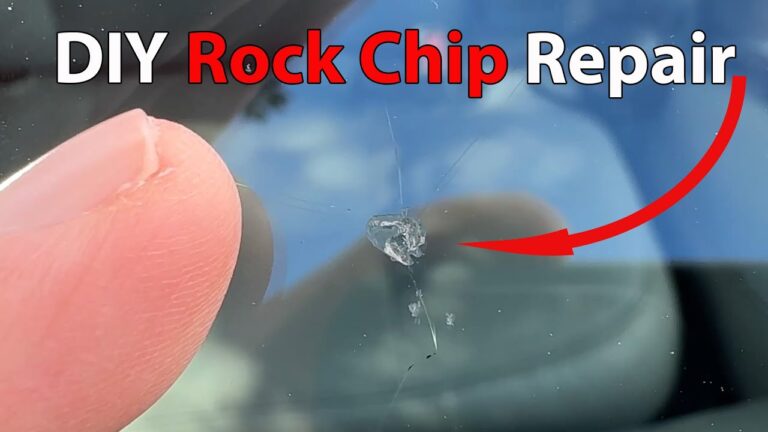
A windshield crack can spread within minutes, remain stable for days, or grow slowly over several weeks. There is no fixed timeline. Temperature changes, road vibration, the location of the damage, and the crack’s size all affect how quickly it grows. Prompt inspection is the safest way to prevent a small crack from becoming a larger problem.
Across the United States, drivers face changing road and weather conditions that can put extra stress on damaged auto glass. A small stone chip on an interstate in Texas, a sudden cold snap in Colorado, or a hot afternoon in Arizona can create very different conditions for a cracked windshield. Even routine driving can cause existing damage to spread.
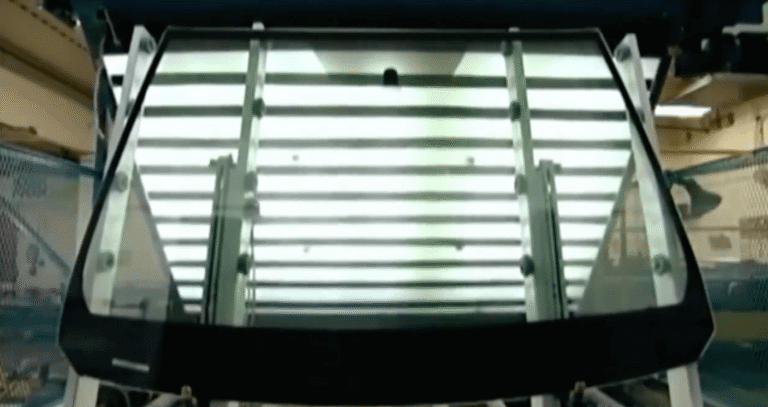
A windshield is more than a clear barrier against wind and rain. Most modern passenger vehicles use laminated windshield glass, which has two glass layers joined by a plastic interlayer. This construction helps hold the glass together after damage, but it does not mean a cracked windshield will remain stable.
The main question is not whether every crack will spread at the same speed. It is whether the damage is likely to grow under the conditions your vehicle faces and whether the windshield remains safe to use. A crack that reaches the edge, blocks the driver’s view, or appears to affect both glass layers needs prompt professional assessment.
A windshield crack can spread in a matter of minutes when the glass experiences a sudden temperature shift, a hard impact, or strong vibration. Under calmer conditions, the same crack may look unchanged for several days. These are possible outcomes, not a guaranteed schedule for every damaged windshield.
There is no established universal rate, such as a certain number of inches per hour, that applies to all windshield cracks. The starting damage, glass condition, vehicle design, weather, and driving conditions vary too much. A crack that stays short during a mild morning may extend after the vehicle sits in strong sun and then encounters a sudden change in cabin temperature.
Auto glass guidance identifies temperature changes and vibration as common factors that can worsen existing damage. However, statements that every crack will reach the edge within a specific number of hours or days should not be treated as reliable predictions. A visual check alone cannot establish how much stress exists within the glass.
Source: northeastautoglass.net
Within minutes
Possible when a damaged windshield experiences a sharp temperature change, a new impact, or significant vibration. Fast growth is not inevitable, but it cannot be ruled out.
Over several hours
A crack may lengthen during a drive or after repeated heating and cooling. Its growth may be easy to miss until the line becomes more visible.
Over several days
A crack may appear stable in mild conditions. This does not prove the glass is safe or that the damage will remain unchanged.
Over weeks or longer
Some damage may remain similar in size for an extended period, but continued exposure to stress can change it. Waiting does not make the windshield stronger.
Can a Windshield Crack Spread Overnight?
Yes. A windshield crack can become longer overnight, especially when temperatures fall sharply or the vehicle is exposed to repeated heating and cooling. Water that enters damaged areas can also freeze in cold conditions and add stress, although the result depends on the damage and the environment.
A crack that looks longer in the morning may have grown during the night or during the previous drive. To track changes, take a photo while the vehicle is parked and compare it with later photos from the same angle. Do not press on the glass or attempt to flex the crack to test it.
Check safely
Look for new branches, a longer line, or damage that now reaches the windshield edge while the vehicle is parked.
Arrange an inspection
If the damage has changed, contact an auto glass professional promptly rather than waiting for another overnight temperature shift.
What Makes a Windshield Crack Spread Faster?
Windshield cracks grow when stress concentrates around the damaged area. Glass expands and contracts as its temperature changes, while the vehicle body and windshield frame can move slightly over uneven roads. These forces can extend a small break or cause new branches to form.
The following factors help explain why two windshields with similar-looking cracks can behave differently. Several may act together, so removing one source of stress can help without guaranteeing that the crack will stop growing.
Source: miracleagc.com
Sudden temperature changes
Rapid heating or cooling can create uneven expansion across the glass. Directing very hot or cold air at a damaged windshield may add stress, particularly when the glass temperature differs sharply from the surrounding areas.
Direct sunlight and parked-car heat
Sunlight can heat the windshield unevenly. A damaged area may respond differently from the surrounding glass, increasing stress around the crack.
Cold weather and freezing moisture
Cold conditions can change glass temperature quickly. If moisture enters the damage and freezes, expansion may contribute to further cracking.
Potholes and rough roads
Bumps and uneven surfaces transmit vibration through the vehicle body. This movement can put added stress on a windshield that already has a weak point.
Slamming doors
Closing a vehicle door forcefully can create a pressure change inside the cabin. In some cases, this can add stress to already damaged glass.
New impacts
A flying stone, road debris, or another impact near the damaged area can create new fractures or extend existing ones.
Why Temperature Changes Matter
Glass expands when heated and contracts when cooled. When the temperature changes unevenly across a windshield, different areas may move by different amounts. An existing crack creates a weak point where stress can concentrate.
For example, a vehicle parked in the summer sun may have a hot windshield. Switching immediately to very cold air directed at the glass can create a sharp local temperature difference. A gradual cabin temperature change is a more cautious approach while arranging repair.
The same principle applies in winter. Do not pour hot water over a cold or frosted windshield. Use the vehicle manufacturer’s recommended defrost method and avoid sudden temperature shocks.
In summer
Choose shaded parking when practical and let the cabin cool gradually rather than directing maximum cold airflow straight at the damaged area.
In winter
Avoid hot water and abrupt heating. Follow the vehicle manual’s instructions for clearing frost and condensation.
Why Rough Roads Can Make Damage Worse
A vehicle’s body is not perfectly rigid. Its structure responds to road bumps, driveway angles, and other movements. The windshield is bonded to the vehicle body, so movement can place extra stress on a crack.
If you must travel before the inspection, avoid unnecessary trips and choose a smoother route where possible. This is only a temporary precaution, not proof that driving is safe. A crack that blocks the driver’s view or reaches the windshield edge should be assessed before the vehicle is driven again.
Reduce avoidable vibration
Avoid rough roads and unnecessary journeys while waiting for professional advice.
Close doors gently
Use normal, gentle door-closing force instead of slamming doors or the trunk.
Does the Type of Windshield Crack Affect Its Speed?
Yes. The shape, depth, location, and origin of the damage can influence how it develops. A small chip with no visible spreading may behave differently from a long line that already extends toward the windshield edge. Still, crack type alone cannot provide an exact time estimate.
The windshield’s laminated construction is also important. The plastic interlayer helps hold the glass together, but it does not eliminate the risks caused by damaged glass. If the inner layer is damaged or the windshield has extensive fractures, repair may not be suitable.
Source: autoglassolutions.ca
Small chip
A small impact mark may remain localized, but temperature changes and vibration can cause fine cracks to extend from it. Early assessment may preserve more repair options.
Star break
Several fine lines radiate from a central impact. The branches create multiple paths along which the damage may extend.
Bull’s-eye damage
A roughly circular impact mark may be repairable when its size, depth, and location meet the relevant repair criteria. It can still develop additional cracks.
Long crack
A long crack has already extended through a larger area of the glass. Further growth can reduce repair options and may increase the need for replacement.
Edge crack
Damage that reaches the windshield perimeter deserves particular attention because it may affect the integrity of the bonded glass assembly.
Stress crack
A stress crack may begin without an obvious impact point. Changes in temperature, mounting stress, or vehicle structure can be possible causes that require assessment.
Why Cracks Near the Edge Need Prompt Attention
The windshield edge is bonded to the vehicle body, and damage in this area can be more concerning than a similar-sized crack near the center. Edge damage may affect the bond area or reflect stress in the glass. It can also be harder to assess accurately without removing trim or examining the surrounding structure.
Do not assume that an edge crack can be repaired just because it is short. A technician must consider its position, depth, direction, vehicle requirements, and the repair criteria that apply to the specific windshield.
Do not delay assessment
Contact an auto glass professional as soon as practical if a crack touches or starts near the windshield edge.
Ask about replacement
Confirm whether the damage can be repaired safely or whether a new windshield is needed.
How to Tell Whether a Crack Is Getting Worse
The clearest visible sign is a change in the crack’s length, direction, or number of branches. A line that reaches a new area of the windshield, develops fresh branches, or appears after a temperature change may have progressed.
Some changes are difficult to see from one viewing angle. Take photos from a safe position while the vehicle is stationary, and avoid touching the glass. If the crack enters the driver’s direct view, do not rely on photos to decide whether the vehicle is safe to drive.
Compare photos
Use the same angle and lighting to check for visible changes over time.
Watch for new branches
Additional lines radiating from the original damage can indicate that the fracture has extended.
Treat visibility problems seriously
Glare, distortion, or a crack in the driver’s primary field of view warrants prompt professional assessment.
How to Slow a Windshield Crack from Spreading
You cannot reliably stop an active windshield crack from growing with a household remedy. However, reducing avoidable stress may help limit further damage while you arrange an inspection. These precautions are temporary and do not restore the windshield’s original condition.
Start by checking whether the crack affects your view or reaches the edge of the glass. If it creates a serious visibility problem, appears to be growing rapidly, or seems to involve both glass layers, stop using the vehicle and seek professional guidance about safe transport.
Source: wrecktifycollision.com
Step 1: Park in a Sheltered Place
Whenever practical, park in a garage or shaded area. A sheltered location can reduce direct sunlight and limit rapid temperature swings. It cannot guarantee that the crack will remain unchanged, especially if the glass is already under stress.
Choose steady conditions
Avoid leaving the vehicle in intense sun when a cooler, sheltered parking spot is available.
Step 2: Change the Cabin Temperature Gradually
Avoid blasting very hot or very cold air directly onto the damaged windshield. Let the cabin temperature change gradually, following the vehicle manual’s climate-control guidance. Never pour hot water on cold glass to clear frost.
Avoid sudden heat
Use the recommended defrost setting rather than exposing one small area of the glass to an abrupt temperature change.
Step 3: Limit Vibration and New Impacts
Reduce unnecessary driving and avoid rough roads when possible. Close doors gently and do not place pressure on the damaged glass. These actions may reduce some sources of stress, but they cannot guarantee that an existing crack will stop spreading.
Keep trips to a minimum
Arrange an inspection promptly instead of continuing normal driving for days or weeks.
Step 4: Protect the Damaged Area from Dirt
If a small impact chip is exposed, a clean, transparent cover may help limit dirt and moisture entering the damaged area while you wait for professional service. Only use a temporary cover if it can be applied without pressing on the glass or affecting visibility.
Do not treat household tape as a structural repair. It cannot restore the glass, hold a spreading crack together, or make an unsafe windshield suitable for driving. Never cover damage in a way that obstructs the driver’s view.
Keep it temporary
Follow the glass professional’s advice about protecting the damage before the appointment.
Avoid home remedies
Do not apply glue, nail polish, household resin, or other unapproved materials to the crack.
Step 5: Arrange a Professional Inspection
A qualified auto glass technician can examine the damage, determine whether the inner glass layer is affected, and assess the crack’s location and extent. The technician can then explain whether a suitable resin repair is possible or whether the windshield should be replaced.
When booking, describe the crack’s approximate length and location, explain whether it has changed, and mention any visible branches or problems with the driver’s view. A photo may help with an initial discussion, but it cannot replace an in-person inspection when safety or repair eligibility is uncertain.
Book promptly
Early assessment can help preserve repair options before the damage grows or becomes contaminated.
Follow vehicle-specific guidance
Ask about manufacturer requirements, driver-assistance camera calibration, and correct windshield installation if replacement is needed.
Can You Drive with a Cracked Windshield?
Whether a cracked windshield can be driven safely depends on the crack’s location, size, depth, and effect on visibility. A small mark outside the driver’s main field of view may present a different risk from a spreading crack across the center of the glass. There is no single rule that makes every crack safe or unsafe based on length alone.
A windshield contributes to vehicle safety. Laminated glass helps retain occupants during a crash, and the windshield can play a role in the performance of the passenger-side airbag system. The National Highway Traffic Safety Administration has highlighted visibility, the risk of worsening damage, occupant retention, and correct replacement installation as relevant safety considerations for damaged glazing.
State laws and inspection rules can differ. A crack that obstructs the driver’s view may violate local requirements even if the vehicle can still move. Check the rules in the state where the vehicle is registered or driven, and do not treat legal compliance as proof that the windshield is structurally sound.
Source: quicksetautoglass.com
Avoid driving when visibility is impaired
If the crack interferes with your view of the road, traffic signals, or other vehicles, do not continue driving. Arrange professional assistance or safe transport.
Seek urgent advice for edge damage
A crack that reaches the perimeter can raise concerns about the glass assembly and should be inspected promptly.
Do not ignore rapid growth
If the crack visibly extends during a trip or develops new branches, pull over somewhere safe and seek guidance before continuing.
Check vehicle-specific requirements
Vehicles with cameras or sensors mounted near the windshield may require specific replacement procedures and calibration.
When Is It Safer to Stop Driving?
Stop in a safe location if the crack suddenly spreads into your line of sight, the glass develops extensive new fractures, or visibility becomes difficult. Do not attempt to test the strength of the windshield by pushing on it or striking it.
If the vehicle cannot be used safely, contact roadside assistance or an auto glass provider to discuss suitable transport. The right choice depends on the damage and the vehicle’s condition, not simply on how far you need to travel.
Visibility is blocked
Do not continue a trip when the damaged area prevents you from seeing the road clearly.
The crack is rapidly changing
Stop somewhere safe and seek advice rather than assuming the glass will hold until you reach your destination.
Windshield Repair or Replacement: Which Is Better?
The best choice depends on the damage and the vehicle’s repair requirements. A small chip or limited crack may qualify for resin repair if the location, depth, and condition of the glass meet the applicable criteria. A long or spreading crack, edge damage, inner-layer damage, or damage that affects the driver’s vision may require a new windshield.
Repair generally involves placing a suitable resin into eligible damage and curing it according to the repair system’s procedure. This can improve the appearance and help restore the damaged area’s integrity, but a repair does not make every crack invisible or return the windshield to an undamaged state.
Replacement removes the damaged windshield and installs a suitable new unit. Correct bonding and installation matter because the windshield forms part of the vehicle’s safety system. Some vehicles also require calibration of cameras or driver-assistance systems after replacement.
Source: wrecktifycollision.com
Repair may be suitable
The damage is limited, the relevant glass layers are intact, its location is acceptable, and the technician confirms that the repair meets the required criteria.
Replacement may be necessary
The crack is extensive, reaches a critical edge, affects both glass layers, creates unacceptable optical distortion, or fails vehicle-specific repair requirements.
The technician must assess the full picture
There is no universal length threshold that guarantees repair eligibility for every vehicle and damage pattern.
Does a Longer Crack Always Mean Replacement?
Not every vehicle or repair system uses the same limits, so length alone does not settle the question. Some documented vehicle-specific guidelines allow only short cracks in designated areas, while other repair standards consider additional factors such as damage type, location, and the expected quality of the finished repair.
For example, Tesla’s published Model 3 body repair guidance sets different allowable damage limits for different windshield areas and requires replacement when damage exceeds the listed criteria. Those instructions apply to the specified vehicle and should not be treated as universal rules for all cars.
Ask the technician to explain the reason for the recommendation. If replacement is proposed, useful questions include whether the crack reaches the edge, whether the inner layer is affected, and whether the location or optical effect makes repair unsuitable.
Ask about repair limits
Request an explanation based on your vehicle, the damage location, and the applicable repair procedure.
Check the installation plan
If replacement is needed, confirm that the glass and bonding materials meet the vehicle manufacturer’s requirements.
How Much Does Timing Matter for Repair Cost?
The financial effect of waiting varies. A small, eligible chip may be less expensive to repair than a windshield that later needs full replacement, but no specific cost difference can be guaranteed without a quote. Vehicle make, glass type, labor, sensors, calibration, and insurance terms all affect the final amount.
Prompt assessment gives you a clearer picture before the damage changes. If you have comprehensive auto insurance, review your policy and deductible, and ask your insurer whether windshield repair or replacement is covered. Coverage and out-of-pocket costs differ by policy and state.
Request a written estimate
Ask for separate repair and replacement pricing when both options are technically suitable.
Review insurance terms
Check deductibles, coverage limits, and any preferred-provider requirements before authorizing work.
Common Mistakes That Can Make Windshield Damage Worse
Many attempts to protect a cracked windshield fail because they treat the visible line as a surface mark rather than damage within a layered glass assembly. A temporary measure may limit dirt or reduce avoidable stress, but it cannot replace a proper assessment and repair.
Avoid these common mistakes while arranging service. If the windshield already affects visibility or shows extensive damage, skip temporary measures and focus on safe transport and professional help.
Source: northeastautoglass.net
Waiting because the crack looks small
A small crack may still grow under temperature changes or vibration. Arrange an inspection instead of relying on its current appearance.
Using household glue or nail polish
These materials are not a substitute for an approved windshield repair system. They may contaminate the damaged area or complicate later work.
Pouring hot water on cold glass
A sudden temperature change can increase stress in damaged glass. Use the vehicle manufacturer’s recommended defrost method.
Slamming doors to close the vehicle
Forceful closure can add pressure changes and vibration. Close doors gently while waiting for the inspection.
A transparent cover may help keep contaminants away from a small damaged area, but it does not restore strength or prevent all crack growth.
Choosing repair based only on price
A low quote is not useful if the damage does not qualify for repair or the work does not meet vehicle requirements. Compare the proposed method and installation standards as well as the cost.
What to Tell the Auto Glass Technician
Clear information helps the technician prepare for the inspection. Explain when you first noticed the damage, whether it followed a stone impact, and whether the crack has changed during driving or after a temperature shift.
Tell the provider about any camera or sensor systems near the windshield, if known. The technician can check the vehicle’s requirements and explain whether replacement, calibration, or additional procedures may be necessary.
Describe the damage
Give the approximate length, location, and shape, and mention any branches or edge contact.
Mention changes
Explain whether the crack has grown overnight, after driving, or during a period of hot or cold weather.
Ask about safe transport
If the crack obstructs your view, ask whether mobile service or another safe transport option is appropriate.
Frequently Asked Questions
Q
How fast can a windshield crack spread in hot weather?
A windshield crack can extend within minutes in hot weather if the glass experiences a sharp temperature difference or additional stress. It may also remain unchanged for a time. Direct sunlight, rapid cooling, vibration, and the existing damage all affect the outcome, so there is no reliable universal rate.
Q
Can a windshield crack spread while the car is parked?
Yes. A parked vehicle still experiences changes in glass temperature as sunlight, shade, and outdoor temperatures change. A crack can grow without the vehicle moving, although parked conditions do not guarantee that growth will occur.
Q
Will a windshield crack stop spreading on its own?
A crack may remain unchanged for a period, but this does not mean it has healed or become safe. Changes in temperature, road vibration, or a new impact can cause further growth. Professional assessment is the reliable way to determine what the damage needs.
Q
Can cold weather make a windshield crack worse?
Yes. Cooling and heating can create stress in damaged glass, and moisture that enters a crack may freeze in sufficiently cold conditions. Avoid pouring hot water on cold glass and follow the vehicle manufacturer’s recommended defrost procedure.
Q
Should I repair a windshield crack immediately?
Arrange an inspection as soon as practical, especially if the crack is growing, reaches the edge, branches in several directions, or affects the driver’s view. If visibility is impaired or the damage appears extensive, do not continue driving until you have received appropriate safety advice.
Q
Can I use a windshield repair kit on a spreading crack?
A consumer repair kit is not suitable for every kind of damage. Repair eligibility depends on the crack’s length, location, depth, condition, and vehicle-specific requirements. A spreading or extensive crack should be assessed by a qualified auto glass technician before you attempt a repair.
Q
Does windshield insurance cover crack repair?
Coverage depends on your policy, deductible, insurer, and state. Some policies cover eligible windshield repairs or replacement under comprehensive coverage, while others require an out-of-pocket payment. Check your policy or contact your insurer before approving the work.
✦ Wrapping Up
Conclusion
A windshield crack can spread in minutes, stay unchanged for days, or grow gradually over a longer period. Temperature shifts, direct sunlight, road vibration, moisture, and the crack’s location all influence how it behaves. Because these conditions vary, no one can predict the exact moment a particular crack will grow.
The safest approach is to reduce avoidable stress, avoid household repair methods, and arrange a professional inspection promptly. A small chip or limited crack may qualify for repair, while edge damage, extensive fractures, inner-layer damage, or impaired visibility may require windshield replacement.
A short delay may seem harmless when the crack looks unchanged, but appearance alone cannot establish structural safety. If the damage obstructs your view or is growing rapidly, prioritize safe transport and professional advice rather than continuing to drive.
💡 Key Takeaway
Park in a sheltered place when practical, avoid sudden temperature changes and rough roads, document the damage from a safe position, and contact a qualified auto glass technician. If the crack impairs visibility or appears extensive, do not drive until you have received appropriate safety guidance.
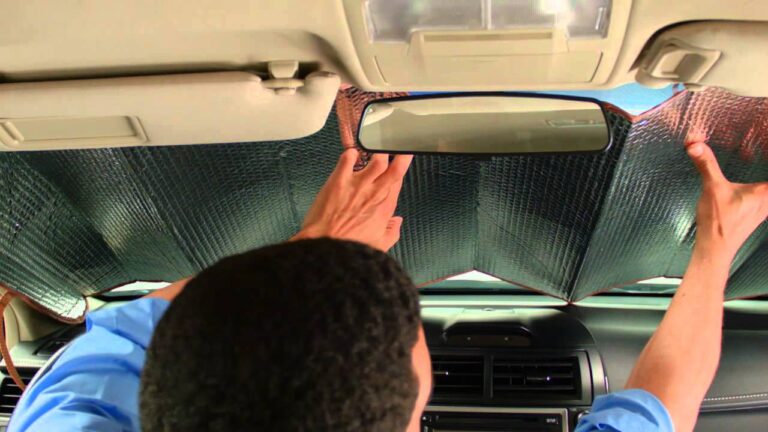
Learn how to install a windshield sun shade correctly in your car. Follow simple steps for folding, roll-up, and umbrella-style shades, plus fit, safety, storage, and troubleshooting tips.