windshield washer fluid can last for several years in an unopened, properly stored container. Once opened, its useful life depends on the formula, storage conditions, and risk of contamination. Fluid in your car’s reservoir can also remain usable for a long time, but check its level and condition regularly, especially before winter or a long road trip.
For drivers across the United States, windshield washer fluid is a small part of car care that can make a big difference in road safety. Dust, pollen, bugs, road salt, and muddy spray can build up on the windshield. Having clean fluid ready helps you clear that film before it blocks your view.
There is no single expiration period that applies to every washer fluid. Some manufacturers state that their products have no assigned shelf life, while other products may have different storage or use guidance. The best approach is to check the label, keep the container sealed, and replace fluid that shows signs of contamination or fails to clean well.
This guide explains how long washer fluid lasts in a bottle and in a vehicle, what can shorten its useful life, and how to store or replace it. It also covers winter formulas, common mistakes, and simple checks that help you keep your windshield clear.
Windshield washer fluid often remains usable for years when kept in its original, sealed container. After opening, its useful life depends on the product formula and how well it is stored. Fluid already in a vehicle may also remain usable for an extended period, provided it stays clean and retains the properties needed for the local climate.
A key distinction is the difference between shelf life and usage life. Shelf life refers to how long fluid can be stored before its quality becomes a concern. Usage life refers to how long the amount in your car lasts before you need to refill it. Weather, road conditions, and how often you spray the windshield affect the second measure.
Some manufacturers, including SPLASH, state that their products do not have a specified shelf life or expiration date. That guidance should not be treated as a universal rule for every brand. Check the label and contact the manufacturer if you have an old container with unclear storage history.
Source: askmyauto.com
Unopened container
It may last for several years when stored according to the label, with the original seal intact and the container kept away from damaging conditions.
Opened container
It may remain usable for a long time if the cap is secure and the fluid stays clean. Follow any specific instructions from the manufacturer.
Fluid in the vehicle
It can remain usable for months or longer, but the level falls as you use it. Check for contamination, leaks, and a formula that no longer suits the season.
Does washer fluid have an expiration date?
Some washer fluid containers may show product codes or manufacturing details without a clear expiration date. Other manufacturers provide product-specific storage guidance. Do not assume that every code is an expiration date or that every fluid follows the same timetable.
If the container has no stated shelf life, consult the brand’s official product information. If you cannot confirm its history, inspect the container and fluid before use. When the liquid is contaminated, the bottle is damaged, or the formula is uncertain, replacing it is the more cautious option.
Check the label first
Look for storage instructions, freeze protection, dilution directions, and any use-by guidance.
Do not rely on age alone
A container’s age is useful context, but it does not prove that the fluid has failed or that it remains suitable.
What Affects the Shelf Life of Washer Fluid?
Storage conditions, container quality, contamination, and formula type can affect how well washer fluid performs over time. A sealed bottle kept in a suitable storage area has fewer opportunities for outside material to enter or liquid to escape. A damaged or poorly closed container has more risks.
Commercial washer fluid often contains water, cleaning agents, and alcohol or other ingredients that help control freezing. The exact formula varies by product. If a container leaks or is left open, its composition may change, and dirt or other material may get into the liquid.
Heat and direct sunlight can place extra stress on the container and its contents. Very cold storage can also be unsuitable if the product is not rated for those temperatures. Follow the manufacturer’s storage instructions rather than assuming a garage, shed, or vehicle trunk is always suitable.
Source: hitchesguide.com
Heat and sunlight
Store the container away from direct sun and strong heat sources. A hot vehicle interior is not an ideal long-term storage location.
A loose or damaged cap
A poor seal allows dirt to enter and may let some components escape. Close the cap after every use and replace damaged containers.
Contamination
Dust, dirt, or material introduced by a dirty funnel can affect the fluid and may obstruct small washer jets.
Mixing products
Different formulas may not have the same cleaning or freezing properties. Avoid mixing unknown products or adding water unless the label allows it.
Why the formula matters
Summer washer fluid is designed mainly to remove dirt, dust, and insects. Winter fluid is formulated to provide freeze protection at a stated temperature. All-season products aim to balance cleaning with a broader range of conditions.
A fluid that works well in warm weather may not be suitable for a freezing night. This does not necessarily mean the fluid has expired; it may simply be the wrong formula for the weather. Read the rated temperature on the container before filling the reservoir.
Summer formula
Useful in warm conditions, but it may freeze in cold weather if it lacks sufficient freeze protection.
Winter formula
Choose a product rated for the coldest temperatures you expect to encounter, with the vehicle manufacturer’s guidance in mind.
Concentrate
Mix it only at the ratio specified on the label. Too much water can weaken its cleaning ability and lower its freeze protection.
How Long Does Washer Fluid Last in Your Car?
Washer fluid in a vehicle’s reservoir can remain usable for months or longer if the system is sealed, the liquid stays clean, and the formula remains appropriate for the weather. There is no fixed replacement interval that applies to every car. Your driving habits and local conditions matter more than a simple calendar date.
Drivers who travel on dusty roads, highways with frequent bug splashes, or salt-treated winter roads may use fluid quickly. Drivers who rarely use the washer system may keep the same fluid for much longer. A low-fluid warning or an empty reservoir means it is time to refill, regardless of how old the remaining fluid is.
If the vehicle has been parked for a long time, check the reservoir before driving. Look for visible contamination and confirm that the fluid suits the current season. If the car has been exposed to freezing weather and the fluid may have frozen, allow the system to thaw safely before testing it.
Source: carblogindia.com
Check the level regularly
Inspect the reservoir about once a month and before long trips. Follow the vehicle manual if your model uses a warning message or a different checking method.
Watch for leaks
If the reservoir becomes empty soon after filling, check for signs of leakage and arrange service if needed.
Test cleaning performance
When the vehicle is safely parked, check whether the washer sprays and clears ordinary dirt without leaving a persistent film.
Does old fluid in the reservoir need to be drained?
Not always. If the fluid is clean, the system works normally, and the formula suits the weather, age alone does not prove that it must be drained. Check the owner’s manual and the product label before deciding.
Consider replacement if the fluid is visibly contaminated, has an unexpected change in appearance, or no longer performs well. If the fluid has frozen or the washer system is not working, do not keep operating the pump in an attempt to force the liquid through.
Keep suitable fluid
There is no need to discard clean, appropriate fluid solely because it has remained in the reservoir for a few months.
Replace questionable fluid
If the contents appear dirty or the formula is unknown, ask a qualified service professional how to remove and replace them safely.
Signs That Windshield Washer Fluid May Have Gone Bad
Changes in appearance, visible particles, unusual separation, or poor cleaning results can signal a problem with washer fluid. These signs do not prove that the liquid has expired for a specific number of days or months. They do mean you should investigate before continuing to use it.
Fluid color alone is not a reliable test because manufacturers use different dyes. Blue, green, pink, or other colors can be normal for a particular formula. Compare the liquid with its original appearance when possible and pay closer attention to cloudiness, particles, or unexpected changes.
Poor spray performance can also have causes unrelated to the fluid itself. A low reservoir, clogged nozzle, frozen line, failed pump, or damaged hose may produce similar symptoms. Check the simplest and safest causes first rather than assuming that old fluid is always to blame.
Source: hitchesguide.com
Cloudiness or unexpected color changes
Compare the liquid with the product’s normal appearance. If it has become cloudy or looks markedly different, avoid using it until the cause is understood.
Visible dirt or particles
Solid material can obstruct the small passages in washer nozzles. Do not pour visibly contaminated fluid into the reservoir.
Unusual layers or separation
Unexpected separation may indicate a product issue or contamination. Follow the manufacturer’s advice instead of trying to repair the mixture yourself.
Weak cleaning results
If the windshield stays smeared, check the fluid, wiper blades, glass condition, and spray pattern. Replace the fluid if it is clearly the source of the problem.
What if the washer fluid smells different?
Some washer fluids have a noticeable odor because of their ingredients. A smell by itself does not establish that the fluid has gone bad, and you should not deliberately inhale it to assess its condition.
If the odor has changed unexpectedly or the container is leaking, keep the fluid away from children and pets and follow the label’s handling instructions. Do not taste the liquid or mix it with other household chemicals.
Avoid direct contact
Use the product as directed and wash your hands after handling it. Follow the safety instructions on the label.
Treat leaks with care
Keep people and animals away from spills and follow the product’s safety data sheet or local disposal guidance.
How to Store Windshield Washer Fluid Properly
Good storage helps preserve washer fluid and lowers the risk of leaks or contamination. Keep it in its original container, close the cap tightly, and follow the storage conditions printed on the label. A cool, dry place away from direct sunlight and strong heat sources is generally a sensible choice when the manufacturer permits it.
Do not transfer washer fluid into an unmarked drink bottle or food container. The liquid can be poisonous, and an unfamiliar container creates a serious risk of accidental ingestion. Keep the original label intact so that the product type, temperature rating, and safety information remain clear.
Store the container where children and pets cannot reach it. Keep it away from open flames and sparks because some formulas contain flammable alcohols. Do not leave a leaking container in a passenger compartment, and clean up spills according to the label.
Source: mroilguy.com
Keep the original cap secure
Close the container after use and inspect it for cracks, leaks, or damage.
Avoid extreme storage conditions
Follow the product’s stated temperature limits. Do not assume that every washer fluid can safely be stored outdoors through summer heat or winter freezes.
Preserve the product label
Keep the name, instructions, and safety warnings readable. Do not mix an unknown fluid with a fresh product.
Protect people and pets
Store the container in a secure place, away from food, drink, children, and animals.
Can you keep washer fluid in a hot garage or car trunk?
It depends on the temperature range permitted by the manufacturer. Garages and vehicle trunks can become very hot in summer, and outdoor storage can expose containers to direct sunlight or freezing temperatures.
For long-term storage, use a location that meets the label’s requirements. If the bottle has swollen, cracked, leaked, or otherwise changed, do not use it without guidance from the manufacturer.
Choose a stable location
Keep the product out of direct sun and away from sources of heat or ignition.
Inspect before use
Check the container and liquid for visible changes before pouring the fluid into the vehicle.
How to Check and Refill Washer Fluid
Checking washer fluid is a simple maintenance task, but you should use the correct reservoir and follow the vehicle manual. Most vehicles have a washer-fluid cap marked with a windshield-and-spray symbol. The location and method can vary by model, so consult the manual if you cannot identify it.
Park on a level surface, switch off the engine, and allow hot components to cool before opening the hood. Use the washer-fluid reservoir only. Never pour washer fluid into the coolant tank, brake-fluid reservoir, or another system because the wrong liquid can cause serious problems.
Source: dubizzle
Step 1: Find the correct reservoir
Check the owner’s manual and identify the cap marked for windshield washer fluid.
Step 2: Inspect the contents
If visible, look for obvious contamination. If the fluid appears questionable, do not add fresh fluid to conceal the problem.
Step 3: Choose the right product
Use a washer fluid rated for the temperatures you expect and compatible with the vehicle’s requirements.
Step 4: Fill as directed
Pour carefully and stop at the level specified in the owner’s manual. Avoid spills and close the cap securely.
Step 5: Check operation
With the vehicle parked safely, test the washer briefly. If the fluid does not spray, stop and investigate rather than repeatedly running the pump.
What if the washer fluid will not spray?
First, check the fluid level and confirm that the correct reservoir was filled. If temperatures have dropped below freezing, the fluid or lines may be frozen. Allow the vehicle to thaw in a safe, warm location and follow the manufacturer’s instructions.
If the system still does not work after thawing and checking the level, a blocked nozzle, damaged hose, electrical issue, or failed pump may be responsible. A qualified mechanic can diagnose the system without risking further damage.
Do not keep running a dry pump
Stop if the reservoir is empty or the system may be frozen. Repeated operation may strain the pump.
Check the spray pattern
If only one nozzle fails, a local blockage or hose issue may be more likely than a reservoir-wide fluid problem.
Get help for persistent faults
Arrange service if the pump is silent, the reservoir leaks, or the system remains inoperative after basic checks.
Common Mistakes That Shorten Useful Life or Reduce Performance
The most common mistakes are poor storage, using the wrong formula, adding unapproved ingredients, and ignoring signs of contamination. These errors can reduce cleaning performance or leave a car unprepared for cold weather. A few careful habits can prevent many of these problems.
Do not use engine coolant or radiator antifreeze in the washer system. These products are not substitutes for washer fluid, and they can leave a film on the windshield that seriously reduces visibility. Use a product intended for automotive glass and follow its directions.
Source: carblogindia.com
Adding plain water in freezing weather
Water can dilute the freeze protection of the mixture and may freeze in the reservoir, lines, or nozzles. Follow the product’s dilution instructions and use a suitable winter formula when needed.
Mixing unknown fluids
Combining different formulas can make the final freeze rating or cleaning performance uncertain. Use a compatible product and avoid mixing when compatibility is unclear.
Ignoring a dirty container
A dirty funnel or open bottle can introduce particles. Keep the filling equipment clean and close the container after use.
Waiting until the reservoir is empty
A low reservoir can leave you without a way to clear dirt during a drive. Check the level regularly and top it up before a long trip.
How should you dispose of unwanted washer fluid?
Follow the product label and local waste rules when disposing of unwanted washer fluid. Some formulas contain methanol or other ingredients that require careful handling. Do not pour unknown or unwanted fluid onto the ground or into a storm drain.
If the liquid is contaminated or the container is damaged, contact your local waste service for advice. Keep the product in a suitable labeled container while awaiting disposal, provided the container is safe and intact.
Read the safety information
Use the product label or safety data sheet to identify the ingredients and disposal guidance.
Follow local requirements
Ask your local waste authority how to handle the product if the instructions do not answer your question.
A Simple Decision Guide for Old Washer Fluid
You can make a practical decision by checking the label, storage history, appearance, and intended use. No single sign proves the fluid’s exact age or remaining life. When the evidence is unclear, the product manufacturer or a qualified automotive service professional can help you decide what to do.
Source: askmyauto.com
Sealed bottle, intact container, clear fluid
Check the manufacturer’s storage guidance and temperature rating. If the product remains within its stated conditions, age alone may not require disposal.
Opened bottle with a secure cap
Inspect for contamination and changes in appearance. Confirm that the formula and storage conditions remain suitable before use.
Visible particles, unexpected separation, or a damaged bottle
Do not pour the fluid into the car. Follow the label or ask the manufacturer how to handle the product.
Fluid works in warm weather but freezing temperatures are coming
Check the temperature rating and replace or transition to a suitable winter product as directed. Do not assume that working fluid has adequate freeze protection.
Fluid sprays but leaves a film
Inspect the fluid, windshield, and wiper blades. Replace questionable fluid and seek service if the spray system remains faulty.
Frequently Asked Questions
Q
How long does unopened windshield washer fluid last?
Unopened windshield washer fluid can remain usable for several years when stored in line with the manufacturer’s instructions. Some brands do not assign an expiration date, while others may provide product-specific guidance. Check the label and inspect the container before use.
Q
How long does windshield washer fluid last after opening?
There is no universal period for an opened bottle. Its useful life depends on the formula, the condition of the cap and container, storage conditions, and whether dirt enters the liquid. Keep it sealed and follow the manufacturer’s guidance.
Q
Can windshield washer fluid go bad in the car?
Fluid in the reservoir can remain usable for months or longer, but contamination, changes in composition, or an unsuitable temperature rating can make it less effective. Check the level and condition regularly, particularly before winter or a long trip.
Q
Does windshield washer fluid freeze?
Yes, some washer fluids can freeze if the temperature falls below their rated protection level. Summer formulas may not be suitable for freezing weather. Use a product rated for the coldest conditions you expect, and never force a frozen washer pump to run.
Q
Can I mix old washer fluid with new fluid?
Only do so when you know the products are compatible and the old fluid is clean. Mixing unknown formulas may change cleaning performance or freeze protection. If the existing fluid is contaminated or its composition is uncertain, seek guidance before adding a new product.
Q
How often should I refill my windshield washer reservoir?
Refill it whenever the level is low, following the vehicle manual. There is no fixed monthly refill schedule because use varies with weather, road dirt, and driving habits. Check the reservoir about once a month and before longer journeys.
Q
Is cloudy windshield washer fluid safe to use?
Cloudiness may indicate contamination or a change in the mixture, although appearance alone cannot identify the cause. Avoid adding questionable fluid to the vehicle. Check the product guidance and replace it or contact the manufacturer if its condition is uncertain.
Q
Can I use water instead of windshield washer fluid?
Some vehicle manuals allow plain water temporarily in warm weather, but water may clean less effectively and offers no freeze protection. In cold conditions, it can freeze in the washer system. Use a suitable automotive washer fluid and follow your vehicle manual.
✦ Wrapping Up
Conclusion
Windshield washer fluid can last for years in a properly stored, unopened container, and fluid in your vehicle may remain usable for months or longer. However, its useful life depends on the formula, storage conditions, cleanliness, and the temperatures in which you drive. A calendar date alone cannot tell you whether every product is still suitable.
Keep the bottle sealed, store it safely, and check the reservoir regularly. Replace questionable fluid, choose a suitable winter formula before freezing weather, and investigate poor spray performance rather than assuming that age is the only cause. Clear windshield glass helps you see road hazards and respond safely.
💡 Key Takeaway
Check your washer fluid today. Confirm that it is clean, the reservoir is adequately filled, and the product’s temperature rating suits your local weather. Follow the label and owner’s manual, and replace or investigate any fluid that appears contaminated or fails to clean properly.
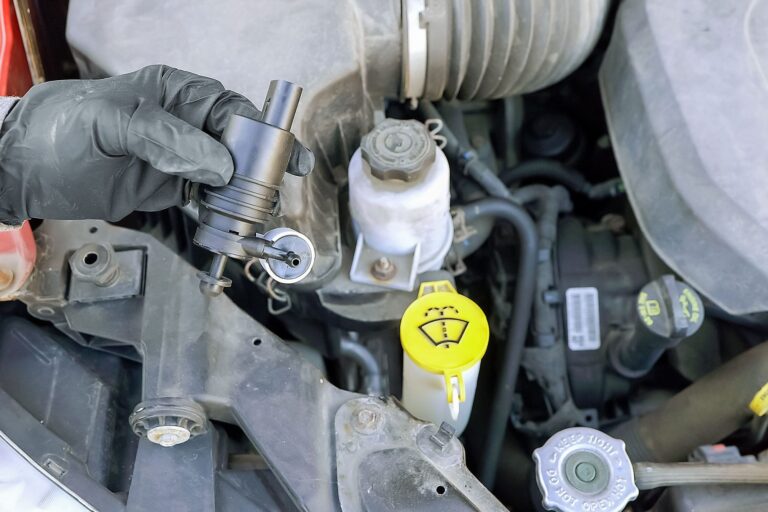
Learn how to refill rear windshield washer fluid in a Toyota Highlander, locate the correct reservoir, choose washer fluid, and troubleshoot spray problems.
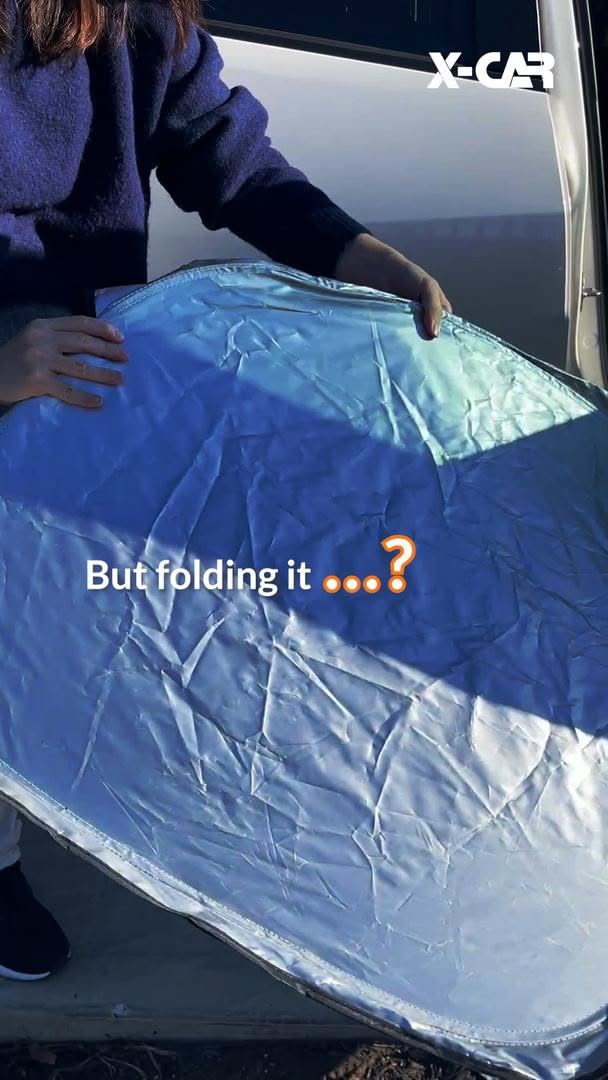
Learn how to fold a pop up windshield sun shade safely and quickly. Follow simple steps, avoid common mistakes, and store your car sun shade without damaging its frame.