How to Read Car Key Code: Find Your Vehicle Key Information
How to read car key code is useful when replacing a lost key, cutting a new mechanical key, or identifying the correct key information for a vehicle. A car key code is a series of letters, numbers, or symbols that identifies the exact key pattern or programming information required for a specific vehicle.
The complete details are explained below. You will learn where to find a car key code, how different key codes work, what information they provide, and why modern vehicles often require additional programming beyond the key code.
What Is a Car Key Code?
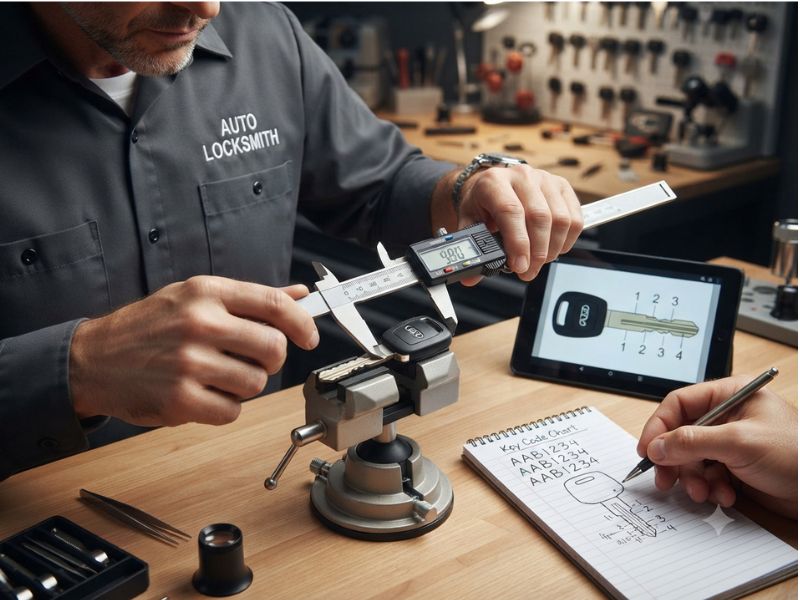
A car key code is a unique identification code used to create or identify a vehicle key.
Before modern electronic keys became common, many vehicles used mechanical keys that were cut according to a specific code.
The key code allowed locksmiths and dealerships to determine the correct:
- Key blade shape
- Cut pattern
- Depth of each cut
- Pin or wafer arrangement
- Replacement key profile
A key code may appear as:
- Numbers
- Letters
- A combination of both
Examples may include:
- A1234
- 12345
- H6789
The exact format depends on the manufacturer.
For older vehicles, the key code could allow a locksmith to cut a replacement key without having the original key available.
Modern vehicles are different because many keys include electronic security systems.
Why Do You Need a Car Key Code?
A car key code can help in several situations.
Common reasons include:
- Lost car keys
- Broken key replacement
- Spare key creation
- Lock replacement
- Ignition repair
- Door lock replacement
- Locksmith services
- Dealer key replacement
If all keys are lost, the key code can help create a mechanical replacement.
However, many modern vehicles also require electronic programming after the key is cut.
A correct key code does not always mean the vehicle will start immediately.
Where Can You Find a Car Key Code?
The location of a key code depends on the vehicle manufacturer, model, and year.
Common places include:
Vehicle Owner Documents
Older vehicles may include the key code on:
- Owner’s manual paperwork
- Key information card
- Warranty booklet
- Dealer documents
Some manufacturers provided a small tag attached to the original keys containing the code.
Original Key Tag
When a vehicle was purchased, the keys may have included a metal or plastic tag.
This tag could contain:
- Key code
- Lock information
- Dealer reference number
Many owners remove these tags and store them separately.
Vehicle Identification Records
A dealership may retrieve key information using the vehicle identification number (VIN).
The VIN does not directly contain the key code, but manufacturers often store vehicle build and security information connected to it.
A dealer may require:
- VIN
- Proof of ownership
- Identification documents
before providing key-related information.
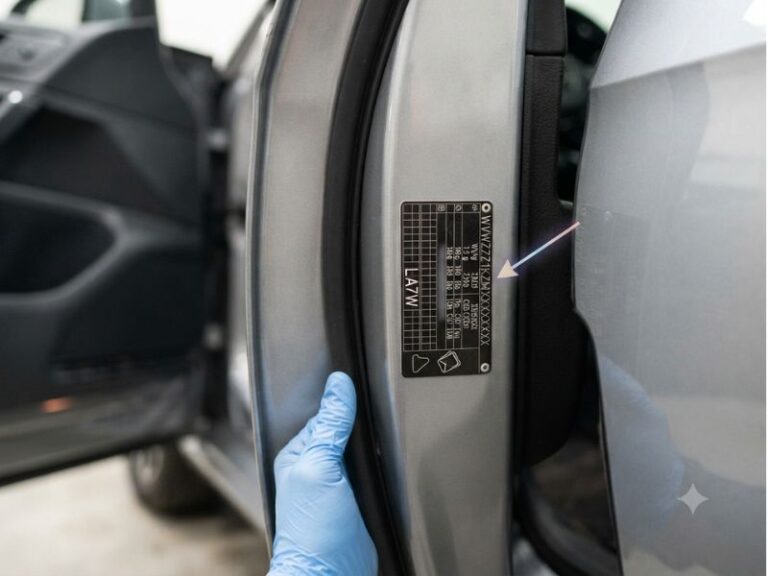
Door Lock or Ignition Cylinder
Some older vehicles have the key code stamped or marked on:
- Door lock cylinder
- Glove box lock
- Trunk lock
- Ignition cylinder
A locksmith may remove the lock cylinder to identify the code.
Locksmith Database
Professional locksmiths often have access to manufacturer key code databases.
They can use vehicle information to identify compatible key details.
How to Read a Mechanical Car Key Code
Mechanical key codes describe how the physical key should be cut.
A traditional key contains multiple cut positions along the blade.
Each position has a specific depth.
The key code tells the locksmith:
- Number of cuts
- Cut depth
- Cut sequence
- Key type
For example, a code may represent:
- Position 1: shallow cut
- Position 2: deep cut
- Position 3: medium cut
The locksmith uses this information with a key-cutting machine to create the correct pattern.
The code itself is not usually a description that an owner can visually translate without manufacturer information.
Different manufacturers use different coding systems.
How Modern Car Key Codes Work
Modern vehicles use more than just a mechanical key pattern.
Many newer keys contain:
- Transponder chips
- Remote buttons
- Smart key electronics
- Immobilizer communication systems
- Push-button start technology
The vehicle checks whether the key contains the correct electronic identification before allowing the engine to start.
Modern key replacement usually involves two separate steps:
Mechanical Matching
The physical key blade must match the vehicle locks.
Electronic Programming
The transponder or smart key must be programmed to communicate with the vehicle.
A key can be physically correct but still fail to start the vehicle if programming is incomplete.
Difference Between Key Code and VIN
Many people confuse the key code with the VIN.
They are different.
VIN (Vehicle Identification Number)
The VIN identifies the vehicle.
It contains information about:
- Manufacturer
- Model
- Production details
- Vehicle specifications
Key Code
The key code identifies the key cutting pattern or security information.
It relates specifically to:
- Locks
- Ignition keys
- Key replacement
The VIN may help a dealer find the key code, but they are not the same thing.
Can You Find a Car Key Code From the VIN?
Sometimes.
A dealership or authorized locksmith may use the VIN to access manufacturer records and retrieve key information.
However, access is restricted because key information is related to vehicle security.
You may need to provide:
- Vehicle registration
- Driver’s license
- Proof of ownership
A VIN lookup website usually cannot provide a complete key code.
Can an OBD2 Scanner Read a Car Key Code?
Generally, no.
An OBD2 scanner is designed for vehicle diagnostics, including:
- Engine problems
- Transmission faults
- ABS issues
- Emissions systems
A normal OBD2 scanner does not display mechanical key codes.
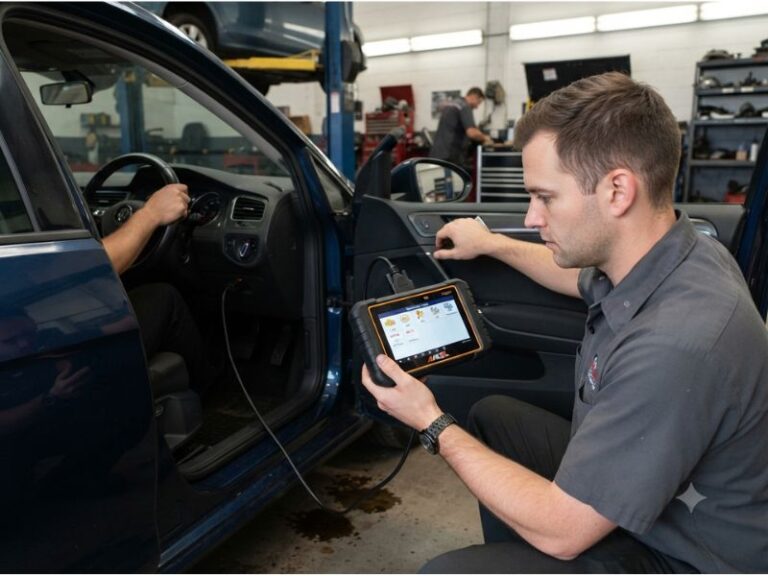
Some advanced automotive locksmith tools can communicate with vehicle security modules and perform functions such as:
- Key programming
- Immobilizer adaptation
- Remote programming
However, these tools are specialized and are not the same as a standard OBD2 code reader.
How Locksmiths Use Car Key Codes
Professional locksmiths use key codes to create accurate replacement keys.
The process may involve:
- Identifying the vehicle.
- Confirming ownership.
- Finding the correct key information.
- Cutting the mechanical key.
- Programming the electronic system if required.
- Testing the new key.
For older vehicles, the key code may be enough to cut a working key.
For newer vehicles, additional programming equipment is usually required.
Can You Decode a Car Key Without the Code?
Sometimes.
A locksmith may be able to determine the key pattern by:
- Inspecting an existing key
- Reading the lock cylinder
- Decoding the lock
- Using manufacturer databases
If you still have one working key, creating a duplicate is usually easier.
If all keys are lost, professional equipment may be needed.
Where Is the Key Code on a Car Key?
The location varies.
Possible locations include:
- Small metal tag attached to the key
- Plastic key label
- Owner documents
- Dealer records
- Lock components
The key itself usually does not have a visible code engraved on it.
Many modern electronic keys contain only:
- Part numbers
- FCC identification numbers
- Manufacturer markings
These are not always the same as the key code.
Key Code vs Key Programming Code
These two terms are often confused.
Key Code
Used mainly for mechanical key cutting.
It determines the physical shape of the key blade.
Programming Code
Used for electronic systems.
It may allow access to:
- Immobilizer programming
- Security module functions
- Key registration
Modern vehicles may require both mechanical information and electronic programming.
Why Does a Replacement Key Not Work After Cutting?
A newly cut key may fail for several reasons.
Common causes include:
- Incorrect key code
- Wrong key blank
- Poor cutting accuracy
- Missing transponder programming
- Wrong immobilizer chip
- Incorrect remote programming
- Vehicle security system issue
For older vehicles, incorrect cutting is usually the main problem.
For newer vehicles, electronic programming is often the issue.
Can You Program a Car Key Yourself?
It depends on the vehicle.
Some vehicles allow owners to program additional keys if they already have a working key.
Other vehicles require:
- Dealer equipment
- Locksmith tools
- Security access codes
- Manufacturer software
Always check the vehicle-specific procedure before purchasing a replacement key.
Buying an incorrect key can result in wasted money because many smart keys cannot be reused on another vehicle.
How Much Does Car Key Replacement Cost?
The cost depends on the vehicle and key type.
Factors include:
- Mechanical key type
- Transponder key
- Remote key fob
- Smart key
- Push-button start system
- Programming requirements
- Vehicle manufacturer
Older mechanical keys are usually cheaper.
Modern smart keys can be significantly more expensive because they require electronic programming and specialized equipment.
Tips for Keeping Your Car Key Information Safe
To avoid problems in the future:
- Keep spare keys in a safe location.
- Store key documents securely.
- Record your vehicle information.
- Avoid sharing key codes publicly.
- Keep proof of ownership documents available.
Do not post key codes online because they are related to vehicle security.
Final Thoughts
So, how to read car key code depends on the vehicle type and key system. Older mechanical keys use codes that identify the physical cutting pattern, while modern vehicles often require both key information and electronic programming.
A key code helps locksmiths and dealers create replacement keys, but it is only one part of the process for many newer vehicles.
If you lose your key, the best approach is to identify your vehicle information, locate available key records, and work with a qualified locksmith or dealer who can verify ownership and provide the correct replacement.