How to Read the Check Engine Light Codes: Complete Guide and Tips
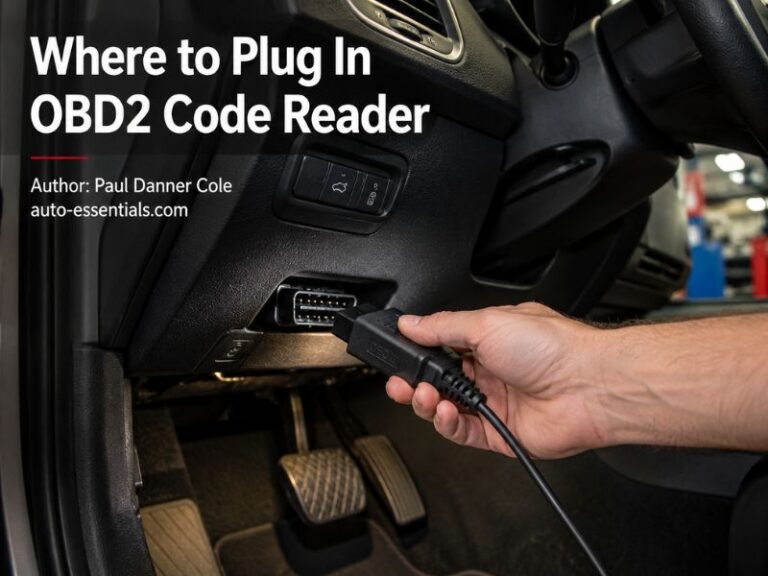
You can read check engine light codes with an OBD-II scanner plugged into the vehicle’s diagnostic port, usually beneath the dashboard near the steering column. The scanner displays a trouble code such as P0301 or P0420, but that code identifies a monitored system or condition—not automatically the failed part.
The overlooked step is recording the code and its status before clearing it. A “pending” code may indicate a problem detected once but not yet confirmed, while a “stored” or “confirmed” code usually means the vehicle’s computer has seen the fault often enough to turn on the light. A “permanent” code may remain after repairs until the vehicle completes its self-tests.
Start by checking whether the light is steady or flashing, then scan the vehicle, interpret the code’s first letter and numbers, and inspect related symptoms and data. This guide explains scanner choices, code formats, freeze-frame information, common interpretation errors, safe next steps, when clearing codes is appropriate, and when professional diagnosis is the better decision. By the end, you can distinguish a useful diagnostic clue from a misleading parts-swapping shortcut.
What a Check Engine Code Actually Tells You
The check engine light, also called the malfunction indicator lamp, is controlled by the vehicle’s engine or powertrain computer. That computer monitors sensors, actuators, emissions equipment, ignition, fuel delivery, and other systems. When measured conditions fall outside expected limits, it stores a diagnostic trouble code, or DTC.
A trouble code does not usually say, “Replace this exact component.” Instead, it describes the circuit, system, misfire location, or operating condition that caused the computer to set the code. For example, a lean-condition code could result from a vacuum leak, low fuel pressure, an intake problem, or an inaccurate sensor reading.
That distinction matters because replacing the named sensor without testing the surrounding system can waste money and leave the original fault unresolved. Treat the code as a starting point for diagnosis, not as a complete repair instruction.
Check the Light Before Connecting a Scanner
Look at the light’s behavior first. A steady check engine light generally indicates a fault that may allow careful driving, although the vehicle should be diagnosed soon. A flashing light commonly signals an active misfire severe enough to damage the catalytic converter.
If the light is flashing, the engine is shaking, power is dropping, or the exhaust smells strongly of fuel, reduce load and stop driving when it is safe. Continuing to operate the vehicle can turn an ignition or fuel problem into an expensive emissions-system failure.
Also notice whether the vehicle has other warning indicators, unusual noises, overheating, low oil pressure, or braking problems. An OBD-II code reader is not a substitute for responding to a dangerous mechanical or safety warning.
How to Connect an OBD-II Code Reader
Most gasoline vehicles sold in the United States from the 1996 model year onward use an OBD-II diagnostic connector. It is usually under the driver’s side dashboard, though its exact position varies. Some vehicles hide it behind a small access panel.
- Park safely, set the parking brake, and switch off accessories.
- Find the 16-pin diagnostic connector under the dashboard.
- Plug in the scanner without forcing the connector.
- Turn the ignition to the “on” position without starting the engine unless the scanner instructs otherwise.
- Follow the device prompts to identify the vehicle and select “Read Codes” or a similar option.
Some scanners receive power from the vehicle as soon as they are connected. Bluetooth adapters may require a phone app and permission to communicate. Use a reputable device and avoid entering personal information into an unfamiliar app.
Older vehicles may use different diagnostic systems, and certain manufacturer-specific functions require advanced equipment. If a generic scanner cannot communicate, confirm compatibility before assuming the vehicle has no codes.
Understanding the Letters and Numbers
Most OBD-II codes contain one letter followed by four numbers, such as P0171. The first letter identifies the general area:
- P means powertrain, including the engine, transmission, fuel, and emissions systems.
- B means body systems, such as airbags, climate controls, or power accessories.
- C means chassis systems, including certain steering, suspension, and brake-related controls.
- U means network or communication faults between vehicle computers.
The first number after the letter generally indicates whether the code is standardized or manufacturer-specific. A “0” commonly identifies a generic code, while a “1” often identifies a manufacturer-specific code, although the exact meaning depends on the system and vehicle.
The remaining numbers narrow the subject to a system and specific condition. P0301, for example, commonly identifies a misfire detected in cylinder 1. P0420 commonly relates to catalytic-converter efficiency below the expected threshold, but it does not prove that the catalytic converter itself is defective.
Write down the entire code exactly as displayed. A missing character, incorrect zero, or confusion between a “P” and another letter can lead to the wrong diagnostic path.
Stored, Pending, and Permanent Codes
A scanner may display more than one code category. Understanding those categories helps explain why the light is on—or why a recently repaired vehicle still shows a code.
- Pending codes: The computer detected a condition once or under a limited set of circumstances but may not have confirmed it enough to illuminate the light.
- Stored or confirmed codes: The fault met the computer’s criteria and was saved in memory, often with the light turned on.
- Permanent codes: The computer retains evidence of certain emissions-related faults until it verifies that the problem has been repaired through its own monitoring tests.
Do not assume a pending code is meaningless. It can provide an early warning, especially when it matches a symptom or appears repeatedly. Conversely, a stored code may describe an old event if the underlying problem has already been corrected.
Scan for all codes before making a repair. One code may be the primary fault, while others are secondary effects caused by the first problem. The order in which the codes appeared, when available, can be diagnostically useful.
Use Freeze-Frame Data and Live Data
Many scanners can display freeze-frame data, a snapshot of operating conditions when a code was set. It may include engine speed, coolant temperature, vehicle speed, fuel-trim values, throttle position, and engine load.
This information helps answer questions that the code alone cannot. A fault occurring only during a cold start points toward different possibilities than the same fault appearing at highway speed under heavy load. Compare the snapshot with the driver’s description of when the symptom occurs.
More capable scanners can show live data while the engine runs. Relevant readings may include short-term and long-term fuel trim, oxygen-sensor activity, coolant temperature, manifold pressure, mass airflow, and misfire counters. Live data requires context because a value that looks unusual at idle may be normal during acceleration.
Do not replace a component solely because a live-data reading looks different from a generic online example. Specifications vary by engine, operating condition, sensor design, and manufacturer. Service information and a controlled test are more reliable than an isolated number.
Research the Code Without Misreading It
After recording the code, consult information specific to the vehicle’s year, make, model, engine, and transmission. The same code can have different diagnostic procedures or likely causes across manufacturers.
Read the complete code definition, not only a shortened description. For example, “oxygen sensor slow response” identifies a monitored behavior, but possible causes may include wiring damage, an exhaust leak, contamination, fuel-control problems, or the sensor itself.
Check for technical service information or manufacturer repair procedures when appropriate. A vehicle may have a known software update, wiring issue, or required test sequence that a generic code description does not mention.
Separate symptoms from assumptions. Hard starting, rough idle, poor acceleration, stalling, reduced fuel economy, and unusual exhaust odor can help narrow the diagnosis, but they do not confirm a specific part. Inspect simple causes first, including a loose fuel cap, damaged wiring, disconnected hoses, blown fuses, and recent repair errors.
Should You Clear the Codes?
Clearing codes erases stored diagnostic information and may turn off the light temporarily. It also resets many emissions monitors, which means the vehicle must be driven through a suitable drive cycle before those self-tests run again.
Save the codes and freeze-frame data before clearing anything. If a repair has been completed and no immediate safety issue exists, clearing the codes can help determine whether the fault returns. However, clearing a code does not repair the underlying problem.
It can also make diagnosis harder by removing useful evidence. Avoid clearing codes simply to pass an emissions inspection; the vehicle may show that its monitors are “not ready,” and the light can return once the computer retests the system.
Some permanent codes cannot be erased with a basic scanner. They disappear only after the vehicle verifies that the fault is no longer present, and that may require several trips under specific conditions.
When a Basic Scanner Is Enough
A basic code reader is often sufficient for reading and recording generic powertrain codes. It may help with a loose fuel-cap warning, an intermittent sensor code, or a recurring code that you plan to discuss with a repair professional.
Choose a scanner that clearly displays code status and freeze-frame data when possible. A device that only provides a code number may be adequate for a quick check but offers little help with deeper diagnosis.
Do not rely on a code-reading service as a complete inspection. Many parts stores or mobile services may read codes as a courtesy, but the person providing the reading may not be performing a full diagnostic test. Ask whether the codes will be written down and whether they are pending, stored, or permanent.
When Professional Diagnosis Is Safer
Seek professional help when the light flashes, the engine misfires severely, the vehicle stalls in traffic, or the code involves airbag, braking, steering, or communication systems that a basic scanner cannot access. A repair shop can use wiring diagrams, manufacturer data, pressure tests, smoke tests, oscilloscopes, and bidirectional controls.
Professional diagnosis is also sensible when the same code returns after a repair. Repeatedly replacing parts without testing can become more expensive than paying for a structured diagnosis at the beginning.
Stop and get help if you smell raw fuel, see smoke, hear loud mechanical knocking, or notice overheating or low oil pressure. These conditions may create fire, engine, or roadside safety risks that an OBD-II code cannot fully describe.
Common Mistakes When Reading Codes
The most common mistake is treating the code definition as a parts list. A code points to a detected condition, and the failed component may be upstream, downstream, or external to the named circuit.
Another mistake is reading only the first code and ignoring related codes. A low-voltage condition, communication failure, or major air leak can trigger several seemingly unrelated warnings.
- Do not disconnect the battery before recording codes and freeze-frame information.
- Do not assume a recently replaced part is good or correctly installed.
- Do not ignore wiring, connectors, grounds, fuses, vacuum lines, or exhaust leaks.
- Do not drive for long periods with a flashing light or severe drivability symptoms.
- Do not use a generic code definition when the vehicle requires a manufacturer-specific procedure.
FAQ About Reading Check Engine Codes
Can I read check engine codes without a scanner?
A scanner is the reliable method for reading modern OBD-II codes. Some older vehicles support limited dashboard or ignition-key procedures, but those methods vary and may provide incomplete information. A compatible code reader is safer and more accurate than guessing from the light’s behavior.
Where is the OBD-II port located?
The port is usually beneath the driver’s dashboard near the steering column. It may sit above the pedals, below the instrument panel, or behind a small cover. Never force a scanner into a connector that does not match.
What does a code like P0301 mean?
P0301 generally means the computer detected a misfire in cylinder 1. Possible causes include an ignition coil, spark plug, injector, compression problem, vacuum leak, or wiring fault. The code identifies the cylinder, not the part that must be replaced.
Can reading the codes damage my car?
Reading codes with a compatible scanner normally does not damage the vehicle. Damage is more likely from forcing the connector, using an incorrect electrical tool, shorting terminals, or changing coding functions without understanding them. Follow the scanner instructions and avoid modifying settings you do not recognize.
Why did the light return after I cleared the code?
The light returned because the computer detected the underlying condition again. The vehicle’s monitors may need several trips to retest the system, but a recurring light indicates that clearing memory did not solve the fault.
How can I read check engine light codes and know
You cannot identify the correct repair from the code alone in many cases. Record the code, review freeze-frame data, inspect related components, and perform tests specific to the vehicle. A professional diagnosis is the best next step when the code involves a flashing light, severe symptoms, or an expensive component.
Use the Code as a Diagnostic Starting Point
Reading a check engine code requires more than plugging in a scanner and buying the part named in a search result. Record the exact code and status, review the operating conditions, consider symptoms, and test the likely causes in a logical order.
The major limitation is that an OBD-II code reports a monitored fault rather than guaranteeing a failed component; a flashing light or serious symptom also creates a safety and potential engine-damage concern. Save the scan information, avoid unnecessary code clearing, and arrange a qualified diagnosis when the cause is not clear or the vehicle is unsafe to drive.