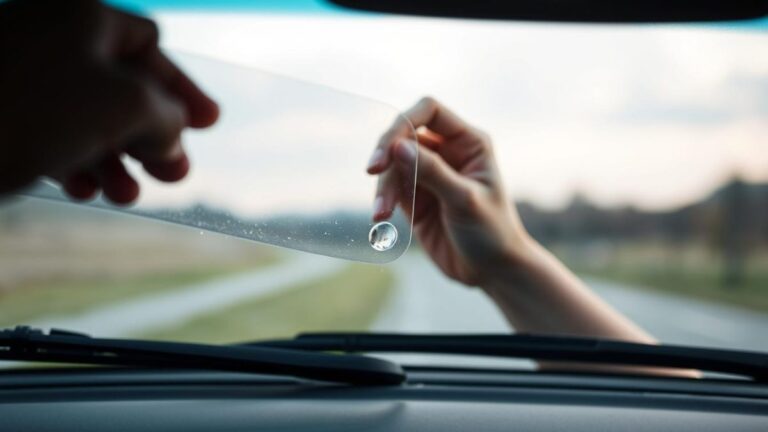
The best way to prevent windshield cracks is to avoid sudden temperature changes, leave extra space behind vehicles that throw road debris, repair small chips promptly, maintain your wipers, and protect the glass from unnecessary impact and pressure.
For drivers across the United States, windshield damage can happen in almost any climate. Loose gravel and construction debris can create rock chips on highways, summer heat can stress already damaged glass in states such as Arizona and Texas, and freezing temperatures can make small chips more vulnerable in colder parts of the Midwest and Northeast. You cannot eliminate every risk, but a few driving and maintenance habits can greatly reduce the chances of a small impact becoming a long crack.
Windshields are made from laminated safety glass, typically with two glass layers bonded around a plastic interlayer. This construction helps the windshield remain together after an impact, but the outer glass can still chip or crack. Once a weak point exists, vibration, moisture, temperature changes, body flex, and additional impacts can cause the damage to spread.
This guide explains how to prevent windshield cracks before they happen, how to protect a windshield in hot and cold U.S. weather, what driving habits reduce rock-chip risk, and what to do when you discover a small chip. It also explains when prevention is no longer enough and professional repair or replacement should be considered.
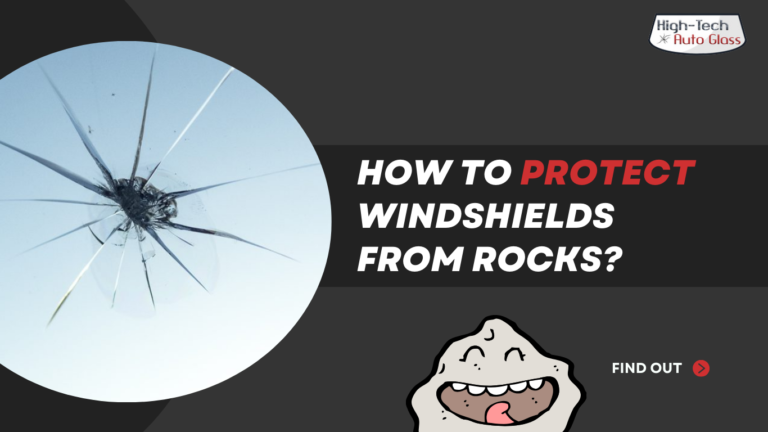
Many windshield cracks begin with a small stone impact that the driver cannot completely avoid. The most practical prevention strategy is to reduce your exposure to debris and give yourself more room when driving behind vehicles that are likely to throw stones.
Leave a generous following distance behind dump trucks, gravel haulers, construction vehicles, trailers, and vehicles with exposed or dirty tires. A vehicle does not need to lose cargo for your windshield to be damaged. Tires can pick up small stones from the road and throw them backward at highway speed.
Extra distance is especially useful on U.S. highways undergoing resurfacing or construction, where loose gravel may temporarily remain on the pavement. Slow down when road conditions allow and follow posted construction-zone speeds. Reducing speed cannot guarantee that a stone will not hit the windshield, but it can reduce your exposure to rapidly moving debris and gives you more time to respond to changing traffic.
Avoid following another vehicle unnecessarily closely even on clean pavement. Besides being safer for normal braking, additional space reduces your exposure to material thrown from the tires of the vehicle ahead.
When traveling on gravel roads, unpaved access roads, or freshly chip-sealed surfaces, increase the space between vehicles. If another vehicle approaches from the opposite direction on loose gravel, reducing speed safely can also limit the severity of debris impacts.
Potholes and rough roads create another concern when the windshield already has a chip. Sharp impacts can cause the vehicle body to flex and transmit stress to weakened glass. Drive over unavoidable bumps at an appropriate speed rather than hitting them aggressively.
Source: storage.googleapis.com
Increase following distance
Give yourself additional room behind vehicles that may throw gravel, stones, or construction debris.
Slow down on loose surfaces
Use an appropriate speed on gravel roads, construction zones, and freshly resurfaced pavement.
Avoid vulnerable positions
When safe and legal, avoid remaining directly behind a vehicle that is visibly dropping debris or carrying an unsecured load.
Treat existing chips carefully
Reduce unnecessary impacts from potholes, curbs, and rough roads until the damaged windshield can be inspected.
Be Especially Careful Around Trucks and Road Construction
Large trucks deserve additional space because their multiple tires can throw roadway debris. Construction zones can also contain loose aggregate, small pieces of pavement, and material carried onto traffic lanes by equipment.
A common mistake is assuming that a truck must have an uncovered load to present a windshield risk. Ordinary tire contact with loose material can be enough to launch a small stone. Increasing your following distance is therefore useful even when a truck appears to be carrying its load securely.
Watch road signs
Warnings for loose gravel, construction, or resurfacing indicate conditions where windshield impacts may be more likely.
Do not rush past debris
Change lanes or pass only when traffic conditions and road rules make doing so safe.
Protect the Windshield From Extreme Temperature Changes
Temperature management is one of the most important parts of learning how to prevent windshield cracks. Automotive glass expands as it becomes warmer and contracts as it cools. Gradual changes are normally manageable, but abrupt temperature differences can concentrate stress, especially around an existing chip or weak edge.
During a hot U.S. summer, a windshield sitting in direct sunlight can become much hotter than the surrounding air. Turning the air conditioner to its coldest setting and directing maximum airflow immediately at very hot glass creates a rapid temperature difference between surfaces. If the windshield already contains a chip, that additional stress may encourage the damage to spread.
Instead, ventilate the vehicle when practical, begin the climate system moderately, and allow the cabin and windshield temperature to change more gradually. Parking in a garage, carport, or shaded area can reduce repeated heating cycles.
Winter creates the opposite problem. Never pour boiling or very hot water onto a frozen windshield. The sudden heating can stress cold glass and may turn previously minor damage into a crack. Use the vehicle defroster gradually, an appropriate automotive de-icer when needed, and a proper ice scraper rather than trying to shock the ice loose with hot water.
Drivers in climates with large daily temperature swings should pay particular attention to existing rock chips. Damage that seems stable in mild weather can become more vulnerable as the windshield repeatedly heats and cools.
Source: carspareatoz.com
Warm cold glass gradually
Use the defroster progressively instead of directing extreme heat immediately onto a frozen windshield.
Cool hot glass gradually
Avoid immediately blasting maximum cold air onto glass that has been baking in direct summer sun.
Never use hot water on ice
Use normal defrosting, a suitable de-icer, and proper scraping methods instead.
Use shade when available
Covered or shaded parking can reduce extreme windshield temperatures and repeated thermal cycling.
Preventing Windshield Damage During U.S. Winters
Before freezing weather arrives, keep a suitable ice scraper and winter windshield-washer fluid in the vehicle. A windshield cover can also reduce ice and snow accumulation when outdoor parking is unavoidable.
Clear heavy snow before operating the wipers. Trying to force frozen or snow-loaded wipers across the windshield can damage the blades, strain the wiper mechanism, and drag abrasive material over the glass.
Loosen frozen wipers carefully
Do not force a blade that is frozen to the windshield.
Remove snow before driving
Clear the windshield thoroughly so visibility is not compromised and heavy snow does not overload the wipers.
Preventing Heat-Related Windshield Stress
In very hot regions, sheltered parking can reduce the windshield’s peak temperature. If the vehicle has been sitting in intense sunlight, allowing hot cabin air to escape before demanding maximum cooling can produce a more gradual temperature transition.
Heat is particularly important when a chip is already present because damaged glass contains a natural stress concentration. A small imperfection that survives normal conditions may begin extending when the glass experiences repeated thermal expansion and contraction.
Maintain Wipers and Clean the Windshield Correctly
Clean glass and properly maintained wipers help protect the windshield surface while improving visibility. Dirt itself does not normally turn an undamaged windshield into a major crack, but abrasive grit trapped under a deteriorated wiper blade can scratch the surface, while badly worn blades may eventually expose harder parts of the wiper assembly.
Inspect wiper blades periodically and replace them when they chatter, streak badly, skip across the windshield, split, or no longer conform to the glass. If the rubber is missing and a hard wiper component contacts the windshield, stop using that wiper until the problem is corrected.
Before wiping a windshield covered with dry sand, mud, road salt, or gritty debris, rinse away as much loose contamination as practical. Running dry wipers across abrasive material can drag particles over the glass.
For routine cleaning, use an automotive glass cleaner compatible with your vehicle and a clean microfiber or other soft lint-free cloth. Avoid dirty shop rags or materials carrying grit from another cleaning job.
Check the washer-fluid system as well. Adequate fluid allows the blades to move over a lubricated surface instead of scraping dry contamination across the glass. In freezing climates, use washer fluid suitable for expected temperatures rather than plain water that can freeze.
Source: storage.googleapis.com
Replace deteriorated blades
Change wipers when the rubber becomes cracked, torn, stiff, or ineffective.
Remove grit first
Rinse heavy sand and abrasive debris away instead of immediately rubbing or wiping it across the windshield.
Use clean materials
Choose clean microfiber or another suitable soft cloth for automotive glass.
Keep washer fluid available
Use the correct seasonal fluid so the windshield can be cleaned without excessive dry wiping.
Do Windshield Scratches Turn Into Cracks?
Light surface scratches and impact chips are different forms of damage, and a cosmetic scratch does not automatically become a structural crack. However, deep damage, edge damage, and anything that appears to penetrate the outer glass deserve professional inspection.
If you cannot determine whether a mark is a scratch, chip, or crack, inspect it closely in good light without pressing on the glass. An auto glass technician can determine whether the damage is superficial or requires repair.
Repair Windshield Chips Before They Spread
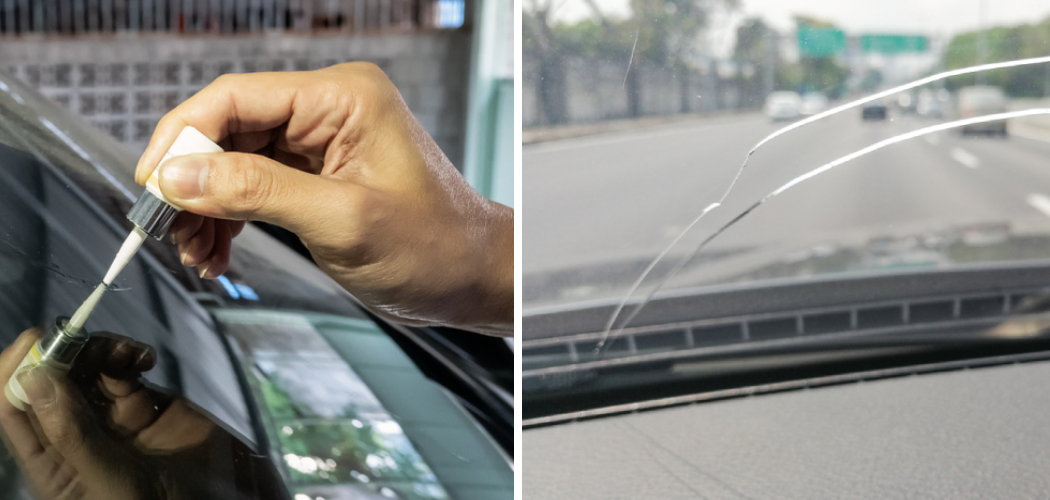
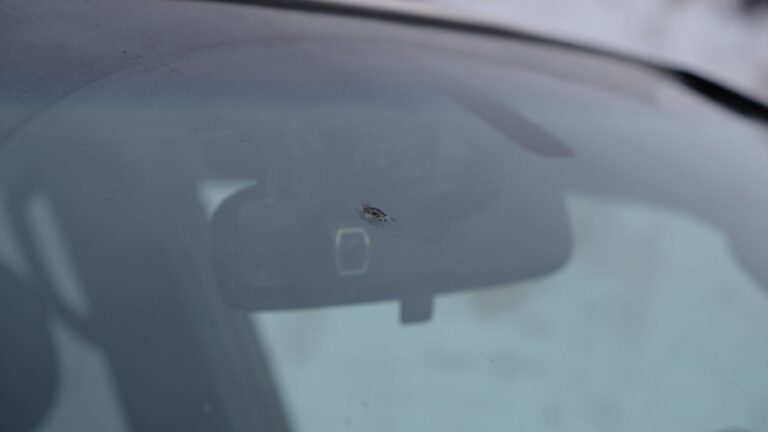
If a stone has already chipped the windshield, prevention changes from avoiding damage to preventing existing damage from becoming worse. Arrange an inspection or repair promptly rather than waiting for the chip to develop into a long crack.
Windshield repair commonly involves placing specialized resin into suitable damaged areas. Whether a chip can be repaired depends on factors such as its size, depth, type, location, contamination, and whether it reaches an edge or critical viewing area. There is no single size rule that applies to every crack and every repair provider.
Until the damage is evaluated, reduce unnecessary stress on the glass. Avoid slamming doors, hitting potholes aggressively, exposing the windshield to abrupt temperature changes, or directing high-pressure cleaning equipment directly into the damaged area.
Keep the chip reasonably clean and dry. Dirt and moisture inside damaged glass can complicate repair. Do not press on the chip to see whether it moves, and do not deliberately flex the windshield.
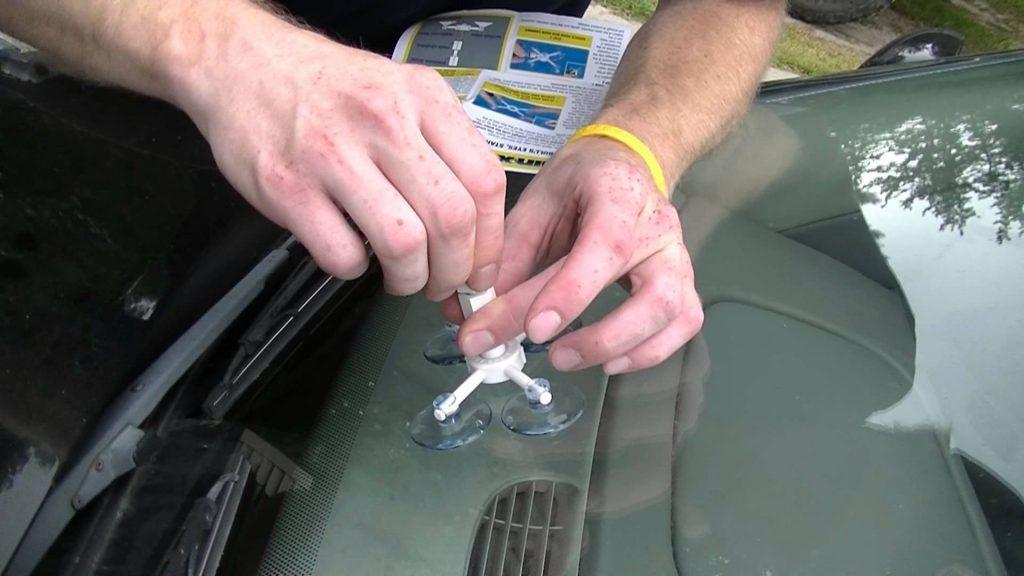
A consumer repair kit may be marketed for certain small chips, but a poor repair can leave contamination, trapped air, optical distortion, or damage that is more difficult to correct later. Professional evaluation is the safer choice when the damage is near the windshield edge, in the driver’s primary viewing area, unusually deep, complex, or already extending.
Source: carfromjapan.com
Inspect chips promptly
Do not assume a small impact mark will remain the same size indefinitely.
Keep damage clean
Limit dirt, water, wax, and other contamination from entering a chip before professional evaluation.
Avoid glass stress
Drive gently and moderate cabin temperature until the windshield can be repaired.
Use professional help for questionable damage
Edge damage, complex fractures, obstructive damage, and spreading cracks deserve prompt assessment by a qualified auto glass technician.
Signs a Small Chip Is Becoming More Serious
Watch for a visible line beginning to extend from the impact point, new branches appearing around a star-shaped chip, rapid growth after temperature changes, or damage that is approaching the edge of the windshield.
Changes in the driver’s field of view also matter even when the physical damage remains small. Windshield damage and some repairs can create distortion, reflections, or visual distraction. If visibility is affected, have the windshield evaluated rather than relying on size alone.
Growing line
A crack extending away from the original chip indicates that the damage is spreading.
Edge involvement
Damage that reaches or begins near an edge can be more difficult to repair and deserves quick assessment.
Visibility problems
Damage that interferes with the driver’s clear view should be assessed promptly regardless of its apparent size.
Protect the Windshield When Parking and Know When Prevention Is Not Enough
Where and how you park can affect windshield exposure to falling objects, hail, extreme temperatures, and sudden weather changes. A garage or covered parking area provides the most direct protection when severe weather is expected. When covered parking is unavailable, choose a location away from obvious falling-object hazards when practical.
Avoid routinely parking beneath damaged tree limbs, active construction areas, or locations where falling objects are likely. During severe thunderstorm or hail warnings, moving the vehicle to covered parking before the storm arrives can prevent damage if doing so is safe.
A fitted windshield cover can be useful for snow, frost, and some routine environmental exposure, but a lightweight cover should not be treated as reliable protection against large hail or falling branches. Severe hail can damage the windshield, roof, hood, and other vehicle surfaces.
Use reasonable care when working around the windshield as well. Do not rest heavy tools on the glass, strike the windshield while clearing snow, or place rigid objects where the hood could force them into the lower windshield when closed.
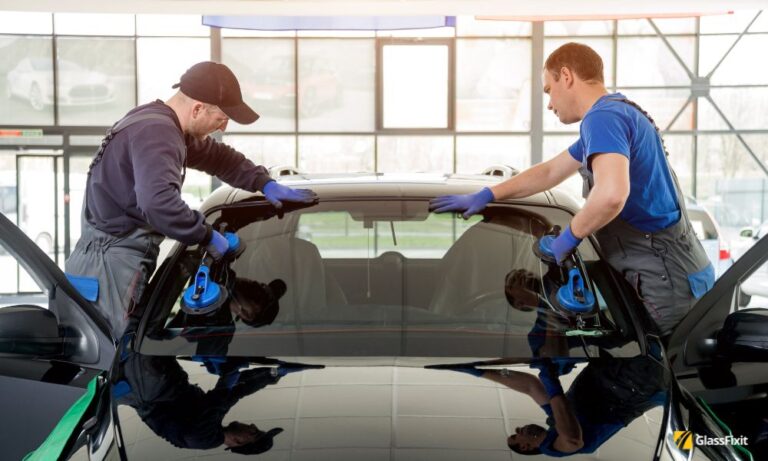
Prevention cannot save every windshield. Once a substantial crack exists, the priority shifts to preserving visibility and restoring the windshield correctly. Windshields are part of the vehicle’s safety system, and modern vehicles may also have cameras or sensors mounted near the glass for driver-assistance features.
If a replacement windshield affects a forward-facing camera or another advanced driver-assistance system, the vehicle may require calibration according to the automaker’s procedure. Ask the installer what procedures apply to your specific year, make, model, windshield, and equipment.
Source: autolastgh.com
Use covered parking
A garage or carport can reduce exposure to hail, falling debris, ice accumulation, and extreme solar heating.
Avoid obvious overhead hazards
Do not park beneath visibly damaged branches or active work areas when safer alternatives are available.
Treat hail warnings seriously
Move the vehicle to safe covered parking before severe weather when circumstances allow.
Check vehicle technology after replacement
Vehicles with windshield-mounted cameras or sensors may have specific calibration requirements following glass replacement.
When Should a Windshield Be Professionally Evaluated?
Arrange an assessment when you discover a chip or crack, particularly if the damage is growing, reaches an edge, penetrates multiple layers, interferes with the driver’s view, or appears too complex for a simple repair.
A technician can determine whether repair or replacement is appropriate for the exact damage. The decision depends on more than length alone, so rules such as every crack under a particular size can always be repaired should not be treated as universal.
Growing damage
Have a crack checked promptly if its length or branching is increasing.
Driver viewing area
Prioritize professional evaluation when damage affects clear forward visibility.
Windshield edge
Cracks or chips near an edge deserve particular attention because of the stresses concentrated around the perimeter.
Complex impact damage
Multiple impact points, deep damage, or extensive cracking may require replacement rather than repair.
Simple Windshield Crack Prevention Routine
A practical routine does not require special equipment. Inspect the windshield while fueling or washing the vehicle, keep washer fluid filled, look at the condition of the wiper blades, and investigate fresh impact marks before they have time to spread.
Before a long highway trip, check the glass in daylight. During winter, carry appropriate de-icing equipment. During summer, use sheltered parking when practical and avoid abrupt cooling of extremely hot glass. These small habits address the conditions most drivers can actually control.
Weekly visual check
Look for fresh chips, small cracks, and damaged wiper blades.
Before road trips
Check the windshield carefully because extended highway driving can expose existing damage to vibration and temperature changes.
After a stone impact
Inspect the area as soon as it is safe to stop rather than waiting until the next scheduled maintenance visit.
Frequently Asked Questions
Q
Can you completely prevent windshield cracks?
No. A windshield can still be struck by an unexpected stone, hailstone, falling object, or other debris even when you maintain the vehicle carefully. Prevention is about reducing avoidable risks and addressing small damage before additional stress makes it worse.
Q
Does parking in the sun cause windshield cracks?
Normal sunlight does not mean an undamaged windshield will automatically crack. However, intense heat causes glass to expand, and uneven or rapid temperature changes can increase stress. Existing chips and other weak points are more vulnerable. Shaded or covered parking can reduce extreme heating when it is available.
Q
Can I pour warm water on an icy windshield?
Avoid using hot or very warm water to rapidly melt windshield ice. A sudden temperature difference can stress cold glass, particularly when a chip or crack already exists. Use gradual defrosting, an automotive de-icer suited to the conditions, and a proper ice scraper instead.
Q
Should I repair a tiny windshield chip if it is not spreading?
It is wise to have a new chip evaluated promptly even when it appears stable. Temperature changes, moisture, vibration, rough roads, and additional impacts can cause previously stable damage to spread. Early assessment also establishes whether the chip is suitable for repair before contamination or cracking makes the job more difficult.
Q
Does keeping more distance behind trucks really help prevent rock chips?
Extra following distance can reduce your exposure to stones and road debris thrown by tires, although it cannot eliminate the risk. The strategy is especially useful around gravel trucks, construction traffic, loose road surfaces, and freshly resurfaced highways. Always choose a following distance appropriate for speed, traffic, weather, and road conditions.
✦ Wrapping Up
Conclusion
Learning how to prevent windshield cracks is mostly about controlling the risks you can influence. Leave additional space behind vehicles that may throw debris, slow appropriately on loose surfaces, protect the windshield from abrupt temperature changes, keep your wipers in good condition, clean the glass without dragging grit across it, and use covered parking when severe weather makes that practical.
The most important habit is responding quickly to new damage. A small chip may remain repairable, while the same impact can become a longer crack after heat, freezing weather, vibration, moisture, or another road impact. Inspect fresh damage promptly and have questionable chips or cracks evaluated by a qualified auto glass professional.
If the windshield is already significantly cracked, obstructs the driver’s view, has extensive edge damage, or involves safety equipment mounted to the glass, prevention tips are no longer the main solution. Have the windshield professionally assessed and follow the appropriate repair, replacement, and calibration procedures for your vehicle.
💡 Key Takeaway
Inspect your windshield regularly, repair new chips promptly, avoid rapid temperature changes, maintain your wipers, and give debris-producing vehicles extra space on the road.
Learn how to fold a pop up windshield sun shade safely and quickly. Follow simple steps, avoid common mistakes, and store your car sun shade without damaging its frame.