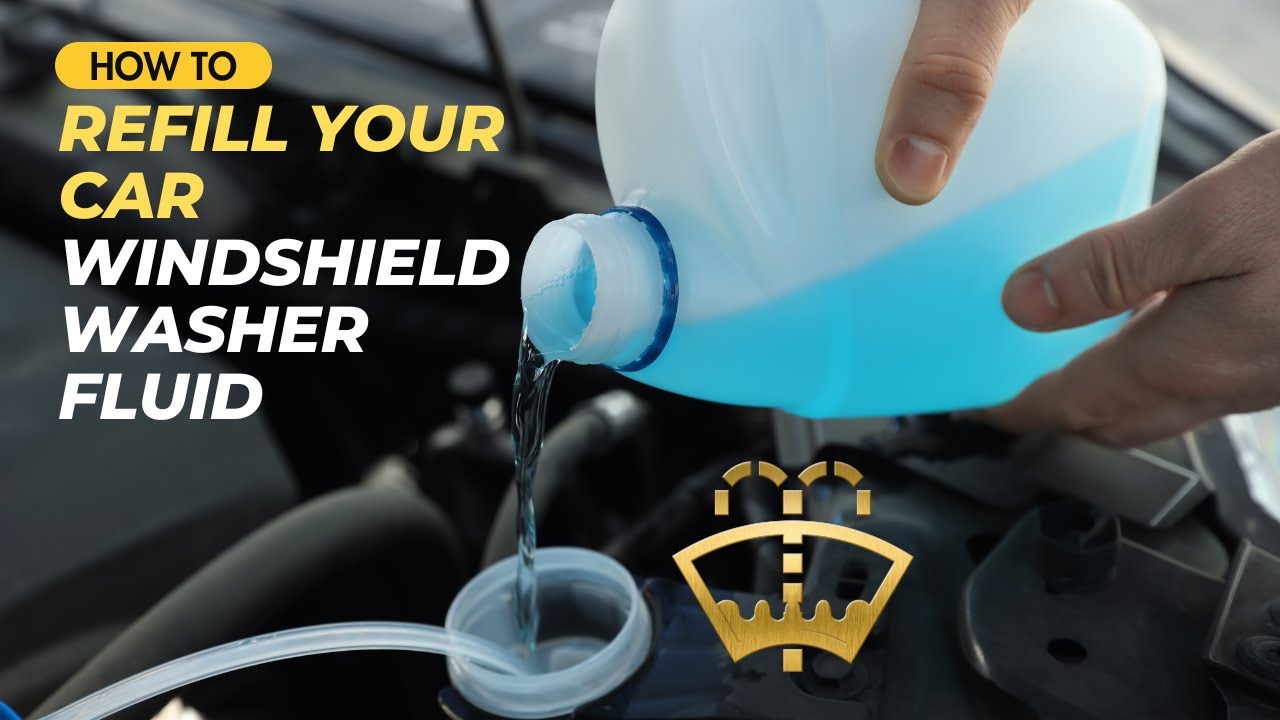
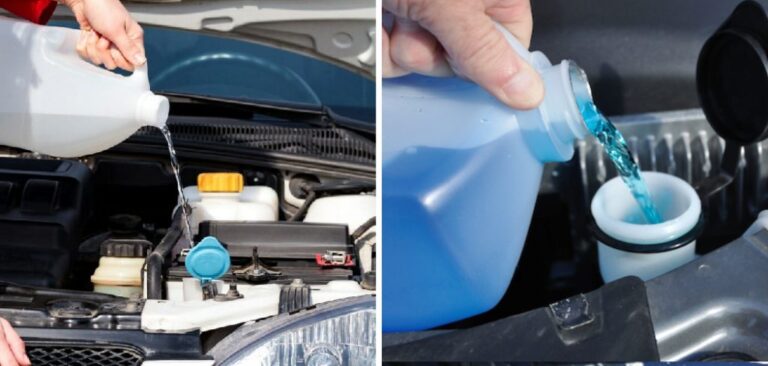
To use windshield washer fluid, fill the correct washer reservoir under the hood, secure the cap, then operate your vehicle’s washer control so the fluid sprays onto the windshield while the wipers clean the glass.
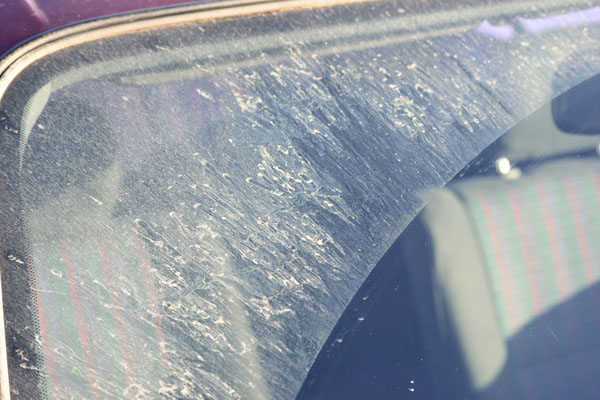
For drivers across the United States, windshield washer fluid is a basic but important part of maintaining clear visibility. Road salt in northern states, dust in dry western areas, pollen across much of the country, insects during warm-weather highway driving, and everyday road grime can quickly coat a windshield. The washer system gives you a way to remove that contamination without stopping the vehicle, provided the reservoir contains suitable fluid and the system is working correctly.
Using washer fluid is simple, but the details matter. You need to identify the correct reservoir, choose a formula appropriate for your climate, avoid putting the wrong liquid into the tank, and know how to operate the washer control inside your vehicle. This guide explains how to use windshield washer fluid from start to finish, including refilling, seasonal fluid choices, troubleshooting, common mistakes, and signs that the system needs more than a simple top-off.
Windshield washer fluid is a cleaning liquid stored in a dedicated reservoir and delivered to the windshield through small spray nozzles. An electric washer pump moves the fluid through hoses when you activate the washer control. The windshield wipers then spread the fluid and remove dirt from the glass.
The fluid does more than wet the windshield. Proper automotive washer formulas contain cleaning agents designed to loosen common road contamination such as dust, insect residue, light oily film, pollen, and grime. Cold-weather formulas may also contain ingredients that lower the freezing point so the washer system can continue operating during winter conditions.
Washer fluid should not be confused with engine coolant. The two liquids have completely different jobs, and their reservoirs are separate. Washer fluid is used on the windshield, while coolant circulates through the engine cooling system.
Source: storage.googleapis.com
Cleaning
Washer fluid helps loosen road film, dust, bugs, pollen, and other contamination that dry wipers may not remove effectively.
Visibility
A functioning washer system helps restore a clearer view when the windshield becomes dirty while driving.
Cold-weather operation
Winter-specific washer fluids are formulated to resist freezing at temperatures stated on the product label.
Where Windshield Washer Fluid Is Stored
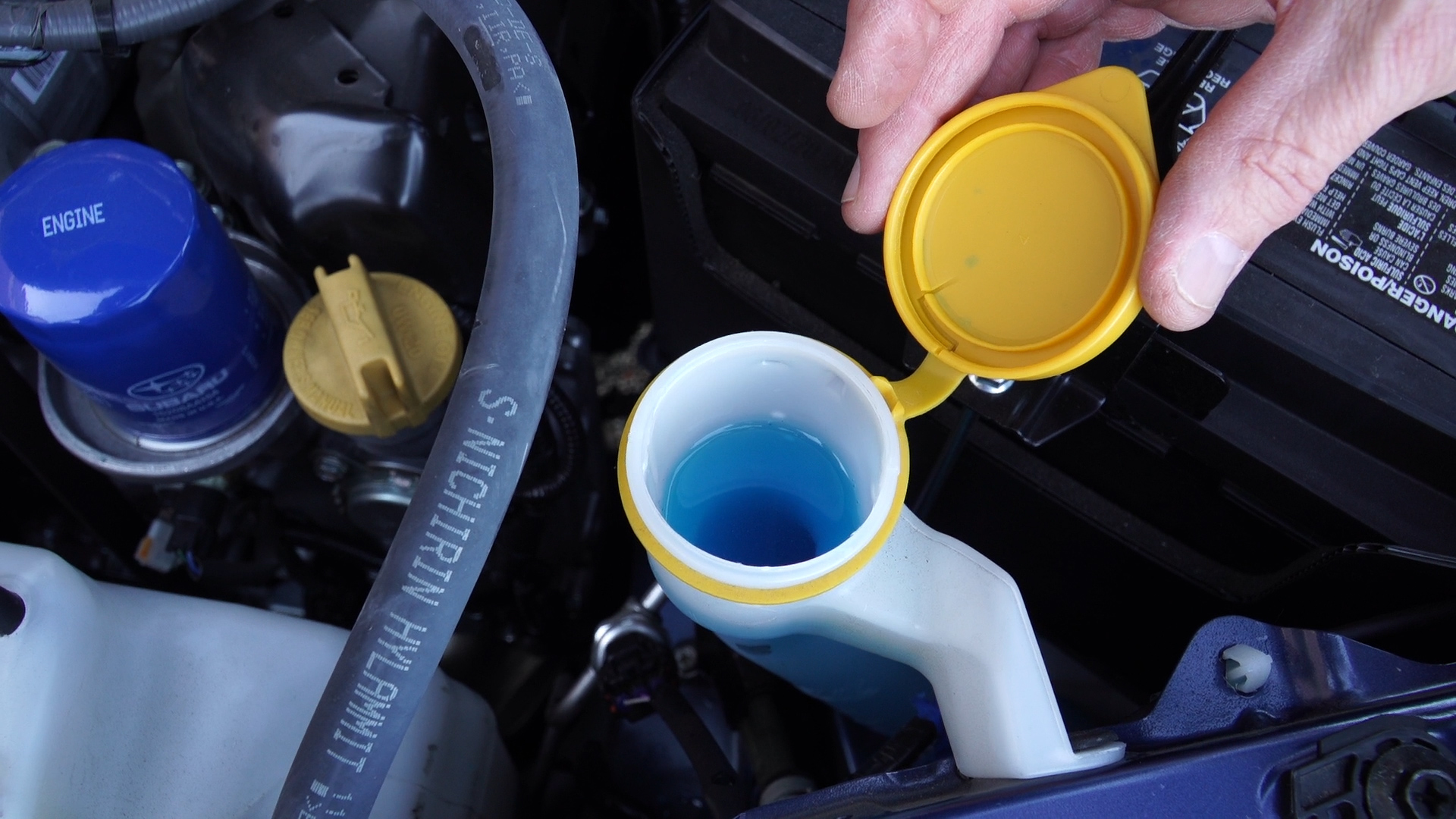
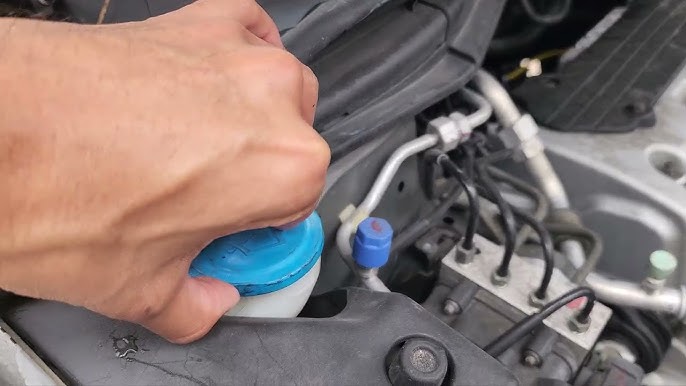
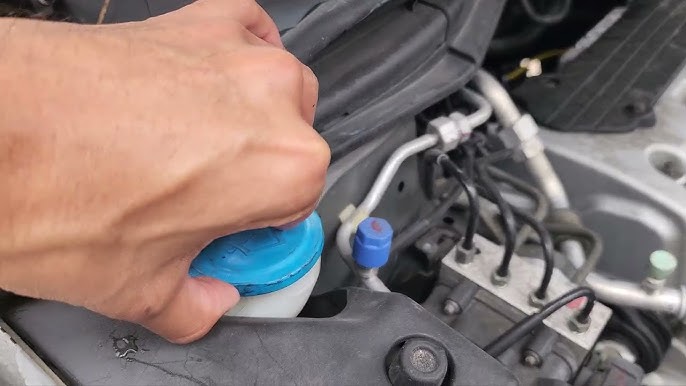
The fluid is normally stored in a translucent plastic reservoir under the hood. Its filler cap commonly displays an icon showing a windshield with spray or water above it. The exact position varies among cars, trucks, SUVs, hybrids, and electric vehicles, so check the owner’s manual if the reservoir is not obvious.
Some vehicles use the same reservoir for both front and rear washers. Others may use a different arrangement. The owner’s manual is the best reference when your vehicle has multiple washer systems.
How to Use Windshield Washer Fluid Step by Step
Using windshield washer fluid involves two separate tasks: keeping the reservoir filled and operating the washer system from inside the vehicle. Refilling usually requires no special tools, although a clean funnel can make the job easier.
Before opening the hood, park on a reasonably level surface, place the transmission in Park, set the parking brake, and switch the vehicle off. Keep loose clothing, hands, and tools away from cooling fans and moving components because some electric fans can operate automatically.
Once the reservoir has been refilled, the washer system itself is normally activated from a stalk or control near the steering wheel. Control layouts vary, so look for the windshield washer symbol or consult the owner’s manual rather than forcing an unfamiliar switch.
Source: practicalmechanic.com
Step 1: Park safely
Park on level ground, turn the vehicle off, set the parking brake, and open the hood securely.
Step 2: Find the washer reservoir
Look for the reservoir cap marked with the windshield-and-spray symbol. Confirm its identity before adding anything.
Step 3: Check the fluid level
If the reservoir is translucent, inspect the level through the tank. Otherwise, carefully open the cap and check whether fluid is needed.
Step 4: Add the correct fluid
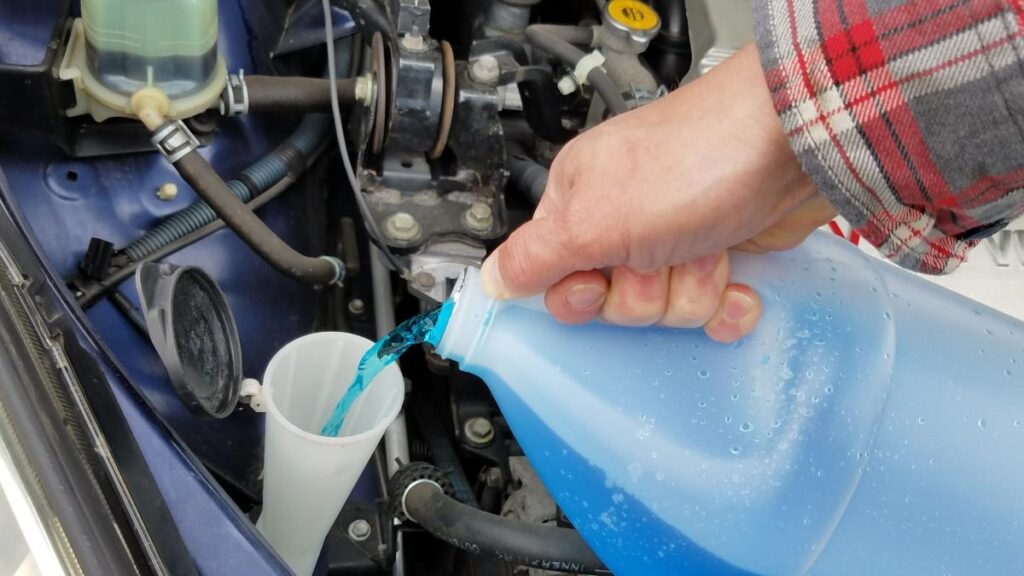
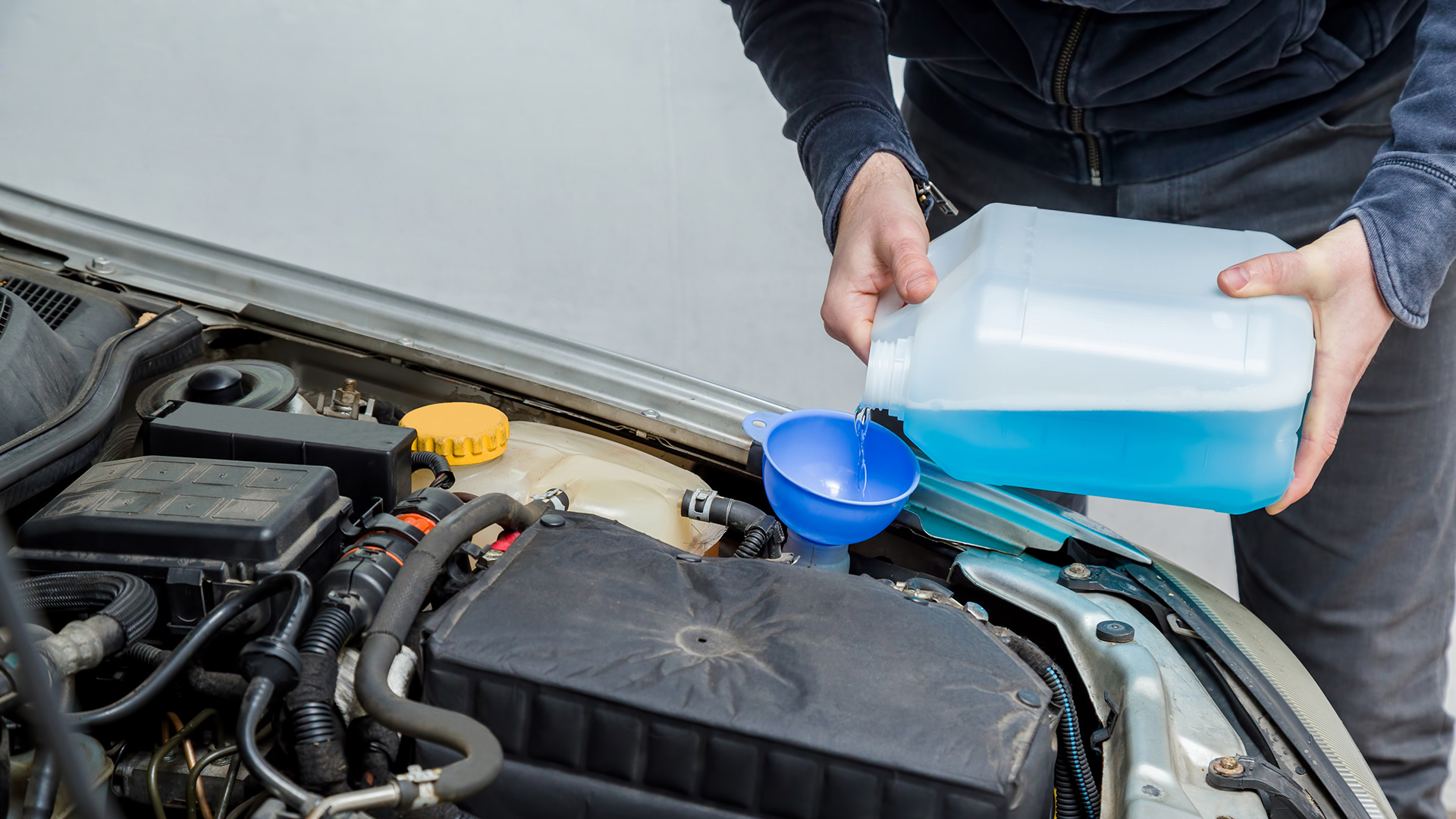
Pour ready-to-use washer fluid into the reservoir. If using concentrate, prepare it according to the manufacturer’s mixing instructions.
Step 5: Stop at the appropriate level
Fill to the marked maximum line when one is provided. If no marking is visible, avoid forcing excess fluid into an already full reservoir.
Step 6: Secure the cap
Close the washer reservoir cap completely and wipe up any spilled fluid.
Step 7: Test the system
Close the hood, start or power on the vehicle as required, and activate the washer control briefly to confirm that fluid sprays and the wipers clear the glass.
How to Operate the Windshield Washer While Driving
Most vehicles combine the windshield washer and wiper controls on a steering-column stalk. Depending on the design, you may pull the stalk toward you, push it away, press a button, or rotate a control. Activating it usually runs the washer pump and causes the wipers to sweep automatically.
Use enough fluid to wet the dirty area before the wiper blades make repeated passes. Running dry blades across gritty glass can smear contamination and may increase wear on the rubber wiping edges.
Avoid holding the washer control continuously when no fluid is coming out. If the reservoir is empty or the system is blocked, repeated operation will not clean the windshield and may unnecessarily strain the washer pump.
How Do You Know the Refill Worked?
A successful refill should produce a steady spray or stream from the washer nozzles, followed by normal wiper movement. The windshield should become noticeably cleaner after several sweeps. Check under the hood or beneath the vehicle if you suspect fluid is leaking rather than reaching the nozzles.
Choosing the Right Windshield Washer Fluid in the USA
The right washer fluid depends primarily on temperature and the type of contamination you encounter. U.S. drivers can face very different conditions, from subzero winter temperatures in northern states to insects, dust, pollen, and summer road film in warmer regions.
Always check the temperature rating printed on a winter washer fluid container. A product suitable for mild weather may not remain liquid during severe cold. Drivers traveling between regions should consider the coldest temperature they realistically expect rather than choosing fluid only for conditions at home.
Ready-to-use fluid can normally be poured directly into the reservoir. Concentrated products are different and may require dilution. Never assume every product has the same mixing ratio. Follow the label for the specific formula you purchased.
Source: storage.googleapis.com
All-season fluid
Suitable for general cleaning when its stated temperature range matches the conditions in which the vehicle will be driven.
Winter or de-icer fluid
Designed for colder weather and typically labeled with a minimum operating or freeze-protection temperature.
Bug-removing fluid
Formulated for heavier insect residue and warm-weather road grime.
Concentrated fluid
Requires preparation according to the product instructions rather than being poured in at an assumed concentration.
Can You Use Plain Water Instead?
Plain water is not a good year-round substitute for proper windshield washer fluid. It lacks the cleaning formulation of washer fluid and can freeze when temperatures drop below 32 degrees Fahrenheit. Frozen liquid can prevent the washer system from operating and may damage components.
This is especially important for drivers in states where freezing temperatures are common or for anyone taking a vehicle into colder mountain or northern regions. Use a washer fluid with a temperature rating suitable for expected conditions.
Can Different Washer Fluids Be Mixed?
Topping up one automotive washer fluid with another is often possible, but formulas can differ in concentration, temperature protection, cleaning chemistry, and additives. Mixing products can change the resulting freeze protection or performance.
When winter protection matters, the safer approach is to use a formula appropriate for the expected temperature and follow its instructions. If you do not know what is already in the reservoir and severe cold is approaching, consult your vehicle manual or service guidance before relying on an unknown mixture.
Common Mistakes When Adding or Using Washer Fluid
The most serious avoidable mistake is pouring washer fluid into the wrong reservoir. Engine compartments contain several fluid containers, and appearance alone is not enough to identify them. Look specifically for the windshield washer symbol and check the owner’s manual if there is any uncertainty.
Another common mistake is assuming any household glass cleaner can go into the washer tank. Automotive washer systems are designed for suitable washer fluid. Household cleaning products may contain ingredients that are inappropriate for the reservoir, hoses, pump, vehicle finish, or the driving environment.
Drivers also sometimes discover a seasonal problem only after the temperature has already dropped. If warm-weather fluid is still in the reservoir when freezing weather arrives, topping it with a small amount of winter formula may not provide the same freeze protection as the winter product by itself.
Source: storage.googleapis.com
Using the wrong reservoir
Confirm the windshield washer symbol before pouring. Never rely only on reservoir color or location.
Using household cleaner
Use a product intended for automotive windshield washer systems instead of improvising with household chemicals.
Ignoring concentrate instructions
A concentrated formula may require a specific dilution ratio, while a premixed product is intended for direct use.
Ignoring winter temperatures
Select washer fluid according to the lowest temperatures the vehicle is likely to encounter.
Running the pump with an empty tank
If nothing sprays, stop repeatedly activating the washer and check the fluid level and system.
Overlooking worn wiper blades
Fresh washer fluid cannot compensate for blades that chatter, skip, leave broad streaks, or have damaged rubber.
What If You Accidentally Put Washer Fluid in the Wrong Reservoir?
Do not start or drive the vehicle simply to see what happens. Contamination of another automotive fluid system can require professional correction, and operating the vehicle may circulate the unwanted liquid farther through that system.
If washer fluid was added to the coolant reservoir, brake fluid reservoir, engine oil fill opening, transmission system, or another component, stop and identify exactly where it went. Contact a qualified repair professional for guidance before operating the vehicle.
What to Do If Windshield Washer Fluid Does Not Spray
If you filled the reservoir but the windshield remains dry, the problem may be somewhere else in the washer system. Start with simple checks before assuming the pump has failed.
First, verify that fluid is actually present and that you filled the correct reservoir. Next, listen when the washer control is activated. A pump sound with little or no fluid at the windshield can point toward a blocked nozzle, disconnected hose, leak, or frozen fluid. No pump sound may indicate an electrical issue, control problem, wiring fault, fuse issue, or failed pump.
Cold weather deserves special attention. If the fluid or washer lines have frozen, repeatedly operating the switch will not solve the problem. Move the vehicle to a warmer location when possible and allow the system to thaw. Once operating again, replace or sufficiently transition the reservoir contents to washer fluid rated for the expected temperature.
Source: roadworthylabs.com
Empty or nearly empty reservoir
Check the fluid level again before investigating electrical or mechanical faults.
Blocked spray nozzles
Dirt, wax, debris, or ice can interfere with the small openings that direct fluid toward the windshield.
Frozen washer fluid
A fluid without adequate freeze protection may solidify in the reservoir, hoses, pump area, or nozzles.
Leaking or disconnected hose
Fluid may leave the reservoir but escape before reaching the windshield.
Pump or electrical fault
A failed pump, damaged wiring, control problem, or related electrical fault can prevent fluid delivery.
When the Fluid Sprays but the Windshield Still Looks Dirty
If the washer sprays normally but visibility remains poor, inspect the wiper blades and glass. Worn blades can leave streaks even with fresh fluid. Dirt or residue on the wiping edge can also reduce performance.
Clean the windshield thoroughly when parked and inspect each blade for cracks, splits, missing rubber, deformation, or uneven contact. Replace worn blades according to the vehicle and blade manufacturer’s instructions.
When to Get Professional Help
Professional diagnosis makes sense when fluid repeatedly disappears, a leak is difficult to locate, the washer pump does not operate, electrical faults are suspected, or access to the reservoir and pump requires removal of vehicle components. A technician can distinguish a simple hose or nozzle problem from pump, wiring, or control-system faults.
Frequently Asked Questions
Q
How much windshield washer fluid should I add?
Add enough to reach the reservoir’s full or maximum marking when one is provided. Reservoir capacities vary considerably by vehicle, so there is no single quantity that applies to every car, truck, or SUV.
If the reservoir has no clearly visible level mark, add fluid gradually and stop before it overflows. The owner’s manual may provide the reservoir capacity for your specific vehicle.
Q
Do I need to dilute windshield washer fluid?
Only if the product instructions tell you to. Premixed washer fluid is normally ready to use, while concentrated products may require dilution at a specified ratio. Check the container before pouring anything into the vehicle.
Q
Can I use windshield washer fluid while driving?
Yes. The washer system is designed to clean the windshield during vehicle operation. Use the control briefly when contamination is reducing visibility, and allow the wipers to clear the glass.
If spraying the windshield temporarily makes visibility worse, particularly in freezing conditions or heavy traffic, reduce speed appropriately and prioritize a safe view of the road.
Q
Why does my washer fluid warning stay on after I refill it?
A warning that remains on may be related to a fluid-level sensor, electrical connection, contaminated or stuck sensor, or a vehicle-specific monitoring issue. Confirm that the reservoir is actually filled to the proper level and consult the owner’s manual for information about the warning system.
If the reservoir is full and the warning remains after normal vehicle operation, diagnosis may be needed.
Q
How often should I check windshield washer fluid?
There is no universal mileage interval because consumption depends on weather, road conditions, driving distance, and how frequently you use the washers. Check it periodically and before long trips, especially during seasons when road salt, insects, pollen, mud, or dust make frequent windshield cleaning likely.
A low-fluid dashboard warning, weak spray caused by a nearly empty tank, or an empty reservoir are obvious reasons to refill it promptly.
✦ Wrapping Up
Conclusion
Learning how to use windshield washer fluid is one of the simplest vehicle-maintenance tasks a U.S. driver can handle. Identify the washer reservoir by its windshield-and-spray symbol, add a suitable automotive washer fluid, secure the cap, and test the system from the driver’s seat.
The most important variable is choosing fluid that matches your driving conditions. Warm-weather grime, insects, dust, pollen, winter road spray, and freezing temperatures can require different formulations. Check the label, follow any dilution instructions, and use adequate freeze protection when cold weather is possible.
If a full reservoir does not produce washer spray, move beyond refilling and check for clogged nozzles, frozen fluid, leaking hoses, pump problems, or electrical faults. A properly functioning washer system combined with serviceable wiper blades gives you a much better chance of maintaining a clear windshield when road conditions change.
💡 Key Takeaway
Check your washer reservoir today, confirm that the fluid is suitable for your local U.S. climate, refill it if necessary, and run a brief spray test before your next drive.