To test a windshield washer pump, first confirm that the reservoir contains washer fluid and the nozzles and hoses are not blocked. Then operate the washers and listen for the pump. If it stays silent, check the fuse and electrical connector, measure voltage at the pump while the switch is activated, and bench-test the pump with a fused 12-volt supply if necessary.
For drivers in the United States, a working windshield washer system is more than a convenience. Road salt in northern states, dust in dry regions, insects during highway driving, pollen, mud, and winter grime can quickly reduce windshield visibility. When you pull the washer control and nothing sprays, however, replacing the pump immediately can waste time and money because an empty reservoir, frozen fluid, clogged nozzle, damaged hose, blown fuse, wiring problem, or faulty switch can produce similar symptoms.
The most useful way to diagnose the problem is to test the system in a logical order. Start with simple visual and sound checks, then verify fluid flow and electrical power before condemning the pump. A digital multimeter can confirm whether the washer pump receives approximately vehicle-system voltage when commanded on. If voltage and ground are present but the pump does not operate, the pump itself becomes the likely fault. This guide explains how to test a windshield washer pump safely, how to interpret each result, and what to check when the pump works but washer fluid still does not reach the windshield.
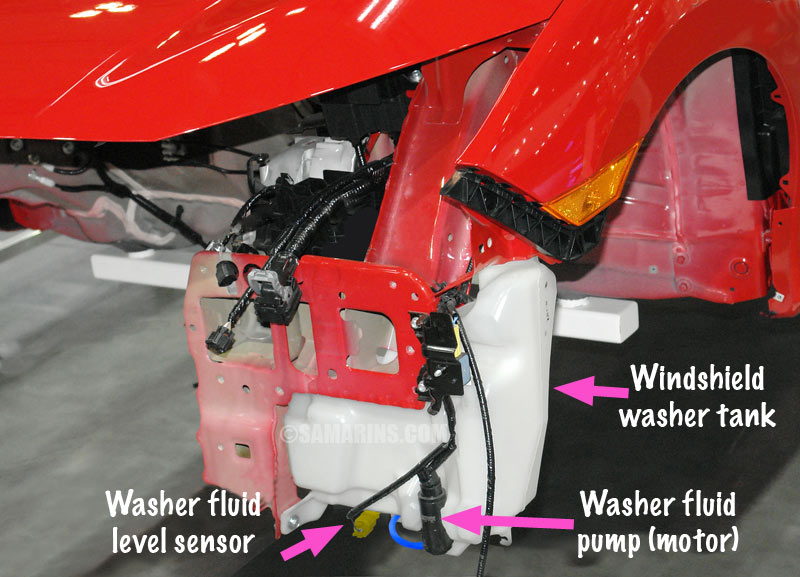
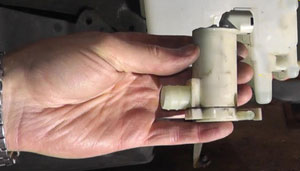
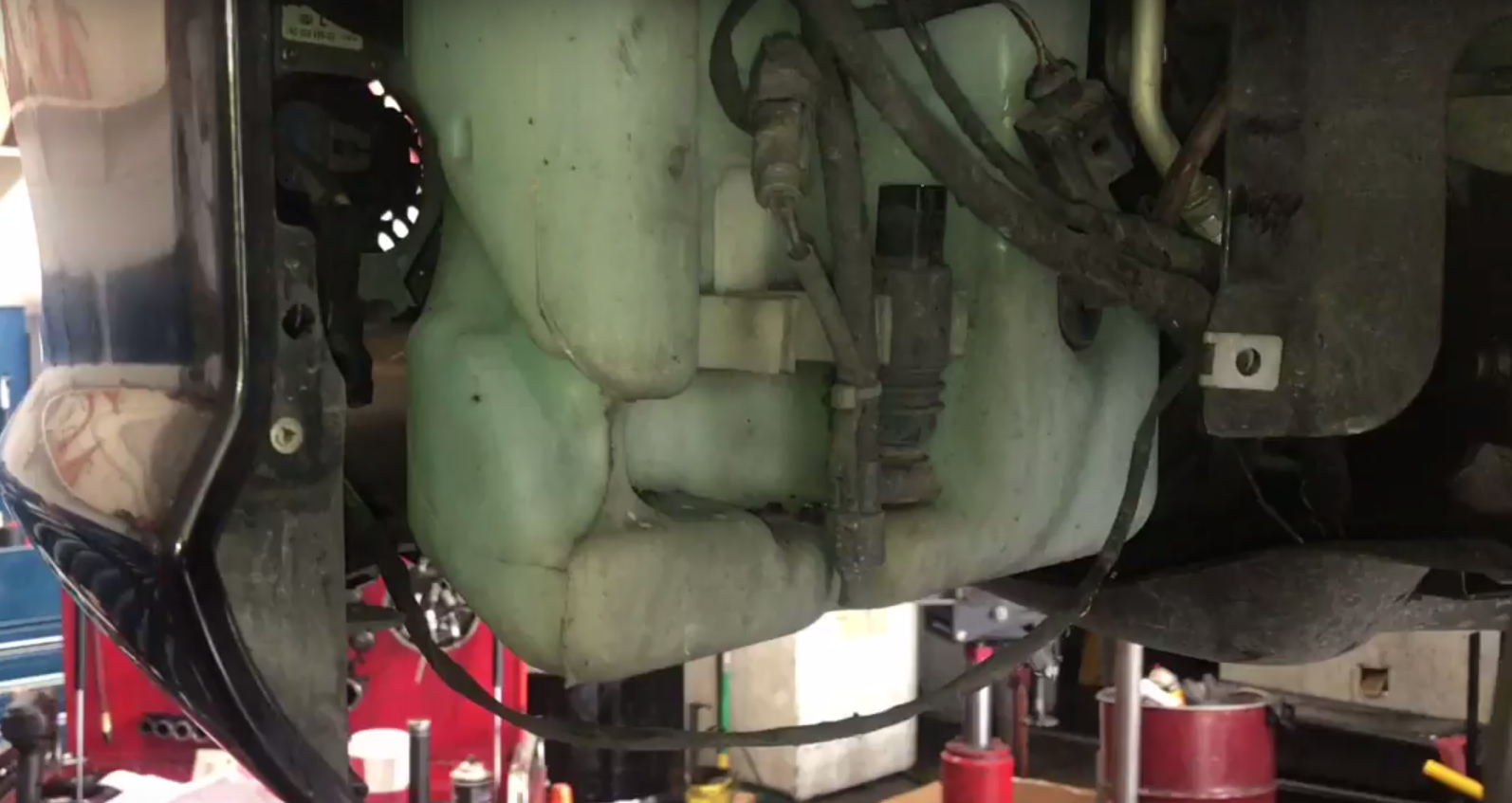
The windshield washer pump is a small electric motor and pump assembly that moves washer fluid from the reservoir through hoses to the spray nozzles. On many vehicles, the pump fits into the side or lower portion of the washer reservoir through a rubber grommet. Its low position allows it to draw fluid from near the bottom of the tank.
When you operate the windshield washer control, the vehicle’s electrical system supplies power to the pump directly or through a body control module, relay, or other control circuit. The electric motor spins the pumping mechanism, creating enough pressure to push fluid through the hoses and out of the nozzles.
The exact electrical design varies considerably among U.S.-market cars and trucks. Some pumps use a simple power and ground circuit. Some vehicles reverse polarity on a two-way pump to supply front and rear washers. Newer vehicles may use electronic modules to interpret the washer-switch request. This is why identifying terminals from a wiring diagram is preferable to guessing when performing electrical tests.
Source: carfluidpro.com
Reservoir
Stores the windshield washer fluid.
Electric pump
Pressurizes and moves fluid through the washer system.
Washer hoses
Carry fluid from the pump to the spray nozzles.
Nozzles
Direct washer fluid onto the windshield.
Electrical circuit
Provides the power, ground, and control signal needed to operate the pump.
What You Need to Test a Windshield Washer Pump
Basic diagnosis does not require specialized automotive equipment. In many cases, you can narrow the fault significantly with a flashlight and a digital multimeter. A fused jumper lead is useful when a direct pump test is necessary.
Before disconnecting electrical components, park the vehicle on level ground, set the parking brake, switch off unnecessary accessories, and keep loose clothing and tools away from moving engine components. Depending on pump location, access may require removing a wheel-well liner, splash shield, or another trim panel.
Source: youtube.com
Digital multimeter
Used to check voltage, resistance, and electrical continuity.
Fused jumper wires
Used for controlled direct-power testing of a removable or accessible 12-volt pump.
Flashlight
Helps inspect the reservoir, hoses, connectors, and leaks.
Basic hand tools
May be needed to remove trim, splash shields, or the reservoir.
Vehicle information
The owner’s manual or service information helps identify the correct fuse, circuit, connector terminals, and access procedure.
Safety Before Electrical Testing
Never bridge an unknown connector terminal directly to battery positive. Modern vehicles can route washer commands through electronic modules, and applying voltage to the wrong circuit can damage wiring or electronics. Identify the actual pump terminals before using jumper wires.
Use a fuse in the direct-power jumper lead. The fuse provides protection if a wire is accidentally shorted to ground. Also avoid running a washer pump dry for an extended period because washer fluid normally helps cool and lubricate the pumping mechanism.
How to Test Windshield Washer Pump Step by Step
The best testing sequence moves from the easiest and least invasive checks to electrical diagnosis. This prevents unnecessary pump replacement and can identify simple problems such as low fluid or a blocked nozzle before electrical components are disturbed.
Source: pinterest.com
Step 1: Check the washer fluid level
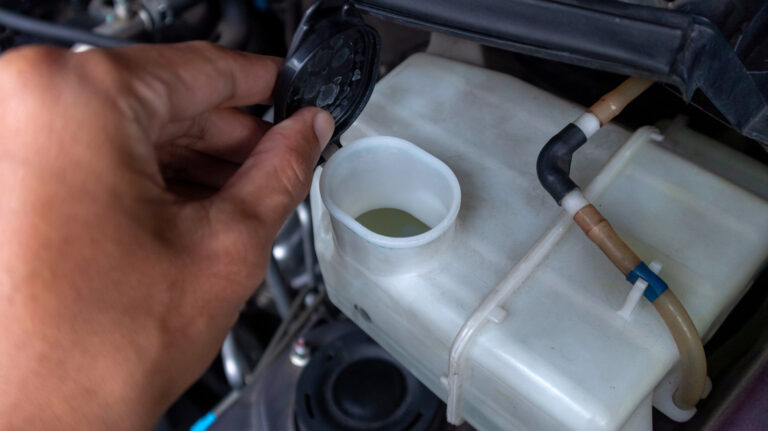
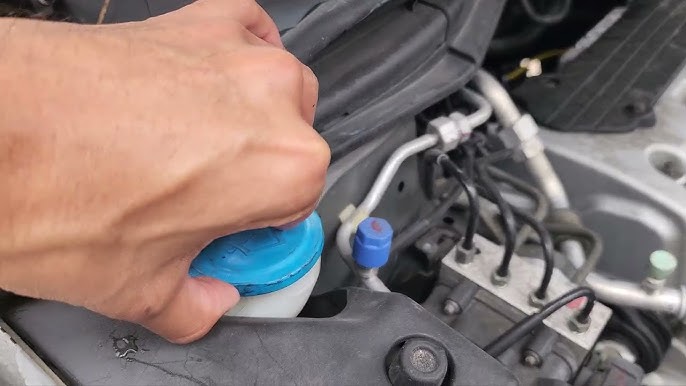
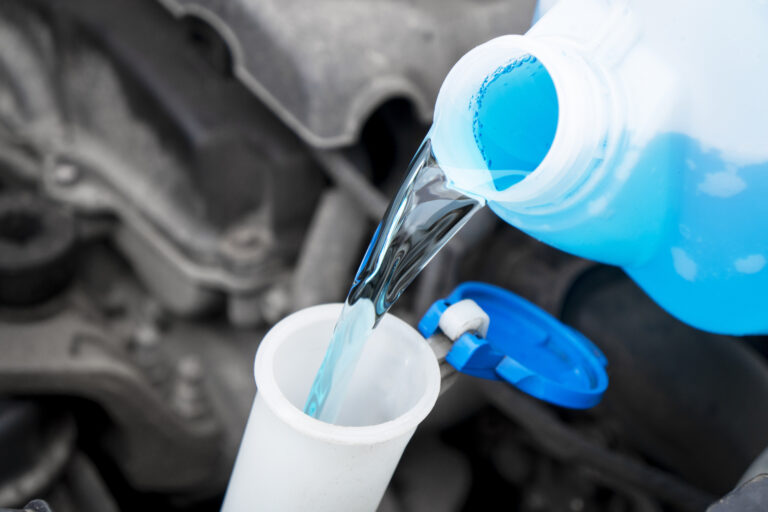
Open the reservoir and verify that it contains enough washer fluid. An empty or nearly empty reservoir can make a functional pump appear faulty.
Step 2: Look for frozen fluid
In freezing U.S. climates, summer washer mixture or excessively diluted fluid can freeze in the reservoir, pump, hoses, or nozzles. Do not repeatedly operate a pump against a frozen system.
Step 3: Listen to the pump
Turn the ignition to the required position and operate the washer control while listening near the reservoir. A healthy pump normally produces a short electric whirring or humming sound.
Step 4: Inspect hoses and nozzles
If the pump runs, look for detached, kinked, cracked, frozen, or leaking hoses and blocked spray nozzles.
Step 5: Check the washer fuse
Locate the appropriate fuse using the owner’s manual or fuse-box information and inspect or electrically test it.
Step 6: Inspect the pump connector
Check the connector for corrosion, loose terminals, broken locks, damaged insulation, moisture, or wires pulled from the terminal.
Step 7: Measure voltage at the pump
With the connector properly identified and the washer command activated, measure the voltage supplied to the pump.
Step 8: Verify the ground circuit
A pump needs both electrical supply and an effective return path. A poor ground can stop the motor even when voltage appears at one terminal.
Step 9: Direct-test the pump if appropriate
If access and vehicle design allow, apply a fused 12-volt source directly to a disconnected conventional washer pump after positively identifying its terminals.
What the Sound Test Can Tell You
If the pump makes a normal whirring sound, its electric motor is at least operating. The next checks should focus on fluid supply and pressure. Look under the vehicle and around the reservoir while someone briefly activates the washers. Fluid appearing near the reservoir or wheel well often points to a disconnected hose, cracked reservoir, leaking grommet, damaged pump outlet, or split line.
A pump that sounds unusually slow, rough, or intermittent may have an internal problem, a restricted inlet, poor electrical connection, or low system voltage. Sound alone cannot prove that the pump creates adequate pressure, but it helps divide electrical no-operation faults from fluid-delivery faults.
How to Test a Windshield Washer Pump With a Multimeter
A multimeter test determines whether the vehicle is providing electrical power to the pump when the washer switch is operated. This is one of the most useful checks because it separates many pump failures from upstream circuit problems.
Set a digital multimeter to DC voltage. On a conventional 12-volt system, select a range capable of reading at least 15 volts. Connect the meter according to the wiring information for the vehicle, then have a helper activate the washer control briefly.
With the engine off and a normally charged battery, the reading at a simple pump circuit is commonly near battery voltage during the command. With the engine running, system voltage may be higher because the charging system is operating. Exact readings and switching strategies vary by vehicle, so the important question is whether the pump receives the voltage and ground the manufacturer intends when commanded.
If the correct voltage and ground are available but the pump remains silent, the pump is strongly implicated. If voltage is absent, continue diagnosing the fuse, wiring, connector, relay if fitted, washer switch, control module, and related circuit rather than replacing the pump.
Source: howtoautomotive.com
Correct voltage and ground, pump does not run
The pump itself is likely defective.
No voltage during washer command
Look upstream for a fuse, wiring, switch, relay, connector, or control-system problem.
Voltage significantly lower than expected
Inspect for excessive resistance, corrosion, damaged terminals, poor connections, or a weak supply circuit.
Intermittent voltage
Check for a loose connector, damaged wire, switch problem, or intermittent control circuit.
Why Seeing Voltage Does Not Always Prove the Circuit Is Good
A high-resistance connection can sometimes produce an apparently reasonable voltage reading when little current is flowing but fail when the pump is connected and loaded. If symptoms and initial voltage readings disagree, a voltage-drop test under load can reveal resistance in the power or ground side of the circuit.
For that reason, avoid declaring the pump defective solely because an unloaded connector shows battery voltage. Test the circuit in a way appropriate for the vehicle and verify both sides of the electrical path.
Can You Test Washer Pump Resistance?
Resistance measurements may reveal an obviously open circuit in a disconnected conventional motor, but resistance alone is usually less useful than checking voltage under command and observing whether the pump operates. Motor resistance can be very low, meter-lead resistance can influence the reading, and internal mechanical failure may exist even when the winding has electrical continuity.
Never measure resistance on a circuit while it is powered. Disconnect the pump and follow vehicle-specific specifications if a resistance value is provided by the manufacturer.
How to Bench Test a Windshield Washer Pump
A bench or direct-power test can confirm whether a conventional washer pump motor operates independently of the vehicle’s washer-control circuit. Perform this test only after identifying the pump terminals and confirming that the pump is designed for direct 12-volt operation.
Disconnect the pump from the vehicle wiring. If removal is necessary, expect washer fluid to drain when the pump is pulled from the reservoir unless the reservoir has already been emptied. Position the pump safely away from fuel, moving parts, and conductive objects.
Connect the identified ground terminal to battery negative using a suitable jumper lead. Connect the pump’s positive terminal to battery positive through a fused jumper lead. The pump should begin operating immediately. Keep the test brief, especially if the pump is not moving fluid.
If the pump runs strongly under direct power but does not operate through the vehicle connector, the fault is in the vehicle circuit or control system rather than the pump motor itself. If the pump fails to run with correct direct power and ground, replacement is generally appropriate.
Some dual-purpose pumps can run in opposite directions depending on polarity, allowing one pump to feed front or rear washers. Do not assume terminal polarity or reverse connections unless the wiring design is known.
Source: yourmechanic.com
Runs with direct power
The pump motor functions, so diagnose the vehicle’s supply, ground, switching, or control circuit.
Does not run with direct power
The pump is likely internally failed if the test connections and supply are correct.
Runs weakly or inconsistently
The pump may be worn, restricted, internally damaged, or affected by poor test connections.
How to Interpret Your Washer Pump Test Results
The test result matters more than any single symptom. The following combinations can help identify where further diagnosis should focus.
A silent pump with no voltage at its connector does not justify replacing the pump yet. The electrical supply or control circuit needs further testing. A silent pump that receives the proper supply and ground, however, points much more strongly toward a failed pump.
A running pump with no spray should shift attention toward the hydraulic side of the washer system. Check whether fluid is leaving the pump, whether hoses are attached, and whether nozzles are open.
Source: youtube.com
Pump silent and no electrical supply
Check the fuse, wiring, connector, washer switch, relay if applicable, and electronic control system.
Pump silent with proper electrical supply
The pump is likely faulty.
Pump runs but fluid leaks near reservoir
Inspect the pump seal, reservoir, hose connections, pump outlet, and nearby lines.
Pump runs but no fluid exits the pump
Look for an empty reservoir, frozen fluid, blocked inlet, internal pump damage, or restricted filter if equipped.
Fluid leaves pump but not nozzles
A blocked, kinked, split, disconnected, or frozen hose or nozzle is likely.
Spray is weak
Check for low fluid, restrictions, leaking hoses, partially clogged nozzles, low voltage, or reduced pump output.
Windshield Washer Pump Has Power but Does Not Work
If the washer pump receives the required voltage and has a good ground but does not operate, an internal pump failure is the leading possibility. The motor winding can fail, internal contacts can deteriorate, the impeller can seize, or contamination can prevent normal operation.
Before replacement, verify that the voltage measurement was taken while the circuit was commanded and preferably under appropriate load conditions. Also confirm that the connector terminals actually make contact with the pump pins. A loose or spread terminal can show voltage during probing yet fail to carry sufficient current once connected.
If power and ground remain correct at the connected circuit and a direct-power test produces no operation, replacing the pump is normally the logical repair.
Washer Pump Runs but No Fluid Comes Out
A running pump with no spray usually means the problem lies somewhere in the fluid path rather than the pump’s electrical circuit. Begin at the reservoir and work toward the windshield.
Check that the reservoir actually contains usable washer fluid. Then inspect the short hose attached to the pump outlet. A disconnected hose can dump fluid inside a fender or under the vehicle whenever the pump runs.
Next, disconnect the hose at an accessible point downstream of the pump and briefly activate the system. If fluid flows strongly there, continue toward the nozzles until the restriction is found. If little or no fluid leaves the pump despite the motor sounding normal, inspect the reservoir outlet, pump inlet, screen or filter if equipped, and pump itself.
Clogged washer nozzle
Dirt, wax, mineral deposits, or debris can restrict the small nozzle opening.
Frozen system
Fluid with inadequate freeze protection can freeze inside the reservoir, hoses, or nozzles.
Disconnected hose
Fluid may be pumped into the engine compartment, cowl area, liftgate, or wheel well instead of reaching the glass.
Split or leaking hose
Pressure escapes before fluid reaches the nozzle.
Blocked pump inlet
Debris or deposits at the reservoir outlet can limit pump flow.
Weak pump
A worn pump may run audibly but fail to produce enough pressure for a normal spray pattern.
How to Check the Windshield Washer Pump Fuse
A blown fuse is an appropriate early check when the washer pump is completely silent. Use the vehicle owner’s manual or service information to locate the washer-related fuse because fuse numbers and panel locations vary by year, make, model, and equipment configuration.
Do not rely only on looking through the fuse body. A multimeter or test light can provide a more reliable electrical check. With the circuit in the appropriate operating state, test both accessible fuse points when applicable. Power on one side but not the other indicates an open fuse.
If a replacement fuse blows again, do not repeatedly install larger or additional fuses. The circuit may have a shorted wire, seized pump, damaged connector, or another electrical fault requiring diagnosis. Always replace a fuse with the manufacturer-specified rating.
Common Mistakes When Testing a Washer Pump
Windshield washer diagnosis is straightforward when the checks are performed in sequence, but several shortcuts can produce misleading results or cause additional damage.
Replacing the pump without testing
No spray does not automatically mean the pump has failed. Blocked nozzles, hoses, fuses, connectors, and controls can create the same symptom.
Testing an empty reservoir
Running a pump dry for too long can stress it and tells you little about actual fluid pressure.
Ignoring freezing conditions
A frozen washer system can prevent flow even when the electrical system and pump are functional.
Using an oversized fuse
Installing a fuse with a higher rating can allow wiring to overheat rather than correcting the underlying fault.
Applying battery voltage to unknown terminals
Incorrect jumper connections can damage electronic circuits on vehicles with module-controlled washer systems.
Assuming a humming pump is healthy
A motor can run while the pump section produces insufficient pressure because of wear, damage, or a restriction.
Clearing nozzles aggressively
Forcing oversized metal objects into a nozzle can damage or enlarge the calibrated opening.
When Should You Replace the Windshield Washer Pump?
Replacement makes sense when testing demonstrates that the pump receives the correct electrical supply and ground but will not operate, or when a properly performed direct-power test confirms that the pump motor has failed.
Replacement may also be justified when the motor operates but cannot generate useful flow despite a clear inlet, adequate fluid supply, unobstructed hoses, and verified electrical supply. Physical damage, severe leakage from the pump body, or an internally seized mechanism can also require replacement.
Do not replace the pump solely because the windshield remains dry. If the pump runs normally, investigate the hoses, nozzles, reservoir outlet, seals, and fluid condition before buying parts.
When Professional Diagnosis Makes Sense
Many washer problems can be diagnosed at home, but professional service becomes useful when the pump is difficult to access, electrical diagrams are unavailable, the vehicle uses a complex electronic control system, or the washer fuse repeatedly fails.
A technician can use wiring diagrams, scan tools, circuit-load testing, voltage-drop measurements, and bidirectional controls where supported to determine whether the fault is in the pump, wiring, switch, body control module, or another part of the system.
Professional diagnosis is also sensible if accessing the reservoir requires extensive body or wheel-well disassembly and you are not comfortable supporting the vehicle or removing those components safely.
Frequently Asked Questions
Q
How do I know if my windshield washer pump is bad?
A bad pump is most likely when it receives the correct power and ground during a washer command but does not run. A properly performed direct-power test that also produces no operation provides additional confirmation. If the pump runs but there is no spray, inspect the fluid path before replacing it.
Q
What voltage should a windshield washer pump receive?
Most conventional passenger-vehicle washer pumps operate from the vehicle’s nominal 12-volt electrical system, so voltage during operation is normally in the general range of battery or charging-system voltage. The exact circuit strategy varies by vehicle, especially on module-controlled systems, so manufacturer wiring information should be used when an exact specification is required.
Q
Can I test a windshield washer pump directly from a car battery?
A conventional 12-volt pump can often be tested using the vehicle battery, but only after the correct pump terminals have been identified. Use fused jumper leads, keep the test brief, and do not apply battery voltage to unidentified vehicle-side wiring or control-module circuits.
Q
Why can I hear my windshield washer pump but no fluid sprays?
Common causes include an empty reservoir, frozen washer fluid, a disconnected or split hose, blocked nozzles, a restricted pump inlet, leakage near the reservoir, or a pump that spins but no longer develops adequate pressure. Follow the hose from the pump toward the nozzles to determine where fluid flow stops.
Q
Can a windshield washer pump be weak instead of completely failed?
Yes. A worn or damaged pump may still make noise while producing inadequate pressure. Before blaming the pump, verify that the reservoir outlet and pump inlet are unrestricted, the hoses do not leak, the nozzles are not partially blocked, and the pump receives an adequate electrical supply under load.
Q
Why does my washer pump fuse keep blowing?
Repeated fuse failure can indicate excessive current draw from a seized or damaged pump, a shorted wire, moisture or corrosion in a connector, or another electrical fault. Do not substitute a higher-rated fuse. Diagnose the cause of the overcurrent condition first.
Q
Can frozen washer fluid damage the pump?
Frozen fluid can prevent the pump from moving liquid and may place additional load on the motor. If the washer system is frozen, stop repeatedly operating it, allow the system to thaw safely, and refill with washer fluid rated for the temperatures expected in your area.
✦ Wrapping Up
Conclusion
Learning how to test windshield washer pump operation can prevent unnecessary parts replacement. Start by confirming the reservoir contains usable fluid, listen for the pump, inspect the hoses and nozzles, and check the correct fuse. If the pump remains silent, test for electrical supply and ground at its connector while the washer system is commanded on.
When proper power and ground reach the pump but it does not operate, the pump is usually the problem. If the pump runs normally, concentrate instead on blocked nozzles, frozen fluid, leaks, detached hoses, inlet restrictions, or weak fluid pressure. Following that sequence gives you a clearer diagnosis while minimizing unnecessary electrical work.
💡 Key Takeaway
Before replacing a windshield washer pump, verify fluid supply, listen for pump operation, check the fuse and hoses, and confirm electrical power and ground at the pump. Replace the pump only when the test results actually point to pump failure.
Learn how to fold a windshield sun shade correctly with simple steps for pop-up, accordion, and umbrella styles, plus storage and troubleshooting tips.