To turn on the windshield washer in a Tesla Model 3, press and hold the wiper button on the end of the left steering column stalk on models equipped with that stalk, or use the windshield wiper controls on the touchscreen or steering wheel, depending on your vehicle’s model year and configuration. The washer sprays fluid onto the windshield while the wipers help clear it.
For Tesla Model 3 drivers in the United States, the correct windshield washer procedure depends on the vehicle’s production year and steering control design. Earlier Model 3 versions have a dedicated wiper button at the end of the left steering column stalk. Newer versions with a stalkless steering wheel use different controls, so identifying your configuration is the first step.
Use the washer when dirt, road salt, dust, or light debris obstructs your view. Make sure the windshield has enough washer fluid, and operate the system only when it is safe to do so. If the washer does not spray, check the fluid level and look for signs of a frozen system, clogged nozzle, leak, or pump problem before assuming the controls are faulty.
How to Turn On the Windshield Washer in a Tesla Model 3
The fastest way to activate the washer depends on whether your Tesla Model 3 has a traditional steering column stalk or a stalkless steering wheel. Park the car if you need to familiarize yourself with unfamiliar controls, and check the owner’s manual for the instructions that match your model year.
The washer system sends fluid from a reservoir through a pump and hoses to the windshield spray nozzles. The wipers then move across the glass to remove the loosened dirt. A working washer system helps maintain a clear view without requiring you to stop and clean the glass manually.
Source: i.ytimg.com
Step 1: Identify your controls
Check whether your Model 3 has a dedicated wiper button on the end of the left steering column stalk or uses stalkless steering wheel and touchscreen controls.
Step 2: Locate the washer function
On stalk-equipped models, find the button at the end of the left stalk. On stalkless models, locate the wiper controls available through the steering wheel or touchscreen interface.
Step 3: Activate the washer
On models with the dedicated stalk button, press and hold it to spray washer fluid. For stalkless models, follow the washer instructions displayed in the vehicle’s controls or owner’s manual.
Step 4: Allow the wipers to clear the glass
Watch the spray pattern and confirm that the wipers remove the dirt. Stop using the system if fluid does not appear or the windshield becomes harder to see through.
Step 5: Check the result
Make sure the windshield is clear and that the wipers return to their normal resting position. Refill the reservoir if the spray is weak or stops.
Using the Left Steering Column Stalk
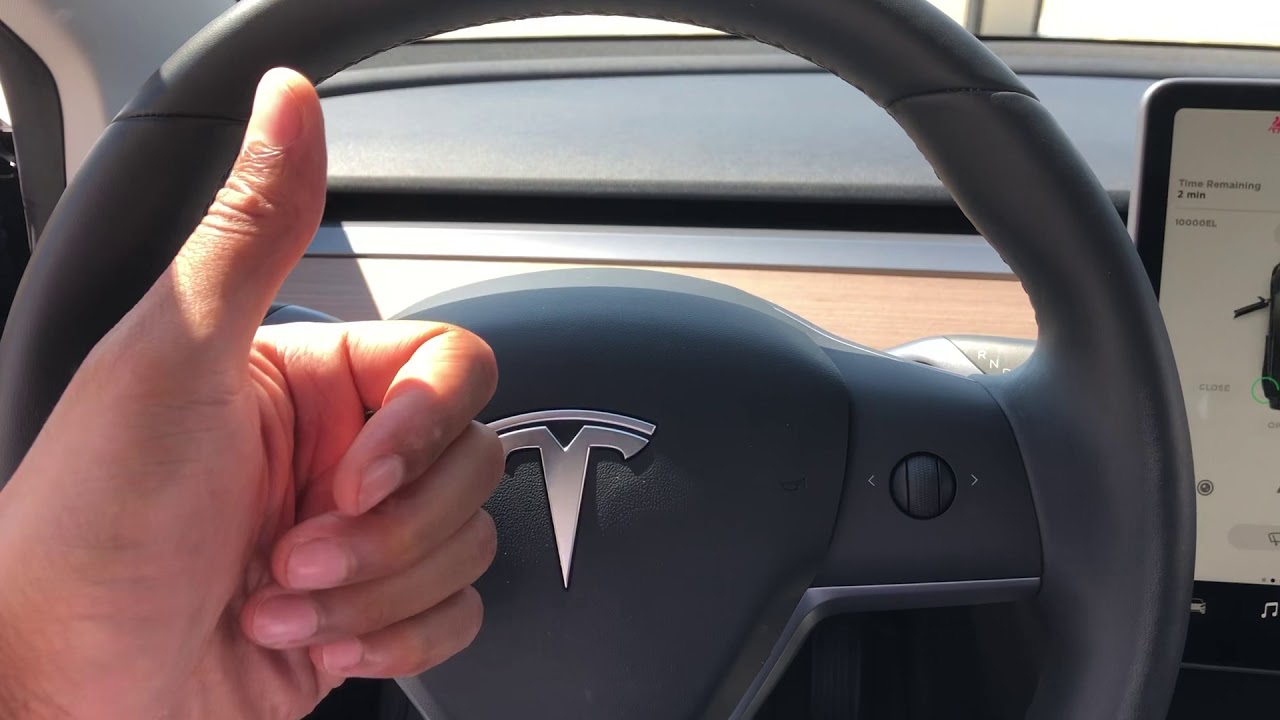
On Tesla Model 3 versions equipped with the traditional left steering column stalk, the button at the end of the stalk controls the windshield washer. Pressing and holding the button activates the spray function. The wipers operate to help distribute the fluid and clear the windshield.
Use a brief activation when the glass needs cleaning. If you need to wash away heavy grime, allow the wipers to complete their movement before deciding whether another short spray is necessary. Avoid repeatedly holding the button when no fluid is reaching the glass.
Expected result
Washer fluid should reach the windshield, and the wipers should clear the treated area.
If nothing happens
Check the fluid level and temperature conditions, then inspect for a visible leak or blocked spray outlet.
Using a Stalkless Tesla Model 3
Some newer Tesla Model 3 configurations do not have the traditional left steering column stalk. The controls for windshield wipers and washer operation can differ from those on earlier vehicles, so the older press-and-hold stalk instructions do not apply directly.
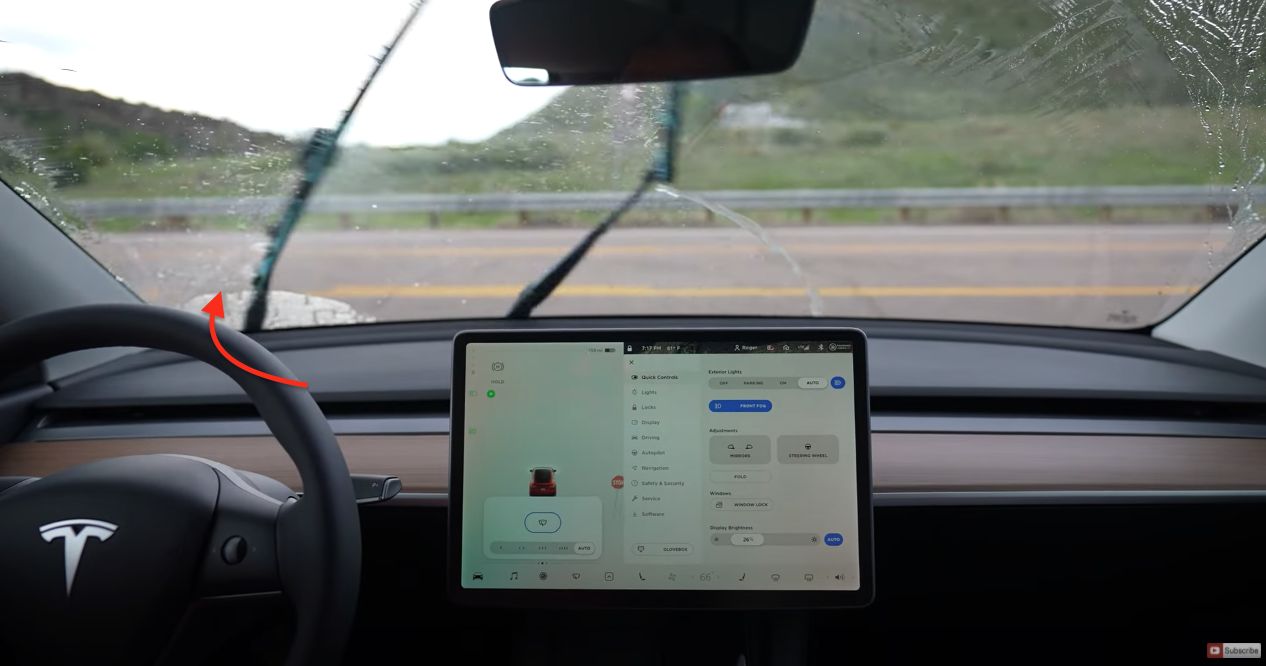
Use the wiper controls shown on your touchscreen or available through the steering wheel interface, following the prompts for your specific vehicle. If you cannot find the washer command, consult the owner’s manual through the vehicle’s touchscreen or Tesla’s official owner resources. Do not assume that a control shown for another production year will work identically on your car.
Check the displayed controls
Open the available wiper interface and look for the washer function or related instructions.
Confirm the correct procedure
Use the manual for your vehicle’s production year and control configuration rather than relying on instructions for an earlier Model 3.
How to Use the Tesla Model 3 Wipers and Washer Together
The windshield washer and wipers work together, but they serve different purposes. The washer sprays cleaning fluid onto the glass, while the wipers move across the windshield to remove the fluid and loosened debris.
If the windshield is only lightly dusty, a short washer activation may be enough. For dried road grime or salt residue, use suitable washer fluid and allow the system to clear the glass without repeatedly activating it unnecessarily.
Do not use the washer as a substitute for removing thick ice, packed snow, or hardened material. Clear substantial buildup safely before operating the wipers, because forcing the blades across obstructions can damage the blades or strain the wiper mechanism.
Source: i.ytimg.com
For dust and light dirt
Use a brief spray and allow the wipers to clear the windshield.
For road salt and dried grime
Use appropriate washer fluid and repeat only as needed when the spray and wiper movement are working normally.
For ice or packed snow
Remove substantial buildup safely and use the vehicle’s approved defrosting functions before operating the wipers.
How to Choose the Appropriate Wiper Setting
Tesla Model 3 wiper controls can offer different operating speeds and automatic behavior depending on the vehicle’s configuration and software. Select a setting appropriate for the conditions rather than relying on the washer to remove every obstruction.
If the windshield is wet from rain, use the available wiper setting suited to the rainfall. If the glass is dirty but not wet, apply washer fluid first so the blades do not drag dry debris across the glass.
Light rain
Choose an appropriate intermittent or automatic setting if available.
Heavy rain
Use a suitable wiper speed and maintain enough visibility to drive safely.
Dirty, dry glass
Apply washer fluid before the wipers sweep across the windshield.
What to Check Before Using the Windshield Washer
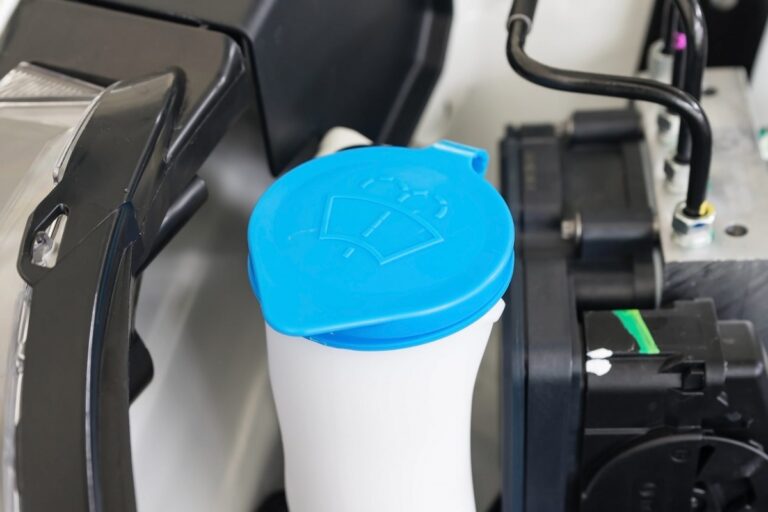
Before activating the washer, confirm that the reservoir contains fluid and that the windshield is free of heavy obstructions. Washer performance depends on the fluid supply, pump, hoses, nozzles, and electrical controls working together.
A low reservoir can cause weak or absent spray. In cold US weather, unsuitable fluid can freeze in the reservoir, hoses, or nozzles. In warmer conditions, a blocked nozzle, disconnected hose, or failed pump may be responsible if the controls appear to work but fluid does not reach the glass.
Source: i.ytimg.com
Check the fluid level
If the vehicle reports low washer fluid or the reservoir is nearly empty, refill it with a compatible windshield washer fluid.
Check the temperature
Use fluid rated for the expected outdoor temperature, particularly during winter in regions that experience freezing conditions.
Inspect for leaks
Look for unexplained fluid beneath the front of the vehicle or visible wet areas in the washer system. Do not dismantle components merely to find a leak.
Inspect the spray area
Check whether the nozzles appear obstructed. Avoid forcing metal pins or sharp objects into them, because this may damage the outlets.
Which Washer Fluid Should You Use?
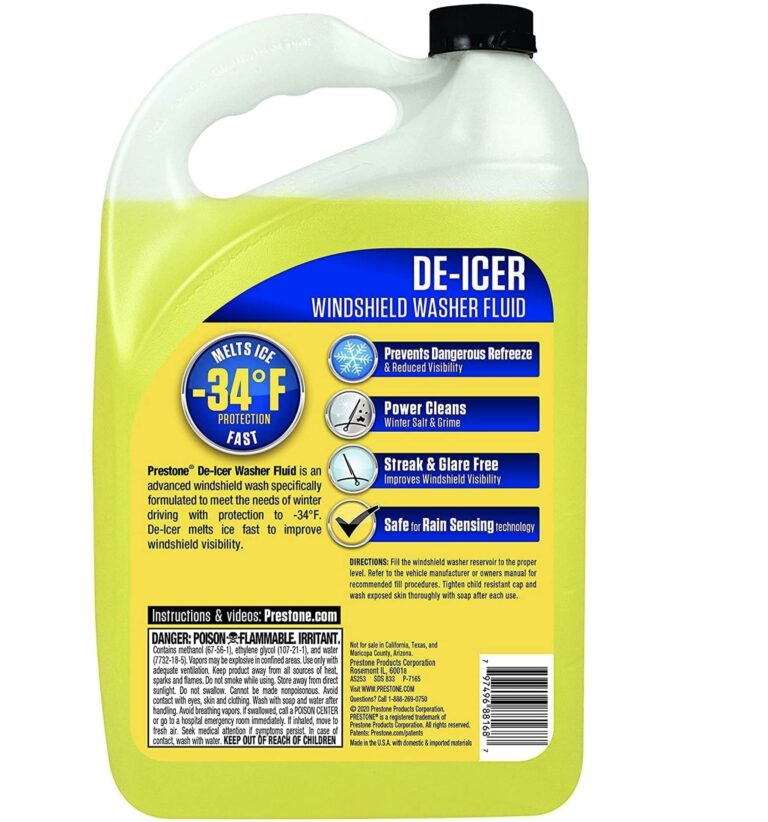
Use windshield washer fluid that is compatible with the Tesla Model 3 and rated for the lowest temperatures expected where you drive. In many parts of the United States, winter-rated fluid is necessary to prevent freezing during cold weather.
Do not substitute plain water when freezing conditions are possible. Water can freeze inside the system and prevent spraying. Avoid adding household detergents or other cleaning chemicals that are not intended for automotive washer systems.
Check the instructions on the fluid container and the guidance for your vehicle before mixing different formulations. If the reservoir contains frozen fluid, allow the system to thaw safely rather than repeatedly activating the pump.
Choose the correct temperature rating
Match the fluid’s freeze protection to the weather conditions you expect to encounter.
Use automotive washer fluid
Select a product intended for vehicle windshield washer systems instead of household cleaning solutions.
How to Fix a Tesla Model 3 Windshield Washer That Will Not Spray
If the washer does not spray, begin with the simplest checks: verify the reservoir has fluid, consider whether the system could be frozen, and check for visible leaks. Then determine whether the wipers operate normally and whether you can hear the washer pump when the washer command is activated.
These observations help narrow the cause, but they do not prove that a particular component has failed. A pump that cannot be heard may have an electrical or mechanical fault, while a pump that runs without spraying may indicate an empty reservoir, blockage, disconnected hose, or frozen fluid.
Source: i.ytimg.com
Washer does not spray and no pump sound is heard
Check the fluid level and temperature first. If the problem continues, the pump, electrical supply, controls, or wiring may need professional diagnosis.
Pump sound is present but no fluid reaches the glass
A low reservoir, frozen fluid, obstructed nozzle, disconnected hose, or leak may be responsible.
Fluid sprays weakly or unevenly
Check the fluid level and visible nozzle outlets. A blockage or leak may reduce the spray.
Fluid leaks from the front of the vehicle
Stop repeatedly activating the washer and arrange inspection if the source is not obvious or the leak continues.
The wipers do not respond
Confirm that you are using the correct controls for your Model 3 and check the vehicle’s displayed alerts. Seek service if the wiper system remains inoperative.
What If the Washer Fluid Is Frozen?
Frozen washer fluid can prevent spraying even when the reservoir contains fluid. This is more likely when the fluid is not rated for the prevailing temperature or when water has been added to the system.
Move the vehicle to a suitable warmer environment when possible and allow the system to thaw naturally. Do not pour boiling water onto the vehicle, apply an open flame, or keep running the pump in an attempt to force frozen fluid through the hoses.
Once the system has thawed, check whether the washer operates normally and replace unsuitable fluid with an appropriate winter-rated formulation if necessary. If the system still fails, have it inspected for damage.
Do not force the system
Repeated activation while components are frozen may place unnecessary strain on the washer pump.
Recheck after thawing
If spraying does not return after the system has thawed, investigate other causes or request service.
When to Contact Tesla Service
Arrange service if the washer remains inoperative after basic checks, a leak persists, or the system produces unusual noises. Professional diagnosis may be needed to assess the pump, wiring, hoses, nozzles, or control system.
If the windshield cannot be kept clear, do not continue driving in conditions that require a functioning washer. Pull over somewhere safe and address the visibility problem before resuming the trip.
Persistent electrical or pump problems
Request a service assessment rather than probing electrical connectors or dismantling components without the correct procedures.
Unsafe visibility
Stop in a safe location and do not resume driving until you can see adequately through the windshield.
Common Mistakes When Operating the Tesla Model 3 Washer
Most washer-related problems can be avoided by using the correct controls, maintaining the fluid supply, and avoiding unnecessary activation when the system is empty or frozen. The washer is designed to improve visibility, not to compensate for damaged wiper blades or heavy material covering the glass.
If the windshield remains streaky after spraying, inspect the condition of the wiper blades and the glass itself. Worn rubber, oily residue, or persistent contamination can leave marks even when the washer pump and nozzles work correctly.
Source: driveteslacanada.ca
Using instructions for the wrong model year
Control layouts can differ between stalk-equipped and stalkless vehicles. Verify the procedure for your own configuration.
Running the washer with an empty reservoir
Refill the reservoir instead of repeatedly activating the pump without fluid.
Using unsuitable fluid in freezing weather
Select fluid with appropriate freeze protection for local winter conditions.
If the washer cannot clear the windshield, stop driving when conditions make visibility unsafe.
How to Tell Whether the Washer Is Working Correctly
A functioning system delivers fluid to the windshield when the correct washer control is activated. The wipers should then clear the treated area without unusual noises, persistent streaking caused by mechanical problems, or visible leaks.
If the spray is weak, reaches only part of the windshield, or leaves the glass dirty, check the fluid level and inspect the visible system components. Continued problems may require nozzle, hose, pump, or wiper-blade maintenance.
Normal operation
Fluid reaches the windshield and the wipers clear the glass effectively.
Possible spray-system problem
Fluid is absent, weak, uneven, or leaking despite correct operation of the controls.
Possible blade or glass problem
Fluid sprays normally, but the wipers leave persistent streaks or fail to clear the windshield.
Frequently Asked Questions
Q
Where is the windshield washer button on a Tesla Model 3?
On Model 3 versions with a traditional left steering column stalk, the windshield washer button is at the end of that stalk. Stalkless versions use a different control arrangement through the available steering wheel or touchscreen interface. Check your vehicle’s owner’s manual if the control is not immediately obvious.
Q
Do I need to hold the Tesla Model 3 washer button?
On versions equipped with the dedicated washer button at the end of the left stalk, pressing and holding the button activates the washer spray. The procedure can differ on stalkless versions, so follow the instructions for your vehicle’s controls.
Q
Why are my Tesla Model 3 wipers moving but no washer fluid is coming out?
Possible causes include an empty reservoir, frozen washer fluid, blocked nozzles, a disconnected hose, a leak, or a failed pump. Check the fluid supply and outdoor temperature first. If the pump runs but fluid does not reach the windshield, further inspection may be necessary.
Q
Can I use water instead of windshield washer fluid in my Tesla Model 3?
Water is not a reliable substitute for automotive washer fluid, particularly in freezing weather. It may freeze inside the reservoir, hoses, or nozzles and offers different cleaning performance. Use compatible windshield washer fluid with freeze protection appropriate for your local climate.
Q
How do I turn on the windshield wipers without spraying fluid?
Use the windshield wiper controls rather than activating the washer command. Depending on your Model 3 configuration, the controls may be accessed through a steering column stalk, steering wheel, or touchscreen. Select the appropriate wiper setting for the weather and follow the instructions for your model year.
Q
Why does my Tesla Model 3 windshield washer work intermittently?
Intermittent operation may result from a low fluid level, partially blocked nozzles, freezing conditions, a hose leak, or an intermittent pump or electrical fault. Check the simple causes first. If the problem persists after refilling with suitable fluid and allowing any frozen components to thaw, arrange a service inspection.
Q
Can I activate the windshield washer while driving?
The washer is intended to help maintain visibility while operating the vehicle, but you should use it only when you can do so without distraction. If you cannot locate the correct control or the windshield remains obstructed, slow down and pull over safely when needed. Never continue driving when visibility is inadequate.
✦ Wrapping Up
Conclusion
To turn on the windshield washer in a Tesla Model 3, first identify the control layout in your vehicle. On stalk-equipped versions, press and hold the button at the end of the left steering column stalk. On stalkless versions, use the washer function available through the vehicle’s steering wheel or touchscreen controls and follow the applicable owner’s manual.
If the washer fails to spray, check the reservoir, fluid suitability, freezing conditions, and visible signs of leaks or blockage. Persistent pump, electrical, or spray problems may require professional diagnosis. Keeping the system maintained helps you clear dirt and road grime while preserving safe visibility.
💡 Key Takeaway
Identify your Model 3’s wiper controls, activate the washer using the correct procedure, and confirm that fluid reaches the windshield. If it does not spray, check the fluid level and temperature conditions before arranging service.