To make a basic homemade de-icer windshield washer fluid, combine distilled water with isopropyl rubbing alcohol and a very small amount of mild dishwashing liquid. The alcohol helps lower the mixture’s freezing point and loosen light frost, while the water and detergent help remove road film and grime.
For drivers across the United States, windshield washer fluid becomes especially important once winter temperatures begin dropping below freezing. Snow, road salt, slush, freezing rain, and dirty highway spray can quickly reduce visibility, particularly in northern and mountain states. A homemade winter mixture can be useful as a temporary or mild-weather option when regular washer fluid is unavailable, but it should not automatically replace a commercially tested winter formula in severe cold.
The safest approach is to check your vehicle owner’s manual before putting a homemade mixture into the washer reservoir. Some automakers specifically recommend approved windshield washer fluid, and commercial winter products provide a documented freeze-protection temperature that a homemade mixture cannot reliably guarantee. Never substitute engine coolant or automotive antifreeze. If temperatures in your area routinely fall far below 32 degrees Fahrenheit, a washer fluid labeled for the expected minimum temperature is the more dependable choice.
What You Need to Make De-Icer Windshield Washer Fluid
The goal of homemade de-icer washer fluid is straightforward: create a liquid that cleans the windshield while resisting freezing better than plain water. The simplest practical mixture uses distilled water as the cleaning base, isopropyl alcohol as the freeze-resistant ingredient, and a very small amount of mild dishwashing liquid to help lift oily road residue.
Distilled water is preferable to tap water because it contains fewer dissolved minerals. Hard-water minerals can eventually contribute to deposits around washer nozzles or leave spotting on glass. Isopropyl alcohol is commonly available in U.S. pharmacies and grocery stores in concentrations such as 70 percent and 91 percent.
The alcohol concentration matters. A stronger alcohol solution contributes more alcohol to the finished mixture, but increasing alcohol indefinitely is not a substitute for a properly formulated winter windshield washer product. Homemade mixtures have not been laboratory-rated for a specific freeze temperature.
Source: homemade.ftempo.com
Distilled water
Provides the main cleaning liquid while reducing mineral deposits compared with hard tap water.
Isopropyl rubbing alcohol
Helps the mixture resist freezing and can loosen light frost and oily windshield contamination.
Mild dishwashing liquid
Use only a very small amount to improve cleaning without creating excessive foam.
Clean container
Use a clearly labeled chemical-safe container rather than a beverage bottle.
Funnel
Makes transferring the mixture to the washer reservoir easier and reduces spills.
A Practical Homemade Recipe
For a basic one-gallon batch intended for light winter conditions, start with approximately 3 quarts of distilled water and add 1 quart of 70 percent isopropyl alcohol. Add about 1 teaspoon of mild liquid dishwashing soap. Mix gently rather than shaking vigorously so the detergent does not create excessive foam.
This is best treated as a temporary or moderate-cold-weather mixture rather than a fluid with a guaranteed subzero rating. If your local forecast calls for severe cold, replace it with commercially manufactured winter washer fluid rated below the lowest temperature you expect.
Batch size
Approximately 1 gallon.
Distilled water
About 3 quarts.
70 percent isopropyl alcohol
About 1 quart.
Mild dish soap
Approximately 1 teaspoon.
How to Make De-Icer Windshield Washer Fluid Step by Step
Mix the fluid outside the vehicle first. This gives you better control over the proportions and prevents concentrated detergent or alcohol from being poured directly into the washer tank. Work in a ventilated area away from flames, sparks, cigarettes, heaters, or other ignition sources because isopropyl alcohol is flammable.
Do not prepare the mixture beside a hot or running engine. Allow the engine compartment to cool before adding washer fluid. Alcohol-containing fluids can ignite if spilled onto a sufficiently hot surface or exposed to a flame.
Source: homemade.ftempo.com
Step 1: Prepare the container
Use a clean one-gallon container that has never held incompatible automotive chemicals.
Step 2: Add distilled water
Pour approximately 3 quarts of distilled water into the container.
Step 3: Add rubbing alcohol
Add approximately 1 quart of 70 percent isopropyl alcohol.
Step 4: Add detergent
Add about 1 teaspoon of mild dishwashing liquid. More soap is not better because excessive detergent can foam and leave streaks.
Step 5: Mix gently
Close the container and slowly turn it several times rather than shaking it aggressively.
Step 6: Label the mixture
Clearly identify the container as windshield washer fluid and keep it away from children, pets, food, and beverages.
Step 7: Fill the reservoir
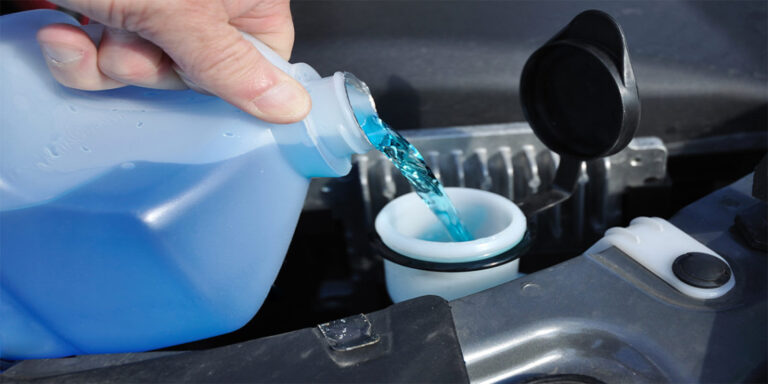
With the vehicle cool and parked safely, locate the windshield washer reservoir and add the mixture using a funnel.
Step 8: Test the washers
Operate the washer briefly and confirm that both the spray pattern and wipers work normally.
Signs the Mixture Is Working Properly
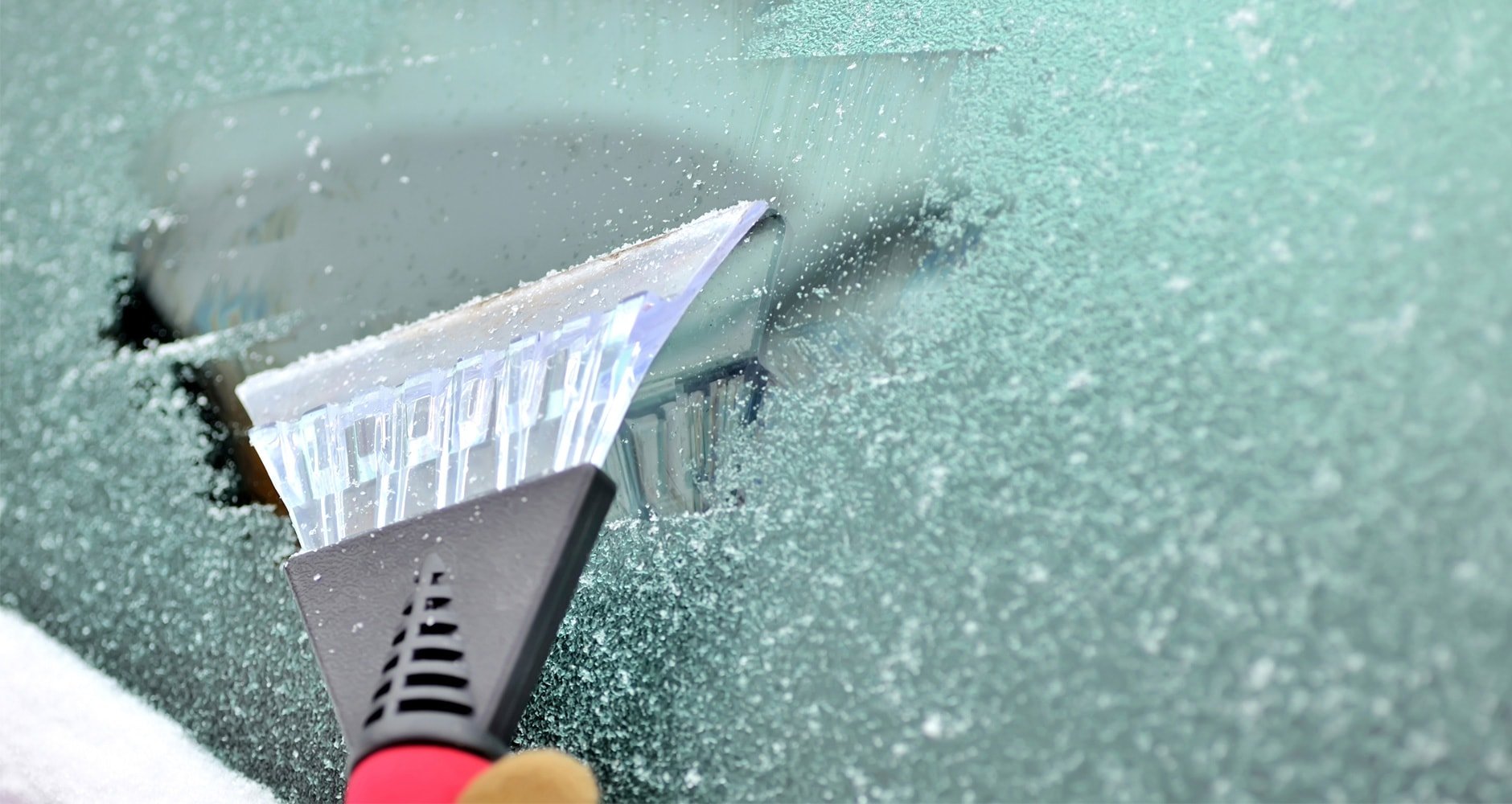
A correctly mixed fluid should spray normally from the washer nozzles, wipe away without heavy suds, and leave minimal streaking. During light frost, the alcohol-containing fluid may also help soften a thin layer of ice after the windshield begins warming.
If the spray becomes excessively foamy, leaves a persistent film, or causes streaking, the detergent concentration is probably too high. Diluting the batch slightly with distilled water can reduce foaming, although doing so also reduces the alcohol concentration and therefore reduces freeze resistance.
How the Homemade De-Icer Mixture Works
Plain water is a poor winter windshield washer fluid because it freezes near 32 degrees Fahrenheit. Once frozen, water can block washer lines and nozzles and may expand inside the reservoir. A winter washer mixture therefore needs a component that remains liquid at lower temperatures.
Isopropyl alcohol helps by lowering the freezing point of the water-and-alcohol mixture. It also evaporates relatively quickly and can dissolve some oily residue that water alone does not remove easily. This is why rubbing alcohol is frequently used in homemade windshield de-icing preparations.
The small quantity of detergent serves a different purpose. Road spray can contain oil, grime, salt residue, and other contamination. A surfactant in dishwashing liquid helps water spread across the glass and lift greasy material so the wiper blades can remove it more effectively.
However, a homemade mixture has an important limitation: its actual freezing behavior depends on alcohol concentration, ingredient purity, dilution, and temperature. Without controlled testing, you should not assign the recipe a precise freeze rating.
Source: eightymphmom.com
Water
Carries the cleaning ingredients and rinses loose dirt from the windshield.
Isopropyl alcohol
Lowers the mixture’s freezing point and helps dissolve certain oily residues.
Detergent
Helps loosen road film so the wipers can remove it.
De-Icer Spray and Washer Fluid Are Not Exactly the Same Thing
A handheld windshield de-icer spray is applied directly to exterior glass and may contain a comparatively high proportion of alcohol. Washer fluid, by contrast, sits inside the vehicle’s reservoir and travels through a pump, hoses, fittings, and nozzles. A formula that works as a spray-bottle de-icer is therefore not automatically appropriate for long-term use in every vehicle washer system.
For this reason, avoid assuming that stronger is always better. Follow your vehicle manufacturer’s fluid recommendations, particularly if the vehicle has specialized washer equipment, heated components, headlamp washers, or other integrated systems.
When Homemade Washer Fluid Is Not the Best Choice
Homemade de-icer washer fluid makes the most sense as a temporary solution or for relatively mild freezing conditions. It becomes less attractive as temperatures become more severe because you cannot verify its freeze protection simply by looking at the mixture.
For U.S. drivers in areas that regularly experience prolonged subfreezing weather, commercially formulated winter washer fluid is generally the more dependable approach. Look for a product whose label specifies a freeze-protection temperature below the coldest conditions expected where you drive.
This distinction matters because fluid can remain inside the washer reservoir, pump, tubing, and nozzles for days or weeks. A mixture that works during a 28-degree-Fahrenheit morning might not remain usable during a later cold snap.
Source: yardique.com
Choose rated winter fluid for severe cold
A labeled product provides a specific minimum-temperature rating that a homemade batch does not.
Consider overnight temperatures
The coldest overnight temperature matters even if daytime temperatures rise above freezing.
Follow the owner’s manual
Some vehicle manufacturers specify windshield washer fluid rather than homemade alternatives.
Change mixtures before a cold snap
Do not wait until the reservoir or washer lines have already frozen.
What If the Washer Fluid Is Already Frozen?
Do not continuously operate the washer switch when nothing sprays. Repeatedly running a washer pump against frozen fluid can stress or overheat the pump.
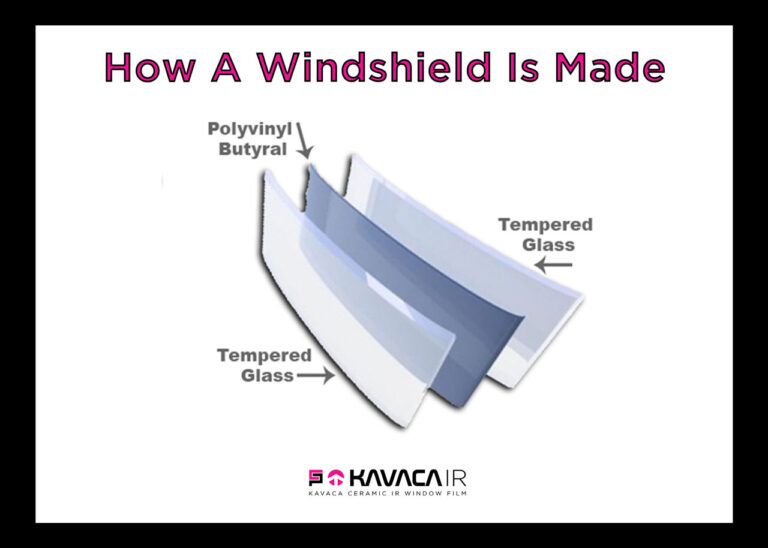
Move the vehicle to a warmer environment if possible and allow the system to thaw naturally. Once liquid again, remove or use up the unsuitable mixture and refill with washer fluid rated for the expected temperature. Avoid pouring boiling water over frozen washer-system parts or the windshield because sudden temperature changes can damage glass and components.
Common Homemade Windshield Washer Fluid Mistakes
Several popular household ingredients should not automatically be poured into a vehicle’s washer reservoir simply because they can clean glass. The washer system includes a pump, seals, hoses, nozzles, painted surfaces, and sometimes sensors or specialized components. A mixture should therefore be mild, compatible, and appropriate for automotive use.
One of the biggest mistakes is relying on plain water during freezing weather. Water may freeze inside the system and can expand as it turns to ice. Another is adding too much dish soap, which can create foam, reduce visibility, and leave residue on the windshield.
Engine coolant or radiator antifreeze should never be used as windshield washer fluid. It is designed for the engine cooling system, not for spraying across glass and painted bodywork. Vehicle manufacturers commonly warn against substituting coolant for washer fluid.
Source: homemade.ftempo.com
Do not use engine antifreeze
Automotive coolant is not a substitute for windshield washer fluid and may damage the washer system or vehicle finish.
Do not rely on plain water in winter
Water can freeze in the reservoir, tubing, pump, or nozzles.
Do not add excessive dish soap
Too much detergent can create foam, smearing, and distracting windshield residue.
Do not use beverage containers
Store homemade fluid in a clearly labeled container so nobody mistakes it for something drinkable.
Do not mix random automotive chemicals
Chemical compatibility should never be assumed.
Do not fill beside a hot running engine
Alcohol-containing washer fluid is flammable and should be handled away from ignition sources.
Should You Add Vinegar?
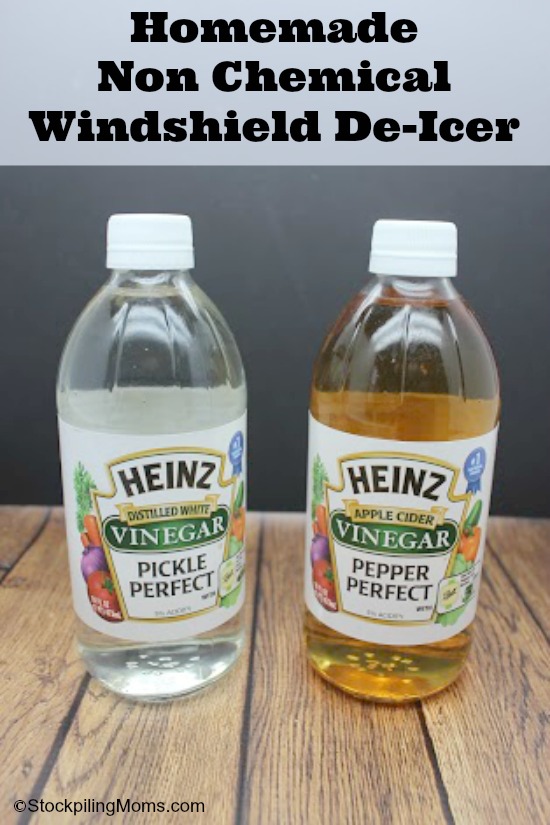
Vinegar appears in many household glass-cleaning recipes, but that does not make it necessary for an automotive washer reservoir. A washer system must do more than clean a piece of household glass, and long-term compatibility with vehicle components matters.
If your primary goal is winter freeze resistance, alcohol is the relevant ingredient in this type of homemade mixture. Adding extra household chemicals increases complexity without giving the mixture a verified cold-weather rating.
Should You Add Methanol?
Do not formulate homemade washer fluid with concentrated methanol. Methanol is toxic if swallowed and can cause severe poisoning, including vision damage. Commercial washer fluids containing methanol are manufactured, packaged, labeled, and formulated for their intended use.
For a household DIY mixture, commonly available isopropyl rubbing alcohol avoids the need to handle concentrated methanol. Store any alcohol-containing fluid securely away from children and pets.
How to Use and Store Homemade De-Icer Washer Fluid Safely
Before filling the reservoir, confirm that you have located the windshield washer tank rather than the coolant expansion tank, brake-fluid reservoir, or another under-hood container. The washer cap normally carries a windshield-and-spray symbol, but reservoir placement differs among vehicles.
If you are switching from summer fluid or plain water before winter, using as much of the old fluid as practical before refilling helps prevent excessive dilution. After adding winter fluid, operate the washers briefly so the new mixture reaches the hoses and nozzles rather than remaining only in the reservoir.
Store leftover homemade fluid tightly closed in a cool, ventilated place away from flames, sparks, direct heat, children, and pets. Never put it into a water bottle, juice container, or other package that could be mistaken for a beverage.
Source: homemade.ftempo.com
Label the container
Write windshield washer fluid and identify that it contains isopropyl alcohol.
Keep away from ignition
Alcohol vapors and liquid can ignite.
Keep away from children and pets
The mixture is not safe to drink.
Avoid unnecessary stockpiling
Mix only the quantity you are likely to use rather than storing large volumes.
Use a dedicated funnel
Avoid cross-contaminating washer fluid with oil, coolant, fuel, or other automotive chemicals.
Test Before Depending on It in Winter
After filling the reservoir, test the system while the vehicle is parked. Confirm that fluid reaches the windshield, both or all washer nozzles spray normally, and the wiper blades clear the liquid rather than spreading a greasy or foamy film.
A successful room-temperature test does not establish the mixture’s lowest usable temperature. Check the weather forecast before a major freeze. If conditions are expected to become substantially colder, replace the homemade solution with a commercially rated winter formula before the cold arrives.
Troubleshooting Homemade Windshield Washer Fluid
If the homemade washer fluid does not behave as expected, stop and identify the symptom before changing the recipe. Problems such as no spray, weak spray, excessive foam, streaking, or refreezing can have different causes.
When no fluid sprays, first consider whether the reservoir is empty or the fluid has frozen. A blocked nozzle, damaged hose, blown fuse, or failed washer pump can produce a similar symptom. Avoid holding the washer control continuously when no liquid is coming out because the pump can overheat.
Fluid creates heavy foam
Too much detergent is a likely cause. Replace or dilute the mixture rather than adding more cleaning agents.
Windshield remains streaky
Clean the windshield and wiper blades and check whether detergent concentration is excessive or the blades are worn.
Fluid freezes or turns slushy
The mixture is unsuitable for the current temperature. Allow the system to thaw and replace it with properly rated winter fluid.
Pump runs but nothing sprays
Check for frozen fluid, an empty reservoir, damaged hoses, or blocked nozzles before assuming the pump has failed.
Spray pattern becomes weak
Inspect for contamination, low fluid, freezing, or a washer-system problem rather than simply increasing alcohol concentration.
Frequently Asked Questions
Q
Can I use rubbing alcohol in windshield washer fluid?
Isopropyl rubbing alcohol can be used as part of a simple homemade winter mixture because alcohol lowers the freezing point compared with plain water. However, check your owner’s manual first because vehicle manufacturers may specify approved windshield washer fluid.
A homemade alcohol-and-water mixture also does not carry a certified freeze-protection temperature, so commercially rated winter fluid is preferable for severe cold.
Q
What is the best alcohol for homemade windshield de-icer washer fluid?
Isopropyl alcohol is the practical household choice for a DIY mixture because it is widely available in the United States. Common strengths include 70 percent and 91 percent.
Do not assume that adding as much alcohol as possible will create a better automotive washer fluid. Washer-system compatibility and cleaning performance matter along with freezing resistance.
Q
Can I use homemade de-icer washer fluid below zero degrees Fahrenheit?
A homemade recipe should not be assumed safe for temperatures below 0 degrees Fahrenheit because its actual freezing point has not been verified under controlled conditions. Small differences in alcohol concentration and dilution can materially change cold-weather performance.
For extreme winter weather, use commercially formulated washer fluid whose label gives a freeze-protection rating below your expected minimum temperature.
Q
Can I use regular antifreeze as windshield washer fluid?
No. Engine coolant or radiator antifreeze belongs in the engine cooling system, not the windshield washer reservoir. Vehicle manufacturers warn that using coolant in the washer system can damage components or painted surfaces.
Use actual windshield washer fluid or an owner’s-manual-compatible temporary alternative instead.
Q
Why does my washer fluid freeze on the windshield?
The fluid may contain too much water for the outside temperature, or the windshield itself may be cold enough for a marginal mixture to refreeze after spraying. Wind chill from a moving vehicle can also accelerate heat loss from the glass.
Do not keep spraying fluid that immediately freezes and blocks visibility. Warm the windshield appropriately and switch to washer fluid rated for colder conditions.
✦ Wrapping Up
Conclusion
Learning how to make de icer windshield washer fluid can be useful when you need a simple temporary winter mixture. A practical recipe combines roughly 3 quarts of distilled water, 1 quart of 70 percent isopropyl alcohol, and about 1 teaspoon of mild dishwashing liquid. The water handles most of the rinsing, the alcohol improves resistance to freezing, and the small amount of detergent helps remove road film.
The important limitation is that homemade windshield washer fluid has no verified freeze rating. U.S. winter conditions vary enormously, from occasional light frost to prolonged subzero temperatures. Check your vehicle owner’s manual and local forecast, and switch to properly rated winter washer fluid whenever severe cold is possible. Never use engine coolant as washer fluid, avoid excessive detergent, and handle alcohol-containing mixtures away from heat and ignition sources.
💡 Key Takeaway
Use the homemade mixture only when it matches your vehicle guidance and weather conditions; before severe freezing temperatures arrive, fill the washer system with a commercial winter fluid rated below the lowest temperature you expect.