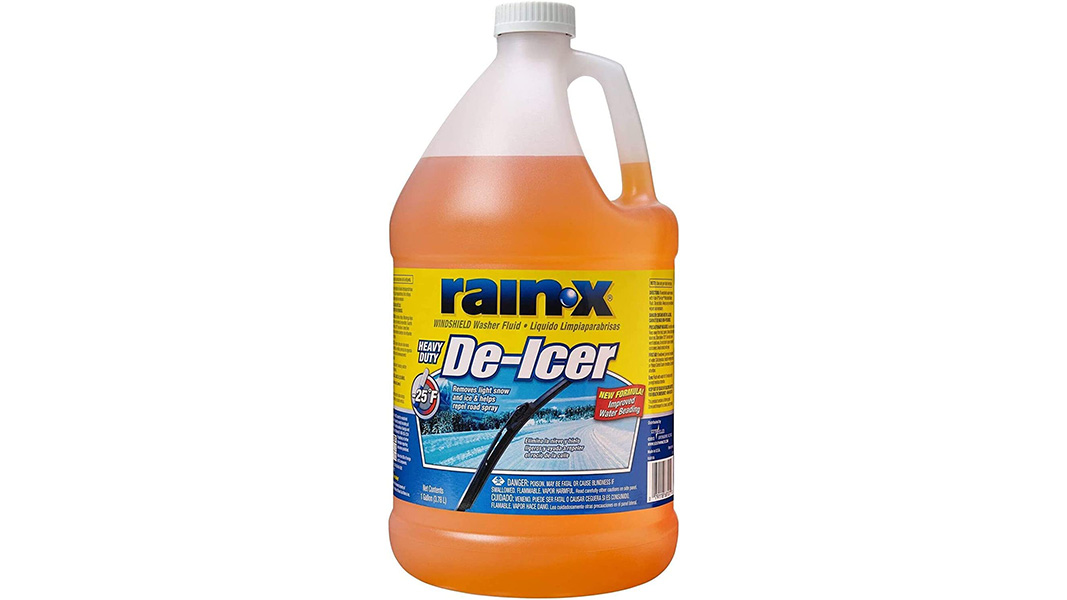
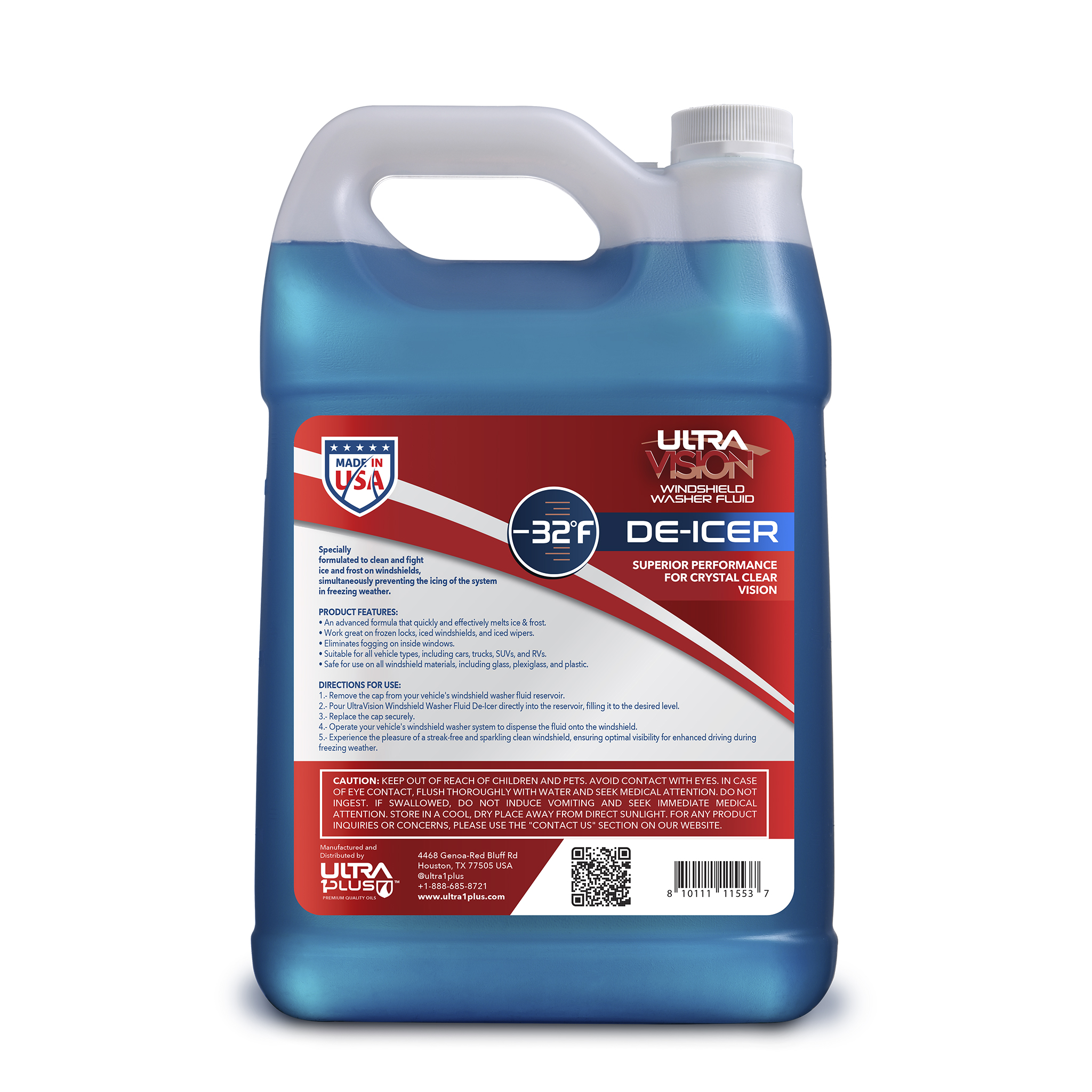
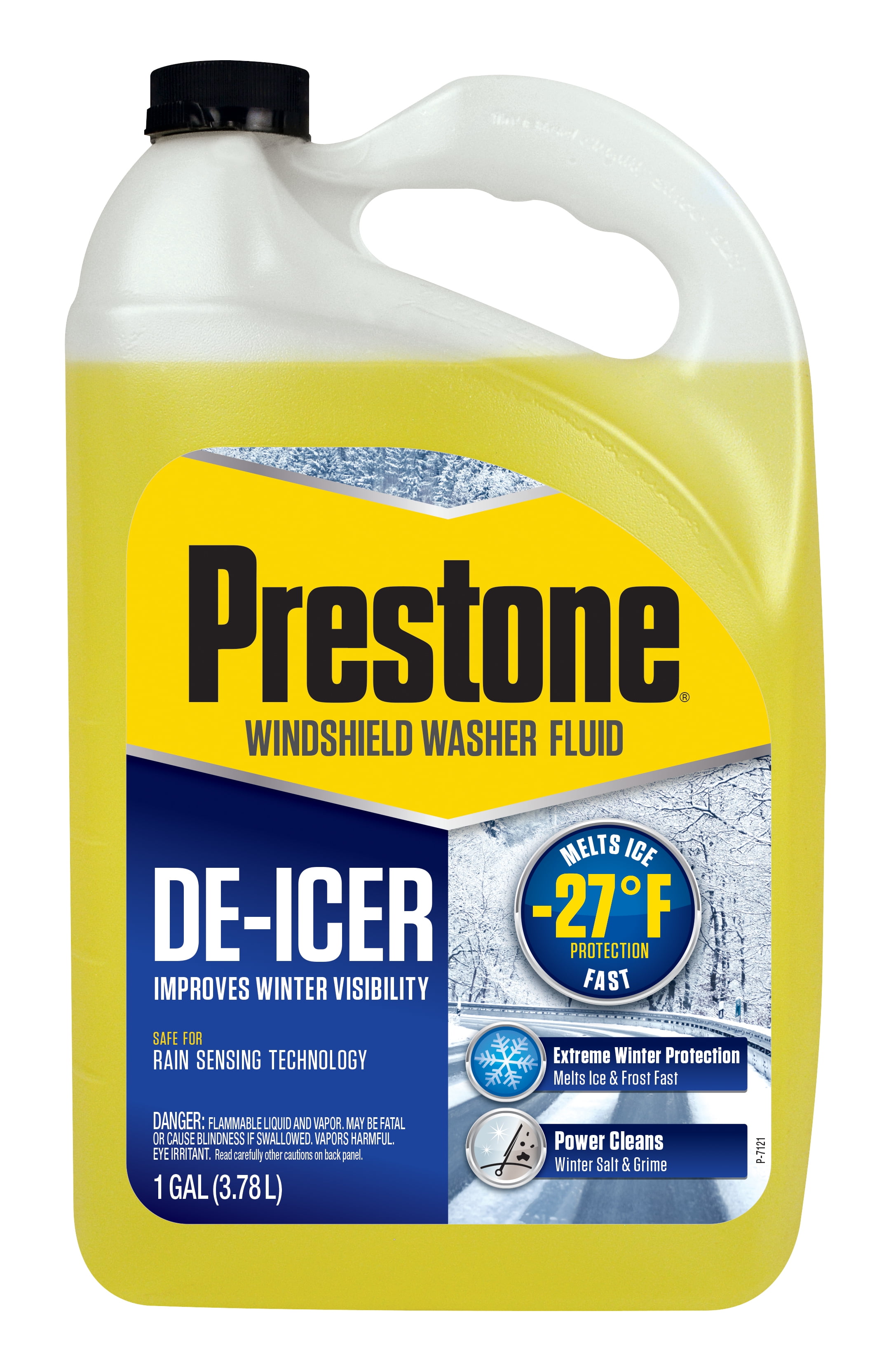
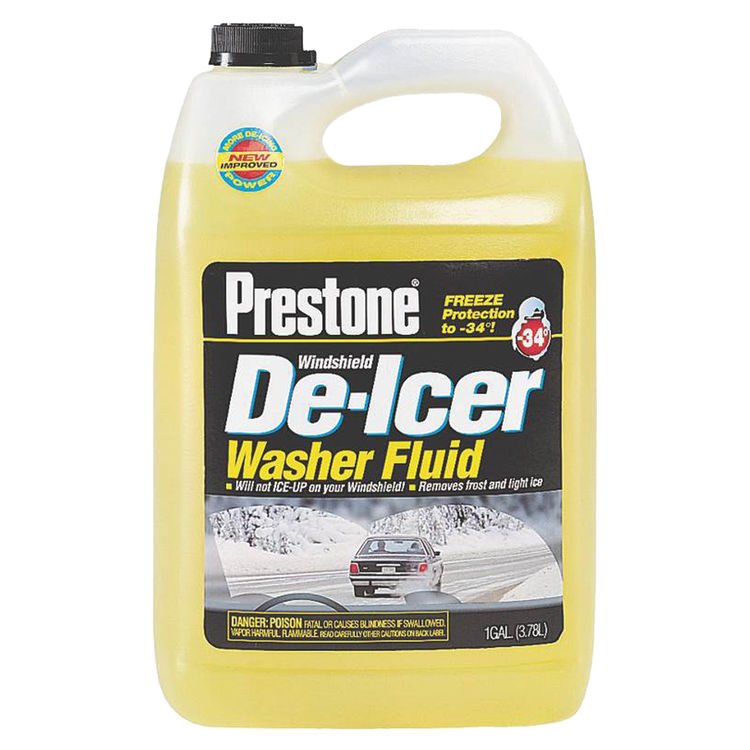
To use de icer windshield washer fluid, pour a winter-rated formula into the vehicle’s windshield washer reservoir, close the cap, then operate the washers long enough to move the winter fluid through the lines and nozzles.
For drivers across the United States, learning how to use de icer windshield washer fluid becomes especially useful before winter temperatures arrive. Whether you are dealing with an overnight freeze in Michigan, road salt in Pennsylvania, mountain snow in Colorado, or an occasional cold snap farther south, ordinary warm-weather washer fluid may not provide enough freeze protection. Winter de icer fluid is formulated to remain usable at lower temperatures while helping remove light frost, ice, road salt, and dirty winter spray from the windshield.
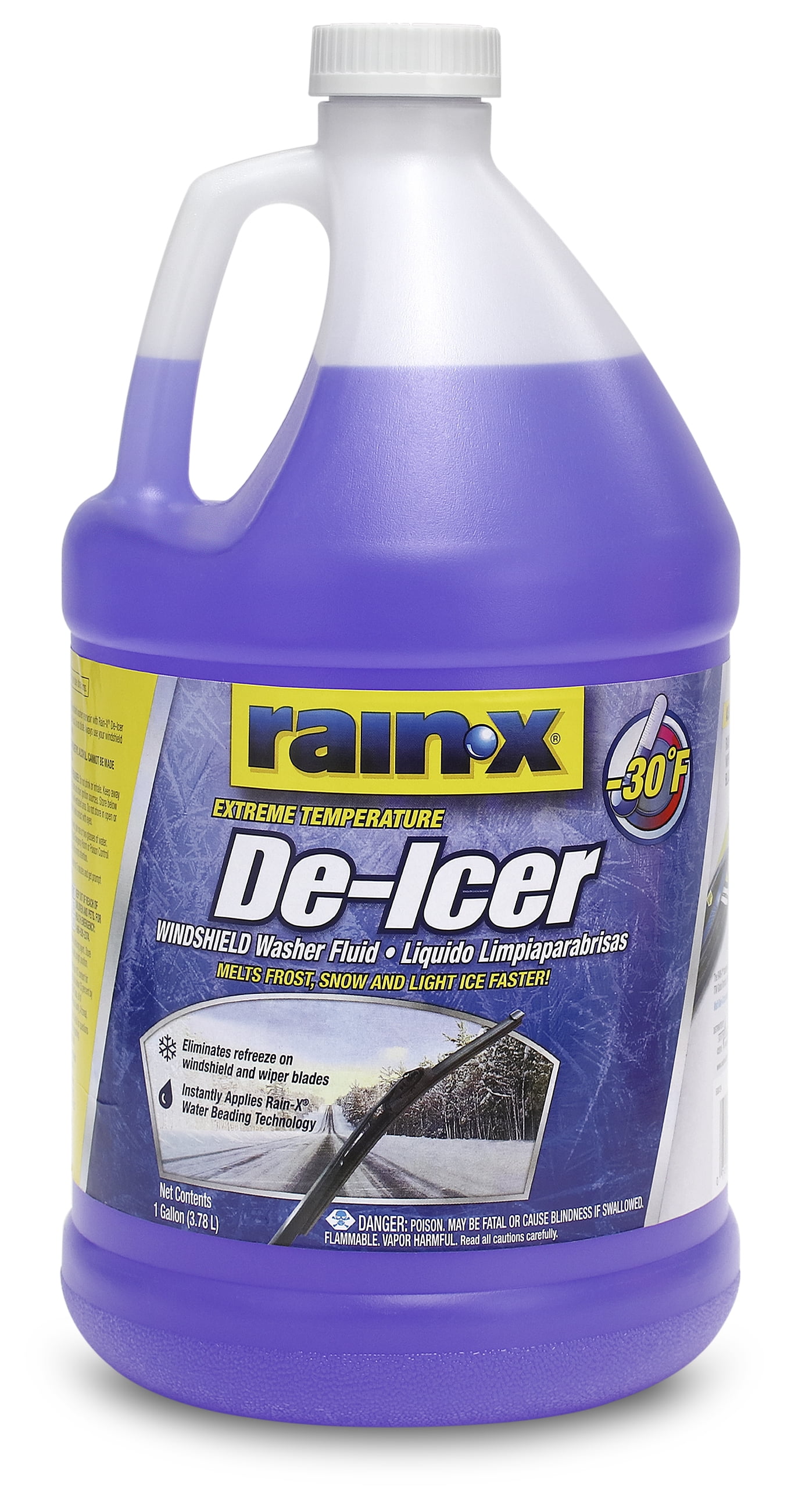
The process is simple, but the freeze rating on the bottle matters. Winter washer fluids are sold with different low-temperature ratings, so a formula suitable for a mild winter may not be appropriate for a vehicle regularly exposed to temperatures far below 20 degrees Fahrenheit. AAA advises drivers in cold weather to use washer fluid with antifreeze components and a rating comfortably below expected temperatures. Some de icer products are rated far lower; for example, certain commercially available winter formulas specify protection to about minus 34 degrees Fahrenheit.
You should also distinguish windshield washer fluid from spray-on windshield de icer. Washer fluid belongs in the washer reservoir and reaches the windshield through the vehicle’s nozzles. A separate spray de icer is applied directly to exterior glass. This guide focuses on the reservoir-based winter washer fluid used through the vehicle’s normal windshield washing system.
De icer windshield washer fluid is a cold-weather windshield cleaning solution designed for use in a vehicle’s built-in washer system. Compared with many warm-weather formulas, winter fluid contains ingredients that lower its freezing point so it can remain liquid at colder temperatures.
Its practical job is twofold. First, it cleans winter contamination such as road salt, slush residue, grime, and ordinary dirt. Second, a properly selected winter formula can help soften or remove light frost and thin ice while reducing the chance that fluid will freeze in the reservoir, pump, hoses, or nozzles.
The exact formulation varies by manufacturer. Many windshield washer solutions use alcohol-based ingredients, including methanol in some products. Because methanol-containing washer fluid can be poisonous if swallowed, winter washer fluid should be stored in its original labeled container and kept away from children and pets.
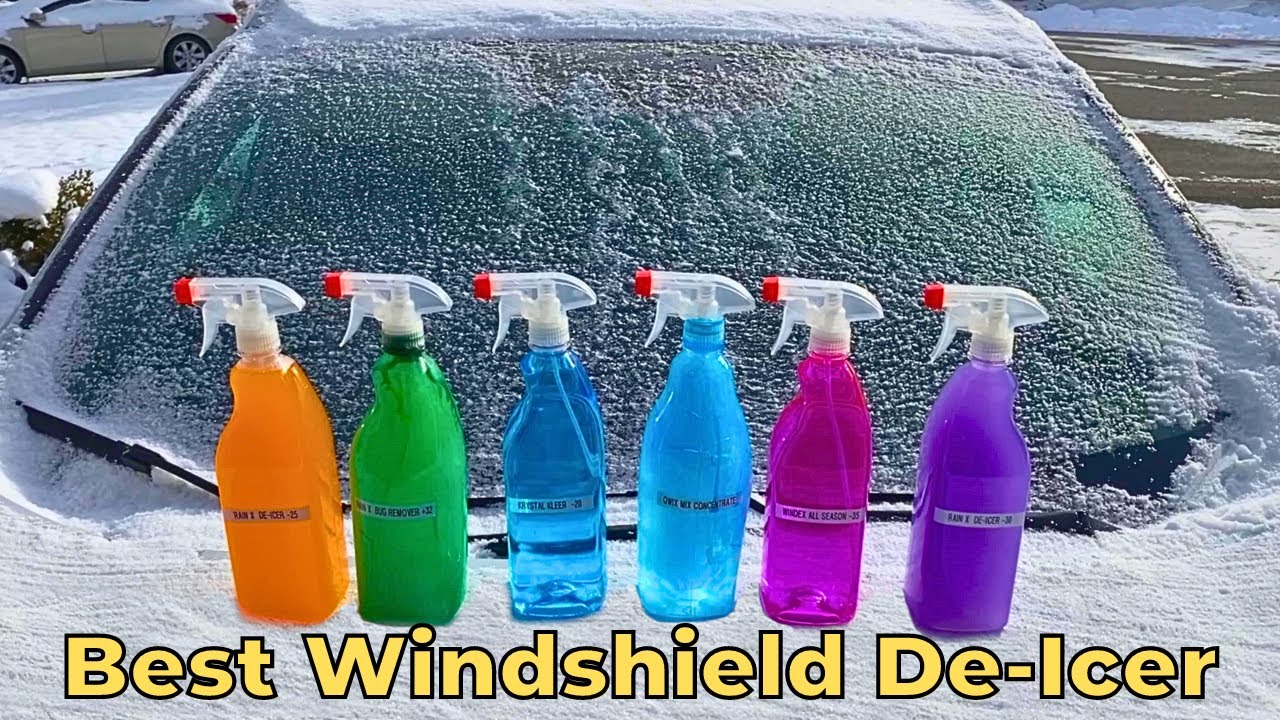
Do not assume every bottle labeled winter, de icer, or all-season provides the same cold-weather performance. Check the temperature rating printed on the container. That rating is more useful than the product color because blue, orange, purple, and other colors are not universal indicators of freeze protection.
Source: ultra1plus.com
Primary purpose
Cleans the windshield while providing better low-temperature performance than many warm-weather washer fluids.
Where it goes
Into the vehicle’s windshield washer fluid reservoir.
What it can remove
Road salt film, slush residue, grime, light frost, and some thin surface ice.
What determines winter suitability
The manufacturer’s stated freeze or low-temperature rating.
De Icer Washer Fluid vs Spray De Icer
These products can have similar names but are used differently. Windshield washer de icer fluid is stored in the vehicle reservoir and sprayed through the washer nozzles. Aerosol or trigger-bottle windshield de icer is normally applied directly to icy exterior glass according to its label.
Never assume a bottled spray de icer is suitable for the washer reservoir. Use only a product specifically labeled for windshield washer system use.
What You Need Before Adding De Icer Washer Fluid
For most vehicles, you need only the correct winter washer fluid and possibly a clean funnel. Before opening the hood, read the fluid label and verify whether the product is ready to use or concentrated.
Most gallon-size washer fluids sold for routine automotive use are premixed and can be poured directly into the reservoir. Concentrated products are different and must be diluted exactly as their manufacturer specifies. Adding water to a product intended to be used full strength can raise its freezing point and reduce winter protection.
Check your owner’s manual if you cannot identify the washer reservoir or if the vehicle manufacturer specifies particular fluid requirements. The reservoir cap commonly carries a windshield-and-spray symbol, although its appearance and location vary by vehicle.
Source: walmart.com
Winter-rated washer fluid
Select a temperature rating appropriate for your climate.
Clean funnel
Optional, but useful for preventing spills.
Owner’s manual
Helpful when the reservoir location or fluid requirements are unclear.
Gloves
Useful for reducing skin contact and keeping your hands clean in cold conditions.
How Cold Should the Fluid Be Rated For?
Choose a rating below the coldest temperature you realistically expect the vehicle to experience rather than selecting fluid based only on the current day’s weather. A formula rated only to 20 degrees Fahrenheit could be unsuitable during a colder winter event.
Cold-weather formulas vary substantially. Some commercial de icer washer fluids are labeled for temperatures around minus 20 degrees Fahrenheit or lower, while certain products claim protection to approximately minus 34 degrees Fahrenheit. The number printed on the actual bottle you buy should control your decision.
How to Use De Icer Windshield Washer Fluid Step by Step
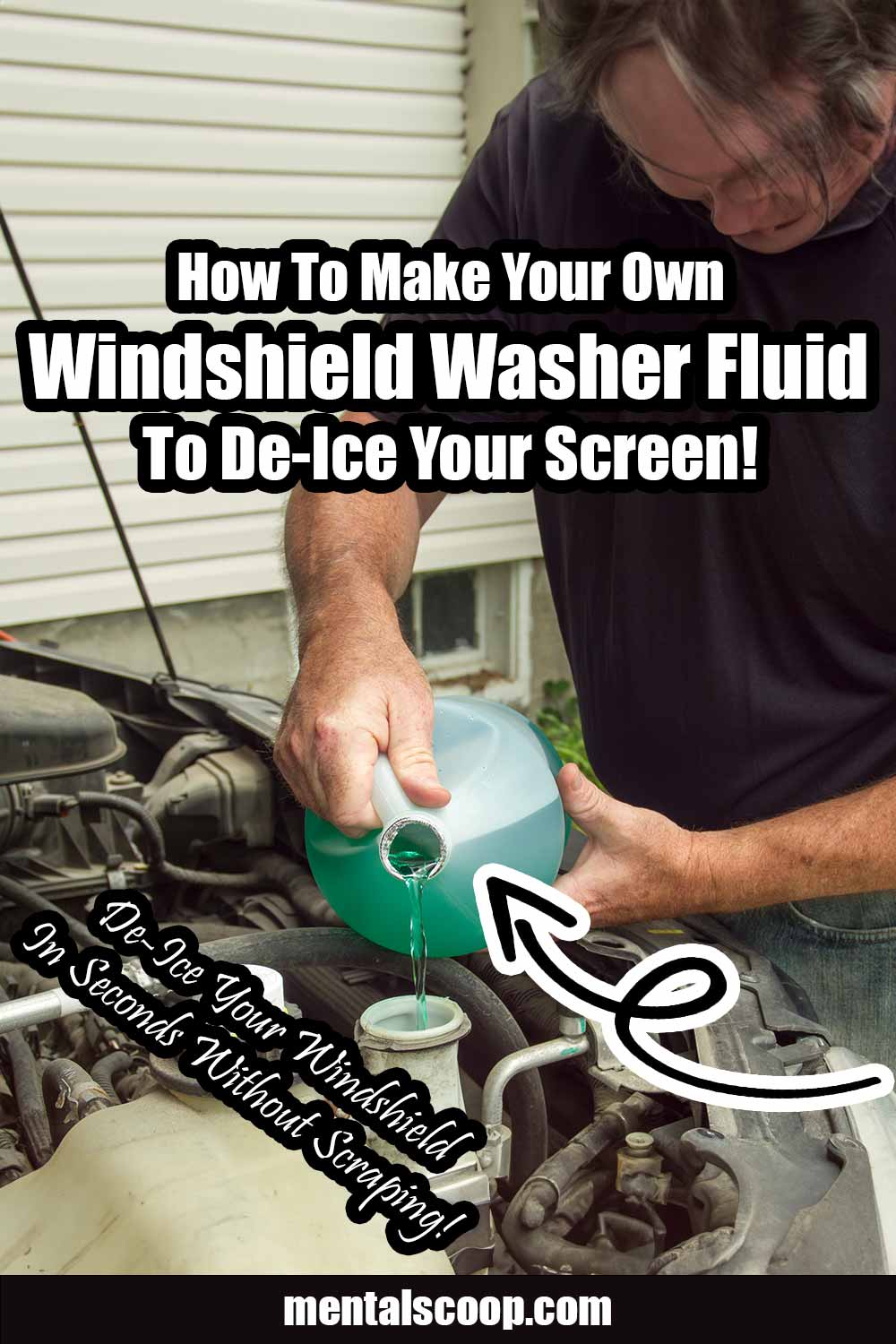
The correct method is to fill the designated washer reservoir with the winter-rated product and then circulate that fluid through the washer system. The job normally takes only a few minutes if the existing system is not frozen.
Source: storage.googleapis.com
Step 1: Park safely
Park on a level surface, place the transmission in Park, set the parking brake, and switch the vehicle off before working under the hood.
Step 2: Read the product label
Confirm that the fluid is intended for automotive windshield washer systems, check its freeze rating, and determine whether it is premixed or concentrated.
Step 3: Open the hood
Release the hood using the interior lever, then use the secondary hood latch if your vehicle has one.
Step 4: Locate the washer reservoir
Find the reservoir or filler neck marked with the windshield washer symbol. Do not confuse it with the coolant, brake fluid, power steering, or other reservoirs.
Step 5: Check the existing fluid
If the reservoir contains a weak summer formula or mostly water and very cold weather is approaching, consider removing or using up as much of it as practical before adding the winter formula.
Step 6: Pour in the de icer fluid
Open the washer reservoir cap and slowly add ready-to-use winter fluid. Stop at the specified fill line when one is visible. Avoid deliberate overfilling.
Step 7: Secure the cap
Close the washer reservoir cap firmly and wipe up any spills according to the product label.
Step 8: Close the hood
Make sure the hood is completely latched before driving.
Step 9: Prime the washer system
Start the vehicle and activate the windshield washers for several short cycles. This helps pull winter fluid into the pump, hoses, and spray nozzles.
Step 10: Verify operation
Make sure fluid reaches the windshield, the spray pattern is reasonably normal, and the wiper blades clear the glass without severe streaking.
How Do You Know the Winter Fluid Has Reached the Nozzles?
If the reservoir previously contained another washer fluid, you cannot always tell by color because different products may look similar. Several brief washer cycles normally move fresh fluid through the lines when the system is functioning properly.
Do not hold the washer control continuously for an extended period if nothing sprays. A dry, blocked, or frozen washer system needs troubleshooting rather than prolonged pump operation.
Can You Add De Icer Fluid to Regular Washer Fluid?
You can usually top up an automotive washer reservoir with a compatible winter washer fluid, but the resulting mixture may not retain the new product’s advertised freeze rating. This distinction matters most when the reservoir contains a significant quantity of warm-weather fluid or water.
For example, pouring a very low-temperature winter formula into a reservoir that is half full of a weaker summer blend produces a mixture of the two products. You should not assume the resulting mixture has the same freeze protection printed on the winter bottle.
If severe cold is expected, the more dependable approach is to use up, drain, or otherwise remove as much of the old warm-weather fluid as reasonably practical, refill with the correctly rated winter formula, and then operate the washers until the new fluid has circulated through the system.
Follow the vehicle manual and washer-fluid manufacturer’s instructions if either warns against mixing particular products. Do not experiment by adding random antifreeze, alcohol, salt, household cleaners, or other chemicals to change the freeze point.
Source: homemade.ftempo.com
Nearly empty reservoir
Refilling with a suitable winter formula gives you a mixture dominated by the winter product.
Half-full reservoir
Adding winter fluid may help, but its labeled freeze rating no longer describes the mixed contents precisely.
Reservoir full of water
Remove as much water as practical before freezing weather rather than relying on a small amount of de icer fluid to compensate.
Should You Dilute Ready-to-Use De Icer Fluid?
Do not dilute a ready-to-use winter washer fluid unless its label specifically allows dilution. Extra water can weaken low-temperature protection and may allow the fluid to freeze sooner.
If you purchase a concentrate, use the exact water-to-concentrate ratio specified by the manufacturer for the temperatures you expect.
How to Use the Washer Fluid on an Icy Windshield
De icer washer fluid works best as part of normal winter windshield clearing, not as a substitute for removing heavy snow and ice. If the windshield is covered by a thick frozen layer, start the vehicle according to the manufacturer’s instructions, turn on the windshield defroster, clear snow from the glass, and allow stubborn ice to loosen.
Once the wiper blades can move without being trapped by ice, use short washer cycles to apply winter fluid. The fluid can help soften remaining light frost, dissolve salty road film, and improve visibility as the wipers clear the glass.
Avoid forcing frozen wiper blades across the windshield. Doing so can damage the rubber wiping edge, wiper arms, linkage, or motor. Free the blades carefully before operating them.
For the same reason, do not repeatedly run the washer pump when the nozzles or fluid lines are frozen. Thawing the vehicle in a warmer environment is generally preferable to trying to overcome frozen plumbing by repeatedly activating the pump.
Source: youtube.com
Remove heavy snow first
Brush accumulated snow away so the wipers are not overloaded.
Use the defroster
Warm airflow helps loosen ice from the windshield.
Free frozen wipers
Do not operate blades that are stuck firmly to the glass.
Apply washer fluid in short cycles
Allow the winter solution and functioning wipers to clear light residue.
Can De Icer Washer Fluid Melt Thick Ice?
It may help soften ice, but reservoir-based de icer washer fluid should not be treated as a guaranteed method for removing a thick frozen sheet. Defrosting and a proper automotive ice scraper are more appropriate for substantial buildup.
Trying to clear a heavily iced windshield only by spraying washer fluid can consume a large amount of fluid and may leave the driver with poor visibility if the wipers cannot move freely.
What to Do If the Washer Fluid Is Frozen
If you pull the washer control and nothing sprays during freezing weather, stop repeatedly operating it until you determine why. The reservoir, pump, hoses, or nozzles may contain frozen fluid, although an empty reservoir, clogged nozzle, electrical fault, or failed pump can cause similar symptoms.
Move the vehicle into a warmer garage when possible and give the washer system time to thaw naturally. Once it has thawed, remove or use up the inadequate fluid, refill with a properly rated winter formula, and operate the system until that fluid reaches the nozzles.
Do not pour boiling water onto a frozen windshield or washer components. Sudden temperature differences can create unnecessary stress on cold glass, while uncontrolled hot water around under-hood components can cause other problems.
If the reservoir has cracked, fluid immediately leaks out, the pump makes abnormal noises, or the washers still do not operate after everything is fully thawed and correctly filled, inspect the washer system or have a qualified technician diagnose it.
Source: homemade.ftempo.com
No pump sound
Possible electrical problem, switch problem, blown fuse, wiring fault, or failed pump.
Pump sounds but nothing sprays
Possible frozen fluid, clogged nozzles, disconnected hose, empty reservoir, or restricted line.
Weak spray
Possible low fluid level, partially blocked nozzle, restricted hose, freezing, or weakening pump.
Fluid leaks under the vehicle
Possible cracked reservoir, damaged hose, loose connection, or pump seal problem.
Will Adding De Icer Fluid Thaw a Frozen Reservoir?
Do not rely on pouring additional fluid over a solidly frozen reservoir to solve the problem immediately. If the existing contents are frozen, new fluid may not circulate through the pump and lines.
Thawing the system first is the safer and more predictable approach. After the old fluid is liquid again, replace enough of it with a properly rated winter formula to restore suitable cold-weather protection.
Safety Precautions When Handling De Icer Washer Fluid
Treat windshield washer fluid as an automotive chemical rather than ordinary colored water. Some washer solutions contain methanol, which can cause severe poisoning if swallowed. Poison Control warns that methanol-containing windshield washer solution can cause blindness and death.
Keep the product in its original labeled container with the cap closed. Never transfer washer fluid into a water bottle, beverage jug, or food container, where someone could mistake it for a drink. Store it where children and pets cannot reach it.
Avoid unnecessary contact with the liquid and its vapor. Follow the safety directions on the specific product, work in a ventilated area, and wash exposed skin after handling it. Some safety data sheets for methanol-containing de icer washer fluids also direct users to keep the product away from heat, sparks, flames, and other ignition sources.
If someone in the United States may have swallowed windshield washer fluid, contact Poison Control promptly at 1-800-222-1222 or use the official Poison Control service. Do not wait for symptoms to develop when methanol exposure is suspected.
Source: tiendamia.com
Keep it away from children and pets
Store washer fluid securely in its original container.
Never store it in a drink container
A familiar bottle can lead to accidental ingestion.
Avoid flames and ignition sources
Follow the product label because alcohol-containing formulas may be flammable.
Clean spills promptly
Follow the manufacturer’s handling directions and keep people and animals away from spilled fluid.
Can You Use Automotive Antifreeze Instead?
No. Engine coolant or radiator antifreeze is not a substitute for windshield washer fluid. It is formulated for the engine cooling system, not for cleaning the windshield through washer nozzles.
Use a commercially labeled windshield washer fluid with the cold-temperature protection you need rather than adding coolant or improvised chemicals to the washer reservoir.
Common Mistakes to Avoid
Most problems with winter washer fluid come from using the wrong reservoir, selecting inadequate freeze protection, diluting the product incorrectly, or waiting until the system has already frozen. Preparing before the first hard freeze is much easier than thawing frozen washer plumbing afterward.
Using plain water in freezing weather
Water can freeze in the reservoir, pump, hoses, or nozzles and leave the washer system unusable.
Choosing fluid by color
Color is not a dependable indication of low-temperature performance. Read the labeled temperature rating.
Assuming a mixed reservoir has the new fluid’s rating
Old water or warm-weather washer fluid can dilute the cold-weather protection.
Adding fluid to the wrong tank
Confirm the windshield washer symbol before pouring.
Diluting premixed fluid without instructions
Added water may significantly weaken freeze protection.
Running frozen wipers
Free wiper blades from the glass before operating them.
Repeatedly operating a blocked washer system
If nothing sprays, diagnose the cause rather than continuously running the pump.
Waiting for the first major freeze
Switch to winter fluid before temperatures fall below the capability of the fluid already in the vehicle.
How to Know You Used the Fluid Correctly
After filling and priming the system, the washer fluid should spray onto the windshield normally, the wipers should clear the wet glass, and there should be no obvious leakage from the reservoir or washer lines.
The most important winter check is less visible: make sure the freeze rating on the product is appropriate for the conditions where the vehicle will be parked and driven.
A Simple Winter Washer Fluid Routine for US Drivers
A useful routine is to check the washer system before sustained freezing weather begins. Drivers in northern states and higher elevations may need strong low-temperature protection for months, while drivers in milder parts of the United States may need it only during winter cold snaps or trips into colder regions.
Start the season by checking the fluid already in the reservoir. If its freeze rating is unknown or unsuitable, replace it with a known winter formula. Test the washers after refilling, inspect the wiper blades, and keep enough spare washer fluid available for winter trips because salty highway spray can consume fluid quickly.
Recheck the reservoir regularly during periods of snow, slush, and road treatment. A winter-rated product does little good if the reservoir runs empty during a long drive.
Before winter
Install appropriately rated fluid and test the washer system.
During winter
Check the level frequently, especially before highway trips in snow or slush.
After extreme cold
Confirm that the nozzles spray normally and inspect for leaks that could indicate freeze damage.
Before traveling to a colder region
Select washer fluid for the destination’s expected lows, not just the temperature at home.
Frequently Asked Questions
Q
Can I put de icer directly into the windshield washer reservoir?
Yes, if the product is specifically labeled as ready-to-use automotive de icer windshield washer fluid. Pour it into the windshield washer reservoir according to the vehicle and fluid manufacturer’s directions. If the product is a concentrate, mix it only as directed on its label.
Q
Do I need to empty regular washer fluid before adding de icer?
Not necessarily, but leaving a large amount of warm-weather fluid or water in the reservoir can dilute the winter formula. If severe freezing temperatures are expected, removing or using up most of the weaker fluid before refilling provides more predictable freeze protection.
Q
Can I use de icer windshield washer fluid all winter?
Yes, provided the product is compatible with your vehicle and its labeled low-temperature protection is suitable for your winter conditions. Check the reservoir periodically because winter road spray can cause you to use fluid faster than expected.
Q
Why did my de icer washer fluid freeze?
Possible reasons include temperatures below the product’s stated capability, dilution with water or weaker washer fluid, old fluid remaining in the hoses, or a product that was not actually designed for the temperatures encountered. Frozen nozzles can also prevent spraying even when part of the reservoir remains liquid.
Q
Should I use the windshield washers immediately after filling?
Yes, several short washer cycles are useful when conditions permit. They help move the winter-rated fluid from the reservoir through the pump, hoses, and nozzles. This is especially important when you are changing from warm-weather fluid before freezing temperatures arrive.
Q
Can de icer washer fluid damage windshield wipers?
Use a product intended for automotive windshield washer systems and follow its label. The more immediate winter risk is operating wiper blades while they are frozen to the glass or forcing them across heavy ice. Free the blades and remove substantial ice before operating the wipers.
Q
Is de icer windshield washer fluid poisonous?
Some windshield washer fluids contain methanol, which is highly toxic if swallowed. Store the fluid in its original container, keep it away from children and pets, and follow the safety information on the label. In the United States, suspected ingestion can be reported to Poison Control at 1-800-222-1222.
✦ Wrapping Up
How to Use De Icer Windshield Washer Fluid Correctly
Knowing how to use de icer windshield washer fluid is mostly about choosing the right formula before cold weather, filling the correct reservoir, and circulating the winter fluid through the complete washer system. Check the bottle’s actual freeze rating rather than relying on words such as winter or de icer alone, and remember that mixing it with water or weaker fluid can reduce the protection you expect.
For US drivers facing snow, freezing rain, road salt, and subfreezing mornings, a properly functioning washer system is an important part of maintaining windshield visibility. Combine winter-rated washer fluid with good wiper blades, the vehicle’s defroster, and proper snow and ice removal. If the washer system has already frozen, thaw it rather than repeatedly operating the pump, then replace the inadequate fluid before the next freeze.
💡 Key Takeaway
Before the next freeze, check what is already in your washer reservoir, refill it with a winter formula rated below your expected temperatures, and run several short washer cycles so the cold-weather fluid reaches the nozzles.
Learn how to fold a windshield sun shade correctly with simple steps for pop-up, accordion, and umbrella styles, plus storage and troubleshooting tips.