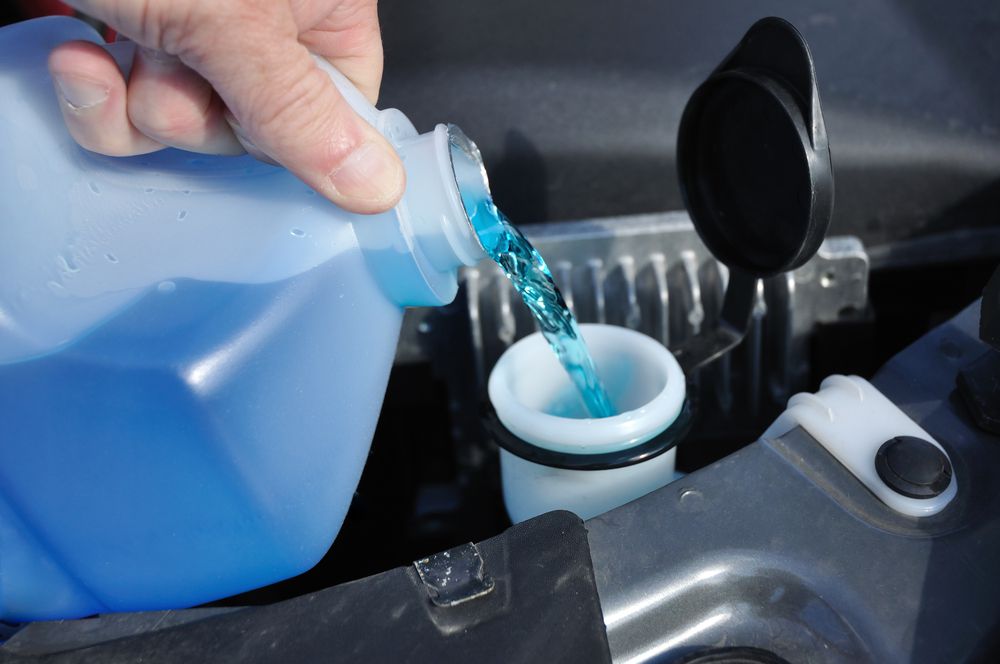
To refill windshield washer fluid in a Honda Accord, park on level ground, turn off the engine, open the hood, locate the windshield washer reservoir, remove its cap, and add automotive windshield washer fluid until the level approaches the fill mark or the appropriate level indicated by the reservoir. Replace the cap securely and test the washers.
In the United States, windshield washer fluid is a routine maintenance item that helps drivers keep their view clear of road grime, bugs, dust, and salt. Refilling a Honda Accord is generally a simple task that requires no special tools, although the reservoir location and under-hood layout can vary by model year and configuration.
Use fluid designed for automotive windshield washer systems rather than assuming water or household glass cleaner is an appropriate substitute. In colder parts of the country, choose a formula rated for the lowest temperatures your vehicle is likely to encounter. If the reservoir is full but the washers do not spray, investigate the system instead of repeatedly adding fluid.
Gather the washer fluid and confirm that you can safely access the engine compartment. Most refills take only a few minutes, and you generally do not need a funnel if the reservoir opening is easy to reach.
The engine should be off, and the vehicle should be parked on a stable, level surface. Let hot engine components cool before reaching into the engine compartment. Keep the washer fluid away from children and pets, and avoid spilling it on painted surfaces.
Source: autopadre.com
Automotive windshield washer fluid
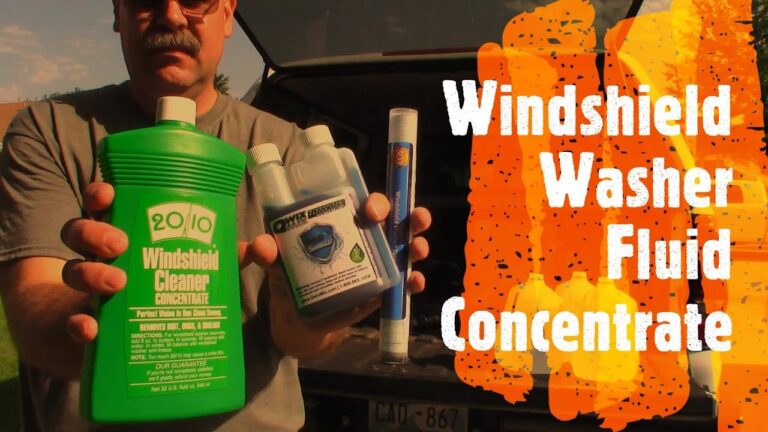
Choose a ready-to-use product or a concentrate that is mixed according to its label. In regions with freezing weather, use a formula with an appropriate freeze-protection rating.
Owner’s manual
Use the manual for your Accord’s model year to confirm the reservoir location and any model-specific instructions.
Funnel or clean pouring spout
A funnel can help prevent spills when the filler neck is narrow or difficult to reach.
Clean cloth
Keep a cloth nearby to wipe up small spills and clean the area around the reservoir cap.
Which Windshield Washer Fluid Should You Use?
Use a washer fluid formulated for motor vehicles. Summer formulas can help remove bugs and road film, while winter formulas provide freeze protection. An all-season formula may be suitable if its temperature rating matches the conditions where you drive.
Read the label before adding concentrated fluid because the required dilution varies by product. Do not assume that every blue or similarly colored fluid has the same ingredients or freezing point.
Warm climates
A standard automotive washer fluid may be sufficient when freezing temperatures are not expected.
Cold climates
Choose fluid rated for temperatures below the lowest conditions your vehicle may experience.
Avoid incompatible substitutes
Do not use household glass cleaner, engine coolant, or other automotive fluids in the washer reservoir. Follow the vehicle manual and product label.
How to Locate the Windshield Washer Fluid Reservoir
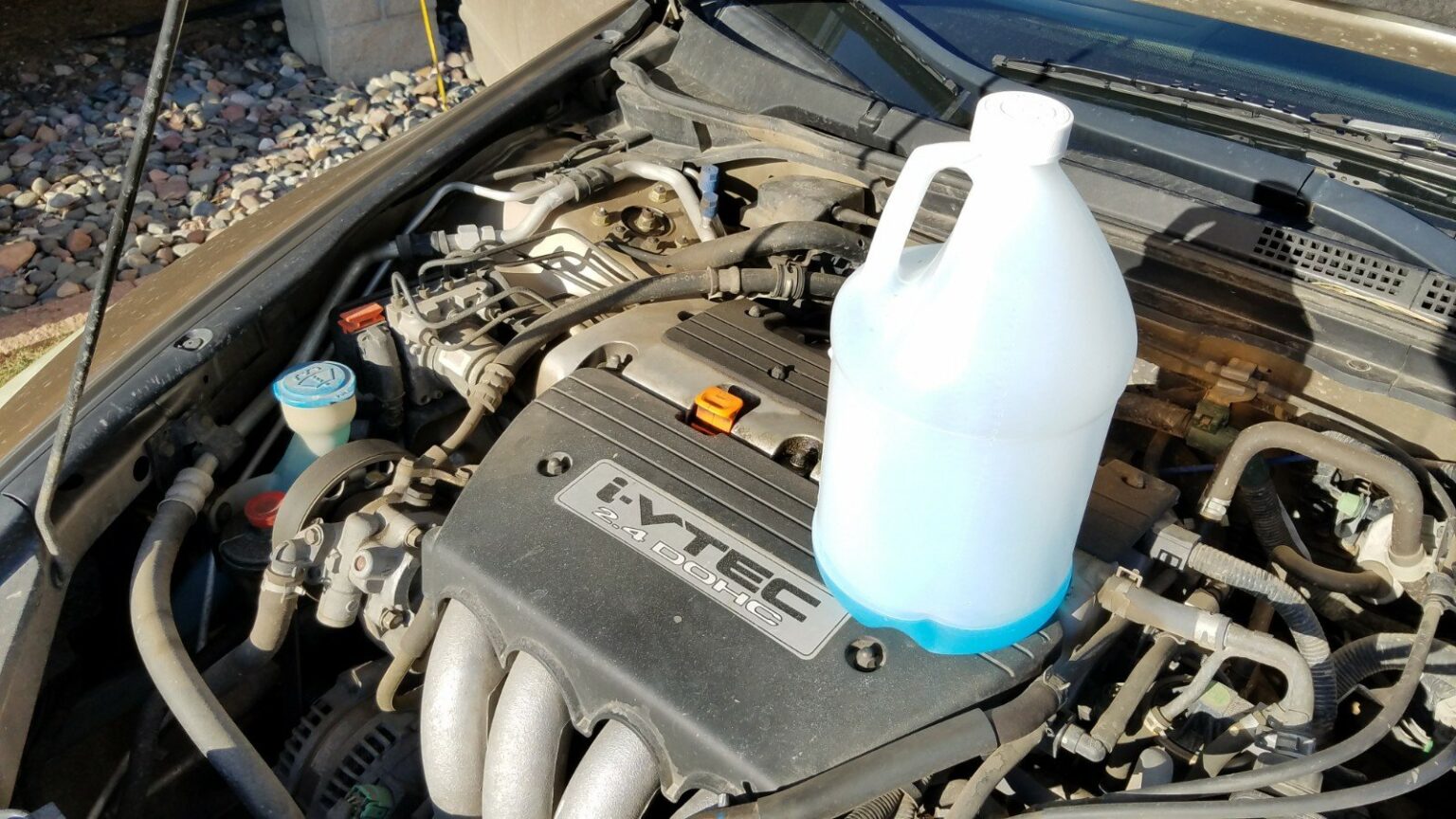
The windshield washer fluid reservoir is inside the engine compartment. On many Honda Accord models, its filler opening is near the front or side of the engine bay and has a cap marked with a windshield and spray symbol. The exact position varies by generation and model year.
To find it, open the hood and look for the washer-system symbol on the cap. Check the owner’s manual if the cap is difficult to see or several fluid reservoirs are close together. Do not identify a reservoir by cap color alone because colors and layouts can vary.
Source: practicalmechanic.com
Windshield washer reservoir
Usually has a cap marked with a windshield and spray symbol. This is the reservoir to refill.
Engine oil filler
Typically has an oil-can symbol. Never pour washer fluid into this opening.
Coolant reservoir
Contains engine coolant and may have temperature and pressure warnings. Do not confuse it with the washer reservoir.
Brake fluid reservoir
Usually sits near the firewall and is marked for brake fluid. It must not receive washer fluid.
How to Open the Hood Safely
Park the Accord, apply the parking brake, and switch off the engine. Pull the hood release inside the cabin, then release the secondary hood latch under the front edge of the hood. Raise the hood and secure it using the support mechanism provided on your model, if necessary.
Keep your hands, clothing, and tools away from moving parts. Never reach into the engine compartment while the engine is running. If the hood is hot, unstable, or difficult to support, address that issue before continuing.
Confirm the vehicle is secure
Use a level parking area and switch off the ignition before opening the engine compartment.
Secure the hood
Use the hood prop or the vehicle’s built-in support system as instructed in the owner’s manual.
Step-by-Step: How to Refill Windshield Washer Fluid in a Honda Accord
Once you have identified the correct reservoir, refill it slowly with compatible automotive washer fluid. Do not remove any other fluid cap or open a pressurized system as part of this process.
Follow these steps for a typical Honda Accord. If your model’s owner’s manual specifies a different procedure or identifies a different filler location, follow the manual.
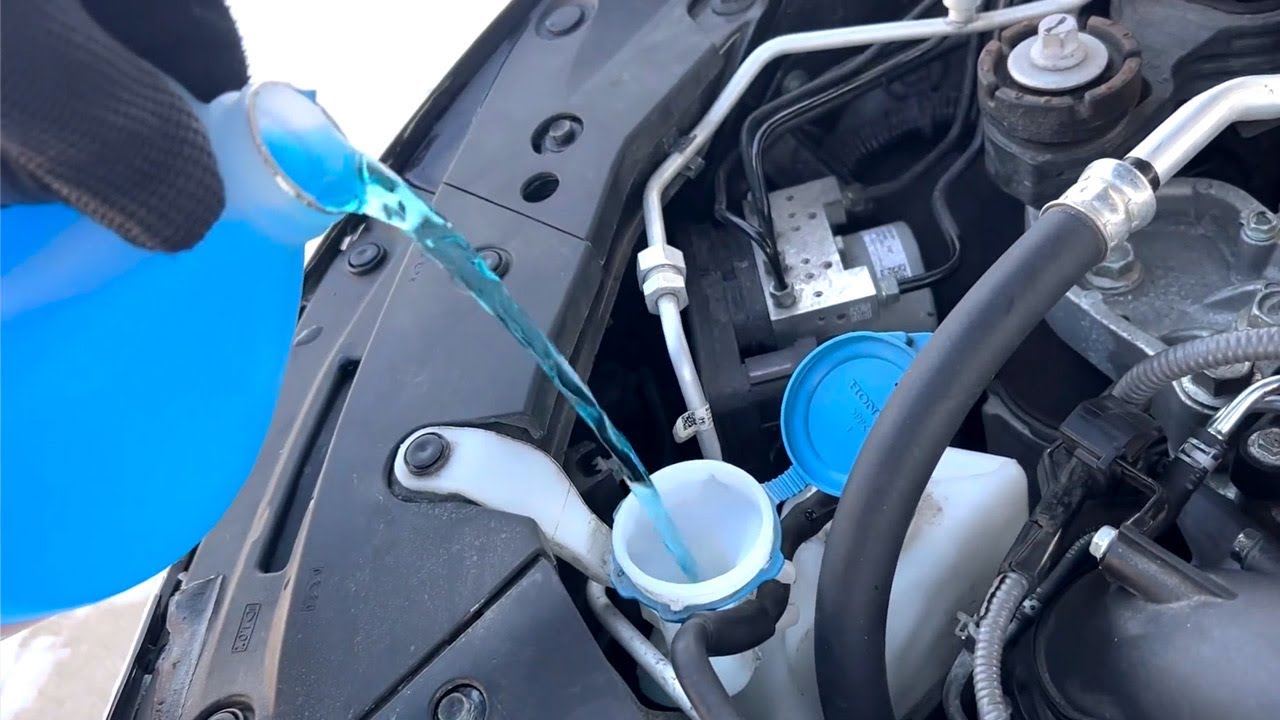
Source: i.ytimg.com
Step 1: Park and switch off the engine
Place the vehicle on level ground, apply the parking brake, turn off the ignition, and allow hot components to cool.
Step 2: Open and secure the hood
Use the interior hood release and secondary latch, then support the hood according to your Accord’s instructions.
Step 3: Identify the washer reservoir
Locate the filler cap with the windshield-and-spray symbol. Consult the owner’s manual if you are unsure.
Step 4: Remove the cap
Open the washer reservoir cap carefully. Keep dirt and debris away from the filler opening.
Step 5: Add washer fluid
Pour the correct automotive washer fluid slowly into the filler neck. Use a funnel if needed and watch the level to prevent overflow.
Step 6: Stop at the appropriate level
If the reservoir has a visible fill mark, use it as a guide. Otherwise, stop when the level is near the opening without overflowing, following any model-specific instructions.
Step 7: Replace the cap
Close the cap securely and wipe away any spilled fluid. Check that no tools or cloths remain in the engine compartment.
Step 8: Test the washers
Close the hood fully, start the vehicle if required by its operating instructions, and briefly activate the windshield washers. Confirm that fluid sprays onto the windshield.
How Much Washer Fluid Does a Honda Accord Need?
The amount needed depends on how much fluid remains in the reservoir and the capacity of your particular Accord. If the reservoir is nearly empty, it may accept substantially more fluid than if a small amount remains.
Do not rely on a universal capacity figure for every model year. Add fluid gradually and stop when the reservoir reaches the appropriate level. If you need the exact capacity, consult the owner’s manual or Honda service information for your vehicle.
Reservoir nearly empty
Add fluid gradually and monitor the level to avoid spills.
Reservoir partly full
Add only enough fluid to restore the appropriate level.
Fluid reaches the filler opening
Stop pouring rather than forcing more fluid into the reservoir.
How to Know the Refill Worked
A successful refill restores the washer supply without leaks or overflow. When you activate the washer control, fluid should reach the windshield and the spray should be reasonably consistent across the intended area.
If the reservoir was empty, the pump may briefly take time to deliver fluid through the lines. Avoid holding the washer control continuously if no spray appears. Repeated prolonged operation can overheat the pump.
Normal spray
Fluid reaches the windshield when you activate the washer control.
No visible leakage
The reservoir and surrounding area remain dry after refilling.
Cap securely closed
The cap is seated properly and no fluid has spilled onto nearby components.
Common Mistakes to Avoid When Refilling Washer Fluid
Most refill problems result from using the wrong opening, choosing unsuitable fluid, overfilling the reservoir, or failing to secure the cap. A careful check before pouring can prevent contamination and unnecessary repairs.
Washer fluid is not engine coolant, brake fluid, or engine oil. If you accidentally pour washer fluid into another reservoir, do not start or drive the vehicle until you have obtained appropriate repair guidance. The correct response depends on which system was contaminated and how much fluid entered it.
Source: i.ytimg.com
Using plain water in freezing weather
Water can freeze in the reservoir, hoses, or nozzles, preventing the system from working and potentially damaging components. Use an appropriately rated washer fluid.
Confusing reservoirs
Always confirm the symbol and reservoir identity. Never pour washer fluid into the oil, coolant, brake fluid, or power steering reservoir.
Overfilling
Pour slowly and stop at the appropriate level. Fluid spilling into the engine compartment can create a mess and may contact sensitive components.
Using concentrated fluid incorrectly
Follow the product’s dilution instructions. Incorrect mixing can reduce cleaning performance or freeze protection.
Ignoring an empty reservoir that keeps returning
Frequent refilling may indicate a leak, a damaged reservoir, or another fault rather than normal consumption.
What If You Accidentally Add the Wrong Fluid?
If you put the wrong fluid into the washer reservoir, stop adding it and avoid operating the washer system until you know whether the mixture is compatible. Check the product label and contact a qualified technician if the fluid could damage the pump, seals, hoses, or nozzles.
If washer fluid enters the engine oil, coolant, or brake fluid reservoir, do not treat the mistake as a simple washer-system issue. Do not start the engine or drive the car until a qualified professional has assessed the contamination and advised what corrective action is required.
Wrong fluid in washer reservoir
Stop using the system, identify the product, and obtain advice on whether the reservoir needs to be drained and cleaned.
Wrong fluid in another vehicle system
Do not operate the vehicle until the affected system has been assessed by a qualified technician.
Troubleshooting: Washer Fluid Is Full but Won’t Spray
If your Honda Accord has enough washer fluid but nothing reaches the windshield, the problem may be a blocked nozzle, frozen fluid, a disconnected hose, an electrical fault, or a failed washer pump. Refilling alone will not fix these faults.
Start with the easiest checks. Make sure the reservoir contains liquid, consider whether freezing weather could have blocked the system, and inspect accessible hoses for obvious disconnections or leaks. If you cannot identify the cause safely, consult a repair manual or qualified technician.
Source: i.ytimg.com
No spray and no pump sound
Possible causes include a blown fuse, a faulty electrical connection, a failed switch, or a defective washer pump.
Pump runs but no fluid appears
The reservoir may be empty, the fluid may be frozen, a hose may be disconnected, or a nozzle or line may be clogged.
Fluid leaks under the car
A cracked reservoir, damaged hose, or loose connection may be allowing the fluid to escape.
Spray is weak or uneven
Partially blocked nozzles, restricted hoses, or a weak pump may be reducing the flow.
What to Check When the Washer Pump Makes No Sound
First, confirm that the reservoir is filled and that you are operating the correct washer control. Listen briefly for the pump when you activate the washers, keeping your hands away from moving components.
If the pump remains silent, check the owner’s manual for the correct fuse identification and inspection procedure for your model year. Replace a fuse only with one of the specified rating. If the replacement fuse blows again, stop replacing it and have the electrical circuit inspected.
Check the relevant fuse
Use the fuse diagram in the owner’s manual rather than guessing which fuse supplies the washer pump.
Inspect accessible wiring
Look for obvious damage without probing live electrical connections or dismantling components unnecessarily.
Seek repair assistance
A technician can test the pump, switch, wiring, and power supply to isolate the fault.
What to Do if Washer Fluid Freezes
If temperatures fall below the fluid’s rated limit, the liquid may freeze in the reservoir, lines, or nozzles. Do not repeatedly operate the pump or try to force frozen fluid through the system.
Move the vehicle to a safely heated location and allow the system to thaw naturally. Once thawed, inspect for leaks and use washer fluid rated for the expected temperatures. If the reservoir or lines appear damaged, arrange an inspection before further use.
Avoid boiling water and open flames
Rapid heating can damage plastic components and create additional hazards.
Replace unsuitable fluid
After the system thaws, use an appropriate winter-rated product and follow the vehicle’s maintenance guidance.
Frequently Asked Questions
Q
Where do I put windshield washer fluid in a Honda Accord?
Pour windshield washer fluid into the dedicated washer reservoir inside the engine compartment. Look for a cap marked with a windshield and spray symbol. The precise location varies by model year, so check your owner’s manual if you cannot identify it.
Q
Can I use water instead of windshield washer fluid in my Honda Accord?
Water may provide limited cleaning in warm conditions, but it does not offer the same cleaning additives or freeze protection as automotive washer fluid. In freezing weather, water can freeze inside the system and prevent the washers from working. A suitable automotive washer fluid is the better routine choice.
Q
How often should I refill windshield washer fluid?
Refill the reservoir whenever the level is low or the low-fluid warning appears, if your Accord has one. Usage depends on driving conditions, weather, road grime, and how often you use the washers. If the reservoir repeatedly becomes empty without much use, check for leaks or a system fault.
Q
Can I overfill the Honda Accord washer fluid reservoir?
Yes. Adding fluid too quickly or continuing after the reservoir is full can cause spills and overflow. Pour slowly, follow any fill marks or model-specific instructions, and stop when the reservoir reaches the appropriate level.
Q
Why does my Honda Accord still have no washer spray after refilling?
A full reservoir does not guarantee that the washer system is working. Frozen fluid, clogged nozzles, disconnected hoses, leaks, a blown fuse, electrical problems, or a failed pump can prevent spraying. Check the simplest causes first and arrange professional diagnosis if the problem continues.
Q
Does every Honda Accord use the same washer fluid reservoir location?
No. Reservoir placement and engine-compartment layouts can differ between Accord generations and configurations. Look for the windshield-and-spray symbol and verify the location in the owner’s manual for your model year instead of relying on a photograph of a different Accord.
Q
Can I mix different brands of windshield washer fluid?
Different automotive washer fluids may be compatible, but you should not assume that every formula can be mixed safely or that mixing preserves the intended freeze protection. Follow the labels, avoid mixing incompatible products, and use a single suitable formula when compatibility is uncertain.
✦ Wrapping Up
Conclusion
Refilling windshield washer fluid in a Honda Accord is a straightforward maintenance task. Park safely, identify the correct reservoir, add automotive washer fluid gradually, secure the cap, and test the spray after closing the hood. Choose a product with suitable freeze protection for your local climate.
If the reservoir is full but the washers still do not work, check for freezing, leaks, blocked nozzles, and electrical or pump problems rather than repeatedly adding fluid. Use your Accord’s owner’s manual for model-specific instructions and seek qualified help if the system remains faulty.
💡 Key Takeaway
Before your next drive, check the washer fluid level, refill with a climate-appropriate automotive formula, close the reservoir and hood securely, and confirm that the windshield washers spray properly.
Learn how to fold a pop up windshield sun shade safely and quickly. Follow simple steps, avoid common mistakes, and store your car sun shade without damaging its frame.