Yes, it matters what windshield washer fluid you use. The right formula helps clean your windshield, remove road grime, and prevent freezing in cold weather. Choose a fluid that suits your local climate and vehicle. Avoid engine coolant, homemade soap mixes, and products that do not meet your owner’s manual requirements.
Across the United States, drivers face very different road conditions. A driver in Minnesota may need washer fluid that can handle subzero temperatures, while someone in Florida may care more about removing bugs, dust, and rain marks. Drivers in Texas, Arizona, and other warm states may also need a formula that cleans well during hot, dry weather.
Windshield washer fluid may look like a simple car supply, but different formulas serve different purposes. Some focus on summer grime, others protect against freezing, and some combine cleaning power with water-repellent features. The label, temperature rating, and vehicle requirements matter more than the bottle’s color or brand name.
This guide explains how to choose washer fluid, when seasonal formulas matter, whether you can mix different products, and which common substitutes to avoid. The goal is simple: help you keep your windshield clear without risking damage to your vehicle or washer system.
Why Does It Matter What Windshield Washer Fluid You Use?
Yes, the fluid you choose can affect windshield clarity, cold-weather performance, and the condition of your washer system. A suitable formula helps loosen dirt and road film so the wipers can clear the glass. The wrong product may freeze, leave streaks, or fail to remove the grime you face most often.
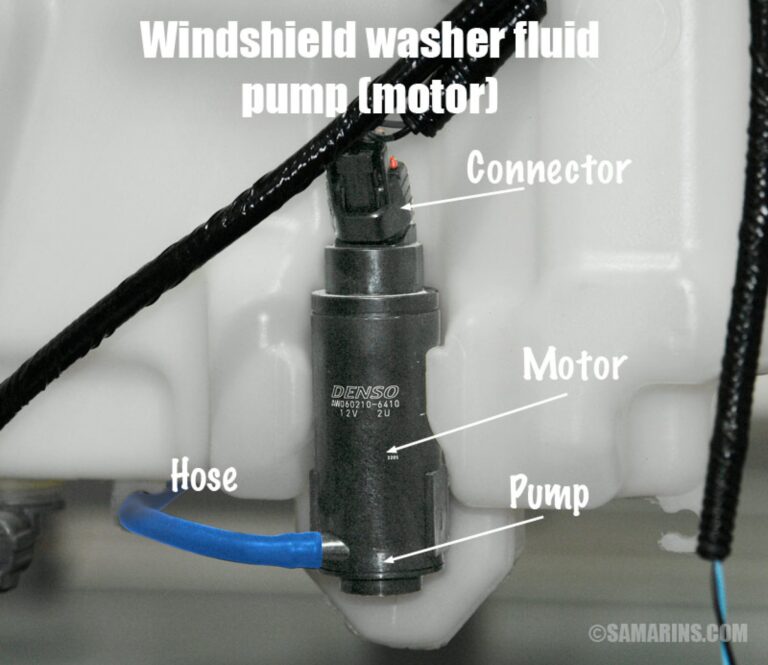
Windshield washer fluid is made to work with a vehicle’s washer pump, hoses, spray nozzles, and wiper blades. Many products contain water, cleaning agents, and other ingredients that support cleaning or protect against freezing. The exact mix varies by product, so one bottle should not be assumed to work like every other bottle.
For most drivers, choosing fluid is not about finding the most expensive option. It is about matching the formula to the weather, the type of dirt on the windshield, and the vehicle’s requirements. A basic fluid that meets those needs may be more useful than a premium product with features you do not need.
Source: garagesee.com
Cleaning performance
Washer fluid helps remove dust, road film, pollen, light dirt, and insect residue. The best formula depends on the kind of grime you encounter.
Freeze protection
A suitable winter formula helps keep fluid from freezing in the reservoir, hoses, and nozzles. Protection depends on the product’s rating and the mixture in the system.
Vehicle compatibility
Some manufacturers set requirements for fluid ingredients or compatibility with exterior plastics, sensors, or washer components. Check the owner’s manual when in doubt.
Clear visibility
Fluid that cleans well and sprays properly helps you maintain a clear view of the road. A dirty or streaked windshield can make driving harder, especially in rain or at night.
Does a More Expensive Fluid Always Work Better?
No. A higher price does not automatically mean better cleaning, stronger freeze protection, or longer service life. Compare the product’s stated features and temperature rating with your actual needs.
A simple winter formula with the right freeze rating may be more useful than a costly water-repellent formula that does not offer enough cold-weather protection. In warm conditions, a basic cleaning fluid may work well if it removes the dirt you commonly encounter.
Compare useful features
Look at the freeze rating, cleaning purpose, dilution instructions, and vehicle compatibility rather than relying on premium labels.
Avoid paying for unused features
Water-repellent additives and special cleaning claims may not be necessary for every driver.
What Are the Main Types of Windshield Washer Fluid?
The main types include summer fluid, winter fluid, all-season fluid, bug-remover fluid, water-repellent formulas, and concentrates. These categories describe common uses, but product features can overlap. For example, a bug-remover formula may also provide freeze protection if the label says it is designed for cold weather.
The most useful starting point is to decide which problem you need to solve. If freezing weather is possible, temperature protection comes first. If you drive mostly in warm weather, cleaning performance may be the main concern. If you want several features in one bottle, check that the product actually provides them.
Source: storage.googleapis.com
Summer washer fluid
Made for warm-weather cleaning, including ordinary road grime, dust, and sometimes insect residue. Do not assume it is safe for freezing temperatures unless the label states an appropriate rating.
Winter washer fluid
Formulated to provide protection at low temperatures. Check the stated rating in Fahrenheit or Celsius and choose one suitable for the coldest conditions you expect.
All-season washer fluid
Designed for use across a range of weather conditions. Its actual freeze rating matters more than the all-season name.
Bug-remover fluid
Designed to help loosen insect residue and stubborn summer road grime. Confirm whether it also provides adequate freeze protection.
Water-repellent fluid
Contains ingredients intended to help water bead and run off the glass. Results vary, and some products may leave haze or interact poorly with existing glass treatments.
Concentrated washer fluid
Requires mixing with water according to the product label. The correct ratio depends on the formula and the protection or cleaning performance you need.
Summer Fluid vs. Winter Fluid
Summer and winter formulas differ mainly in their intended conditions. Summer products often focus on removing bugs and ordinary road film, while winter products are designed to resist freezing and may help loosen light frost or winter grime.
Winter fluid can often be used during warmer months if its label and your owner’s manual allow it. However, a winter formula is not automatically the best option for dried bugs, and a summer formula should not be used in freezing weather unless its rating supports those conditions.
Choose summer fluid when
You drive in reliably warm weather and want a formula suited to dust, pollen, and insect residue.
Choose winter fluid when
Your vehicle may encounter freezing temperatures and needs reliable protection in the washer system.
Choose all-season fluid when
Its stated temperature rating covers your climate and its cleaning features meet your needs.
Ready-to-Use Fluid vs. Concentrate
Ready-to-use fluid comes mixed and can usually be poured straight into the reservoir. Concentrate may cost less per prepared gallon and take up less storage space, but it requires the correct amount of water.
Never guess the mixing ratio. Too much water can weaken cleaning performance and reduce freezing protection. Some concentrates are intended mainly for warm-weather use, while others have specific winter mixing instructions.
For convenience
Use ready-to-use fluid that meets your vehicle’s requirements and local temperature needs.
For flexible mixing
Use concentrate only when the label clearly explains the correct ratio and the water type required.
How to Choose Windshield Washer Fluid for Your Climate
Your local climate is one of the biggest factors in choosing washer fluid. In the United States, temperatures can vary widely between states and even between nearby areas. The right choice for a warm coastal city may not work well during a cold winter trip through the northern states.
Start with the lowest temperatures your vehicle may encounter, not just the weather at home. A driver in a mild state may travel into a colder region during a holiday or work trip. The fluid must suit those conditions too.
Source: detroitchinatown.org
For Cold and Snowy States
Drivers in places such as Minnesota, North Dakota, Michigan, and upstate New York should pay close attention to freeze ratings. Winter road spray can carry salt, slush, and dirt onto the windshield, while freezing temperatures can stop an unsuitable washer system from working properly.
Choose a product whose stated protection covers the coldest temperatures you expect, with a sensible safety margin. A rating of 0°F is not enough for conditions that may fall well below 0°F. Read the exact label and confirm whether the rating applies to ready-to-use fluid or a specified concentrate mixture.
Check the temperature rating
Choose a rating suitable for local lows and planned trips. Do not rely on the word winter alone.
Avoid accidental dilution
Adding water or a weaker formula can reduce the freeze protection of the fluid already in the reservoir.
Clear ice safely
Use the vehicle’s defroster and suitable ice-removal tools. Washer fluid is not a substitute for removing heavy ice or snow before driving.
For Warm States
Drivers in Florida, southern California, Arizona, and other warm areas may get more value from a formula that removes bugs, pollen, dust, and road film. A summer or bug-remover product can be suitable when freezing temperatures are not expected and the vehicle manufacturer permits it.
Warm weather does not mean every fluid performs equally. Dried insects can be difficult to remove, and dust or road film can build up quickly. If your windshield remains streaked after using the washers, check the fluid, wiper blades, and glass condition rather than assuming a stronger formula will solve every problem.
Prioritize cleaning
Look for a formula designed for the dirt you encounter most often.
Keep travel plans in mind
Use fluid with sufficient freeze protection if your route may take you into colder conditions.
For Areas With Changing Seasons
Drivers in states with hot summers and cold winters may need to change formulas as the weather shifts. An all-season product with an adequate temperature rating can reduce the need for seasonal changes, but the label must support the conditions you expect.
Before winter arrives, check what remains in the reservoir. Topping off a winter formula with a weaker summer product may reduce freeze protection. If you are unsure what is already in the system, follow the vehicle and product instructions instead of assuming the new bottle’s rating will apply to the whole mixture.
Review the forecast
Switch to a suitable cold-weather formula before freezing temperatures arrive.
Check the existing fluid
Account for the product already in the reservoir before adding a different formula.
Does Washer Fluid Color or Brand Matter?
Color is not a reliable way to choose windshield washer fluid. Manufacturers may use blue, green, pink, orange, or other dyes, but these colors do not follow a universal standard that identifies cleaning strength or freezing protection.
Two bottles with the same color may have different formulas, and two products with different colors may offer similar features. Always read the label for the intended use, temperature rating, dilution instructions, and any compatibility warnings.
Brand can matter when a manufacturer provides clear specifications, useful product information, or a formula approved for your vehicle. However, a familiar name alone does not prove that a particular bottle suits your needs. Compare the actual product details instead of choosing based only on price, packaging, or advertising.
Source: johnsportmap.com
How to Compare Two Washer Fluids
When comparing products, begin with the requirements that affect safe operation. Then consider cleaning features and convenience. This makes it easier to avoid paying for features you do not need or choosing a product that lacks essential protection.
First, compare freeze protection
Check the stated temperature rating and make sure the product suits the lowest temperatures you expect.
Next, check vehicle compatibility
Review your owner’s manual and the product label for restrictions involving plastics, sensors, or washer components.
Then, compare cleaning features
Look for bug removal, road-film cleaning, or water-repellent properties if they address a real need.
Finally, compare cost and ease of use
Consider the amount of ready-to-use fluid, the concentrate mixing ratio, and storage needs.
Can You Mix Different Windshield Washer Fluids?
Mixing washer fluids is not always a problem, but it is not safe to assume every combination is compatible. Many ordinary products may mix without an obvious issue, yet some vehicle manufacturers warn against mixing specific formulas because the combination can affect performance or block spray nozzles.
If you know which product is already in the reservoir, check both labels and the owner’s manual before adding a different one. If the manufacturer prohibits mixing, follow that instruction. When the existing fluid is unknown, using a compatible product and avoiding unnecessary mixing is the more cautious approach.
Mixing also affects freeze protection. If you add a warmer-weather product or water to a winter formula, the final mixture may not retain the original bottle’s stated temperature rating. The new fluid’s label does not guarantee the same protection after it mixes with what is already in the system.
Source: carblogindia.com
What If You Already Mixed Two Products?
Do not panic if you have already added a small amount of another washer fluid. Check the product labels and vehicle instructions to see whether mixing is allowed. If the washer system works normally and the products are compatible, there may be no need for further action.
If the labels warn against mixing, the nozzles stop spraying, or the system behaves unusually, seek guidance from the vehicle manufacturer or a qualified mechanic. If freezing weather is expected, do not assume the mixture has enough protection just because one of the products was winter-rated.
Check both labels
Look for warnings about mixing, dilution, or specific vehicle requirements.
Watch for system problems
Poor spray, blocked nozzles, or unusual operation may require further checks.
Protect against freezing
Confirm that the resulting mixture remains suitable for the expected temperature.
What Should You Never Put in the Washer Fluid Reservoir?
Use windshield washer fluid intended for your vehicle, and avoid improvised mixtures unless your owner’s manual specifically allows an alternative for the conditions involved. Some household liquids may seem like easy substitutes, but they can cause poor cleaning, residue, or damage to parts of the washer system.
The most important rule is never to confuse engine coolant with windshield washer fluid. They serve different purposes and use different formulas. Coolant in the washer reservoir can leave a film on the glass, impair visibility, and create a driving hazard.
Source: carcarereviews.net
Engine coolant or radiator antifreeze
Never use it in the washer reservoir. It can smear across the windshield, reduce visibility, and damage paint or trim.
Dish soap or household cleaners
These products are not designed for the washer system and may leave residue, cause excessive foam, or affect components.
Vinegar and water mixtures
Do not assume this homemade solution is safe. Some vehicle manuals warn that vinegar mixtures can damage the washer pump.
Plain water in freezing weather
Water can freeze in the reservoir, lines, or nozzles. Use suitable freeze-protected washer fluid when cold weather is possible.
Undiluted concentrate when dilution is required
Follow the label. Using concentrate incorrectly may affect cleaning, freezing protection, or compatibility.
Is Plain Water Ever Acceptable?
Some vehicle manuals allow plain water as a temporary option or during warm weather. However, water alone does not provide the same cleaning additives as many washer fluids, and it can freeze when temperatures drop.
Water may also leave mineral marks, depending on its quality. Follow the guidance for your vehicle, and return to a suitable washer fluid as soon as practical. Do not use water as a cold-weather substitute when freezing is possible.
Use caution in warm weather
Check the owner’s manual before relying on water, even for temporary use.
Avoid freezing conditions
Replace an unsuitable mixture with a product rated for the expected temperature before the system freezes.
How to Fill Your Windshield Washer Reservoir Correctly
Filling the washer reservoir is usually a simple maintenance task, but using the right fluid and following a few safety steps helps prevent mistakes. You will need a compatible washer fluid, the vehicle’s owner’s manual if the reservoir is hard to identify, and a clean cloth for any spills.
Park on a level surface, turn off the engine, and allow hot engine components to cool before opening the hood. Washer fluid may contain flammable ingredients, so keep it away from flames, sparks, and hot surfaces. Follow the vehicle manufacturer’s safety guidance.
Source: carfixboss.com
Step 1: Find the Washer Fluid Reservoir
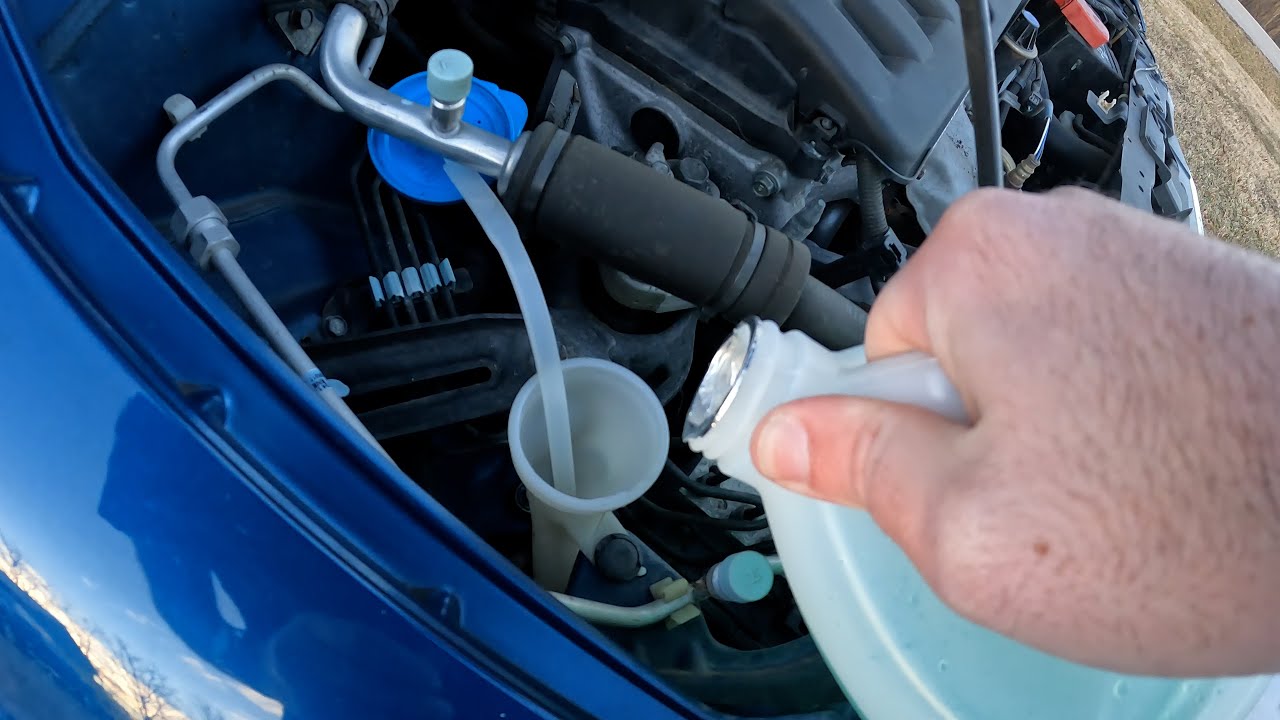
Open the hood and look for the washer fluid reservoir. Its cap often has a windshield and spray symbol, but the location and design vary by vehicle. Consult the owner’s manual if you are unsure.
Identify the correct cap
Do not confuse the washer reservoir with the coolant tank, brake fluid reservoir, or another engine compartment container.
Step 2: Check the Fluid and Weather Requirements
Before pouring, check the label for the product type, temperature rating, and any mixing instructions. Consider the fluid already in the tank and the temperatures your vehicle may encounter.
Confirm compatibility
Use fluid that meets the requirements in your owner’s manual and is suitable for your climate.
Step 3: Add the Fluid
Open the correct cap and pour the ready-to-use fluid into the reservoir. If using concentrate, prepare it according to the label before filling unless the instructions specifically direct otherwise. Avoid spills and do not overfill beyond the reservoir’s indicated limit.
Use the correct ratio
Measure water and concentrate as directed. Never guess at a dilution ratio, particularly when freezing protection is needed.
Step 4: Close the Cap and Test the Washers
Secure the cap, close the hood, and test the washer system when it is safe to do so. The fluid should spray onto the windshield, and the wipers should clear it without persistent haze or streaks.
Check the spray pattern
If the fluid does not spray, check the reservoir level and consult the owner’s manual. Persistent problems may indicate blocked nozzles, a pump fault, or another issue.
Common Windshield Washer Fluid Problems and Their Causes
If the washers stop working well, changing the fluid may help, but it is not the only possible solution. Check the symptoms first. A low reservoir, clogged nozzle, worn wiper blade, frozen line, or failed pump can produce similar problems.
Avoid repeatedly operating a washer system that appears frozen or blocked. This may place unnecessary strain on the pump. If basic checks do not resolve the issue, a qualified mechanic can inspect the system.
The fluid will not spray in cold weather
The fluid or lines may have frozen, or a nozzle may be blocked. Park somewhere warm if possible, allow the system to thaw naturally, and use an appropriate winter formula after confirming the system is working. Do not pour boiling water on the windshield or force frozen components.
The windshield looks streaky
Possible causes include dirty glass, worn wiper blades, residue from the fluid, or a formula that does not remove the dirt well. Clean the glass and inspect the blades before changing products.
The spray pattern is weak
The reservoir may be low, a nozzle may be blocked, or the pump may not be working properly. If the fluid level is adequate, check the vehicle manual and arrange a repair if needed.
The fluid seems to run out quickly
Frequent use can explain normal consumption, but a leak may be present if the reservoir empties unusually fast. Check for visible fluid beneath the vehicle and seek service if a leak is suspected.
The fluid leaves haze or residue
The formula, dirty glass, worn wipers, or a glass treatment may be contributing. Stop using a product that consistently reduces visibility and check compatibility before trying another formula.
A Simple Decision Guide for Choosing the Right Fluid
The best washer fluid is the one that meets your vehicle’s requirements and performs in your expected weather. You do not need to buy every type or switch brands often. Use the following table to narrow your choice based on the main conditions you face.
Which Windshield Washer Fluid Should You Choose?
Use this table as a starting point, not a substitute for the bottle’s label or your owner’s manual. A product can fit more than one category, so check its actual specifications before buying.
Cold or snowy climate
Choose a winter formula with a temperature rating suitable for the coldest conditions you expect.
Warm climate with many bugs
Consider a bug-remover formula if its label confirms compatibility and your weather does not require stronger freeze protection.
Mild weather throughout the year
An all-season product may be convenient if its temperature rating covers your local conditions.
Frequent rain and road spray
Choose a compatible cleaning formula that removes road film. Consider water-repellent features only if they suit your glass and driving needs.
Limited storage space
A compatible concentrate can save space, provided you can mix it correctly and follow its instructions.
Safety and Storage Tips for Windshield Washer Fluid
Windshield washer fluid is a vehicle maintenance product, not a household drink or a general-purpose cleaner. Some formulas contain alcohol or other ingredients that can be harmful if swallowed and may be flammable. Handle the product according to its label and keep it away from children and animals.
Store the container securely with its original label and cap in place. Follow the storage temperature guidance on the package, and keep the fluid away from flames, sparks, and hot engine parts. Clean up spills as directed by the product label.
Never drink washer fluid
Keep it away from the mouth, eyes, children, and pets. Follow the label’s first-aid directions if exposure occurs.
Do not mix products casually
Follow the manufacturer’s instructions and avoid mixing products when the label or owner’s manual warns against it.
Use the correct container
Keep fluid in its original labeled container rather than transferring it to a bottle that could be mistaken for a drink.
Avoid heat and ignition sources
Some washer fluid ingredients are flammable. Keep the product away from sparks, flames, and hot engine components.
Frequently Asked Questions
Q
Does it matter what windshield washer fluid you use?
Yes. Different fluids offer different cleaning features and levels of freeze protection. Choose one that suits your climate, removes the dirt you encounter, and meets your vehicle manufacturer’s requirements.
Q
Can I use any brand of windshield washer fluid?
Often, you can use different brands if the products meet your vehicle’s requirements and suit your climate. However, some vehicles have specific fluid requirements or warnings about mixing formulas. Read the owner’s manual and product label before switching.
Q
Is blue windshield washer fluid better than other colors?
No. Color does not provide a reliable measure of cleaning performance or freezing protection. Manufacturers use different dyes, so compare the label, intended use, and temperature rating instead.
Q
Can I use winter windshield washer fluid in summer?
Usually, yes, if the product is compatible with your vehicle and its label allows year-round use. It may provide more freeze protection than you need in warm weather, but it is not automatically a better bug remover than a summer formula.
Q
Can I mix summer and winter windshield washer fluid?
That depends on the formulas and your vehicle manufacturer’s instructions. Some products can be mixed, while certain manufacturers warn against mixing their specific fluids with others. Mixing may also reduce the final mixture’s freeze protection, so check both labels before adding fluid.
Q
Is windshield washer fluid the same as engine antifreeze?
No. Washer fluid cleans the windshield, while engine coolant helps regulate engine temperature. Never put engine coolant or radiator antifreeze in the washer reservoir because it can leave a film on the glass and reduce visibility.
Q
Can I use water instead of windshield washer fluid?
Some vehicle manuals allow plain water as a temporary option or in warm weather. Water does not provide the same cleaning features as many washer fluids and can freeze in cold conditions. Follow your owner’s manual and use suitable washer fluid when freezing temperatures are possible.
Q
How do I know whether my washer fluid is suitable for winter?
Check the temperature rating on the bottle and compare it with the lowest temperatures you expect during driving and parking. Make sure the rating applies to the product in its current form, especially if it is a concentrate or has been mixed with another fluid.
Q
Why does my windshield remain streaky after using washer fluid?
Streaks can result from dirty glass, worn wiper blades, residue, an unsuitable fluid, or an incompatible glass treatment. Clean the windshield and inspect the blades first. If a particular product repeatedly leaves haze that affects visibility, stop using it and check compatibility before choosing another.
Q
How often should I refill windshield washer fluid?
Refill it when the reservoir is low or the vehicle displays a low-fluid warning. How often this happens depends on driving conditions and how much you use the washers. Check the level during routine vehicle maintenance and before long trips.
✦ Wrapping Up
Conclusion
Yes, it matters what windshield washer fluid you use. The right formula helps clear road grime, insect residue, and other dirt while supporting reliable washer operation. The wrong choice may freeze in cold weather, leave residue, or conflict with your vehicle manufacturer’s requirements.
Start by checking your owner’s manual and the temperature rating on the bottle. Choose winter-rated fluid if freezing weather is possible, consider a bug-remover formula for warm-weather grime, and use an all-season product only when its stated protection covers your conditions. Color, price, and brand alone cannot tell you whether a product is suitable.
Avoid engine coolant, unapproved homemade mixtures, and careless dilution. If you have already mixed products, check their labels and your vehicle instructions before taking further action. A compatible, correctly used washer fluid is a simple way to support clear visibility and safer driving.
💡 Key Takeaway
Before your next refill, check three things: your vehicle’s owner’s manual, the washer fluid’s stated temperature rating, and the type of dirt you need to remove. Choose a compatible product that meets all three needs, and follow its label when filling or mixing.
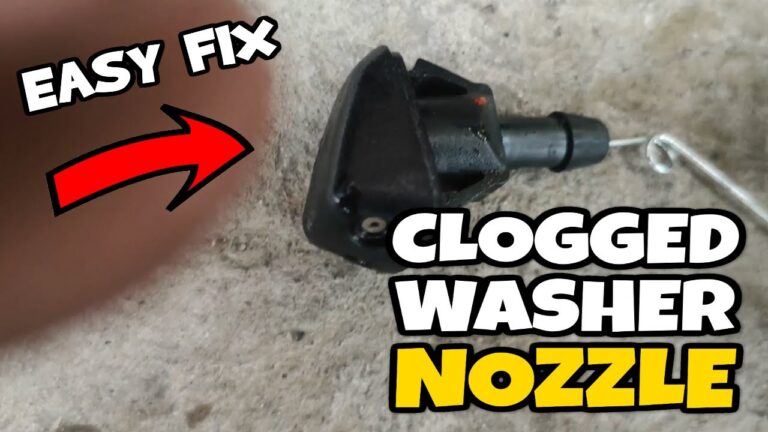
Learn how to unclog a windshield washer nozzle using safe cleaning methods, diagnose weak spray, clear debris, and troubleshoot persistent washer problems.