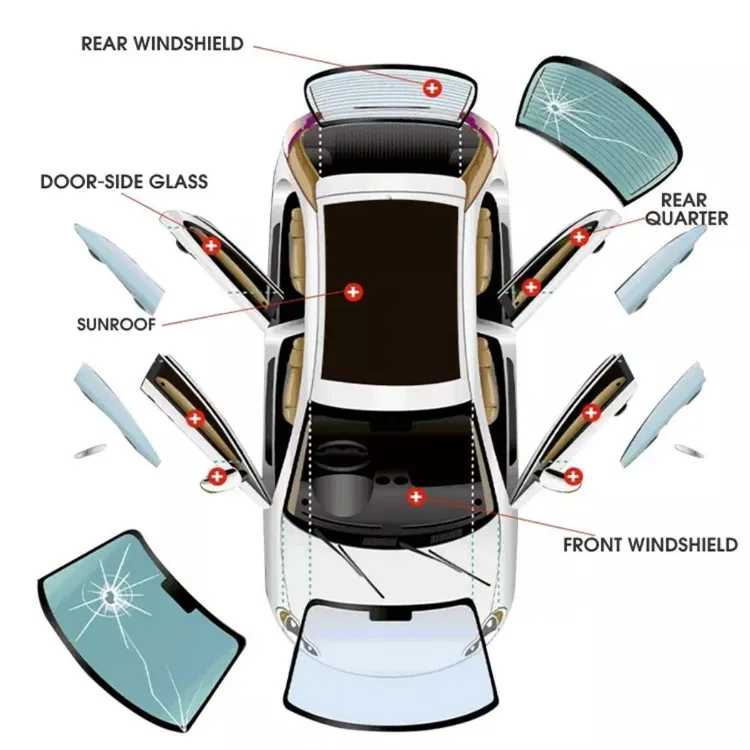
The back windshield of a car is most commonly called the rear windshield, rear window, or back glass. In the U.S. auto glass industry, back glass is a common professional term for the fixed glass at the rear of a vehicle.
If you drive in the United States and need to describe the large piece of glass at the back of your car, rear windshield, rear window, and back glass will usually be understood. The wording can change depending on whether you are talking to another driver, an auto glass shop, an insurance company, or a parts supplier. Back glass is especially useful when requesting a repair or replacement because it clearly separates the rear glass from the front windshield and the side windows.
The terminology can be confusing because Americans often use back windshield in everyday conversation even though windshield most commonly refers to the front glass. Vehicle manufacturers, repair shops, and parts catalogs may instead use terms such as rear window glass, rear glass, backlite, or liftgate glass. Understanding these names makes it easier to identify the correct part, especially when the vehicle has a hatch, tailgate, rear defroster, antenna, wiper, or other equipment integrated into the glass.
The back windshield is usually called the rear windshield, rear window, or back glass. All three terms can describe the large glass panel that closes the rear opening of a passenger vehicle and allows the driver to see behind the vehicle.
Rear window is the simplest general term. Rear windshield is common in everyday speech, while back glass is frequently used by U.S. auto glass businesses and parts suppliers. If you are calling a repair shop because the glass has shattered, saying that you need the back glass replaced is normally clear and specific.
You may also encounter the word backlite. In automotive terminology, backlite refers to the glazing installed at the rear of the passenger compartment. Most vehicle owners do not need to use this technical term, but recognizing it can be helpful when reading service information, parts descriptions, or technical documents.
Source: solana.polariszw.com
Rear window
A broad and widely understood name for the main window at the back of a vehicle.
Rear windshield
A common everyday term used by drivers for the large rear glass panel.
Back glass
A common automotive service and replacement term in the United States.
Backlite
A more technical automotive term for the rear glazing of a passenger vehicle.
Is Back Windshield a Correct Term?
Back windshield is understandable and commonly used, so there is nothing unusual about using it in conversation. However, rear window or back glass may be more precise when ordering parts or discussing replacement work.
The word windshield is most strongly associated with the front piece of automotive glass because that glass directly faces the airflow, road debris, rain, insects, and other material encountered while the vehicle moves forward. The rear panel serves a different position and is therefore frequently described simply as a window or back glass.
Rear Windshield, Rear Window, and Back Glass: Is There a Difference?
For most passenger vehicles, rear windshield, rear window, and back glass refer to the same basic piece of glass. The important difference is usually the context in which each term is used rather than a different physical component.
A driver might tell a friend that the rear windshield is dirty. An owner’s manual may describe a rear window defogger. An auto glass technician may call the same panel back glass. A replacement parts listing might identify it as rear window glass or liftgate glass depending on the vehicle design.
Because automotive terminology varies among manufacturers and repair databases, using the vehicle year, make, model, body style, and glass location is more reliable than relying on one name alone when ordering a replacement.
Source: storage.googleapis.com
Everyday conversation
Rear windshield and rear window are both easy for most drivers to understand.
Glass repair
Back glass is commonly used when discussing repair or replacement.
Vehicle manuals
Rear window is often used when describing the defogger, wiper, washer, or visibility through the rear glass.
Parts identification
Rear glass may be listed as back glass, backlite, liftgate glass, hatch glass, or rear window glass depending on the vehicle.
What Does Backlite Mean on a Car?
Backlite is an automotive industry term for the glass at the rear of the passenger compartment. Drivers rarely use the word during normal conversation, but it can appear in parts catalogs, technical documentation, glass specifications, and repair information.
The term should not be confused with a brake light or another lamp at the back of the vehicle. In this context, backlite refers to automotive glazing rather than vehicle lighting.
What Is the Rear Windshield Made Of?
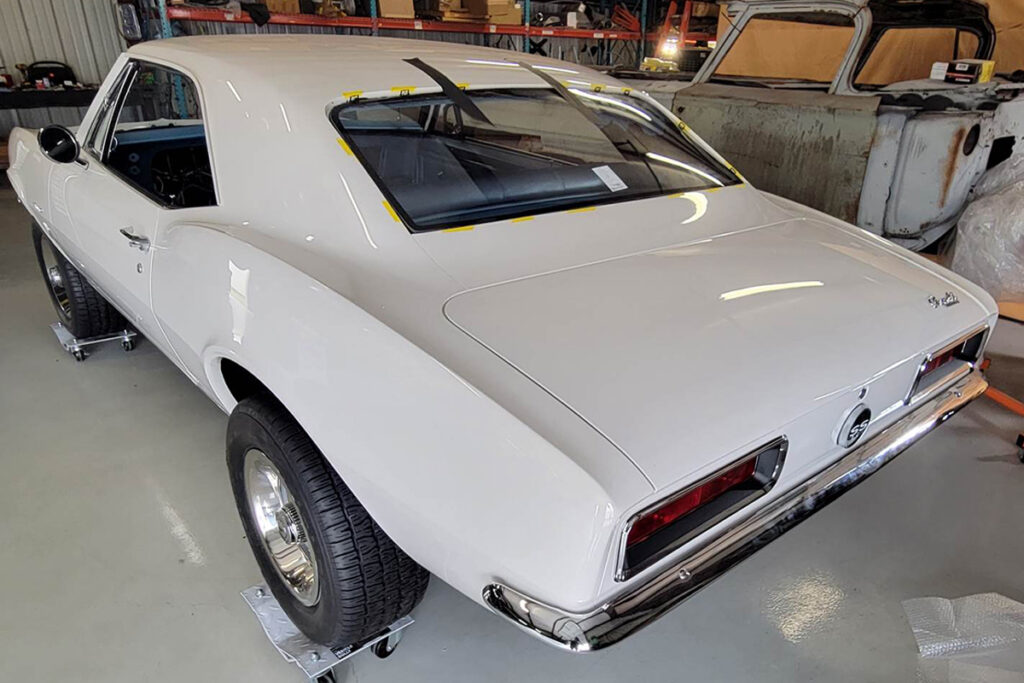
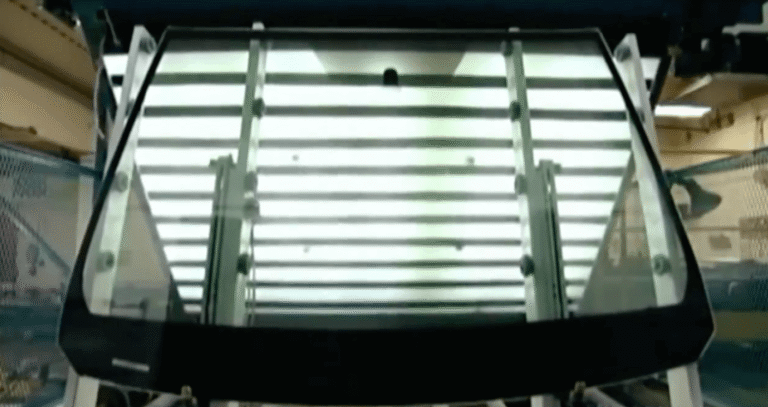
The rear window on many U.S. passenger vehicles is made from tempered safety glass. Tempered glass is heat treated to increase its strength and to change how it breaks. When severely damaged, it generally breaks into many relatively small pieces rather than forming the large sharp shards associated with ordinary untreated glass.
This construction differs from the laminated glass traditionally used for front windshields. A laminated windshield typically uses multiple glass layers bonded around an interlayer, helping the damaged glass remain together after many types of impact.
Do not assume every vehicle follows the same construction. Some modern vehicles use laminated glass in additional locations for acoustic performance, security, comfort, or other design objectives. The correct glass type should be confirmed for the specific vehicle before repair or replacement.
Source: omniautoglass.com
Tempered safety glass
Common on rear windows and designed to fragment differently from ordinary untreated glass when it breaks.
Laminated glass
Commonly associated with front windshields and also used in other vehicle glazing applications on some models.
Vehicle specific construction
Glass type, thickness, tint, electrical connections, and integrated features can vary by year and model.
Why Rear Glass Damage Can Look Different From Windshield Damage
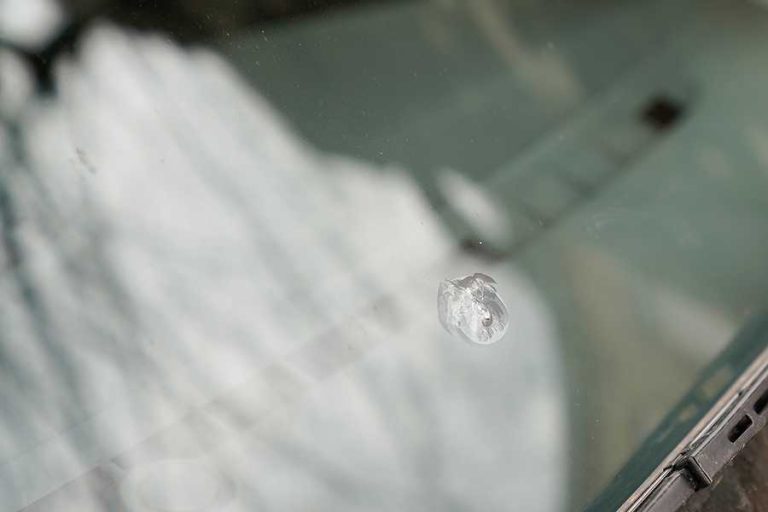
A damaged front windshield may develop a chip or crack while remaining largely intact because of its laminated construction. Tempered rear glass can behave differently and may suddenly fragment across much of the panel after sufficient damage.
That difference is one reason a small looking defect in rear glass should not automatically be treated like an ordinary repairable windshield chip. An automotive glass professional can identify the glass construction and determine the appropriate repair or replacement approach.
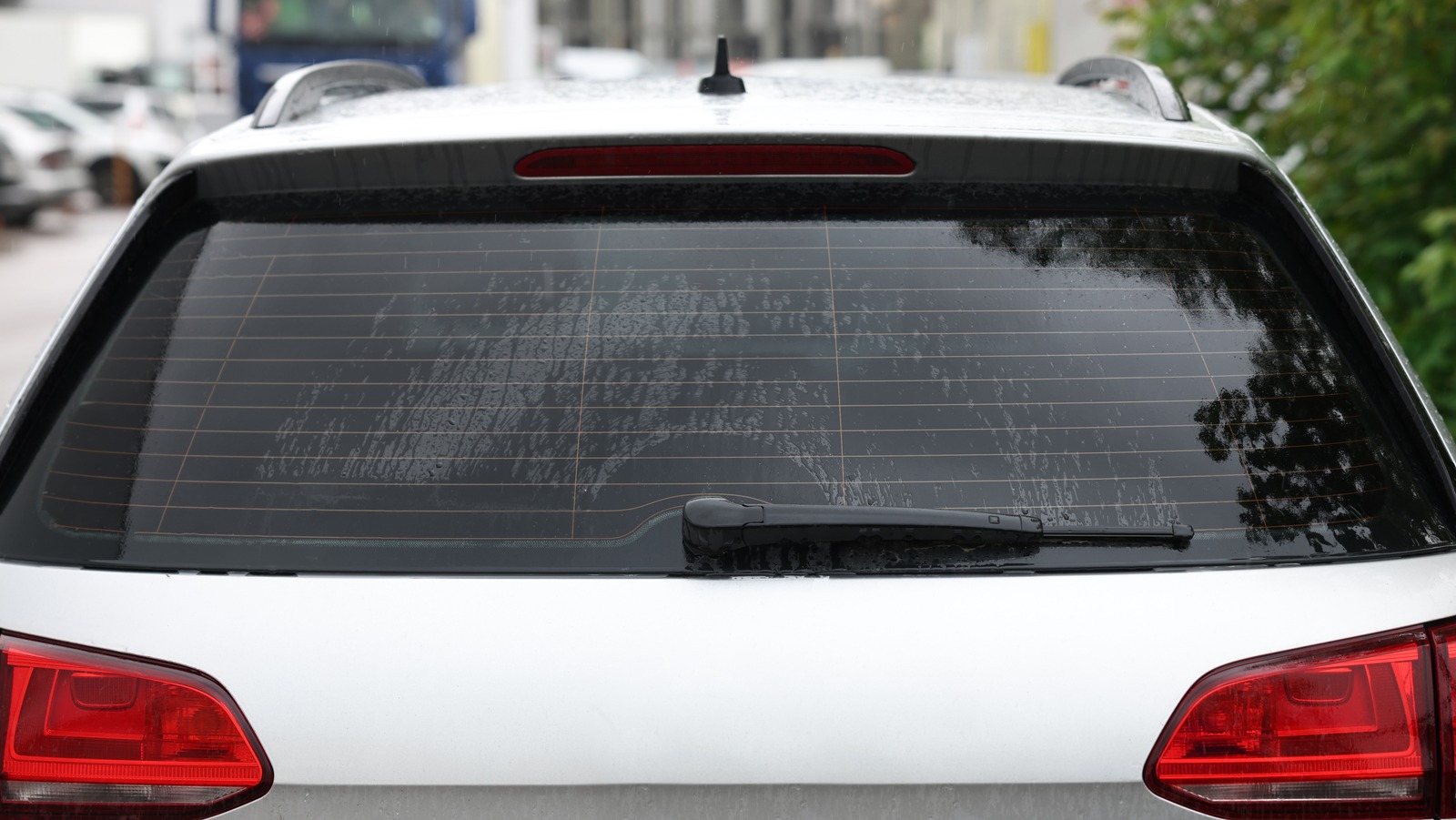
What Are the Lines on the Back Windshield Called?
The thin lines running across many rear windshields are part of the rear window defroster or defogger system. They are electrically conductive elements that warm the glass when the system is switched on.
Heating the glass helps remove condensation, frost, and light ice that can obstruct rearward visibility. This is particularly useful for U.S. drivers in cold or humid conditions where the inside or outside surface of the rear window can quickly become difficult to see through.
The lines are not decorative. Scraping the inside of the glass aggressively or damaging the conductive grid can interrupt the electrical path and leave one or more areas of the window without effective heating.
Source: slashgear.com
Defroster grid
The visible conductive lines that warm the rear glass.
Electrical tabs
Connections near the edges of the glass supply electrical current to the grid.
Integrated antenna
Some vehicles also incorporate antenna elements into or near the rear glass.
Why Do Some Defroster Lines Stop Working?
A section of a rear defroster may stop heating if a conductive line is scratched or broken. Other possibilities include damaged electrical connections, wiring problems, a failed relay or fuse, or another fault in the defogger circuit.
If only one narrow horizontal area remains fogged while the rest of the rear window clears, a damaged grid line may be worth checking. If the entire system does not operate, broader electrical diagnosis may be necessary.
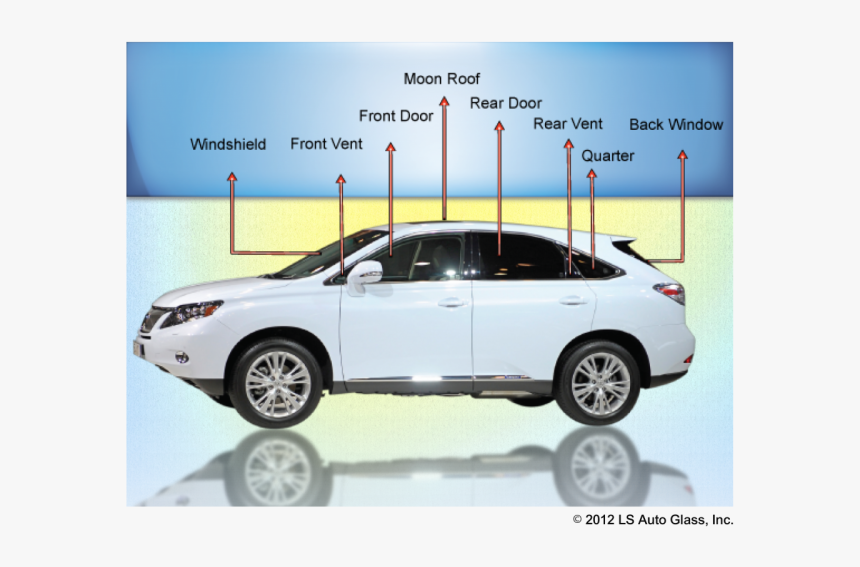
What Other Types of Glass Are at the Back of a Car?
Not every piece of glass near the rear of a vehicle is the rear windshield. Cars, SUVs, crossovers, vans, and pickup trucks can have several different glass panels in the rear portion of the body.
Correct identification matters when requesting a quote because replacing a rear door window or small quarter glass is a different job from replacing the main back glass. Saying only rear window can sometimes be ambiguous on vehicles with several rear glass panels.
Source: nuvisionautoglass.com
Rear door glass
The movable or fixed window installed in a rear passenger door.
Quarter glass
A smaller window positioned toward the rear side of the vehicle, often behind a rear door.
Vent glass
A small separate side window found on some vehicle designs.
Hatch glass
Rear glass mounted in the hatch of a hatchback, crossover, or SUV.
Liftgate glass
Glass integrated into a rear liftgate and sometimes capable of opening independently.
Pickup rear window
The glass at the back of a truck cab, which may be fixed or include a sliding center section.
What Is a Quarter Window?
A quarter window, also called quarter glass, is a smaller side window positioned toward the rear quarter of the vehicle. It is not the same as the main rear windshield.
Quarter glass may be fixed in the body rather than moving up and down like a normal door window. Its shape and location depend heavily on the body design, so identifying the exact pane is important when ordering replacement glass.
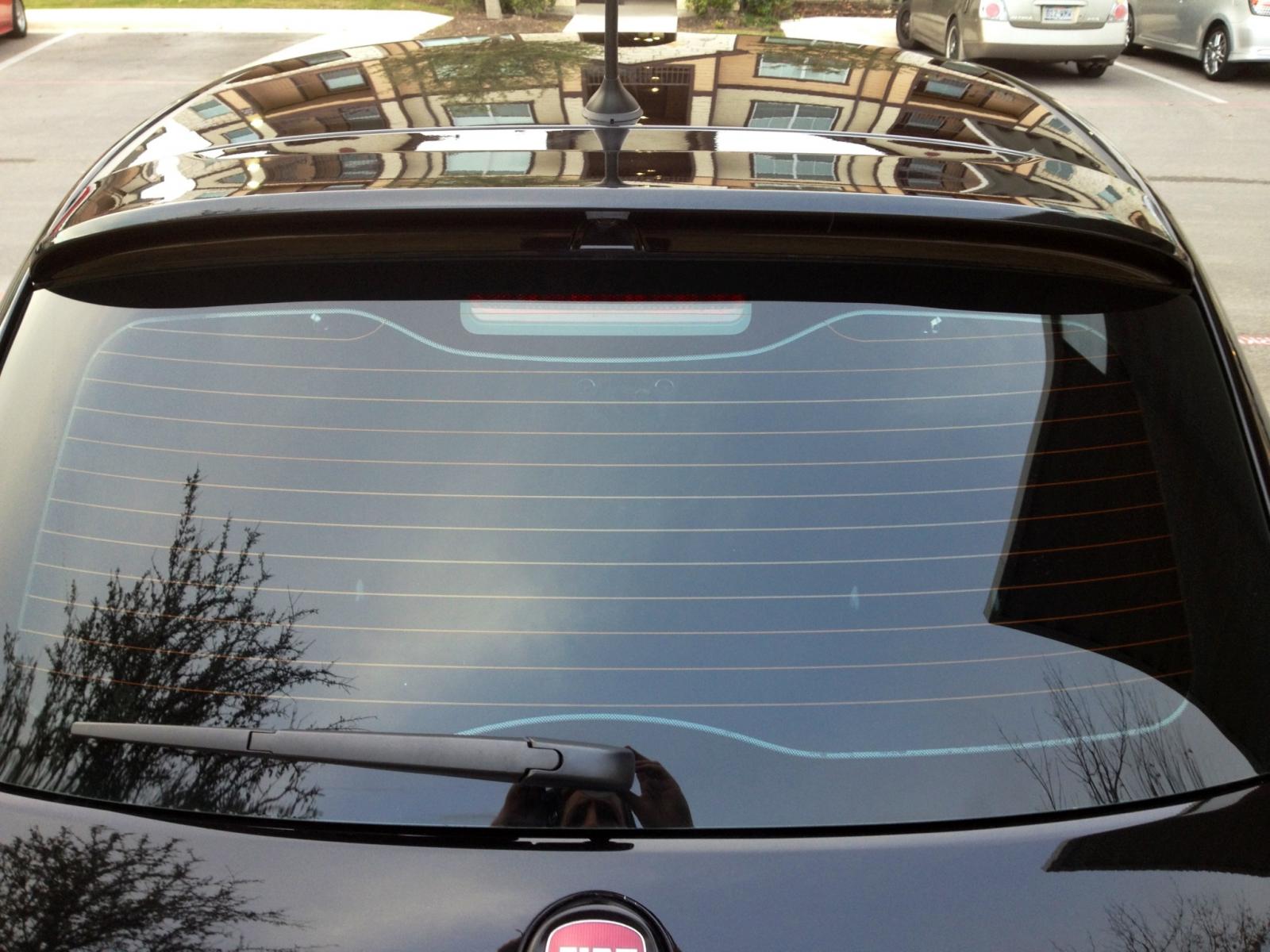
What Features Can Be Built Into Rear Glass?
Modern rear glass can perform more functions than simply keeping weather outside the passenger compartment. Depending on the vehicle, the glass or surrounding assembly may incorporate heating elements, tinting, antenna components, wiper hardware, washer equipment, and other vehicle specific features.
These features matter when the glass needs replacement. Two pieces of rear glass that appear similar from a distance may have different electrical connectors, tint specifications, antenna arrangements, cutouts, mounting points, or compatibility requirements.
When obtaining a U.S. replacement quote, providing the vehicle identification number can help a glass shop distinguish among factory configurations. You may also be asked whether the vehicle has a rear wiper, privacy glass, heated back glass, an antenna, a sliding rear window, or other equipment.
Source: fity.club
Rear defroster
Electrical heating elements help clear moisture, frost, and light ice.
Factory tint
Some rear glass has privacy coloring or other factory glazing characteristics.
Rear antenna
Radio or communication antenna elements can be incorporated into some rear glass designs.
Rear wiper
Many hatchbacks, crossovers, and SUVs have a wiper mounted through or adjacent to the rear glass.
Washer system
A rear washer may spray cleaning fluid onto the glass before the rear wiper sweeps it.
Why Vehicle Details Matter When Ordering Back Glass
Rear glass is not a universal part. Even two vehicles with the same model name can use different glass based on model year, body style, trim, factory options, and production configuration.
Before ordering, verify the year, make, model, body style, glass location, and relevant features. This reduces the chance of receiving glass that fits physically but lacks the correct connectors, tint, antenna, or other equipment.
What Should You Call It When Requesting a Repair or Replacement?
When contacting an auto glass shop in the United States, back glass or rear window glass is usually the clearest terminology. Add the exact vehicle information and describe whether the glass is in the body, hatch, liftgate, or pickup cab.
If the rear glass is completely shattered, avoid handling loose fragments with bare hands. Keep passengers and pets away from broken glass, and do not drive if the damage prevents adequate rearward visibility, leaves unsecured glass that could fall, or exposes the vehicle interior in a way that makes operation unsafe.
Rear glass replacement can involve more than fitting a transparent panel. Electrical connectors, defroster grids, trim, moldings, antennas, wiper hardware, and adhesives may all require attention depending on the design.
Source: carglassfix.com
Identify the location
Say whether you need the main back glass, hatch glass, liftgate glass, quarter glass, or another window.
Provide vehicle details
Give the year, make, model, and body style, plus the vehicle identification number when requested.
Mention integrated features
Tell the shop about a rear defroster, antenna, wiper, privacy glass, sliding section, or other relevant equipment.
Describe the damage
Explain whether the glass is cracked, chipped, shattered, leaking, scratched, or separating from surrounding materials.
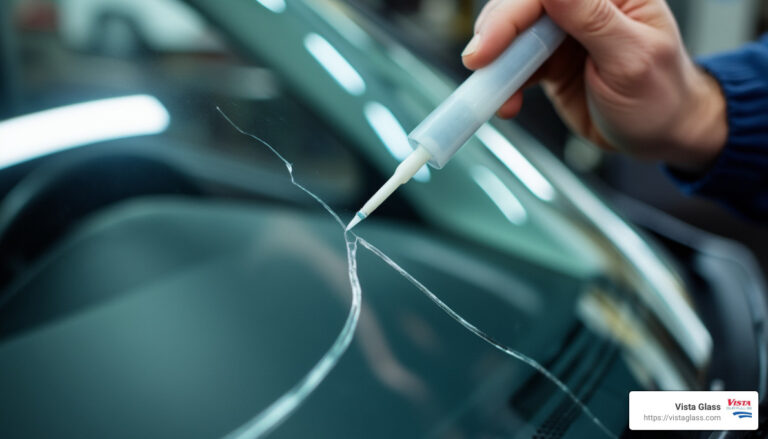
Can a Rear Windshield Be Repaired Instead of Replaced?
Whether rear glass can be repaired depends on its construction and the nature of the damage. Tempered back glass that has shattered requires replacement, and damage to tempered glass is generally handled differently from a repairable chip in laminated front windshield glass.
If the damage is limited to an electrical defroster line rather than the glass itself, the appropriate repair may involve the conductive grid instead of replacing the entire window. The correct approach depends on the exact defect and vehicle design.
Frequently Asked Questions About What the Back Windshield Is Called
Q
Is the back windshield called a rear window?
Yes. Rear window is one of the most common and broadly understood names for the large glass panel at the back of a vehicle. Rear windshield and back glass are also commonly used.
Q
What do auto glass shops call the back windshield?
Many U.S. auto glass businesses call it back glass or rear window glass. The exact terminology can vary by company, vehicle type, and parts system.
Q
What is the technical name for the rear windshield?
Backlite is a technical automotive term that can refer to the glazing at the rear of the passenger compartment. Rear window glass and back glass are more familiar terms for most vehicle owners.
Q
What is the small window beside the rear windshield called?
A small side window near the rear of the vehicle is often called quarter glass or a quarter window. Depending on the body design, other terms may apply, so its exact position should be identified when ordering replacement glass.
Q
What are the horizontal lines on a rear windshield?
They are usually conductive elements in the rear window defroster or defogger grid. Electrical current heats the lines, helping clear condensation, frost, and light ice from the glass.
Q
Is rear windshield glass the same as front windshield glass?
Not necessarily. Front windshields are commonly laminated safety glass, while many rear windows use tempered safety glass. Vehicle designs vary, so the glass specification should be confirmed for the exact model.
Q
What is the rear window of an SUV called?
It may be described as rear glass, back glass, hatch glass, liftgate glass, or rear window glass. The most precise term depends on how the rear door or liftgate is designed.
Q
What is the back window of a pickup truck called?
It is commonly called the rear window, back glass, or truck cab rear window. Some pickups have a solid fixed panel, while others use a sliding rear window with one or more movable sections.
✦ Wrapping Up
Conclusion
So, what is the back windshield called? In the United States, the large glass panel at the rear of a vehicle is commonly called the rear windshield, rear window, or back glass. Backlite is another technical term you may encounter in automotive documentation.
The terms often describe the same general component, but precise wording becomes more important when buying glass or arranging a repair. Rear door glass, quarter glass, hatch glass, liftgate glass, and pickup rear windows can all be different parts with different shapes and features.
💡 Key Takeaway
For the clearest communication with a U.S. repair shop, ask for the back glass or rear window glass and provide your vehicle’s year, make, model, body style, and any features such as a defroster, antenna, tint, rear wiper, or sliding section.