No. Windshield washer fluid is not the same as Windex. Washer fluid is made for a vehicle’s spray system, while household Windex is designed mainly for cleaning glass by hand. Use automotive washer fluid in your car’s washer reservoir and reserve suitable Windex products for manual cleaning.
Across the United States, drivers face different windshield cleaning needs. Summer heat in Arizona can bake bugs onto glass, while winter weather in Michigan can freeze ordinary liquids. Dust, road salt, rain, and traffic grime can also block a clear view. The right cleaning product helps drivers deal with these problems without putting the washer system at risk.
Windex and windshield washer fluid may look similar because both help clean glass. Yet they serve different purposes. Household Windex is sprayed onto a surface and wiped away with a cloth or paper towel. Automotive washer fluid must pass through a reservoir, pump, hoses, and spray nozzles before the wipers clear the glass.
The distinction matters even when a household glass cleaner seems to remove dirt well. A product that works on a window at home may not be suitable for a car’s washer system. Some Windex formulas contain ammonia, and household cleaners are not a reliable replacement for automotive fluid in changing weather.
For routine vehicle care, choose a washer fluid that meets your owner’s manual requirements. If you want to clean the inside of your windshield by hand, a suitable ammonia-free glass cleaner can be useful. Keep the two tasks separate, and you can clean your windows while avoiding needless risks to your vehicle.
What Is the Difference Between Windshield Washer Fluid and Windex?
The main difference is how each product is designed to work. Windshield washer fluid is an automotive liquid made for storage and use inside a vehicle’s washer system. Windex household glass cleaner is intended to loosen dirt and marks on suitable surfaces so they can be wiped away.
Automotive washer fluid is sprayed onto the windshield through small nozzles. The wipers then spread the liquid and remove loosened dirt. Household Windex is usually applied directly to glass and wiped off with a clean cloth. These different methods affect the formulas each product needs.
Both products can help remove some common dirt from glass, but that overlap does not make them interchangeable. A cleaner may work well on a stationary window and still be unsuitable for a reservoir, pump, hoses, seals, or spray nozzles.
The word Windex also refers to a range of products rather than one formula. Original Glass Cleaner, Ammonia-Free Glass Cleaner, and other products can have different ingredients and instructions. The exact label matters when choosing a product for any surface.
Automotive washer fluid cleans a windshield through the vehicle’s built-in spray and wiper system. Windex household cleaner is generally used for manual glass cleaning.
Application
Washer fluid is poured into the designated reservoir. Household Windex is sprayed onto an appropriate surface and wiped off as directed.
Weather protection
Some automotive washer fluids offer specified freeze protection. Household Windex should not be relied on to prevent washer fluid from freezing.
Vehicle compatibility
Automotive washer fluid is formulated for its intended washer-system use. Household glass cleaner does not automatically have the same compatibility.
Why Do the Products Look So Similar?
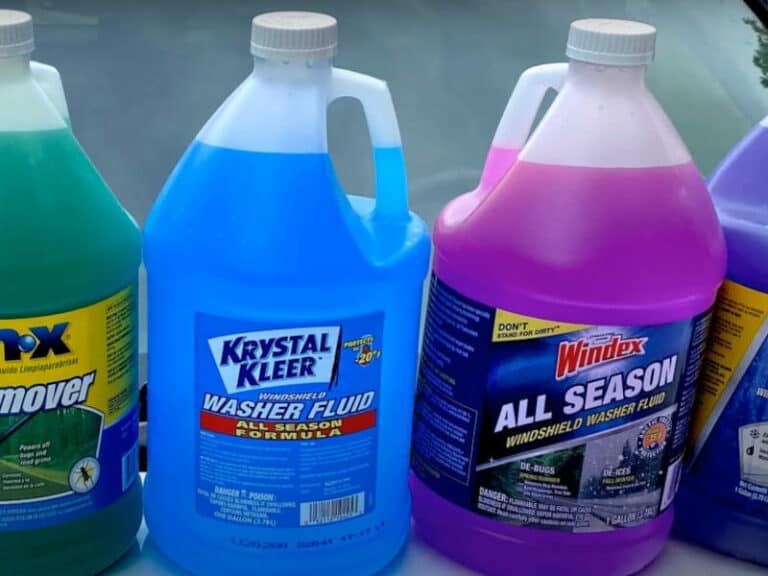
Both products contain liquids and cleaning agents that help loosen dirt. Some are also sold in blue bottles, which can make them look alike at first glance. Packaging color and a similar cleaning purpose do not prove that two products share the same formula.
The best way to tell them apart is to read the product name, intended use, and directions. Look for wording that identifies the liquid as automotive windshield washer fluid. A label that says glass cleaner is not enough to show that the product belongs in a vehicle reservoir.
Check the label
Confirm that the product is specifically made for an automotive windshield washer system.
Check the directions
Follow the instructions for the exact product and your vehicle rather than relying on appearance or brand recognition.
Can You Put Windex in Your Car’s Windshield Washer Reservoir?
No. Do not put household Windex in your windshield washer reservoir as a substitute for automotive washer fluid. Vehicle manufacturers specify suitable washer fluid because the liquid must work with the system’s pump, tubing, seals, spray jets, and wiper blades.
Household Windex has not been established as a suitable replacement for automotive washer fluid in every vehicle. Its ingredients and performance may differ from those of products made for cars. Even if the cleaner sprays through the system, that alone does not prove long-term compatibility or proper performance.
The risk also depends on the exact product, the vehicle, the amount added, and the weather. A household cleaner may not provide the freeze protection needed in cold conditions. If a mixture freezes, it can interfere with spraying and may damage parts of the washer system.
A further concern is windshield visibility. A product that leaves streaks, smears, or residue can make it harder to see the road, especially at night or when sunlight shines across the glass. Clear vision is the goal, so avoid experiments with liquids that the vehicle manufacturer has not approved.
Source: hip2save.com
Use the correct reservoir
Add only suitable automotive washer fluid to the reservoir marked with a windshield and spray symbol.
Avoid improvised mixtures
Do not mix Windex, dish soap, vinegar, or other household cleaners into the reservoir to make a homemade washer solution.
Consider local weather
Choose a washer fluid with an appropriate temperature rating for the conditions in which you drive.
Follow the owner’s manual
Use the fluid type and filling method specified for your vehicle. Ask a qualified mechanic if the requirements are unclear.
What If You Have Already Added Windex?
If you accidentally added household Windex to the washer reservoir, do not panic. The right response depends on the amount added, the existing fluid, the vehicle, and the product formula. A small accidental amount does not automatically mean the washer system has been damaged.
Avoid continuing to use the mixture until you have checked the vehicle’s requirements. Consult the owner’s manual or contact a qualified mechanic or dealership for advice on whether the reservoir needs to be drained and refilled. Do not add more chemicals in an attempt to cancel out the cleaner.
If the windshield becomes smeared, the spray stops working, or the system behaves differently, stop relying on it for visibility. Have the problem checked and use another safe way to keep the windshield clear before driving. If the windshield cannot be kept clear, do not continue the trip.
Identify the product
Keep the bottle or product label available so a mechanic can check the ingredients and intended use.
Describe the amount
Explain how much was added and whether the reservoir already contained washer fluid.
Get vehicle-specific guidance
Follow professional advice on draining, flushing if needed, and refilling with the correct fluid.
What Ingredients Make Windex Different From Washer Fluid?
The formulas differ because the products have different jobs. SC Johnson lists water, cleaning solvents, wetting agents, fragrance, dye, and ammonium hydroxide among the ingredients in Windex Original Glass Cleaner. The exact formula can vary by product, so this list should not be applied to every Windex cleaner.
A solvent helps loosen certain types of dirt and oily residue. A wetting agent helps liquid spread across a surface and helps loosen deposits. Fragrance and dye may serve other product functions, but neither makes a household cleaner suitable for an automotive washer reservoir.
Automotive washer fluid may contain water, cleaning agents, and ingredients that help protect the liquid from freezing. Some formulas are made for summer conditions, while others are intended for cold weather or bug removal. Their exact ingredients and temperature ratings vary by product.
The important point is not that one ingredient always makes a product good or bad. Compatibility depends on the complete formula, its concentration, the materials it contacts, and the way the product is used. A household cleaner’s ingredient list cannot, by itself, prove that it is suitable for a vehicle’s washer system.
Source: jeancoutu.com
Water
Water is a common base ingredient in both types of cleaning products, but that shared ingredient does not make the complete formulas equivalent.
Cleaning agents
These help loosen dirt and deposits. Different formulations are designed for different surfaces and application methods.
Ammonia
Some Windex products contain ammonia, while others are ammonia-free. Check the exact product label rather than assuming every formula is the same.
Cold-weather ingredients
Automotive winter washer fluids can offer stated freeze protection. Do not assume household glass cleaner provides an equivalent level of protection.
Is Ammonia the Main Reason Not to Use Windex?
Ammonia is one possible concern, but it is not the only reason to keep household Windex out of the washer reservoir. The broader issue is that a household cleaner is not a direct substitute for a product designed for an automotive spray system.
Ammonia-free does not mean reservoir-safe. Windex Ammonia-Free Glass Cleaner is promoted for suitable car windows and other interior surfaces when used as directed. That does not mean it is intended to be poured into the washer tank.
If you clean glass by hand, choose a product that is suitable for the surface. SC Johnson recommends its ammonia-free glass cleaner for car windows and advises users to avoid painted surfaces. Follow the label and test an inconspicuous spot on tinted glass, as recommended by the manufacturer.
Do not judge by one ingredient
The absence of ammonia does not establish that a cleaner is compatible with pumps, hoses, seals, and other washer-system parts.
Use the intended product
Choose a suitable hand-applied glass cleaner for manual cleaning and an automotive washer fluid for the reservoir.
Can You Use Windex to Clean Car Windows by Hand?
Yes, a suitable Windex product can be used to clean many car windows by hand. This is different from putting the product in the washer reservoir. SC Johnson recommends Windex Ammonia-Free Glass Cleaner for car windows and suitable vehicle surfaces.
Manual cleaning allows you to apply the cleaner to the glass, loosen dirt, and wipe it away. It does not require the liquid to travel through a pump or narrow spray nozzles. This makes the application method an important part of the distinction between the two products.
For the best result, clean the glass when it is cool and out of direct sunlight when possible. A hot surface can cause the liquid to dry too quickly and leave streaks. Use a clean, lint-free microfiber cloth and follow the product label.
Pay special attention to tinted windows, painted trim, plastic panels, and nearby electronics. Window tint may be a film applied to the inside of the glass, and different films can have different care requirements. Use only a cleaner suitable for the relevant surface and avoid spraying onto areas where the product is not intended to go.
Source: i5.walmartimages.com
Choose a suitable formula
For car windows, follow the manufacturer’s recommendation for ammonia-free glass cleaner and check the label for surface restrictions.
Park in a shaded area
A cool glass surface gives you more time to wipe the cleaner before it dries and may reduce streaking.
Use a clean cloth
A lint-free microfiber cloth helps remove loosened dirt without leaving excess fibers behind.
Keep cleaner off unsuitable surfaces
Avoid painted surfaces and sensitive components unless the product label specifically permits use there.
How to Clean the Inside of a Windshield
The inside of a windshield can collect dust, fingerprints, smoke residue, and a thin film from materials inside the cabin. This film may cause glare when sunlight or headlights strike the glass. A suitable glass cleaner and a clean cloth can help remove it.
First, park safely and let the glass cool. Apply the cleaner as directed, keeping it away from the dashboard, electronic displays, and other surfaces that may not tolerate the product. Wipe in overlapping passes with a clean microfiber cloth, then use a dry section to remove remaining streaks.
If a greasy film remains, change to a clean cloth instead of adding more and more cleaner. Residue on the cloth can spread dirt across the glass. Check the windshield from different angles in daylight to see whether another careful pass is needed.
Clean in sections
Work across a manageable area so the product does not dry before you wipe it away.
Use separate cloths if needed
A clean cloth for the final dry wipe can help prevent residue from being spread back onto the glass.
Check for glare
Inspect the windshield from the driver’s position before driving, especially if the glass was heavily soiled.
Windshield Washer Fluid vs. Windex: Which Works Better?
Neither product is the best choice for every cleaning job. Automotive washer fluid is the correct option for routine cleaning through the vehicle’s built-in system. A suitable Windex cleaner can be useful when you want to clean the glass by hand.
The better choice depends on the task, the weather, and the surface. Road grime, dust, and bug residue may need an automotive formula designed for those conditions. Interior fingerprints and a light film may be easier to remove with a suitable glass cleaner and microfiber cloth.
Winter performance is a major difference for drivers in cold parts of the United States. Some automotive washer fluids state a freeze-protection temperature on the label. Household Windex should not be used as a substitute for a winter-grade washer fluid, because its freeze performance in the vehicle’s system is not established for that purpose.
Cost alone should not decide the choice. Even if a household cleaner is already available at home, it does not replace the function of a purpose-made automotive product. The practical approach is to use the right product for each task and avoid mixing them.
Source: thegww.com
For driving in rain or road grime
Use suitable automotive washer fluid through the car’s built-in washer system.
For interior fingerprints
Use a suitable hand-applied glass cleaner and a clean microfiber cloth.
For winter driving
Select automotive washer fluid with freeze protection appropriate for the expected temperatures.
For tinted windows
Check the tint manufacturer’s care guidance and use a cleaner approved for that type of surface.
Comparison Table: Which Product Should You Use?
This table compares the intended uses of household Windex and automotive washer fluid. Product formulas vary, so the exact label and your vehicle’s owner’s manual remain the deciding sources.
Routine windshield washing while driving
Choose automotive windshield washer fluid that meets the vehicle manufacturer’s requirements.
Cleaning the inside of the windshield
Choose a suitable glass cleaner for hand application, then wipe the glass with a clean microfiber cloth.
Removing dried bug residue
Use an automotive washer fluid intended for bug removal or clean the glass by hand with a suitable product.
Cleaning in freezing weather
Use automotive washer fluid with an appropriate stated freeze rating. Do not rely on household Windex.
Cleaning tinted car windows
Use a cleaner suitable for the specific tint and follow both the tint manufacturer’s guidance and the cleaner’s label.
What Should You Use Instead of Windex in the Washer Reservoir?
The proper alternative is automotive windshield washer fluid that meets your vehicle’s requirements. There is no need to create a homemade replacement from household cleaning products. Ready-to-use washer fluid is often the simplest choice because it is prepared for the intended system and does not require dilution.
Some automotive products are sold as concentrates. These must be mixed exactly as the label directs. Adding too much water can weaken cleaning performance and reduce freeze protection, while using a concentrate incorrectly may lead to poor results or other problems.
Drivers in warm climates may prefer a formula suited to dust, insects, and everyday road grime. Drivers in areas that experience freezing weather should select a product with an appropriate temperature rating. Read the label carefully, as different products offer different levels of protection.
Do not substitute plain water, household Windex, dish soap, vinegar, or engine coolant for the recommended washer fluid. Water can freeze, and household products are not designed to provide the same complete performance in an automotive system. Coolant is intended for a different part of the vehicle and must never be placed in the washer reservoir.
Source: media-canadiantire.ca
Ready-to-use washer fluid
This is a practical choice for drivers who want to refill the reservoir without preparing a mixture.
Concentrated washer fluid
Use only the dilution ratio and mixing method stated by the product manufacturer.
Winter washer fluid
Choose a stated freeze-protection rating that suits the lowest temperatures you expect to encounter.
Vehicle-specific recommendations
Check the owner’s manual for any restrictions on additives or special washer-fluid formulas.
How to Refill Your Washer Fluid Correctly
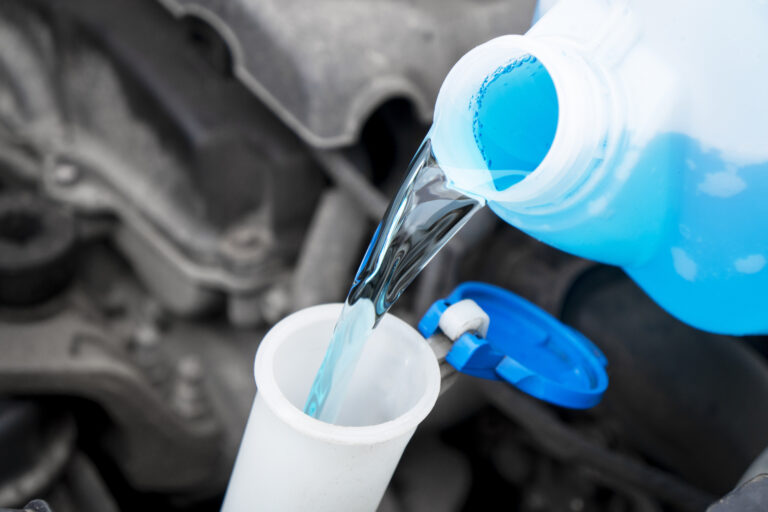
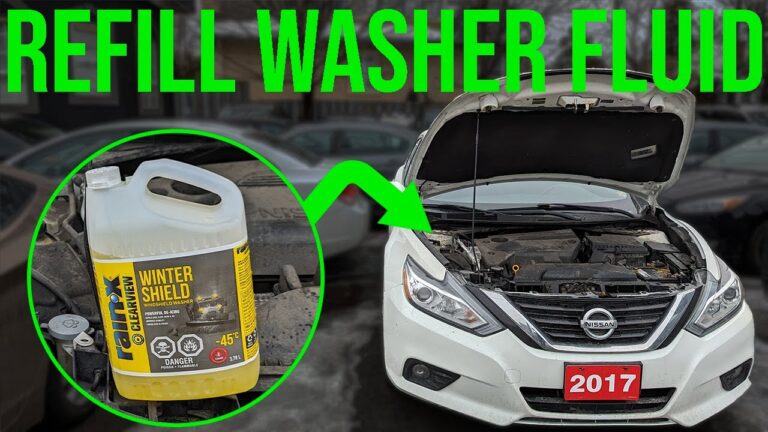
Park the vehicle on a level surface, switch it off, and let hot components cool as needed. Consult the owner’s manual to locate the washer reservoir. Its cap often carries a symbol showing a windshield with spray droplets.
Confirm that the container is the washer-fluid reservoir, not the engine coolant reservoir or another fluid container. Add the correct automotive washer fluid according to the manual and product label. If using concentrate, follow its mixing instructions before filling.
Close the cap securely and wipe up any spills according to the product instructions. If the system does not spray after a refill, do not keep running the pump for long periods. Check the fluid level and look for obvious problems, then seek qualified help if the system still fails.
Locate the correct cap
Use the owner’s manual and the reservoir symbol rather than guessing based on the container’s position.
Use the correct formula
Choose a product intended for automotive windshield washer systems and suitable for local temperatures.
Follow filling instructions
Use the fill level and dilution directions specified for your vehicle and washer-fluid product.
Check operation safely
After closing the cap, confirm that the system works before relying on it during a trip. Do not drive if visibility cannot be maintained.
Common Mistakes to Avoid When Cleaning Car Windows
The most common mistake is assuming that all clear liquids that clean glass can be used in the washer reservoir. The reservoir is part of a mechanical system, not simply a container for any glass-cleaning liquid. Use only a product suitable for that system.
Another mistake is choosing a product based only on its ammonia content. An ammonia-free household cleaner may be suitable for certain car windows when applied by hand, but that does not make it a washer fluid. Intended use, material compatibility, and weather performance all matter.
Drivers may also overlook the risk of freezing. A washer system that cannot spray properly can leave the driver without a way to clear dirt when it matters. Follow the fluid’s stated temperature rating and the vehicle manufacturer’s instructions, especially before winter travel.
Finally, avoid cleaning hot glass in direct sunlight or wiping with a dirty cloth. Both can contribute to streaks and residue. If a product leaves a film, stop adding more and use a clean cloth with a suitable glass cleaner according to its directions.
Source: survivalfreedom.com
Mistake: Treating all glass cleaners as interchangeable
Correction: Use automotive washer fluid in the reservoir and a suitable household glass cleaner only for approved manual applications.
Mistake: Assuming ammonia-free means safe for every use
Correction: Check the full product label and use instructions. One ingredient does not determine compatibility with the entire washer system.
Mistake: Ignoring the weather rating
Correction: Select washer fluid with suitable freeze protection for expected conditions.
Mistake: Mixing products to improve cleaning
Correction: Do not add household detergents or cleaners unless the vehicle and product manufacturers expressly approve the combination.
Mistake: Driving with a smeared windshield
Correction: Restore clear visibility before driving. If you cannot clean the glass safely, delay the trip or obtain assistance.
When Should You Seek Professional Help?
Get professional help if the washer pump stops working, the fluid leaks, the spray nozzles remain blocked, or the system behaves abnormally after an incorrect liquid was added. A mechanic can assess whether the reservoir needs to be drained and whether the system requires further service.
Seek help promptly if a warning light or other vehicle fault appears after the wrong product is added. Do not attempt to fix the issue by pouring additional chemicals into the reservoir. Keep the product label available so the mechanic can identify what was used.
If the windshield cannot be cleaned well enough to provide a clear view, do not drive the vehicle until the problem has been addressed. A clean windshield is a basic safety requirement, not just a matter of appearance.
Persistent pump failure
A pump that does not operate or a system that will not spray may need inspection.
Leaks or unusual behavior
Have unexplained leaks, odors, or system changes checked rather than trying random additives.
Poor visibility
Do not continue driving if smearing or dirt prevents a clear view of the road.
Frequently Asked Questions
Q
Is windshield washer fluid the same as Windex?
No. Automotive windshield washer fluid is designed for a vehicle’s washer system, while household Windex is generally intended for glass cleaning by hand. They may both clean glass, but their intended uses and formulas differ.
Q
Can I use regular Windex on my car windshield?
Do not use household Windex as a replacement for washer fluid in the reservoir. For manual cleaning, SC Johnson recommends Windex Ammonia-Free Glass Cleaner for suitable car windows. Follow the label and avoid painted surfaces.
Q
Is Windex Ammonia-Free safe for car windows?
SC Johnson states that Windex Ammonia-Free Glass Cleaner can be used on car windows and certain other vehicle surfaces. Follow the product directions, avoid painted surfaces, and test an inconspicuous area of tinted glass first.
Q
Can Windex damage windshield wipers?
The effect depends on the exact formula, exposure, and materials. Household Windex is not intended to replace automotive washer fluid, and its long-term compatibility with every washer-system component and wiper material is not established. Use approved washer fluid in the reservoir.
Q
Can I mix Windex with windshield washer fluid?
Do not mix household Windex with automotive washer fluid. The resulting formula may have uncertain cleaning performance, freeze protection, and material compatibility. Use the automotive product as directed.
Q
What happens if Windex freezes in the washer reservoir?
Household Windex should not be relied on to provide freeze protection in a vehicle. If the liquid freezes, the washer system may fail to spray, and freezing can damage parts of the system. Ask a qualified mechanic for advice if the reservoir or lines may have frozen.
Q
Can I use water instead of windshield washer fluid?
Water does not provide the same cleaning additives or freeze protection as suitable automotive washer fluid. It may freeze in cold conditions and can leave the system unable to spray. Use the fluid recommended in your owner’s manual.
Q
Is automotive Windex washer fluid the same as household Windex?
No. A product labeled as automotive windshield washer fluid is a different product from household Windex glass cleaner. Check the label carefully because the brand name alone does not identify the intended use.
✦ Wrapping Up
Conclusion
Windshield washer fluid and Windex are not the same, even though both can help clean glass. Automotive washer fluid is designed to work with a vehicle’s reservoir, pump, hoses, spray nozzles, and wipers. Household Windex is generally designed for direct application to suitable surfaces followed by wiping.
For drivers in the United States, the right choice also depends on local weather and the vehicle manufacturer’s requirements. A suitable winter-grade washer fluid can help protect against freezing, while a suitable ammonia-free Windex cleaner can help with manual cleaning of car windows. Neither product should be used outside its intended purpose.
If household Windex has already been added to the reservoir, avoid further use of the mixture and ask a qualified mechanic or dealership what to do next. Do not try to correct it by adding other chemicals. A simple choice of the correct product can help keep the windshield clear and the washer system working as intended.
💡 Key Takeaway
Use automotive windshield washer fluid in the washer reservoir, choose a suitable Windex product only for manual cleaning when its label permits it, and follow your owner’s manual for product compatibility and cold-weather protection.
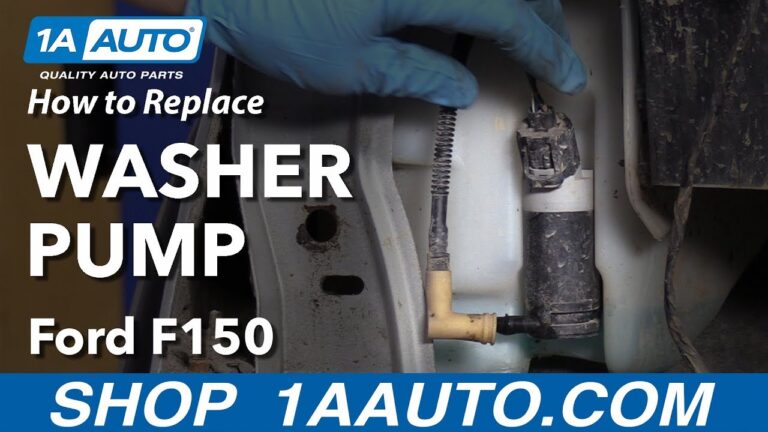
Learn how to replace a windshield washer pump on a Ford F-150, including diagnostic checks, tools, removal steps, installation tips, and troubleshooting.
Is windshield washer fluid universal? Learn which types work for your car, how to choose the right formula, and what to avoid in hot or freezing weather.