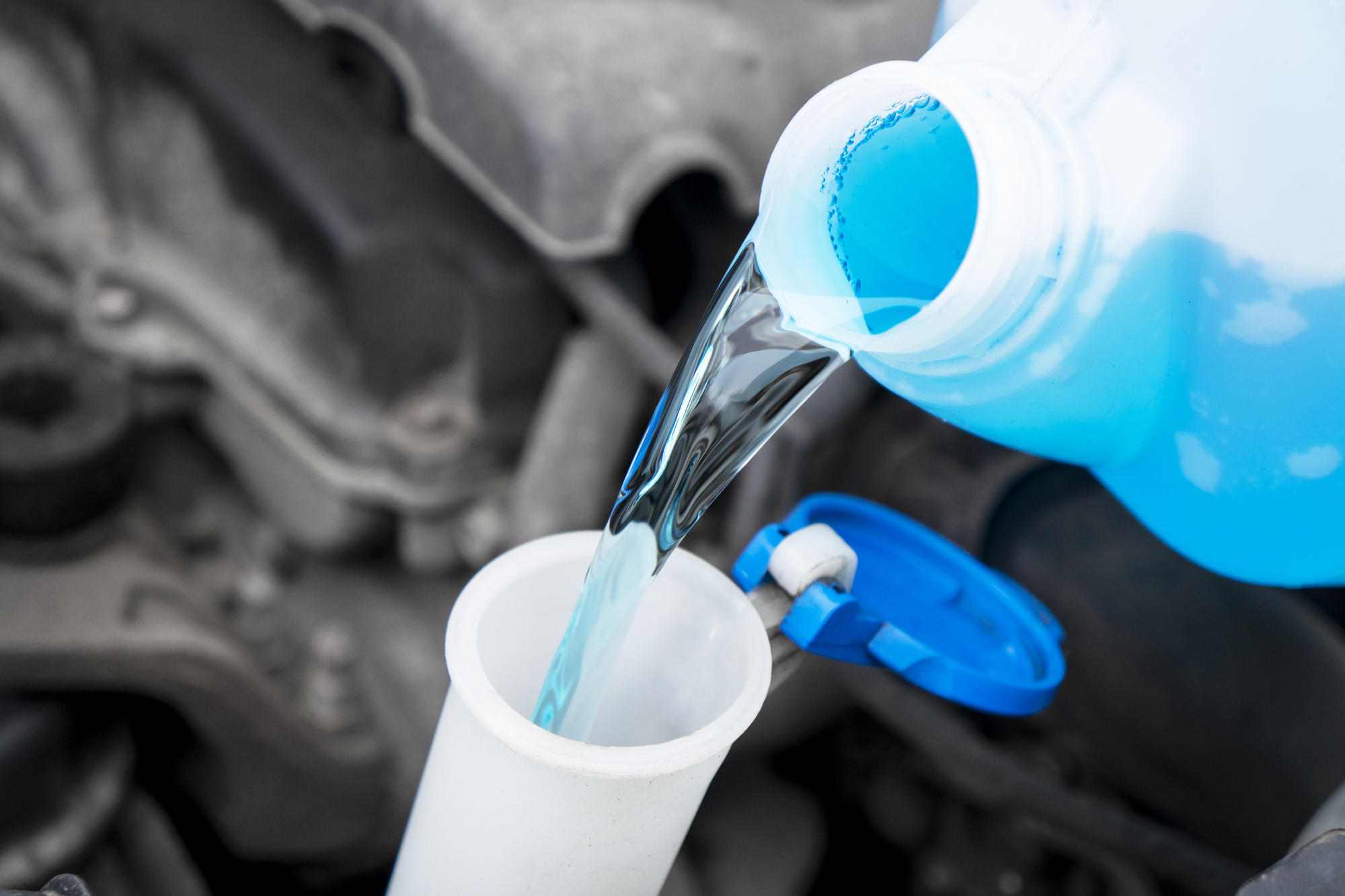
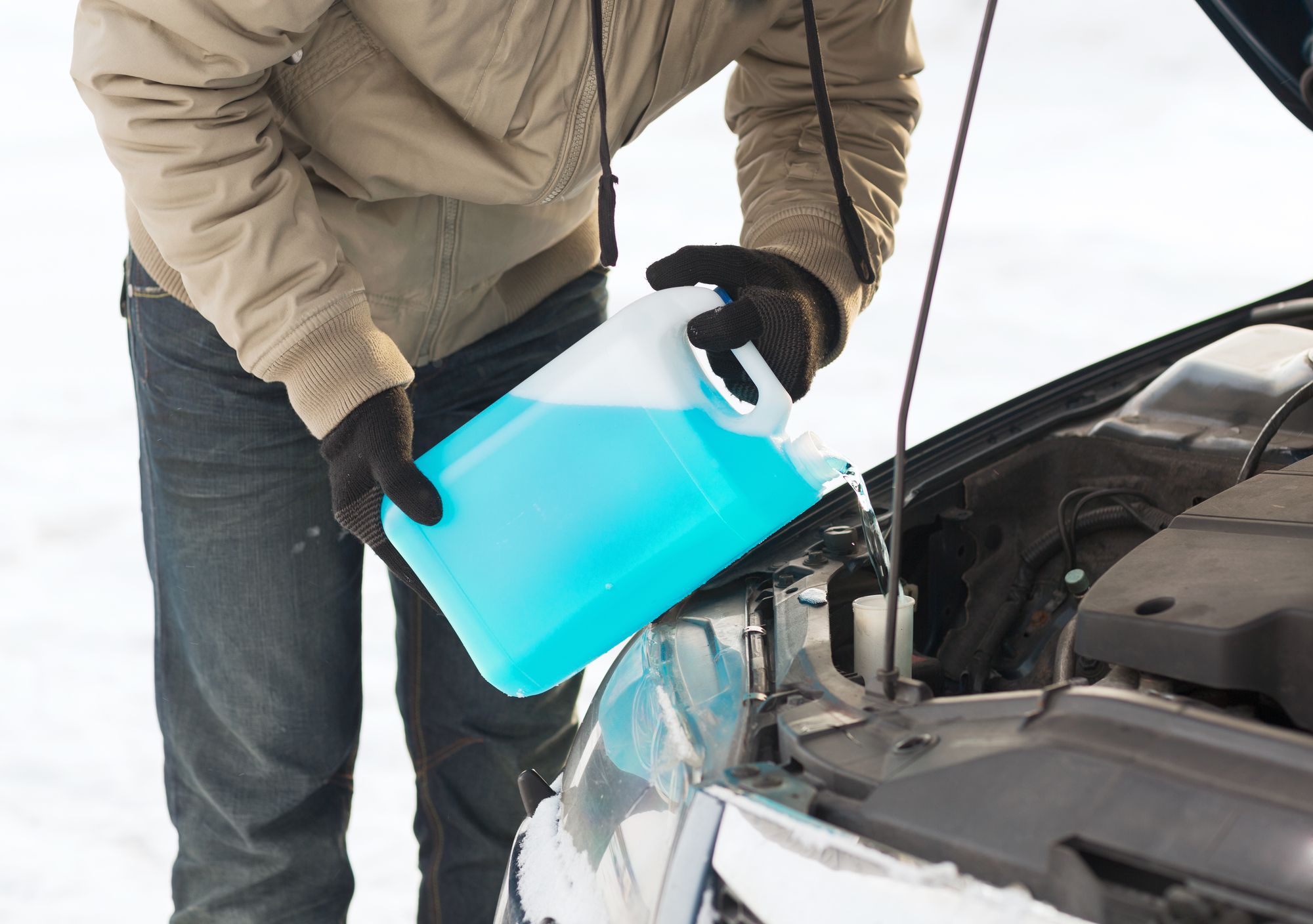
Yes. Windshield wash and wiper fluid usually mean the same thing: windshield washer fluid, which helps clean your vehicle’s windshield when used with the washer system and wipers.
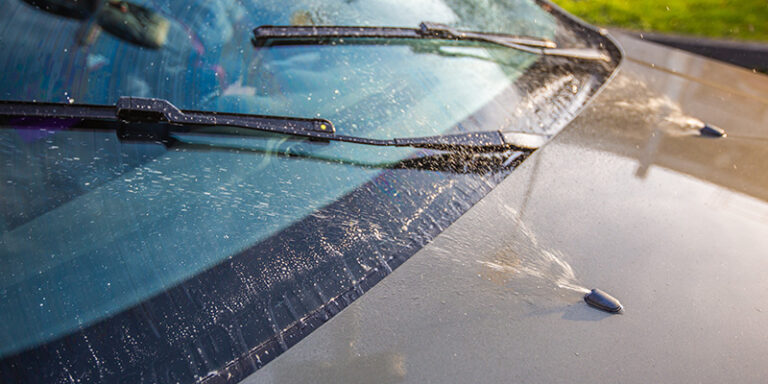
Across the United States, drivers use several names for the same basic car care product. Windshield wash, windshield washer fluid, wiper fluid, and windshield wiper fluid generally refer to a liquid stored in a vehicle’s washer reservoir. When you press the washer control, a pump sends the liquid through small nozzles onto the glass. The wipers then sweep away the liquid, dirt, and loose debris.
The names may differ, but the products are not always identical. Some formulas are made for warm weather, while others help prevent freezing in cold conditions. Certain products also target road grime, bugs, or winter salt. Choosing the right formula for your climate and following your vehicle manufacturer’s instructions helps keep the windshield clear and the washer system working as intended.
This guide explains the terms, shows how to identify and refill the correct reservoir, compares common fluid types, and covers mistakes that can affect visibility or damage vehicle parts. The main rule is simple: use a washer fluid designed for automotive windshields, not a household glass cleaner or an unrelated vehicle fluid.
Windshield wash is a liquid made for a vehicle’s windshield washer system. Wiper fluid is another common name for the same product. Its job is to help remove dust, road film, light grime, and other material that can interfere with a driver’s view.
Most ready-to-use washer fluids contain water, cleaning agents, and other ingredients selected for the product’s intended use. Formulas designed for cold weather may contain ingredients that lower the freezing point. The exact mixture varies by product, so a fluid’s color or name alone does not establish its performance.
The washer system usually includes a reservoir, an electric pump, hoses, spray nozzles, and a control operated from inside the vehicle. When activated, the pump moves fluid from the reservoir to the nozzles. The wiper blades then move across the glass to help remove the loosened material.
Source: minit-tune.com
Windshield wash
A common informal name for liquid used to wash a vehicle’s windshield.
Wiper fluid
Another everyday term for windshield washer fluid, rather than a separate mechanical fluid for the wiper motor.
Washer reservoir
The container that holds the fluid until the washer pump draws it into the system.
Does Wiper Fluid Lubricate the Wipers?
Wiper fluid is mainly a cleaning liquid, not a dedicated lubricant for the wiper mechanism. It wets the glass and helps loosen material so the blades can move across the windshield with less interference from dirt. It does not repair worn rubber or fix a damaged wiper motor.
If the blades chatter, leave streaks, or skip across the glass, check for dirty glass, worn blades, poor blade contact, or a mechanical issue. A fresh supply of washer fluid may help with cleaning, but it will not solve every wiper problem.
Cleaning
Washer fluid helps remove dirt and film from the glass.
Mechanical movement
The wiper motor and linkage move the blades; washer fluid does not power or repair these parts.
Is Windshield Wash Different From Wiper Fluid?
In ordinary automotive use, the two names describe the same general product. If a vehicle manual asks for windshield washer fluid and a store label says windshield wash, the wording alone does not mean the products serve different purposes.
The real difference to look for is the formula, not the name. A basic warm-weather fluid may clean routine dust and road film, while a winter formula may offer a stated level of freeze protection. A bug-removal formula may focus on sticky insect residue. These differences matter more than whether the bottle says wash, washer fluid, or wiper fluid.
Some terms can cause confusion. Wiper blades are the rubber-edged parts that move across the glass, while washer fluid is the liquid sprayed onto it. Windshield treatment products, water-repellent coatings, and household glass cleaners are also different products, even when their labels mention glass cleaning.
Source: carcarereviews.net
Same general meaning
Windshield wash, wiper fluid, and windshield washer fluid commonly refer to the liquid used in the vehicle’s washer system.
Different formulas
Cleaning strength, freeze protection, and other features depend on the specific product.
Different vehicle parts
Wiper blades and the wiper mechanism are hardware, not types of washer fluid.
Can You Mix Different Washer Fluids?
Mixing two automotive washer fluids may be acceptable when both labels and the vehicle manufacturer’s guidance allow it. However, mixing products can reduce the expected freeze protection or change cleaning performance. A warm-weather fluid added to a winter blend, for example, may leave the mixture less suitable for severe cold.
When the products have unknown ingredients or different stated temperature ratings, avoid guessing about the resulting protection. Use a compatible product that meets the conditions you expect to face. If you need reliable freeze protection, follow the product label rather than estimating performance from color or an informal mixing ratio.
Check both labels
Look for compatibility statements, dilution instructions, and minimum temperature ratings.
Protect winter performance
Do not assume that combining two fluids preserves the lower freezing point of either product.
Which Type of Windshield Washer Fluid Should You Use?
Choose washer fluid based on the weather, the dirt you commonly encounter, and the requirements in your owner’s manual. The best choice is a product intended for automotive washer systems that can handle the conditions in which you drive.
Drivers in warm regions may need routine cleaning performance more often than freeze protection. Drivers who face freezing temperatures need a product with a suitable stated temperature rating. In areas with seasonal road salt, snow, and ice, a winter-rated formula can help the washer system remain usable when temperatures fall.
No single formula is automatically best for every driver. Read the label, confirm that the product is intended for your vehicle, and consider whether your area regularly experiences temperatures below freezing. A bottle marketed as all-season still has limits, and those limits should guide your choice.
Source: wrench.com
Summer washer fluid
Often intended for routine cleaning in warm conditions. Do not rely on it for freezing weather unless its label specifically supports the temperatures involved.
Winter washer fluid
Designed to provide a stated level of freeze protection. Match its temperature rating to the cold conditions you may encounter.
All-season washer fluid
Intended for a wider range of conditions, but its actual limits depend on the product’s specifications.
Bug-removal washer fluid
Formulated to help loosen insect residue and similar deposits. It still needs to be suitable for the local weather.
How Do You Compare Washer Fluid Labels?
Start with the stated minimum operating temperature or freeze-protection rating. This is especially important for drivers in northern states, mountain areas, and places that experience sudden cold snaps. The rating is a product claim under the conditions specified by its manufacturer, not a guarantee against every possible freeze-related problem.
Next, check the intended use and any instructions for dilution. Some products are sold ready to use, while concentrates require a specified amount of water. Using the wrong dilution can reduce cleaning performance or freeze protection, so follow the label exactly.
Finally, review any vehicle-specific requirements. Some vehicles have washer nozzles integrated into the wiper arms, heated washer components, cameras, or sensors near the windshield. Consult the owner’s manual if the manufacturer gives specific fluid guidance.
Temperature rating
Choose protection appropriate for the lowest temperatures you expect during use.
Ready-to-use or concentrate
Use the product as supplied or dilute it only as the manufacturer directs.
Vehicle compatibility
Follow the owner’s manual when special washer hardware or camera systems require particular care.
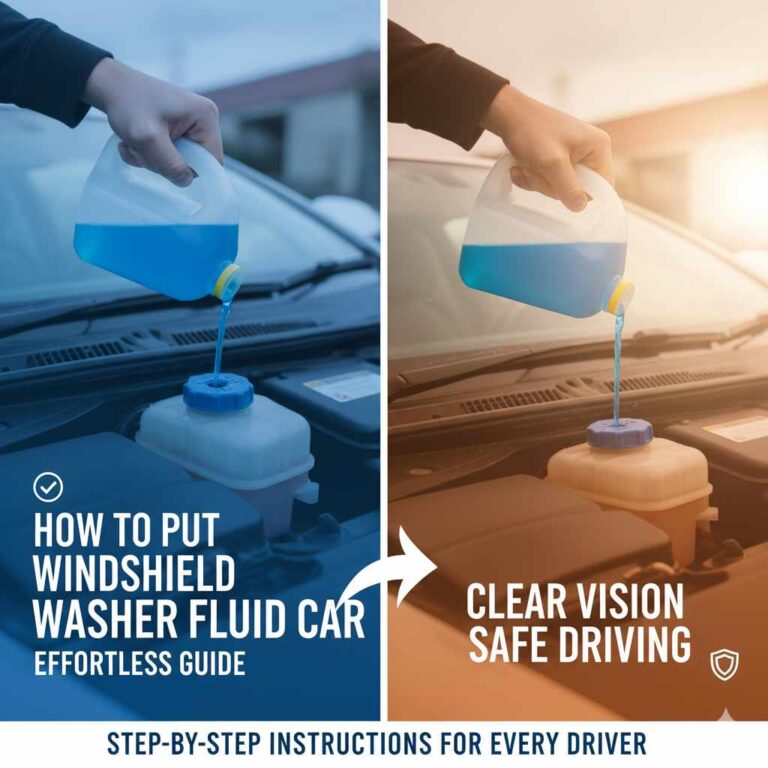
How to Refill Windshield Washer Fluid
Refilling washer fluid is a simple maintenance task for most vehicles. You need the correct automotive washer fluid, access to the engine compartment or designated fill point, and the instructions for your particular vehicle.
Park on a level surface, switch off the engine, and allow hot components to cool before opening the hood. Keep the fluid away from children and pets, avoid splashing it into your eyes, and clean up spills according to the product label. Never open a hot cooling system as part of this task.
The washer reservoir is commonly identified by a cap marked with a windshield and spray symbol. Its location varies by vehicle, and some cars have a filler neck positioned away from the main reservoir. Check the owner’s manual rather than relying on location alone.
Source: familyhandyman.com
Step 1: Identify the reservoir
Look for the washer symbol and confirm the location in the owner’s manual. Do not confuse it with the coolant reservoir, brake fluid reservoir, or engine oil filler.
Step 2: Check the fluid
If the level is low, select an automotive washer fluid suited to the weather and your vehicle’s requirements.
Step 3: Add the fluid
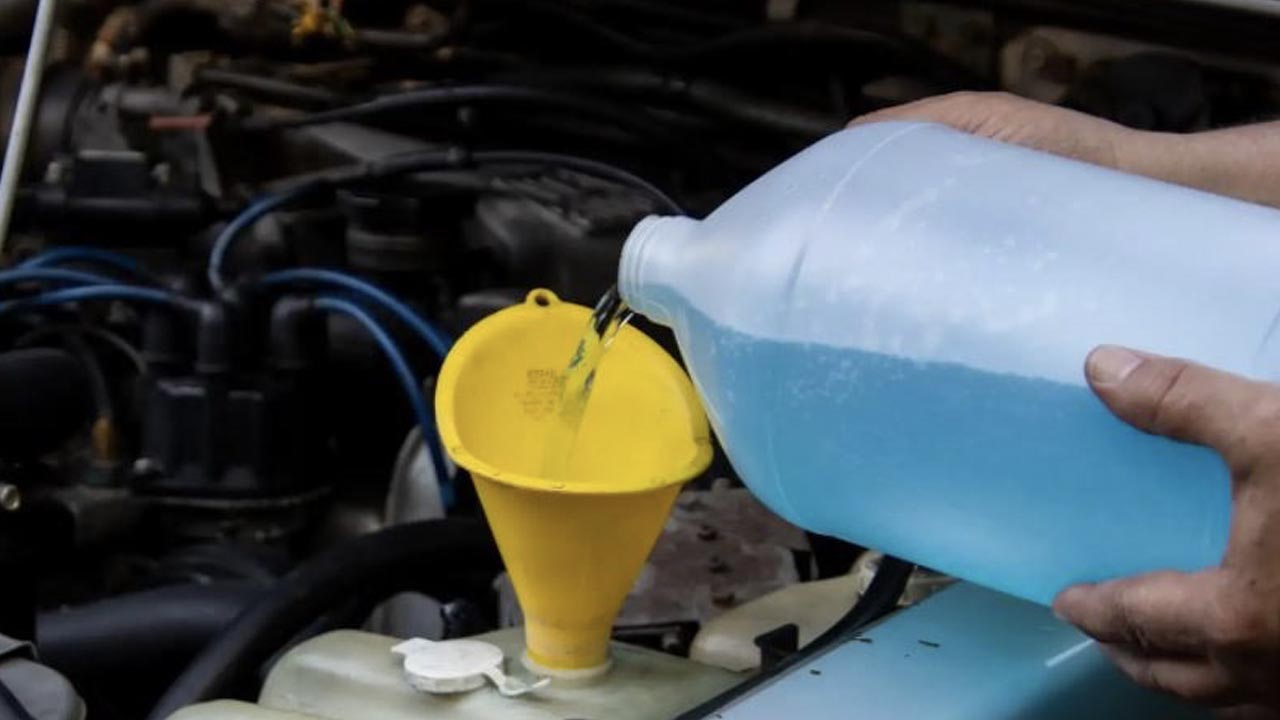
Open the correct cap and pour slowly. Use a funnel if needed, and stop at the indicated fill level or the level directed by the manual.
Step 4: Close the cap
Secure the cap and wipe away any spills. Keep the bottle closed and store it as directed on its label.
Step 5: Test the washer
With the vehicle safely parked, activate the washer briefly and confirm that fluid reaches the windshield and the wipers clear it.
What If You Cannot Find the Reservoir?
Check the owner’s manual for a diagram of the engine compartment and the washer-fluid symbol. In some vehicles, plastic covers or the location of the filler neck make the reservoir harder to see. Do not pour liquid into an unidentified opening.
If the manual does not make the location clear, ask a qualified mechanic or vehicle service center for help. Correct identification matters because several other vehicle fluids are unsuitable for the washer system and can create safety or repair problems.
Use the manual
Confirm the cap symbol and fill point before adding any liquid.
Do not guess
If the opening is unclear, get help rather than risking a mix-up with another vehicle reservoir.
Can You Use Water Instead of Wiper Fluid?
Plain water can wet the windshield, but it is not a reliable long-term substitute for automotive washer fluid. It lacks the cleaning ingredients found in many washer products and does not provide the same protection against freezing. Depending on local water quality, minerals may also leave deposits over time.
Freezing is the main concern in cold weather. Water in the reservoir, hoses, or nozzles can freeze and stop the system from working. Ice may also put stress on components, so drivers should not rely on plain water when temperatures can fall below freezing.
If you have already added water, do not assume the system is damaged. Check the expected weather and your vehicle’s instructions. When freezing conditions are possible, obtain suitable washer fluid and follow the vehicle or service guidance for correcting the mixture. If the system is frozen, do not keep operating the pump or force ice out of the nozzles.
Source: evpulsecms.com
Cleaning limits
Water may rinse away loose dust but can be less effective on greasy road film, dried bugs, and other stubborn residue.
No freeze protection
Plain water can freeze inside the washer system when temperatures drop below its freezing point.
Temporary use is not a universal fix
Weather, water quality, vehicle instructions, and the existing fluid mixture all affect whether water creates a problem.
Can You Add Water to Concentrated Washer Fluid?
Yes, when the product is a concentrate specifically designed to be diluted with water. The label should state the required mixing method and the expected temperature performance. Do not apply this rule to a ready-to-use product or assume that adding more water will preserve its protection.
If the concentrate provides several dilution options, choose the mixture that matches the conditions you expect. More dilution may reduce the product’s cleaning ability or its resistance to freezing. The printed instructions are the safest guide.
Follow the stated ratio
Use only the dilution method listed on the product label.
Account for local weather
Do not use a weaker mixture if temperatures could exceed its stated freeze-protection limit.
Why Household Glass Cleaner Is Not the Same as Wiper Fluid
Household glass cleaner and automotive washer fluid are made for different uses. A cleaner intended for windows in a home is not automatically suitable for a vehicle’s reservoir, hoses, pumps, paint, rubber parts, or nearby sensors. Use an automotive washer product unless the vehicle manufacturer explicitly approves another option.
Household products vary in ingredients, and their labels may not address the operating conditions inside a car’s washer system. Some may leave residue or cause unwanted effects on materials or coatings. Even if a product cleans glass well by hand, that does not establish that it is suitable for spraying through the vehicle’s washer hardware.
The same principle applies to other vehicle fluids. Coolant manages engine temperature, brake fluid transmits force in the braking system, and engine oil lubricates engine parts. None should be poured into the washer reservoir. A fluid mix-up can impair operation and may require professional cleaning or repair.
Source: carblogindia.com
Household glass cleaner
Use it only for a purpose approved by its label and compatible with the vehicle’s glass, coatings, and nearby materials. Do not assume it belongs in the washer reservoir.
Dish soap
It is not a substitute for a washer fluid formulated for automotive use. It may cause foaming or leave residue, depending on the product and concentration.
Coolant or antifreeze
These products are intended for cooling systems, not windshield washing. Do not use engine coolant as washer fluid.
Brake fluid or engine oil
These fluids serve unrelated mechanical purposes and must never be added to the washer reservoir.
What If You Accidentally Add the Wrong Fluid?
If you put a non-washer product into the reservoir, do not activate the washer system to see whether it works. Stop adding liquid, note the product and approximate amount, and consult a qualified mechanic or the vehicle manufacturer for the right cleanup procedure.
The correct response depends on what was added and how much entered the system. A small amount of one product and a large amount of another may require different steps. Avoid improvised flushing methods that could spread the wrong fluid through the pump, hoses, and nozzles.
Stop and identify
Keep the washer system off and identify the exact product from its container.
Seek suitable advice
Ask a qualified service professional whether the reservoir and lines need to be drained or cleaned.
Common Windshield Washer Problems and How to Check Them
If the washer fluid does not reach the windshield, start with simple checks. A low reservoir is common, but an empty tank is not the only possible cause. The pump, fuse, hoses, nozzles, or fluid itself may also be involved.
Carry out checks while parked in a safe place. Do not lean over moving belts or fans, and do not keep activating a pump if the system appears frozen or the reservoir is empty. If a basic check does not identify the issue, professional diagnosis can prevent unnecessary part replacement.
Source: runexauto.com
No spray from either nozzle
Check the fluid level first. If the reservoir is full, possible causes include a fuse problem, a failed pump, a blocked line, or frozen fluid.
Only one nozzle sprays
A clogged nozzle or a local hose problem may be responsible. Avoid pushing sharp objects into the nozzle, because this can damage it.
Weak spray
Possible causes include a partial blockage, a kinked hose, a low fluid level, or a pump that is not working correctly.
Fluid leaks under the vehicle
A damaged reservoir, loose hose, or leaking connection may be responsible. Confirm that the liquid comes from the washer system before deciding on a repair.
Streaks remain after spraying
Dirty or worn blades, greasy glass, residue, or unsuitable fluid may be involved. Clean the windshield and inspect the blades when it is safe to do so.
What to Do When Washer Fluid Freezes
If the washer system stops spraying during freezing weather, the fluid or the nozzles may be frozen. Stop operating the pump until the system can thaw, since repeated attempts may put extra strain on the pump. Move the vehicle to a suitable warmer location if practical and follow the manufacturer’s guidance.
After thawing, inspect for leaks and confirm that the system works before driving in conditions that require frequent windshield cleaning. Replace or correct the fluid mixture using a product with an appropriate temperature rating. If the reservoir, hoses, or pump appear damaged, have the system inspected.
Allow safe thawing
Use a suitable warm environment rather than an open flame or direct high heat.
Do not force the system
Avoid repeated pump operation when no fluid is moving.
Check before driving
Make sure the washer system works and the windshield can be kept clear for the expected conditions.
How Often Should You Check Wiper Fluid?
Check the washer-fluid level as part of routine vehicle maintenance and before long trips. There is no single refill interval that suits every car because use depends on road conditions, weather, and how often you clean the windshield.
Highway driving can use more fluid when bugs, dust, or road spray build up on the glass. Winter driving may also increase demand because of salt and slush. If your vehicle has a low-fluid warning, refill the reservoir when the warning appears, while still checking the level directly if the warning system seems unreliable.
Make the check part of a broader visibility inspection. Clean glass, serviceable wiper blades, working headlights, and an effective defroster all contribute to safer driving. Washer fluid helps, but it cannot replace good blades or safe speed and following distance when visibility is poor.
Source: blog.napacanada.com
Before a long drive
Check that the reservoir contains enough suitable fluid for the expected trip.
During seasonal changes
Switch to a suitable formula before cold weather arrives, rather than waiting for the existing mixture to freeze.
When cleaning performance drops
Check the fluid level, the product type, the windshield, and the wiper blades.
Can You Drive With an Empty Washer Reservoir?
An empty reservoir does not usually stop the vehicle’s engine or steering, but it removes a useful way to clean the windshield while driving. Dirt, salt, and road spray can build up quickly, so a lack of washer fluid can become a visibility concern.
Refill the reservoir before driving in conditions where the windshield may get dirty. If the glass becomes too dirty to see through safely, slow down and stop in a safe place when conditions allow. Do not continue a trip that requires clear visibility if you cannot maintain it.
Refill promptly
Use the correct automotive washer fluid for the expected weather.
Prioritize visibility
Stop safely if dirt or road spray prevents you from seeing clearly.
Frequently Asked Questions
Q
Is windshield wash the same as wiper fluid?
Yes. In common automotive usage, windshield wash and wiper fluid mean windshield washer fluid. Different brands and formulas may have different cleaning features or temperature ratings, so check the product label before use.
Q
Is windshield washer fluid the same as windshield wiper fluid?
Yes. These names usually describe the same liquid used by a vehicle’s washer system to help clean the windshield. Neither term refers to the wiper blades themselves.
Q
Can I use Windex as windshield washer fluid?
Do not assume that household Windex or another household glass cleaner is suitable for the vehicle’s washer reservoir. Household cleaners may not be designed for the reservoir, pump, hoses, seals, paint, or vehicle-specific coatings. Use automotive washer fluid unless your vehicle manufacturer explicitly approves an alternative.
Q
Can I mix summer and winter windshield washer fluid?
Compatibility depends on the products, and mixing can reduce the freeze protection you expect. Check both labels and your vehicle’s instructions. When winter protection matters, use a fluid rated for the lowest temperatures you expect instead of relying on an uncertain mixture.
Q
Can I use tap water in my windshield washer reservoir?
Tap water may rinse away loose dirt, but it does not provide the cleaning agents or freeze protection of a suitable washer fluid. Minerals in the water may also leave deposits. Avoid plain water when freezing weather is possible, and follow the vehicle and product instructions.
Q
Why is my windshield washer fluid not spraying?
Start by checking the fluid level. If the reservoir is full, possible causes include frozen fluid, blocked nozzles, a disconnected or damaged hose, an electrical fault, or a failed pump. If basic checks do not reveal the cause, arrange a professional inspection.
Q
Does washer fluid expire?
Storage life varies by product. Check the bottle for a date, storage instructions, or manufacturer guidance. Keep the container sealed and stored as directed. If a product has been stored improperly or its condition is uncertain, consult the manufacturer before using it.
✦ Wrapping Up
Conclusion
Windshield wash and wiper fluid are two common names for the same general product: automotive windshield washer fluid. The liquid helps loosen dirt and road grime so the wipers can clear the glass and support good visibility. The main differences are between formulas, not between these everyday names.
Choose a fluid that suits your local weather, follow the label, and check your owner’s manual for any special requirements. Avoid household glass cleaners and unrelated vehicle fluids in the washer reservoir. If the system fails to spray or appears frozen, investigate safely rather than repeatedly operating the pump.
For most drivers, the next step is straightforward. Check the reservoir, confirm that the fluid is suitable for the current season, and test the washer system while parked before setting out on a trip.
💡 Key Takeaway
Use automotive windshield washer fluid with a temperature rating suited to your driving conditions. Check the reservoir regularly, refill it correctly, and make sure the washer system works before driving in poor visibility.
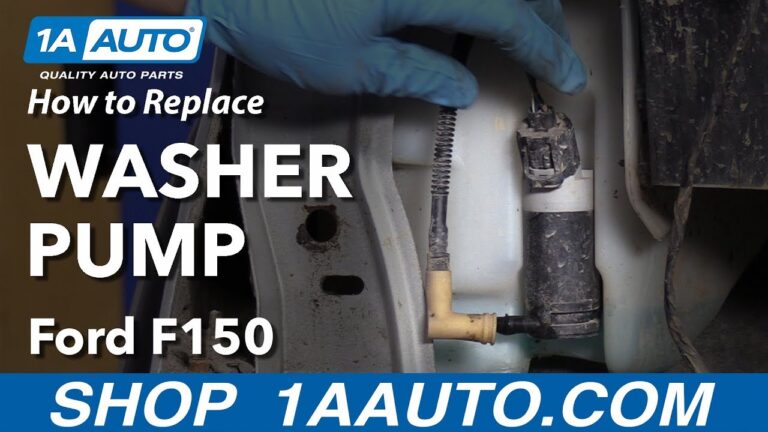
Learn how to replace a windshield washer pump on a Ford F-150, including diagnostic checks, tools, removal steps, installation tips, and troubleshooting.