You should drive with a cracked windshield only when it is safe to reach a suitable repair location. There is no universal safe number of days. If the crack blocks your view, spreads quickly, or causes major distortion, stop driving and arrange professional help.
Across the United States, a cracked windshield can create a safety problem during a daily commute, a road trip, or a drive to work. A small chip may look harmless at first, but changes in temperature, road bumps, and vehicle movement can make the damage spread. The right response depends on where the crack sits, how large it is, and whether it affects your view of the road.
A damaged windshield is more than a cosmetic issue. It helps support the vehicle’s structure and plays a role in how some safety systems work. A crack can also make it harder to see traffic lights, road signs, pedestrians, and other vehicles in bright sunlight or at night. For these reasons, arrange an inspection as soon as possible instead of waiting to see what happens.
This guide explains how long you can drive with a cracked windshield, when to stop driving, how U.S. laws may apply, and whether repair or replacement is the better option. State rules vary, so check the laws where you drive. When damage affects your vision or the glass appears unstable, choose safety over convenience.
You may be able to drive a short distance with minor windshield damage if your view remains clear and the glass is stable. However, that does not mean the vehicle is safe for days or weeks. The safest plan is to arrange an inspection promptly and limit driving until the damage has been assessed.
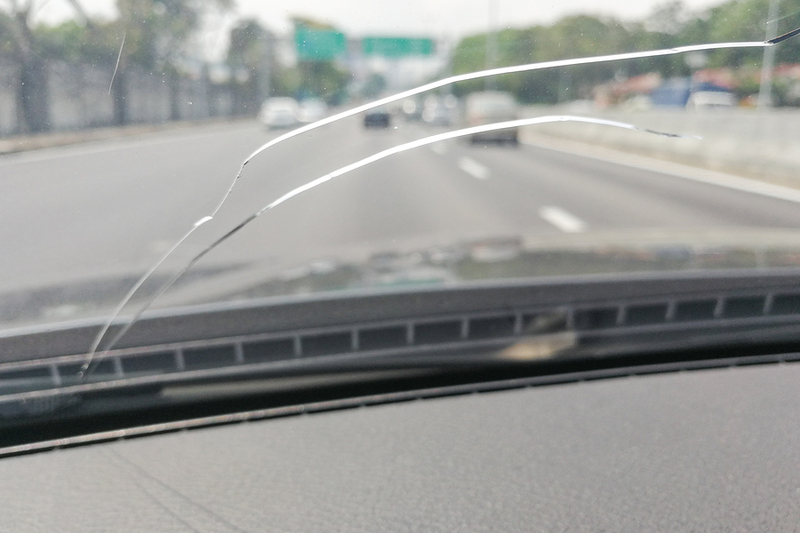
A tiny chip away from the driver’s view may allow a careful trip to a nearby repair shop. A long crack across the windshield is different. It can interfere with visibility and may continue to grow as the vehicle moves or the weather changes.
No reliable rule says a windshield crack will remain safe for 24 hours, three days, or one week. Two cracks of similar length may behave differently because of their location, depth, shape, and the condition of the surrounding glass. Do not use the crack’s age as proof that it is safe.
Source: smileysglass.com
Small chip outside the driver’s view
Arrange prompt professional assessment. A short drive to a nearby repair facility may be reasonable if visibility is clear and the damage is stable.
Long crack or branching damage
Avoid unnecessary driving and seek professional advice. Replace the windshield if the damage affects visibility, compromises the glass, or cannot be safely repaired.
Crack across the driver’s line of sight
Do not continue normal driving. The crack can distort the view of the road, particularly when sunlight, headlights, or rain strike the glass.
Severely shattered or loose glass
Do not drive the vehicle. Arrange roadside assistance or towing and have the windshield inspected.
Is It Safe to Drive With a Small Windshield Crack?
A small crack or chip can be less urgent than widespread damage, but size alone does not prove safety. A small chip near the edge of the windshield may be more concerning than a similar chip near the center because edge damage can affect the glass’s integrity.
Check whether the damage creates glare, a blurry area, or a visual obstruction. If it does, do not assume you can compensate by changing your seat position. Have a qualified technician assess the damage before returning to normal driving.
Check visibility
Make sure the damage does not interfere with your view of the road, traffic signals, or pedestrians.
Check for changes
If the crack grows, branches, or reaches the windshield edge, stop treating it as minor damage.
When Should You Stop Driving With a Cracked Windshield?
Stop driving when the damage makes it hard to see, appears to be spreading rapidly, or raises concerns about the windshield’s stability. Pull over at a safe location if the problem develops while you are on the road. Do not continue a long trip simply because you have already driven with the crack for several days.
A damaged windshield can create glare and visual distortion. This can make it harder to judge distance or see a hazard in time. Rain, darkness, and oncoming headlights may make the problem worse.
If the glass has extensive damage, loose fragments, or signs that it is separating from its frame, arrange towing or roadside assistance. Do not press on the crack or attempt to test the glass by hand.
Source: rivernorthcollisionrepair.com
The crack blocks your direct view
Stop normal driving and arrange repair or replacement. A clear view of the road is essential for safe driving.
The damage reaches the edge
Seek prompt professional assessment because damage near the edge can affect the windshield’s strength and ability to remain securely bonded.
The crack grows while driving
Find a safe place to stop and contact a repair service. Do not continue a highway journey with rapidly changing damage.
The glass is badly shattered
Do not drive. Have the vehicle transported to a suitable repair facility.
Weather makes visibility worse
Avoid driving if rain, glare, fog, or darkness makes the crack a significant visual hazard.
Can You Drive on the Highway With a Cracked Windshield?
Highway driving can increase the consequences of a windshield problem. Higher speeds, road vibration, and airflow may place additional stress on damaged glass. Traffic also leaves less room to react if your view suddenly becomes distorted.
A highway trip is not a good way to test whether a crack will spread. If the damage affects your view or appears unstable, do not enter the highway. Ask an auto glass professional whether the vehicle can be driven safely to the shop or needs towing.
Avoid unnecessary highway trips
Use a safer transport option if the damage is significant or its stability is uncertain.
Do not rely on a short prior trip
A crack that did not spread during an earlier drive can still grow under different conditions.
What Makes a Windshield Crack Spread Faster?
A windshield crack can spread when stress builds around the damaged area. Glass may appear solid, but a chip or crack creates a weak point. Changes in temperature, movement, and additional impacts can extend that damage.
Some cracks remain unchanged for a time, while others grow soon after the original impact. There is no dependable way to predict the exact time a crack will spread without assessing the specific damage and conditions.
Source: detroitchinatown.org
Temperature Changes
Rapid temperature changes can place stress on a damaged windshield. For example, a car that sits in the hot summer sun may have very warm glass. Directing very cold air onto that glass can create uneven temperature changes, which may cause a crack to grow.
Cold winter mornings can also stress damaged glass. Switching a cold windshield to maximum heat at once may increase the temperature difference between areas of the glass. Use moderate climate settings and arrange repair rather than relying on temperature control to protect the crack.
Use gradual temperature changes
Avoid sudden extremes from the defroster or air conditioning when the windshield is damaged.
Park in a sheltered area when practical
Shade or covered parking may reduce rapid temperature swings, but it cannot prevent all crack growth.
Road Vibration and Potholes
Potholes, rough pavement, railroad crossings, and other bumps can cause the vehicle body to flex. That movement may place stress on damaged glass and extend a crack. Rough roads are not the only cause, but they can make existing damage worse.
Avoid rough routes when a short trip to a repair shop is appropriate. Do not treat slower driving as a guarantee that the windshield will remain intact.
Choose a suitable route
If a professional confirms that a short drive is reasonable, avoid rough roads and unnecessary detours.
Wind, Pressure, and New Impacts
Air pressure and vehicle movement can add stress to a damaged windshield. Another small stone or road object may also turn a minor chip into a larger crack. Heavy doors, vehicle body movement, and other impacts can contribute to the problem in some circumstances.
Keeping a safe following distance can lower exposure to loose road debris. It cannot remove the existing damage or ensure that the crack will not spread.
Limit exposure to road debris
Leave adequate space behind trucks and other vehicles that may throw stones or loose material.
Is It Legal to Drive With a Cracked Windshield in the United States?
Whether you can legally drive with a cracked windshield depends on the state, the type of vehicle, the damage, and whether the driver’s view is obstructed. There is no single nationwide rule that makes every windshield crack legal or illegal for every passenger vehicle.
Some states use vehicle inspection standards or laws that focus on visibility and the driver’s field of view. Other rules may address damage location, crack size, or the condition of the glass. A vehicle can also face a safety inspection problem even if the driver can still see through most of the windshield.
Commercial vehicles are subject to additional federal requirements. For example, 49 CFR 393.60 sets windshield condition standards for covered commercial motor vehicles and addresses damage in the driver’s viewing area, subject to stated exceptions. Those rules should not be treated as a universal standard for all private cars.
Before driving with a damaged windshield, check the current rules from your state’s motor vehicle agency or inspection authority. If you plan to cross state lines, remember that the requirements and enforcement practices may differ. Meeting a legal minimum also does not prove that a badly cracked windshield is safe.
Source: vehicleanswers.com
Check your state’s rules
Use official state motor vehicle or inspection resources to confirm requirements for damage, visibility, and vehicle roadworthiness.
Consider inspection requirements
A crack may cause an inspection failure if it falls within a restricted viewing area or violates a state-specific standard.
Do not assume federal rules cover every car
Commercial vehicle regulations have a specific scope. Passenger car requirements depend on the applicable laws and standards.
Prioritize safety over minimum compliance
Even if a crack does not clearly violate a local rule, repair may still be urgent if visibility or windshield integrity is affected.
Can You Get a Ticket for a Cracked Windshield?
Yes, depending on the applicable state or local law and the condition of the windshield. An officer may take action if the damage obstructs the driver’s view or makes the vehicle unsafe under the relevant rule.
The outcome depends on the location and nature of the damage, the law that applies, and the circumstances of the stop. Do not rely on another driver’s experience as proof that your vehicle is compliant.
Verify the local requirement
Check official government guidance instead of relying on a general crack-length rule found online.
Why a Cracked Windshield Is a Safety Risk
A windshield does more than block wind, rain, and debris. It helps maintain a clear view and forms part of the vehicle’s safety structure. Serious damage can affect how well the glass performs in a crash.
The windshield is bonded to the vehicle frame and can contribute to roof support in some crash conditions. Its design and installation also matter for the performance of certain restraint systems. A damaged or poorly bonded windshield may not perform as intended.
A crack does not mean the windshield will instantly collapse. However, the risk depends on the extent and location of the damage, and the vehicle’s design. A professional inspection is the best way to assess whether repair is suitable.
Source: formula1collision.com
Reduced Visibility
A crack can scatter light and create distracting reflections. Sunlight may make the damaged area harder to see through, while headlights can create glare at night. Rain may further reduce the clarity of the driver’s view.
Even when most of the glass looks clear, a damaged area in the direct line of sight can make it harder to identify hazards. Do not assume that driving slowly or looking around the crack removes the risk.
Watch for visual distortion
Blurry areas, glare, and reflections can make distance and movement harder to judge.
Reduced Structural Support
A windshield is part of a vehicle’s overall safety design. Depending on the vehicle and the crash, it can contribute to roof support and help provide a surface against which a passenger-side airbag deploys.
The exact effect of a crack depends on its size, position, and the windshield’s condition. Do not assume that a small-looking crack has no structural effect, especially when it reaches the edge or extends through a large part of the glass.
Have edge damage assessed
Damage near the frame deserves prompt professional attention because the bonded edge is important to windshield retention.
Advanced Driver Assistance Systems
Many newer vehicles use cameras or sensors mounted near the windshield. These systems may support lane keeping, traffic sign recognition, automatic emergency braking, or other driver assistance features.
If windshield replacement is required, the vehicle may need camera calibration according to the manufacturer’s procedure. The technician should confirm the requirements for the exact make, model, and equipment. A replacement is not complete merely because the new glass is installed.
Ask about calibration
Confirm whether the vehicle needs static or dynamic camera calibration, or another manufacturer-specified procedure, after replacement.
Can a Cracked Windshield Be Repaired or Must It Be Replaced?
A windshield can sometimes be repaired when the damage is limited and suitable for a professional resin repair. Replacement is often necessary when the crack is long, reaches a critical area, affects the driver’s view, or compromises the glass beyond accepted repair limits.
The decision depends on more than crack length. Technicians consider the type of damage, its depth, its position, whether there are multiple impact points, and the vehicle manufacturer’s guidance. A repair that leaves significant distortion or cannot restore adequate integrity may not be appropriate.
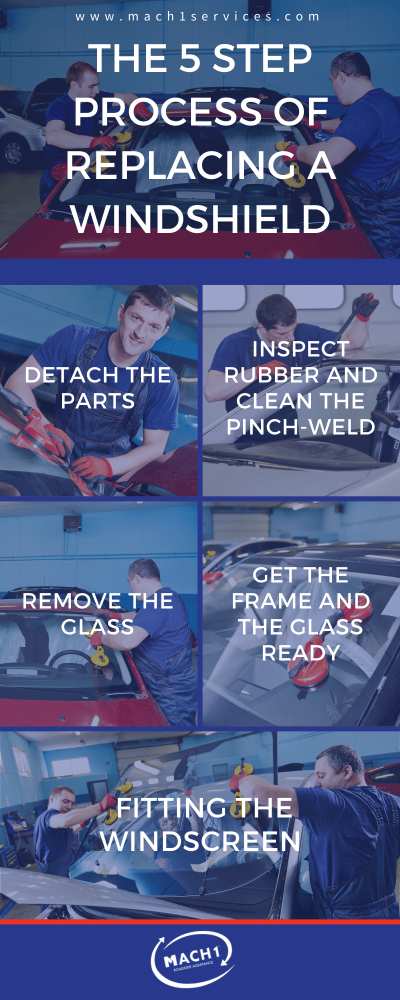
Repair usually involves cleaning and preparing the damaged area, injecting a suitable resin, and curing it. The process may improve clarity and help prevent further spread, but it may not make the mark disappear completely. Replacement involves removing the damaged windshield and installing suitable new glass with the correct bonding materials.
Source: hitchesguide.com
When Windshield Repair May Be Possible
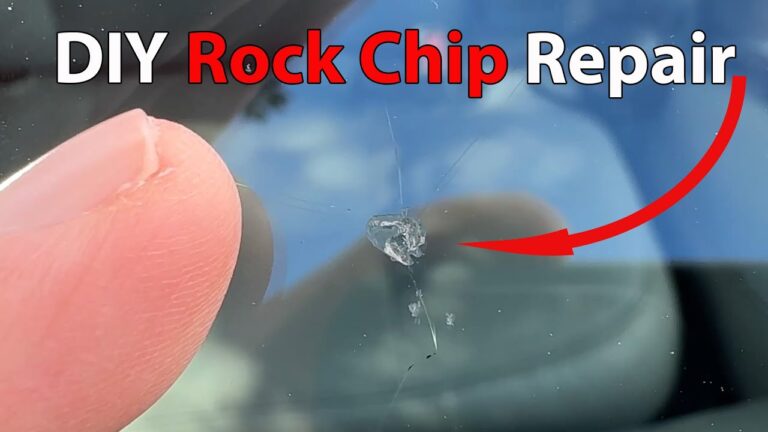
Repair may be an option for a small chip or limited crack that meets the technician’s criteria. Early assessment can improve the chance of a successful repair because dirt, moisture, and continued movement can make the damaged area harder to restore.
Do not assume that every small crack can be repaired. The position of the damage and the type of glass matter, and some repairs may leave visible marks.
Limited damage
The chip or crack falls within the repair limits used by the technician and glass manufacturer.
Suitable location
The damage does not fall in an area where repair would leave an unacceptable visual obstruction or compromise safety.
Sound surrounding glass
The surrounding windshield remains suitable for repair and the damage has not spread beyond acceptable limits.
When Windshield Replacement Is the Better Option
Replacement is generally the safer choice when the damage is too extensive to repair properly. It may also be required when the crack reaches the edge, the glass has multiple intersecting cracks, or the damaged area interferes with the driver’s view.
Choose a qualified installer who follows the vehicle manufacturer’s procedures and uses compatible glass and bonding materials. Ask whether the vehicle requires camera calibration and how long the adhesive must cure before the vehicle can be driven.
Extensive cracks
Large or branching damage may exceed the limits for a safe and effective repair.
Critical viewing area
Replacement may be needed when a repair would leave visual distortion in the driver’s direct line of sight.
Compromised glass or bonding
Severe damage or concerns about the windshield’s fit and retention call for professional evaluation and may require replacement.
What to Do Immediately After Your Windshield Cracks
Act promptly when you notice windshield damage. The goal is to prevent added stress, protect your view, and arrange the right repair before the damage grows. A few sensible steps can help, but none can make an unsafe windshield safe for driving.
Source: smileysglass.com
Step 1: Assess the Damage From a Safe Position
Park in a safe place and look at the windshield from inside and outside the vehicle, without pressing on the glass. Note the crack’s location, approximate length, and whether it branches or reaches the edge.
If the glass is badly shattered or your view is obstructed, do not drive to inspect it further. Arrange professional help instead.
Record the damage
Take clear photos from a safe position if doing so does not delay urgent assistance.
Step 2: Limit Further Stress
Avoid slamming doors, driving over rough surfaces, or using extreme heating and cooling settings. These steps may reduce added stress, but they cannot guarantee that the crack will stop spreading.
Do not press on the crack, pour hot or cold water over the glass, or try to force the damaged area back into place. Avoid home repairs if the damage affects visibility or appears serious.
Keep conditions moderate
Avoid sudden temperature changes and unnecessary vehicle movement while arranging an assessment.
Step 3: Contact an Auto Glass Professional
Describe where the crack is located, how large it appears, and whether it has grown. Send photos if the service provider accepts them, but understand that photos may not show the full depth or extent of the damage.
Ask whether the vehicle can be driven to the repair location or should be towed. If the windshield blocks your view or is badly damaged, do not drive it simply because the shop is nearby.
Request an inspection
Have a trained technician determine whether repair or replacement is suitable.
Step 4: Check Insurance Coverage
Contact your insurance company to learn whether your policy covers windshield repair or replacement. Coverage depends on your policy, deductible, exclusions, and state requirements.
Ask whether the insurer has preferred providers, whether you can choose another qualified shop, and whether calibration costs are covered when needed. Confirm the expected cost before authorizing work.
Review your deductible
Compare your out-of-pocket cost for repair or replacement with the coverage available under your policy.
How Much Does Windshield Repair or Replacement Cost?
The cost depends on the vehicle, the type and location of the damage, the glass required, and the labor involved. A small chip repair generally costs less than a full windshield replacement, but there is no single price that applies to every U.S. vehicle.
Vehicles with rain sensors, heating elements, acoustic glass, head-up displays, or driver assistance cameras may need specialized parts or extra work. The correct glass and any required calibration can affect the final price.
Ask for an itemized estimate that identifies the glass, installation, adhesive, calibration, and any other fees. A low quote is not necessarily the best value if it excludes required work or uses glass that does not meet the vehicle’s specifications.
Source: vehicleanswers.com
Repair cost
A suitable small chip or limited crack may be repaired without replacing the entire windshield.
Replacement cost
A full replacement usually costs more because it involves new glass, removal, installation, and proper bonding.
Insurance contribution
Your insurer may pay part or all of the eligible cost, depending on your policy and applicable rules.
Calibration costs
Some vehicles need camera or sensor calibration after replacement, which can add to the bill.
Is It Cheaper to Repair a Windshield Early?
Early repair can cost less when the damage is still small and meets professional repair criteria. If the crack spreads, replacement may become necessary instead. This is a practical reason to arrange an inspection quickly rather than waiting for the damage to grow.
Early repair is not guaranteed to prevent replacement. The technician must still check the location, depth, and condition of the glass before recommending a repair.
Act early
Prompt assessment may preserve a repair option and help prevent avoidable damage.
Common Mistakes to Avoid With a Cracked Windshield
Many drivers delay repairs because the damage looks small or the vehicle still runs normally. A windshield problem may not affect the engine or steering, but it can still reduce visibility and compromise safety.
Avoid using temporary fixes as a reason to postpone professional assessment. The aim is to determine whether the glass can be repaired safely, not merely to keep the crack from being noticed.
Source: formula1collision.com
Waiting until the crack becomes large
A small chip may spread before you have time to arrange service. Seek assessment as soon as you notice the damage.
Assuming all cracks are the same
Location, depth, shape, and the condition of the surrounding glass affect repair decisions.
Using household glue or unapproved materials
These products can interfere with proper repair and may make professional treatment harder.
Applying sudden heat or cold
Rapid temperature changes can add stress to damaged glass and may cause the crack to spread.
Ignoring the driver’s line of sight
A small area of distortion can still be a serious hazard if it interferes with the view of the road.
Choosing a shop by price alone
Check the provider’s qualifications, installation procedures, glass suitability, warranty terms, and calibration capabilities.
Confirm your policy terms, deductible, and any approval requirements before the work begins.
Should You Use a Windshield Repair Kit?
Some consumer kits are designed for limited chips or specific minor damage. They are not suitable for every crack, and they cannot restore every damaged windshield to its original condition.
Do not use a kit on damage that obstructs your view, reaches a critical area, or appears extensive. Ask a qualified technician to assess the glass before attempting a repair, particularly when the vehicle’s safety or roadworthiness is in doubt.
Know the limits
A consumer kit cannot replace a professional assessment when the damage may affect visibility or structural performance.
Frequently Asked Questions
Q
Can I drive for a week with a cracked windshield?
There is no universal safe time limit. A small chip outside your view may remain stable for a while, while another crack may spread quickly. Arrange a professional assessment as soon as possible and avoid driving if the damage affects visibility or the windshield appears unstable.
Q
Will a cracked windshield shatter while driving?
A cracked windshield does not always shatter suddenly, but its behavior depends on the damage, glass condition, temperature, and additional stress. Extensive damage can become worse without warning. Do not rely on the glass remaining unchanged, and arrange professional help if the windshield is badly damaged.
Q
Can I drive with a cracked windshield in the rain?
Rain can make an existing visibility problem more dangerous by reducing contrast and increasing glare. If the crack interferes with your view, do not drive in the rain. If you are already driving and visibility becomes unsafe, pull over somewhere safe and arrange assistance.
Q
Does a windshield crack mean I need a replacement?
Not always. A technician may be able to repair a small chip or limited crack if its size, location, and condition meet the relevant repair criteria. Extensive cracks, damage near critical areas, or visual distortion may require replacement. The final decision should follow a professional assessment.
Q
Will my car insurance pay for a cracked windshield?
Coverage depends on your policy, deductible, exclusions, and state rules. Comprehensive coverage may cover eligible windshield damage, but the terms differ among policies. Contact your insurer before authorizing the repair and ask whether calibration and installation costs are included when required.
Q
Can a windshield crack spread overnight?
Yes, a crack can grow while a vehicle is parked. Temperature changes and existing stress in the glass can cause the damage to extend even when the vehicle is not moving. A crack that looks unchanged at night may look longer the next morning, so prompt assessment is sensible.
Q
Can I drive my car to the repair shop with a cracked windshield?
A short drive may be reasonable when the damage is minor, your view is clear, and the glass appears stable. If the crack blocks your view, spreads rapidly, or involves severe damage, do not drive the vehicle. Call the shop to discuss the damage and arrange towing if needed.
✦ Wrapping Up
Conclusion
How long you can drive with a cracked windshield depends on the type of damage, its location, your visibility, and the condition of the glass. There is no reliable number of hours or days that makes every cracked windshield safe. A small chip may be repairable, but a long crack or damage in the driver’s line of sight calls for greater urgency.
Windshield damage can affect more than appearance. It may increase glare, limit your view, and affect the glass’s role in vehicle safety. State laws also vary, so check the rules that apply to your vehicle and location rather than relying on a universal crack-size limit.
The best course is to arrange a professional inspection as soon as you notice damage. If visibility is impaired or the windshield appears unstable, do not continue driving. Ask a qualified auto glass technician whether repair or replacement is needed, and check your insurance coverage before authorizing the work.
💡 Key Takeaway
Inspect the damage without touching the glass, avoid unnecessary driving, and contact a qualified auto glass professional promptly. If the crack obstructs your view or the windshield is severely damaged, arrange towing instead of driving.
Learn how to refill windshield washer fluid in a Honda Accord, locate the reservoir, choose the right fluid, avoid common mistakes, and troubleshoot spray problems.