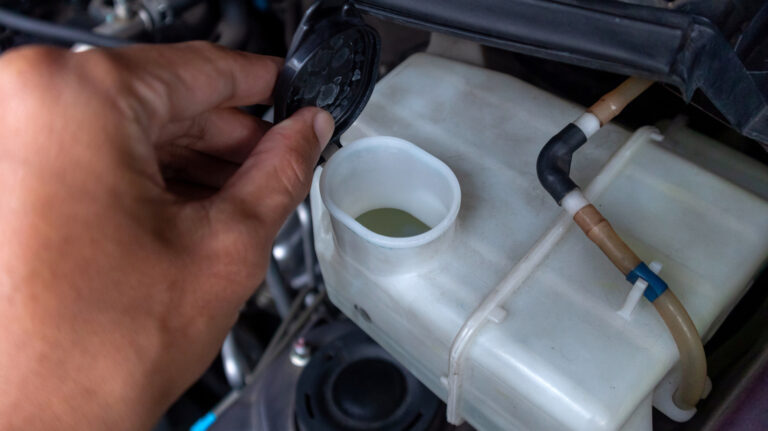
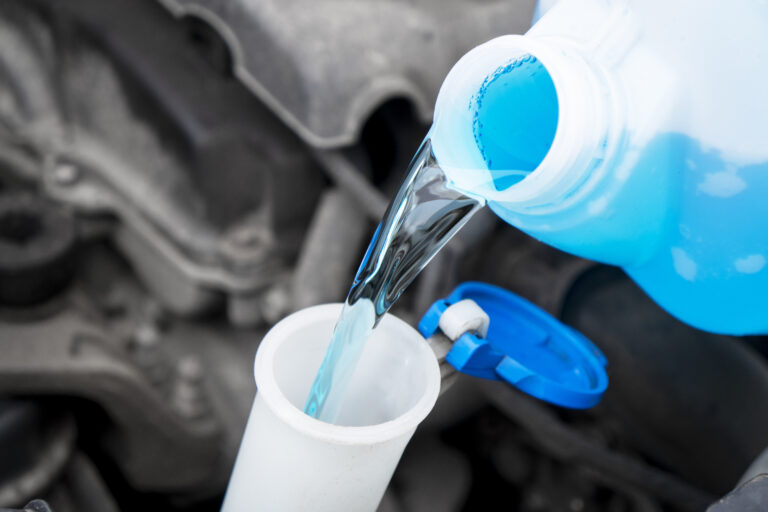
Yes, some windshield washer fluids are flammable. The risk depends on the formula, its alcohol content, and the conditions around it. Many winter washer fluids contain methanol, which is highly flammable. Always check the product label and Safety Data Sheet (SDS) before handling an unfamiliar formula.
Across the United States, drivers use windshield washer fluid to clear road salt, dust, insects, mud, and other grime from their windshields. It is a common car-care product, but its familiar use can make its chemical risks easy to overlook. Some formulas contain alcohols that can burn, and certain products also carry serious health hazards.
The key point is that windshield washer fluid is not one standard chemical. Its ingredients vary by brand, season, and intended use. A summer formula, a winter blend rated for subzero weather, and a concentrated cleaning product may have different fire hazards.
Drivers should not judge flammability by a fluid’s color, smell, or appearance. Instead, check the container label and the manufacturer’s current SDS. These sources can identify hazardous ingredients, fire precautions, first-aid measures, and safe storage conditions.
Windshield washer fluid can be flammable because some formulas contain alcohol-based ingredients. These ingredients help the fluid clean glass and, in winter products, lower its freezing point. Methanol is one common ingredient in automotive washer fluids, although formulas differ between products.
A liquid’s flammability depends on its chemical makeup and how readily it produces vapor that can ignite. When a flammable liquid releases enough vapor, a nearby ignition source may start a fire. The exact conditions depend on the mixture, its temperature, ventilation, and other factors.
Methanol is a particularly important concern. The U.S. Occupational Safety and Health Administration identifies methanol as a flammable chemical, and the National Institute for Occupational Safety and Health describes it as highly flammable. These properties help explain why products containing methanol may need strict fire precautions.
However, the presence of water does not settle the question. Water can reduce the flammability of some mixtures, but the finished product’s behavior depends on the proportions and other ingredients. Do not assume that a blue, watery-looking washer fluid is safe near an open flame.
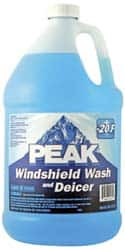
Source: penntoolco.com
Alcohol content
Methanol and other alcohols may contribute to a product’s ability to ignite. The type and concentration of each ingredient affect the finished mixture.
Product formulation
Two washer fluids made for similar temperatures may have different ingredients and hazard classifications. Their safety instructions may therefore differ.
Heat and vapor
Temperature can affect vapor formation and ignition risk. Keep flammable products away from hot surfaces and sources of sparks or flames.
Does Water Make Washer Fluid Nonflammable?
No. The water in a washer fluid mixture does not guarantee that the product cannot burn. Some water-based mixtures containing enough flammable solvent can still meet the criteria for a flammable liquid.
A product’s hazard classification applies to the finished mixture, not simply to one ingredient viewed in isolation. Read the manufacturer’s SDS for the exact formula rather than trying to estimate fire risk from the ingredient list alone.
Do not rely on appearance
Clear or colored liquid may still contain flammable ingredients.
Check the finished product
Use the specific product’s label and SDS to determine its hazards and required precautions.
Can Washer Fluid Catch Fire From a Spark?
A spark may ignite a flammable washer fluid vapor under suitable conditions. This does not mean every spill will ignite when exposed to any spark, but it does mean that ignition sources must be kept away from products classified as flammable.
Do not test this by lighting a sample or bringing a flame near a bottle. Such experiments can cause burns, fire, or toxic exposure. Use documented safety information instead.
Avoid ignition sources
Keep products away from cigarettes, open flames, welding, sparks, and equipment that may produce ignition.
Which Types of Windshield Washer Fluid Are Flammable?
The safest way to compare washer fluids is to look at their labels and safety documents. Product names such as summer wash, winter wash, de-icer, or concentrate describe intended uses, but they do not establish a universal flammability rating.
Winter washer fluid often contains alcohol to help prevent freezing in cold weather. Methanol is used in some formulations, and some documented products are classified as flammable liquids. Other formulas may use different alcohols or solvent blends.
Summer washer fluid may use a different blend of water, cleaning agents, and solvents. Some products may have a lower fire hazard than certain winter products, but this cannot be assumed for every brand. A summer label is not proof that the contents are nonflammable.
Concentrates deserve special attention because their ingredients and recommended dilution can differ from ready-to-use products. Do not assume that a concentrate has the same hazards as a diluted mixture. Follow the exact mixing instructions, if dilution is permitted, and use the precautions specified by the manufacturer.
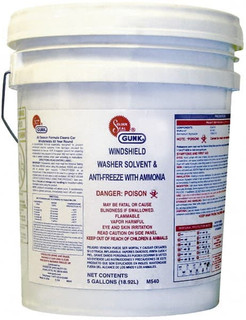
Source: askmyauto.com
Winter washer fluid
Some winter blends contain methanol or other alcohols that lower the freezing point. Check the label and SDS for flammability and toxicity warnings.
Summer washer fluid
Formulas vary. Do not assume that warm-weather products are nonflammable without checking their documented hazards.
Concentrated washer fluid
Concentrates can have different ingredient levels and handling requirements. Follow the stated dilution instructions and safety precautions.
Specialty cleaning products
Glass cleaners and automotive washer fluids are not necessarily interchangeable. Use only products approved for the intended vehicle application.
Is Winter Windshield Washer Fluid More Flammable?
Some winter formulas present a greater fire concern because they contain substantial amounts of low-freezing-point alcohols. However, there is no universal rule that every winter fluid is more flammable than every summer fluid.
The temperature rating printed on a bottle tells you about its intended freezing protection, not a complete fire or health classification. A product rated for very cold weather should still be evaluated using its own safety documentation.
Check both hazards
Look for freezing protection information and separate warnings about flammability, toxicity, and ventilation.
Is Methanol-Free Washer Fluid Always Nonflammable?
No. Removing methanol does not prove that a product is nonflammable. Another ingredient may still create a fire hazard, and the finished mixture may carry other risks.
A methanol-free claim describes one ingredient choice. It is not a substitute for reading the complete hazard information. Check the label and SDS for the exact product you plan to use.
Read the complete label
Check all listed warnings rather than relying on a single marketing claim.
How to Check Whether Your Washer Fluid Is Flammable
You can determine the documented fire hazards of your washer fluid without opening it unnecessarily or performing a flame test. Start with the exact brand and product name printed on the container. If the bottle is damaged or the label is missing, avoid guessing about its contents.
The Safety Data Sheet is especially useful because it gives more detail than a short retail label. Manufacturers typically make these documents available through product support pages or customer service. Make sure the document matches the product and formulation you have, since similar names may refer to different blends.
For workplace use, OSHA’s Hazard Communication Standard requires relevant safety information for hazardous chemicals under its scope. OSHA also explains that the chemical manufacturer or importer is responsible for developing appropriate safety data. An SDS is therefore a more useful reference than an unsupported online claim.
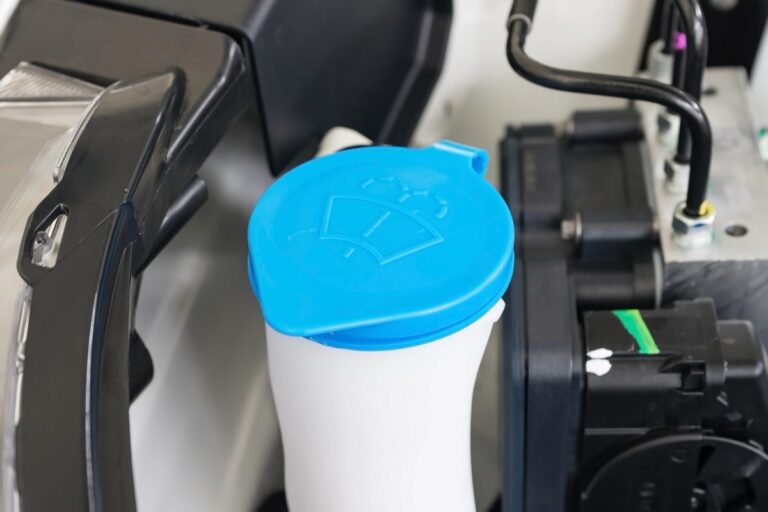
Source: penntoolco.com
Step 1: Identify the product
Record the brand, full product name, and any product code. Do not rely only on the bottle’s color or freezing-temperature rating.
Step 2: Read the label
Look for a flame pictogram, a flammable-liquid warning, toxicity warnings, and instructions about heat, ventilation, and storage.
Step 3: Find the SDS
Use the manufacturer’s official website or contact its customer support. Confirm that the document corresponds to the exact product.
Step 4: Review the relevant sections
Section 2 covers hazard identification, Section 3 lists composition information, Section 5 covers firefighting measures, Section 7 covers handling and storage, and Section 10 discusses stability and reactivity.
Step 5: Follow the stated precautions
Apply the manufacturer’s instructions for storage, spill response, protective equipment, and disposal. Seek professional guidance if the container or product identity is uncertain.
What Does a Flame Symbol Mean?
A flame pictogram on a chemical label signals a recognized fire-related hazard. Depending on the product, it may indicate flammable liquids, gases, aerosols, or other categories covered by the applicable labeling system.
The pictogram should prompt you to read the full warning rather than trying to infer every hazard from the symbol alone. Other symbols or statements may warn of toxicity, irritation, or serious health effects.
Read the accompanying warning
Use the signal word, hazard statements, and precautionary instructions to understand the product’s specific risks.
What If the Bottle Has No Warning Label?
An absent flame symbol does not always prove that a product is incapable of burning. Label requirements and hazard classifications depend on the product and applicable rules, and not every retail container displays every detail found in an SDS.
If the product is unidentified, transferred into another container, or missing important instructions, do not use it until its identity and hazards can be confirmed. Never store washer fluid in a drink bottle or another container that could cause accidental ingestion.
Keep the original packaging
The original label helps identify the contents and preserves important safety information.
Can Windshield Washer Fluid Catch Fire Under a Car’s Hood?
A flammable washer fluid can pose a fire risk if it leaks or spills near an ignition source. The engine compartment contains hot surfaces and electrical equipment, so an unknown leak should not be ignored. The risk depends on the fluid’s formulation, the amount released, temperature, airflow, and the source of ignition.
The washer fluid reservoir is usually made to hold the vehicle’s specified cleaning fluid. It is not a fuel tank, and its normal operation does not mean the fluid is intended to be exposed to flames or excessive heat. Do not modify the reservoir or add an unapproved chemical to it.
If you notice a washer fluid leak, park in a safe place and turn off the engine when it is safe to do so. Keep away from visible flames, smoke, or electrical sparks. If the spill is near a hot engine component, or if you suspect a fire, do not lean over the engine bay or attempt repairs while the area may be unsafe.
A washer fluid leak does not automatically mean a fire is likely. It does mean that the source should be identified and corrected, particularly if the liquid is pooling near hot or electrical components. A qualified mechanic can inspect the reservoir, hoses, pump, and connections if the source is not clear.
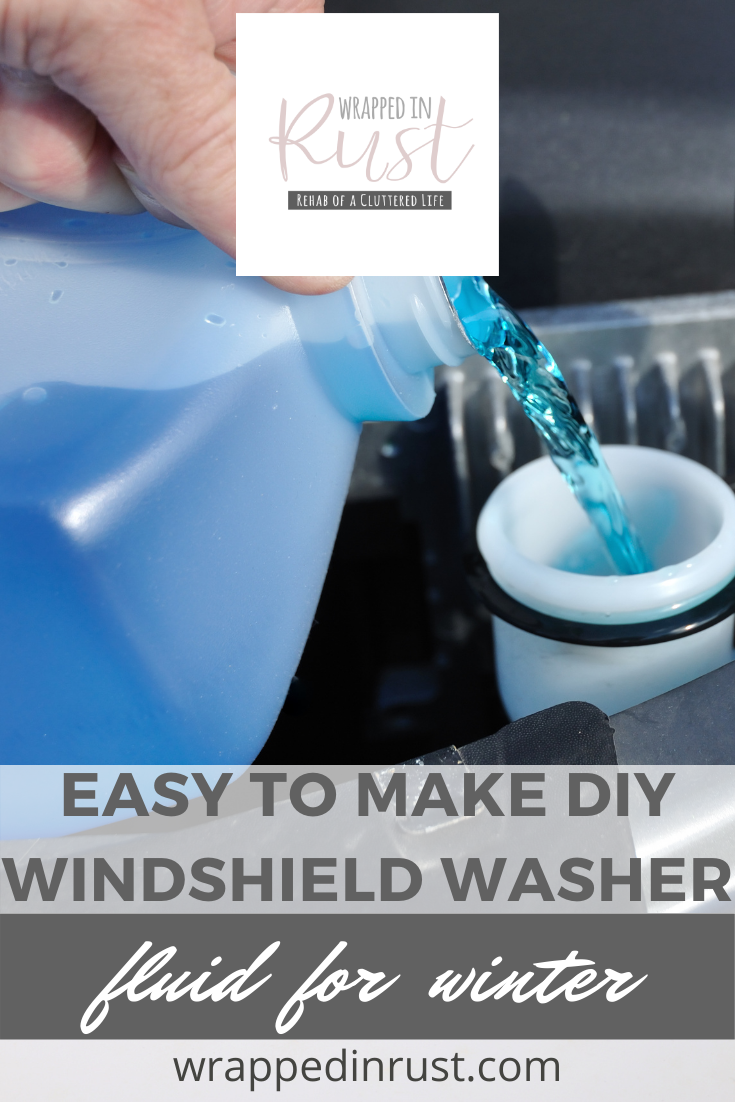
Source: askmyauto.com
Watch for leaks
Repeated low-fluid warnings, wet areas under the vehicle, or a strong unexpected odor may warrant inspection. These signs alone do not establish that the fluid is burning or flammable.
Avoid hot components
Do not pour washer fluid over an engine or use it to clean hot vehicle parts.
Stop if you see smoke or flames
Move away, keep others clear, and contact emergency services if a fire or immediate danger is present.
Repair the cause
Have damaged hoses, a cracked reservoir, or a leaking pump assessed and repaired before continuing normal use.
Can a Hot Engine Ignite Washer Fluid?
A sufficiently hot surface can be an ignition hazard for certain flammable liquids or their vapors. Whether a particular surface can ignite a specific washer fluid depends on the product’s properties and the surface temperature.
Do not use a universal temperature estimate to decide whether a spill is safe. Keep fluid away from hot engine parts and follow the product’s SDS. If a spill occurs in an area that is hot or difficult to reach, let a qualified professional determine how to handle it safely.
Do not test the risk
Never pour washer fluid onto an engine or expose it to a hot surface to see whether it ignites.
Can Washer Fluid Cause an Electrical Fire?
Washer fluid should not be treated as a safe cleaning agent for energized electrical equipment. A spill around electrical components can create additional hazards, and the flammability of the mixture may matter if sparks or heat are present.
Do not spray fluid into wiring, connectors, or electrical equipment. If a leak reaches a sensitive area, avoid touching wet components and seek qualified vehicle service.
Keep the system in its intended role
Use washer fluid only in the washer system and use suitable products for other cleaning tasks.
Is Windshield Washer Fluid Dangerous to Store in a Garage?
Windshield washer fluid can generally be stored when the manufacturer’s instructions are followed, but a garage is not automatically a safe place for every chemical. Some products contain flammable and toxic ingredients that require care. Storage should protect the container from heat, damage, accidental access, and ignition sources.
Keep the fluid in its original, closed container with the label intact. Follow the manufacturer’s temperature and ventilation instructions. Avoid placing the bottle next to a furnace, water heater, welding area, open flame, or other potential ignition source when the product is flammable.
Do not transfer washer fluid into a food or beverage container. This creates a serious risk of accidental ingestion, particularly because methanol can cause severe poisoning. Store the container where children and pets cannot reach it, and do not leave it beside food, drinks, or animal supplies.
Do not assume that a sealed bottle can be kept indefinitely in a hot vehicle. High temperatures may affect the container and can increase pressure or vapor release, depending on the product and packaging. Follow the storage directions and replace a damaged, leaking, swollen, or badly deteriorated container safely.
Source: penntoolco.com
Choose a suitable location
Use a cool, dry, well-ventilated storage area when required by the label. Keep the product away from heat and ignition sources.
Keep the lid secure
Close the original container after use and keep the label readable.
Prevent accidental access
Store the product securely away from children, pets, food, and drink.
Inspect the container
Do not use a container that leaks or has damage that makes its contents or safe handling uncertain.
Can You Leave Washer Fluid in a Car During Summer?
A vehicle can become much hotter than the outdoor air, so storage conditions matter. Whether a specific washer fluid can remain in a parked vehicle depends on its packaging and the manufacturer’s instructions.
The washer system is designed for its specified fluid under normal vehicle conditions, but spare bottles should not be left where they may be damaged or exposed to unsuitable heat. Follow the label, keep the bottle secure, and do not store it near items that could ignite or react with the product.
Follow product instructions
Use the stated storage temperature range if one is provided, and avoid prolonged exposure to excessive heat.
Should You Store Washer Fluid Near Gasoline?
Avoid storing flammable washer fluid alongside gasoline or other flammable products when doing so increases the chance of a spill, vapor buildup, or contact with an ignition source. Keep all chemicals in approved, properly labeled containers and follow the storage rules that apply to each product.
Do not combine different automotive fluids in one container. Their ingredients may be incompatible, and mixing can make the resulting hazards harder to identify.
Keep chemicals separate
Store products in their own labeled containers and follow their individual storage requirements.
What to Do if Windshield Washer Fluid Spills
The right response to a washer fluid spill depends on its size, location, and ingredients. A small spill on a cool, nonporous surface may be manageable by following the product’s SDS, but a spill near heat, flames, drains, or electrical equipment can require professional help.
Do not touch an unknown spill with bare hands, sniff it closely, or use a flame to identify the liquid. If the product has strong fumes, causes symptoms, or is leaking in a confined area, move to fresh air and keep others away. If there is a fire or an immediate threat, leave the area and contact emergency services.
For a minor spill that the label says can be cleaned up safely, follow the manufacturer’s instructions and use the protective equipment specified in the SDS. Keep ignition sources away if the product is flammable, and prevent the liquid from entering drains or the environment when the instructions require containment.
Never mix spilled washer fluid with bleach, acids, household cleaners, or other automotive chemicals. An improvised mixture can create additional hazards. If you cannot identify the product or are unsure how to clean the spill, contact the manufacturer or an appropriate hazardous-materials professional.
Source: carfluidpro.com
Assess the surroundings
Look for fire, smoke, hot surfaces, electrical equipment, strong fumes, and nearby drains without approaching an unsafe area.
Keep people away
Prevent children and pets from contacting the liquid, and avoid walking through the spill.
Follow the SDS
Use the documented spill response and protective equipment for the exact product. Do not improvise with household chemicals.
Seek help when needed
Contact emergency services for fire, dangerous fumes, or an unsafe spill. For a smaller but uncertain release, seek guidance from the manufacturer or a qualified cleanup service.
What If Washer Fluid Gets on Your Skin or in Your Eyes?
Follow the first-aid instructions on the product label and SDS. For skin contact, remove contaminated clothing and rinse the affected skin with water as directed by the product’s safety information. For eye contact, begin rinsing with clean running water and obtain medical advice, following the SDS instructions.
Methanol-containing products deserve particular caution because methanol can cause serious health effects. Do not assume that a small exposure is harmless simply because the liquid looks like water or has a mild smell.
If the fluid is swallowed, do not induce vomiting unless a medical professional specifically directs you to do so. Contact Poison Control in the United States at 1-800-222-1222 or seek emergency medical care promptly. For severe symptoms, call 911.
Keep the label available
Give medical personnel the exact product name and its SDS, if available, without delaying urgent care.
What If the Spill Catches Fire?
Move away from the fire and warn anyone nearby. Call 911 in the United States when a fire threatens people or property, and do not attempt to fight a fire involving an unfamiliar chemical unless you are trained, equipped, and certain that it is safe to do so.
Do not pour water onto a burning chemical based on guesswork. Fire response depends on the exact liquid and surrounding conditions. Emergency responders can use the appropriate information from the product’s SDS and the scene assessment.
Prioritize evacuation
Leave the danger area and follow emergency responders’ instructions.
Common Mistakes That Increase Washer Fluid Risks
Most washer fluid hazards can be reduced by using the correct product and following its instructions. Problems arise when drivers assume all automotive liquids behave the same way or use washer fluid for tasks outside its intended purpose.
A bottle may look harmless because it is sold in an automotive store, but retail availability does not remove chemical hazards. The safest approach is to treat the fluid according to its documented properties rather than relying on assumptions.
Never use washer fluid as a fuel, a fire starter, a general-purpose solvent, or a substitute for a product designed for another task. Keep it out of contact with food and drink, and do not mix it with other chemicals.
Source: askmyauto.com
Mistake: Assuming all washer fluid is the same
Correction: Formulas vary by brand and season. Check the exact label and SDS.
Mistake: Assuming water content removes fire risk
Correction: The finished mixture may still be flammable. Follow its hazard classification.
Mistake: Using smell to judge safety
Correction: Odor is not a reliable way to identify ingredients or measure toxicity.
Mistake: Pouring fluid onto a hot engine
Correction: Keep the fluid away from hot surfaces and use only the specified washer system.
Mistake: Transferring fluid to an unlabeled bottle
Correction: Keep it in the original container to reduce confusion and accidental ingestion.
Mistake: Ignoring a leak
Correction: Identify and repair the source, particularly if fluid is collecting near hot or electrical components.
Mistake: Testing flammability with a flame
Correction: Never perform an ignition test. Use the product’s documented safety information.
Can You Use Washer Fluid to Clean Engine Parts?
Washer fluid is formulated for windshield washer systems, not as a general engine degreaser. Its ingredients may be unsuitable for some finishes, components, or cleaning tasks, and flammable formulations introduce extra concerns around heat and sparks.
Use a cleaning product specifically intended for the part and task. Follow the vehicle manufacturer’s instructions and the cleaner’s label, including any requirements for ventilation and ignition control.
Use the right product
Choose a cleaner approved for the intended surface and follow its safety instructions.
Can You Mix Different Washer Fluids?
Avoid mixing products unless their manufacturers explicitly state that the combination is acceptable. Different formulas can have different solvents, additives, and freezing protection, so the resulting performance and hazards may be uncertain.
If you do not know what is already in the reservoir, check the vehicle and product instructions before adding another formula. Ask a qualified mechanic for help if the mixture is unknown or the system has developed a problem.
Keep formulas separate
Use one compatible product as directed rather than experimenting with combinations.
Frequently Asked Questions
Q
Is windshield washer fluid highly flammable?
Some windshield washer fluids are classified as flammable liquids, especially certain products containing methanol. Others may have different hazard classifications. Check the exact product’s label and Safety Data Sheet instead of assuming all washer fluids have the same fire risk.
Q
Can windshield washer fluid ignite in sunlight?
Sunlight alone does not mean washer fluid will automatically ignite. However, direct heat can affect the container and may increase vapor formation in some products. Store washer fluid according to the manufacturer’s instructions and keep flammable products away from ignition sources.
Q
Is windshield washer fluid toxic as well as flammable?
Some products are both flammable and toxic. Methanol is especially concerning because swallowing it or absorbing a harmful amount can cause severe health effects. Never drink washer fluid, avoid unnecessary skin or eye contact, and follow the label’s first-aid instructions. In the United States, Poison Control can be reached at 1-800-222-1222.
Q
Can windshield washer fluid freeze even if it is flammable?
Yes. Flammability and freezing point are different properties. Alcohol may lower a mixture’s freezing point, but the level of protection depends on the formula and its concentration. Use a product rated for the temperatures your vehicle will encounter and follow the label.
Q
How should you dispose of old windshield washer fluid?
Follow the product label and local waste rules. Do not pour unknown or hazardous washer fluid onto the ground, into a storm drain, or down a household drain unless local authorities and the product instructions specifically permit that method. Contact your local household hazardous waste program if you are unsure how to dispose of it.
Q
Can you store windshield washer fluid in a plastic bottle?
Keep washer fluid in its original container unless the manufacturer specifically approves another container. The original packaging is selected for the product and carries the correct label and safety information. Never transfer the fluid into a drinking-water bottle or food container.
Q
Does the color of washer fluid indicate whether it is flammable?
No. Blue, green, pink, or other colors do not reliably indicate a product’s flammability or toxicity. Color is not a substitute for ingredient information, hazard statements, or the manufacturer’s Safety Data Sheet.
✦ Wrapping Up
Conclusion
Windshield washer fluid can be flammable, but the risk varies by product. Some winter formulas contain methanol or other alcohols that can ignite under suitable conditions. Certain products also present serious health hazards, so correct storage and handling matter even when the fluid is used for routine vehicle care.
For U.S. drivers, the most reliable way to assess a specific bottle is to read its label and current Safety Data Sheet. Keep the fluid in its original container, away from heat and ignition sources, and use it only in the intended washer system. Never test it with a flame or assume that its water content makes it nonflammable.
If fluid leaks near hot vehicle parts, a spill produces strong fumes, or a fire occurs, put personal safety first. Move away from danger and seek qualified help rather than taking unnecessary risks.
💡 Key Takeaway
Before using or storing windshield washer fluid, check the exact product label and SDS for flammability, toxicity, storage, and first-aid guidance. Keep it sealed in its original container, away from heat and flames, and contact a qualified professional if the product is unidentified or a spill is unsafe.
Learn how to check windshield washer fluid in a Tesla, recognize low-fluid symptoms, inspect the reservoir, and refill it safely with compatible washer fluid.