To unclog a windshield washer nozzle, turn off the vehicle, inspect the nozzle opening, remove visible debris with a soft brush, and carefully clear accessible buildup with a fine cleaning pin if the manufacturer permits it. Test the washer system afterward. If fluid still does not spray, check the reservoir, hoses, pump, and nozzle alignment.
In the United States, a working windshield washer system is especially useful during spring pollen season, dusty summer drives, fall leaf debris, and winter road-salt conditions. A clogged nozzle can leave the windshield dirty even when the reservoir contains plenty of washer fluid. Restoring the spray pattern helps drivers maintain visibility, but the cause may be a blocked nozzle rather than a failed component.
Start with the least invasive cleaning method. Washer nozzles can have very small openings, and some modern vehicles use fan-shaped jets that can be damaged by needles, wire, compressed air, or forceful probing. Cleaning the visible opening and checking the fluid supply before replacing parts can help prevent unnecessary repairs.
How to Unclog a Windshield Washer Nozzle Step by Step
The simplest way to unclog a windshield washer nozzle is to remove surface debris, clean the opening carefully, and test the system. You do not usually need to remove the nozzle for an ordinary blockage. However, the correct procedure depends on whether your vehicle uses adjustable jet nozzles, fixed jets, or fan-spray nozzles.
Park on a level surface, switch off the ignition, and allow hot engine components to cool before working near the hood. Keep your hands clear of moving components, and avoid spraying washer fluid toward your eyes. Consult the owner’s manual if the nozzle is mounted beneath a plastic cowl or has a special adjustment procedure.
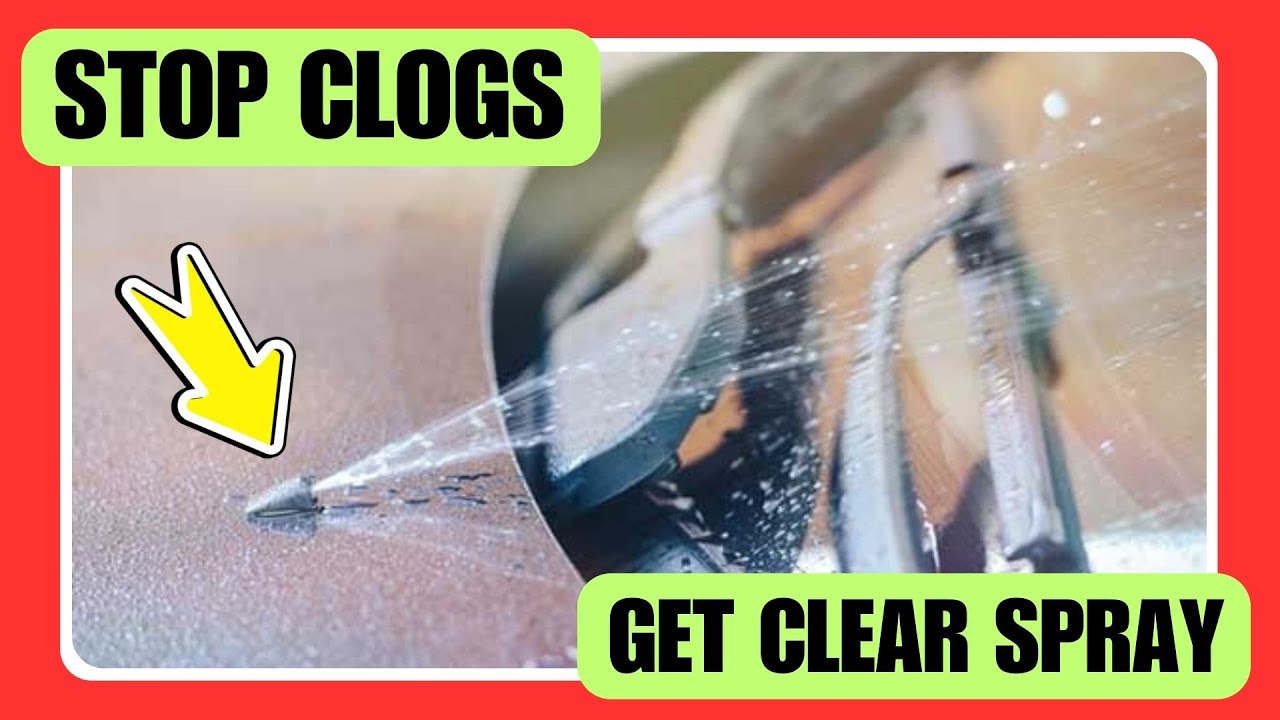
Source: i.ytimg.com
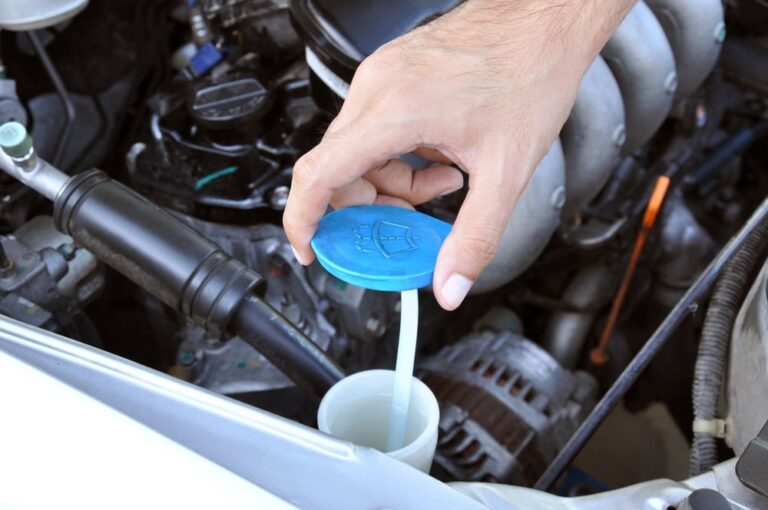
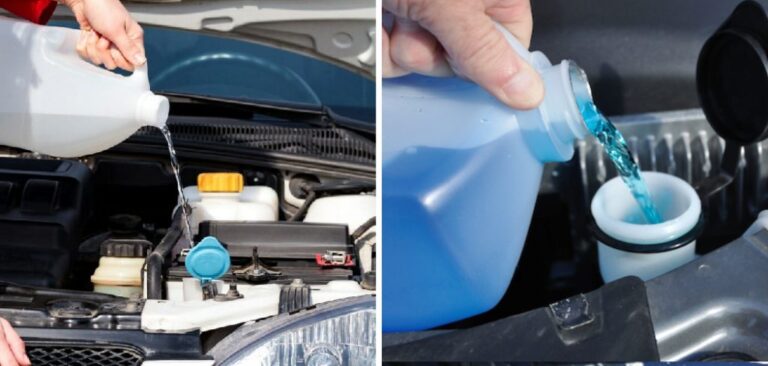
1. Check the washer fluid reservoir
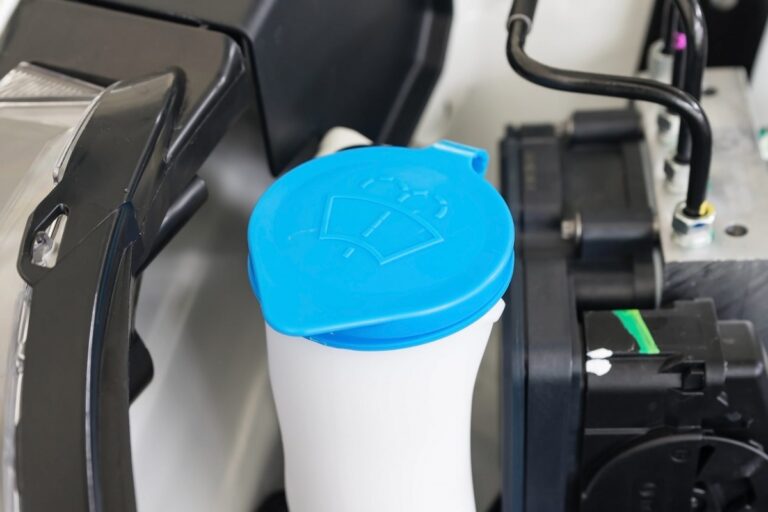
Open the hood and locate the washer fluid reservoir using the owner’s manual. Check the fluid level and add compatible windshield washer fluid if needed. A low reservoir can produce weak or intermittent spray that resembles a clogged nozzle.
2. Inspect the nozzle opening
Look for dried washer fluid, dust, pollen, wax, insects, or other debris around the nozzle. Check both sides of the hood or cowl if your vehicle has two outlets. Do not insert a tool before identifying the nozzle type.
3. Brush away surface debris
Use a clean, soft-bristled brush or a lint-free cloth to remove dirt from around the opening. Avoid abrasive pads and hard scraping tools that can damage the nozzle surface or nearby paint.
4. Clear an accessible blockage carefully
If the owner’s manual permits mechanical cleaning and the nozzle design supports it, use a fine nozzle-cleaning pin with light pressure. Do not force the tool into the opening, twist aggressively, or push it deeply into the passage. Skip this step for delicate fan-spray nozzles that should not be probed.
5. Test the washer system
Close the hood before testing unless the manufacturer’s procedure specifically requires otherwise. Activate the washers according to the owner’s manual and observe whether fluid reaches the windshield in a consistent pattern. Do not run the pump repeatedly for long periods if no fluid comes out.
6. Recheck the spray pattern
If the spray remains weak, uneven, or absent, stop and inspect the fluid supply, accessible hoses, and pump operation. A blockage farther upstream or a damaged nozzle may require removal or replacement.
How to Clean a Nozzle Without Removing It
For a minor surface blockage, leave the nozzle installed. Wipe away visible grime with a damp cloth, brush the surrounding area gently, and use only a manufacturer-approved cleaning method for the opening. This approach reduces the risk of breaking retaining clips or damaging the hose connection.
If the nozzle is recessed under the hood or windshield cowl, do not pry up trim panels simply to reach it. Check the service information first because hidden fasteners, clips, and nearby wiring can be damaged during removal.
Best for
Visible dirt, pollen, and light residue around an accessible nozzle.
Avoid
Hard scraping, forceful probing, and tools that can enlarge or deform the spray opening.
How to Clean a Removable Windshield Washer Nozzle
If gentle external cleaning fails, a removable nozzle may need to be detached for inspection. Follow vehicle-specific service instructions to disconnect the hose and release the retaining clips without breaking them. Keep track of seals and connectors, and avoid pulling on a brittle hose.
Inspect the nozzle for hardened residue, cracks, or internal damage. Use only a cleaning method approved for that nozzle material and design. Do not assume that soaking every type of nozzle in vinegar, solvents, or hot water is safe. Replace the nozzle if its passage remains blocked or its spray pattern is damaged.
Before removal
Confirm the correct removal procedure and whether the nozzle has separate clips, seals, or electrical connections.
After cleaning
Reconnect the hose securely, reinstall the nozzle, and verify that there are no leaks and that the spray reaches the intended area.
What Causes Windshield Washer Nozzles to Clog?
Windshield washer nozzles clog when debris or residue restricts the small passages that direct fluid onto the glass. The obstruction may be visible at the outlet or located farther inside the nozzle or supply line. Identifying the likely cause helps determine whether cleaning alone will solve the problem.
A nozzle that stops spraying after a cold night may have frozen fluid rather than dirt inside it. In that case, thaw the vehicle in a safe, warm environment and use washer fluid rated for the expected temperatures. Do not pour boiling water over the nozzle or windshield because sudden temperature changes can damage glass or plastic.
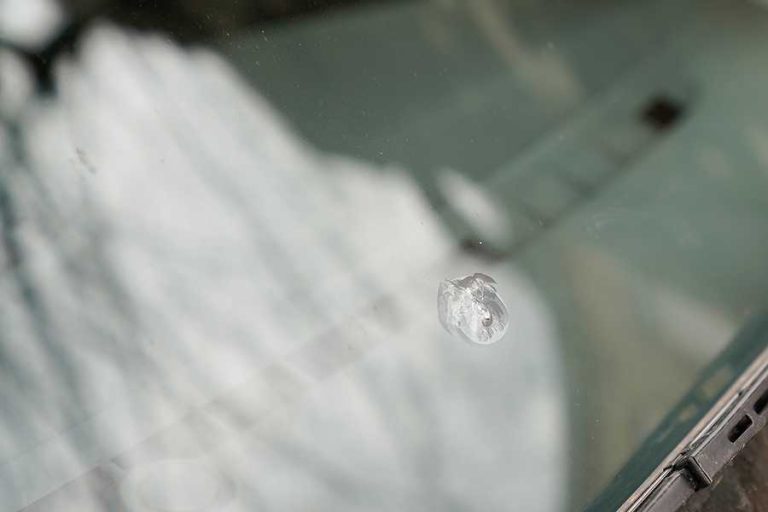
Source: autotrainingcentre.com
Dirt and road debris
Dust, pollen, dried insects, and grime can accumulate around the outlet and restrict the spray.
Dried washer fluid
Residue from fluid evaporation can contribute to deposits around a small nozzle opening, especially after extended periods without use.
Incorrect or contaminated fluid
Improper mixtures, dirty refill containers, or unsuitable products can introduce residue or impair washer-system performance.
Frozen washer fluid
Fluid that freezes in the nozzle or hose can prevent flow in cold weather. The fluid’s temperature rating must match local conditions.
Blocked or damaged hose
A kinked, disconnected, leaking, or internally obstructed hose can cause weak or absent spray even when the nozzle opening looks clean.
Can Hard Water or Household Products Cause Buildup?
Mineral-containing water and unsuitable household cleaning mixtures can leave deposits or introduce contaminants into the washer system. Follow the vehicle manufacturer’s fluid recommendations and use commercially formulated windshield washer fluid appropriate for the climate.
Do not add dish soap, household cleaners, or unapproved chemicals to the reservoir. These products may foam, leave residue, damage components, or interfere with visibility. If the reservoir contains a contaminated mixture, consult the vehicle’s service instructions for the correct draining and flushing procedure.
Prevent contamination
Use a clean funnel if needed and keep the reservoir cap and fluid container free of dirt.
Choose appropriate fluid
Use a washer-fluid formulation suitable for the season and the vehicle’s requirements rather than relying on plain water in freezing weather.
How to Tell Whether the Nozzle, Pump, or Hose Is the Problem
Observe what happens when you activate the washer system, following the vehicle’s operating instructions. If one nozzle sprays normally and the other does not, the fault is more likely to be isolated to the affected nozzle or its branch of the hose. If neither side sprays, check the reservoir, pump operation, fluid lines, and relevant electrical supply before assuming both nozzles are clogged.
A pump that makes no sound may have an electrical fault, a failed motor, or a control issue. A pump that runs but delivers no fluid may be dealing with an empty reservoir, frozen fluid, a disconnected or blocked line, or a damaged pump impeller. Sound alone cannot confirm which part has failed.
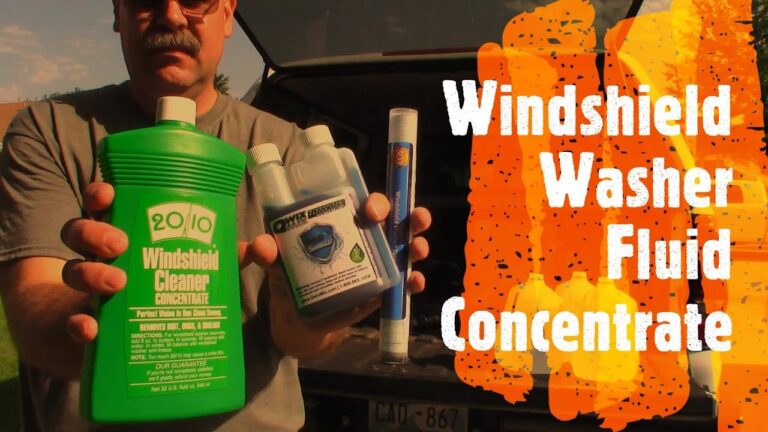
Source: i.ytimg.com
Only one nozzle is blocked
Inspect the affected outlet and its hose connection first. Clean the nozzle gently and look for a kinked or disconnected line.
Both nozzles are weak
Check the fluid level, fluid condition, freezing risk, pump output, and any common supply line for restrictions or leaks.
The pump is silent
Check the relevant fuse and electrical diagnosis procedure in the owner’s manual or service information. Do not replace the pump based on silence alone.
Fluid leaks under the hood
Inspect accessible hose connections and the reservoir for leaks. Repair the leak before repeated testing wastes fluid or leaves the system unable to build adequate flow.
Spray reaches the wrong area
Check the nozzle alignment only if the design is adjustable. Some fan-spray nozzles are fixed and must be replaced if damaged or incorrectly positioned.
Windshield Washer Troubleshooting Table
Use this table to narrow down the likely fault before buying replacement parts. These symptoms are diagnostic clues, not definitive proof of a failed component.
No spray and no pump sound
Check fluid level, the applicable fuse, electrical connections, and pump operation using the vehicle-specific procedure.
No spray but the pump runs
Check for frozen fluid, a disconnected hose, a blocked line, or a faulty pump that runs without delivering fluid.
One weak or uneven stream
Inspect the affected nozzle for debris, internal blockage, or damage.
Fluid appears under the vehicle or hood
Look for a leaking reservoir, damaged hose, or loose connection.
Fluid sprays but misses the windshield
Check nozzle positioning and confirm that the installed nozzle matches the vehicle’s original design.
Tools and Supplies You May Need
Most minor nozzle blockages require only basic cleaning supplies. Start with the least aggressive option and add tools only if the vehicle’s nozzle design and service instructions allow them. Specialized equipment is rarely necessary for visible surface dirt.
Source: i.ytimg.com
Soft-bristled brush
Removes dust and dried debris around the nozzle without scratching nearby surfaces.
Clean microfiber cloth
Wipes residue from the nozzle and surrounding paint or trim.
Fine nozzle-cleaning pin
May clear a compatible adjustable jet when the manufacturer allows mechanical cleaning. It should never be forced into a delicate or fixed fan-spray outlet.
Compatible windshield washer fluid
Restores the correct fluid supply and helps prevent seasonal freezing when the formulation is rated for local temperatures.
Vehicle owner’s manual
Identifies the reservoir, specifies appropriate fluid, and may explain nozzle adjustment, cleaning limits, and fuse locations.
Should You Use Compressed Air or a Needle?
Neither compressed air nor a needle is appropriate for every nozzle. High-pressure air can dislodge a hose, force contamination deeper into the system, or damage delicate components. A needle can enlarge a small outlet or damage the internal spray geometry.
If the manufacturer permits a cleaning pin, use the correct size and minimal pressure. Otherwise, rely on gentle external cleaning or remove and replace the nozzle according to service instructions. Avoid blowing into washer hoses by mouth because the fluid may contain chemicals that should not be ingested.
Use gentle methods first
Clean the outside of the nozzle and verify fluid supply before trying to clear an internal obstruction.
Stop if resistance is high
Do not force a tool into the opening. Resistance may indicate that the tool is unsuitable or that the nozzle design does not permit probing.
Common Mistakes to Avoid When Unclogging Washer Nozzles
The most common mistake is treating every washer problem as a clogged nozzle. Repeated cleaning will not repair a broken pump, frozen supply line, leaking hose, electrical fault, or cracked nozzle. Diagnose the symptoms before removing parts or buying replacements.
Use care around the windshield, hood paint, and plastic trim. Avoid harsh solvents, abrasive tools, excessive pressure, and unapproved chemicals. These can damage the finish or the washer components and may turn a minor maintenance task into a more expensive repair.
Source: i.ytimg.com
Do not force a needle into the outlet
An enlarged or distorted opening can permanently change the spray pattern.
Do not keep running a dry pump
Repeated prolonged operation with an empty reservoir or blocked supply may stress the pump. Stop testing if no fluid is delivered.
Do not pour boiling water onto frozen components
Sudden temperature changes can damage glass and plastic. Thaw the system gradually in a suitable warm environment.
Do not mix random household chemicals into the reservoir
Unapproved mixtures may foam, leave deposits, damage components, or impair visibility.
Do not remove trim without checking the procedure
Cowl covers and nozzle clips can break if removed in the wrong order or with the wrong tools.
When Is Nozzle Replacement Better Than Cleaning?
Replace the nozzle if it is cracked, its mounting clips are broken, its spray pattern remains defective after an approved cleaning procedure, or its internal passage cannot be cleared safely. A damaged nozzle can continue to leak or spray in the wrong direction even when the rest of the system works properly.
Choose a replacement that matches the vehicle’s year, make, model, and installed nozzle design. Some vehicles use heated nozzles or integrated electrical connectors, so appearance alone may not establish compatibility. Follow the manufacturer’s installation and adjustment instructions.
Cleaning is usually sufficient
The nozzle is intact and the issue is limited to accessible dirt or removable residue.
Replacement is more appropriate
The nozzle is damaged, internally obstructed beyond safe cleaning, or unable to produce the specified spray pattern.
How to Prevent Windshield Washer Nozzles From Clogging Again
Prevent repeat blockages by keeping the reservoir clean, using compatible washer fluid, and checking the spray pattern during routine vehicle maintenance. Clean debris from around the nozzles when washing the vehicle, especially after pollen-heavy days, dusty drives, or winter road-salt exposure.
If a nozzle repeatedly clogs soon after cleaning, investigate the fluid and supply line instead of clearing the same opening over and over. Contamination inside the reservoir, deteriorating hoses, or recurring deposits may be the underlying cause.
Source: i.ytimg.com
Use the correct washer fluid
Choose a product compatible with the vehicle and rated for expected temperatures. Use a winter-rated formulation when freezing conditions are possible.
Keep the reservoir clean
Avoid introducing dirt, leaves, or debris through the filler opening. Use a clean container or funnel when needed.
Inspect spray performance regularly
Check that the washer fluid reaches the windshield evenly and address weak spray before it becomes a visibility problem.
Clear exterior debris during washing
Gently clean the area around the nozzle without forcing water or dirt into the outlet.
Investigate recurring problems
Repeated blockage may indicate contaminated fluid, residue inside the system, a damaged hose, or a deteriorating nozzle.
What to Do in Freezing Weather
In cold U.S. regions, washer fluid that is not rated for the prevailing temperatures can freeze in the reservoir, hoses, or nozzle. If the system stops spraying after a freeze, do not assume the outlet is dirty. Allow the vehicle to thaw gradually in a safe location and use the correct cold-weather fluid once the system is ready for service.
If the washer system remains inoperative after thawing, inspect for leaks, damaged hoses, or other faults. A frozen line can be damaged, and forcing the pump to work against ice will not solve the blockage.
Use temperature-rated fluid
Check the product label for its stated freeze protection and select a rating appropriate for local winter conditions.
Avoid sudden heating
Do not use boiling water or an open flame to thaw the reservoir, hoses, or nozzle.
Frequently Asked Questions
Q
Can I unclog a windshield washer nozzle with a needle?
Sometimes. A fine pin may clear an accessible blockage in a compatible adjustable jet if the vehicle manufacturer permits mechanical cleaning. Use minimal pressure and do not force the tool into the opening. Many modern fan-spray nozzles can be damaged by probing, so check the owner’s manual first.
Q
Why is my windshield washer pump working but no fluid is coming out?
Possible causes include a blocked nozzle, frozen washer fluid, a disconnected or kinked hose, a blocked supply line, an empty reservoir, or a pump that runs without delivering fluid. If both nozzles are affected, check the shared fluid supply before assuming both outlets are clogged.
Q
Can vinegar unclog windshield washer nozzles?
Vinegar is not a universal or manufacturer-approved solution for washer nozzle blockages. It may be unsuitable for some metals, plastics, coatings, seals, or washer-system components. Start with gentle external cleaning and follow the vehicle manufacturer’s approved cleaning procedure rather than introducing household chemicals into the system.
Q
How do I unclog a windshield washer nozzle without a pin?
Wipe the nozzle opening with a clean, damp cloth and use a soft brush to remove visible dirt. Check the reservoir level and inspect accessible hoses for leaks or disconnections. If the nozzle remains blocked, follow the approved removal and cleaning procedure or replace the damaged component rather than forcing an unsuitable tool into it.
Q
Why does only one windshield washer nozzle work?
One working nozzle suggests that the reservoir and pump may still be functioning, while the affected nozzle or its hose branch may be blocked, disconnected, or damaged. Inspect the nonworking side first. If cleaning does not restore flow, check its hose connection and consider nozzle replacement.
Q
Should I replace a nozzle if cleaning does not work?
Replacement is reasonable when an approved cleaning procedure fails, the nozzle is cracked, the mounting clips are broken, or the spray pattern remains defective. Before replacing it, confirm that fluid reaches the nozzle and that the hose, pump, and reservoir are functioning correctly.
Q
Can cold weather make windshield washer nozzles stop spraying?
Yes. Washer fluid can freeze in the reservoir, supply hoses, or nozzle if its freeze protection is inadequate for the conditions. Thaw the system gradually in a safe warm environment and use suitable winter washer fluid. If spraying does not return afterward, check for a damaged hose, leaking connection, or other fault.
✦ Wrapping Up
Conclusion
The safest way to unclog a windshield washer nozzle is to check the fluid level, remove visible dirt gently, and use only a cleaning method compatible with the nozzle design. Avoid forceful probing, harsh chemicals, and prolonged pump operation when no fluid is flowing.
If the nozzle remains blocked after approved cleaning, troubleshoot the hoses and pump before replacing parts. A damaged nozzle or a recurring supply problem may require further diagnosis, but identifying the cause first helps avoid unnecessary repairs and restores reliable windshield cleaning.
💡 Key Takeaway
Start by checking the washer fluid level and gently cleaning the nozzle exterior. Test the spray pattern once, then inspect the hoses and pump if fluid still does not reach the windshield. Follow the vehicle manufacturer’s service instructions before using a pin or removing the nozzle.