To check windshield washer fluid, park on level ground, open the hood, locate the washer reservoir by its windshield-and-spray symbol, and inspect the fluid level through the translucent tank or filler opening. Add the correct washer fluid if the level is low.
For drivers across the United States, windshield washer fluid is easy to overlook until road salt, insects, dust, pollen, or winter grime suddenly covers the windshield. Keeping enough fluid in the reservoir helps the washer system clear contamination before it interferes with visibility. The check usually takes only a few minutes and requires no special automotive tools.
The exact reservoir location and the way its level is checked vary by vehicle. Many U.S.-market cars, SUVs, and trucks use a translucent plastic reservoir that can be inspected from outside. Others hide most of the tank behind body panels, leaving only the filler neck visible. In that situation, a low-fluid warning on the dashboard or a visual check through the filler neck may be more useful. This guide explains how to check windshield washer fluid, recognize the correct reservoir, safely top it off, choose suitable fluid for U.S. weather conditions, and troubleshoot the system when the reservoir is full but the washers still do not work.
What Is Windshield Washer Fluid and Why Should You Check It?
Windshield washer fluid is the liquid stored in a dedicated reservoir and pumped through small nozzles onto the windshield. When you operate the washer control, an electric pump sends fluid through hoses to the spray nozzles while the windshield wipers sweep the glass.
The fluid helps loosen dirt, insect residue, road film, pollen, mud, and winter contamination that dry wipers may not remove effectively. This makes the washer system a practical visibility aid rather than simply a convenience feature.
Checking the level periodically matters because the reservoir can empty without much warning, particularly during wet or snowy weather. Drivers in northern U.S. states may use considerably more fluid during winter because of road salt and slush, while drivers in dry or agricultural areas may use it frequently for dust and insects.
Some vehicles display a low washer fluid warning when the reservoir approaches a predetermined level. However, not every vehicle has a washer-fluid level sensor, so a physical inspection remains useful.
Source: evpulse.com
Maintains visibility
Washer fluid helps remove contamination that can reduce the driver’s view through the windshield.
Supports proper wiper operation
Fluid lubricates and wets the glass while the blades sweep away dirt instead of dragging dry debris across the windshield.
Prepares the vehicle for weather
Checking the reservoir before a road trip or winter storm reduces the chance of unexpectedly running out.
How Often Should You Check Washer Fluid?
There is no single interval that fits every driver because washer-fluid consumption depends heavily on weather and driving conditions. A practical habit is to inspect the level during routine under-hood checks and before long trips.
Check it more frequently during winter, periods of heavy rain, dusty summer driving, pollen season, or any time you find yourself using the windshield washers often. If your vehicle repeatedly runs low much faster than expected, inspect the reservoir, hoses, and connections for leakage.
How to Check Windshield Washer Fluid Step by Step
Checking windshield washer fluid is normally one of the simplest under-hood maintenance tasks. Start with the vehicle safely parked on level ground. Turn it off, set the parking brake, and open the hood according to the owner’s manual.
You do not normally need to wait for the engine to become completely cold just to visually inspect the washer reservoir, but working around a hot engine increases the risk of accidentally touching hot components. If the vehicle has just been driven, use care and avoid hot or moving parts.
Source: storage.googleapis.com
Step 1: Park safely
Stop on a level surface, switch off the vehicle, engage the parking brake, and keep the keys or start control away from accidental operation.
Step 2: Open the hood
Use the interior hood release and secondary safety latch, then secure the hood with its support rod if the vehicle does not have self-supporting struts.
Step 3: Find the washer reservoir
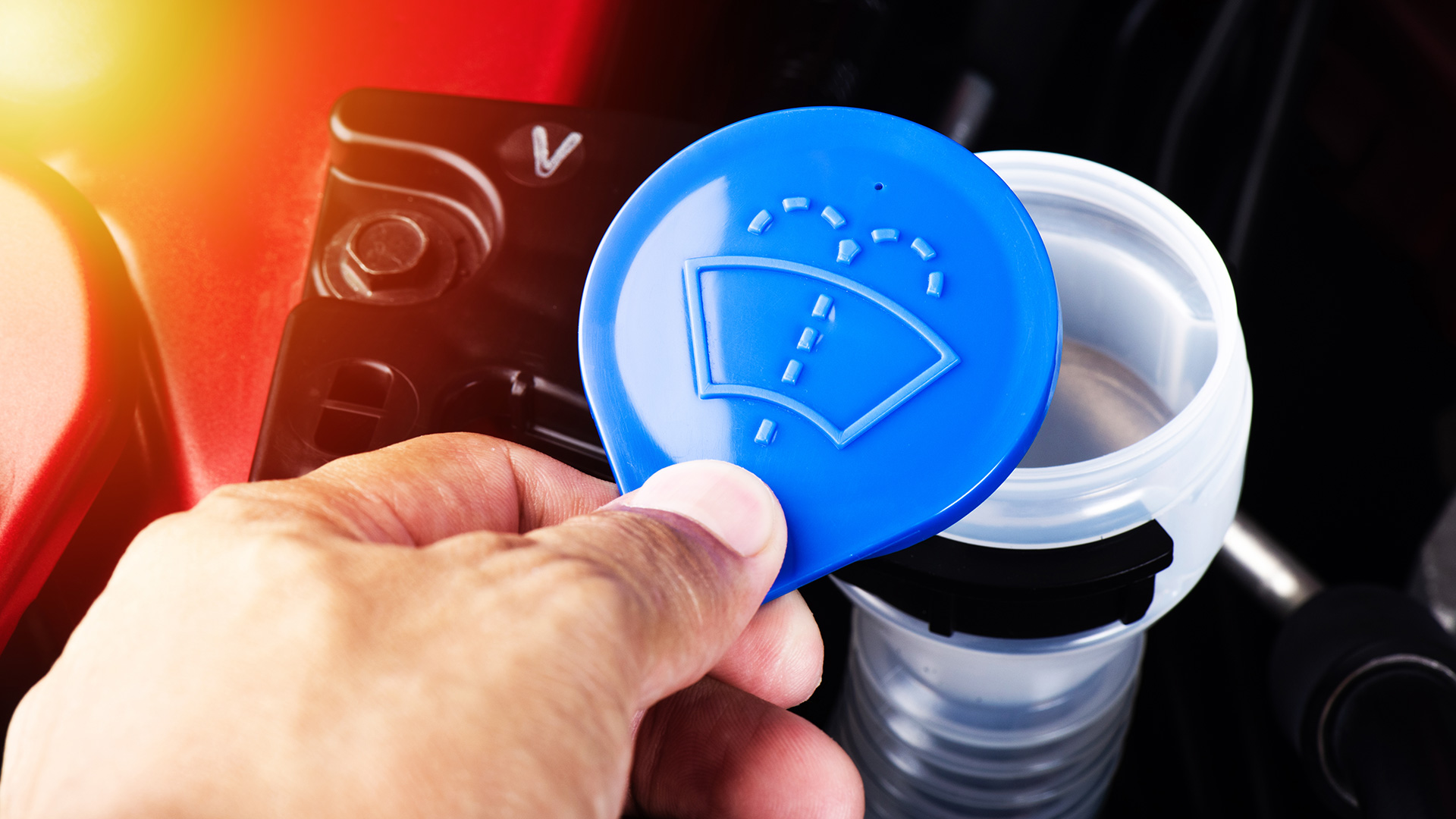
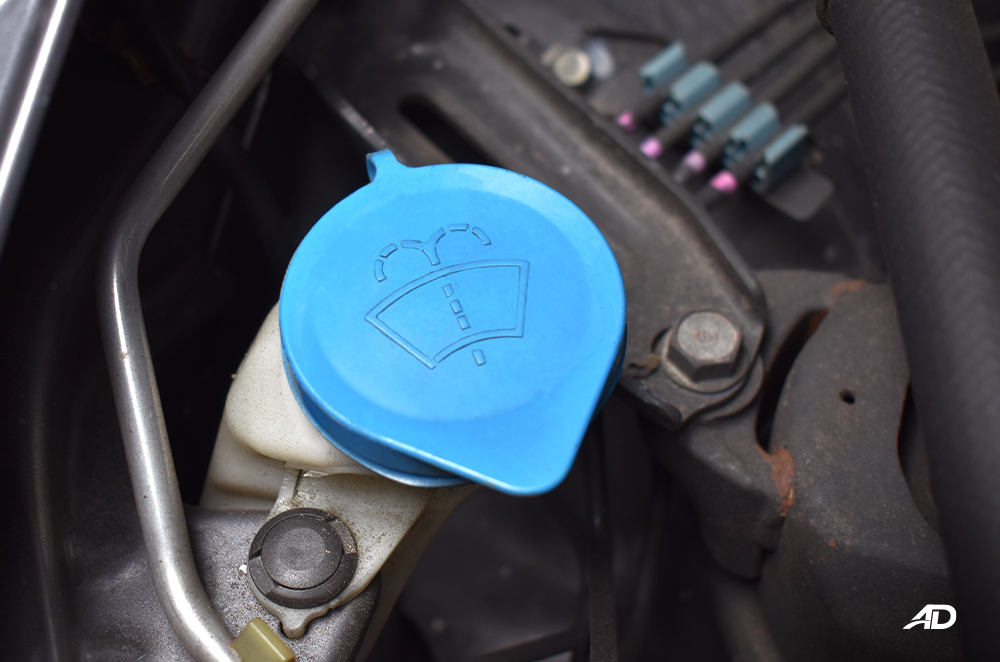
Look for a plastic reservoir or filler neck with a cap marked by a windshield-and-spray symbol.
Step 4: Inspect the fluid level
If the tank is translucent, look through its side for the visible fluid line or molded level markings.
Step 5: Check through the filler neck if necessary
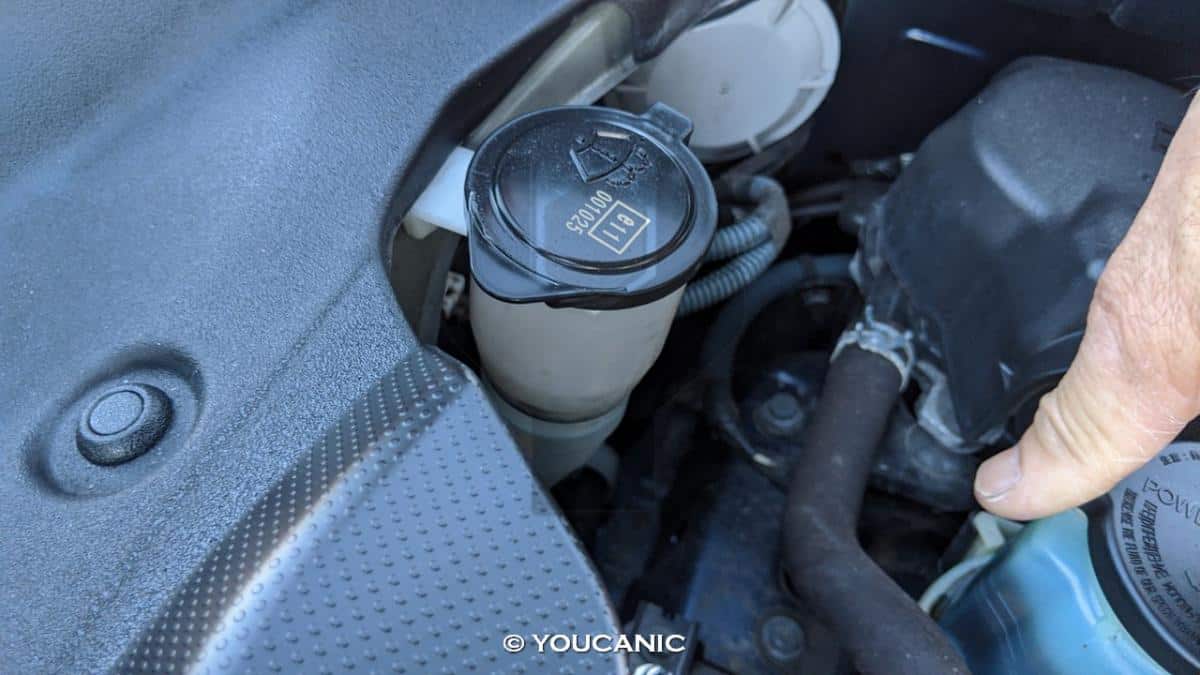
If the reservoir itself is hidden, carefully remove the correct cap and look down the filler neck when the design permits.
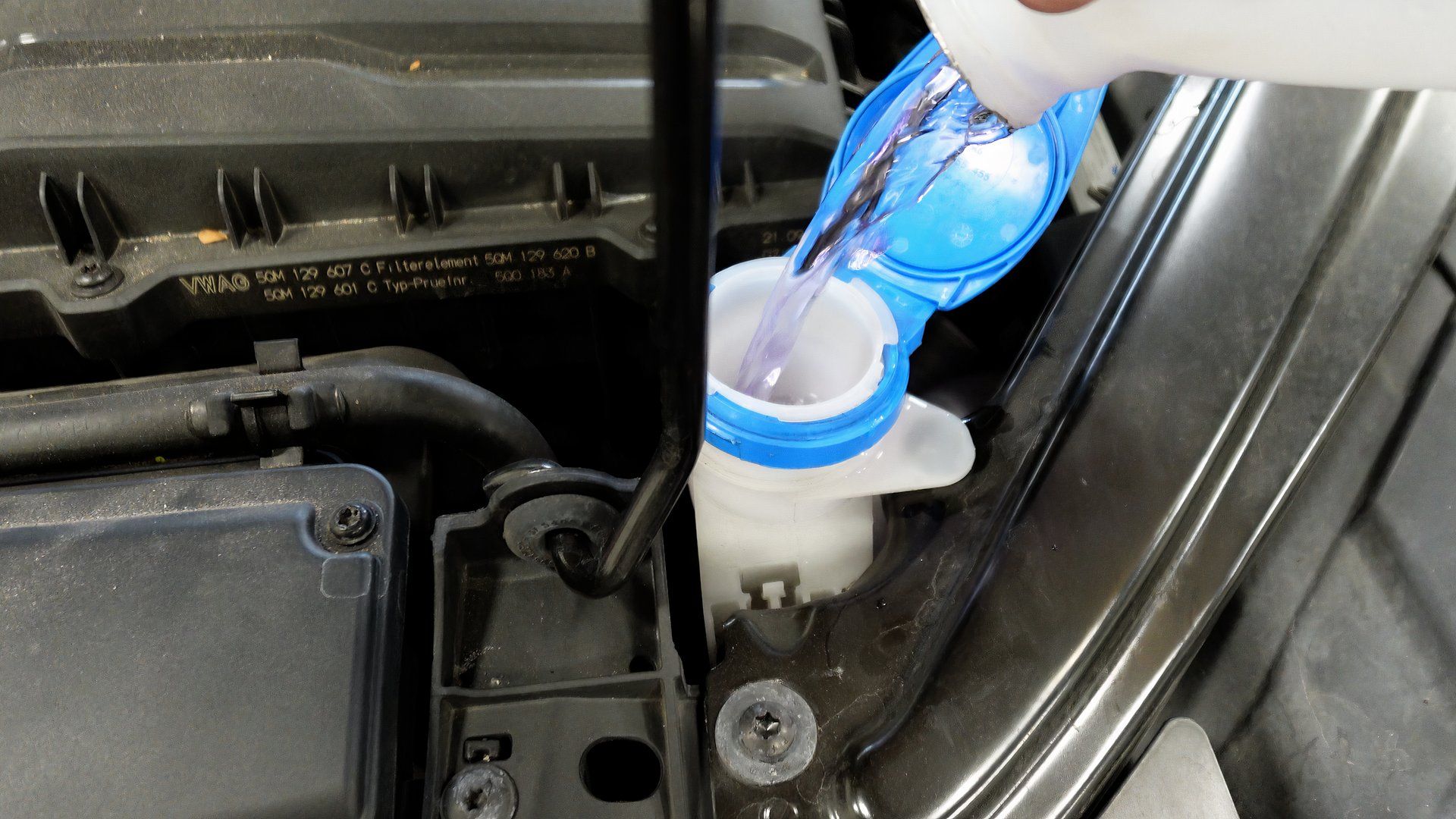
Step 6: Add fluid if low
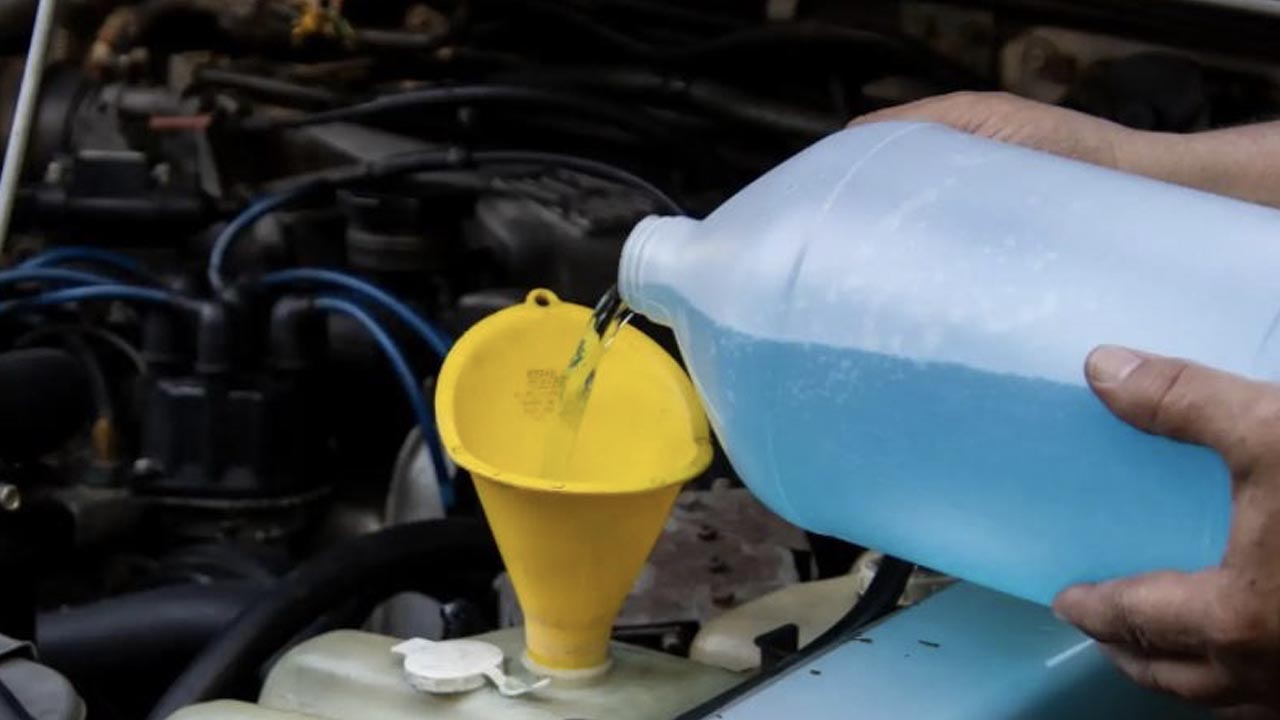
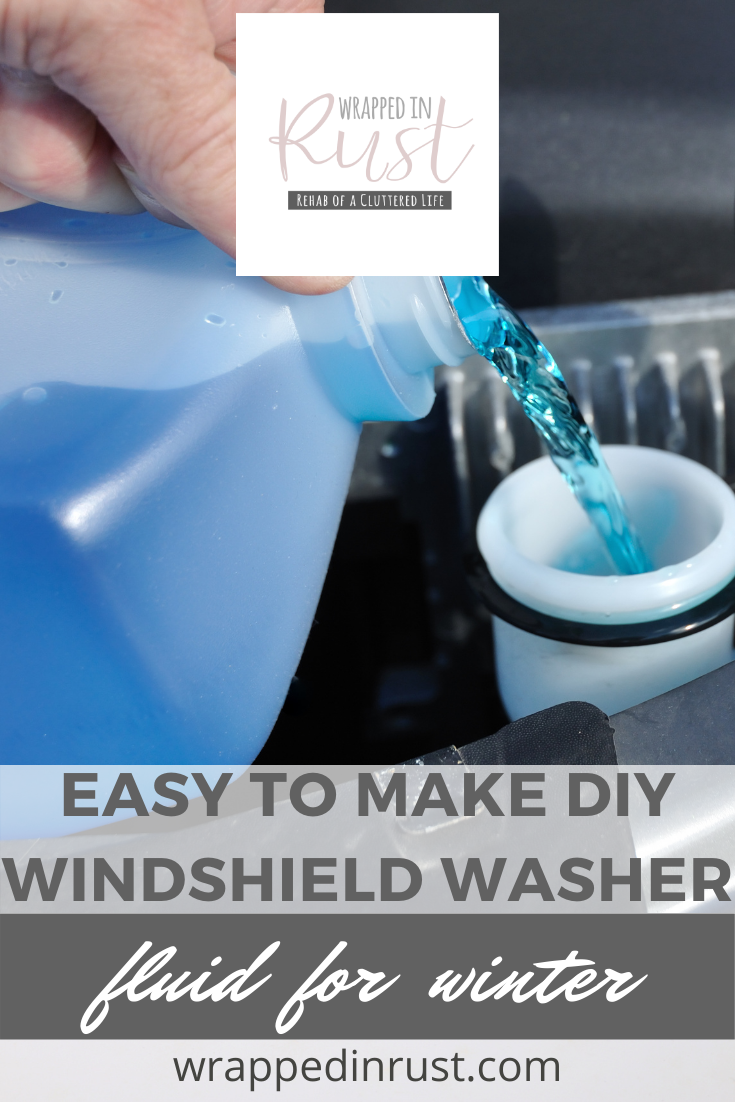
Pour appropriate windshield washer fluid into the reservoir according to the vehicle and fluid manufacturer’s instructions.
Step 7: Reinstall the cap
Secure the reservoir cap and close the hood properly.
Step 8: Test the washers
Operate the washer system briefly and confirm that fluid sprays onto the windshield and the wipers clear it normally.
What Does a Correct Washer Fluid Level Look Like?
Some reservoirs have molded FULL and LOW markings, in which case the fluid should be maintained within the specified range. Other reservoirs have no convenient markings and are designed to be filled near the top or to a level described in the owner’s manual.
Do not assume every reservoir should be filled to exactly the same point. Vehicle manufacturers can specify different procedures, particularly for unusual reservoir shapes or cold-weather operation. Follow the owner’s manual when it provides a specific filling limit.
Signs the Check Was Successful
After checking or adding fluid, the reservoir should contain an adequate amount of the correct solution, the cap should be fully secured, and there should be no visible leakage. When activated, the system should spray fluid onto the intended windshield area.
If the vehicle had a low washer-fluid warning, it may disappear after the reservoir is replenished. Depending on the vehicle, the warning may not clear instantly and could require a new ignition cycle or a short period for the level sensor to register the change.
How to Find the Windshield Washer Fluid Reservoir
The windshield washer reservoir is usually located in the engine compartment, often toward one of the front corners of the vehicle. The easiest identifier is the cap rather than the tank itself. Look for a symbol resembling a windshield with water spraying upward.
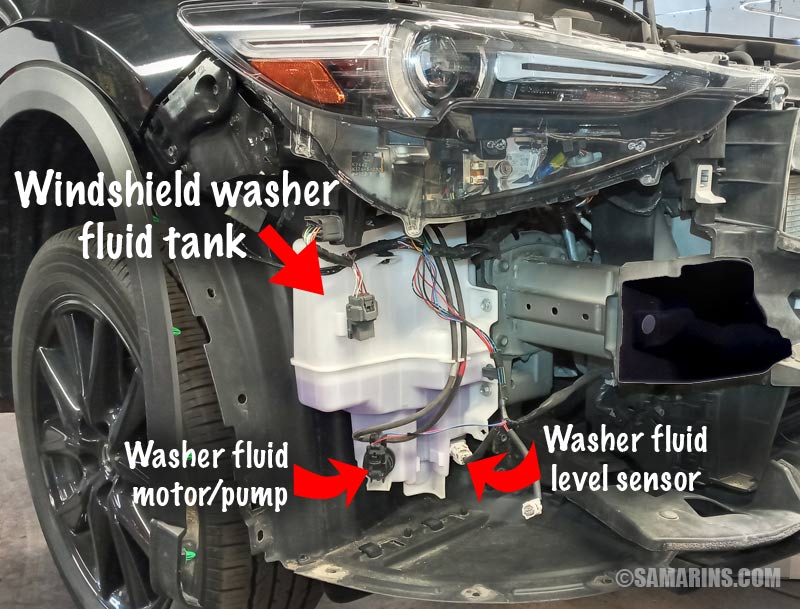
Reservoirs are commonly made from white or translucent plastic. On some vehicles, almost the entire container is visible. On others, most of the reservoir sits behind a fender liner or below other components, and only a narrow filler neck and cap can be seen from above.
Do not identify the reservoir by fluid color alone. Washer fluids can be blue, orange, purple, green, or another color depending on their formulation. Other automotive fluids may also have distinctive colors, so the cap symbol and owner’s manual are more reliable identifiers.
Source: samarins.com
Look for the washer symbol
The cap generally shows a stylized windshield with spray lines or droplets.
Check the front corners
Many vehicles place the filler neck near a front fender, although the exact location varies.
Use the owner’s manual when uncertain
The engine-compartment diagram normally identifies the washer reservoir and prevents confusion with coolant or brake-fluid reservoirs.
Do Not Confuse Washer Fluid With Coolant
Windshield washer fluid and engine coolant serve completely different systems. Never pour engine coolant or radiator antifreeze into the washer reservoir. Manufacturers specifically warn against this because coolant sprayed onto the windshield can severely impair visibility and may damage vehicle finishes or washer-system components.
Likewise, do not pour washer fluid into the coolant expansion tank. If you cannot confidently identify the correct reservoir, stop and verify its location in the owner’s manual before adding anything.
What Windshield Washer Fluid Should You Use?
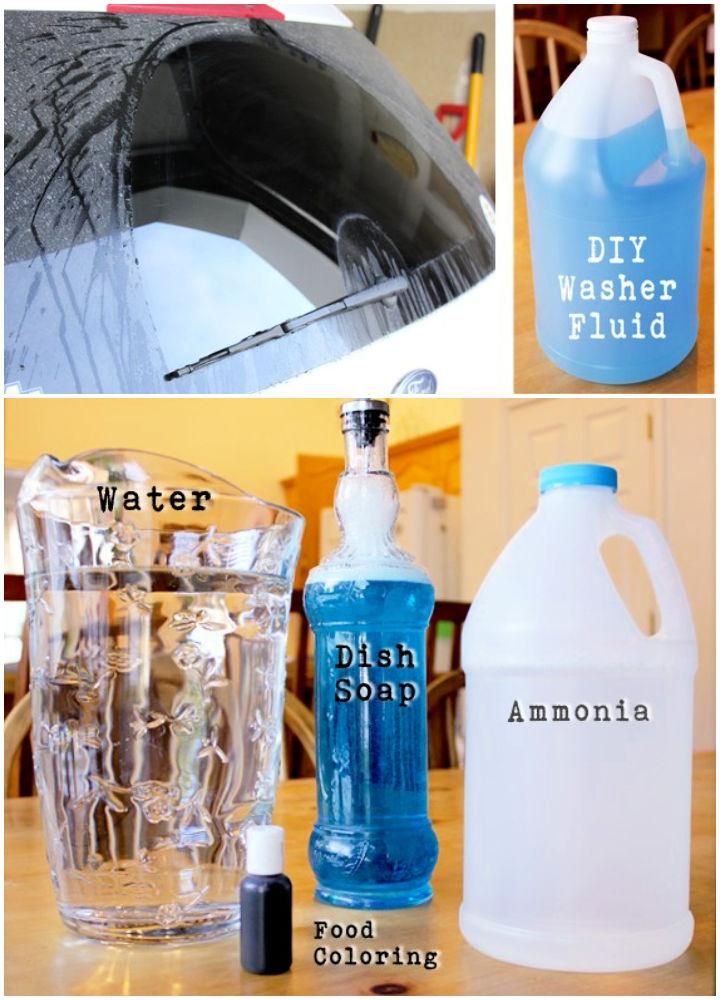
Use a windshield washer fluid compatible with your vehicle and the temperatures in which it will operate. Ready-to-use products can generally be poured directly into the reservoir, while concentrated formulas must be diluted according to their label instructions.
For U.S. drivers, climate is one of the most important considerations. A summer cleaning fluid that works in Florida or southern Texas may not provide sufficient freeze protection during winter in Minnesota, North Dakota, Maine, Colorado, or other areas that regularly experience subfreezing temperatures.
Read the product label for its stated freeze protection and select a formulation appropriate for the lowest temperatures you reasonably expect. Changing seasons may require replacing or sufficiently diluting remaining warm-weather fluid with a winter-rated formulation before freezing conditions arrive.
Source: carblogindia.com
Ready-to-use fluid
Use directly as instructed without adding extra water unless the product label specifically says otherwise.
Concentrated fluid
Dilute only according to the manufacturer’s specified ratio because the required mixture affects cleaning and freeze protection.
Winter washer fluid
Choose a product with freeze protection suitable for expected local temperatures.
Bug-removing or seasonal formulas
These can help with specific contamination, but their temperature rating still matters when freezing weather is possible.
Can You Put Plain Water in the Washer Reservoir?
Some vehicle manufacturers permit plain water as a temporary substitute in warm conditions when washer fluid is unavailable, but dedicated washer fluid is generally the better everyday choice. Water does not provide the same cleaning performance and can freeze in the reservoir, pump, hoses, or nozzles when temperatures drop.
Freezing can prevent the system from operating and may damage components. If there is any realistic chance of freezing temperatures, use washer fluid with adequate freeze protection rather than relying on plain water.
What If the Washer Reservoir Is Full but No Fluid Sprays?
A full reservoir does not guarantee that the washer system will work. If you activate the washer control and little or no fluid reaches the windshield, check the simplest possibilities before assuming the pump has failed.
First confirm that the fluid is suitable for the current temperature. Frozen washer fluid can block flow in cold weather. Avoid repeatedly operating the pump against a frozen or empty system because unnecessary operation can place additional stress on the pump.
Next, inspect the visible washer hoses for disconnections, splits, kinks, or leakage. Check the spray nozzles for dirt, wax, ice, or debris. If the pump makes a humming sound but nothing reaches the windshield, a blocked nozzle, leaking hose, frozen fluid, or disconnected line becomes more plausible.
If there is no pump sound at all, the problem could involve the pump, electrical circuit, fuse, wiring, control switch, or another vehicle-specific component. Consult the owner’s manual for fuse information and service procedures.
Source: smart.dhgate.com
Frozen fluid
Warm-weather fluid or excessive water can freeze when temperatures fall below its protection range.
Blocked nozzles
Dirt, wax, mineral deposits, or ice can restrict the small washer outlets.
Damaged washer hose
A split or disconnected hose can release fluid under the hood instead of sending it to the windshield.
Failed washer pump
A worn or damaged electric pump may be unable to move fluid from the reservoir.
Electrical fault
A fuse, wiring, connector, switch, or control-system problem can prevent pump operation.
How to Tell Whether the Washer Reservoir Is Leaking
Suspect a leak if you fill the reservoir and the level drops rapidly even though the washers have barely been used. Look underneath the vehicle and around the washer bottle, filler neck, pump connection, and accessible hoses for fresh liquid.
A slow leak may only become apparent after the vehicle sits for several hours. Because washer fluid can evaporate and spread across underbody panels, the exact source is not always obvious from a puddle location.
A damaged reservoir, pump seal, filler neck, hose, or connection may require replacement. If access requires removing wheel-well liners or other major components, professional diagnosis may be more practical.
Common Mistakes When Checking or Refilling Washer Fluid
Most washer-fluid checks are straightforward, but a few mistakes can create unnecessary repair problems. The most serious is adding fluid to the wrong reservoir. Always confirm the cap symbol before pouring anything.
Another common mistake is assuming all washer fluids have the same freeze protection. The freezing rating matters in much of the United States. Fluid that performs normally in summer can become unsuitable when temperatures drop.
Washer fluid may contain alcohol or other chemicals and should be handled according to its label. Keep it away from children and pets, avoid ingestion and unnecessary skin or eye contact, and keep it away from sparks or open flames where the product warning indicates flammability.
Source: autodeal.com.ph
Using engine antifreeze
Engine coolant is not windshield washer fluid and should never be used as a substitute.
Ignoring the temperature rating
A formula without enough freeze protection may freeze in cold U.S. weather.
Mixing concentrate incorrectly
Follow the label rather than guessing the concentrate-to-water ratio.
Pouring into the wrong reservoir
Verify the windshield-and-spray cap symbol or consult the owner’s manual first.
Running the pump when empty
Repeatedly activating an empty system is unnecessary and can place stress on the washer pump.
Ignoring repeated fluid loss
A reservoir that repeatedly empties may have a leaking tank, pump seal, hose, or connection.
Should You Fill the Washer Reservoir All the Way?
Follow the filling instructions for your specific vehicle. Many systems allow the reservoir to be filled to its indicated full level or near the filler neck, but some manufacturers specify additional space under particular conditions.
Older vehicle manuals sometimes specifically recommend leaving expansion room in extremely cold conditions. Because reservoir designs vary, the vehicle owner’s manual should take priority over a universal filling rule.
When Should You Get the Washer System Professionally Checked?
Simple problems such as low fluid are usually easy for a vehicle owner to handle. Professional diagnosis becomes more useful when the reservoir remains full but the washer system does not operate, the fluid repeatedly disappears, electrical faults are suspected, or access to damaged components requires disassembly.
Washer performance also deserves attention if the spray pattern consistently misses the windshield, pressure is unusually weak, fluid leaks into an unexpected area, or the pump continues behaving abnormally after obvious blockages have been ruled out.
Do not continue driving when windshield contamination is severe enough to compromise visibility. If road conditions require frequent washer use and the system is inoperative, restore adequate visibility before continuing.
Source: hitchesguide.com
Repeated leaks
Rapid or recurring fluid loss can indicate a cracked reservoir, failed seal, or damaged hose.
No electrical response
A silent pump despite adequate fluid may require electrical or pump diagnosis.
Persistent weak spray
Low pressure after basic nozzle and hose checks may indicate a restricted system or weak pump.
Difficult component access
Some reservoirs and pumps are behind wheel-well liners or body components that require additional disassembly.
A Simple Washer Fluid Check Routine
A useful routine is to check the washer reservoir whenever you perform another basic under-hood inspection or before a long drive. Confirm that the cap is secure, the fluid level is adequate, and there are no obvious signs of leakage.
Before winter travel, pay particular attention to the fluid’s freeze rating. After refilling, briefly test the washers so you know the fluid reaches the windshield before you encounter conditions where clear visibility becomes critical.
Before a road trip
Check the level and test the spray pattern before leaving.
Before freezing weather
Verify that the fluid provides adequate freeze protection for expected temperatures.
After refilling
Confirm there is no leakage and that the washer pump and nozzles operate normally.
Frequently Asked Questions
Q
How do I know if my windshield washer fluid is low?
Look through the side of the translucent washer reservoir for the fluid level or check its LOW and FULL markings if present. Some vehicles also display a low washer-fluid warning on the instrument panel. If the tank is hidden, consult the owner’s manual for the recommended checking method.
Q
Can I check windshield washer fluid when the engine is hot?
A visual washer-fluid check does not normally require the engine to be cold, but a hot engine compartment contains surfaces that can cause burns. It is safer and more comfortable to avoid touching hot engine parts and to follow any vehicle-specific precautions in the owner’s manual.
Q
Why is my windshield washer fluid warning still on after I filled the reservoir?
The warning may take time or another ignition cycle to clear on some vehicles. If it remains on with the reservoir properly filled, the level sensor, sensor connection, wiring, or related control system may have a fault. Vehicle-specific diagnosis may be necessary.
Q
Why can I hear the washer pump but no fluid comes out?
If the pump can be heard, check for frozen fluid, clogged spray nozzles, a disconnected or split hose, and leaks near the reservoir or under the hood. A weak or damaged pump can also run without producing adequate pressure.
Q
Can I mix different windshield washer fluids?
Some compatible washer fluids may mix without an immediate problem, but their combined freeze protection and cleaning characteristics can become uncertain. When cold-weather performance matters, use a formulation with a clearly stated temperature rating and follow both the vehicle and fluid manufacturer’s instructions.
✦ Wrapping Up
Conclusion
Learning how to check windshield washer fluid takes only a few minutes. Park safely, open the hood, find the reservoir with the windshield-and-spray symbol, inspect the level, and add the appropriate washer fluid when needed. Finish by securing the cap and testing the washers.
For U.S. drivers, choosing fluid for local weather is just as important as keeping the reservoir full. Use adequate freeze protection in cold climates, never substitute engine coolant for washer fluid, and investigate unusual fluid loss or a washer system that fails despite having a full reservoir.
💡 Key Takeaway
Check your washer reservoir during your next basic vehicle inspection, verify that the fluid is suitable for your local U.S. temperatures, and test the washers before your next long drive.
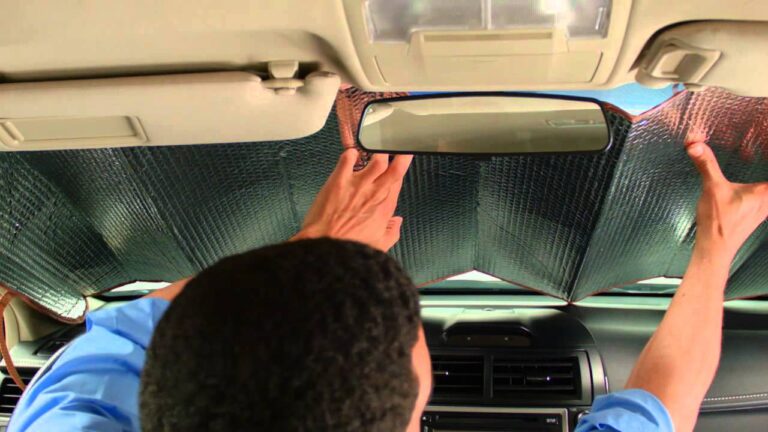
Learn how to install a windshield sun shade correctly in your car. Follow simple steps for folding, roll-up, and umbrella-style shades, plus fit, safety, storage, and troubleshooting tips.