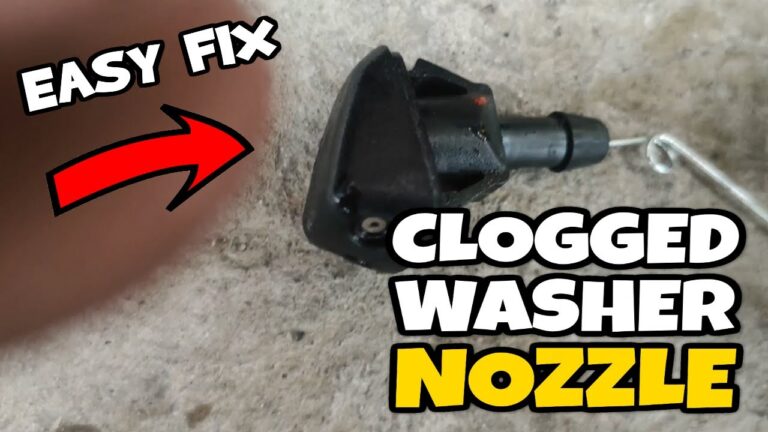
To clean a windshield washer sprayer, wipe the nozzle with a damp microfiber cloth, remove loose debris, and carefully clear the opening with a soft brush or a fine cleaning tool if the vehicle manufacturer permits it. Test the washer afterward. If the spray remains weak or absent, check the washer fluid, hoses, pump, and electrical connections before replacing any parts.
For drivers in the United States, functioning windshield washers are essential for maintaining visibility during rain, highway driving, dusty conditions, and winter road travel. Road salt, dried washer fluid, dirt, and mineral deposits can obstruct the small openings in a washer nozzle. A blocked sprayer may produce a weak stream, spray in the wrong direction, or stop working altogether.
Cleaning the nozzle is a sensible first step because it can resolve simple blockages without replacing components. However, not every washer problem comes from a dirty nozzle. Some vehicles use heated, fan-pattern, or integrated washer nozzles that require model-specific handling. Start with external cleaning and follow the vehicle owner’s manual before removing parts or inserting anything into the spray opening.
What Causes a Windshield Washer Sprayer to Get Clogged?
A windshield washer sprayer becomes clogged when debris or residue restricts the small openings that distribute fluid across the windshield. Dirt, dried washer fluid, mineral deposits, and road grime are common causes. In cold U.S. climates, water or an unsuitable washer-fluid mixture can also freeze inside the nozzle or hose.
Before cleaning the nozzle, identify the symptoms. A single weak spray pattern often points to a localized blockage, while both nozzles failing at once may indicate low fluid, frozen lines, a pump problem, or an electrical fault. These are useful clues rather than definitive diagnoses.
Source: askmyauto.com
Dirt and road debris
Dust, wax residue, pollen, and grime can collect around the nozzle opening and restrict fluid flow.
Dried washer-fluid residue
Fluid left around the nozzle may dry and leave deposits that interfere with the spray pattern.
Mineral deposits
Hard-water minerals can accumulate if plain water has been used repeatedly instead of appropriate washer fluid.
Frozen washer fluid
Cold weather can freeze fluid in the nozzle, reservoir, or hoses when the mixture is not suitable for the temperature.
Mechanical or electrical failure
A damaged hose, disconnected fitting, failed pump, blocked filter, or electrical fault can imitate a clogged nozzle.
How to Tell Whether the Nozzle Is Actually Clogged
Activate the washer briefly while the vehicle is parked safely. Observe whether fluid reaches the windshield, whether one nozzle works better than the other, and whether the pump makes its usual sound. Stop testing if fluid is leaking into the engine compartment or the pump continues running without delivering fluid.
One nozzle sprays poorly
A localized blockage or a damaged nozzle is more likely, although a restricted branch hose can cause similar symptoms.
Both nozzles fail
Check the reservoir level, fluid condition, freezing, pump operation, and shared supply hose before assuming both nozzles are clogged.
Fluid leaks under the hood
Inspect accessible hoses and connections for splits or disconnections instead of concentrating on the nozzle opening.
Tools and Supplies Needed to Clean a Windshield Washer Sprayer
Most external nozzle cleaning requires only a few basic supplies. Gather them before starting so you can clean the nozzle without damaging its opening or surrounding paintwork.
Park on level ground, switch off the engine, and allow hot components under the hood to cool before reaching near washer hoses or the reservoir. Keep fingers, loose clothing, and cleaning tools away from moving components.
Source: uc.studis.co.uk
Microfiber cloth
Use it to wipe away dirt and dried residue without scratching nearby painted or plastic surfaces.
Clean water
Use a small amount to soften surface deposits and rinse away loosened grime.
Soft-bristled brush
A small detailing brush or similarly soft brush can remove debris around the nozzle opening.
Fine cleaning tool, if approved
A nozzle-cleaning tool may help with a compatible conventional jet nozzle, but it should not be forced into a delicate or fan-pattern opening.
Correct windshield washer fluid
Use automotive washer fluid appropriate for the vehicle and expected temperatures when refilling the reservoir.
Which Cleaning Tools Should You Avoid?
Do not use a thick needle, drill bit, knife, or other rigid object to enlarge or aggressively scrape the opening. Modern fan-pattern nozzles can be damaged by probing, and heated nozzles contain components that require careful handling. Avoid household solvents or harsh chemicals that may damage plastic, rubber, paint, or nozzle seals.
Avoid force
If a tool does not enter easily or the nozzle design is unclear, stop and consult the owner’s manual.
Avoid unapproved compressed air
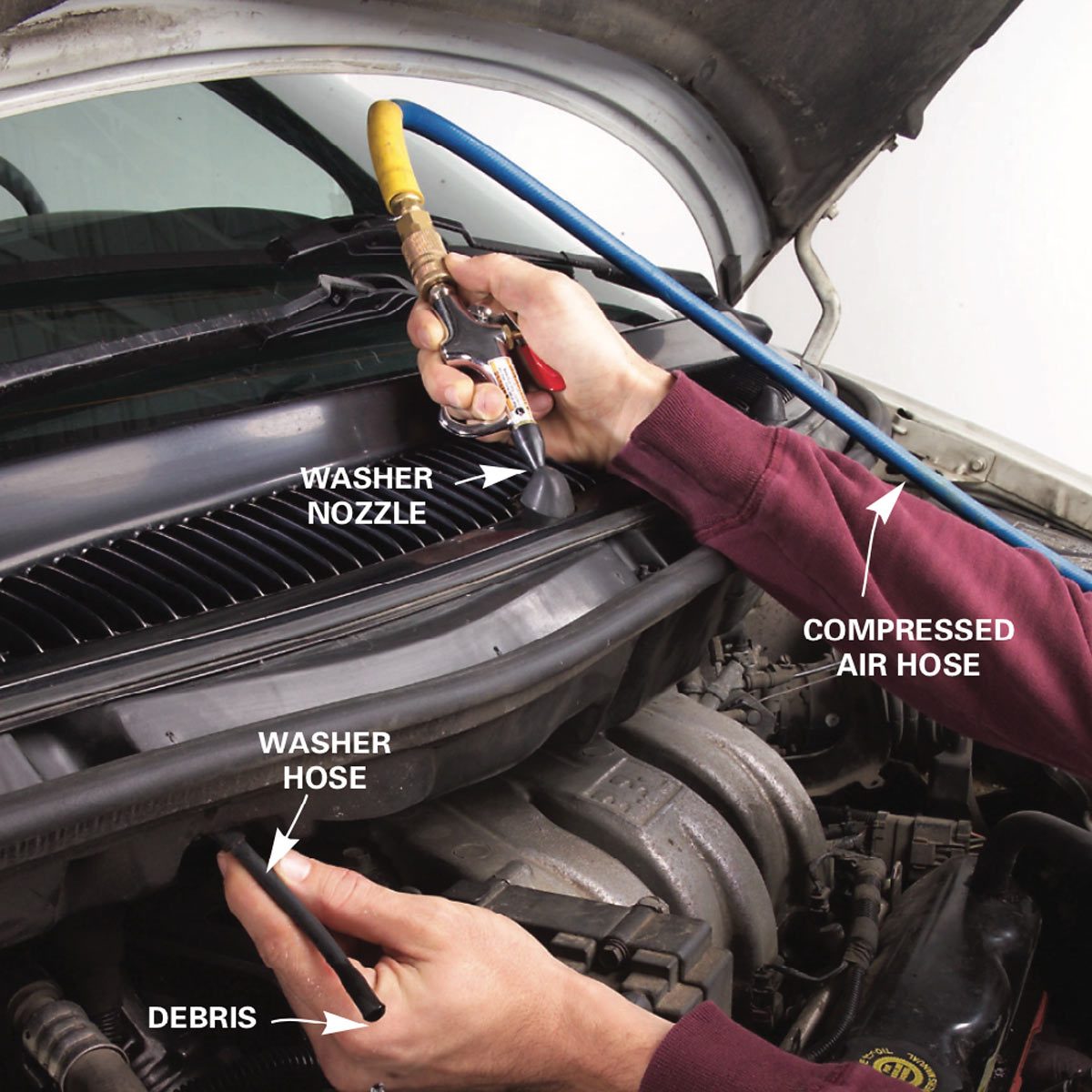
High pressure can damage small passages, disconnect hoses, or force debris farther into the system.
How to Clean Windshield Washer Sprayer Step by Step
The safest approach is to start with external cleaning and progress to more involved checks only if necessary. Many minor blockages can be addressed without removing the nozzle from the hood or cowl.
Follow the vehicle manufacturer’s instructions if the nozzle is heated, integrated into a wiper arm, mounted beneath a trim panel, or difficult to access.
Source: YouTube > Fix Things
Step 1: Park Safely and Inspect the Washer System
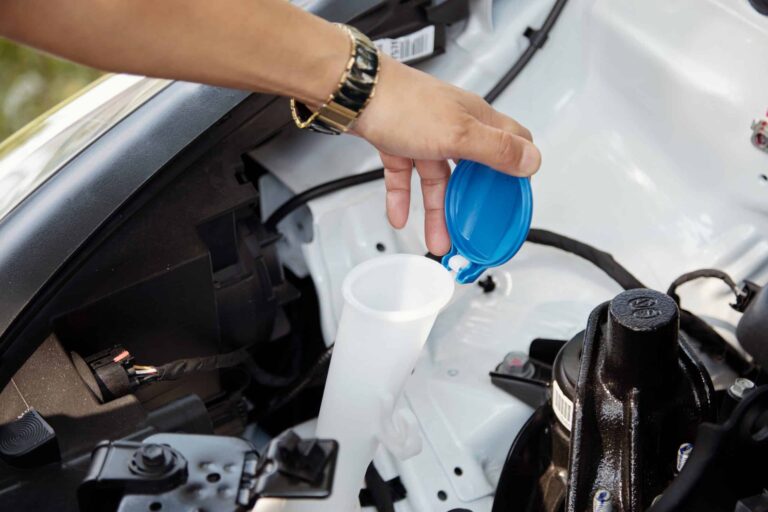
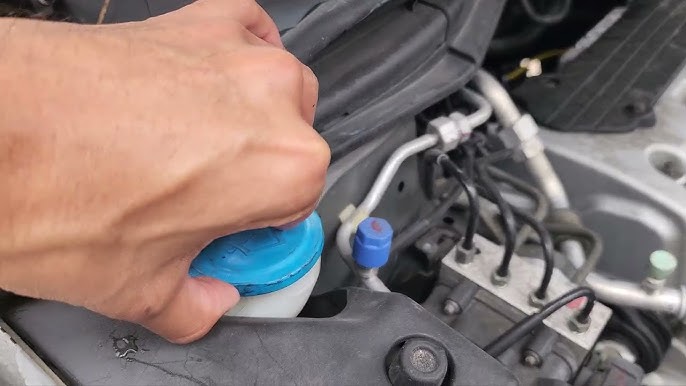
Park the vehicle on level ground, turn off the ignition, and secure it according to the owner’s manual. Open the hood only when it is safe to do so. Locate the washer-fluid reservoir and inspect its level and visible condition. If the reservoir is empty, refill it with compatible automotive washer fluid before continuing.
Check the reservoir
A low fluid level can prevent the pump from delivering enough fluid to the nozzles.
Look for obvious damage
Check accessible hoses and connections for splits, loose fittings, or signs of leakage.
Step 2: Wipe the Outside of the Nozzle
Dampen a microfiber cloth with clean water and gently wipe the nozzle and the surrounding surface. Remove accumulated dust, dried fluid, wax, and grime. Use a soft brush to loosen residue around the opening without pressing hard against the nozzle.
Clean the surrounding area
Removing surface dirt helps prevent debris from entering the nozzle during further cleaning.
Do not scratch the finish
Avoid abrasive pads and aggressive scraping around painted body panels or plastic trim.
Step 3: Clear the Opening Only if the Design Allows It
Inspect the nozzle design. If the owner’s manual permits manual clearing of a conventional jet nozzle, use an appropriate fine nozzle-cleaning tool gently and only as directed. Do not force a sewing needle or wire into an opening when the nozzle is fan-pattern, heated, or otherwise delicate. If the opening cannot be safely accessed, leave internal cleaning to a qualified technician.
Work gently
The aim is to loosen a blockage, not enlarge the opening or alter the direction of the spray.
Stop if resistance is felt
Forcing a tool may damage the nozzle or push contamination deeper into the passage.
Step 4: Check the Fluid Supply
If external cleaning does not help, inspect the accessible supply hose and connections. Look for kinks, loose fittings, cracks, or wet areas that indicate a leak. Do not pull on brittle plastic fittings or remove trim panels without following the vehicle’s service instructions.
Look for a disconnected hose
A hose that has come loose may allow fluid to escape before it reaches the nozzle.
Consider freezing
If the vehicle has been exposed to freezing temperatures, allow the system to thaw in a suitable warm location. Do not use an open flame or boiling water.
Step 5: Test the Spray Pattern
Close the hood and ensure tools and cloths are removed from the engine compartment. With the vehicle stationary, activate the washer briefly and observe the spray. A successful cleaning should restore a consistent pattern that reaches the intended windshield area. Follow the owner’s manual for any nozzle aiming procedure.
Spray is even and reaches the glass
The blockage may be cleared. Confirm that both sides of the windshield receive adequate fluid.
Spray remains weak or uneven
Check for a remaining obstruction, restricted hose, incorrect nozzle alignment, or a failing pump.
No fluid comes out
Check the reservoir, freezing, hose connections, and pump operation rather than repeatedly probing the nozzle.
How to Troubleshoot a Windshield Washer Sprayer That Still Will Not Work
If cleaning the nozzle does not restore the spray, troubleshoot the fluid supply before replacing parts. The symptom, the number of affected nozzles, and whether the pump runs can help narrow down the cause.
Do not assume that silence from the pump proves it has failed. A fuse, switch, wiring fault, or control-system issue can also prevent operation. Vehicle designs differ, so consult the owner’s manual or service information for the correct fuse and diagnostic procedure.
Source: www.youtube.com > Helpful DIY
The nozzle produces no spray
Check fluid level, possible freezing, visible hose disconnections, and pump operation. If these checks do not identify the cause, further diagnosis may be needed.
The pump runs but no fluid reaches the glass
Possible causes include a clogged inlet filter, blocked line, empty reservoir, frozen fluid, or disconnected hose.
The pump makes no sound
Check the vehicle-specific fuse and relevant electrical connections only if you can do so safely. A failed pump or control fault may require testing.
Fluid leaks beneath the vehicle or hood
Inspect the reservoir and accessible hose connections. A leak may require hose, fitting, reservoir, or pump replacement.
The spray reaches the glass in the wrong place
Check nozzle alignment and mounting. Some modern nozzles are not manually adjustable and must be positioned according to manufacturer instructions.
Should You Remove the Washer Nozzle?
Remove a nozzle only when external cleaning and basic checks fail and the service instructions describe a safe removal procedure. Some nozzles are secured with clips, while others are integrated into trim or use electrical connections for heating. Forcing a clip or prying against a painted panel can break the fitting or damage the finish.
Removal may help
A removable, serviceable nozzle may be inspected or replaced if its internal passage remains blocked.
Professional service may be preferable
Use a technician when access requires substantial trim removal, the nozzle is heated, or the hose connection is fragile.
How to Prevent Windshield Washer Nozzles from Clogging Again
Routine maintenance helps reduce residue and prevents small washer-system problems from becoming harder to diagnose. Use suitable washer fluid, keep the reservoir clean, and inspect the spray pattern periodically, especially before long drives or winter weather.
Avoid repeatedly topping up the reservoir with untreated tap water. Mineral content can leave deposits, and water alone may freeze in cold conditions. Choose automotive windshield washer fluid formulated for the temperatures expected in your area.
Source: hitchesguide.com
Use appropriate washer fluid
Choose a product compatible with your vehicle and rated for expected weather conditions. Follow the product label and vehicle manual.
Clean the nozzle exterior periodically
Remove dirt and dried residue with a damp cloth before deposits become difficult to remove.
Inspect hoses and connections
Look for leaks, loose fittings, and damage when servicing the engine compartment.
Check operation before winter
Confirm that the washer fluid is suitable for anticipated freezing temperatures and that both nozzles spray properly.
Do not mix incompatible products
Follow the washer-fluid manufacturer’s mixing instructions and avoid adding household cleaners or other unapproved chemicals.
When Is Replacement Better Than Cleaning?
Replace a nozzle when it is cracked, physically damaged, persistently blocked despite appropriate cleaning, or unable to maintain the intended spray pattern. Cleaning cannot repair broken fittings, damaged internal passages, or electrical heating elements. Confirm the correct replacement part for the vehicle’s year, make, model, and equipment before purchasing.
Replace damaged parts
A cracked housing, broken mounting clip, or damaged connector generally calls for replacement rather than further cleaning.
Diagnose the system first
If both nozzles fail, verify fluid delivery and pump operation before buying new nozzles.
Common Mistakes to Avoid When Cleaning a Washer Sprayer
The most common cleaning mistakes involve using excessive force, ignoring other system faults, or testing the washer repeatedly without checking fluid delivery. A careful inspection is usually more useful than aggressive cleaning.
Windshield washers support driver visibility, so treat a persistent malfunction as a maintenance issue rather than postponing repairs until the next service interval.
Source: storage.googleapis.com
Forcing a needle into the nozzle
A rigid tool can damage delicate openings or change the spray direction. Follow model-specific instructions instead.
Using excessive compressed air
High pressure can damage the nozzle or disconnect a hose. Use only an approved service procedure.
Ignoring cold-weather conditions
A frozen system may need to thaw before any flow diagnosis is meaningful. Never use a flame or boiling water to speed up thawing.
Replacing the nozzle without diagnosis
Low fluid, a failed pump, damaged wiring, or a leaking hose can cause similar symptoms and will not be fixed by replacing the nozzle alone.
Driving with poor visibility
Do not continue driving when dirt, road spray, or weather conditions make the windshield difficult to see through. Restore visibility before resuming the trip.
When to Ask a Mechanic for Help
Seek professional diagnosis when the pump does not operate, a fuse repeatedly blows, the system has an electrical fault, the reservoir or pump leaks, or the nozzles remain blocked after safe cleaning. A mechanic can test the pump, inspect the hoses and inlet filter, and verify electrical supply without relying on guesswork.
Electrical problems
Repeated fuse failures or wiring damage should be diagnosed rather than addressed by installing a higher-rated fuse.
Persistent flow problems
A technician can determine whether the fault is in the nozzle, pump, filter, hose, or control circuit.
Frequently Asked Questions
Q
Can I clean a windshield washer nozzle without removing it?
Yes. Start by wiping the nozzle exterior with a damp microfiber cloth and gently removing visible dirt with a soft brush. If the nozzle remains clogged, use a cleaning tool only when the manufacturer’s instructions permit it. Many conventional nozzles can be cleaned in place, but delicate fan-pattern or heated designs may require a different procedure.
Q
Can I use a pin or needle to unclog a windshield washer sprayer?
A fine tool may be suitable for certain conventional jet nozzles, but a sewing needle should not be treated as a universal solution. It can damage the opening or alter the spray pattern, especially on modern fan-pattern nozzles. Check the owner’s manual first and never force a tool into the nozzle.
Q
Why does my windshield washer pump work but no fluid comes out?
Possible causes include an empty reservoir, frozen fluid, a clogged nozzle, a restricted hose, a blocked pump inlet filter, or a disconnected hose. Inspect the fluid level and accessible lines first. If the pump runs continuously without delivering fluid, stop repeated testing and diagnose the supply system.
Q
Can vinegar clean a clogged windshield washer nozzle?
Vinegar can dissolve some mineral deposits, but it is not a universal or manufacturer-approved washer-system cleaner. It may be unsuitable for certain metals, coatings, seals, or plastics, and pouring it into the reservoir can introduce compatibility problems. Use clean water for external cleaning and follow the vehicle manufacturer’s guidance for internal deposits.
Q
How do I clean a windshield washer nozzle in winter?
First determine whether the nozzle or supply line is frozen. Move the vehicle to a suitable warm location and allow the system to thaw naturally. Check the reservoir and refill it with washer fluid rated for the expected temperatures. Do not use boiling water, an open flame, or aggressive probing to thaw or clear the nozzle.
Q
How often should I clean windshield washer nozzles?
There is no universal cleaning interval because dirt exposure, fluid quality, weather, and nozzle design vary. Inspect the spray pattern during routine vehicle checks and clean the nozzle when you notice weak, uneven, or misdirected spray. Regular inspection is more useful than repeatedly probing a nozzle that already works properly.
Q
Should I replace a clogged windshield washer nozzle or clean it?
Clean the nozzle first if it appears intact and the blockage can be addressed using an approved procedure. Replace it if it is cracked, damaged, persistently blocked, or unable to produce the intended spray pattern after appropriate cleaning. If both nozzles fail, check the shared fluid supply and pump before replacing either nozzle.
✦ Wrapping Up
Conclusion
Cleaning a windshield washer sprayer usually begins with a simple inspection, a damp cloth, and gentle removal of visible debris. If the nozzle design permits further cleaning, use an appropriate fine tool without forcing it into the opening. Test the spray pattern after cleaning to confirm that fluid reaches the windshield evenly.
If the sprayer still does not work, investigate the reservoir, washer fluid, hoses, pump, and electrical supply rather than repeatedly probing the nozzle. Safe troubleshooting helps prevent unnecessary part replacement and protects the washer system from damage.
💡 Key Takeaway
Park safely, check the washer-fluid level, wipe the nozzle clean, and test the spray briefly. If the problem persists, inspect accessible hoses and check for freezing before deciding whether the nozzle or another washer-system component needs repair.
Learn how to fold a collapsible windshield sun shade using the simple figure-eight method, plus tips for storage, troubleshooting, and different shade designs.
Learn how to unclog a windshield washer nozzle using safe cleaning methods, diagnose weak spray, clear debris, and troubleshoot persistent washer problems.