To fix a windshield washer that won’t spray, check the fluid level, listen for the pump, inspect the hoses, and clear clogged or frozen nozzles. If the pump does not run, check the fuse, electrical connections, and pump before replacing parts.
In the United States, a working windshield washer system helps drivers maintain visibility during rain, road spray, dust, pollen, and winter driving. When washer fluid stops reaching the windshield, the cause may be as simple as an empty reservoir or as involved as a failed electric pump. Diagnose the system before buying replacement parts, and avoid driving when dirt or glare prevents you from seeing the road clearly.
The most effective troubleshooting method starts with simple, low-risk checks. Refill the reservoir with the correct washer fluid, test the system briefly, and determine whether the pump makes a sound. That observation helps distinguish a fluid-delivery problem from a possible electrical fault. Vehicle designs vary, so consult the owner’s manual for fuse locations, fluid specifications, and instructions for accessing the washer pump.
A windshield washer that will not spray usually has a problem with fluid supply, the delivery path, the pump, or its electrical circuit. Identifying whether the pump runs and whether fluid leaks elsewhere is more useful than immediately replacing the nozzles or pump.
Use the following symptom guide to choose the next check. Several faults can produce similar symptoms, so treat these causes as diagnostic possibilities rather than confirmed failures.
Source: YouTube
Nothing sprays and the pump is silent
Check the fluid level, the vehicle-specific washer fuse, the pump connector, wiring, and pump operation.
Nothing sprays, but the pump makes noise
Look for an empty reservoir, frozen fluid, a disconnected hose, a blocked nozzle, or a damaged pump that runs without delivering enough fluid.
Fluid leaks under the hood or vehicle
Inspect the washer hoses, fittings, reservoir, and pump seals for cracks or loose connections.
Only one nozzle sprays
Check the nonworking nozzle and its individual hose or connector for a blockage or disconnection.
Fluid sprays weakly or misses the windshield
Inspect for partial blockages, leaking hoses, restricted flow, and incorrectly aimed or damaged nozzles.
What the Washer Pump Does
The electric washer pump draws fluid from the reservoir and pushes it through hoses to the windshield nozzles. Depending on the vehicle, the system may have separate pump outlets or circuits for the front and rear windows. A working pump can still deliver little or no fluid if the reservoir is empty, a hose is disconnected, or the flow path is blocked.
Some vehicles use heated nozzles, integrated hose fittings, or specially designed spray jets. Check the owner’s manual before removing parts or attempting an adjustment.
Step 1: Check and Refill the Washer Fluid Reservoir
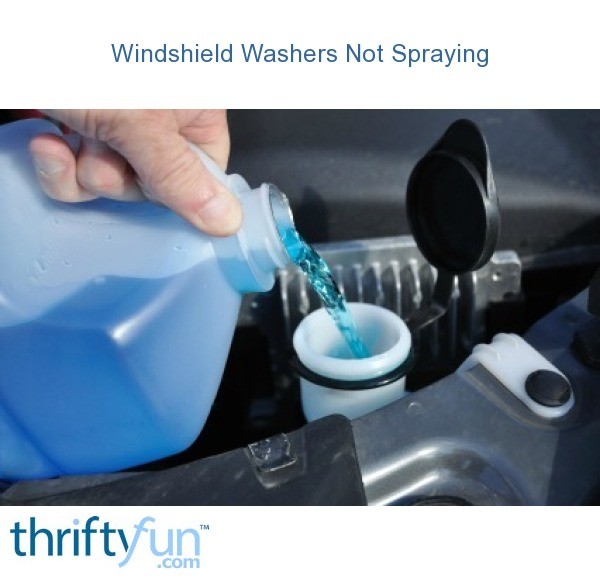
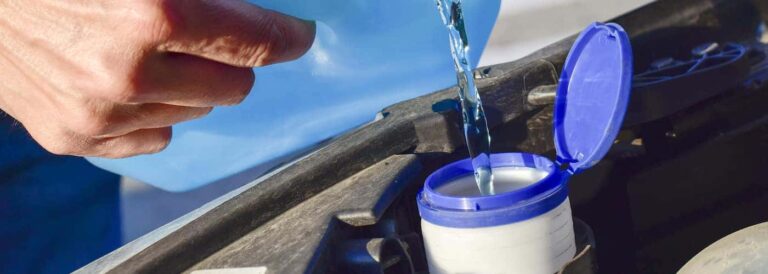
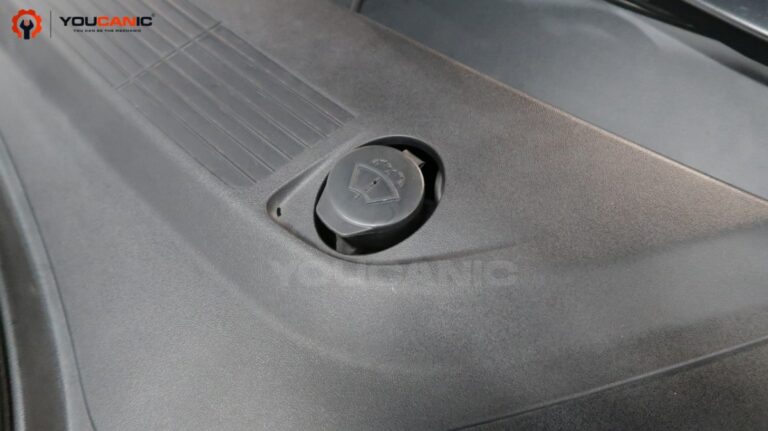
Start by checking the washer fluid reservoir because an empty tank prevents the pump from delivering fluid. Park on level ground, switch off the engine, and locate the reservoir using the owner’s manual. The cap often has a windshield-and-spray symbol.
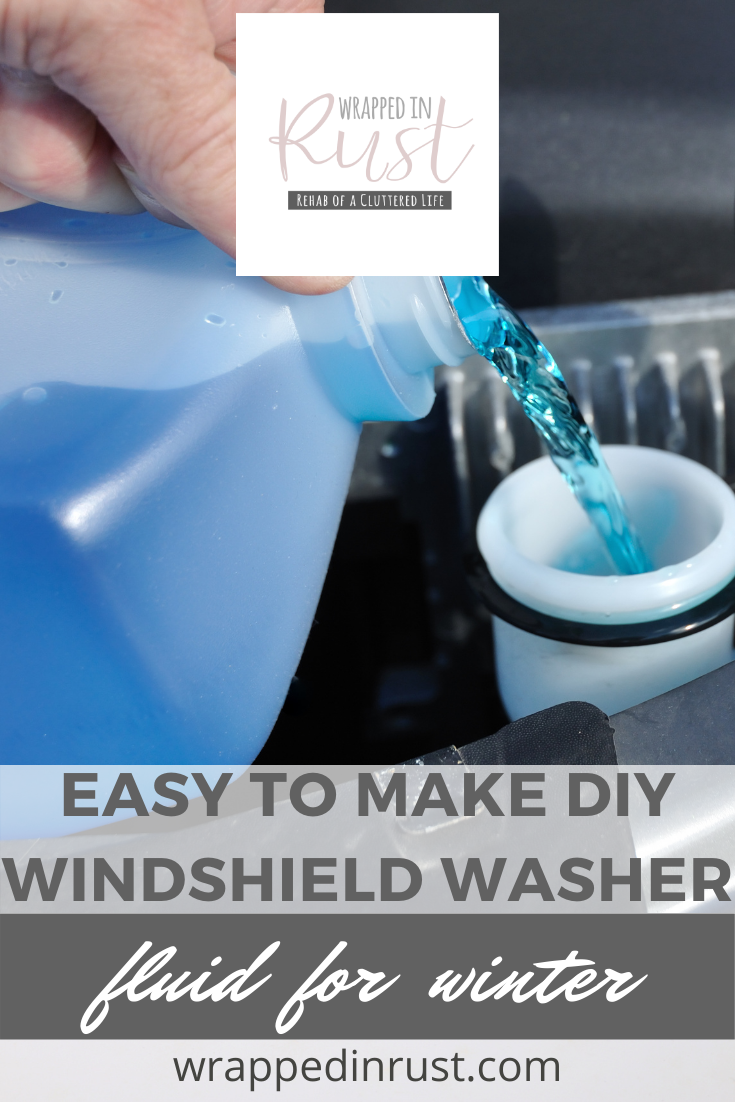
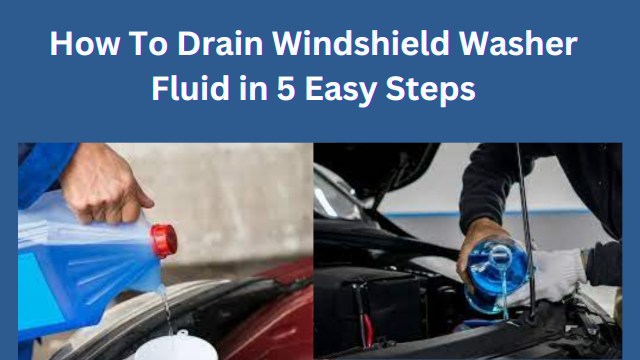
Open the reservoir only when the vehicle is safely parked and the surrounding components are cool enough to handle. Add windshield washer fluid approved for your climate until the level reaches the indicated fill mark, if provided. Do not use engine coolant, brake fluid, or other automotive fluids in the washer reservoir.
Close the cap securely and operate the washer control briefly. If fluid sprays normally, the problem was likely a low fluid level. If the reservoir was full or the system still does not spray, continue to the next step.
Source: storage.googleapis.com
Use suitable washer fluid
Choose a formulation appropriate for the expected temperatures. In cold U.S. climates, use fluid with a freezing rating suitable for local winter conditions.
Look for repeated fluid loss
If the reservoir becomes empty again soon after refilling, inspect for leaks around the tank, pump seal, hoses, and connections.
Step 2: Listen for the Windshield Washer Pump
With enough fluid in the reservoir, operate the washer control briefly while listening near the reservoir or pump area. Ask a helper to activate the control if the pump is difficult to hear from the driver’s seat. Keep hands, clothing, and tools away from moving engine components.
A humming or buzzing sound suggests that the pump motor is receiving power and attempting to operate. It does not confirm that the pump produces adequate pressure. A silent pump could indicate a blown fuse, an electrical connection problem, a faulty control circuit, or a failed motor.
Do not hold the washer control continuously when nothing sprays. Repeated operation can overheat a struggling pump, particularly if the system is frozen or blocked. If the pump is noisy but fluid does not reach the glass, investigate the fluid path first.
Source: storage.googleapis.com
Pump runs but no fluid appears
Check the reservoir, frozen fluid, hoses, fittings, and nozzles. Inspect for leaks before assuming the pump needs replacement.
Pump does not make a sound
Check the fuse and accessible electrical connections, then test the circuit according to the vehicle’s service information.
Step 3: Check for Frozen Washer Fluid or Nozzles
In freezing weather, washer fluid or water trapped in the reservoir, hoses, or nozzles can freeze and stop the spray. A pump that runs without delivering fluid during a cold snap may be facing an ice blockage rather than a mechanical failure.
Move the vehicle to a warmer, sheltered location and allow the system to thaw gradually. Use an appropriate winter-rated washer fluid after the ice has melted, following the product instructions and the vehicle manufacturer’s guidance. Check the reservoir and hoses for damage because frozen liquid can crack components.
Never use boiling water, an open flame, or an uncontrolled heat gun to thaw washer components. Sudden temperature changes can damage plastic parts, and excessive heat can create additional hazards. If the system remains blocked after fully thawing, check the hoses and nozzles for debris or damage.
Source: www.youtube.com > Jimthecarguy
Symptoms that suggest freezing
The washer stops working during cold weather, the pump may still be audible, and the system may begin operating again after a complete thaw.
Prevent another freeze
Use climate-appropriate washer fluid and avoid diluting it with excessive water that reduces its stated freeze protection.
Step 4: Inspect the Washer Hoses and Connections
A loose, split, or disconnected washer hose can prevent fluid from reaching the windshield even when the pump runs. Open the hood and follow the visible washer tubing from the reservoir toward the hood-mounted or cowl-mounted nozzles. Some hoses run beneath trim panels, so do not force covers off without checking the service instructions.
Look for wet areas, cracked tubing, loose fittings, pinched sections, or fluid dripping during a brief washer test. If fluid appears beneath the hood instead of at the windshield, a leak or disconnected line is likely. Turn the system off before handling a hose or fitting.
Reconnect a loose hose to its proper fitting and replace damaged tubing with a compatible part. Make sure the hose does not kink when the hood closes or interfere with hinges and moving parts. If a connector has a one-way valve or a model-specific fitting, install it in the specified orientation.
Source: storage.googleapis.com
A hose has come loose
Reconnect it securely to the correct fitting and retest the system for leaks.
A hose is split or brittle
Replace the damaged section with washer-fluid-compatible tubing of the appropriate size and routing.
Fluid reaches the hood but not the windshield
Inspect the final hose connections and nozzle inlet for a blockage or a disconnected fitting.
How to Confirm a Hose Blockage
If the pump runs and no leak is visible, a controlled flow check can help identify a blocked section. Follow the service manual before disconnecting any line. With the ignition off and the area protected from spills, disconnect an accessible hose only if the fitting can be released safely. Direct the hose into a suitable container, then have a helper activate the washer briefly if the manufacturer’s procedure permits it.
Fluid emerging from the disconnected hose indicates that the upstream portion can deliver fluid, while no flow suggests a restriction or supply problem farther back. This check alone cannot prove which component has failed. Reconnect the line securely and inspect for leaks before operating the vehicle.
Step 5: Clean a Clogged Windshield Washer Nozzle
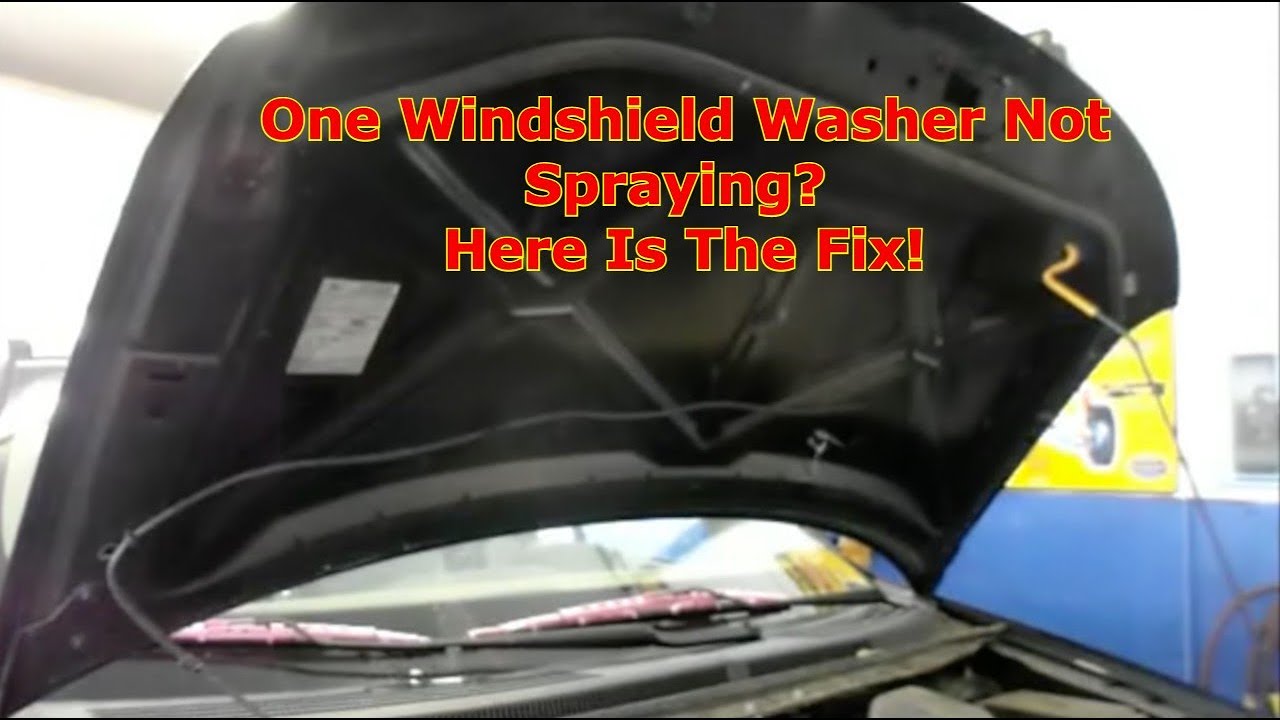
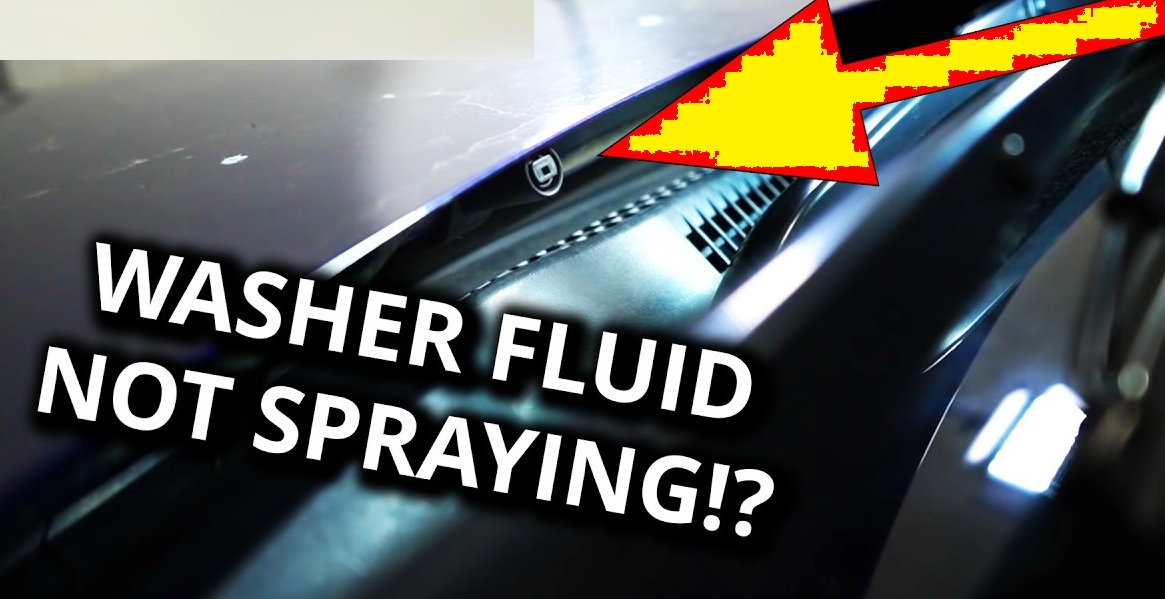
If the pump runs and the hoses appear intact, a clogged nozzle may be restricting the spray. Dust, mineral deposits, wax, and small particles can obstruct the narrow outlet. One working nozzle and one blocked nozzle usually point toward a local restriction rather than a complete pump failure.
Inspect the nozzle openings for visible dirt. Clean the surrounding area with a soft cloth and use the cleaning method recommended by the vehicle manufacturer. Avoid pushing a large needle or hard wire into the opening because modern fan-spray jets can be damaged or permanently altered by probing.
If the nozzle is removable, follow the service instructions to detach and clean it. Use suitable cleaning methods without damaging seals or plastic fittings. Replace a nozzle that remains blocked, is cracked, or has a damaged spray mechanism. Some vehicles use fixed fan-pattern nozzles that should not be manually aimed.
Source: ThriftyFun
One nozzle works and the other does not
Inspect the nonworking nozzle and its branch hose first.
Both nozzles spray weakly
Check for a partial blockage, leaking hose, low reservoir level, restricted pump inlet, or weak pump output.
The spray pattern is uneven
Clean or replace the affected nozzle using the procedure specified for the vehicle.
Step 6: Check the Washer Pump Fuse and Electrical Connections
If the pump remains silent after the reservoir and fluid path have been checked, inspect the electrical supply. Locate the correct washer fuse using the owner’s manual or fuse-box diagram. Depending on the vehicle, the circuit may be in the engine-compartment fuse box, the interior fuse panel, or a module-controlled circuit.
Switch off the ignition before inspecting or replacing a fuse. Use the specified amperage rating and type. Never install a higher-rated fuse to stop repeated failures, and do not bypass the fuse with wire or another improvised conductor.
If the replacement fuse blows again, stop replacing fuses and investigate a possible short circuit, damaged wiring, or a faulty component. Inspect accessible pump connectors for corrosion, loose terminals, or damaged insulation. Disconnect the battery only when the manufacturer’s procedure requires it, since some vehicles need specific precautions or electronic-system resets.
Source: The Family Handyman
The fuse is blown
Replace it only with the exact specified rating after considering why it may have failed. A fuse that blows repeatedly requires further diagnosis.
The fuse is intact but the pump is silent
Inspect the connector and circuit. A multimeter or suitable automotive test equipment may be needed to determine whether the pump receives the correct voltage under the prescribed test conditions.
Electrical testing is unfamiliar
Have a qualified automotive technician test the circuit rather than probing unidentified terminals or applying battery power directly.
When to Replace the Washer Pump
Replace the pump only after confirming that the reservoir contains fluid, the system is not frozen, the delivery path is not blocked, and the electrical circuit operates as specified. A pump that receives the correct supply but fails its prescribed functional test may be defective. A pump that runs but cannot deliver fluid may also have an internal fault, although a blockage or damaged inlet can produce similar symptoms.
Pump access varies by vehicle. Some pumps are accessible near the reservoir, while others require removal of a wheel-well liner or another panel. Follow the service procedure, protect electrical connectors from fluid, and verify the replacement part’s fit and connector compatibility.
Evidence supporting pump replacement
The pump fails the manufacturer’s functional test despite a verified power supply and ground, or it has confirmed mechanical damage or inadequate output after restrictions have been ruled out.
Evidence against immediate replacement
A blown fuse, poor connection, frozen line, empty reservoir, leaking hose, or clogged nozzle has not yet been ruled out.
Troubleshooting Checklist: Match the Symptom to the Next Check
Use this table to choose the next diagnostic step without replacing parts unnecessarily. The observations narrow the possibilities but do not independently confirm a failed component.
Source: theengineeringtools.com
Quick Diagnostic Reference
Work from the easiest checks toward component testing. If a step reveals a clear fault, correct it and test the system before moving on.
No spray and no pump sound
Check fluid level, the correct fuse, electrical connections, and pump-circuit operation.
No spray but the pump hums
Check for freezing, empty fluid supply, hose disconnection, blockage, and pump output problems.
Fluid appears under the hood
Inspect the reservoir, pump seal, tubing, and hose fittings for leaks.
Only one jet fails
Inspect that nozzle and its branch hose before testing the pump.
Spray is weak on both sides
Check fluid supply, partial restrictions, hose leaks, and pump performance.
The problem occurs only in cold weather
Allow the system to thaw safely and verify the washer fluid’s temperature rating.
Common Mistakes to Avoid
The wrong repair can damage a nozzle, create an electrical hazard, or waste money on parts that still work. Use the vehicle’s service information when a component is difficult to access or its design is unfamiliar.
Source: www.youtube.com > Budget Mechanic
Replacing the pump without testing it
A disconnected hose, blown fuse, frozen line, or clogged nozzle may produce the same no-spray symptom.
Using a large needle to clear a fan-spray jet
Hard tools can damage the nozzle opening or alter the spray pattern. Use the manufacturer’s recommended cleaning procedure.
Ignoring repeated fuse failures
A fuse that blows repeatedly may indicate an electrical fault. Do not install a higher-rated fuse or bypass the circuit protection.
Using water in freezing conditions
Water can freeze in the reservoir and lines, interrupting spray and potentially damaging plastic components.
Testing with the hood open and hands near moving parts
Keep clear of belts, fans, and other moving components. Turn the ignition off before inspecting or repairing hoses and connectors.
Driving without adequate visibility
If dirt, road spray, or glare prevents a clear view, pull over safely and correct the visibility problem before continuing.
How to Confirm the Repair Worked
After completing a repair, refill the reservoir if necessary, reinstall all removed components, reconnect any fittings, and check that the hood closes normally. Operate the washer briefly while the vehicle is parked. Confirm that fluid reaches the windshield, the spray pattern is useful, and no leaks appear around the reservoir or hoses.
If the spray remains weak, intermittent, or absent, do not assume the new or cleaned part is defective. Recheck the work and continue diagnosing the remaining possibilities. Some vehicles require a specific procedure to prime the system or test the pump, so consult the service manual when the usual checks do not resolve the problem.
Seek professional diagnosis if the pump circuit requires advanced electrical testing, the reservoir is difficult to access, wiring is damaged, or the system remains inoperative after the basic checks. Repairing the actual cause is more reliable than replacing several parts by trial and error.
Source: YouTube
Successful repair
Fluid sprays onto the windshield in a consistent pattern, the pump operates normally, and there are no visible leaks.
Repair still incomplete
Fluid does not reach the glass, the pump behaves abnormally, the fuse fails again, or fluid leaks from a hose or fitting.
Frequently Asked Questions
Q
Why is my windshield washer not spraying even though it has fluid?
Possible causes include a clogged or frozen nozzle, a disconnected or leaking hose, a restricted pump inlet, a failed washer pump, or an electrical problem. Listen for the pump when operating the control briefly, then inspect the hoses and nozzles. If the pump is silent, check the specified fuse and electrical connections.
Q
Why can I hear the washer pump but no fluid comes out?
The pump may be running while the reservoir is empty, the fluid is frozen, a hose is disconnected, or a nozzle is blocked. A worn pump can also run without producing enough pressure. Check for leaks and restrictions before concluding that the pump needs replacement.
Q
Can I use water to unclog windshield washer nozzles?
A small amount of suitable warm water may help with certain external deposits when temperatures are safely above freezing and the vehicle manufacturer’s procedure permits it. However, water alone is not a reliable fix for every blockage and can freeze in cold weather. Avoid boiling water and use the recommended cleaning method for the nozzle design.
Q
Can a blown fuse cause the windshield washer to stop spraying?
Yes. If the washer pump’s electrical circuit loses power because of a blown fuse, the pump may remain silent and no fluid will spray. Check the fuse diagram for the correct circuit and replace a failed fuse only with the specified rating. If the new fuse blows again, have the circuit diagnosed for a short or component fault.
Q
Should I replace the windshield washer pump or the nozzle?
If only one nozzle fails while the other sprays normally, inspect the nonworking nozzle and its hose first. If the pump runs but neither nozzle sprays, check fluid supply, freezing, and hose restrictions. If the pump remains silent, verify the electrical supply before deciding whether the pump has failed.
Q
Why does my windshield washer stop working in winter?
Washer fluid, water in the lines, or the nozzles may freeze when the fluid’s temperature rating is unsuitable for the weather. Allow the system to thaw in a warm location and use washer fluid rated for the expected temperatures. Check for cracked hoses or other damage if the system does not work after thawing.
Q
Is it safe to drive when the windshield washer will not spray?
It may be possible to drive in conditions where the windshield remains clean and visibility is adequate, but the lack of a working washer can quickly become hazardous when road spray, dust, or insects accumulate. Do not continue driving if visibility is impaired. Pull over safely and restore visibility before proceeding.
✦ Wrapping Up
Conclusion
Fixing a windshield washer that will not spray starts with checking the fluid level, listening for the pump, and inspecting the system for freezing, leaks, and clogged nozzles. If those checks do not reveal the cause, examine the specified fuse and electrical connections before considering pump replacement.
The correct repair depends on the symptom and the vehicle’s design. Use the owner’s manual for fluid requirements and component locations, follow safe procedures when inspecting the electrical system, and seek professional help when diagnosis requires specialized tools.
💡 Key Takeaway
Start with the reservoir and a brief pump test. If the pump runs, inspect for frozen fluid, leaks, and blocked nozzles. If it stays silent, check the correct fuse and electrical supply. Test the spray pattern and inspect for leaks after every repair.
Learn how to fold a windshield sun shade correctly with simple steps for pop-up, accordion, and umbrella styles, plus storage and troubleshooting tips.