Wash a windshield without streaks by working in the shade, removing loose dirt, applying an automotive glass cleaner, and wiping with clean microfiber towels. Use separate towels for cleaning and buffing, and finish by checking the glass from different angles.
For drivers across the United States, a clean windshield is essential for clear visibility in bright sunshine, at night, and during rain. Road dust, pollen, bug residue, oily traffic film, and dried washer fluid can leave a cloudy layer on the glass. When sunlight or headlights hit these deposits, streaks and glare become more noticeable.
The most reliable way to clean a windshield is to control the amount of cleaner, use lint-free microfiber towels, and remove contamination before polishing the glass. Cleaning in direct sunlight or using a dirty cloth can leave residue behind even when the windshield initially looks clean. The method below covers exterior and interior glass, common mistakes, and ways to troubleshoot persistent streaks.
What You Need to Wash a Windshield Without Streaks
Gather the right supplies before cleaning. A small amount of appropriate cleaner and several clean microfiber towels generally work better than one saturated cloth. Keeping separate towels for washing and final buffing prevents removed dirt from being spread back across the glass.
Choose a cleaner labeled as suitable for automotive glass. If your vehicle has aftermarket window tint on the inside of the windshield or other treated glass surfaces, verify that the product is compatible with those materials. Ammonia-free products are a prudent choice for tint-sensitive areas.
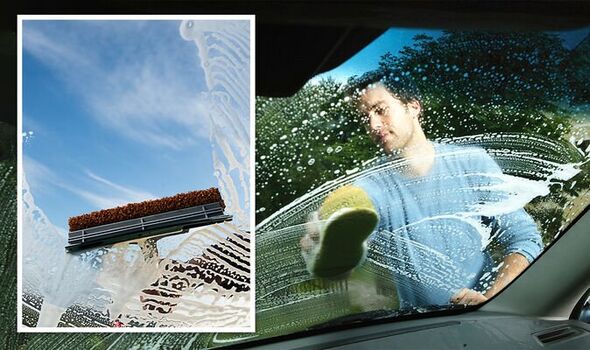
Source: vacuumdecision.com
Automotive glass cleaner
Use a glass cleaner formulated for vehicle windows and follow its label instructions. Avoid products that leave wax, polish, or protective coatings unless you specifically want that treatment.
Clean microfiber towels
Use one towel to apply and remove cleaner and another dry towel to buff away the remaining film. Keep a third towel available for heavy contamination or the interior glass.
Soft brush or rinse water
Remove loose dust and grit before wiping. A gentle rinse is useful on the exterior when the windshield has substantial road dirt.
Access tools
A clean windshield-reach tool can help with the lower inside corners. Use a soft, clean cover compatible with glass and avoid pressing hard against the windshield.
Should You Use Glass Cleaner or Soapy Water?
Automotive glass cleaner is usually the most convenient option for removing fingerprints, oily film, and ordinary road residue without leaving excessive moisture. A small amount of mild soap diluted in water can help with an initial exterior wash, but soap concentration matters. Too much detergent can leave a film that requires additional rinsing and buffing.
Do not substitute household furniture polish, wax products, or oily cleaning solutions for glass cleaner. These products can leave residues that smear when exposed to sunlight or when the windshield wipers operate.
For routine cleaning
Use an automotive glass cleaner with a clean microfiber towel.
For heavy exterior dirt
Rinse away loose debris and wash the glass gently before using the glass cleaner.
For tinted or treated glass
Check the cleaner label and the vehicle or tint manufacturer’s instructions before use.
How to Wash a Windshield Without Streaks Step by Step
Follow a consistent cleaning sequence: cool the glass, remove loose debris, clean one section at a time, and buff the surface dry. This approach limits residue and helps you identify any remaining contamination before it becomes difficult to remove.
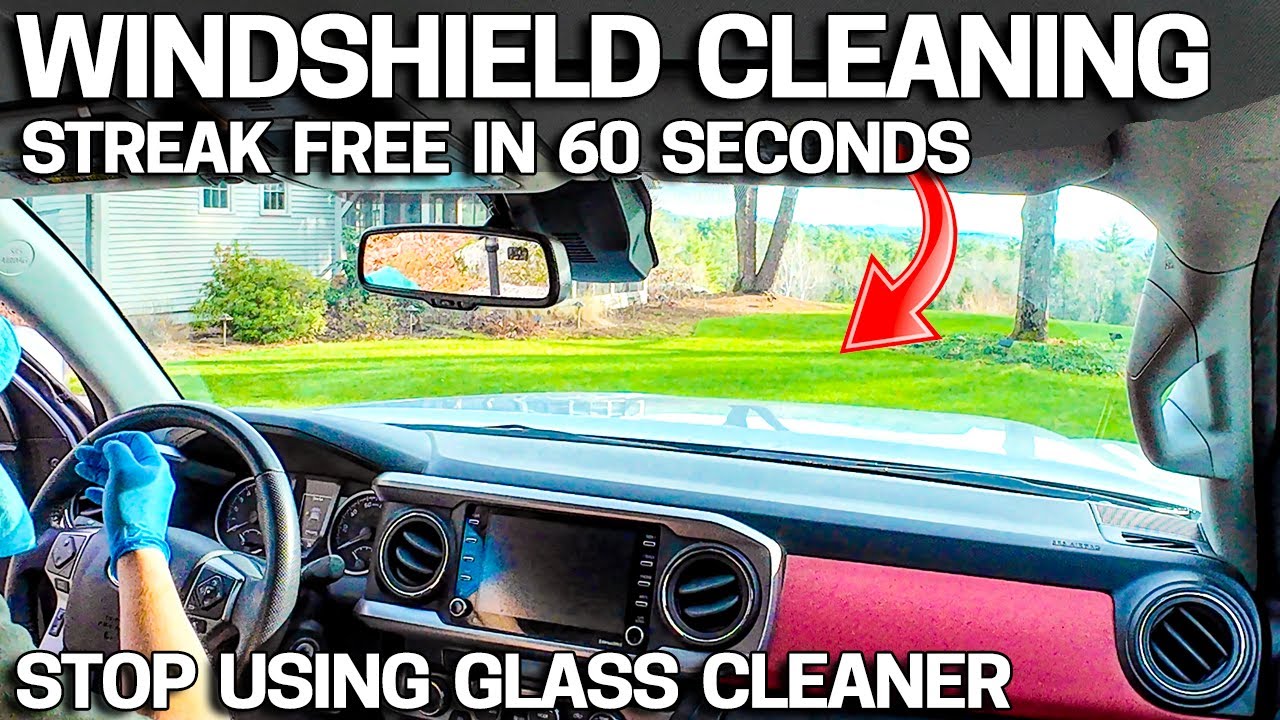
Source: i.ytimg.com
Step 1: Park in the shade
Choose a shaded location and allow a hot windshield to cool. Heat causes cleaner to evaporate quickly, which can leave uneven marks before you finish wiping.
Step 2: Remove loose dirt
Rinse the exterior glass gently or remove loose dust with a clean, soft tool. Do not rub dry, gritty glass with a microfiber towel because trapped particles can scratch the surface.
Step 3: Apply the cleaner
Spray a small amount onto a clean towel or directly onto the glass if the product directions permit. Applying cleaner to the towel helps prevent overspray onto the dashboard, electronics, and nearby trim.
Step 4: Clean in manageable sections
Wipe the windshield using overlapping horizontal or vertical strokes. Work across the glass methodically so that no area is skipped or repeatedly coated with excess cleaner.
Step 5: Buff with a dry towel
Turn to a clean, dry section of microfiber or use a second towel to remove remaining moisture and film. Replace the towel when it becomes damp, greasy, or visibly dirty.
Step 6: Inspect the windshield
Look at the glass from different angles in indirect daylight. If you see streaks, lightly buff the affected area with a clean, dry towel before applying more product.
How to Clean the Exterior Windshield
The outside of the windshield collects insects, road grime, mineral deposits, pollen, and residue from nearby vehicles. Start with a rinse to remove loose grit, then clean the surface with an automotive glass cleaner and a dedicated microfiber towel. Do not use the same dirty towel that was used on wheels, tires, or bodywork.
For dried insects or stubborn deposits, allow a suitable cleaner to loosen the residue according to its label. Avoid scraping the windshield with an ordinary metal blade or abrasive pad. If the residue does not release with gentle cleaning, use a glass-safe treatment appropriate for the type of contamination.
Clean around the wiper area
Remove accumulated leaves and dirt near the lower windshield edge without forcing debris into the cowl or damaging the wiper mechanism.
Clean the wiper blades
Wipe the rubber blades with a damp, clean cloth and inspect them for splits, hardened edges, or damage. Follow the vehicle manufacturer’s guidance for blade care.
How to Clean the Inside of the Windshield
Interior glass often develops a thin, oily film from cabin materials, ventilation, smoke, fingerprints, and other airborne contaminants. This film may be difficult to see until sunlight or oncoming headlights illuminate it. Use a clean towel reserved for interior glass so exterior grime does not transfer inside.
Apply a modest amount of automotive glass cleaner to the towel rather than soaking the windshield. Wipe the glass in overlapping strokes, reaching the lower corners carefully. Finish with a separate dry microfiber towel. If the dashboard is dusty, clean it first so airborne dust does not settle on the freshly cleaned glass.
Protect the dashboard
Avoid saturating the lower edge of the windshield or allowing cleaner to run onto dashboard materials, displays, speakers, and electronic controls.
Use a reach tool when needed
A windshield-reach tool can improve access to the lower corners. Use a clean, nonabrasive cover and gentle pressure.
Change wiping direction
You can wipe the exterior vertically and the interior horizontally. This makes it easier to identify which side still has streaks.
Why Windshields Develop Streaks After Cleaning
Streaks usually result from leftover cleaner, contaminated towels, rapid evaporation, or oily residue that has not been fully removed. The appearance of the streak can help you narrow down the cause, although different contaminants can look similar. Before repeating the entire process, identify whether the marks are on the interior or exterior surface.
A windshield can also appear streaky because the glass has mineral deposits, fine scratches, or worn wiper blades. Cleaning removes surface contamination, but it cannot repair damaged glass or correct every source of glare.
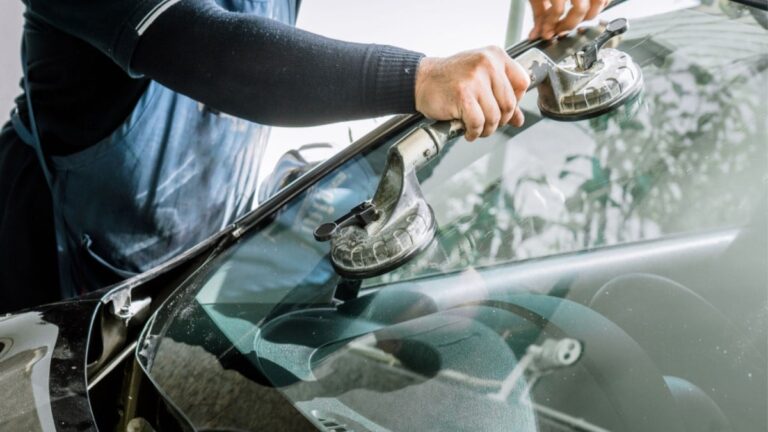
Source: i.pinimg.com
Cleaner dries too quickly
Direct sunlight and hot glass can cause uneven drying. Move to the shade, let the glass cool, and work in smaller sections.
The towel is dirty or saturated
A towel containing grease, detergent, or residue can spread contamination. Switch to a clean, dry microfiber towel.
Too much cleaning product
Excess cleaner may take longer to remove and can leave a visible film. Use less product and follow the manufacturer’s directions.
Interior oily film
Ventilation and cabin materials can contribute to a persistent film. Clean the interior with a fresh towel and a compatible automotive glass cleaner.
Hard-water deposits
Mineral residue can remain after ordinary washing. Use a glass-safe mineral-deposit treatment if necessary and avoid abrasive methods.
Worn wiper blades
Damaged or contaminated blades may leave lines when the windshield gets wet. Inspect the blades and replace them if they are worn or damaged.
How to Remove Persistent Windshield Haze
If ordinary cleaning leaves a cloudy film, use a fresh microfiber towel and a glass cleaner suitable for the surface. Clean a small area first and inspect it before treating the entire windshield. For exterior mineral deposits or stubborn contamination, follow the directions for a compatible glass-specific product.
Avoid household scouring powders, abrasive sponges, and unverified chemical mixtures. They may damage the glass, surrounding trim, coatings, or tint. If the haze remains after careful cleaning, check for fine scratches, pitting, damaged coatings, or residue on the opposite side of the glass.
Check both sides
Wipe the interior and exterior separately to determine which surface holds the film.
Do not polish blindly
Glass polishing compounds can alter the surface and should only be used when suitable for the windshield and the specific problem.
Which Cleaning Method Works Best for Different Windshield Problems?
The best cleaning method depends on what is stuck to the glass. Ordinary dust requires less cleaning effort than dried insects or mineral deposits. Start with the least aggressive method that suits the contamination and move to a specialized product only when routine cleaning fails.
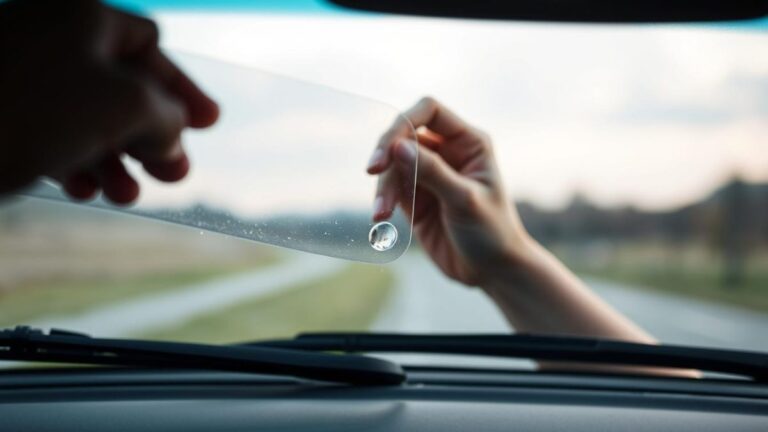
Source: windowcleankits.com
Dust and pollen
Rinse away loose particles or remove them gently before cleaning with automotive glass cleaner.
Fingerprints and oily film
Use automotive glass cleaner and a clean microfiber towel, followed by a dry buffing pass.
Dried insects
Soften the residue with an appropriate cleaner or a damp cloth before gently wiping. Avoid scraping with hard or sharp objects.
Mineral spots
Try a glass-safe mineral-deposit remover according to its instructions. Persistent deposits may need professional assessment.
Streaks after using the wipers
Clean the blades and windshield, then inspect the rubber for wear. Replace damaged blades and use suitable washer fluid.
Can You Use Vinegar to Clean a Windshield?
A diluted vinegar solution may help loosen some mineral deposits, but it is not necessary for routine windshield cleaning and is not a universal solution for oily film. Its suitability depends on nearby materials, coatings, and the vehicle manufacturer’s instructions.
A purpose-made automotive glass cleaner is generally the simpler choice for everyday cleaning. If you use any alternative cleaner, avoid contact with paint, sensitive trim, and incompatible surfaces, and never mix cleaning chemicals.
For routine cleaning
Choose an automotive glass cleaner that is compatible with your vehicle.
For stubborn deposits
Use a product explicitly intended for automotive glass and follow its safety directions.
Common Mistakes That Leave Windshield Streaks
Most preventable streaks come from poor timing, contaminated materials, or using the wrong product. A careful final buff is useful, but it cannot compensate for abrasive dirt, damaged glass, or residue repeatedly transferred by worn wipers.
Source: advancedwindowglassrepair.com
Cleaning in direct sunlight
Hot glass causes cleaner to dry unevenly. Work in the shade or wait until the windshield cools.
Using paper towels that shed lint
Some paper towels leave fibers or break apart when wet. Use clean, low-lint microfiber towels designed for glass.
Using one towel for every surface
Towels used on paint, tires, dashboards, or greasy surfaces can contaminate the glass. Keep glass-cleaning towels separate.
Applying too much cleaner
Heavy application can leave excess liquid and streaks. Start with a small amount and add more only if needed.
Ignoring the wiper blades
Dirty or deteriorated blades can immediately reintroduce lines onto clean glass. Inspect them whenever streaks appear during wiping.
Using abrasive materials
Scouring pads and unsuitable blades can scratch the windshield or damage nearby surfaces. Use only glass-safe cleaning materials.
How to Wash a Windshield in Cold or Humid Weather
Cold temperatures can slow drying, while high humidity may prolong moisture on the glass. Follow the cleaner’s temperature guidance and avoid cleaning when the windshield is frozen or when the product may freeze before you can remove it.
Use washer fluid rated for the temperatures expected in your area. In regions of the United States where winter freezing occurs, ordinary water in the washer reservoir can freeze and interfere with the system. Never pour boiling water onto a cold windshield because a sudden temperature change can damage the glass.
For cold weather
Remove ice using an appropriate scraper and follow the vehicle manufacturer’s defrosting instructions before cleaning.
For humid weather
Work in small sections and buff away moisture with a dry towel when the cleaner directions permit.
How to Keep a Windshield Clean Longer
Regular light cleaning is easier than removing a thick layer of road film. Keep the washer reservoir filled with vehicle-appropriate washer fluid, clean the wiper blades when needed, and avoid touching the interior glass with oily hands. Store glass-cleaning towels separately from towels used for other car-care tasks.
Clean the windshield whenever residue begins to affect visibility rather than waiting for a heavy buildup. After driving through muddy conditions, insect-heavy areas, or dusty roads, remove contamination promptly when it is safe to do so. Check the glass under different lighting conditions because a windshield that looks clear in a garage may reveal film in direct sunlight.
Source: i.pinimg.com
Maintain the wipers
Inspect the blades regularly and replace them when the rubber is cracked, torn, hardened, or unable to clear the glass evenly.
Use the correct washer fluid
Choose fluid suitable for your climate and vehicle. Do not assume plain water will remove oily road film or remain usable in freezing weather.
Keep towels clean
Wash microfiber towels separately from lint-producing laundry when possible, avoid fabric softener, and follow the towel manufacturer’s care instructions.
Avoid unnecessary coatings
Glass treatments may change how water beads or how wipers move. Use compatible products and follow the treatment and vehicle manufacturers’ instructions.
When Cleaning Is Not Enough
If the windshield still produces glare after both surfaces are clean, inspect it for chips, pitting, scratches, or damage. Persistent streaks that appear only when the wipers operate may indicate worn blades, contaminated rubber, or a problem with the washer system.
Have a qualified automotive glass professional assess damage that interferes with the driver’s view. If visibility is significantly impaired, avoid driving until the windshield can be used safely.
Persistent optical distortion
Seek professional assessment if the glass remains hazy or distorted after proper cleaning.
Cracks or chips
Arrange an appropriate inspection or repair, especially if the damage is in the driver’s viewing area.
Frequently Asked Questions
Q
What is the best thing to use to clean a windshield without streaks?
A suitable automotive glass cleaner and clean microfiber towels are a practical combination for most windshields. Use one towel to remove contamination and another dry towel to buff the surface. Choose products compatible with any interior tint or special glass treatment.
Q
Should I clean my windshield inside or outside first?
Either order can work, but cleaning the exterior first helps remove road grime and gives you a clear view of the remaining interior film. Use separate clean towels for the inside and outside to prevent transferring dirt or oily residue.
Q
Why does my windshield look streaky at night after cleaning?
Headlights can reveal thin films that are difficult to see in daylight. Common causes include excess cleaner, oily interior residue, contaminated towels, dirty wiper blades, or mineral deposits. Clean both sides with appropriate products and inspect the glass again from different angles.
Q
Can I use dish soap to wash my windshield?
A small amount of mild dish soap diluted in water can help with an initial exterior wash, but excessive detergent may leave residue and require thorough rinsing. For a streak-free final finish, use an automotive glass cleaner and a clean microfiber towel. Avoid letting soapy water dry on the glass.
Q
How often should I clean my windshield?
Clean it whenever dirt, oily film, insect residue, or streaks begin to affect visibility. The frequency depends on driving conditions, weather, pollen, and road exposure. Check the windshield and wiper blades regularly, particularly before long trips or during seasons with heavy rain, dust, or insects.
Q
Can I use newspaper to clean a windshield?
Clean microfiber towels are generally a more predictable choice because newspaper can leave ink, residue, or fibers depending on the paper and printing method. A dedicated glass towel also makes it easier to control pressure and buff the windshield without transferring contamination.
Q
Why do streaks return as soon as I use the windshield wipers?
The wiper blades may be dirty, worn, or damaged, or the windshield may still have an oily film. Clean the glass and blades, check the blade edges for deterioration, and use appropriate washer fluid. Replace damaged blades if cleaning does not restore even contact with the glass.
✦ Wrapping Up
Conclusion
The key to washing a windshield without streaks is to remove loose dirt first, use a compatible automotive glass cleaner, and finish with clean, dry microfiber towels. Shade, moderate product application, and separate towels for the interior and exterior help prevent residue from being spread across the glass.
If streaks persist, determine whether they come from the cleaner, oily film, mineral deposits, or the wiper blades before repeating the process. Cleaning can remove surface contamination, but persistent distortion, scratches, chips, or glass damage may require professional attention.
💡 Key Takeaway
Park in the shade, let the windshield cool, remove loose debris, clean the glass with a suitable automotive glass cleaner, and buff it dry with a separate microfiber towel. Inspect both sides and check the wiper blades if streaks return.