To check windshield washer fluid in a Tesla, look for a low-fluid warning on the touchscreen, then inspect the washer system for leaks or signs of poor operation. On models with an accessible washer-fluid reservoir, park safely, open the hood, and check the reservoir level if its design allows you to see it. Many Tesla vehicles do not have a conventional dashboard fluid-level gauge, so the exact procedure depends on the model and model year.
For Tesla drivers in the United States, windshield washer fluid is an essential part of routine vehicle maintenance. Road salt in winter, dust on highways, pollen in spring, and insects during summer driving can quickly obscure the windshield. Checking the washer system regularly helps ensure that you can clear the glass when visibility deteriorates.
Tesla vehicles use an electric washer pump, fluid reservoir, hoses, and spray nozzles to deliver washer fluid to the windshield. The reservoir location, access procedure, and warning behavior can differ among the Model 3, Model Y, Model S, and Model X, as well as between model years. Use the owner’s manual for your specific vehicle before opening service panels or removing components. Never assume that the absence of a warning proves the reservoir is full.
The most practical first step is to check the vehicle’s touchscreen for a low washer-fluid message and then inspect the washer system. A warning can alert you to a low level, but it does not replace a physical inspection when the system is malfunctioning.
Before starting, park on a level surface, shift into Park, engage the parking brake if applicable, and switch off the vehicle as directed in the owner’s manual. Keep your hands away from moving parts and hot components, and do not remove covers unless the manual identifies them as user-accessible.
Check the touchscreen
Look for a washer-fluid warning or service message. Menu locations and warning behavior vary by Tesla model and software version.
Consult the owner’s manual
Open the manual for your exact model and model year to find the reservoir location, hood-opening instructions, and any access restrictions.
Inspect the reservoir when accessible
If the reservoir is visible through its translucent plastic wall, inspect the level against any molded markings. Do not remove a cap or cover that the manual does not identify as user-accessible.
Test washer operation
When the windshield is dirty and conditions are safe, activate the washer according to the owner’s manual. A normal spray pattern suggests that fluid is reaching the nozzles, but it does not establish the exact remaining quantity.
Can You Check Tesla Washer Fluid From the Touchscreen?
The touchscreen may display a low washer-fluid warning when the vehicle detects a low level. However, Tesla equipment and software differ across models and years, so do not expect every vehicle to provide a numerical fluid reading or a dedicated gauge.
If there is no warning, the reservoir may have sufficient fluid, but the warning system alone cannot confirm the actual level. If the spray becomes weak or stops, check for an empty reservoir, a leak, frozen fluid, blocked nozzles, or a pump problem.
No warning displayed
Do not assume the reservoir is full. Verify the level physically when the reservoir is accessible and the owner’s manual permits inspection.
Low-fluid warning displayed
Arrange a refill using the specified washer fluid, then check whether the warning clears as expected.
How to Find the Washer-Fluid Reservoir
The reservoir is generally located in the front compartment, but its exact position and accessibility vary. Open the hood using the vehicle’s documented procedure and identify the washer-fluid filler cap from the owner’s manual. Do not confuse it with coolant, brake-fluid, or other service reservoirs.
Some components may be concealed beneath trim or service covers. If the filler neck is not readily identifiable, stop and consult the model-specific instructions rather than removing panels or disconnecting components.
Identify the correct cap
Use the reservoir symbol and the vehicle manual to confirm that you have located the windshield washer-fluid filler.
Check visible fluid markings
If the reservoir has visible level markings, use them to assess the amount. If the plastic is opaque or the level cannot be seen, use the documented refill procedure instead of guessing.
How to Check Washer Fluid in a Tesla Model 3 or Model Y
For the Tesla Model 3 and Model Y, start with the touchscreen and the owner’s manual for the exact model year. The front compartment contains vehicle components that may restrict direct access, and the layout can change between vehicle generations.
Do not rely on instructions written for an older Model 3 or Model Y if the front-compartment design differs from your vehicle. Confirm the filler location and any cover-removal instructions before attempting a physical check or refill.
Model 3
Check the low-fluid message and consult the Model 3 owner’s manual for your vehicle’s reservoir location and access procedure.
Model Y
Follow the Model Y owner’s manual for your specific year. Confirm the washer-fluid filler before adding fluid and avoid disturbing unrelated components.
Other Tesla models
Model S and Model X owners should follow their own manuals because the front-compartment layout and service access may differ.
What If You Cannot See the Fluid Level?
Some reservoirs do not provide a clearly visible level from the normal access point. In that situation, use the low-fluid warning as one indicator and follow the manufacturer’s refill instructions. Do not insert objects into the reservoir or remove unrelated components to estimate the level.
If you need to refill but cannot identify the correct filler opening, consult Tesla service documentation or a qualified technician. Correct identification matters because adding washer fluid to another reservoir can cause damage and create a safety issue.
Follow the documented refill procedure
Use the correct filler and stop at the level or capacity specified by the vehicle instructions.
Avoid unnecessary disassembly
Do not remove trim, disconnect electrical connectors, or dismantle the front compartment just to check the fluid.
Signs That Your Tesla May Be Low on Washer Fluid
A low-fluid warning is the clearest electronic indication when your Tesla is equipped to detect the condition. Other symptoms can suggest a washer-system problem, but they do not always mean the reservoir is empty.
If the windshield washer stops working, avoid driving in conditions where you cannot maintain a clear view. Dirty glass, glare, rain, road spray, and direct sunlight can combine to reduce visibility, so resolve the problem before continuing when necessary.
Low washer-fluid warning
The vehicle displays a message indicating that the washer fluid needs attention. Follow the model-specific instructions to refill.
Weak or intermittent spray
The reservoir may be low, but a partially blocked nozzle, restricted hose, pump issue, or frozen fluid can produce similar symptoms.
No spray at all
Check the fluid level first, then consider freezing, a disconnected hose, a blocked nozzle, a failed pump, or an electrical fault.
Fluid under the vehicle
A puddle or repeated fluid loss may indicate a leaking reservoir, hose, or connection. Washer fluid can be colored, but appearance alone does not reliably identify the source.
Low Fluid or a Faulty Washer Pump?
If the reservoir contains fluid but no spray comes out, listen for the washer pump when you activate the system according to the owner’s manual. A pump that runs without producing spray may indicate a blockage, frozen fluid, or a disconnected hose. No pump sound could indicate a pump, fuse, wiring, control, or other electrical problem, depending on the vehicle.
Avoid repeatedly activating a pump when the reservoir is empty or the fluid may be frozen. If basic checks do not resolve the issue, a technician can test the pump circuit and inspect the hoses and nozzles.
Pump runs but no spray
Check for a low level, frozen fluid, blocked nozzles, or a hose that has come loose.
Pump remains silent
Verify the fluid level and vehicle-specific troubleshooting guidance. Seek professional diagnosis if the pump still does not operate.
How to Refill Tesla Windshield Washer Fluid Safely
If the fluid is low, refill the correct reservoir with a windshield washer fluid that is compatible with your Tesla and the temperatures where you drive. Follow the owner’s manual for the permitted fluid type and refill procedure. The right fluid helps remove road grime and supports operation in the expected climate.
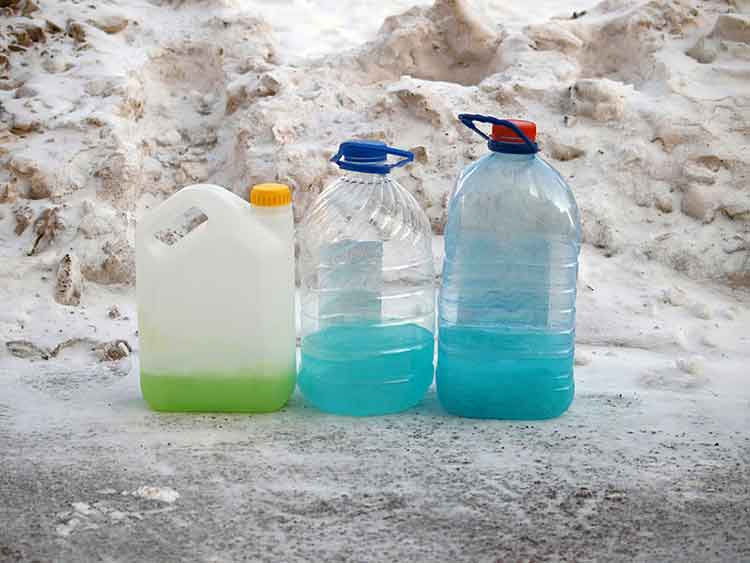
In the United States, winter conditions vary considerably. Drivers in areas that experience freezing weather should choose a washer fluid rated for the expected temperatures. Plain water can freeze in the reservoir, hoses, or nozzles, potentially preventing the system from working when visibility matters most.
Use compatible washer fluid
Choose a windshield washer product permitted by Tesla’s instructions and suitable for the local climate.
Open only the correct filler
Park safely, follow the documented hood-opening procedure, and confirm the washer-fluid symbol before removing the filler cap.
Add fluid carefully
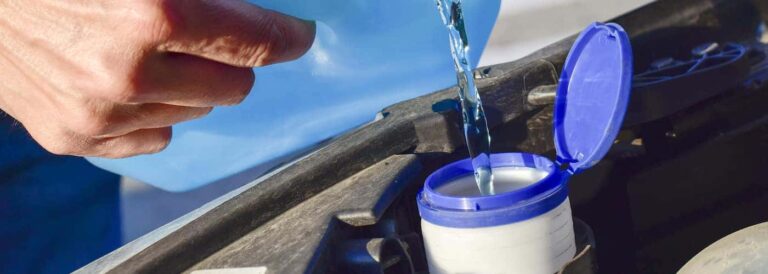
Pour slowly and avoid overfilling or spilling fluid onto surrounding components. Follow any specified level or capacity limits.
Close and test
Secure the filler cap and any covers, close the hood as directed, and test the washer system when conditions are safe.
Can You Use Water Instead of Washer Fluid?
Water may provide limited cleaning in warm conditions, but it does not offer the same cleaning additives as formulated washer fluid and can freeze in cold weather. Do not use plain water as a winter substitute where temperatures can fall below freezing.
Avoid household glass cleaners, dish soap, or other improvised mixtures unless Tesla specifically permits the product. These substances may create residue, foam excessively, or affect components. When in doubt, use a compatible automotive windshield washer fluid.
Freezing temperatures
Use a fluid rated for the lowest temperatures expected during your drive and parking period.
Unknown fluid already in the reservoir
Do not mix incompatible products indiscriminately. Check the product instructions and Tesla guidance before topping up.
Troubleshooting Tesla Washer-Fluid Warnings
If the low-fluid warning remains after a refill, first confirm that you added fluid to the correct reservoir and followed the vehicle’s instructions. The warning may need time or normal vehicle operation to update, depending on the model, but a persistent message should not automatically be dismissed as a software issue.
Repeated warnings, visible leaks, or an inoperative washer system require further investigation. A sensor or electrical fault may be involved, but confirm the actual fluid level and look for obvious leaks before concluding that a component has failed.
Warning remains after refilling
Recheck the refill procedure, confirm the level if visible, and follow the troubleshooting instructions for the vehicle. Contact Tesla service if the warning persists.
Reservoir repeatedly becomes empty
Inspect for leaks around the reservoir and accessible hoses. Arrange service if fluid loss continues.
Fluid is present but spray is weak
Check for blocked nozzles, frozen fluid, or hose restrictions before assuming the reservoir level is the cause.
System does not operate after basic checks
Seek qualified diagnosis of the pump, wiring, connectors, and related components.
When Should You Contact Tesla Service?
Contact Tesla service or a qualified automotive technician if you cannot identify the reservoir safely, notice persistent leaks, suspect a damaged pump or hose, or cannot clear a warning after following the correct refill procedure. Electrical troubleshooting and front-compartment disassembly should follow model-specific service instructions.
If your windshield cannot be cleaned effectively, do not depend on the washer system for safe driving until it is repaired. Clean the glass safely before departing and arrange repairs promptly if the system is needed to maintain visibility.
Professional inspection needed
Persistent warning messages, repeated fluid loss, electrical faults, and pump failure warrant diagnosis rather than repeated refilling.
Frequently Asked Questions
Q
How do I know if my Tesla is low on windshield washer fluid?
Check the touchscreen for a low washer-fluid warning. If your Tesla does not display a warning, do not assume the reservoir is full. Inspect the level if it is visible and accessible, and check for weak spray or leaks if the washer system is not operating normally.
Q
Does a Tesla show the exact washer-fluid level?
Do not expect every Tesla model and model year to display a numerical washer-fluid level. Warning availability and behavior vary by vehicle. Consult your owner’s manual to determine what your Tesla reports and how the reservoir can be checked.
Q
Where is the windshield washer-fluid reservoir in a Tesla Model Y?
The reservoir is in the front-compartment area, but its precise location and accessibility depend on the Model Y’s model year and configuration. Use the matching owner’s manual to identify the filler cap and any permitted access procedure before adding fluid.
Q
Can I drive my Tesla if the washer-fluid warning is on?
A low-fluid warning does not necessarily mean the vehicle cannot move, but you should restore washer function before driving in conditions where the windshield could become dirty or visibility could deteriorate. If the glass cannot be kept clear, do not continue driving until the visibility problem is resolved.
Q
Why does my Tesla washer-fluid warning stay on after refilling?
The warning may persist because the reservoir was not filled correctly, the level has not updated, or the vehicle has a sensor or electrical problem. Follow the model-specific instructions, verify the fluid level where possible, and contact Tesla service if the message remains.
Q
Can I use any windshield washer fluid in a Tesla?
Use a product compatible with your vehicle and suitable for the climate, following Tesla’s instructions. In freezing weather, choose a fluid rated for the expected temperatures. Avoid improvised mixtures and household cleaning products unless the manufacturer specifically permits them.
✦ Wrapping Up
Conclusion
Checking windshield washer fluid in a Tesla starts with the touchscreen warning and the owner’s manual for your exact model and year. If the reservoir is safely accessible, inspect the visible level; if the spray is weak or absent, consider other causes such as frozen fluid, blocked nozzles, leaks, or pump problems.
Use compatible washer fluid, follow the correct refill procedure, and investigate persistent warnings rather than assuming the system is working. Keeping the washer system in good condition helps Tesla drivers maintain clear windshield visibility through changing American road and weather conditions.
💡 Key Takeaway
Check your Tesla’s touchscreen, open the owner’s manual for your exact model and year, locate the washer-fluid filler safely, and refill with compatible fluid if needed. If the warning or spray problem persists, arrange a professional inspection.
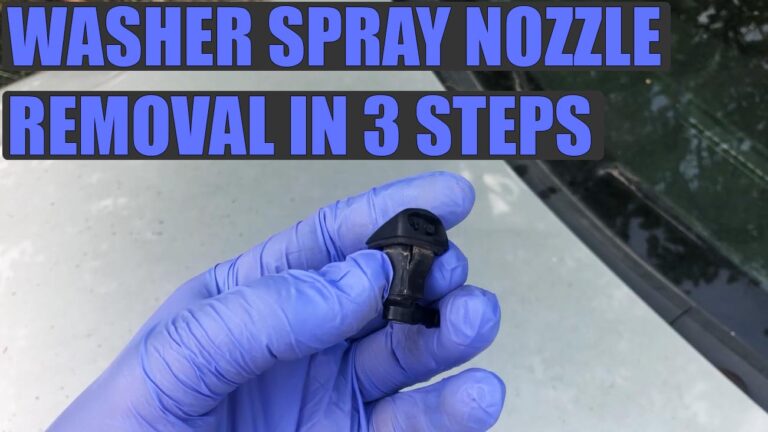
Learn how to remove a windshield washer nozzle safely, identify clip and screw-mounted designs, disconnect the hose, replace the nozzle, and test the spray pattern.