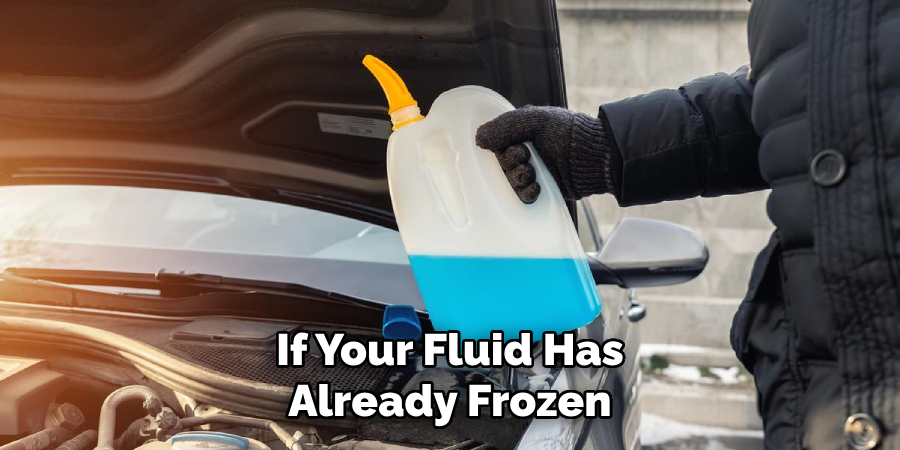
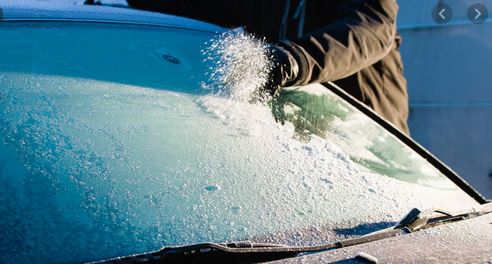
The safest way to thaw frozen windshield washer fluid is to move the vehicle into a heated garage or other above-freezing location and allow the reservoir, hoses, pump area, and nozzles to warm gradually. Once everything has thawed, replace or dilute the old fluid as appropriate with a winter-rated washer fluid whose freeze protection is suitable for the temperatures you expect.
For drivers across the United States, frozen windshield washer fluid can appear suddenly during a cold snap, especially when a vehicle still contains warm-weather fluid, diluted washer solution, or plain water. The problem is common anywhere winter temperatures fall below 32°F, from the Upper Midwest and Northeast to mountain regions and unusually cold parts of the South. A frozen washer system matters because road salt, slush, and dirty spray from traffic can quickly coat the windshield when you need clear visibility most.
Do not repeatedly hold the washer switch while the system is frozen. Ice may be blocking the reservoir, pump inlet, hoses, nozzles, or several components at once. The practical solution is controlled warming rather than trying to force fluid through the system. This guide explains how to thaw frozen windshield washer fluid, determine which part is still frozen, restore normal spray, avoid damaging the pump or plastic components, and choose appropriate cold-weather fluid afterward.
Windshield washer fluid freezes when its actual freeze protection is not low enough for the surrounding temperature. Different washer fluids are formulated for different climates. Warm-weather products may offer little or no subfreezing protection, while winter formulas contain ingredients that lower the freezing point.
The label on the container is more useful than the color of the fluid. A blue fluid is not automatically winter-safe. Look for a stated freeze-protection temperature and choose one suitable for your climate. The effective protection can also change when a concentrated product is mixed incorrectly or when winter fluid is diluted by water or weaker fluid already in the reservoir.
The entire system does not necessarily freeze at once. Fluid in exposed nozzles and small hoses can freeze before the larger volume inside the reservoir. This is why you may hear the pump operating even though nothing reaches the windshield.
Source: autovfix.com
Warm-weather washer fluid
Some formulas are intended primarily for temperatures above freezing and may solidify during winter weather.
Excessive dilution
Adding water can raise the mixture’s freezing point and reduce its cold-weather protection.
Old fluid in the lines
Even after stronger winter fluid is added to the reservoir, weaker fluid can remain trapped in hoses and nozzles until the system is operated.
Unexpected temperature drops
A fluid that handled normal winter conditions may still freeze during an unusually severe cold snap if the temperature falls below its rated protection.
How to Tell Whether the Washer System Is Frozen
A frozen washer system usually appears immediately after the vehicle has been exposed to freezing temperatures. Typical clues include a washer pump that can be heard but produces no spray, weak or uneven spray, visible frost at the nozzles, or washer fluid that appears slushy or solid inside a visible reservoir.
Do not assume that every no-spray condition is caused by ice. An empty reservoir, blown fuse, failed pump, disconnected hose, clogged nozzle, or electrical fault can create similar symptoms. Temperature and timing provide useful clues: if the system worked normally before an overnight freeze and stopped working the next morning, freezing is a reasonable first possibility.
No spray after a cold night
This strongly suggests freezing when the washer system worked normally beforehand.
Pump can be heard
The electrical circuit may still be functioning, while ice or another obstruction prevents fluid movement.
No pump sound
Freezing may still be involved, but the fuse, wiring, switch, or washer pump should also be considered after the system has thawed.
How to Thaw Frozen Windshield Washer Fluid Step by Step
The safest method is gradual warming. Your goal is to get the reservoir, pump, hoses, and washer nozzles above the freezing point without exposing plastic components or glass to extreme temperature changes.
If you have access to a heated garage, underground parking area, or another safe enclosed location that remains above 32°F, use it. The exact thawing time varies with the outside temperature, the amount of frozen fluid, the design of the vehicle, and the temperature of the space.
Source: vautobasics.com
What you need
An above-freezing parking location is ideal. A warm damp cloth can help with frozen nozzles, and properly rated winter washer fluid is useful once the system has thawed.
Before starting
Stop repeatedly activating the washer switch and inspect the reservoir, filler neck, hoses you can safely see, and exterior nozzles for signs of ice or damage.
Step 1: Stop Operating the Washer Pump
Release the washer control if no fluid appears after a brief attempt. Continuously operating a pump that cannot move fluid accomplishes little and may place unnecessary strain on the washer system.
If you hear an unusual grinding, harsh buzzing, or rapidly changing pump sound, stop immediately. Wait until the system is completely thawed before testing it again.
Step 2: Move the Vehicle Somewhere Warm
Park the vehicle in a garage or another location above freezing. Leave enough time for heat to reach the reservoir and the small lines running through the engine compartment and hood.
The reservoir may thaw before the hoses or nozzles. Do not assume that liquid visible in the tank means the entire system is ready to use.
Step 3: Let the System Warm Gradually
Allow the vehicle and washer components to warm naturally. Gradual warming reduces the chance of thermal shock and avoids concentrating excessive heat on plastic tanks, rubber hoses, electrical connectors, or painted surfaces.
Starting the vehicle and allowing it to reach normal operating temperature can warm portions of the engine compartment, but it is not a substitute for an adequately warm environment when the reservoir and lines are deeply frozen. Never idle a vehicle in a closed garage because exhaust gases, including carbon monoxide, can accumulate.
Step 4: Check and Thaw the Washer Nozzles
The small openings at the washer nozzles can remain frozen even after the reservoir has thawed. Clear snow and loose ice from around them gently. A warm, damp cloth held against the nozzle area can help melt surface ice.
Avoid using an open flame, heat gun on high heat, boiling water, or sharp objects that could deform or damage the nozzle. Do not push debris deeper into the opening.
Step 5: Inspect the Reservoir Fluid
Once the reservoir is thawed, check the remaining fluid. If the existing fluid froze at temperatures your vehicle regularly encounters, it should not remain your primary winter mixture.
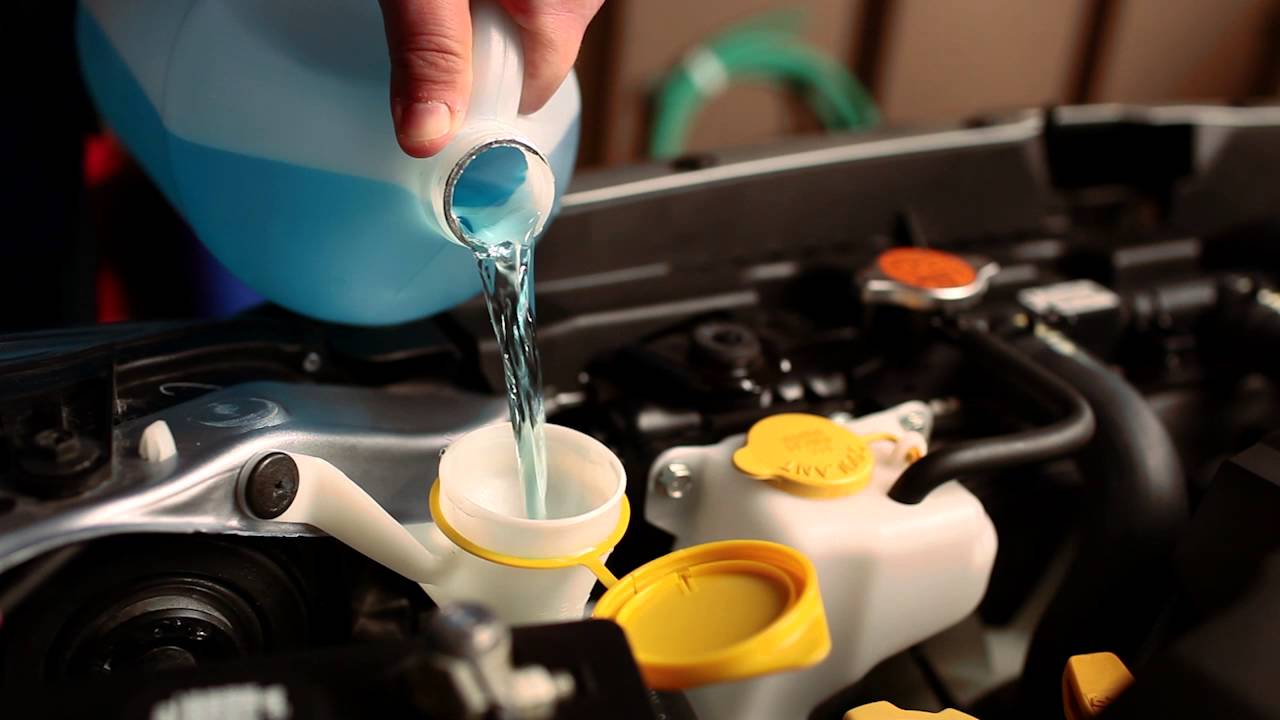
If practical for your vehicle, remove or use up the weak mixture and refill with washer fluid that has an appropriate cold-weather rating. Follow the product directions if you are using a concentrate because incorrect dilution changes freeze protection.
Step 6: Test the System Briefly
After the reservoir, visible lines, and nozzles appear thawed, activate the washer for a short burst. A normal spray pattern from the expected nozzles indicates that fluid is moving again.
If you hear the pump but receive no spray, stop and allow more thawing time. Fluid can remain frozen inside narrow hoses even when the reservoir is fully liquid.
Step 7: Purge Weak Fluid From the Lines
After adding correctly rated winter fluid, operate the washer in short intervals until the new fluid has traveled through the hoses and sprays from the nozzles. This step matters because low-freeze-point fluid in the reservoir cannot protect weaker fluid that is still sitting inside the lines.
Do this only after the system has thawed and is operating normally. Avoid excessive continuous pump operation.
What If Only the Washer Nozzles or Lines Are Frozen?
If liquid is visible in the reservoir but nothing reaches the windshield, the restriction may be farther downstream. Small-diameter washer hoses and exposed nozzles can lose heat quickly and may freeze before the reservoir does.
Start with the nozzles because they are accessible and exposed to cold air. Remove loose snow and ice, then warm the area gently. If both nozzles remain dry while you can hear the pump, allow the engine compartment and hood area additional time to warm rather than holding the washer switch.
Some vehicles route washer hoses through areas that are difficult to access without removing trim or insulation. Do not pull aggressively on brittle plastic fittings or cold hoses. If an inaccessible line remains blocked after the vehicle has been thoroughly warmed, professional inspection is more appropriate than dismantling unfamiliar components.
Source: storables.com
Reservoir liquid but no spray
The lines or nozzles may still contain ice.
One nozzle works
A local blockage, frozen branch line, or clogged nozzle is more likely than a completely frozen reservoir.
Weak spray from all nozzles
Partially frozen lines, a restricted pickup, low fluid level, or another flow problem may be involved.
Methods You Should Avoid
Trying to thaw the washer system too aggressively can turn a simple frozen-fluid problem into damaged plastic, cracked glass, burned wiring, or a failed pump. Controlled warmth is safer than extreme heat.
Be especially cautious with methods that create a sudden temperature difference. Automotive glass and plastic parts are designed to tolerate normal weather variation, not necessarily an abrupt blast of extreme heat.
Source: itsoverflowing.com
Do not pour boiling water on the windshield
Sudden thermal stress can damage glass, and the water can refreeze on surrounding surfaces.
Do not use an open flame
Washer fluids can contain alcohols, and vehicles contain combustible materials, wiring, plastic, and fuel-system components.
Do not concentrate high heat on the reservoir
A heat gun or similar tool can deform plastic, damage nearby wiring, or overheat painted and rubber components.
Do not repeatedly run the pump
If ice prevents fluid movement, repeatedly holding the washer switch does not speed thawing and may stress the pump.
Do not add engine antifreeze
Engine coolant is not a substitute for windshield washer fluid and can leave residues or damage vehicle finishes and washer-system components.
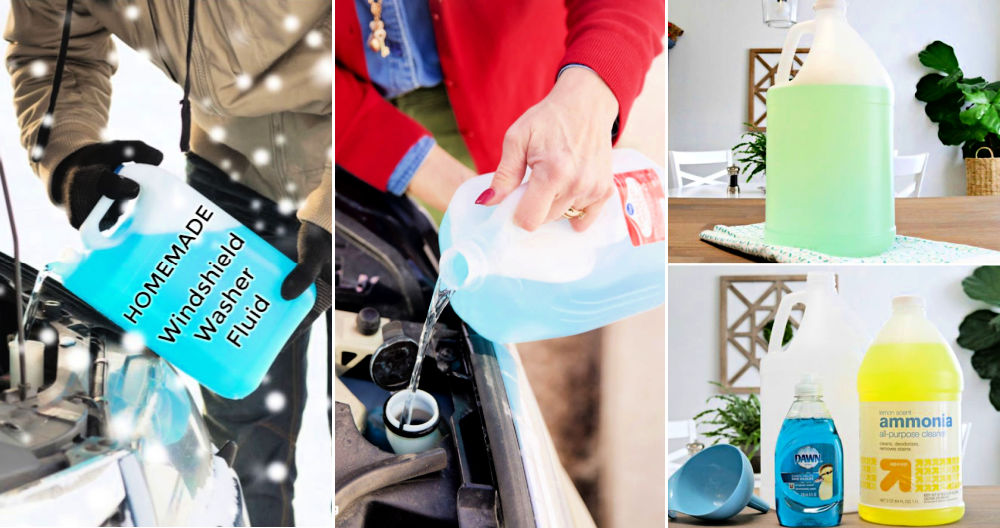
Do not rely on random homemade mixtures
A mixture without a verified freeze rating may provide unpredictable cold-weather protection and may be unsuitable for vehicle materials.
How to Know the Washer System Has Fully Thawed
A system is successfully thawed when the reservoir contains liquid, the pump operates normally, fluid reaches every intended nozzle, and the spray pattern is reasonably strong and consistent. The absence of visible ice in the reservoir alone is not enough.
Test the washer in short bursts. If spray begins weakly and then becomes normal, remaining slush or weaker fluid may have been clearing from the lines. If one nozzle stays blocked, investigate that branch separately after the rest of the system is working.
Source: tadvantagebetaprod-com.cdn-convertus.com
Normal pump sound
The pump should run without an unusual grinding or strained sound.
Consistent fluid delivery
Fluid should reach each intended washer nozzle rather than merely dribble from one outlet.
Stable spray after several short cycles
This indicates that liquid has moved through the lines instead of encountering recurring ice.
No visible leakage
Check beneath the vehicle and around accessible hoses because freezing can expose previously weak fittings or damaged components.
What to Do If the Washer Still Does Not Work After Thawing
If the vehicle has spent enough time in an above-freezing environment for the entire washer system to thaw but there is still no spray, stop treating the problem as ice alone. A separate mechanical or electrical fault may be present.
Begin with simple checks. Confirm that the reservoir contains fluid and look for obvious leaks or disconnected hoses. Listen briefly for the pump when the washer control is operated. The result helps narrow the diagnosis.
Pump runs but no fluid appears
Possible causes include a clogged nozzle, damaged or disconnected hose, blocked pickup, weak pump, or remaining obstruction.
Pump does not run
A fuse, electrical connection, washer switch, wiring problem, or failed pump may require diagnosis.
Fluid leaks under the vehicle
A cracked reservoir, split hose, loose fitting, or other leak may have become apparent after freezing.
Reservoir looks distorted or damaged
Do not rely on it until it has been inspected. Water expands as it freezes and can damage a vulnerable container or connection.
When Professional Inspection Makes Sense
Have the system inspected when the reservoir is cracked, the pump is silent despite an apparently good fuse, fluid is leaking in an inaccessible area, or the system remains inoperative after everything is fully thawed.
Professional diagnosis is also sensible if accessing the washer reservoir or pump requires removal of a wheel-well liner, bumper cover, or other components you are not comfortable removing.
How to Prevent Windshield Washer Fluid From Freezing Again
Prevention comes down to using washer fluid whose stated freeze protection is suitable for the lowest temperatures your vehicle is likely to encounter and making sure that fluid reaches the entire system.
This matters particularly for U.S. drivers who travel between climates. A vehicle filled in a warmer state may still contain a formula that is unsuitable after driving into Colorado, Minnesota, Wisconsin, upstate New York, New England, or another region experiencing significantly colder weather.
Check the label rather than assuming that a product marketed as washer fluid is suitable for severe winter conditions. Commercial products are available with different temperature ratings. Select a rating comfortably below the temperatures forecast for your location or destination, while following your vehicle manufacturer’s recommendations.
Check the freeze rating
Choose a washer fluid designed for temperatures below the coldest conditions you expect to encounter.
Avoid unnecessary water dilution
Adding water can weaken cold-weather protection unless the product is a concentrate specifically intended to be mixed according to label directions.
Switch before severe cold arrives
Replacing unsuitable fluid is easier before the reservoir and hoses have frozen.
Flush the lines with winter fluid
After changing fluids, operate the washers briefly so appropriately rated fluid reaches the hoses and nozzles.
Consider your travel destination
The fluid suitable for a mild home climate may not protect the system during a trip to a colder region.
Why the Temperature Rating Matters
Windshield washer fluids can have substantially different freezing characteristics depending on their formulation and concentration. Winter formulas commonly use alcohol-based ingredients or other approved antifreeze components to lower the freezing point.
Use the rating printed on the specific container rather than applying one universal freezing temperature to all washer fluids. If a concentrate is being used, follow its exact mixing instructions because changing the ratio changes its cold-weather performance.
Quick Troubleshooting Guide for a Frozen Washer System
The location of the freeze determines what you see at the windshield. Use the symptoms as clues, but confirm them after the vehicle has been warmed because frozen fluid and mechanical faults can look similar.
No spray and reservoir is visibly frozen
Warm the entire vehicle in an above-freezing location and wait until the reservoir and lines have thawed.
Reservoir is liquid but both nozzles are dry
Allow more time for the hoses and nozzle areas to warm, then test briefly.
One nozzle sprays and one does not
Check the nonworking nozzle and its branch line for local ice or a clog.
Pump is silent after complete thawing
Check the appropriate fuse information in the owner’s manual and consider electrical or pump diagnosis.
Fluid disappears without reaching the glass
Inspect accessible hoses, fittings, the reservoir, and the area beneath the vehicle for leakage.
Cold-Weather Washer Fluid Safety
Commercial windshield washer fluids may contain alcohols such as methanol or other chemicals intended to improve cleaning and cold-weather performance. Treat the fluid as an automotive chemical rather than ordinary colored water.
Follow the warnings on the container, keep washer fluid away from children and pets, avoid ingestion, and clean spills according to the product instructions. Store containers securely with their original labels intact.
Do not transfer washer fluid into beverage containers. Its appearance can be misleading, and retaining the original packaging preserves important safety and formulation information.
Keep the original label
The container provides the freeze rating, mixing instructions, warnings, and product identification.
Use ventilation when appropriate
Follow product precautions and avoid unnecessary exposure to concentrated vapors.
Clean spills promptly
Use the manufacturer’s handling instructions and keep the product away from children and animals.
Frequently Asked Questions
Q
Can I put hot water in the windshield washer reservoir to thaw it?
Adding very hot or boiling water is not recommended. Extreme heat can damage plastic components, and added water can further weaken the freeze protection of the washer fluid. A warm environment and gradual thawing are safer choices.
Q
How long does frozen windshield washer fluid take to thaw?
There is no universal thawing time. It depends on how cold the vehicle is, how much fluid is frozen, the location of the reservoir and hoses, and the temperature of the garage or other warming area. The narrow lines and nozzles may thaw at a different rate from the reservoir, so test the system only after all components have had time to warm.
Q
Can I add winter washer fluid on top of frozen fluid?
Adding appropriately rated winter fluid may be useful after enough space becomes available in the reservoir, but it should not be expected to instantly melt a solid block of frozen fluid throughout the system. Thaw the system first, then correct the mixture and circulate the new fluid through the lines.
Q
Will driving the car thaw frozen washer fluid?
Driving may warm parts of the engine compartment, but it does not guarantee that the reservoir, hoses, and nozzles will all thaw. Reservoir placement varies among vehicles, and some components remain exposed to very cold airflow. A reliably above-freezing location provides a more controlled solution.
Q
Can frozen washer fluid damage the washer pump?
Freezing can place stress on washer-system components, and repeatedly trying to operate a pump against frozen fluid or a blocked line is unnecessary. If the system does not work after a complete thaw, inspect for pump, reservoir, hose, fitting, fuse, or nozzle problems rather than continuing to hold the washer switch.
Q
Why did my windshield washer fluid freeze even though it was labeled for winter?
The outside temperature may have fallen below the product’s stated protection, or the winter fluid may have been diluted by water or warmer-weather fluid already in the reservoir. Weak fluid can also remain in the hoses after stronger fluid is added. Check the exact temperature rating and follow any mixing instructions on the container.
✦ Wrapping Up
Conclusion
Knowing how to thaw frozen windshield washer fluid safely is mostly a matter of patience and controlled warming. Stop running the washer pump, move the vehicle into an above-freezing location, let the reservoir and lines thaw, gently clear frozen nozzles, and test the system with short washer cycles.
Once normal flow returns, replace an unsuitable mixture with washer fluid rated for the winter temperatures you expect in your part of the United States or along your travel route. Then circulate the properly rated fluid through the hoses and nozzles so weaker fluid is not left behind to freeze again.
💡 Key Takeaway
Thaw the entire washer system gradually, confirm normal spray, then refill and purge it with washer fluid whose labeled freeze protection is safely below your expected winter temperature.
Learn how to fold a round windshield sun shade correctly without bending the frame. Follow these simple steps, avoid common mistakes, and store it neatly.